Winter Plants That Add Color and Life to Your Garden All Season Long
Winter often feels like the end of the gardening season, but the truth is far more exciting. While many flowers fade and trees become bare, plenty of stunning plants continue to thrive in chilly weather. Bright blooms, colorful berries, evergreen foliage, and unique textures can completely transform an outdoor space when everything else looks dull. A thoughtfully selected collection of cold-hardy plants keeps landscapes vibrant throughout the coldest months, proving that a garden never has to lose its charm simply because temperatures drop.
The best winter plants are more than beautiful additions to a landscape. Many provide food for birds, shelter for wildlife, and year-round structure that makes every season feel complete. Some produce fragrant flowers during the coldest weeks, while others display brilliant berries or glossy evergreen leaves that brighten snowy mornings.
From colorful blossoms to striking ornamental foliage, the following selections can help create a lively outdoor retreat that remains attractive from late fall through early spring.
Why Winter Gardens Deserve More Attention
A winter garden offers something completely different from a summer landscape. Instead of relying only on colorful flowers, it combines texture, evergreen foliage, decorative bark, berries, seed heads, and long-lasting blooms.
Cold-season gardening also provides several practical benefits:
- Adds year-round curb appeal.
- Supports birds and pollinators during difficult seasons.
- Reduces empty spaces in garden beds.
- Creates visual interest even after deciduous plants lose their leaves.
- Makes landscaping look professionally designed throughout the year.
Choosing plants with different heights, colors, and bloom times ensures the garden stays attractive from early winter until spring arrives.
Hellebore
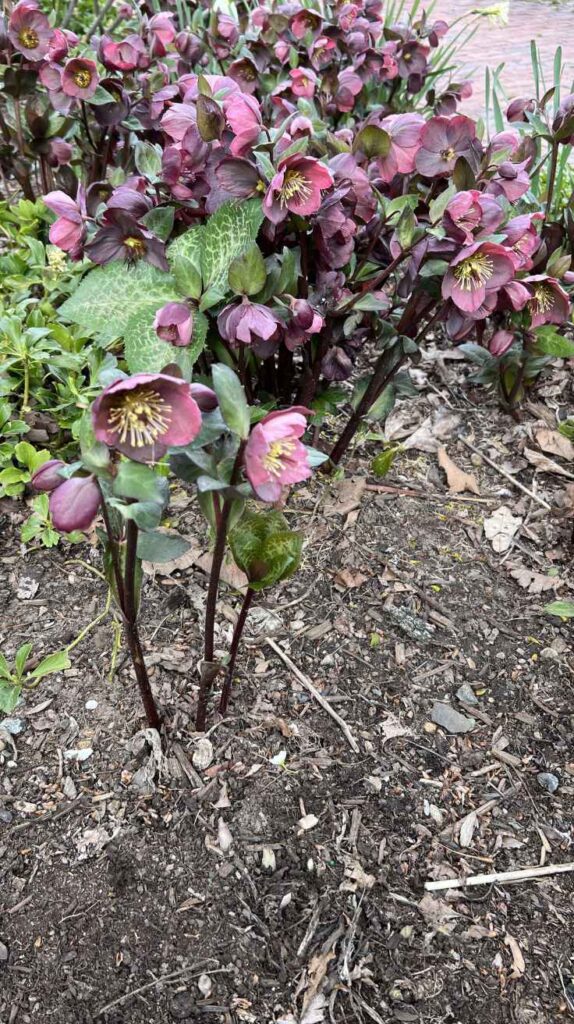
Known as the Christmas Rose or Lenten Rose, Hellebore is one of the earliest flowering perennials of the cold season. Its elegant blossoms often emerge while frost still covers the ground, making every bloom feel like a welcome surprise.
Unlike delicate flowers that disappear after a light freeze, Hellebores tolerate freezing temperatures remarkably well. Their leathery evergreen foliage remains attractive throughout much of the year, adding structure to shady garden beds.
Flowers appear in shades of white, cream, pink, burgundy, purple, and even green. Many varieties feature speckled petals or double blooms that resemble miniature roses. Once established, these hardy perennials require very little maintenance and continue blooming for years.
Hellebores thrive in partial shade with well-drained, nutrient-rich soil. A layer of mulch helps regulate soil temperature while protecting the roots from repeated freezing and thawing cycles. They pair beautifully with hostas, ferns, and early spring bulbs, creating a layered woodland garden that looks impressive long before warmer weather returns.
Winter Jasmine
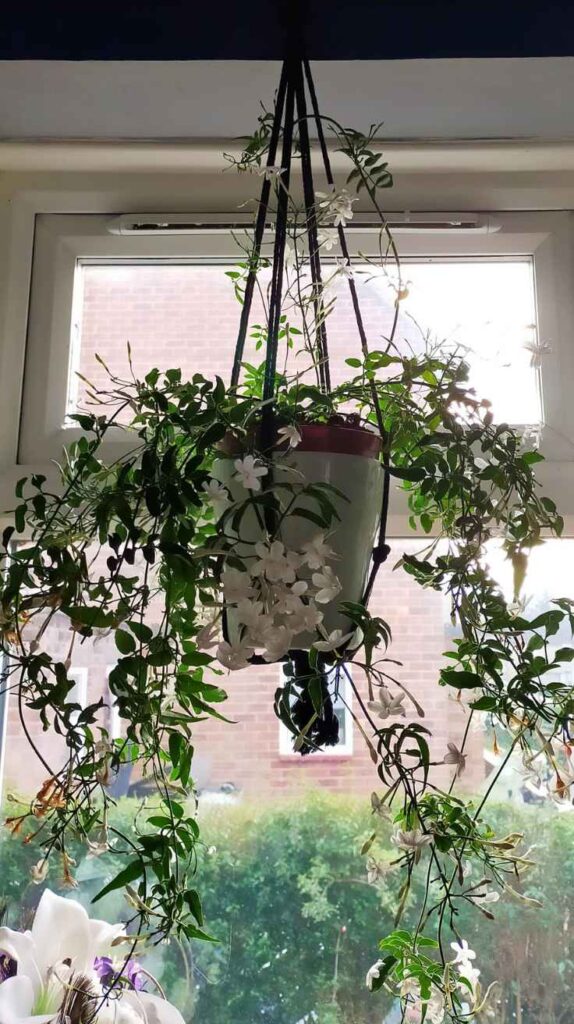
Winter Jasmine brightens dull landscapes with cheerful yellow flowers that appear before most plants even begin producing new leaves. The arching green stems spill gracefully over retaining walls, fences, or garden slopes, creating a natural waterfall of color during the cold months.
Unlike traditional jasmine, this variety grows primarily for its vibrant winter blooms rather than fragrance. Its flexible branches also make it an excellent choice for training along trellises or allowing to cascade naturally.
This adaptable shrub grows in full sun to partial shade and tolerates many soil conditions. Once established, it becomes drought tolerant while still producing reliable blooms each winter.
Regular pruning after flowering encourages dense growth and keeps the shrub looking neat. Winter Jasmine also serves as excellent erosion control on hillsides because its stems root easily wherever they touch the soil.
Camellia
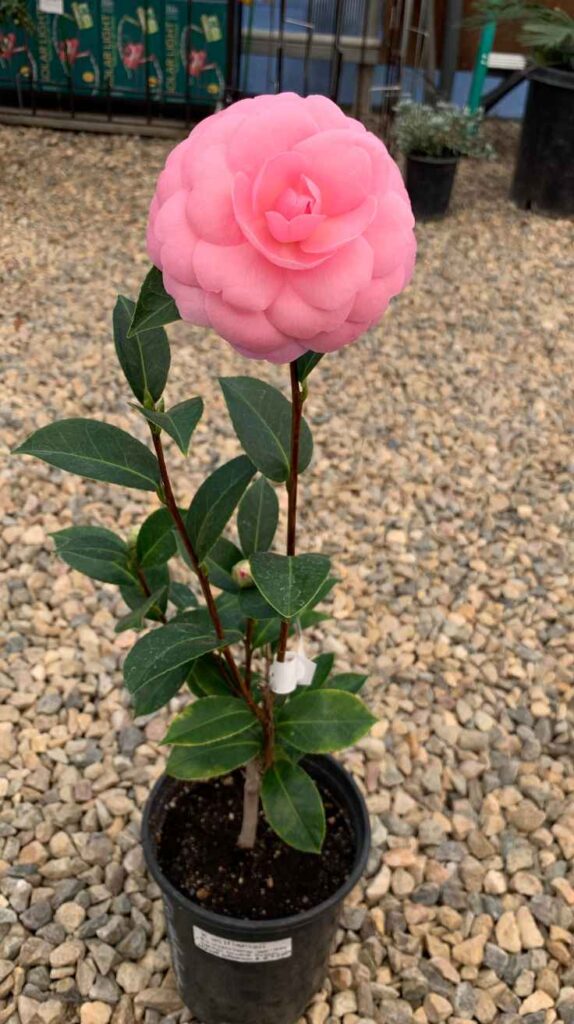
Camellias bring an elegant touch to winter landscapes with their large, rose-like flowers and glossy evergreen leaves. Blooming varieties appear from late fall through early spring, depending on the cultivar, filling the garden with vibrant shades of red, pink, white, and coral.
The polished foliage provides year-round beauty even when flowers are absent. Mature shrubs become stunning focal points near entryways, patios, or shaded garden borders. Camellias perform best in acidic, well-draining soil with consistent moisture. They appreciate protection from harsh afternoon sun and drying winter winds.
Adding organic mulch around the base helps retain moisture while insulating the roots during freezing temperatures. With proper care, these long-lived shrubs reward gardeners with spectacular displays that continue for decades.
Winterberry Holly
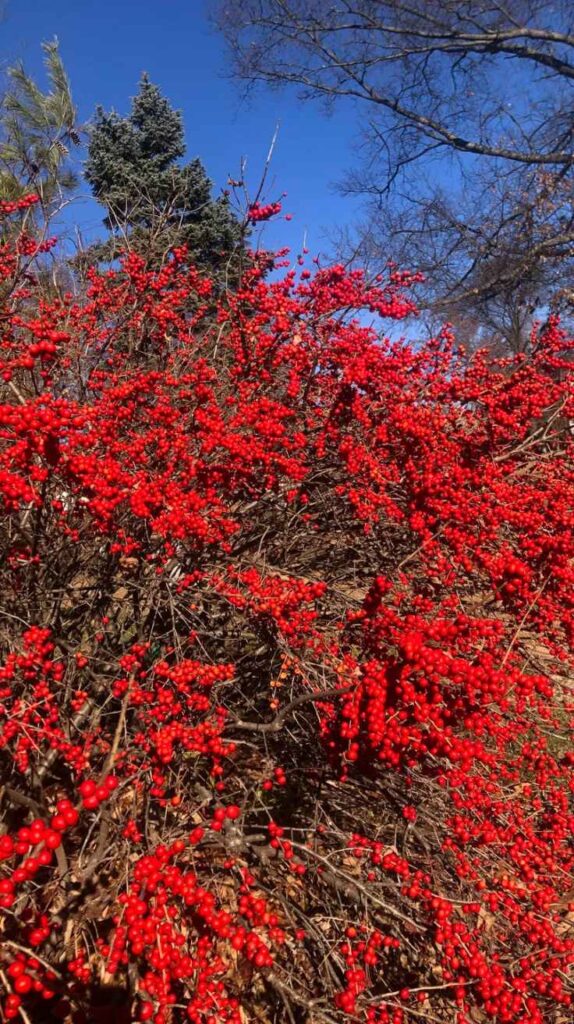
Nothing captures the spirit of winter quite like brilliant clusters of bright red berries covering bare branches. Winterberry Holly delivers dramatic seasonal color long after many plants have gone dormant.
Unlike evergreen hollies, Winterberry drops its leaves during autumn, allowing the colorful berries to stand out even more dramatically throughout winter. Birds frequently visit to feed on the fruit later in the season, adding movement and wildlife activity to the landscape.
This deciduous shrub thrives in moist soils and full sun to partial shade. For heavy berry production, both male and female plants should grow nearby since pollination is necessary.
Winterberry works beautifully in rain gardens, woodland edges, and mixed shrub borders where its colorful berries become one of the garden’s biggest highlights.
Pansies
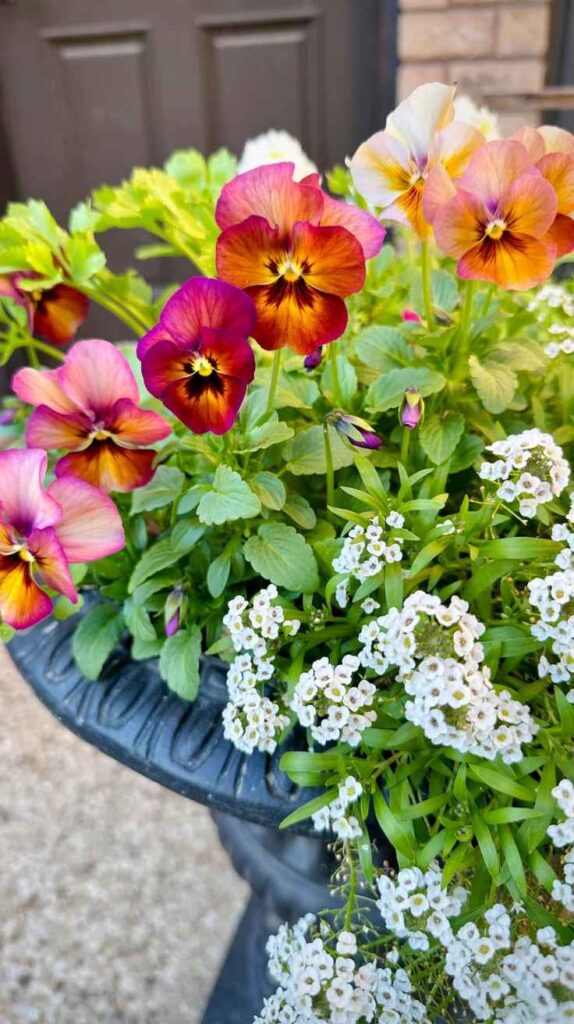
Pansies prove that annual flowers do not have to disappear when cooler weather arrives. These cheerful blooms tolerate frost surprisingly well and continue flowering throughout much of winter in many climates.
Available in nearly every color combination, pansies instantly brighten containers, flower beds, window boxes, and hanging baskets. Their charming “faces” add personality that makes every planting feel cheerful despite cold temperatures.
Pansies grow best in rich, well-drained soil with regular watering during dry periods. Removing faded blooms encourages continuous flowering and keeps plants looking fresh.
Mixed with ornamental kale, dusty miller, evergreen grasses, and flowering bulbs, pansies create colorful displays that bridge the gap between autumn and spring.
Cyclamen
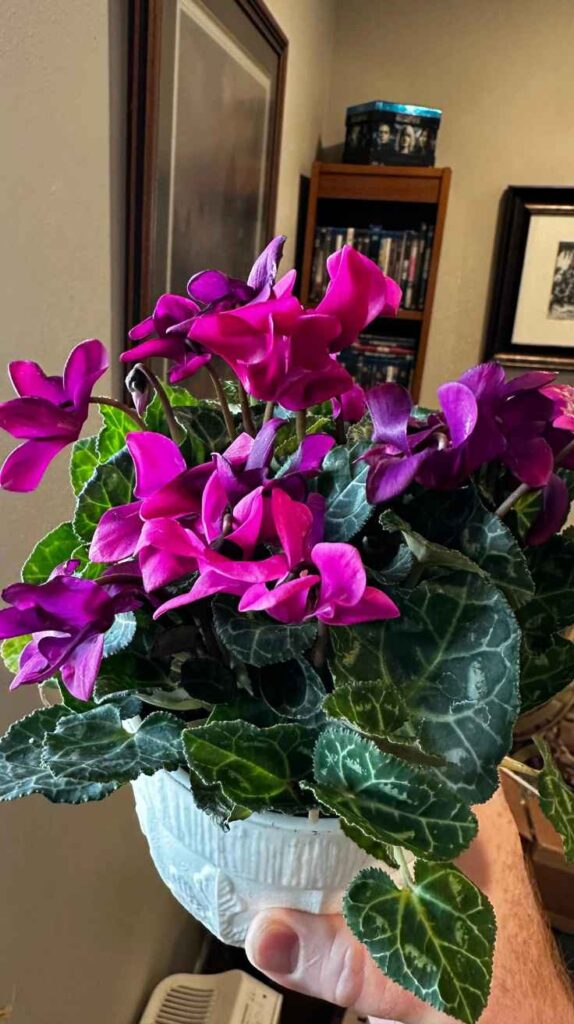
Cyclamen offers delicate beauty that perfectly complements cool-season landscapes. Its uniquely shaped flowers rise above attractive heart-shaped leaves decorated with silver patterns, creating a refined appearance in both containers and garden beds.
Flower colors range from pure white to deep magenta, pink, lavender, and crimson. The blooms appear to float gracefully above the foliage, adding elegance without overwhelming surrounding plants.
Cyclamen prefers cool temperatures, partial shade, and well-draining soil. Excess moisture around the tubers should be avoided to prevent rot during wet winter weather. Because of its compact size, Cyclamen fits perfectly into small spaces, rock gardens, woodland borders, and decorative patio containers where every flower becomes a beautiful focal point.
Ornamental Kale and Cabbage
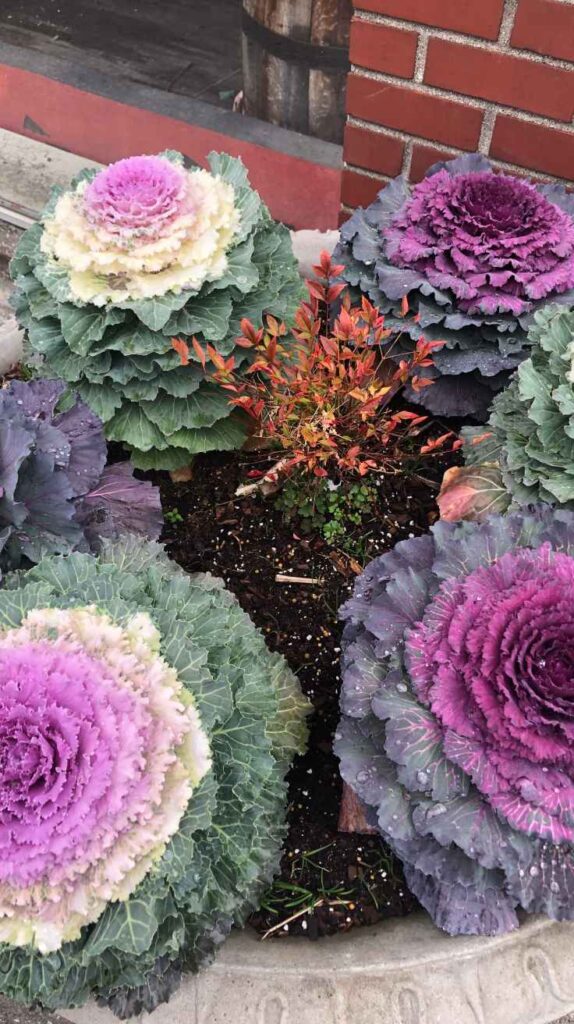
Not every colorful winter plant depends on flowers. Ornamental kale and cabbage create spectacular displays through their richly textured foliage, which becomes even more vibrant as temperatures fall.
The centers develop stunning shades of purple, pink, cream, and white surrounded by large ruffled green leaves. Frost actually enhances their coloration, making them even more striking during colder weather.
These cool-season favorites perform exceptionally well in containers, border plantings, and formal garden designs. Their symmetrical growth habit provides excellent structure alongside flowering plants.
Because the foliage remains attractive for months, ornamental kale and cabbage continue adding interest long after many annual flowers have faded away.
Snowdrops
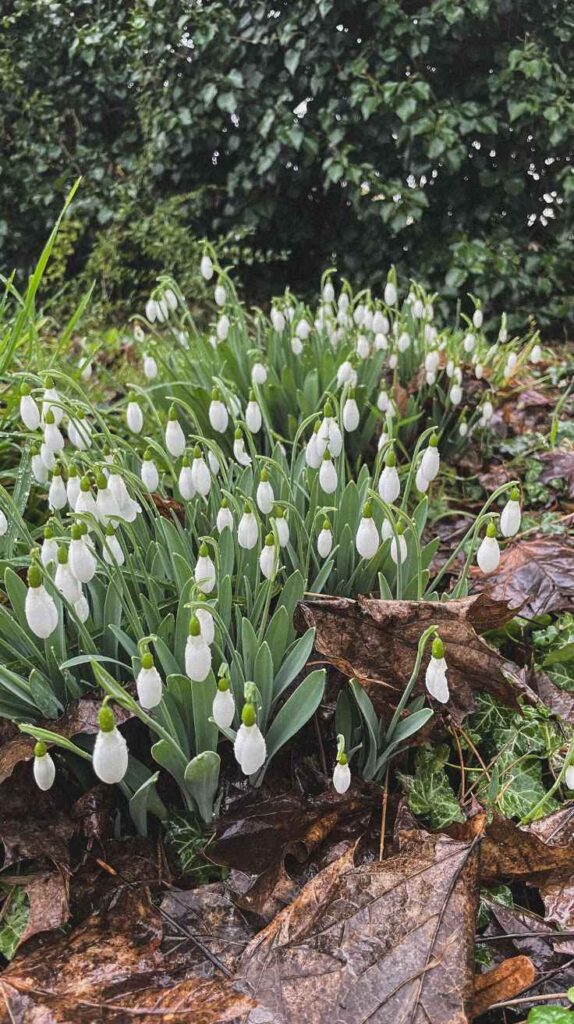
Snowdrops often become the first flowers to announce that winter will not last forever. Tiny white blossoms emerge through frozen soil and sometimes even push through layers of snow, creating one of the season’s most heartwarming sights.
Despite their delicate appearance, Snowdrops possess remarkable cold tolerance. Once planted, they naturalize gradually, producing larger drifts of flowers every year.
These bulbs grow best beneath deciduous trees where they receive sunlight before spring leaves develop. Moist but well-draining soil encourages healthy growth and reliable blooming. Planted in groups, Snowdrops create breathtaking carpets of white that signal the changing seasons with quiet elegance.
Witch Hazel
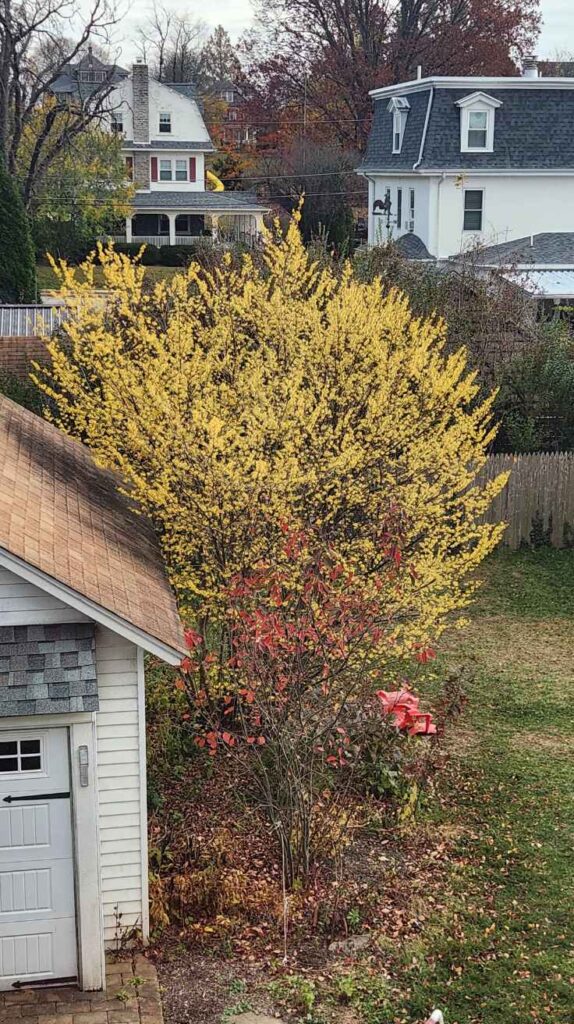
Witch Hazel stands apart because its unusual ribbon-like flowers bloom during the coldest months, often when few other shrubs display any color at all.
The fragrant blossoms appear in shades of yellow, orange, or red along bare branches, creating an eye-catching contrast against winter landscapes. Some varieties even release a pleasant spicy fragrance that fills the surrounding air on mild afternoons.
Beyond its flowers, Witch Hazel develops brilliant fall foliage before transitioning into its remarkable winter display. This hardy shrub thrives in full sun to partial shade with moist, fertile soil. Once mature, it becomes an outstanding specimen plant that attracts attention throughout multiple seasons.
Red Twig Dogwood
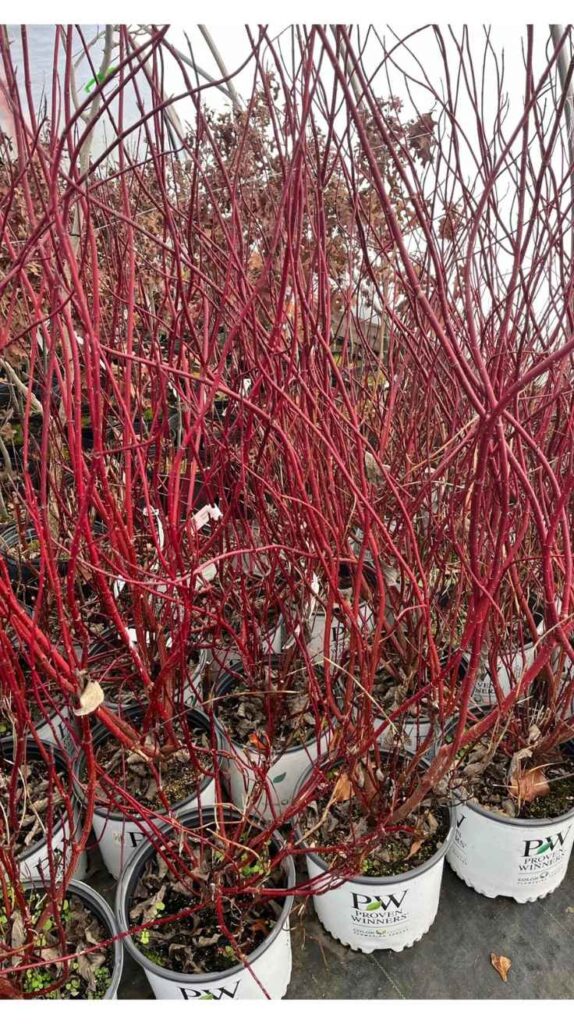
Even without flowers or leaves, Red Twig Dogwood commands attention during winter thanks to its brilliant crimson stems.
As temperatures drop, the branch color intensifies, creating vivid contrast against snow, evergreen shrubs, or pale landscapes. This unique feature provides architectural beauty that remains visible throughout the dormant season.
The shrub also produces small white flowers during spring followed by berries that attract birds later in the year. Pruning older stems every few years encourages fresh growth because younger branches display the brightest color. Red Twig Dogwood fits beautifully near ponds, property borders, and mixed shrub plantings where its striking stems become the center of attention.
Mahonia
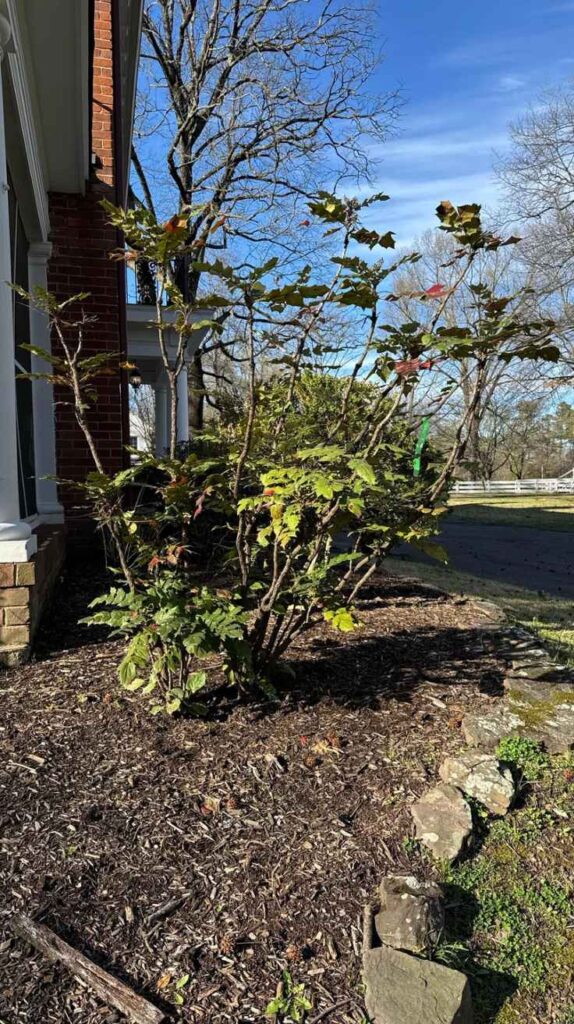
Mahonia combines evergreen foliage, fragrant yellow flowers, and colorful berries into one incredibly versatile landscape shrub.
Its holly-like leaves create year-round texture, while bright yellow flower clusters bloom during late winter. As the season progresses, blue-purple berries replace the blossoms, providing additional visual interest and attracting wildlife.
Mahonia tolerates shade better than many flowering shrubs, making it especially valuable beneath trees or along woodland edges. Its layered appearance blends beautifully with ferns, hostas, evergreen ground covers, and spring-flowering bulbs, creating attractive combinations that evolve throughout the year.
Heather
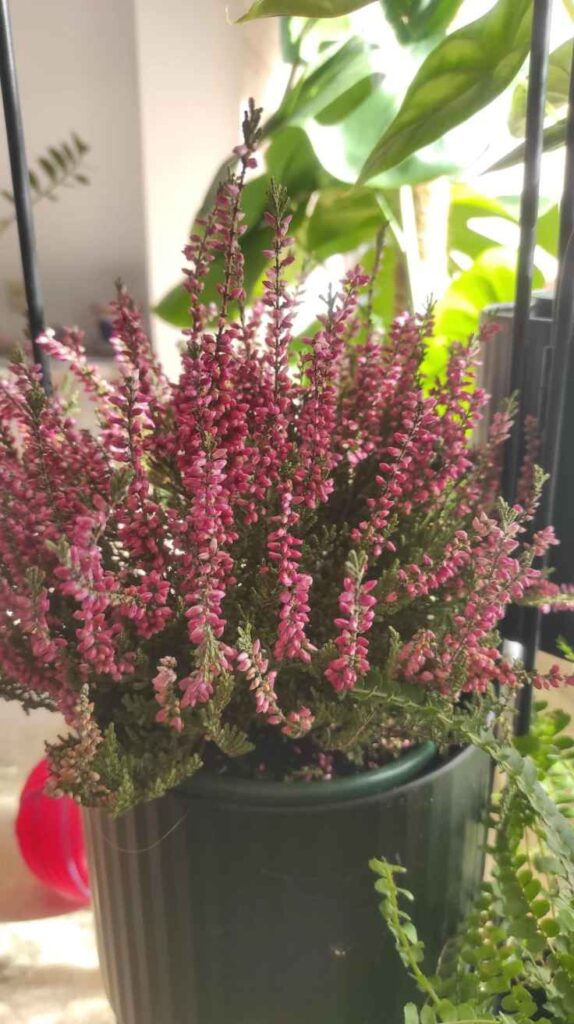
Heather transforms winter landscapes into colorful carpets filled with shades of pink, purple, white, and lavender. These compact evergreen shrubs bloom during cooler months when many flowering plants remain dormant.
Tiny needle-like foliage adds year-round texture, while masses of small flowers cover the plants for several weeks.
Heather performs best in acidic, well-drained soil and full sunlight. Good drainage is especially important because prolonged soggy conditions can damage the roots. Used along pathways, rock gardens, slopes, or mixed borders, Heather provides lasting color while helping suppress weeds and reduce soil erosion.
Tips for Growing a Healthy Cold-Season Landscape
A thriving winter landscape depends on more than selecting hardy species. Proper care throughout the year helps plants stay healthy during freezing weather.
Healthy winter gardens usually include:
- Well-draining soil to prevent root rot.
- Organic mulch to insulate roots.
- Regular watering before the ground freezes.
- Slow-release fertilizer during the growing season.
- Protection from harsh winter winds when necessary.
- Pruning at the correct time for each plant variety.
- A combination of evergreen plants, flowering shrubs, ornamental grasses, and seasonal perennials for year-round balance.
Mixing different textures, bloom periods, foliage colors, and plant heights creates depth that keeps the landscape visually interesting throughout every month of the year.
How to Design a Stunning Winter Garden
The most beautiful winter gardens rely on contrast rather than flowers alone.
Evergreen shrubs establish a permanent foundation. Bright berries introduce vibrant pops of color. Ornamental grasses add movement when winter breezes pass through the garden. Decorative bark, colorful stems, and seed heads contribute additional layers that remain attractive even after snowfall.
Containers near front doors can feature pansies, ornamental kale, evergreen branches, and small conifers for instant seasonal charm. Garden pathways become more inviting when lined with flowering shrubs and evergreen ground covers.
Lighting also enhances the beauty of a winter landscape. Soft outdoor lighting highlights colorful stems, textured foliage, and architectural plant shapes during the long evenings, creating a welcoming atmosphere that feels warm despite the cold.