Low Light House Plants List That Thrive in Dim Spaces
Have a room that feels dull no matter how much decorating happens? A dark corner, a windowless office, or a hallway with very little sunlight can often feel lifeless and uninviting. The good news is that not every plant needs bright sunshine to flourish. Some indoor plants actually perform surprisingly well in shaded spaces, making them perfect companions for apartments, offices, bedrooms, and homes with limited natural light.
This low light house plants list features some of the most resilient, beautiful, and beginner-friendly indoor plants available. These green companions can add color, texture, and freshness to nearly any room while requiring minimal attention. Even those who struggle to keep plants alive can find success with these easy-care varieties.
From elegant foliage to air-purifying qualities, these indoor plants offer more than just visual appeal. Several selections on this list can help create a relaxing atmosphere while transforming neglected areas into attractive focal points. Some of these plants may even surprise readers with how little maintenance they need. Keep reading because the final entries are among the most stunning choices for low-light environments.
Why Low-Light Plants Are Perfect for Modern Homes
Many homes today have limited sunlight due to building layouts, apartment living, or shaded outdoor areas. Traditional houseplants often struggle under these conditions, but low-light varieties adapt naturally to reduced light levels.
These indoor plants can survive in rooms facing north, offices with artificial lighting, and spaces located far from windows. While no plant can thrive in complete darkness, many species have evolved to tolerate significantly less sunlight than most flowering plants.
Besides their adaptability, these houseplants help soften indoor spaces, improve décor, and introduce a natural element that makes rooms feel more welcoming. Their easy-care nature also makes them ideal for busy households.
Snake Plant

The Snake Plant remains one of the most dependable choices for indoor gardening. Its upright, sword-shaped leaves feature striking green patterns that instantly add character to any room. This hardy plant tolerates neglect, irregular watering schedules, and dim lighting better than most houseplants.
One reason homeowners love this plant is its incredible resilience. It continues growing even in bedrooms, offices, and hallways where sunlight is minimal. The thick leaves store moisture efficiently, allowing the plant to survive occasional missed watering sessions.
Another advantage is its architectural appearance. The vertical growth creates visual interest without occupying much floor space. It works beautifully in modern interiors, minimalist homes, and small apartments.
When caring for this plant, allow the soil to dry completely between waterings. Excess moisture causes more problems than underwatering. With very little effort, this elegant greenery can remain healthy for many years while enhancing indoor spaces with its bold structure.
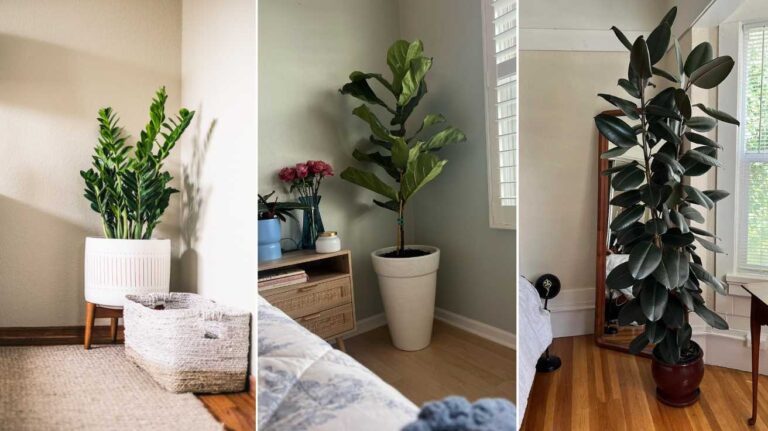
ZZ Plant
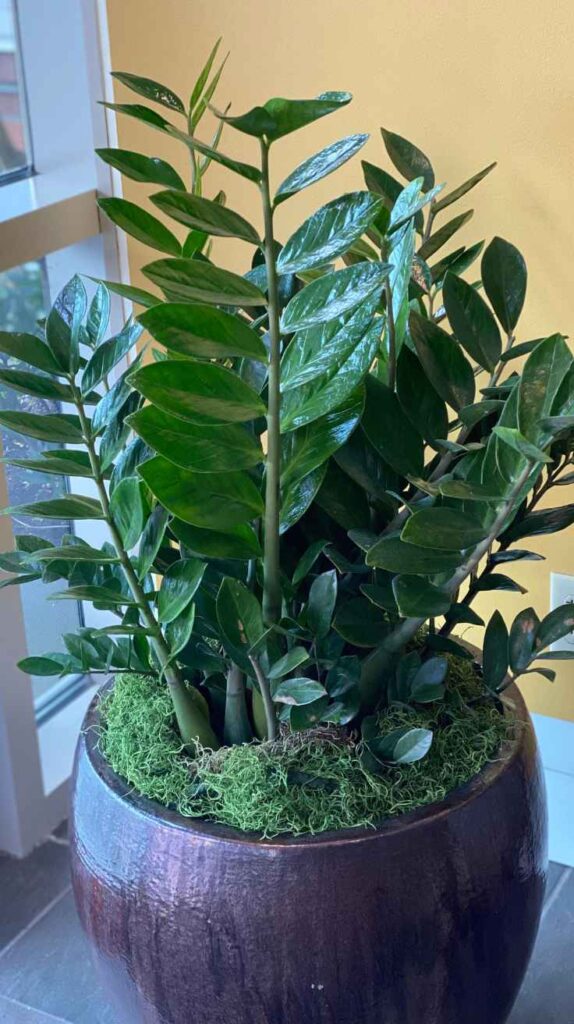
The ZZ Plant has become a favorite among beginner plant enthusiasts because of its remarkable ability to thrive under challenging indoor conditions. Glossy, dark green leaves grow along thick stems, creating a polished and sophisticated appearance.
This plant performs exceptionally well in areas with limited sunlight. It adapts to offices, apartments, and rooms with north-facing windows where many other species struggle. Its underground rhizomes store water, helping it withstand long periods without attention.
The shiny foliage reflects available light beautifully, making darker spaces feel brighter and more inviting. Many interior designers use ZZ Plants to soften corners and add greenery without creating maintenance demands.
Watering should remain moderate. Allow the potting mix to dry before watering again. Overwatering is the most common mistake. Aside from occasional dusting of the leaves, this plant requires very little care.
For homeowners seeking attractive greenery without constant maintenance, the ZZ Plant stands out as one of the easiest and most rewarding choices available.
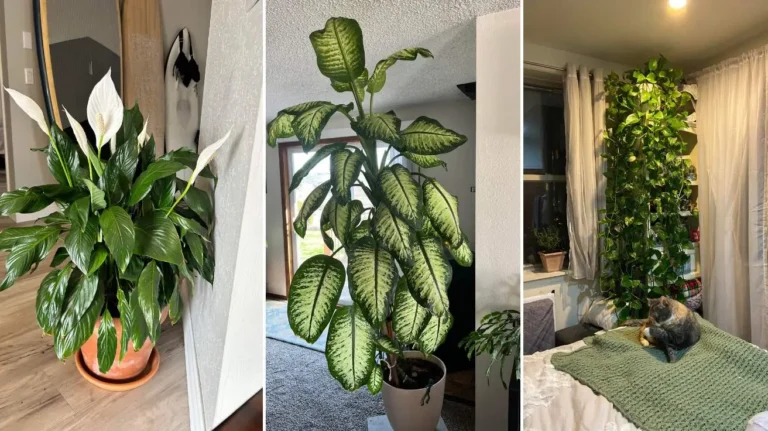
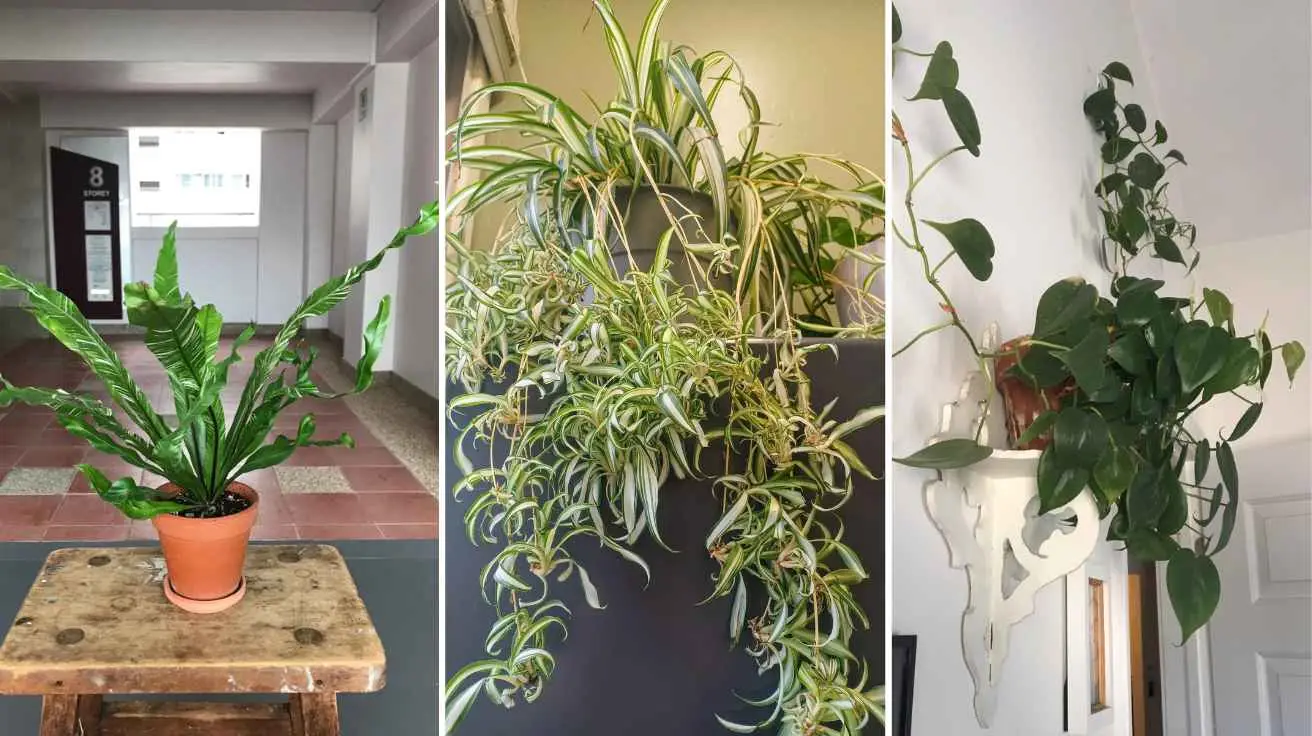
Pothos
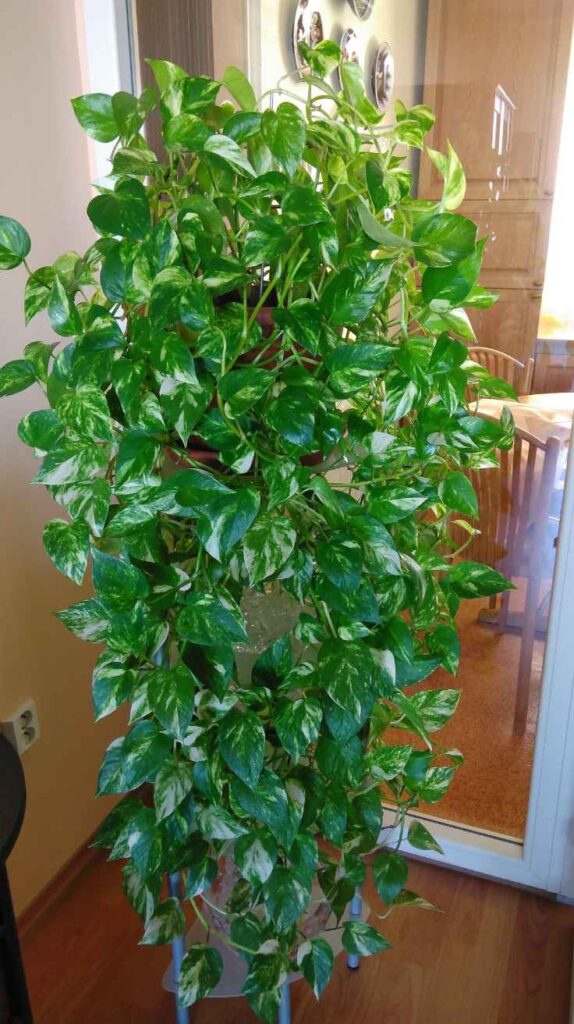
Pothos is often considered one of the best indoor vines for beginners. Its heart-shaped leaves and trailing stems create a lush, cascading effect that instantly enhances shelves, hanging baskets, and tabletops.
What makes this plant particularly appealing is its flexibility. It grows happily in low-light rooms, although brighter indirect light may encourage faster growth. The trailing vines can extend several feet, creating a dramatic visual display even in compact living spaces.
Several varieties feature beautiful leaf patterns, including green, yellow, cream, and white variegation. These colorful markings add interest and texture to home décor.
Pothos also responds well to pruning. Cutting longer vines encourages fuller growth, allowing homeowners to customize its shape. Propagation is simple as well, making it easy to create additional plants from stem cuttings.
This versatile vine combines beauty, adaptability, and ease of care, making it a valuable addition to nearly any indoor environment.
Peace Lily

The Peace Lily offers something many low-light plants cannot—elegant blooms. Its glossy green foliage and graceful white flowers bring a sense of sophistication to indoor spaces.
Unlike many flowering houseplants that require abundant sunlight, Peace Lilies perform surprisingly well in lower light conditions. While flowering may become more frequent with brighter indirect light, the plant continues producing attractive foliage even in shaded rooms.
Many homeowners appreciate how expressive this plant can be. When it needs water, the leaves gently droop, providing a clear signal before quickly recovering after watering.
Its lush foliage creates a tropical atmosphere that works beautifully in living rooms, bedrooms, and offices. Decorative containers further enhance its visual appeal.
Consistent moisture and occasional feeding help maintain vigorous growth. Avoid direct sunlight, which may scorch the leaves. With proper care, the Peace Lily becomes a stunning focal point that adds both greenery and occasional blooms to indoor environments.
Chinese Evergreen

Chinese Evergreen is widely praised for its colorful foliage and exceptional adaptability. It remains one of the most attractive choices for homes with limited natural light.
The leaves display beautiful combinations of green, silver, cream, pink, or red depending on the variety. These vibrant patterns bring energy and visual interest to spaces that may otherwise feel plain or shadowy.
One of the greatest strengths of this plant is its tolerance for indoor conditions. It handles low humidity, moderate temperatures, and reduced lighting with ease. Busy homeowners often appreciate how forgiving it can be.
Regular watering and well-draining soil are usually sufficient to keep it healthy. The plant grows slowly but steadily, maintaining an attractive appearance throughout the year.
Because of its colorful foliage and straightforward care requirements, Chinese Evergreen remains a popular recommendation for anyone building a collection of indoor greenery in darker areas of the home.
Cast Iron Plant

The Cast Iron Plant earned its name through extraordinary toughness. Few houseplants can match its ability to survive neglect, poor lighting, and fluctuating indoor conditions.
Its long, deep-green leaves emerge directly from the soil, creating a simple yet elegant appearance. The plant’s understated beauty works especially well in traditional interiors, offices, and shaded corners.
Low light rarely affects its health, making it one of the most dependable options for rooms with minimal natural illumination. It also tolerates occasional missed watering sessions and varying humidity levels.
Slow growth means less frequent repotting and maintenance. Once established, the plant requires very little intervention beyond periodic watering and basic cleaning.
For homeowners who have struggled with indoor plants in the past, the Cast Iron Plant often provides a refreshing experience. Its durability, longevity, and graceful foliage make it a standout choice among low-maintenance greenery.
Spider Plant
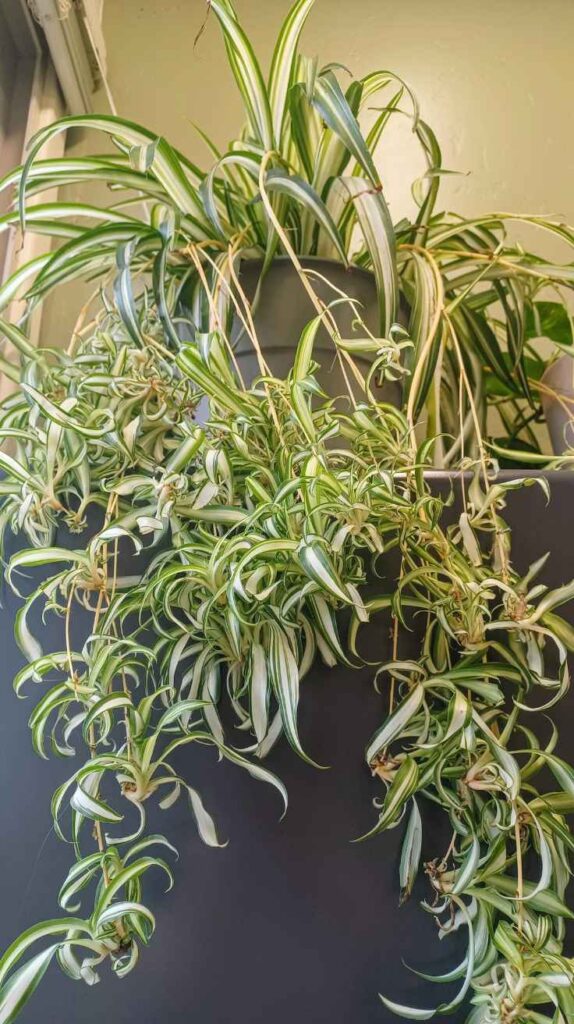
The Spider Plant is one of the most recognizable indoor plants thanks to its arching green leaves and charming baby plantlets that dangle from mature stems. Its cheerful appearance adds movement and texture to shelves, desks, and hanging baskets. Even in rooms with limited sunlight, this plant continues to grow steadily and maintain its vibrant color.
Many homeowners appreciate how adaptable it is. It tolerates inconsistent watering, average indoor temperatures, and varying humidity levels. While brighter indirect light encourages faster growth, it remains healthy in dimmer spaces where many other plants struggle.
One of its most exciting features is propagation. The small plantlets can be removed and rooted easily, allowing plant lovers to expand their indoor garden without purchasing additional plants. This creates an endless supply of greenery that can be shared with friends and family.
Its combination of easy care, graceful foliage, and fast reproduction makes the Spider Plant an excellent choice for beginners looking to add natural beauty to their home.
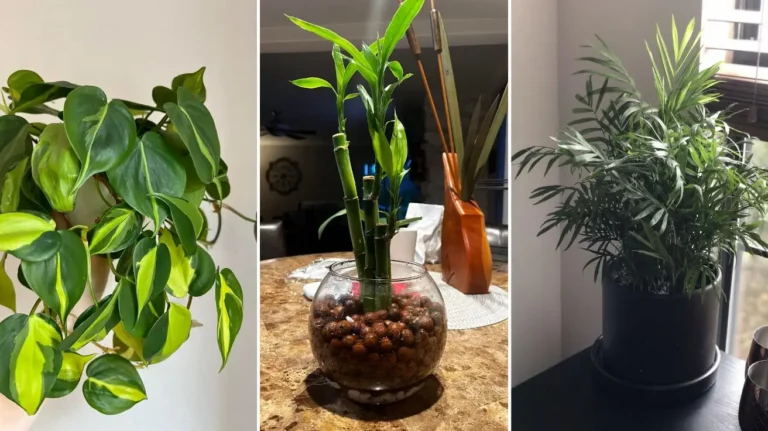
Heartleaf Philodendron
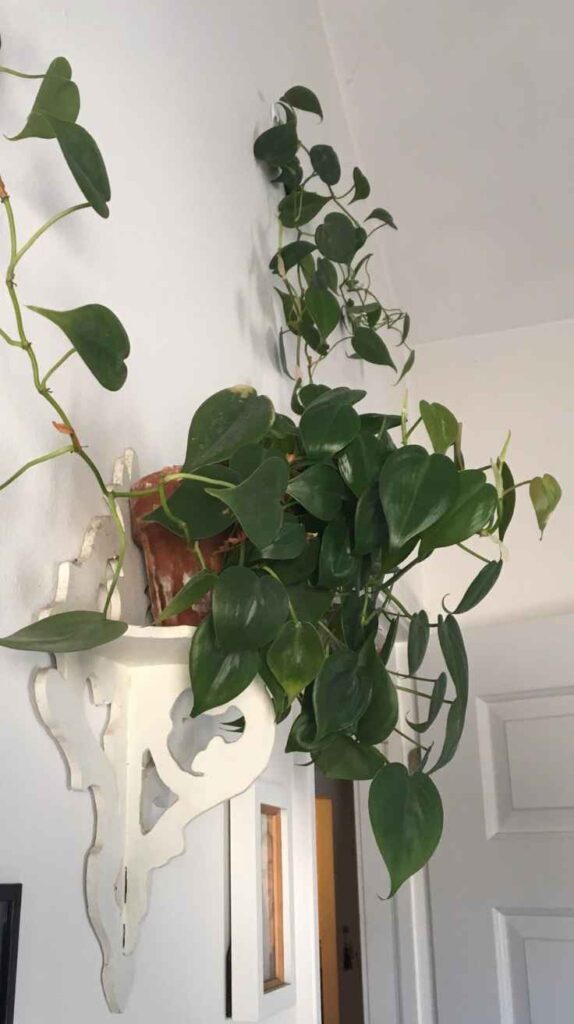
The Heartleaf Philodendron is admired for its soft, heart-shaped leaves and elegant trailing vines. It creates a lush, tropical feel that instantly warms any indoor environment. Whether placed on a bookshelf, hanging planter, or tabletop, its cascading growth habit adds visual interest and softness.
This plant thrives in low-light conditions, making it ideal for apartments, offices, and rooms with limited natural sunlight. Although growth may slow slightly in darker locations, the foliage remains attractive and healthy throughout the year.
The flexible vines can be trained to climb support structures or allowed to trail naturally. Regular pruning encourages a fuller appearance and helps maintain a tidy shape.
Heartleaf Philodendron also requires very little maintenance. Moderate watering and occasional fertilization are usually enough to keep it flourishing. Its forgiving nature makes it one of the most rewarding choices for new plant owners who want greenery without complicated care routines.
Parlor Palm
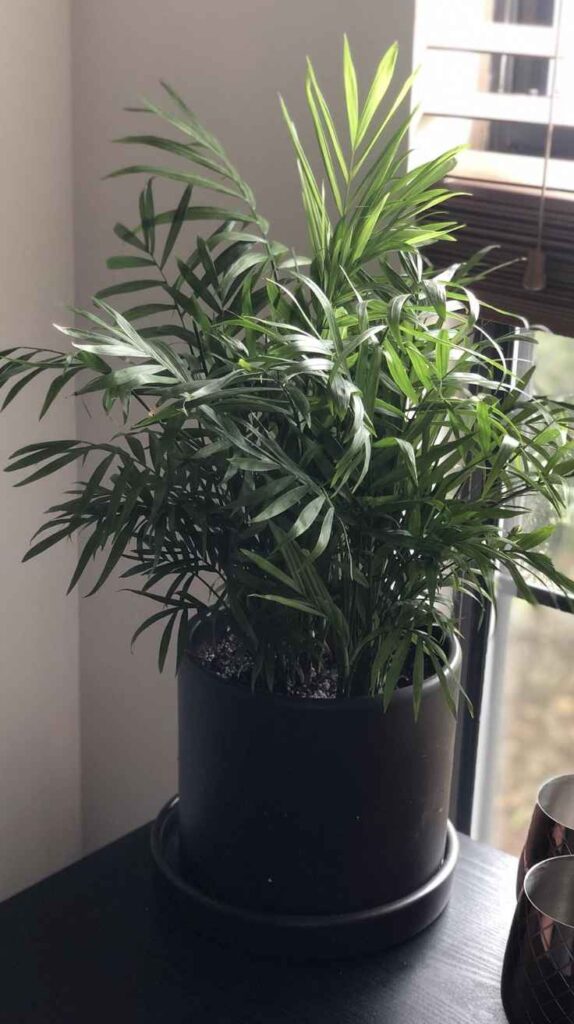
The Parlor Palm has remained a popular indoor plant for generations because of its elegant appearance and exceptional adaptability. Delicate feather-like fronds create a graceful silhouette that brings a sense of calm and sophistication to indoor spaces.
Unlike many palm varieties that demand bright conditions, the Parlor Palm performs remarkably well in low-light environments. This makes it suitable for living rooms, bedrooms, entryways, and office settings where direct sunlight is limited.
Its slow growth rate contributes to its popularity. The plant maintains a manageable size for years while continuing to produce attractive foliage. It also adapts well to average indoor humidity levels, making care relatively simple.
A decorative container can further enhance its tropical charm. With minimal effort, the Parlor Palm provides year-round greenery and creates a relaxing atmosphere that complements a wide range of interior design styles.
Dracaena
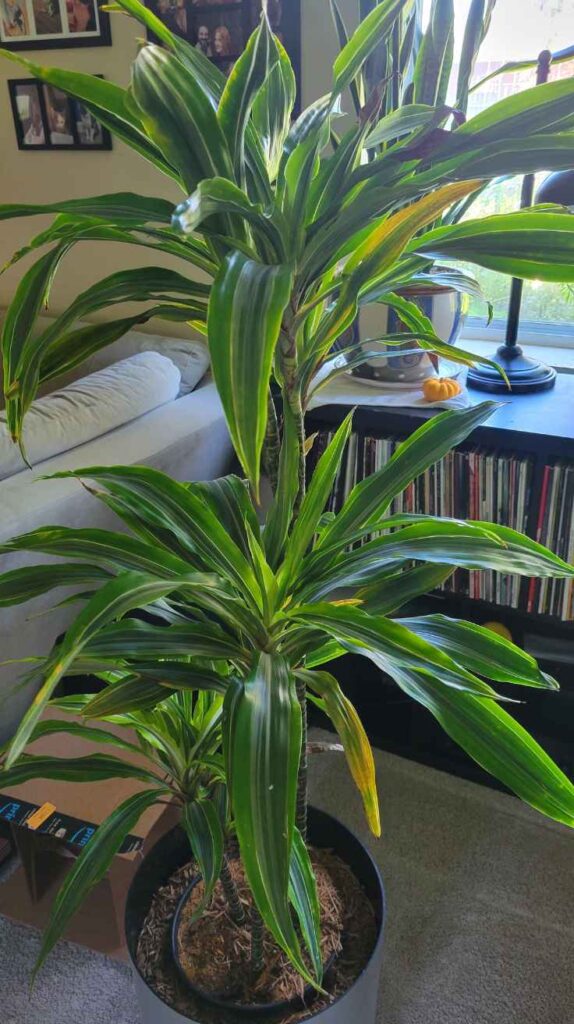
Dracaena is a diverse group of houseplants known for striking foliage and impressive adaptability. Long, arching leaves often feature beautiful patterns of green, cream, yellow, or red, creating dramatic visual appeal even in darker rooms.
One reason this plant remains a favorite among indoor gardeners is its tolerance for lower light levels. It grows comfortably in offices, apartments, and homes where sunlight may be limited throughout much of the day.
The upright growth habit makes it an excellent choice for filling empty corners or creating vertical interest in interior spaces. Different varieties offer unique leaf shapes and colors, allowing homeowners to find options that complement their décor.
Proper drainage and moderate watering help maintain healthy growth. Allowing the soil to dry slightly between waterings prevents common issues related to excess moisture. Its combination of beauty, versatility, and easy care makes Dracaena a valuable addition to any indoor plant collection.
Bird’s Nest Fern

The Bird’s Nest Fern offers a refreshing alternative to traditional leafy houseplants. Instead of pointed or trailing foliage, it produces broad, wavy fronds that emerge from a central rosette, creating a unique sculptural appearance.
This tropical plant naturally grows beneath forest canopies, making it highly suitable for low-light indoor conditions. Its bright green leaves help soften interiors and introduce a fresh, natural feel to living spaces.
Bathrooms often provide an ideal environment because the additional humidity supports healthy growth. However, the plant also performs well in other rooms when moisture levels remain reasonably consistent.
Unlike some ferns that require constant attention, the Bird’s Nest Fern is relatively easy to maintain. Keeping the soil lightly moist and avoiding direct sunlight helps preserve its vibrant appearance. Its unusual texture and lush foliage make it a standout feature in any indoor garden.
Lucky Bamboo
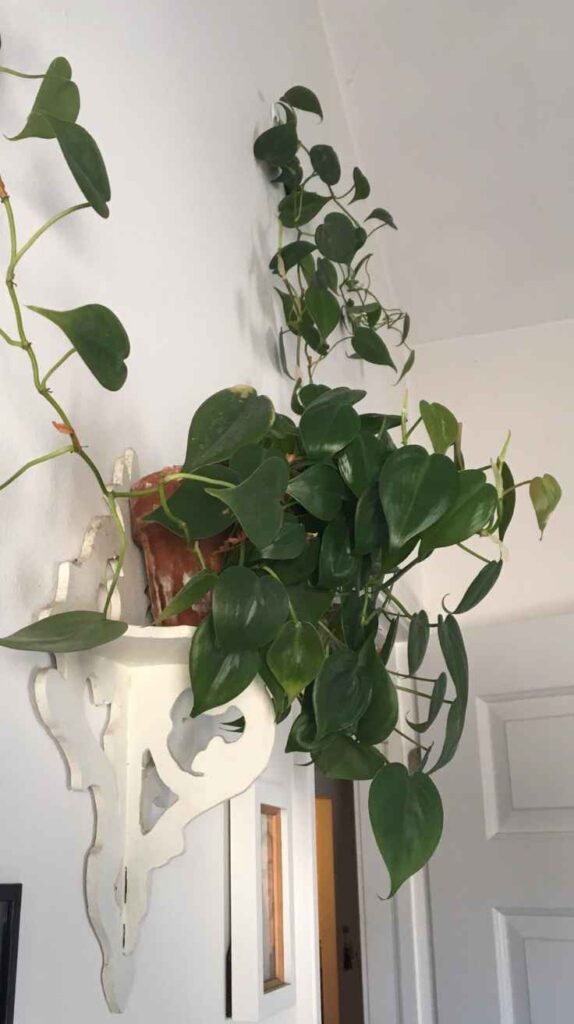
Lucky Bamboo has become a favorite decorative plant because of its elegant stems, symbolic meaning, and incredible adaptability. Despite its name, it is not a true bamboo, but it shares a similarly graceful appearance that complements modern and traditional interiors alike.
One of its most appealing characteristics is its ability to thrive in low-light environments. It grows well on desks, countertops, shelves, and office workspaces where natural sunlight is limited.
Many people grow Lucky Bamboo in water-filled containers with decorative stones, creating a clean and stylish display. Others prefer traditional soil cultivation for long-term growth. Both methods can be successful when proper care is provided.
Its simple maintenance requirements make it particularly attractive for beginners. Regular water changes, indirect light, and occasional feeding are generally all that is needed. Beyond its visual beauty, Lucky Bamboo adds a sense of tranquility and balance to indoor spaces.