Beginner Plants That Make Plant Care Easy and Rewarding
Have you ever brought home a beautiful plant, only to watch it struggle a few weeks later? Many people believe growing houseplants is difficult, time-consuming, or reserved for experienced gardeners. The truth is much simpler. The right beginner plants can thrive with minimal care, forgive occasional mistakes, and instantly transform a living space into a greener, healthier environment.
A few well-chosen indoor plants can improve air quality, add natural beauty, and create a calming atmosphere. Even better, many beginner-friendly houseplants continue growing despite missed waterings, inconsistent lighting, or a busy schedule.
The plants featured below are perfect for newcomers who want success from the very beginning. Some tolerate neglect. Others grow surprisingly fast. A few might even become the centerpiece of an entire indoor garden. And the best part? Each one offers something unique that keeps plant lovers coming back for more.
Why New Plant Owners Should Start Simple
Success with houseplants often depends on choosing species that match a beginner’s lifestyle. Easy-care plants help build confidence while teaching essential gardening skills such as watering, pruning, repotting, and understanding light requirements.
The best starter plants usually share several characteristics:
- Adaptability to different indoor environments
- Low maintenance needs
- Tolerance for occasional neglect
- Resistance to common plant problems
- Attractive foliage throughout the year
Starting with beginner-friendly options creates positive experiences that encourage long-term plant care success.
Snake Plant
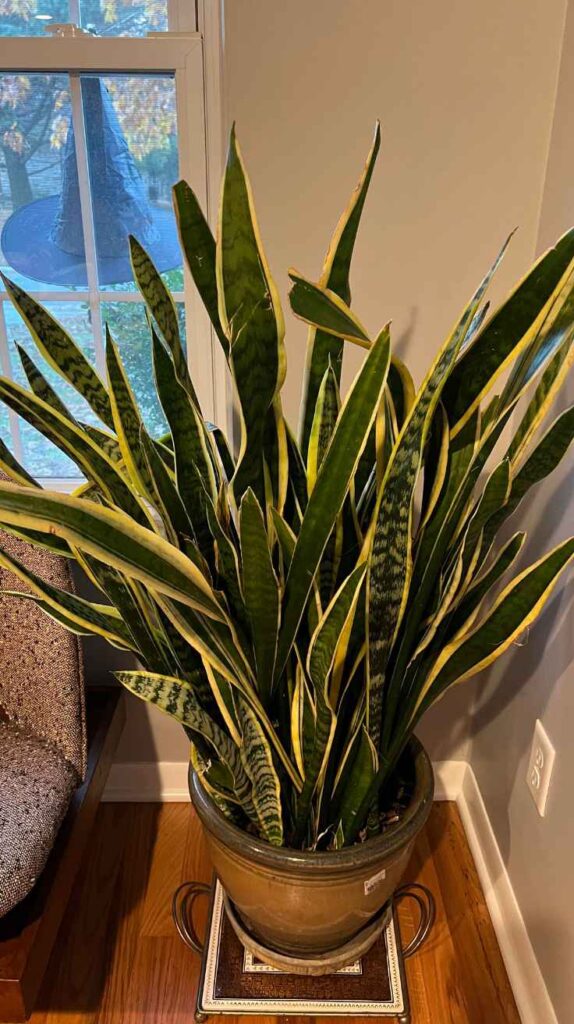
One of the toughest houseplants available, the Snake Plant is often recommended as the ultimate starter plant. Its upright, sword-shaped leaves add architectural beauty to bedrooms, offices, living rooms, and hallways.
This resilient plant survives in low light, bright indirect light, and even periods of drought. Forgetting to water for a few weeks rarely causes significant damage. In fact, overwatering presents a much greater risk than underwatering.
The thick leaves store moisture, allowing the plant to withstand dry indoor conditions. Because of its adaptability, many first-time plant owners experience success almost immediately. Another advantage is its slow growth rate. Less frequent repotting means less maintenance and fewer opportunities for mistakes. For someone seeking a nearly indestructible plant, this choice remains difficult to beat.
Pothos

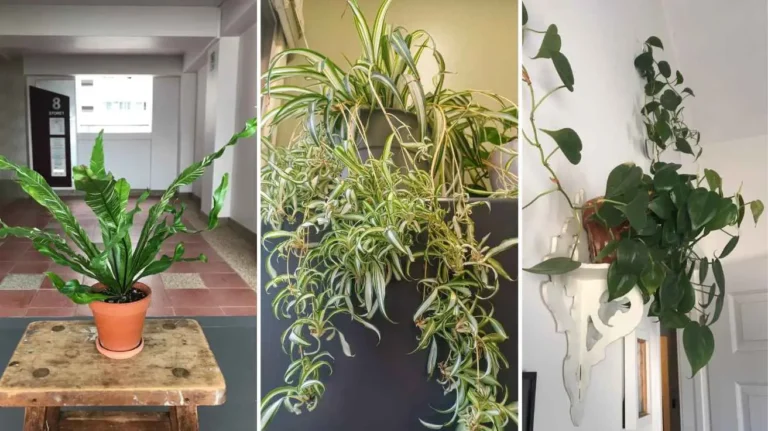
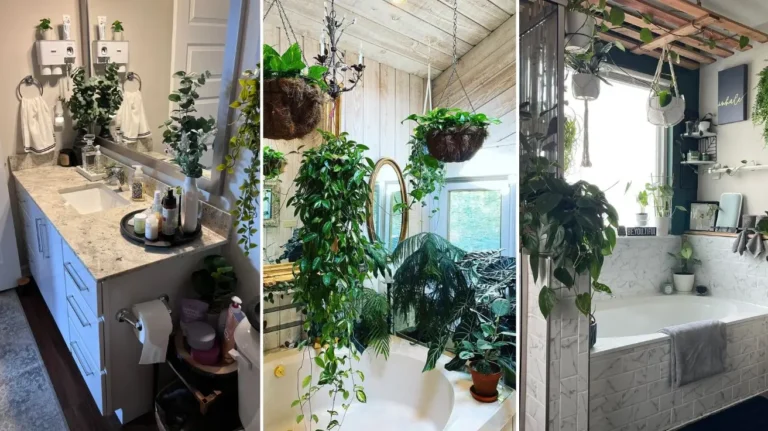
Pothos has earned its reputation as one of the most forgiving indoor plants available. Its trailing vines and heart-shaped leaves create a lush appearance that instantly brightens any room. This beautiful plant tolerates a wide range of lighting conditions, from low light corners to bright indirect sunlight. While regular watering supports healthy growth, it often recovers quickly if watering schedules become inconsistent.
One exciting feature of Pothos is its rapid growth. Long vines can cascade from shelves, hanging baskets, or bookcases, creating dramatic visual appeal. New leaves appear frequently, rewarding plant owners with visible progress.
Propagation is also remarkably easy. Small stem cuttings placed in water can develop roots within weeks, allowing one plant to become several. For beginners interested in expanding their indoor garden, few plants provide such an enjoyable experience.
Spider Plant

Spider Plants have remained household favorites for decades, and for good reason. Their arching green leaves and cascading baby plants make them both attractive and entertaining to grow.
This adaptable houseplant thrives in bright indirect light but tolerates moderate lighting conditions as well. Watering requirements remain relatively simple, making it ideal for busy households.
One of the most fascinating aspects of Spider Plants is their production of small plantlets, often called “spiderettes.” These miniature versions dangle from long stems and can eventually be propagated into new plants. The plant’s cheerful appearance and forgiving nature make it a wonderful introduction to indoor gardening. Watching new baby plants develop creates excitement that keeps beginners engaged and motivated.
ZZ Plant
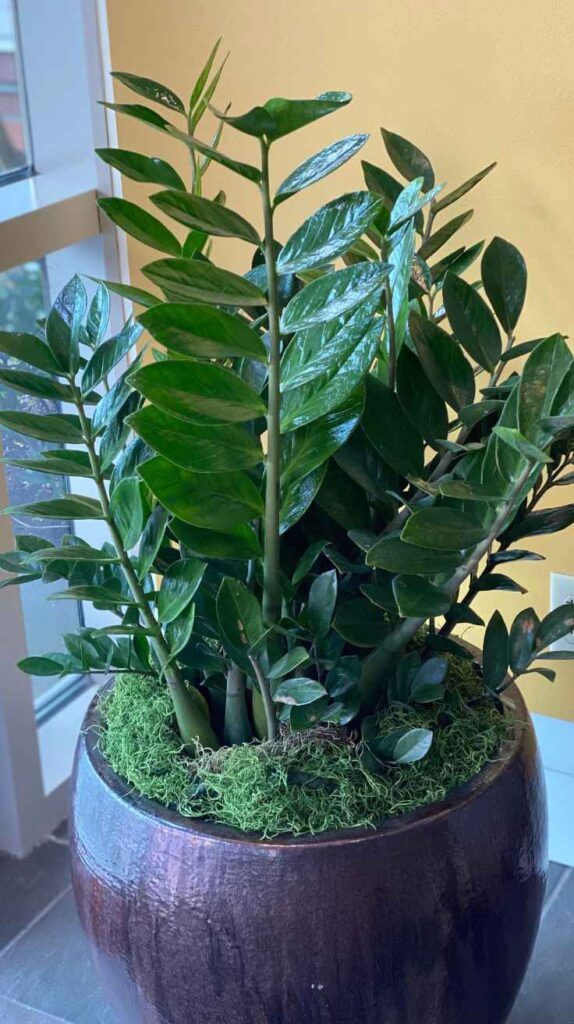
The ZZ Plant stands out as one of the easiest indoor plants for beginners who frequently travel or maintain busy schedules. Its glossy, dark green leaves look polished and elegant throughout the year. Unlike many tropical plants, the ZZ Plant tolerates neglect surprisingly well. It can survive extended periods without water thanks to its underground rhizomes that store moisture.
Low-light environments rarely bother this hardy species. Offices, apartments, and rooms with limited natural sunlight often provide suitable growing conditions.
Maintenance remains minimal. Occasional watering and basic dust removal are usually enough to keep the plant healthy. For those worried about accidentally harming a plant, the ZZ Plant offers reassurance and reliability.
Peace Lily
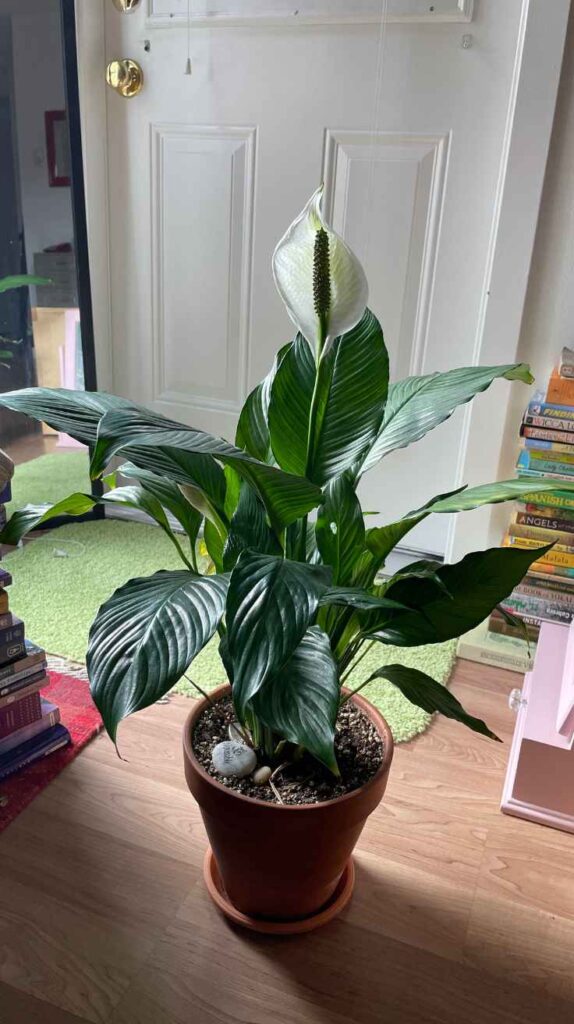
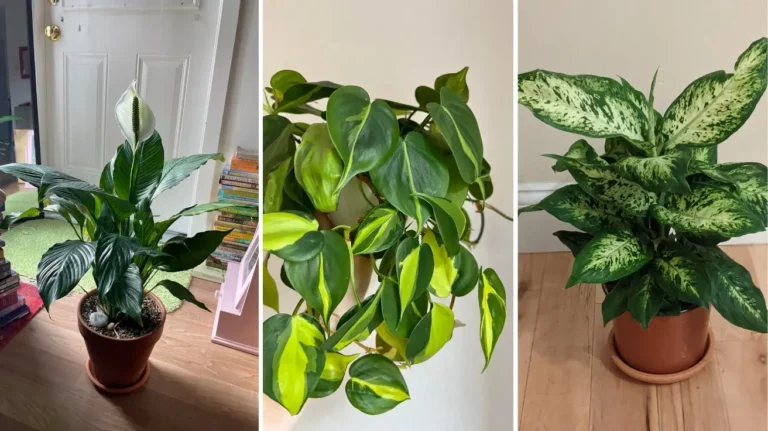
The Peace Lily combines beauty and simplicity in a way few houseplants can match. Its rich green foliage and elegant white blooms add sophistication to any indoor setting.
This plant communicates its watering needs clearly. When thirsty, the leaves droop noticeably. After watering, they typically recover within hours, making it easy for beginners to understand what the plant requires.
Peace Lilies perform well in medium to low light conditions, making them suitable for many indoor spaces. Their graceful flowers can appear multiple times throughout the year when conditions remain favorable.
Beyond visual appeal, the lush foliage creates a relaxing atmosphere that many homeowners appreciate. New plant owners often enjoy the combination of decorative flowers and manageable care requirements.
Chinese Evergreen
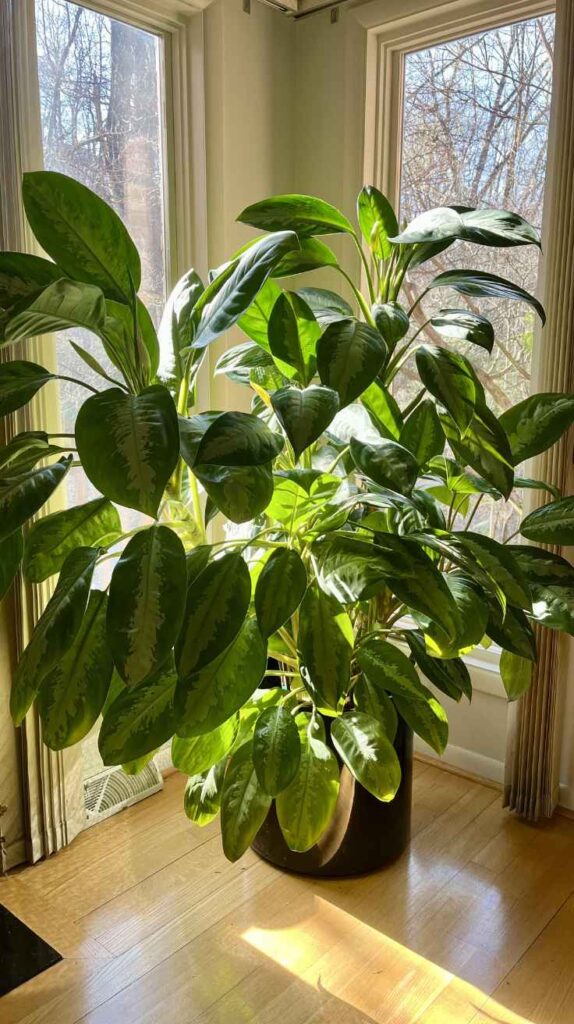
Chinese Evergreen ranks among the most adaptable foliage plants available today. Its patterned leaves feature attractive shades of green, silver, cream, and sometimes pink or red accents.
This plant thrives in average indoor temperatures and tolerates lower light levels better than many colorful houseplants. Such flexibility makes it particularly useful for beginners still learning how lighting affects plant growth.
Watering needs remain moderate. Allowing the top layer of soil to dry slightly between waterings usually keeps the plant healthy. Its slow growth and resilience reduce maintenance demands while still delivering impressive visual impact. Many indoor gardeners consider Chinese Evergreen one of the most dependable plants for long-term success.
Jade Plant

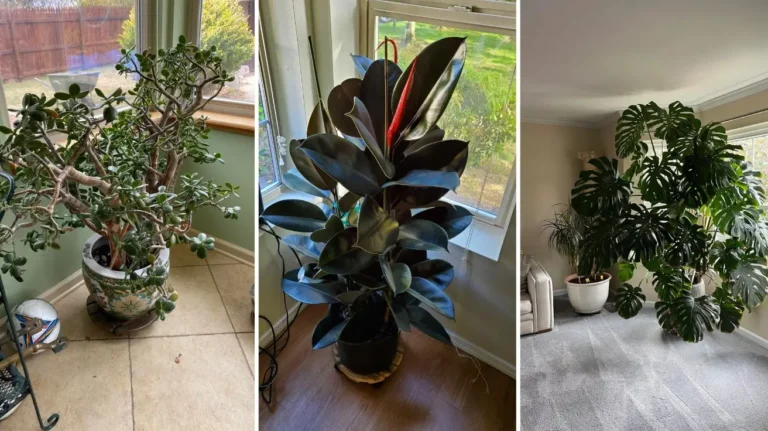
The Jade Plant introduces beginners to the fascinating world of succulents. Its thick stems and fleshy leaves create a miniature tree-like appearance that becomes more attractive with age.
Because the leaves store water, this plant prefers infrequent watering. Many new gardeners find this refreshing compared to plants requiring constant attention.
Bright indirect light supports healthy growth and helps maintain the plant’s compact shape. Over time, a mature Jade Plant develops a sturdy trunk and branching structure that adds character and charm. Some people even consider Jade Plants symbols of prosperity and good fortune. Whether grown for symbolism or beauty, they remain among the easiest succulent varieties for newcomers.
Cast Iron Plant

The name says almost everything. The Cast Iron Plant gained popularity because of its extraordinary durability and ability to survive challenging indoor conditions.
Low light, fluctuating temperatures, and occasional neglect rarely affect this resilient plant. Its broad, dark green leaves maintain their attractive appearance throughout the year.
For beginners worried about making mistakes, the Cast Iron Plant provides a generous margin for error. It grows slowly, requires little pruning, and adapts well to indoor environments. Many experienced gardeners recommend this plant to people who claim they cannot keep anything alive. Surprisingly often, it proves them wrong.
Philodendron
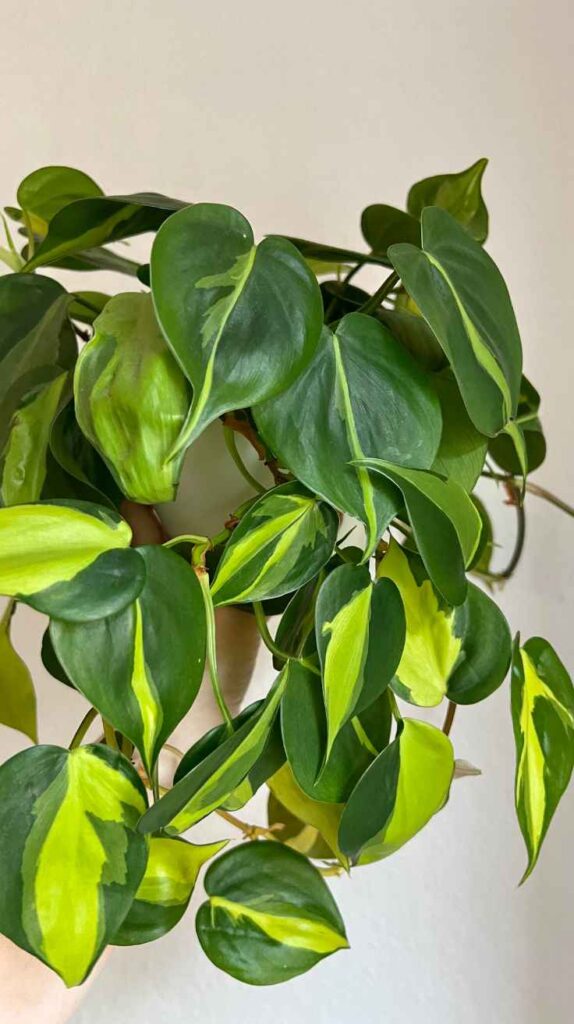
Philodendrons offer a perfect balance of beauty, simplicity, and versatility. Their attractive foliage ranges from heart-shaped leaves to dramatic split-leaf varieties.
Most beginner-friendly Philodendrons thrive in bright indirect light and appreciate regular but not excessive watering. Their flexible nature allows them to adapt to various indoor conditions.
Trailing varieties look stunning in hanging baskets, while upright forms create bold focal points. The diversity available means nearly every plant owner can find a style that suits their home. Fast growth and lush greenery provide ongoing satisfaction. Few experiences feel more rewarding than watching fresh leaves unfurl and expand over time.
Aloe Vera

Aloe Vera serves both decorative and practical purposes. Its thick, pointed leaves contain a soothing gel commonly associated with minor skin care applications. As a succulent, Aloe Vera prefers bright light and infrequent watering. Allowing the soil to dry between waterings helps prevent root problems and encourages healthy growth.
The plant’s striking appearance complements modern, minimalist, and contemporary interiors. Its sculptural form stands out even among larger plant collections. Because care requirements remain straightforward, Aloe Vera often becomes a favorite among beginners seeking a useful and attractive houseplant.
Rubber Plant

Rubber Plants deliver dramatic visual impact without requiring advanced gardening skills. Their large, glossy leaves create a bold statement in living rooms, offices, and entryways. These tropical plants thrive in bright indirect light and appreciate consistent watering when the soil begins to dry. Under favorable conditions, growth can be surprisingly fast.
Regular cleaning of the leaves helps maintain their attractive shine while allowing the plant to absorb light efficiently. Despite their sophisticated appearance, Rubber Plants remain relatively easy to maintain. Their impressive size potential makes them an excellent choice for anyone hoping to create an indoor jungle atmosphere.
Parlor Palm
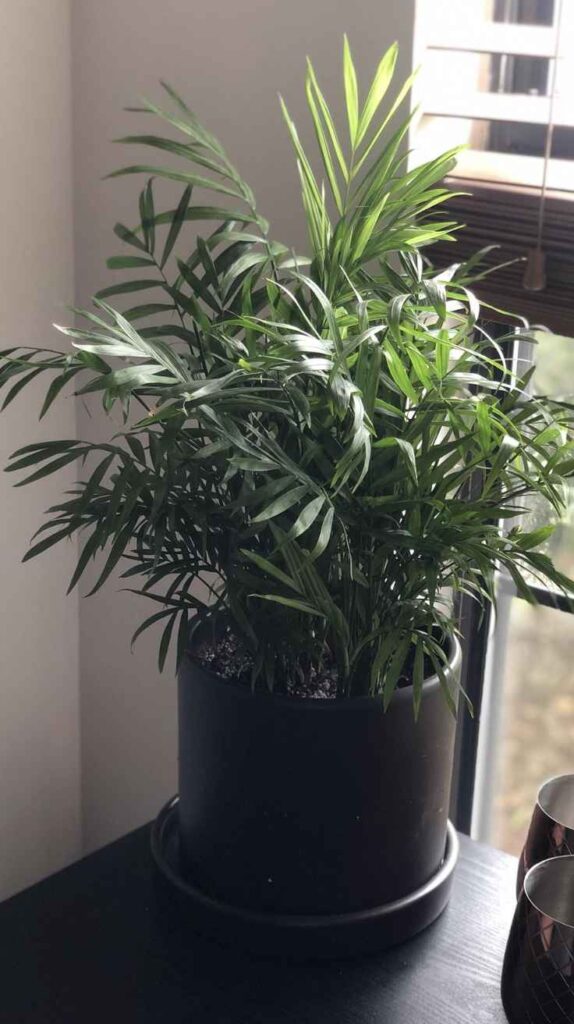
The Parlor Palm has been a beloved indoor plant for generations. Its delicate fronds and elegant growth habit bring a touch of tropical beauty indoors.
Unlike many palms, this species adapts well to average household conditions. It tolerates lower light levels and does not demand constant attention.
Steady but moderate watering supports healthy growth, while occasional misting can help maintain attractive foliage. The plant’s graceful appearance complements virtually any decorating style. For beginners who love the look of tropical greenery, the Parlor Palm offers an accessible and rewarding starting point.
Essential Care Tips for Long-Term Success
Even the easiest plants benefit from proper care. Following a few basic principles dramatically improves the chances of success.
Avoid Overwatering
More houseplants die from excessive watering than from underwatering. Always check soil moisture before adding water. Many beginner plants prefer slightly dry soil over constantly wet conditions.
Understand Light Requirements
Different plants have different lighting preferences. Observe how sunlight enters the home and place plants accordingly. Bright indirect light works well for many popular indoor varieties.
Use Proper Drainage
Containers with drainage holes help prevent root rot and excess moisture buildup. Healthy roots support healthy foliage.
Clean Plant Leaves
Dust accumulation can reduce light absorption. Wiping leaves occasionally helps plants look attractive while supporting healthy growth.
Be Patient
Plants grow at different rates. Some produce new leaves rapidly, while others develop more slowly. Consistency often matters more than speed.
The Benefits of Growing Houseplants
Indoor gardening offers rewards beyond simple decoration. Many people notice improved relaxation, greater connection with nature, and increased satisfaction from caring for living things.
Houseplants can:
- Enhance interior design
- Improve indoor ambiance
- Introduce natural color and texture
- Encourage mindfulness
- Create a more welcoming environment
For beginners, each new leaf, shoot, or flower becomes a small achievement worth celebrating.