Terrarium Plants That Turn Tiny Glass Gardens Into Living Masterpieces
A tiny glass container can hold an entire world of lush greenery, soft moss, delicate foliage, and peaceful natural beauty. The best part is that creating one doesn’t require years of gardening experience. With the right selection of greenery, even beginners can build a thriving miniature ecosystem that looks stunning on a coffee table, office desk, bookshelf, or kitchen counter. Some varieties stay naturally compact, love humidity, and grow slowly, making them perfect for enclosed or open glass gardens. Choosing the right species is the secret to creating a healthy display that stays beautiful for years instead of weeks.
Whether the goal is decorating a home, adding greenery to a workspace, or starting a relaxing gardening hobby, these carefully selected choices offer color, texture, and charm in a surprisingly small space. Along the way, helpful growing tips, maintenance advice, and design inspiration will make every step easier.
Why These Miniature Glass Gardens Are So Popular
Miniature indoor gardens have become one of the biggest home décor trends because they combine nature with creativity. Unlike traditional houseplants that often require larger pots and regular repotting, these compact gardens fit almost anywhere.
A healthy glass garden creates its own humid environment, making it ideal for tropical species that naturally grow beneath rainforest canopies. The transparent container also becomes part of the decoration, allowing every layer—from pebbles and charcoal to soil, moss, and foliage—to contribute to the overall beauty.
Some additional benefits include:
- Easy indoor gardening for beginners
- Excellent decoration for apartments and offices
- Improved indoor atmosphere
- Creative DIY home décor project
- Low-maintenance gardening
- Great gift idea for plant lovers
The secret, however, lies in selecting species that stay compact and appreciate humidity.
What Makes a Good Choice for a Glass Garden?
Before looking at individual varieties, it helps to understand the qualities that help greenery thrive inside glass containers.
The best selections usually have:
- Slow growth
- Small leaves
- High humidity tolerance
- Moderate water needs
- Compact root systems
- Bright indirect light requirements
Large tropical species eventually outgrow enclosed containers and require frequent trimming, while compact varieties maintain a balanced appearance for much longer.
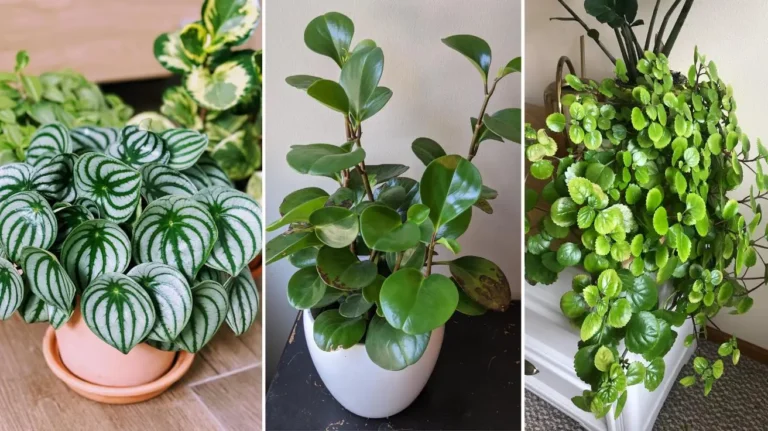
Nerve Plant

The Nerve Plant instantly becomes the centerpiece of any miniature garden thanks to its striking leaf patterns. Bright white, pink, or red veins stretch across rich green foliage, creating dramatic contrast without overwhelming the display. Because the leaves remain relatively small, they fit beautifully inside compact glass containers where every detail is visible.
This tropical favorite naturally grows on rainforest floors where humidity stays consistently high. That makes enclosed environments almost perfect for healthy growth. Instead of struggling with dry household air, the foliage remains soft, vibrant, and colorful throughout the year.
Bright indirect sunlight keeps the leaf colors vivid while preventing scorching. The soil should stay lightly moist without becoming soggy. Adding decorative moss around the base enhances the rainforest appearance while helping preserve moisture.
Its colorful foliage pairs beautifully with darker green companions, adding visual depth without requiring constant maintenance. Occasional trimming encourages fuller growth and prevents overcrowding. Beginners often find this variety forgiving because slight humidity fluctuations rarely cause lasting damage. With proper care, it continues producing vibrant leaves that transform even the smallest glass container into a lively indoor display filled with texture and color.
Baby Tears
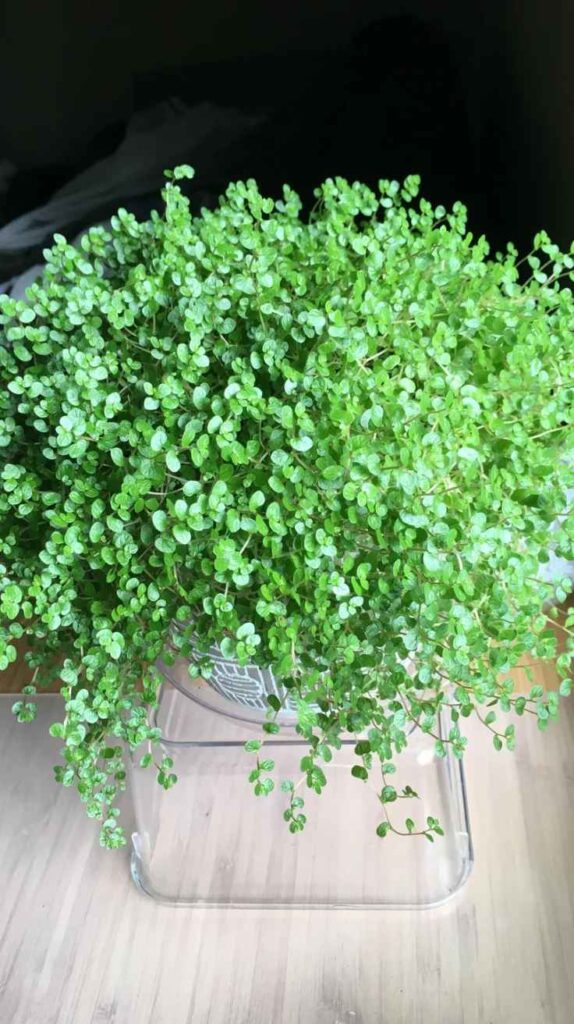
Tiny round leaves cascading over the soil create a soft carpet that brings a woodland feeling into any miniature landscape. Baby Tears grows low and spreads naturally, filling empty spaces between decorative stones, moss, driftwood, and other compact greenery.
Its delicate appearance often surprises beginners because it grows more vigorously than expected under consistently humid conditions. The small stems weave together into a dense mat, softening the hard edges of containers while creating an attractive natural ground cover.
Steady moisture keeps the foliage lush, but overly wet soil may lead to root issues. Bright filtered light encourages healthy growth without stressing the tender leaves.
Regular trimming helps maintain neat growth while preventing the stems from climbing over neighboring plants. As the foliage spreads, it creates a layered appearance that makes the miniature landscape look mature and well established. Because of its tiny leaves and graceful habit, Baby Tears contributes softness that balances larger textured foliage. Every completed arrangement feels richer and more realistic when this gentle ground cover fills open areas with vibrant green life.
Moss

No miniature landscape feels complete without lush green moss. It instantly creates the appearance of an ancient forest floor while adding rich texture throughout the container.
Moss loves humidity, making enclosed glass environments ideal for healthy growth. Rather than developing deep roots, it absorbs moisture directly from its surroundings, allowing it to thrive where many larger species cannot.
Different varieties offer unique appearances. Cushion moss forms rounded mounds, while sheet moss creates smooth green carpets that cover exposed soil. Minimal fertilization keeps moss healthy because excessive nutrients may actually damage it. Gentle misting occasionally helps maintain freshness if the enclosure remains open.
Besides its visual appeal, moss also reduces soil exposure, slows moisture evaporation, and creates a naturally finished appearance. It works beautifully around stones, branches, and decorative accents, tying every design element together. Few additions provide as much realism with so little maintenance, making moss one of the most valuable ingredients in creating a balanced miniature ecosystem that looks peaceful and timeless.
Polka Dot Plant

Bright splashes of pink, white, or red decorate the colorful leaves of the Polka Dot Plant, creating cheerful contrast against deeper green companions.
Its playful appearance immediately draws attention, making it an excellent accent inside decorative glass containers. Although colorful, the foliage remains compact enough for many medium-sized enclosed arrangements.
High humidity keeps leaves healthy while preventing crispy edges. Bright indirect light enhances the vibrant coloration without fading the natural patterns. Frequent pinching encourages bushier growth instead of tall, leggy stems. Since this variety grows faster than some companions, occasional pruning keeps the overall design balanced.
The colorful foliage introduces excitement into otherwise green arrangements while maintaining a tropical atmosphere. Combined with moss, ferns, and creeping species, it creates layers of texture and vivid contrast that brighten indoor spaces throughout every season.
Lemon Button Fern

Soft arching fronds give Lemon Button Fern an elegant appearance that feels fresh and delicate inside miniature gardens. Unlike many larger fern varieties, this compact selection remains manageable for smaller containers. Tiny rounded leaflets create airy texture while maintaining a lush appearance.
Humidity plays a major role in keeping the fronds healthy. Enclosed glass gardens naturally provide the moist environment these ferns appreciate. Bright filtered sunlight keeps the foliage vibrant while avoiding leaf scorch.
Consistently moist soil supports healthy root development, although standing water should never remain around the roots.
Its graceful shape softens arrangements filled with broader leaves and adds movement to otherwise static designs. Even a small clump creates the impression of a tiny woodland forest hidden beneath glass, making every arrangement feel peaceful and naturally balanced.
Peacock Moss Fern
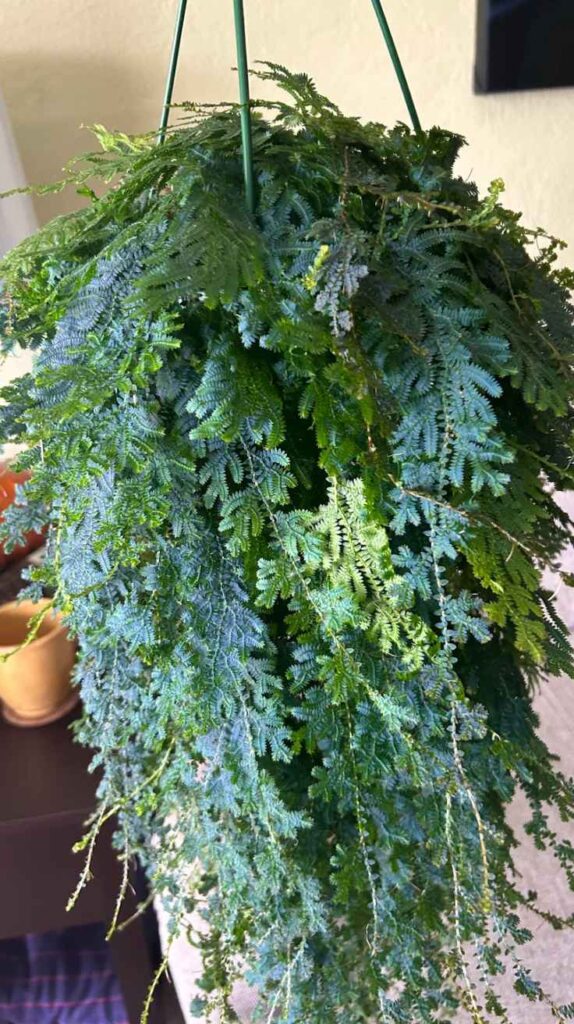
Despite its common name, Peacock Moss Fern belongs to an ancient group of plants known for intricate foliage and rich green color.
The feathery stems spread gently across the soil while maintaining an attractive low profile. High humidity allows the delicate foliage to remain lush throughout the year.
Because this variety naturally grows beneath forest canopies, bright indirect lighting works best. Direct sunlight may dry the foliage too quickly and reduce its vibrant appearance.
Its unique texture pairs exceptionally well with smoother leaves, adding another layer of visual interest without dominating the arrangement. Gardeners often appreciate how it fills gaps naturally while preserving an organized appearance. As the stems gradually expand, they create a soft woodland effect that enhances every decorative element inside the container.
Miniature Pilea

Round coin-shaped leaves arranged along slender stems give Miniature Pilea a modern yet natural appearance. Its compact growth habit makes it especially suitable for glass gardens where larger foliage would quickly become overcrowded. The glossy leaves reflect light beautifully, adding brightness to enclosed displays.
Moderate watering, consistent humidity, and bright indirect sunlight produce the healthiest growth. Overwatering remains one of the few common problems, so well-draining soil is essential.
As the plant matures, it develops dense clusters that provide fullness without overwhelming neighboring species. Its neat growth pattern makes maintenance straightforward, allowing beginners to enjoy healthy greenery without frequent pruning. Combined with moss and creeping companions, the rounded foliage creates pleasing contrast that adds harmony to the overall design.
Creeping Fig

Tiny heart-shaped leaves slowly spread across decorative wood, rocks, and container walls, giving Creeping Fig a distinctive climbing character.
Its ability to cover vertical surfaces introduces another design dimension beyond the soil level. Instead of remaining flat, the greenery gradually transforms the entire container into a living landscape. Consistent humidity keeps the foliage healthy, while moderate pruning prevents excessive growth. Bright filtered light supports compact development and maintains rich green coloration.
Because the stems naturally cling to rough surfaces, decorative branches become even more attractive over time. Every new leaf contributes to the appearance of an established miniature forest, creating visual depth that continually evolves with proper care.
Miniature Peperomia

Miniature Peperomia offers thick textured leaves that provide contrast against softer ferns and mosses. Many compact varieties remain naturally small, making them suitable for both open and partially enclosed containers. Their succulent-like foliage stores moisture, allowing slightly greater flexibility between watering sessions.
Bright indirect light encourages steady growth without stressing the leaves. Good drainage remains essential because constantly saturated roots may lead to rot.
The glossy foliage introduces structure and durability into mixed arrangements. Combined with delicate companions, Peperomia balances softness with stronger leaf forms, resulting in displays that appear carefully designed while remaining easy to maintain over the long term.
Miniature Orchid

A tiny orchid instantly transforms an ordinary arrangement into an elegant centerpiece. Miniature orchid varieties produce beautiful blooms without requiring the large pots associated with standard orchids. Their compact size allows them to become colorful focal points inside carefully designed open glass containers.
Bright filtered sunlight, gentle airflow, and moderate humidity support healthy flowering. Unlike some companions, orchids benefit from slightly drier conditions around the roots, making open containers a better choice.
When flowers appear, they elevate the entire display with graceful color and sophistication. Even after blooming ends, the attractive foliage continues contributing texture and visual balance until the next flowering cycle begins.
Air Plant

Air Plants introduce a completely different growing style because they absorb moisture primarily through specialized leaf structures instead of traditional roots. Decorative stones, driftwood, and branches become natural supports, allowing creative arrangements that appear suspended inside glass containers.
Bright indirect sunlight and occasional soaking keep the foliage healthy. Good air circulation remains important, making these better suited for open displays rather than tightly sealed environments.
Their unusual appearance creates instant conversation while requiring surprisingly little maintenance. Combined with moss and natural wood, Air Plants produce striking modern displays that blend simplicity with natural elegance.
Dwarf Bird’s Nest Fern

Rounded wavy fronds emerge from a compact central crown, creating a lush fountain-like appearance without occupying excessive space. This dwarf variety appreciates the same humid environment found in tropical forests, making enclosed gardens highly suitable for healthy growth.
Indirect sunlight prevents leaf damage while preserving the rich green color. Watering around the soil instead of directly into the crown helps reduce the risk of rot.
Its graceful form naturally anchors larger arrangements, giving surrounding ground covers and moss a beautiful backdrop. The broad leaves also introduce shape variation that completes the layered appearance every successful miniature garden needs.
Caring for a Healthy Indoor Display
Long-term success depends more on proper care than expensive materials.
Keep these maintenance habits in mind:
- Provide bright indirect sunlight.
- Avoid direct afternoon sun.
- Water lightly when the soil begins drying.
- Remove yellow or damaged foliage.
- Trim overly vigorous growth.
- Keep the glass clean.
- Avoid overcrowding.
- Maintain proper humidity.
Small adjustments throughout the year help maintain balance inside the enclosed ecosystem.
Common Mistakes Beginners Should Avoid
Many new gardeners accidentally shorten the life of their miniature gardens through simple mistakes.
The most common include:
- Overwatering
- Using fast-growing species
- Placing containers in direct sunlight
- Skipping drainage layers
- Mixing plants with different moisture needs
- Ignoring pruning
- Choosing containers that are too small
Avoiding these problems dramatically increases long-term success.