Zero Sunlight Indoor Plants That Thrive in Dark Rooms
There’s a quiet frustration that comes with dim rooms, spaces that feel dull, heavy, and disconnected from nature. Not every home is blessed with bright windows or sun-drenched corners. Yet, the desire for greenery doesn’t fade. That’s where zero sunlight indoor plants step in, quietly transforming even the darkest corners into calming, living spaces.
These resilient plants don’t beg for sunlight. They thrive where others struggle. They soften hard interiors, purify the air, and bring a sense of peace that artificial décor simply can’t replicate. The best part? They require minimal care, making them perfect for beginners or anyone with a busy lifestyle.
What follows isn’t just a list. It’s a journey through twelve incredible plants that can survive, and even thrive, without direct sunlight. Some will surprise. Some might already be familiar. And a few might completely change the way indoor spaces feel.
Keep reading, because the perfect plant for that shadowy corner might be just a few lines away…
Snake Plant (Sansevieria)

The Snake Plant carries a bold, upright presence that instantly brings structure into dim interiors. Its long, sword-like leaves rise confidently, creating a natural architectural look that feels both modern and timeless. What makes this plant truly special is its ability to thrive in extremely low-light conditions where most plants would slowly fade away. It doesn’t rely on constant sunlight, making it one of the most dependable choices for darker rooms, hallways, or even windowless spaces.
Care is refreshingly simple. This plant stores moisture in its thick leaves, which means watering can be minimal. In fact, overwatering is one of the few ways to harm it. That makes it perfect for anyone who struggles to maintain a regular plant care routine. Beyond its durability, the Snake Plant is also known for improving indoor air quality, helping remove toxins and making the environment feel cleaner and fresher.
Placed in a quiet corner, it doesn’t just survive, it transforms the atmosphere. Its deep green tones and sharp lines add a sense of calm strength, turning dull spaces into something far more alive and balanced.
ZZ Plant (Zamioculcas zamiifolia)

The ZZ Plant almost feels unreal at first glance, with its glossy, wax-like leaves reflecting even the faintest light in a room. It’s one of those rare plants that doesn’t just tolerate low light—it actually thrives in it. This makes it a standout choice for spaces that receive little to no natural sunlight, such as offices, bedrooms, or shaded corners of the home.
What truly sets the ZZ Plant apart is its resilience. Beneath the soil, it stores water in thick rhizomes, allowing it to go for long periods without needing attention. Forgetting to water it occasionally won’t cause harm, which makes it incredibly beginner-friendly. Its slow, steady growth also means it maintains a neat and polished appearance without constant trimming or maintenance.
There’s also something quietly elegant about the way its stems arch outward, creating a balanced and symmetrical look. It adds a refined touch to interiors without demanding attention. Over time, it becomes more than just décor, it becomes a reliable, living element that continues to thrive where others fail.
Pothos (Epipremnum aureum)

Pothos brings a sense of movement and softness into any space, thanks to its trailing vines and heart-shaped leaves. It has a natural ability to adapt, making it one of the most versatile plants for low-light environments. Whether placed on a shelf, allowed to hang from a basket, or trained to climb, it effortlessly fills empty spaces with life and texture.
Even in dim conditions, Pothos continues to grow steadily. While brighter indirect light can enhance its patterns, it doesn’t depend on it to survive. This flexibility makes it ideal for rooms where sunlight is limited or inconsistent. It’s also incredibly forgiving when it comes to care. Occasional watering and minimal attention are enough to keep it healthy and vibrant.
Another appealing quality is its ability to improve indoor air quality, helping create a fresher and more comfortable environment. Its cascading vines soften harsh edges in a room, making everything feel more relaxed and inviting. Over time, it quietly transforms even the dullest corner into a lush, flowing display of greenery.
Cast Iron Plant (Aspidistra elatior)

True to its name, the Cast Iron Plant is known for its incredible toughness. It handles neglect, low light, and fluctuating conditions with ease, making it one of the most reliable indoor plants available. For spaces that feel too dark or too challenging for greenery, this plant proves that growth is still possible.
Its broad, deep green leaves grow slowly but steadily, maintaining a consistent and elegant appearance over time. There’s no need for constant pruning or reshaping. It holds its form naturally, which makes it perfect for those who prefer low-maintenance plants that still look refined.
This plant works especially well in shaded living rooms, corridors, or corners that often get overlooked. It doesn’t demand attention, yet its presence is quietly powerful. The rich green foliage adds depth and calmness, creating a grounding effect in the room.
There’s a sense of reliability that comes with the Cast Iron Plant. It doesn’t surprise with sudden changes, it simply continues to grow, steady and strong, bringing a lasting sense of life into darker spaces.
Peace Lily (Spathiphyllum)

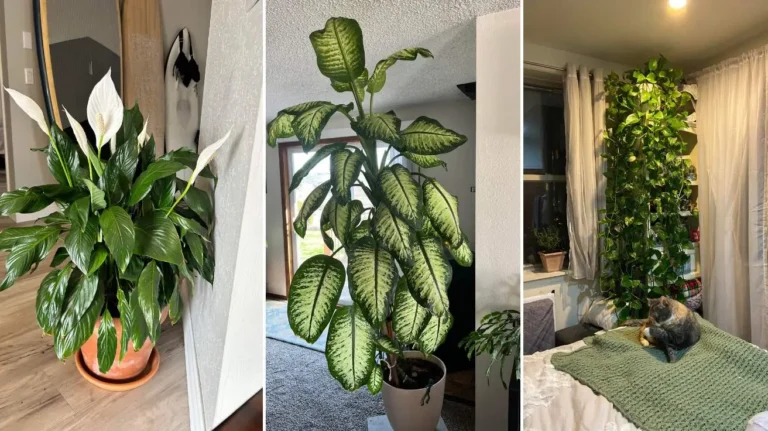
The Peace Lily introduces a softer, more delicate energy into indoor spaces. Its dark green leaves contrast beautifully with its occasional white blooms, creating a calm and soothing visual effect. Even in low-light conditions, it continues to grow gracefully, making it a popular choice for bedrooms and quiet living areas.
One of its most appealing traits is how expressive it is. When it needs water, its leaves gently droop, making it easy to understand its needs without guesswork. This natural communication makes plant care feel less intimidating, especially for beginners.
Beyond its beauty, the Peace Lily also plays a role in improving indoor air quality. It helps filter out common pollutants, contributing to a fresher and more comfortable environment. This makes it not just decorative, but also functional.
Placed in a dim corner, it becomes a focal point without overwhelming the space. Its gentle presence adds balance, turning a dull area into something peaceful and inviting.
Chinese Evergreen (Aglaonema)
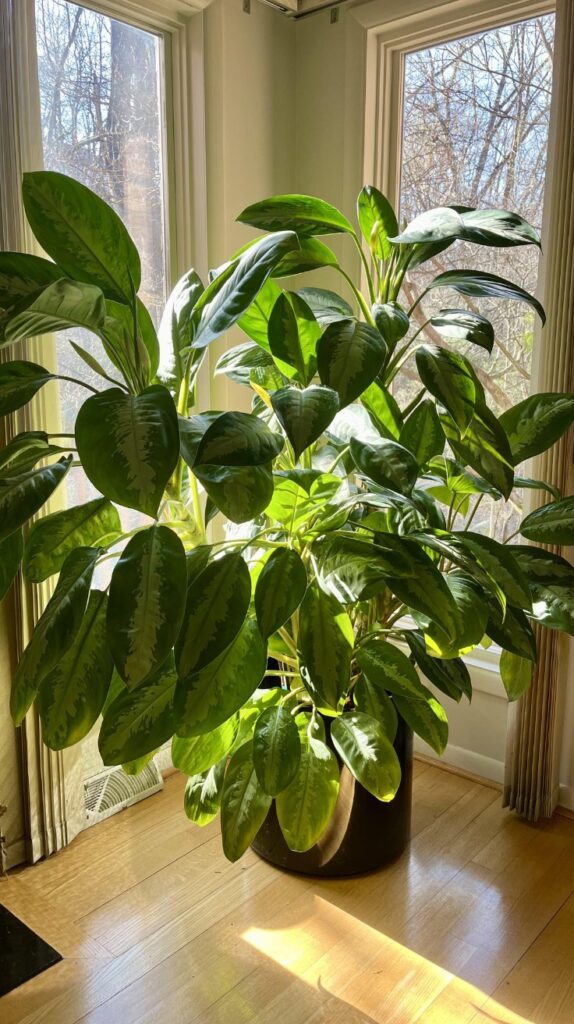
The Chinese Evergreen stands out with its patterned foliage, often blending shades of green with hints of silver or lighter tones. This natural variation adds visual interest, especially in spaces that lack brightness. It doesn’t rely on sunlight to shine, instead, its leaves create their own quiet beauty.
This plant thrives in low-light conditions and adapts easily to indoor environments. It doesn’t require strict care routines, making it ideal for those who want greenery without constant effort. Occasional watering and stable conditions are enough to keep it healthy.
Its full, lush growth helps fill empty spaces, making rooms feel warmer and more inviting. Whether placed on a table, shelf, or floor, it brings a sense of completeness to the area.
Another benefit is its contribution to cleaner indoor air, adding to the overall comfort of the space. Over time, the Chinese Evergreen becomes more than just decoration, it becomes a steady, living presence that enhances the mood of the entire room.
Dracaena

Dracaena brings a sense of height and quiet sophistication into spaces that often feel flat or empty. Its long, slender leaves stretch outward in graceful arcs, creating movement without overwhelming the room. In low-light environments, it continues to hold its form beautifully, making it a reliable choice for darker interiors where other plants struggle to maintain their shape.
One of the most appealing qualities of Dracaena is its adaptability. It doesn’t demand constant attention or perfect conditions. Moderate watering and a stable indoor environment are enough to keep it thriving. This makes it especially suitable for living rooms, offices, or corners that don’t receive direct sunlight but still need a touch of life.
Its presence subtly elevates the room. The vertical growth draws the eye upward, making ceilings feel higher and spaces feel more open. At the same time, its natural greenery softens hard edges and adds warmth. Over time, Dracaena becomes a quiet anchor in the room, steady, elegant, and effortlessly enhancing the atmosphere without requiring constant care.
Parlor Palm (Chamaedorea elegans)

The Parlor Palm carries a gentle charm that instantly makes a space feel more relaxed and welcoming. Its soft, feathery fronds spread lightly, creating a delicate texture that contrasts beautifully with darker, more solid elements in a room. Even in low-light conditions, it maintains its lush appearance, proving that not all tropical-looking plants need bright sunlight to survive.
This plant has been a favorite for indoor spaces for generations, especially in areas where natural light is limited. It adapts easily and doesn’t demand complicated care routines. Regular but moderate watering and a stable indoor temperature are usually enough to keep it healthy and thriving.
What makes the Parlor Palm particularly appealing is the atmosphere it creates. It adds a subtle tropical feel without being overwhelming, making the space feel calmer and more breathable. Placed in a corner or near furniture, it softens the overall look and brings balance to the environment.
Over time, it becomes more than just a decorative element, it becomes part of the room’s personality, quietly enhancing comfort and visual harmony.
Spider Plant (Chlorophytum comosum)

The Spider Plant introduces energy and movement into indoor spaces in a way that feels natural and effortless. Its long, arching leaves extend outward and often produce small offshoots, giving it a lively, cascading appearance. Even in low-light conditions, it continues to grow, making it a dependable option for rooms that don’t receive much sunlight.
One of its strongest qualities is how easy it is to care for. It doesn’t require strict watering schedules or constant attention. With occasional watering and basic care, it remains vibrant and continues to produce new growth. This makes it ideal for beginners or anyone looking for a low-maintenance plant that still feels dynamic.
It works especially well in hanging baskets or elevated shelves, where its leaves can spill downward and create a soft, flowing effect. This helps break up rigid lines in a room and adds a sense of movement that makes the space feel more alive.
Beyond its visual appeal, it also contributes to improving indoor air quality, making it both functional and decorative. Over time, it turns even a quiet, dim corner into a lively focal point.
Philodendron

Philodendrons bring a sense of softness and natural flow into indoor spaces. Their heart-shaped leaves and trailing vines create a relaxed, organic look that feels comforting and familiar. Even in low-light environments, they adapt well, continuing to grow steadily without demanding constant attention.
One of the most appealing aspects of this plant is its versatility. It can be styled in multiple ways—allowed to trail from shelves, climb along supports, or simply rest in a pot with its leaves spilling gently over the sides. This flexibility makes it suitable for a wide range of interior styles, from modern to cozy and traditional.
Care is simple and forgiving. Occasional watering and indirect light are enough to keep it healthy. It doesn’t react dramatically to minor care mistakes, which makes it a great choice for those still learning about indoor plants.
Its deep green leaves add richness and depth to any room, especially in spaces that lack brightness. Over time, the Philodendron grows into its surroundings, softening the environment and creating a calm, inviting atmosphere that feels naturally balanced.
Dieffenbachia (Dumb Cane)

Dieffenbachia stands out immediately with its bold, patterned leaves. The mix of green tones, often highlighted with lighter shades, creates a striking visual effect that brings life into even the darkest rooms. It thrives in low to moderate light, making it a strong candidate for spaces where sunlight is limited.
This plant adds a sense of fullness to interiors. Its broad leaves occupy space in a way that feels lush and vibrant, instantly making a room feel more alive. It doesn’t require constant care, but it does appreciate a consistent routine, moderate watering and stable indoor conditions help it maintain its beauty.
There’s a slightly dramatic quality to its appearance, which makes it a natural focal point. It draws attention without needing bright light, relying instead on its unique patterns and strong presence.
While it’s easy to maintain, it’s important to handle it with care, as its sap can be irritating. Despite this, it remains a popular indoor plant because of the impact it creates. It transforms quiet, dim areas into spaces that feel rich and visually engaging.
Lucky Bamboo (Dracaena sanderiana)

Lucky Bamboo offers a completely different kind of beauty, one that feels simple, clean, and deeply calming. Its slender green stalks rise gently, often arranged in elegant formations that bring a sense of balance and harmony to indoor spaces. It thrives in low-light conditions, making it perfect for areas where traditional plants might struggle.
What makes this plant unique is its ability to grow in water. This eliminates the need for soil and makes care incredibly straightforward. Regular water changes and a clean container are usually all it needs to stay healthy. This simplicity makes it especially appealing for desks, shelves, or small spaces.
There’s also a symbolic aspect to Lucky Bamboo. It’s often associated with positive energy and good fortune, which adds a deeper meaning to its presence. Whether or not those beliefs are followed, there’s no denying the peaceful atmosphere it creates.
Its minimalistic look fits effortlessly into modern interiors while still adding a natural touch. Over time, it becomes a quiet centerpiece, subtle, meaningful, and perfectly suited for calm, low-light environments.
A Quiet Transformation That Changes Everything
Dark spaces don’t have to feel empty or lifeless. With the right zero sunlight indoor plants, even the most shadowy corners can become calm, inviting, and full of character. Each plant brings its own personality, some bold and structured, others soft and flowing, but together, they create something powerful.
The shift doesn’t happen all at once. A single plant begins the change. Then another follows. Slowly, the space starts to feel different, lighter, fresher, more alive. What once felt dull becomes a place of comfort and quiet beauty.
And that’s the real magic. Not sunlight. Not perfection. Just the right plants, placed with intention, turning even the darkest room into something worth experiencing every single day.