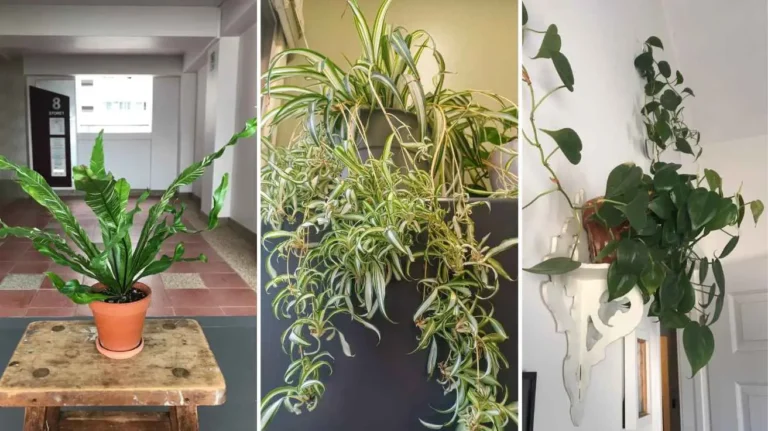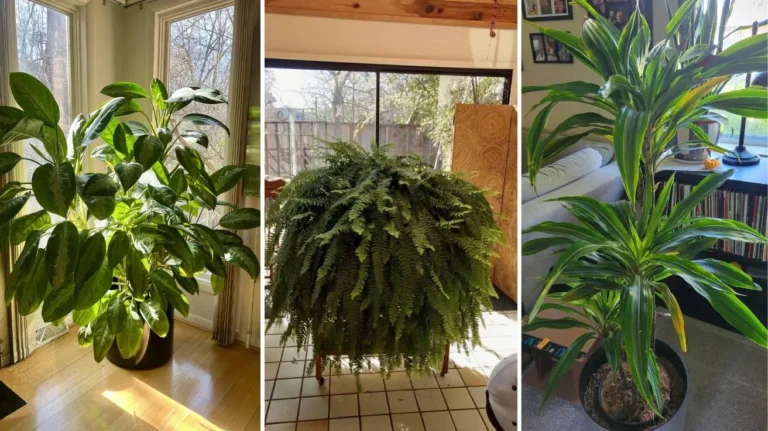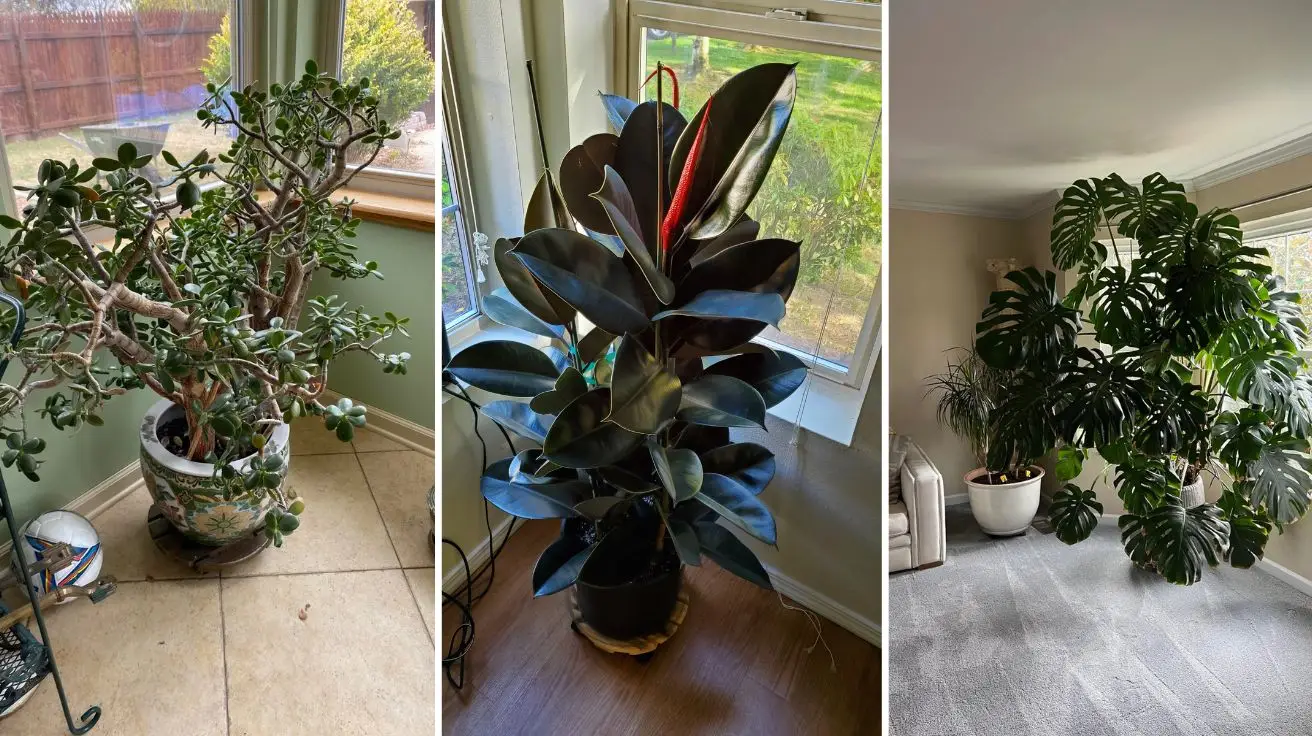
Basic House Plants That Bring Life, Beauty, and Freshness Indoors
Houseplants have a special way of transforming a room. A dull corner suddenly feels welcoming. An empty shelf becomes a beautiful focal point. Even a small apartment can feel closer to nature with a few carefully chosen green companions.
The best part? Growing indoor plants does not require years of gardening experience. Many basic house plants thrive with minimal care and reward their owners with lush foliage, cleaner indoor air, and a calming atmosphere.
For beginners, choosing the right plants makes all the difference. Some varieties tolerate missed waterings, low light conditions, and common indoor environments better than others. These resilient plants help build confidence while creating a greener and healthier home.
Here are 12 of the most popular and beginner-friendly indoor plants that can brighten any living space.
Why Indoor Plants Are Worth Growing
Before exploring the list, it helps to understand why houseplants have become such an important part of modern home décor.
Indoor greenery adds texture, color, and natural beauty to bedrooms, living rooms, kitchens, and offices. Many people also find that caring for plants reduces stress and creates a more relaxing environment.
Common benefits include:
- Enhanced interior aesthetics
- Improved humidity levels
- A stronger connection to nature
- Increased relaxation and comfort
- Attractive focal points for home decoration
Whether decorating a small apartment or a spacious home, a few healthy plants can completely change the atmosphere.
Snake Plant
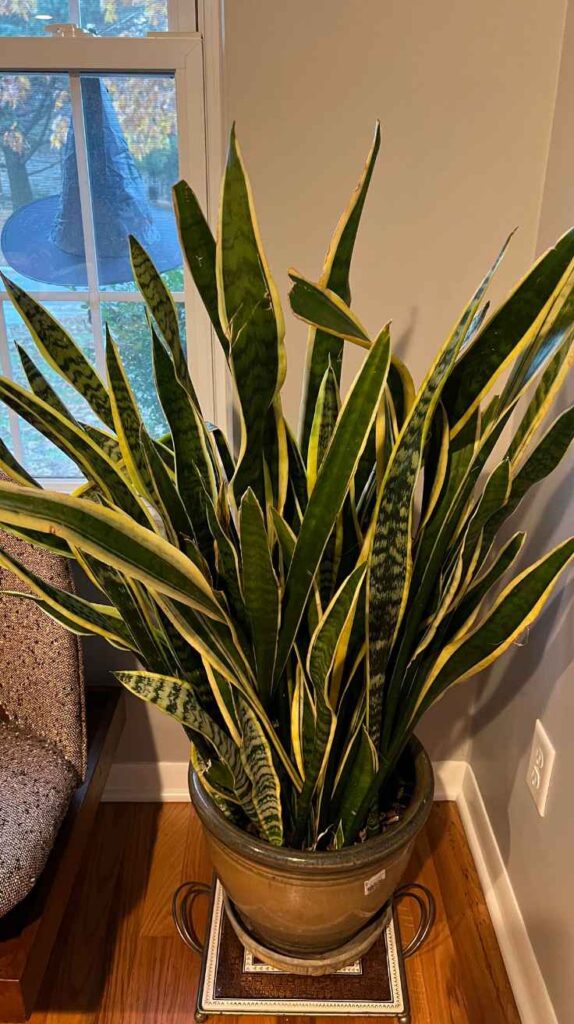
The Snake Plant is often considered the ultimate beginner plant. Its upright, sword-shaped leaves create a modern and elegant appearance that complements nearly every decorating style.
One reason this plant remains so popular is its remarkable ability to tolerate neglect. It survives in low light, bright indirect light, and even occasional periods of drought.
Snake Plants prefer soil that dries out between waterings. Overwatering is one of the few things that can harm them.
Care Tips
- Place in indirect sunlight or low-light areas
- Water only when the soil feels dry
- Use well-draining potting mix
- Avoid excessive moisture around the roots
For busy homeowners, this plant is often the perfect starting point.
Pothos
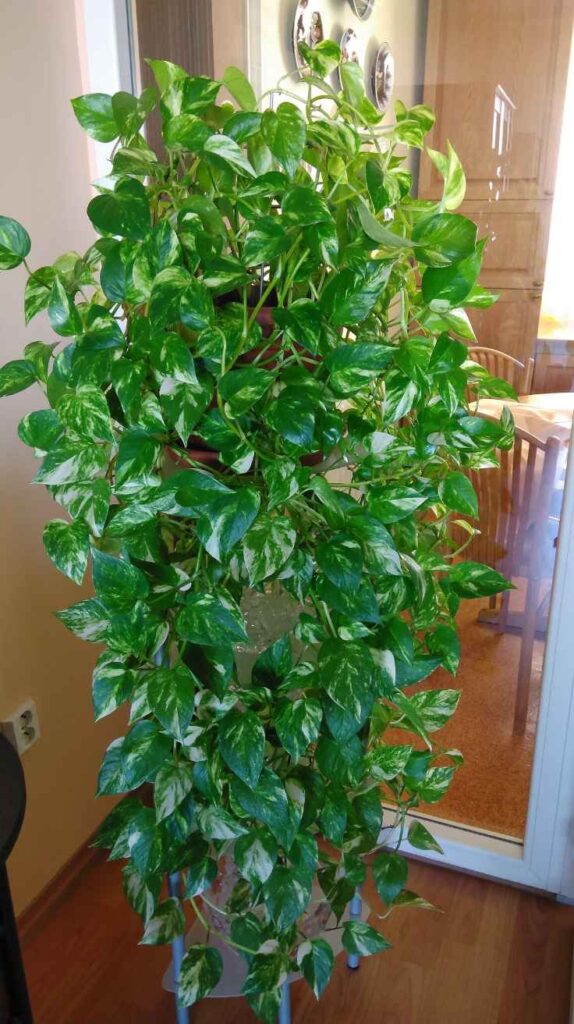
Pothos is famous for its trailing vines and heart-shaped leaves. Its cascading growth creates a beautiful display when placed on shelves, hanging baskets, or plant stands.
One of the most attractive qualities of this plant is its adaptability. It grows well in a variety of indoor conditions and continues thriving even when care routines are less than perfect.
Golden varieties feature attractive green leaves splashed with yellow patterns, while other cultivars showcase white or cream variegation.
Care Tips
- Thrives in medium to bright indirect light
- Tolerates lower light conditions
- Water when the top inch of soil becomes dry
- Prune occasionally to encourage fuller growth
The longer it grows, the more impressive its flowing vines become.
Spider Plant

Spider Plants have remained household favorites for decades. Their arching green-and-white striped leaves add movement and texture to indoor spaces.
As they mature, Spider Plants produce baby plantlets that dangle from long stems, creating a unique and decorative appearance.
These fast-growing plants adapt well to most indoor environments and require very little attention.
Care Tips
- Provide bright indirect light
- Keep soil slightly moist but not soggy
- Remove brown leaf tips when necessary
- Repot when roots become crowded
Watching the tiny baby plants develop is one of the most enjoyable aspects of growing this classic houseplant.
Peace Lily

Peace Lilies combine beautiful foliage with elegant white blooms. Their glossy green leaves create a lush tropical appearance that instantly elevates indoor décor.
One reason many beginners appreciate Peace Lilies is that they communicate their needs clearly. When thirsty, the leaves droop noticeably, then quickly recover after watering.
Their graceful flowers add extra visual appeal throughout the year.
Care Tips
- Grow in medium or low indirect light
- Water when leaves begin to slightly droop
- Maintain moderate humidity
- Keep away from direct sunlight
The contrast between dark green leaves and bright white flowers creates a timeless look.
ZZ Plant
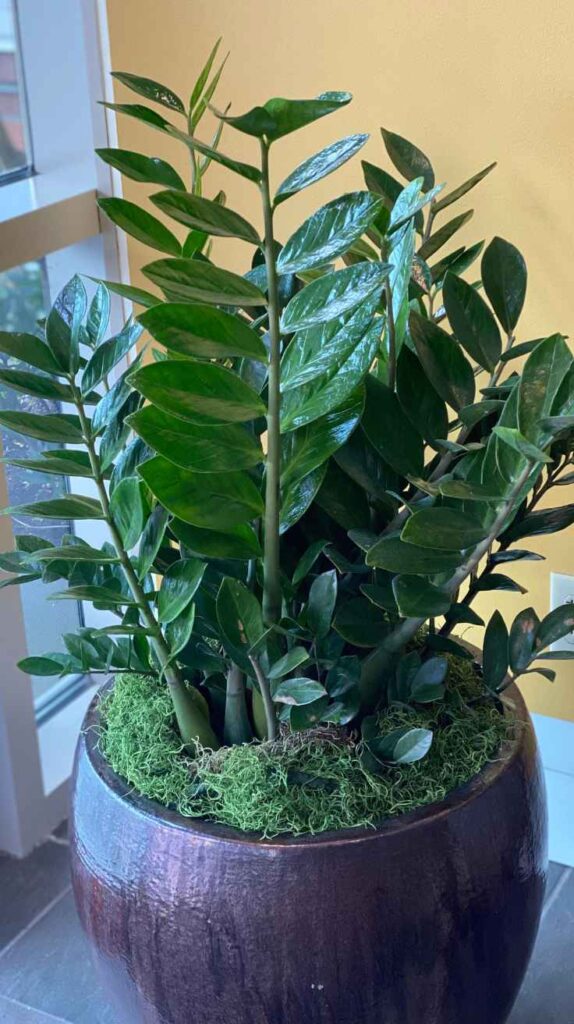
The ZZ Plant has earned a reputation as one of the toughest indoor plants available. Its thick stems and glossy leaves give it a polished appearance that looks attractive year-round.
This plant stores water within underground rhizomes, allowing it to withstand occasional neglect without difficulty.
Even rooms with limited natural light can support healthy ZZ Plant growth.
Care Tips
- Tolerates low light exceptionally well
- Allow soil to dry completely between waterings
- Avoid overwatering
- Dust leaves periodically for a healthy shine
Many plant enthusiasts consider this one of the easiest houseplants to maintain.
Philodendron

Philodendrons offer classic beauty and reliable growth. Their heart-shaped leaves create a soft and inviting appearance that fits perfectly in homes, offices, and apartments.
These tropical plants are available in climbing and trailing varieties, providing flexibility for different decorating styles.
Because of their forgiving nature, Philodendrons are frequently recommended to first-time plant owners.
Care Tips
- Provide bright indirect light
- Water when the top layer of soil dries
- Use a well-draining indoor potting mix
- Trim leggy growth as needed
Their vibrant green foliage quickly becomes a standout feature in any room.
Chinese Evergreen
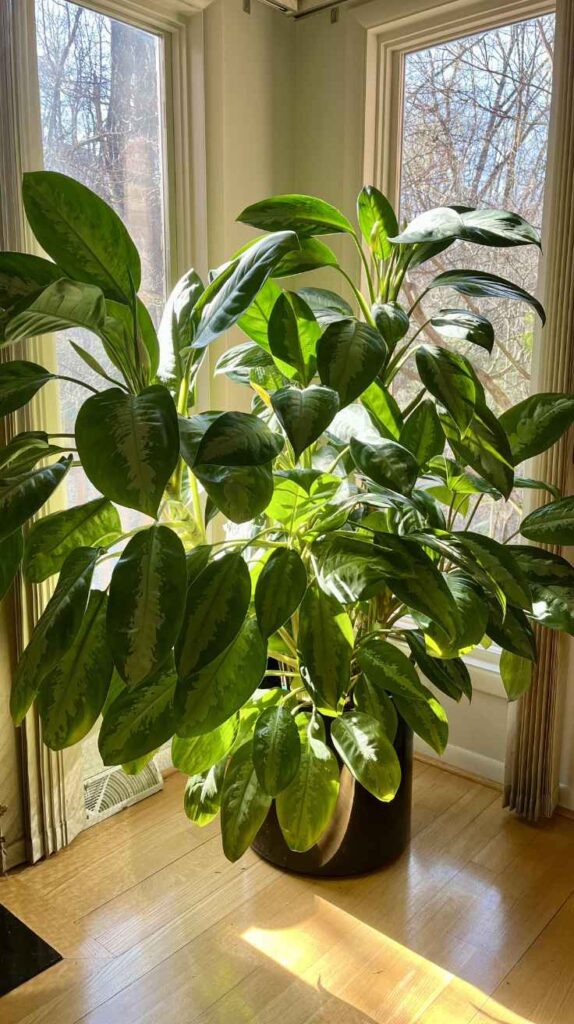
Chinese Evergreen plants are prized for their attractive leaf patterns and easy-care requirements.
Depending on the variety, leaves may display shades of green, silver, pink, cream, or red. This colorful foliage adds visual interest even without flowers.
These plants tolerate indoor conditions exceptionally well and adapt to lower light levels better than many other tropical species.
Care Tips
- Grow in indirect light
- Water when soil feels slightly dry
- Protect from cold drafts
- Maintain average indoor humidity
The striking leaf patterns often make this plant look far more demanding than it actually is.
Rubber Plant
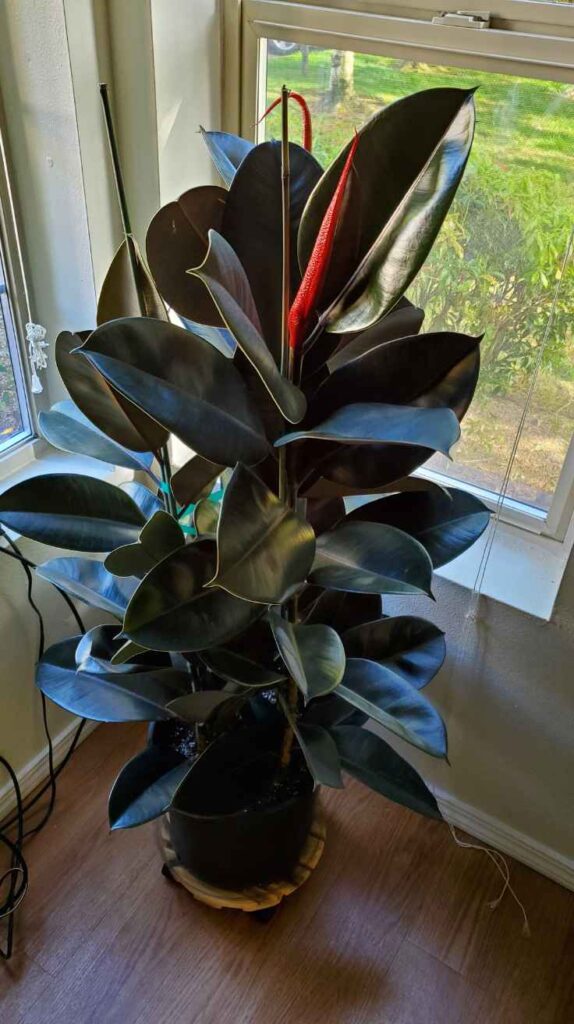
The Rubber Plant delivers bold beauty with its large, glossy leaves and upright growth habit.
This plant can become a dramatic statement piece when given proper care. Its deep green foliage creates a sophisticated appearance that works well in contemporary interiors.
While it appreciates bright light, it remains relatively forgiving compared to many large indoor plants.
Care Tips
- Place near bright indirect sunlight
- Water when the top soil layer dries
- Rotate regularly for even growth
- Wipe leaves clean to maintain shine
A healthy Rubber Plant can become one of the most impressive features in a home.
Aloe Vera

Aloe Vera combines ornamental appeal with practical benefits. Its thick, succulent leaves contain a soothing gel that has been used for generations.
This drought-tolerant plant thrives when treated more like a cactus than a traditional houseplant.
Its architectural shape works particularly well in modern interiors and sunny windowsills.
Care Tips
- Provide bright sunlight
- Allow soil to dry completely between waterings
- Use cactus or succulent soil
- Ensure excellent drainage
For plant lovers seeking beauty and functionality, Aloe Vera offers both.
Jade Plant
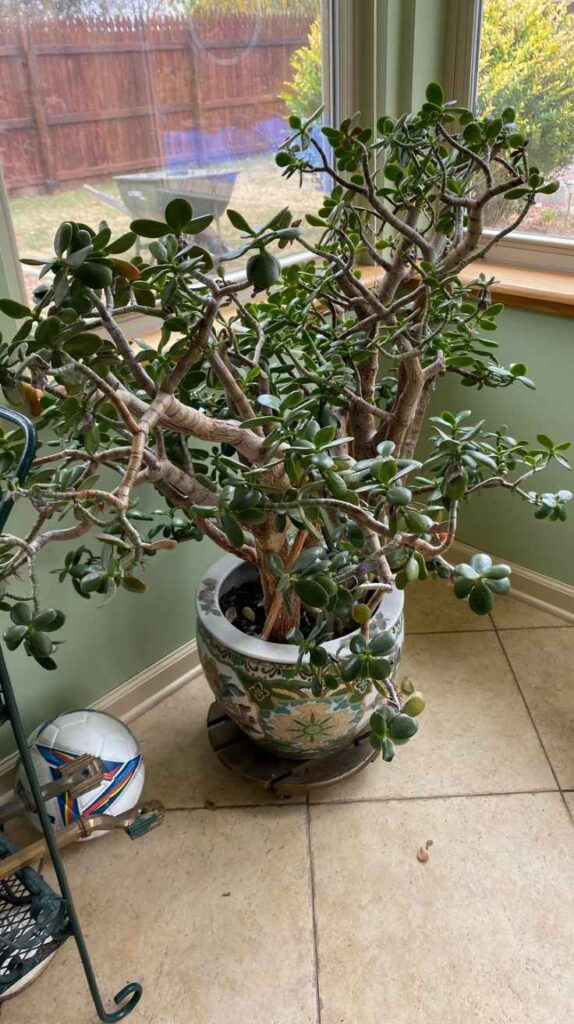
The Jade Plant is a popular succulent known for its thick stems and fleshy leaves.
Over time, it develops a miniature tree-like appearance that adds character and charm to indoor spaces.
Because it stores water in its leaves, it can tolerate occasional lapses in watering without significant problems.
Care Tips
- Place in bright light
- Water sparingly
- Use well-draining soil
- Avoid constantly wet roots
As it matures, this plant becomes increasingly attractive and distinctive.
Parlor Palm

The Parlor Palm brings a touch of tropical elegance indoors. Its delicate fronds create a soft, graceful look that complements many decorating styles.
Unlike some palms that require intense sunlight, this variety adapts well to average indoor conditions.
Its manageable size makes it suitable for apartments, offices, and smaller rooms.
Care Tips
- Grow in indirect light
- Keep soil lightly moist
- Avoid direct afternoon sun
- Increase humidity when possible
Its feathery foliage instantly adds warmth and sophistication to a space.
Monstera

Monstera has become one of the most recognizable indoor plants in recent years. Its large leaves develop dramatic splits and holes as the plant matures, creating a bold tropical appearance.
This distinctive foliage makes Monstera a favorite among interior designers and plant enthusiasts alike.
Although its dramatic look suggests complexity, it is surprisingly easy to grow.
Care Tips
- Provide bright indirect light
- Water when the upper soil layer dries
- Support larger plants with a moss pole
- Maintain moderate humidity
As new leaves unfurl, each one reveals unique patterns that make the plant even more captivating.
How to Choose the Right Plant for Your Home
Not every plant fits every environment. Before purchasing greenery, consider several important factors.
Light Availability
Observe how much natural light each room receives throughout the day.
- Bright rooms suit Aloe Vera and Jade Plant
- Medium-light spaces support Monstera and Philodendron
- Low-light areas work well for ZZ Plant and Snake Plant
Available Space
Some plants remain compact while others grow significantly larger over time.
Small apartments may benefit from Pothos, Spider Plants, or Peace Lilies, while spacious homes can accommodate larger Rubber Plants and Monsteras.
Maintenance Preferences
People with busy schedules often succeed with drought-tolerant varieties such as:
- Snake Plant
- ZZ Plant
- Jade Plant
- Aloe Vera
These plants forgive occasional missed waterings better than moisture-loving species.
Common Houseplant Care Mistakes
Even beginner-friendly plants can struggle when basic care mistakes occur repeatedly.
Overwatering
This remains the most common cause of houseplant problems.
Many new plant owners water on a fixed schedule instead of checking soil moisture. Most indoor plants prefer drying slightly between waterings.
Insufficient Light
A plant may survive in low light but fail to thrive. Slow growth, pale leaves, and leggy stems often indicate inadequate lighting.
Poor Drainage
Containers without drainage holes can trap excess water around roots, leading to root rot.
Ignoring Dust
Dust accumulation reduces the ability of leaves to absorb sunlight efficiently. A quick wipe with a damp cloth helps maintain healthy foliage.
Creating a Beautiful Indoor Plant Collection
Building an attractive indoor garden does not require dozens of plants.
A simple combination of different shapes, sizes, and textures often creates the most visually appealing arrangement.
For example:
- A tall Snake Plant in a corner
- A trailing Pothos on a shelf
- A Peace Lily on a side table
- A Monstera as a statement piece
Mixing upright plants, trailing vines, and tropical foliage creates balance and visual interest throughout the room.