Propagating Plants That Multiply With Ease and Fill Your Home With Greenery
Have you ever looked at a beautiful houseplant and wished there were more of it? The good news is that many favorite plants can create new plants from a single stem, leaf, or division. It feels almost magical to watch a tiny cutting develop roots and transform into a thriving plant. Even better, plant propagation is one of the most affordable ways to expand an indoor garden without spending extra money.
Many beginners assume propagation is difficult, but some plants practically do the work themselves. With a little patience, a glass of water, and basic care, new roots can appear in just a few weeks. The excitement of seeing those first roots emerge never fades. And some of the plants on this list may surprise even experienced gardeners.
From trailing vines to colorful foliage plants, these easy-growing favorites are known for their ability to reproduce quickly. Whether the goal is to fill empty shelves, create thoughtful gifts, or simply enjoy the process of growing something new, these plants make propagation rewarding and fun.
Why Plant Propagation Is So Popular
Plant propagation has become a favorite hobby among indoor gardeners because it combines creativity, sustainability, and gardening success. Instead of purchasing new plants, gardeners can grow additional specimens from healthy parent plants.
Benefits of propagation include:
- Saving money on houseplants
- Expanding indoor and outdoor gardens
- Sharing plants with friends and family
- Preserving favorite varieties
- Learning valuable gardening skills
- Increasing plant collections quickly
Many beginners discover that propagation builds confidence. Watching roots develop and leaves unfurl creates a strong connection with nature and encourages further exploration into gardening.
Pothos

Pothos remains one of the easiest and most reliable plants to propagate. Its heart-shaped leaves and trailing vines make it a popular choice for homes, apartments, and offices.
To propagate pothos, simply cut a healthy vine below a node and place the cutting in water. Within a few weeks, white roots begin to appear. Once the roots become several inches long, the cutting can move into potting soil.
Pothos tolerates varying light conditions and occasional neglect, making it ideal for beginners. Golden pothos, marble queen pothos, and neon pothos all propagate successfully using the same method. The rapid growth rate adds excitement because results often appear sooner than expected.
Spider Plant

Spider plants are famous for producing baby plants known as spiderettes. These miniature versions hang from long stems and naturally develop roots while still attached to the parent plant.
Propagation is remarkably simple. Place a spiderette in soil or water and allow it to establish roots. Some gardeners leave the baby attached until rooting begins, while others separate it immediately.
Spider plants thrive in bright indirect light and adapt well to various indoor environments. Their arching foliage creates visual interest, while their ability to produce numerous offspring makes them a propagation superstar. A single mature plant can eventually provide dozens of new plants over time.
Snake Plant
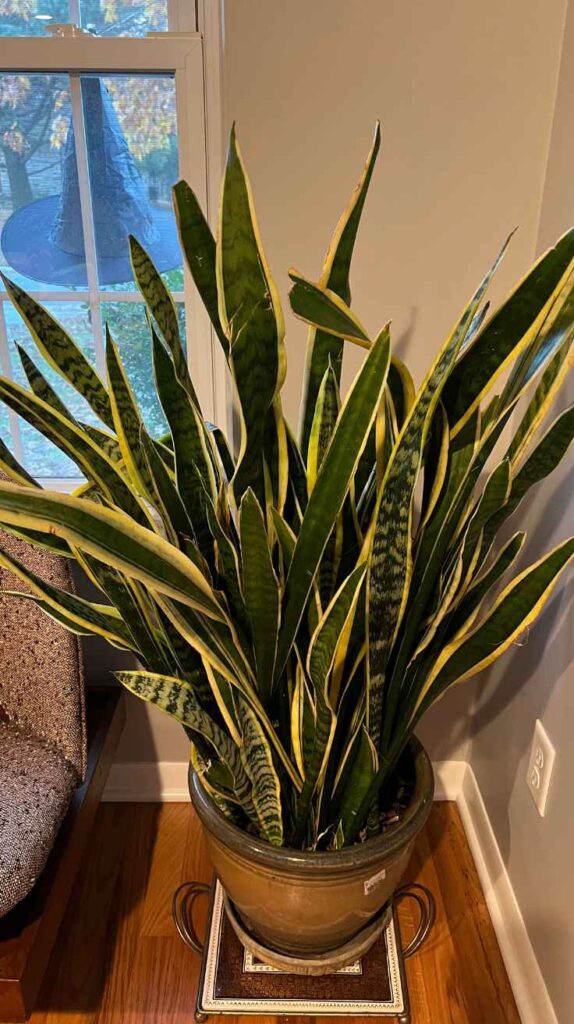
Snake plants are among the toughest houseplants available. Their upright leaves, drought tolerance, and air-purifying qualities have made them household favorites.
Several propagation methods work well. Leaf cuttings can root in water or soil, while division offers the fastest route to mature plants. When dividing, gardeners simply separate rooted sections from the parent plant.
Although snake plant propagation requires patience, the reward is worth the wait. Root development can take several weeks or even months. The anticipation builds as new shoots slowly emerge from the soil, signaling that a completely new plant has formed.
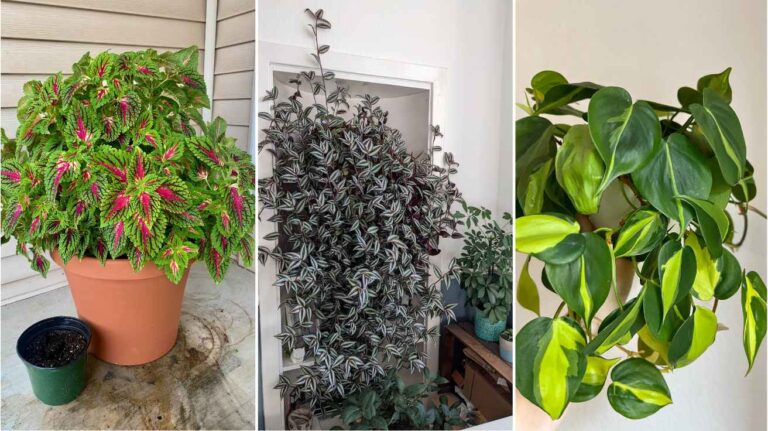
Heartleaf Philodendron

Heartleaf philodendron features elegant trailing vines covered with glossy green leaves. Its graceful appearance makes it a beautiful addition to shelves, hanging baskets, and tabletops.
Propagation occurs through stem cuttings. Each cutting should contain at least one node because roots develop from these growth points. Placing the cuttings in water often produces visible roots within a few weeks.
This adaptable plant tolerates average household conditions and continues growing throughout much of the year. Its forgiving nature makes it especially appealing to those who are new to indoor gardening. As the vines lengthen, opportunities for creating additional plants become almost endless.
ZZ Plant

The ZZ plant has earned a reputation for surviving low light and inconsistent watering. Its shiny leaves and upright growth habit add sophistication to indoor spaces.
Propagation takes longer than many other plants, but the process remains straightforward. Leaf cuttings or stem sections can develop roots and rhizomes over time.
Patience becomes essential because progress often appears slow at first. However, beneath the soil, significant development occurs before visible growth emerges. Once established, new ZZ plants offer the same durability and beauty as the original parent plant, making the waiting period worthwhile.
Tradescantia

Tradescantia, often called wandering dude or inch plant, grows rapidly and roots with incredible ease. Its colorful foliage features shades of purple, green, silver, and pink.
Stem cuttings root readily in water, often producing roots within days rather than weeks. This fast response makes Tradescantia one of the most satisfying plants for propagation beginners.
Regular pruning encourages fuller growth and provides a steady supply of cuttings. Because rooting happens so quickly, gardeners can create lush arrangements in a relatively short period. The vibrant colors add an extra layer of excitement throughout the growing process.
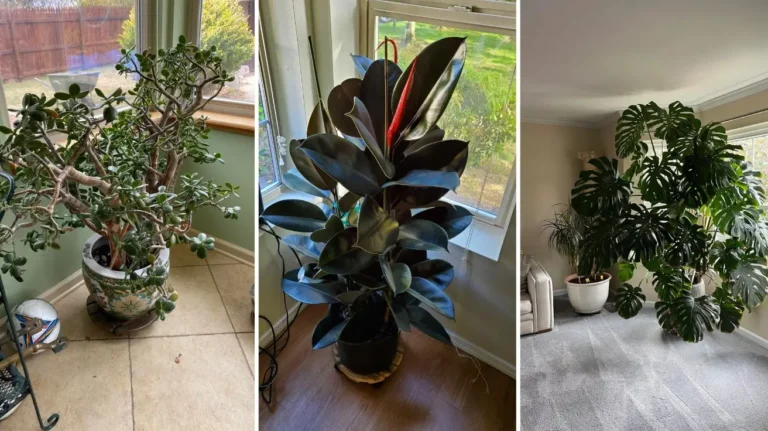
Monstera

Monstera has become one of the most sought-after houseplants thanks to its dramatic split leaves and tropical appearance.
Propagation involves taking a stem cutting that includes at least one node and preferably an aerial root. Water propagation remains the most popular method because root development is easy to monitor.
As roots expand, anticipation grows. Eventually, a single cutting transforms into a stunning standalone plant capable of producing the iconic fenestrated leaves that make Monstera so recognizable. While growth may not happen overnight, the transformation feels incredibly rewarding.
Chinese Evergreen

Chinese evergreen offers attractive foliage patterns and exceptional adaptability. Many varieties display silver, green, pink, or red accents that brighten indoor spaces.
Division serves as the easiest propagation technique. Mature plants naturally develop multiple stems and root systems, allowing sections to separate and grow independently.
Because divisions already possess established roots, they often adjust quickly after transplanting. This method delivers faster results compared to starting from cuttings. Chinese evergreen also performs well under moderate indoor lighting, making it an excellent choice for homes with limited sunlight.
Peperomia

Peperomia includes a diverse group of compact plants prized for their unique leaf textures and colors. Ripple peperomia, watermelon peperomia, and baby rubber plant are particularly popular.
Many varieties propagate through leaf cuttings. A healthy leaf placed in moist soil can eventually generate roots and new growth.
This process feels especially fascinating because an entirely new plant develops from a single leaf. Although results may take time, the outcome often surprises beginners. Their manageable size and decorative appearance make peperomias ideal for desks, shelves, and small living spaces.
Begonia

Begonias are admired for their striking foliage and colorful blooms. Some varieties feature dramatic patterns, metallic shades, or textured leaves that command attention.
Leaf propagation works exceptionally well with many begonias. Gardeners can place whole leaves or leaf sections into moist growing medium and wait for roots and tiny plantlets to emerge.
The first signs of new growth often spark excitement because multiple plants can develop from a single leaf. With proper humidity and consistent care, begonias reward patience with beautiful new specimens that retain the characteristics of the parent plant.
Jade Plant
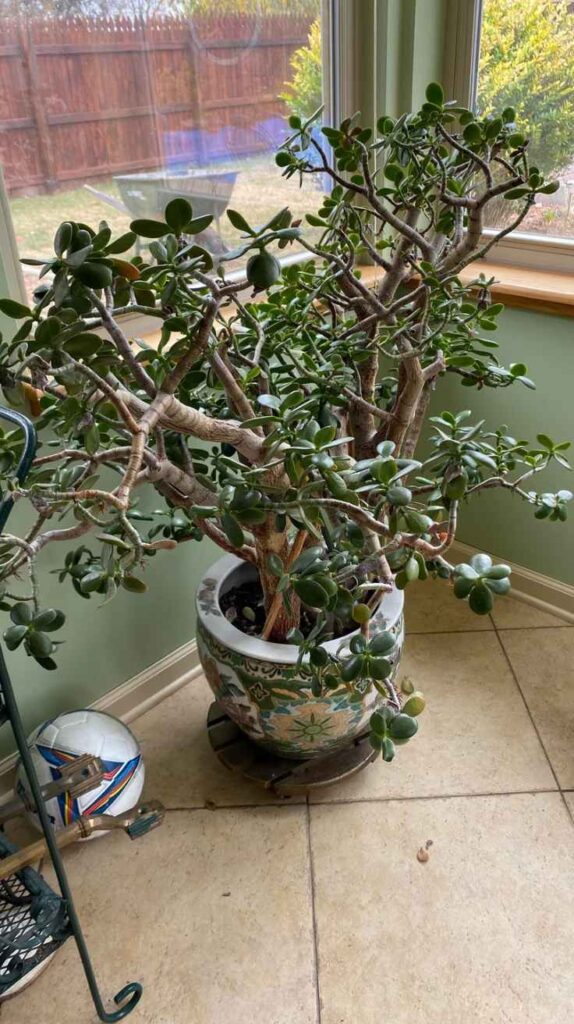
Jade plant remains a favorite succulent because of its thick stems, fleshy leaves, and long lifespan. Many gardeners pass jade plants down through generations.
Propagation can occur through stem cuttings or individual leaves. After allowing cut surfaces to dry and callus, the cuttings are placed in well-draining soil.
Unlike some houseplants, jade prefers a drier environment during rooting. Excess moisture can lead to problems, so restraint often produces better results. As roots establish and fresh growth appears, the new plant gradually develops the sturdy structure associated with mature jade specimens.
African Violet
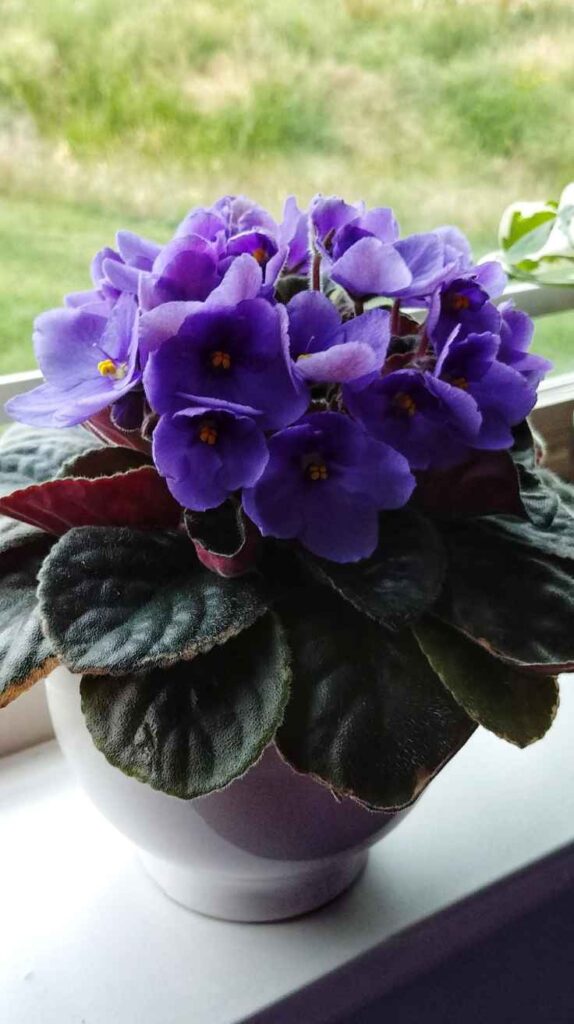
African violets bring color and charm to windowsills with their velvety leaves and vibrant flowers. They are also surprisingly easy to propagate.
Leaf cuttings provide the most common method. A healthy leaf with its stem inserted into a moist growing medium can eventually produce new plantlets.
The process requires patience, but the reward is remarkable. Tiny leaves emerge near the base of the cutting, signaling the birth of entirely new plants. Because African violets flower frequently under proper conditions, successful propagation can lead to a collection filled with colorful blooms throughout the year.
Essential Tips for Successful Propagation
Even easy plants benefit from proper care during propagation. A few simple practices can greatly improve success rates.
Use Clean Tools
Always use sharp, sanitized scissors or pruning shears. Clean cuts reduce damage and help prevent disease transmission.
Choose Healthy Parent Plants
Strong, healthy plants produce stronger cuttings. Avoid taking propagation material from stressed or diseased specimens.
Provide Bright Indirect Light
Most cuttings root best in bright indirect sunlight. Intense direct sun can stress young plants before roots develop.
Monitor Moisture Carefully
Too much water often causes rot, while too little moisture can prevent root formation. Finding the right balance is essential.
Be Patient
Some plants root within days, while others require months. Consistency often matters more than speed.
Common Mistakes to Avoid
Many propagation failures occur because of a few common errors.
These include:
- Taking cuttings without nodes
- Overwatering cuttings
- Using unhealthy plant material
- Placing cuttings in direct sunlight
- Transplanting before roots develop sufficiently
- Disturbing newly formed roots too often
Avoiding these mistakes dramatically increases the chances of success.
Creating a Thriving Collection From a Single Plant
One of the most exciting aspects of plant propagation is the possibility of turning a single plant into an entire collection. A trailing vine can become multiple hanging baskets. A mature spider plant can generate countless offspring. A favorite succulent can multiply year after year.
As confidence grows, propagation becomes more than a gardening technique. It becomes a rewarding experience filled with discovery, anticipation, and accomplishment. Every new root represents progress, and every fresh leaf tells a story of growth.
These 12 propagating plants prove that expanding a plant collection does not require advanced gardening skills or expensive equipment. With patience, proper care, and a little curiosity, anyone can enjoy the satisfaction of growing beautiful new plants from existing ones. The most surprising part may be how quickly one successful propagation project leads to another, turning a simple hobby into a thriving indoor jungle.