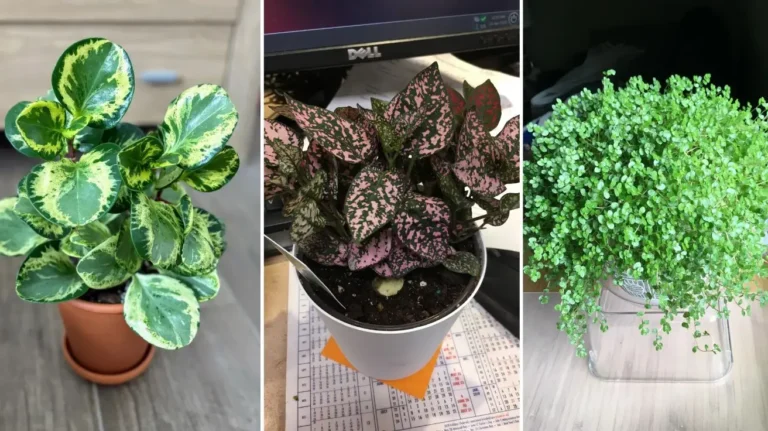
Shower Plants That Turn Your Bathroom Into a Lush Retreat
There’s something wonderfully refreshing about stepping into a warm shower surrounded by greenery. A few well-chosen plants can make a plain bathroom feel softer, fresher, and far more inviting. The steam, humidity, and filtered light found in many bathrooms can also create a surprisingly comfortable environment for certain tropical houseplants.
The trick is choosing varieties that genuinely enjoy those conditions rather than simply placing any houseplant beside the shower. High humidity, temperature changes, limited sunlight, and splashing water can challenge the wrong plant. With the right choices, though, a shower area can become a little green sanctuary that feels alive every morning.
From trailing vines to dramatic tropical foliage, these 12 shower plants offer plenty of ways to bring nature into the bathroom. Some are wonderfully forgiving for beginners, while others reward a little extra attention with spectacular growth.
Boston Fern

Boston fern is one of the first plants worth considering for a humid bathroom. Its long, arching fronds create a full, feathery appearance that instantly softens hard surfaces such as tile, glass, and metal. A hanging basket near the shower can make the foliage appear as though it is cascading from above.
This fern appreciates consistently moist conditions and high humidity, making a steamy bathroom particularly appealing. It prefers bright, indirect light, so a bathroom window with filtered sunlight can provide an excellent growing environment.
The fronds can become dry and crispy when humidity drops too low. Regular moisture and good air circulation help keep the plant looking lush. For a dramatic shower corner, few choices create the same woodland feeling.
Spider Plant

Spider plants are wonderfully approachable for anyone who wants greenery without a demanding care routine. Their narrow, arching leaves bring movement to a bathroom, while small plantlets often develop along long stems and create an attractive cascading effect.
A shelf beside the shower or a hanging planter can showcase the foliage beautifully. Spider plants generally prefer bright, indirect light, although they can tolerate somewhat lower-light conditions.
Humidity from regular showers can be helpful, but the soil still needs to drain properly. Constantly soggy roots can cause trouble, so a container with drainage holes is essential. The combination of graceful foliage and easy maintenance makes this a particularly friendly choice for beginners.
Pothos

Pothos brings instant drama to a bathroom because its vines can spill over shelves, cabinets, or hanging planters. Golden pothos, marble queen pothos, and jade pothos all offer slightly different leaf patterns and colors.
This adaptable tropical vine appreciates warmth and humidity, although it doesn’t need to sit directly in the shower spray. Place it somewhere where it receives indirect light and occasional moisture from the humid environment.
One of the best features is its fast-growing nature. As the vines lengthen, they can be gently trained around a shelf or allowed to hang naturally. A small plant can eventually become a striking green curtain.
Just keep in mind that pothos is toxic if eaten, so it should stay away from children and pets that may chew on leaves.
Heartleaf Philodendron
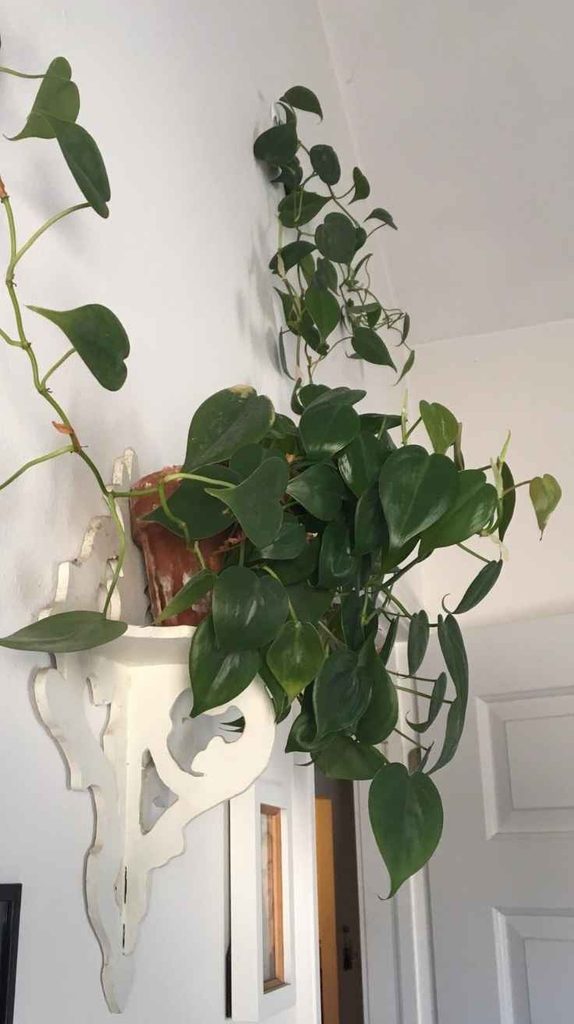
Heartleaf philodendron has charming, heart-shaped leaves and trailing stems that give it a relaxed, romantic appearance. It works beautifully in bathrooms because it enjoys warmth, moderate to high humidity, and indirect light.
A small specimen can sit on a narrow shelf, while a mature plant can trail from a hanging planter. The vines add softness without taking up much floor space, which makes this plant especially useful in compact bathrooms.
Avoid placing the container where it receives constant splashes. Humidity is beneficial, but waterlogged soil isn’t. Letting the top layer of soil dry slightly between waterings can help maintain healthy roots.
Bird’s Nest Fern
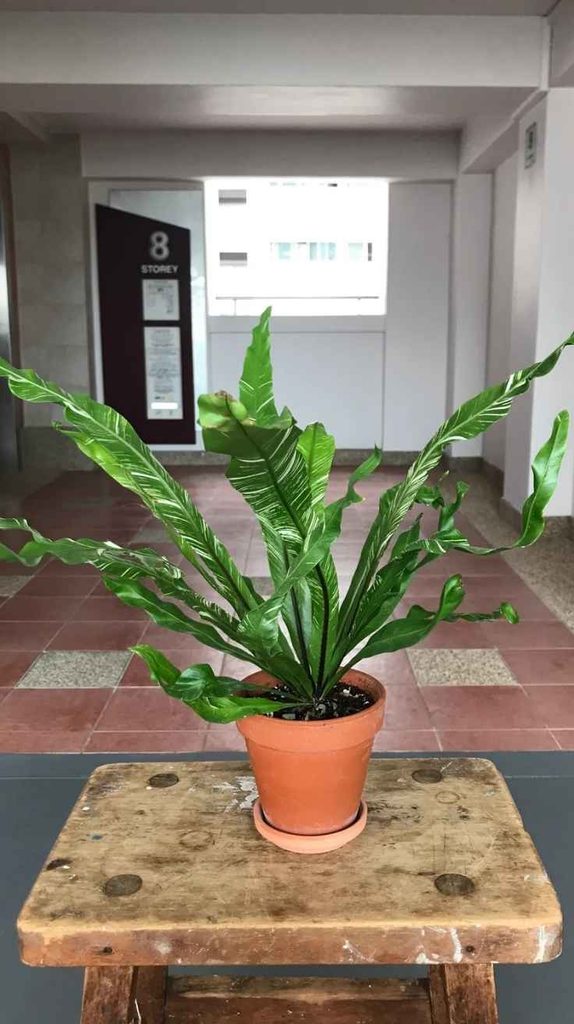
For bold foliage without complicated care, bird’s nest fern deserves attention. Instead of producing delicate, feathery fronds, it develops broad, wavy leaves that grow outward from a central rosette.
High humidity can help this tropical fern maintain attractive foliage. A bathroom with filtered natural light can provide an ideal setting, particularly when direct afternoon sun doesn’t reach the plant.
One important watering habit makes a big difference: avoid repeatedly pouring water directly into the central crown. Water around the soil instead. Standing water in the crown can encourage rot. Set this fern on a stool, plant stand, or sturdy bathroom shelf, and its sculptural leaves can become a natural focal point.
Bamboo Palm
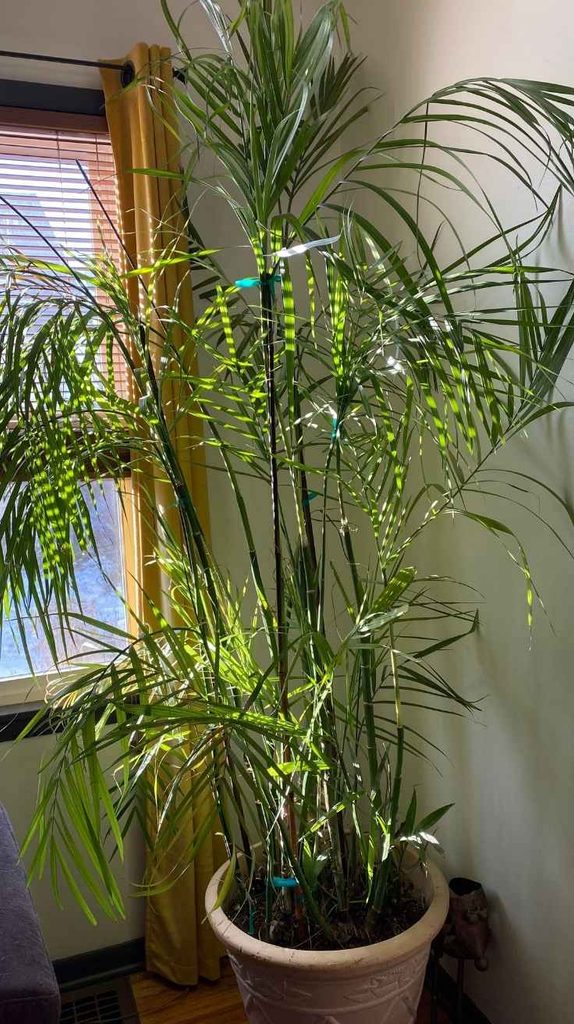
Bamboo palm brings a relaxed, resort-inspired feeling to the bathroom. Its slender stems and feathery leaves create vertical interest without making the space feel overly heavy.
This palm appreciates bright, indirect light and enjoys moderate humidity. It can work particularly well in a larger bathroom where there is enough room for the plant to spread naturally.
A bamboo palm positioned near, but not directly inside, the shower area can create the feeling of a private tropical retreat. Pairing it with natural wood, woven baskets, stone accessories, or neutral towels can strengthen that calming atmosphere.
Prayer Plant

Prayer plants offer something different: patterned foliage. Their leaves can feature shades of green, burgundy, cream, and other striking markings, depending on the variety.
They enjoy humidity and indirect light, making them a natural candidate for a warm bathroom. Their compact growth habit also makes them suitable for smaller spaces where a large floor plant would feel overwhelming.
The leaves can move throughout the day, which adds a subtle sense of life to the room. Keep the soil evenly moist without allowing the pot to sit in standing water. A decorative ceramic planter can turn a prayer plant into a small piece of living bathroom decor.
Calathea
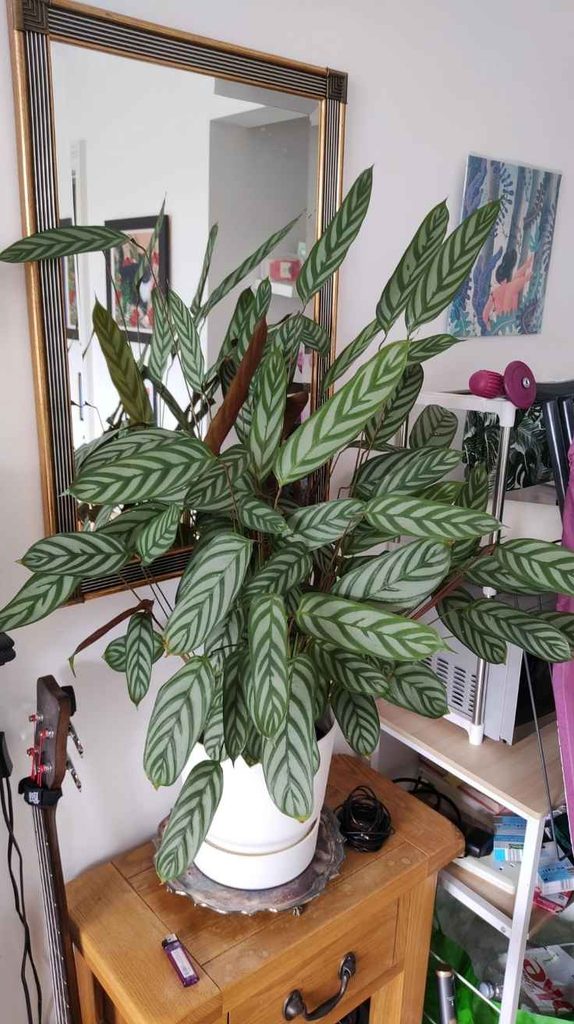
Calatheas are famous for their beautifully patterned leaves, and several varieties can thrive in humid indoor environments when their other needs are met.
They tend to appreciate higher humidity, warmth, and indirect light. This makes a bright bathroom an attractive location, especially when the room receives plenty of filtered daylight.
Calathea can be more sensitive than pothos or spider plants, so it may not be the best first choice for someone who frequently forgets plant care. However, the payoff can be spectacular. Large patterned leaves can completely change the visual character of a bathroom. If brown leaf edges appear, inconsistent moisture, low humidity, or unsuitable water quality may be contributing factors.
Air Plants

Air plants, or Tillandsia, offer an unusual way to decorate a bathroom. They don’t require traditional potting soil, which opens up creative display possibilities.
Small air plants can be placed in decorative holders, mounted on suitable displays, or arranged on bathroom shelves. Their sculptural shapes work particularly well with minimalist and modern interiors.
Despite their name, air plants still need water. They also require enough light and air movement to remain healthy. Humidity from a shower can supplement their moisture needs, but it shouldn’t replace proper watering. Keep them somewhere they can dry properly after watering. A plant that remains wet for too long can develop problems.
English Ivy
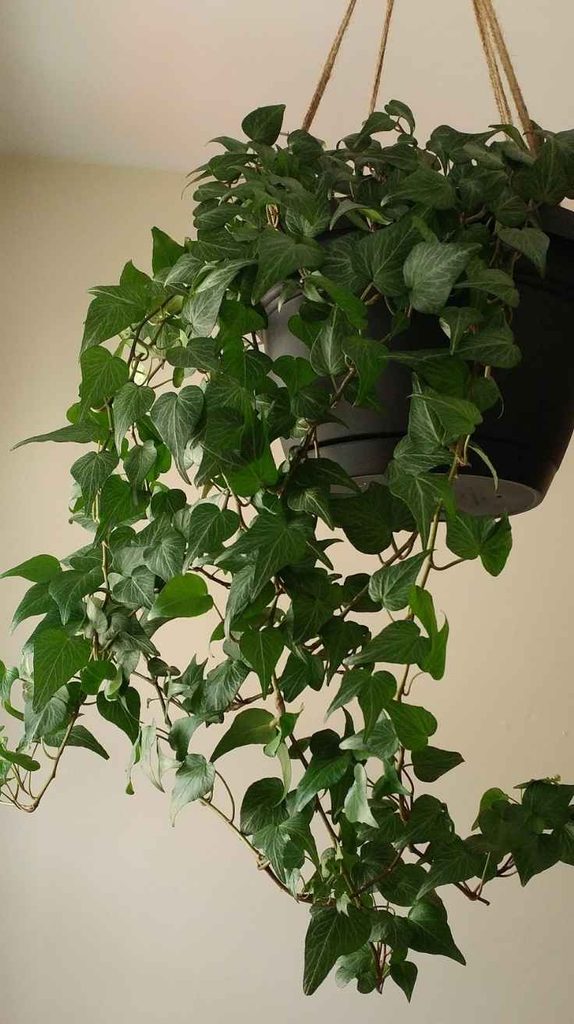
English ivy can create an elegant, old-world look when its vines trail from a bathroom shelf or hanging container. Its small lobed leaves provide a different texture from broad tropical foliage.
A humid bathroom may help prevent the foliage from becoming excessively dry, but sufficient light remains important. Bright, indirect light generally produces better growth than a dark corner.
Because the vines can become vigorous, occasional trimming keeps the plant tidy and encourages fuller growth. This also provides an opportunity to propagate healthy cuttings if desired. English ivy can be toxic to pets, so placement matters in homes with curious animals.
Orchid
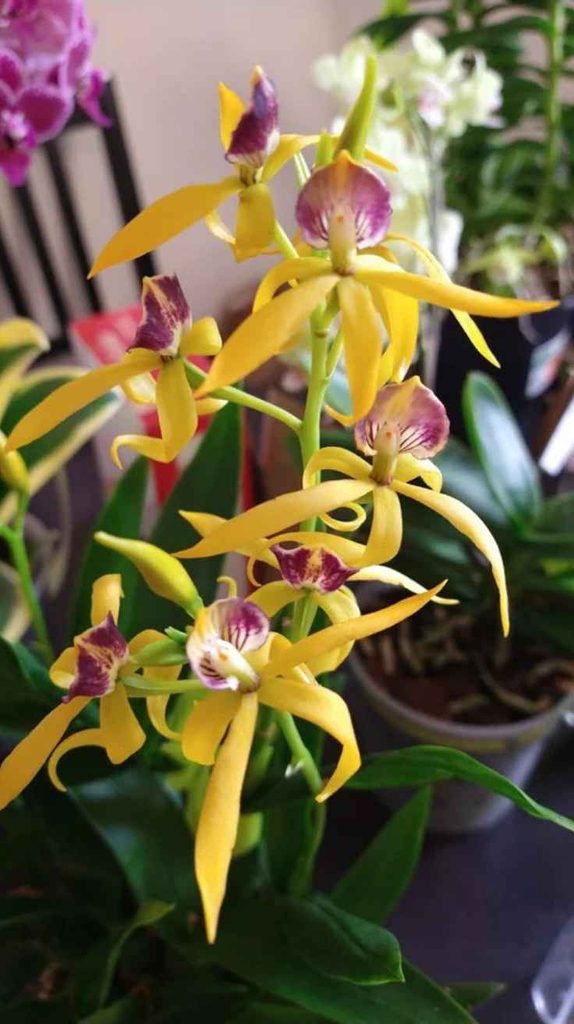
Orchids can add an elegant splash of color to a bathroom without requiring much floor space. Phalaenopsis orchids are especially popular as houseplants because their flowers can last for weeks or even months under suitable conditions.
The humidity commonly found in bathrooms can be beneficial, but orchids still need good indirect light and excellent drainage. They shouldn’t sit in water, and their roots need access to air.
Place an orchid near a bright bathroom window rather than in a dark shower stall. When it blooms, the flowers can provide a beautiful contrast against neutral tile and natural textures. This is where a simple bathroom suddenly starts feeling like a boutique hotel.
Lucky Bamboo
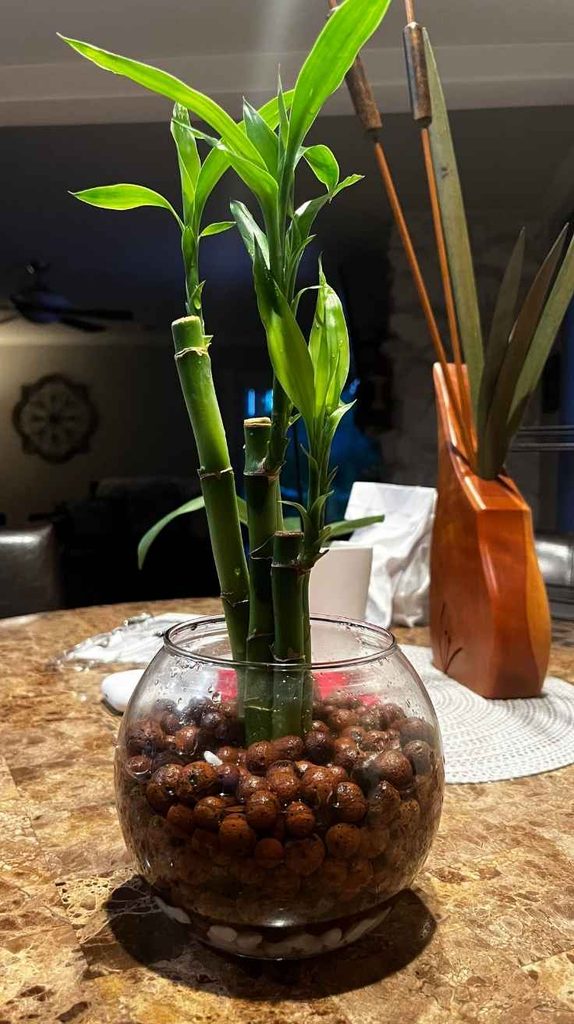
Lucky bamboo is a popular choice for bathrooms because it can grow in water rather than traditional potting soil. Its upright stems offer a clean, architectural appearance that works especially well with modern decor.
A glass container filled with clean water can create a simple display for a bathroom counter or shelf. Some growers use decorative stones to help stabilize the stems.
Although it tolerates lower light better than many tropical plants, it still benefits from bright, indirect light. Change the water regularly and keep the container clean. Its simple shape can balance bathrooms filled with busy tile patterns, decorative accessories, or colorful textiles.
How to Choose the Best Plants for a Shower Area
Not every bathroom offers the same growing conditions. Before bringing home a new plant, take a quick look around the room.
Consider the Amount of Natural Light
Light is often the biggest limiting factor. A bathroom with a large frosted window may provide excellent indirect light, while an interior bathroom without windows may provide almost none.
Humidity cannot replace sunlight. Plants still need light for photosynthesis.
If the bathroom is extremely dark, consider placing plants elsewhere during the day or using an appropriate grow light rather than expecting a tropical plant to survive indefinitely in darkness.
Pay Attention to Humidity
Plants such as ferns, calatheas, prayer plants, and many tropical species generally appreciate humid conditions. A bathroom that becomes steamy after showers can naturally provide some of that moisture.
However, high humidity doesn’t mean plants should remain wet all the time. Roots need oxygen, and excessive moisture in the soil can cause root rot.
Keep Plants Away From Direct Shower Spray
It may sound logical to put moisture-loving greenery directly beneath the showerhead, but constant splashing isn’t ideal.
Soap, shampoo, hot water, and strong water pressure can damage foliage and disturb the soil. A position beside the shower often works better than one directly underneath it.
How to Arrange Greenery Around the Shower
A little planning can make the plants feel intentional rather than randomly placed.
Hanging planters work beautifully with trailing species such as pothos and heartleaf philodendron. Wall-mounted shelves can hold compact plants such as prayer plants or air plants. Larger bathrooms may have enough room for a bamboo palm in a corner.
The goal is to create layers.
Place taller greenery toward the back, medium-sized foliage at eye level, and trailing plants where their vines can naturally fall downward. This creates depth while keeping the shower area functional.
Natural materials can enhance the effect. Wood, stone, rattan, ceramic containers, linen towels, and neutral colors pair beautifully with green foliage.
Shower Plant Care Tips for Beginners
Even easy-care plants need a little attention.
Check the soil rather than following a strict watering calendar. Bathrooms can stay humid for long periods, so plants may need water less frequently than those in dry living rooms.
Use containers with drainage holes whenever possible. Empty excess water from decorative outer pots so the roots don’t remain submerged.
Clean dusty leaves occasionally with gentle water or a soft, damp cloth, depending on the plant. Clean foliage can absorb light more efficiently and generally looks healthier.
Finally, watch the leaves. Drooping, yellowing, crispy edges, mold, or unusually slow growth can provide useful clues that something needs to change.
Common Mistakes to Avoid
One of the biggest mistakes is choosing plants based only on appearance. A beautiful plant isn’t automatically suited to a steamy bathroom.
Another common problem is overwatering. Because the room feels humid, it’s easy to assume the soil should always stay wet. That’s rarely a good idea.
Avoid blocking ventilation with too much foliage. Good airflow helps reduce the risk of fungal problems and keeps the bathroom comfortable.
It’s also important to think about safety. Hanging planters should be securely installed, especially when positioned above walking areas or near wet floors. Keep toxic plants away from pets and children who may nibble on leaves.
Creating a Relaxing Green Bathroom
The best shower plant arrangement doesn’t need to look complicated. Even two or three carefully positioned plants can make a major difference.
A fern can soften a corner. A trailing vine can frame a mirror. An orchid can add an elegant focal point. Small air plants can fill an otherwise empty shelf.
Plants also work beautifully with other natural bathroom elements. Warm wood, woven storage baskets, stone trays, soft towels, and simple ceramic pots can create a peaceful atmosphere without requiring a major renovation.
And there’s a wonderful little secret: the bathroom doesn’t have to look like a greenhouse. A few intentional touches often create more impact than filling every available surface.