Tropical Plants That Bring a Lush, Vacation-Like Feel Indoors and Outdoors
There’s something irresistible about tropical greenery. Large leaves, rich textures, unusual shapes, and vibrant growth can instantly make an ordinary room, balcony, patio, or garden feel more alive. The best part is that you don’t need to live in a tropical paradise to enjoy that lush atmosphere. With the right plant and a little attention to light, water, humidity, and soil, tropical foliage can thrive in many homes and gardens.
From dramatic Monstera deliciosa to elegant Bird of Paradise, these beautiful plants offer plenty of personality. Some grow into impressive statement pieces, while others stay compact enough for shelves, desks, and small corners.
So, which varieties deserve a place in your green space? A few familiar favorites are joined by some surprisingly beautiful choices below.
Monstera Deliciosa

Few houseplants create a tropical mood as quickly as Monstera deliciosa. Its enormous green leaves develop distinctive splits and holes as the plant matures, giving it an instantly recognizable appearance. That dramatic foliage makes it a wonderful focal point for living rooms, bedrooms, sunrooms, and covered patios.
This plant enjoys bright, indirect light, although it can tolerate somewhat lower light conditions. Water when the upper portion of the soil feels dry, and make sure the container drains well. Overwatering can lead to root problems, so allowing excess moisture to escape is essential.
With warmth and humidity, Monstera can grow surprisingly quickly. A moss pole or sturdy support can help the climbing stems grow upward rather than sprawling across the floor. For anyone looking for tropical plants with bold foliage and a strong visual impact, this classic is hard to beat.
Bird of Paradise
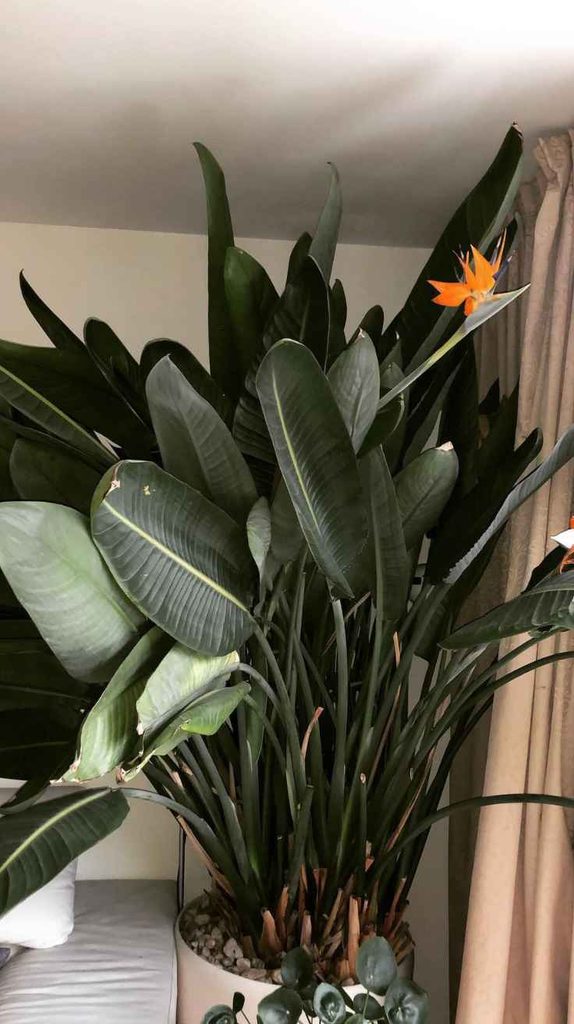
The Bird of Paradise, particularly Strelitzia reginae and Strelitzia nicolai, brings an almost architectural quality to a space. Its tall stems and broad paddle-shaped leaves create height and movement, making it especially useful when a room feels flat or empty.
This plant appreciates plenty of bright light. A location near a sunny window can encourage strong growth indoors, while outdoor plants can perform beautifully in warm climates. Keep the soil moderately moist during active growth, but avoid letting the roots sit in standing water.
One charming feature is the way the leaves naturally split. Those tears aren’t necessarily a sign that something is wrong; they can help the large leaves handle air movement. Given enough room, this striking variety can become a spectacular living centerpiece.
Banana Plant
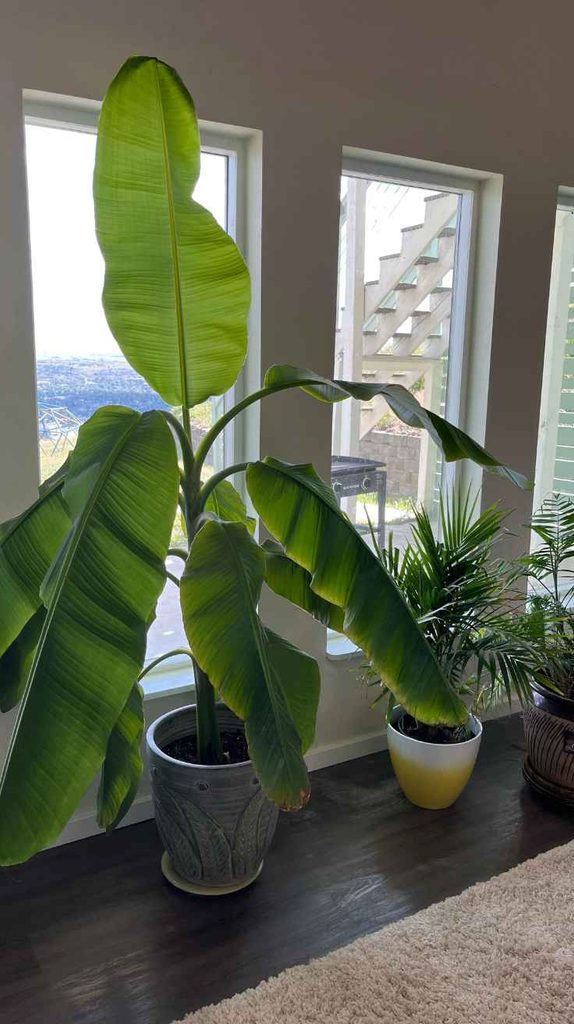
Banana plants bring instant tropical drama with their enormous, soft-looking leaves. Although many people associate bananas with fruit production, ornamental varieties can also serve as stunning foliage plants.
They prefer warmth, plenty of sunlight, regular watering, and nutrient-rich soil. Their large leaves lose moisture quickly, especially in hot weather, so consistent care matters. At the same time, soggy soil can cause trouble, making drainage just as important as watering.
A banana plant can look fantastic beside a pool, on a sunny patio, or in a warm garden bed. Indoors, dwarf varieties can work better because full-sized types may eventually outgrow their surroundings.
The real attraction is the foliage. Even without fruit, those giant leaves create a relaxed resort-style atmosphere.
Calathea
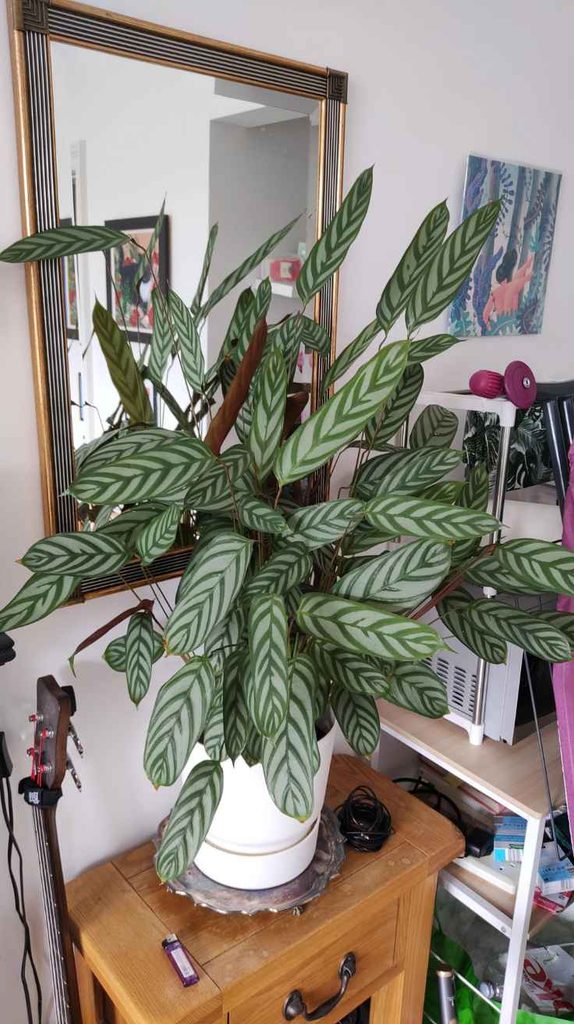
Calatheas are perfect for plant lovers who enjoy intricate foliage rather than enormous leaves. Depending on the variety, you may find stripes, spots, deep green patterns, purple undersides, or beautifully painted-looking markings.
These plants generally prefer bright, indirect light and higher humidity. Direct afternoon sunlight can scorch their delicate leaves, so filtered light often works better. They also appreciate evenly moist soil, although the roots should never remain waterlogged.
Humidity is one of the biggest factors in keeping Calathea foliage attractive. A humidifier, pebble tray, or naturally humid room can help.
Their graceful leaves add softness to a space, making them especially attractive on plant stands, side tables, and bedroom corners. With proper care, their patterned foliage becomes the star of the room.
Croton

For a burst of color, Croton is difficult to overlook. Unlike many foliage plants that remain primarily green, Croton leaves can display shades of yellow, orange, red, bronze, and green.
Strong light helps maintain those vivid colors. In dim conditions, the foliage may become greener and less dramatic. Give the plant bright light, warmth, and well-draining soil, and it can reward you with spectacular leaves.
Crotons dislike sudden changes in their environment. Moving one from a bright nursery or greenhouse into a completely different location can sometimes cause leaf drop. Gradual adjustments usually make the transition easier.
A colorful Croton can break up a collection dominated by green foliage. Place it near neutral furniture or simple planters, and the leaves can provide all the decoration needed.
Anthurium

Anthuriums combine attractive foliage with long-lasting, colorful blooms. Their glossy leaves look elegant even when the plant isn’t flowering, while the familiar heart-shaped spathes can appear in red, pink, white, purple, and other shades depending on the variety.
Bright, indirect light generally supports healthy growth and flowering. Keep the potting mix lightly moist but not saturated, and provide good drainage. Warm temperatures and moderate to high humidity can also encourage better performance.
This is a particularly lovely choice for desks, kitchen counters, plant shelves, and small living spaces because many Anthurium varieties remain relatively compact.
When the flowers appear against the glossy foliage, the effect is wonderfully cheerful. It’s one of those plants that can make a quiet corner feel instantly more inviting.
Fiddle Leaf Fig

The Fiddle Leaf Fig has earned its reputation as a stylish indoor statement plant. Its large, violin-shaped leaves bring bold texture without the sprawling growth of some tropical climbers.
It generally prefers bright, filtered light and a stable environment. One common mistake is watering on a strict schedule without checking the soil first. Instead, feel the soil and water when the upper layer has dried somewhat.
Good drainage is essential. So is consistency. Fiddle Leaf Figs can react poorly to frequent relocation, dramatic temperature changes, or sudden shifts in light.
A tall specimen can beautifully fill an empty corner beside a sofa, reading chair, or large window. Its upright growth also gives a room a polished, contemporary appearance.
Rubber Plant

The Rubber Plant, or Ficus elastica, offers glossy foliage and relatively straightforward care. Its leaves can range from deep green to burgundy, with variegated varieties adding creamy or pinkish patterns.
Bright, indirect light works well, although some varieties can tolerate moderate indoor light. Let the soil dry slightly between waterings rather than keeping it constantly wet.
Dust can accumulate on the broad leaves, reducing their shine. Gently wiping the foliage with a damp cloth can keep the plant looking fresh while also helping it make better use of available light.
Rubber Plants can become tall over time, but pruning can help encourage branching and maintain a manageable shape. Their combination of bold foliage and easy styling makes them excellent for modern interiors.
Bromeliad

Bromeliads bring an entirely different texture to a tropical plant collection. Many varieties form rosettes of stiff, arching leaves, with colorful central bracts that can remain attractive for an extended period.
They often perform well in bright, indirect light and warm conditions. Unlike conventional plants, some bromeliads can collect water in the central cup formed by their leaves. However, stagnant water should not be allowed to become foul, so refreshing the water periodically can be helpful.
Their compact size makes them useful for apartments, bathrooms with suitable light, shelves, and small patios. A few bromeliads grouped together can create a surprisingly lush display without taking up much floor space.
For anyone who wants tropical character without a huge plant, this is a fantastic direction to explore.
Elephant Ear
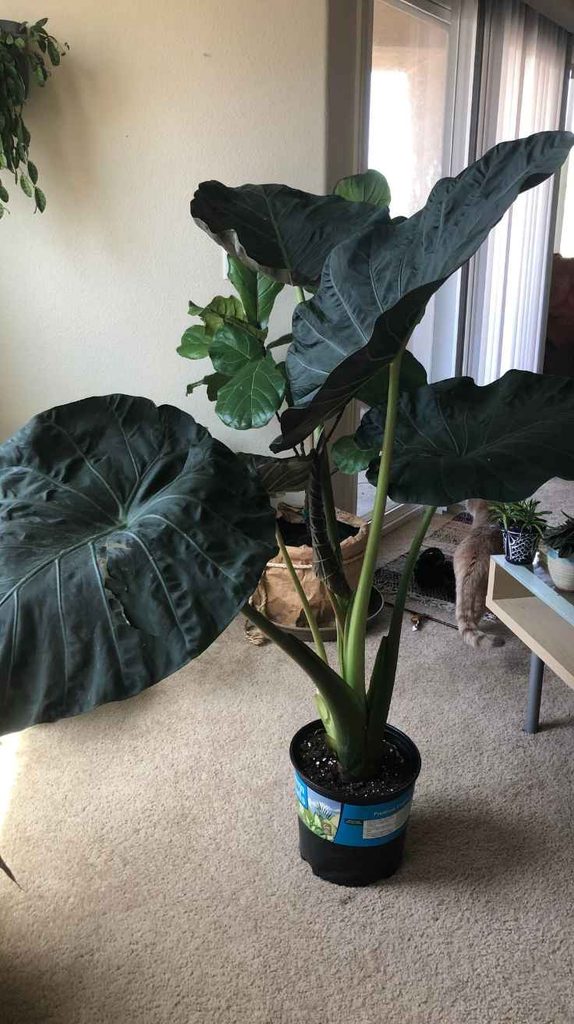
Few foliage plants provide the sheer leaf size of Elephant Ear. Plants in the genera Colocasia and Alocasia are known for oversized leaves that can transform a garden bed into a dramatic green retreat.
They generally enjoy warmth, moisture, and rich soil. Depending on the variety and climate, their light preferences can range from partial shade to brighter conditions. The key is matching the variety to the growing environment.
Elephant Ears look particularly impressive around water features, shaded patios, garden borders, and tropical-style landscapes. Their enormous leaves create depth and make smaller plants seem even more delicate by comparison.
Because the foliage can become so large, leave plenty of space around the plant. Crowding it into a tiny corner can hide its natural beauty.
Chinese Evergreen

Chinese Evergreen, or Aglaonema, is an excellent choice when growing conditions aren’t perfectly sunny. Many varieties tolerate lower indoor light better than sun-loving tropical species. The foliage comes in numerous patterns and colors, including dark green, silver, cream, and pink tones. That variety makes it easy to find one that complements almost any decorating style.
Water when the soil begins to dry, and use a container with drainage holes. Although Aglaonema appreciates humidity, it doesn’t want its roots sitting in saturated soil.
This plant works beautifully on consoles, shelves, desks, and plant stands. Its relatively manageable size makes it especially useful for people who want greenery without turning an entire room into a jungle. And there’s another advantage: its attractive leaves can stay visually interesting even when no flowers are present.
Hawaiian Ti Plant

The Hawaiian Ti Plant, commonly associated with Cordyline fruticosa, brings bold color and upright growth to tropical plant displays. Depending on the cultivar, its long leaves may appear green, burgundy, pink, red, or combinations of several shades.
Bright, filtered light generally helps maintain strong coloration, while harsh direct sunlight can damage some varieties. Warm temperatures and consistent moisture support healthy growth.
Its vertical shape makes it useful when a collection needs height. Instead of adding another plant with wide, spreading leaves, a Ti Plant can provide a more dramatic upward accent.
It also works beautifully in decorative containers. Pairing colorful foliage with a simple pot can create a polished display without requiring complicated styling.
How to Care for Tropical Plants


Growing tropical plants successfully becomes much easier when their basic needs are understood. Most don’t require complicated techniques. They simply need conditions that resemble the warm, humid environments where many of their relatives naturally grow.
Give Them the Right Light
Light is one of the first things to consider. Some species need bright, indirect sunlight, while others tolerate lower light. A plant placed in a dark corner may survive for a while but produce slower, weaker growth.
Watch the foliage. Pale, stretched growth can indicate insufficient light, while scorched brown patches may point toward excessive direct sunlight.
Don’t Overwater
Watering is where many beginners run into trouble. Tropical doesn’t mean constantly wet.
Check the soil before watering. If the surface feels dry, determine whether the plant needs another drink based on its species, pot size, season, and growing conditions.
Always use containers with drainage holes. Excess water needs somewhere to go.
Maintain Humidity
Many tropical varieties appreciate higher humidity, particularly plants with thin or delicate foliage. Bathrooms with adequate natural light can sometimes provide excellent conditions.
A humidifier can help during dry indoor periods. Grouping plants together can also create a slightly more humid microenvironment.
Choose Quality Soil
A good potting mix should balance moisture retention with drainage. Many tropical houseplants perform well in airy mixes containing materials such as coco coir, perlite, orchid bark, or similar components.
The exact mixture depends on the species. Plants that naturally grow in loose, well-aerated environments generally dislike dense, compact soil.
Feed During Active Growth
Fertilizer can support healthy foliage and new growth during the growing season. A balanced houseplant fertilizer used according to its label directions is usually sufficient for many common varieties.
Avoid assuming that more fertilizer means faster growth. Excess nutrients can damage roots and create additional problems.
How to Choose the Best Variety for Your Home
The best tropical plants aren’t necessarily the largest or most exotic ones. The right choice depends on the space available and the conditions you can realistically provide.
For bright rooms, Bird of Paradise, Croton, Banana Plants, and Fiddle Leaf Figs can be excellent choices.
For lower-light areas, Chinese Evergreen can be more forgiving.
For colorful foliage, Croton, Cordyline, and certain Calatheas stand out.
For large statement leaves, Monstera, Elephant Ear, and Bird of Paradise are hard to ignore.
For smaller spaces, Anthurium and Bromeliads can deliver plenty of character without overwhelming the room.
Before bringing a plant home, consider its mature size. That tiny pot sitting on a store shelf may eventually become a substantial plant.
Common Mistakes to Avoid
Even easy-care varieties can struggle when their basic needs aren’t met.
One common mistake is choosing a plant based only on appearance. A beautiful plant that needs bright sunlight won’t thrive in a dark hallway simply because the corner looks perfect.
Another problem is watering too frequently. Roots need oxygen as well as moisture. Constantly wet soil can create an unhealthy environment.
Ignoring pests can also turn a small problem into a major one. Check leaves and stems regularly for signs of spider mites, mealybugs, scale, or other common houseplant pests.
Finally, don’t panic over every imperfect leaf. Older foliage naturally yellows and drops, while minor damage can occur as plants grow. Look at the overall pattern of growth rather than judging the entire plant by one leaf.