Plants That Can Live In Water: Easy, Beautiful Greenery Without Soil
There’s something truly satisfying about watching healthy green plants thrive in nothing more than a clear glass of water. No messy potting mix. No overflowing planters. No complicated gardening skills. Just fresh, vibrant leaves and delicate roots slowly growing where everyone can see them.
Many people believe every houseplant needs soil to survive, but that isn’t always true. Several popular indoor plants grow surprisingly well in water for months or even years with proper care. Better yet, these water-grown plants become living decorations that brighten kitchens, bedrooms, offices, bathrooms, and almost any indoor space.
For beginners, growing plants in water removes much of the guesswork from indoor gardening. There’s no worrying about overwatering dry soil or choosing the perfect potting mix. Instead, clean water, indirect sunlight, and occasional maintenance are usually enough to keep these green companions healthy.
The following guide introduces 12 beautiful choices that flourish in water while sharing simple care tips, common mistakes to avoid, and helpful advice for long-lasting success.
Why Growing Plants in Water Is Becoming So Popular
Water gardening has become one of the easiest ways to enjoy indoor greenery. Glass jars, bottles, and decorative vases turn ordinary plant cuttings into eye-catching displays while allowing roots to become part of the decoration.
Besides looking elegant, growing plants in water offers several practical benefits.
- Less mess around the home
- Easy monitoring of root health
- Fewer soil-related pests
- Simple maintenance for beginners
- Beautiful transparent displays
- Excellent for plant propagation
Watching white roots slowly stretch through crystal-clear water creates an almost relaxing experience. Every few days, noticeable changes appear, making water gardening rewarding for children and adults alike.
What Plants Need to Thrive in Water
Although these plants don’t require soil, they still need the essentials for healthy growth.
Fresh, clean water provides hydration and dissolved oxygen. Bright indirect sunlight helps leaves produce energy without scorching delicate foliage. A clean container prevents bacteria and algae from developing. Every few weeks, diluted liquid fertilizer replaces nutrients that soil normally provides.
Healthy stems also make a huge difference. Fresh cuttings root faster and establish themselves more successfully than damaged or weak stems.
With those basics covered, it’s time to discover the stars of water gardening.
Lucky Bamboo

Lucky Bamboo remains one of the easiest plants to grow entirely in water, making it a favorite for beginners.
Its elegant green stalks create a modern appearance that complements almost every decorating style. Contrary to its name, Lucky Bamboo isn’t actually bamboo. It belongs to the Dracaena family and adapts extremely well to water culture.
Place the stalks inside a tall glass vase and support them with decorative pebbles if needed. Keep only the roots submerged while leaving the stalks above the waterline. Filtered or distilled water works best because fluoride and chlorine can damage the leaves over time.
Bright indirect light encourages steady growth, while direct afternoon sun may cause yellowing. With occasional water changes every week or two, Lucky Bamboo can stay healthy for years, becoming a lasting symbol of prosperity and positive energy in many homes.
Pothos
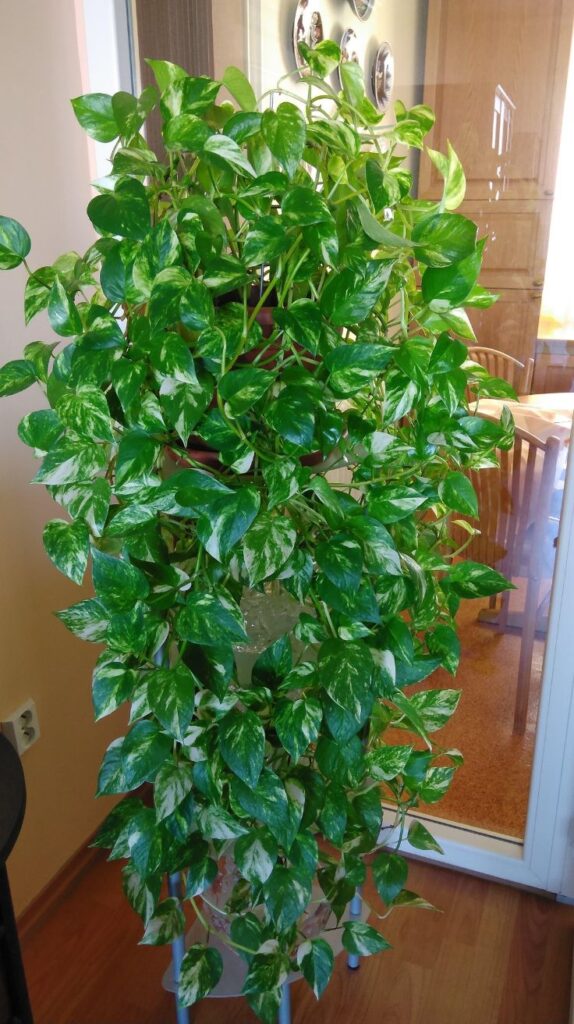
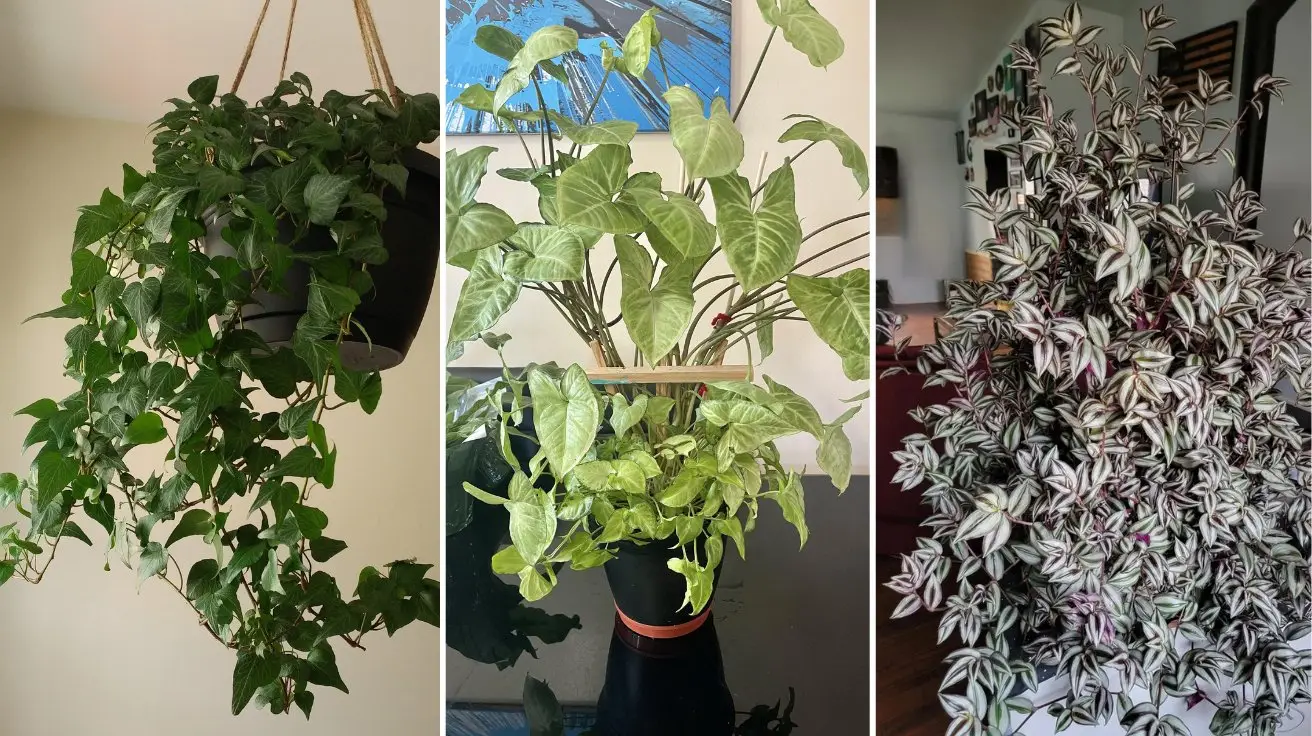
Pothos quickly proves why it ranks among the world’s most popular indoor plants. Its trailing vines, heart-shaped leaves, and incredible adaptability allow it to grow vigorously in water. A healthy cutting with several leaf nodes begins developing roots within just a couple of weeks.
Golden varieties display beautiful yellow variegation, while Marble Queen and Neon Pothos add completely different textures and colors. Place the cutting in a clear vase where only the nodes remain underwater. Remove any submerged leaves since they decay quickly.
Regular water replacement keeps roots white and healthy. As vines lengthen, they create stunning cascading displays from shelves, desks, or windowsills. Because Pothos grows rapidly, trimming the vines occasionally encourages fuller growth and keeps the plant looking lush.
Philodendron
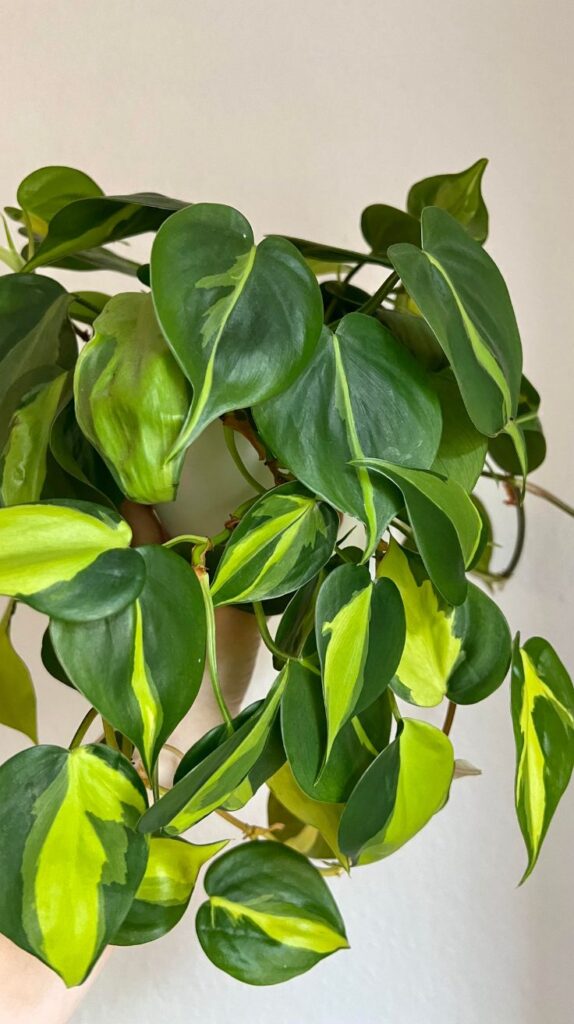
Philodendrons bring tropical beauty indoors without demanding constant attention. Many heart-leaf varieties transition seamlessly from soil to water, making them excellent choices for indoor propagation and long-term hydro growing.
Their glossy leaves remain vibrant when placed in bright, filtered light. A clean glass container beautifully showcases the expanding root system while complementing the rich green foliage above.
Changing the water every one to two weeks prevents unpleasant odors and discourages algae growth. Over time, the roots become thick and healthy, proving that many tropical plants adapt remarkably well outside traditional potting soil. Philodendrons also grow steadily throughout the year, providing fresh leaves that continuously refresh indoor spaces.
Spider Plant
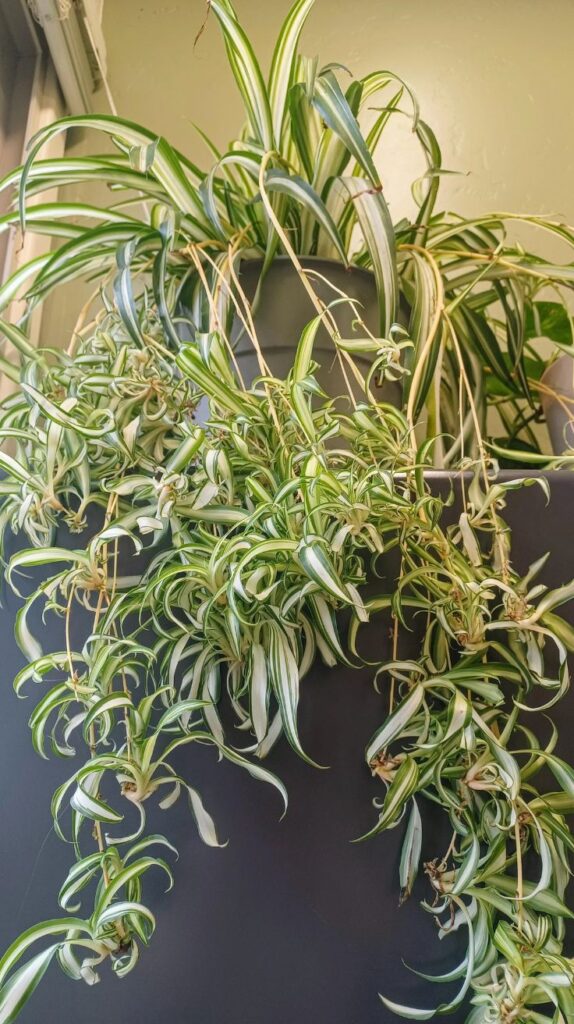
Spider Plants have earned a reputation as one of the easiest houseplants for beginners. One reason for their popularity is the abundance of baby plantlets they produce. These miniature plants root exceptionally well in water.
Simply snip off a healthy baby and place its base into a small jar of fresh water. Within days, tiny white roots begin forming. The graceful striped leaves arch outward beautifully, adding softness to offices, kitchens, and bedrooms.
Once the roots become well established, the plant can continue living in water or move into soil if desired. Even experienced gardeners enjoy propagating Spider Plants because success comes quickly and consistently.
Chinese Evergreen

Chinese Evergreen combines colorful foliage with impressive adaptability. Its leaves often feature attractive shades of silver, cream, green, or pink depending on the variety.
Stem cuttings root slowly compared to faster-growing species, but patience pays off. Once established, the plant tolerates indoor conditions remarkably well.
Bright indirect light helps preserve vivid leaf colors while preventing fading. Changing the water regularly keeps roots healthy and reduces the risk of bacterial growth. As new leaves emerge, the entire arrangement develops into a sophisticated indoor centerpiece that requires surprisingly little maintenance.
English Ivy

English Ivy transforms ordinary glass containers into elegant decorative accents. Its trailing vines naturally spill over the edges of jars and bottles, creating graceful greenery that softens shelves and tabletops.
Healthy cuttings root easily when leaf nodes remain submerged. Because ivy enjoys cooler indoor temperatures, avoid placing it near heating vents or hot windows.
Regular pruning encourages denser growth while preventing vines from becoming leggy. Fresh water every week keeps oxygen levels high and helps maintain healthy roots. With consistent care, English Ivy becomes a striking living decoration throughout the year.
Peace Lily
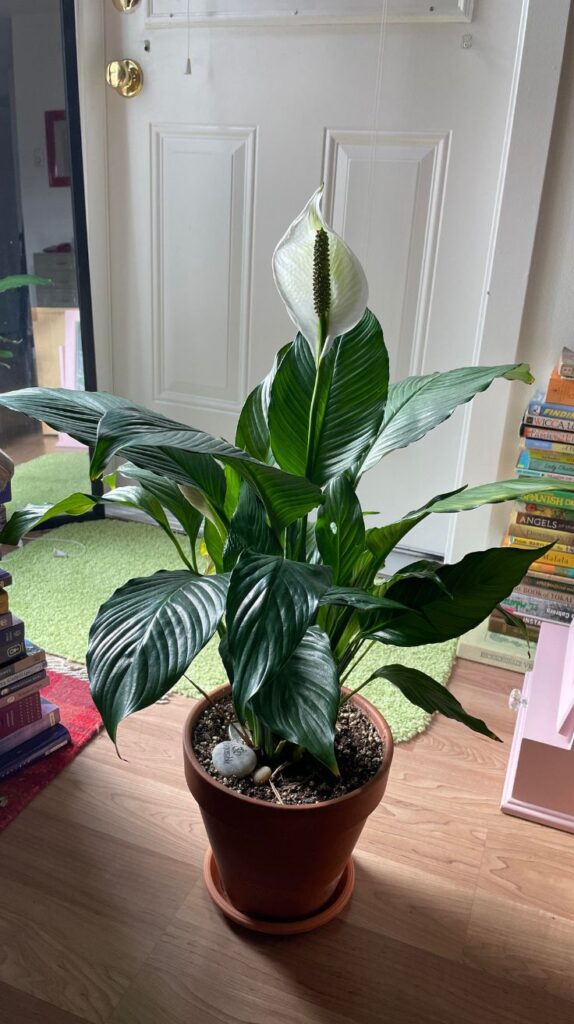
Peace Lilies offer glossy leaves and graceful white blooms that instantly elevate indoor spaces. Although mature plants usually grow in soil, smaller divisions and root sections adapt well to water when handled carefully.
A transparent vase allows the attractive root system to become part of the display. Bright filtered light encourages healthy foliage while protecting leaves from scorching. Because Peace Lilies appreciate consistent moisture, growing them in water often eliminates common watering mistakes made by beginners. Occasional liquid fertilizer helps replace nutrients and supports steady growth over time.
Coleus

Coleus stands out because of its extraordinary foliage colors. Deep burgundy, lime green, pink, purple, orange, and cream often blend together on a single leaf, creating dramatic indoor displays.
Stem cuttings root incredibly fast in water, sometimes within only a week. Once roots develop, vibrant new leaves continue appearing throughout the growing season.
Coleus appreciates bright light but should remain protected from harsh afternoon sun. Frequent trimming encourages bushier growth while keeping colorful stems compact and attractive. For anyone wanting bold indoor color without flowers, Coleus delivers impressive results.
Wandering Dude
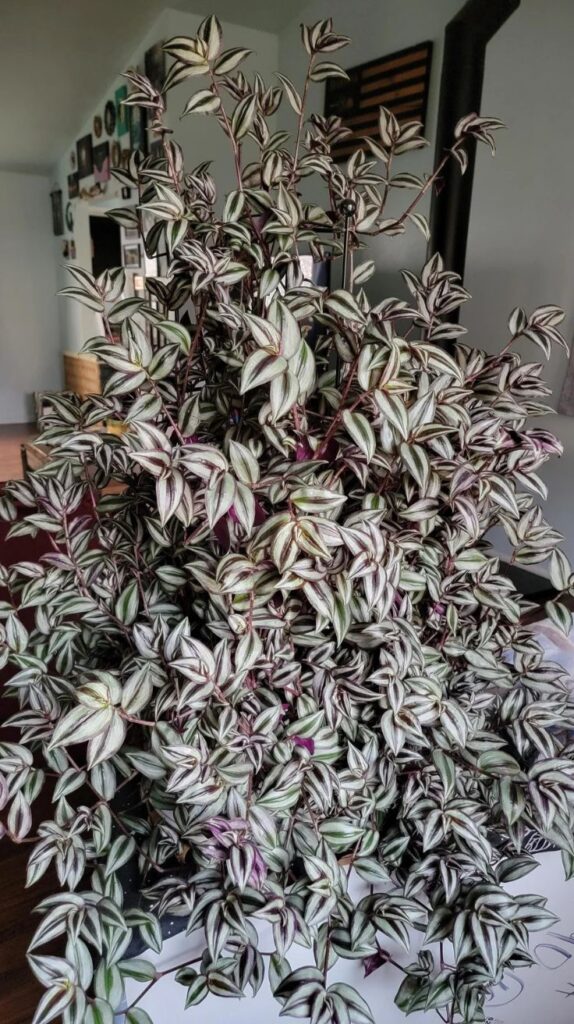
Few trailing plants root faster than Wandering Dude. Purple, silver, and green striped leaves make every cutting visually appealing, even before roots appear.
Simply place freshly cut stems into a glass container filled with clean water. Within days, delicate roots begin extending from each node. Its vigorous growth quickly creates cascading vines perfect for bookshelves, hanging displays, or office desks. Changing water weekly prevents cloudy conditions while promoting healthy development. Because growth happens rapidly, occasional pruning helps maintain an attractive shape.
Mint

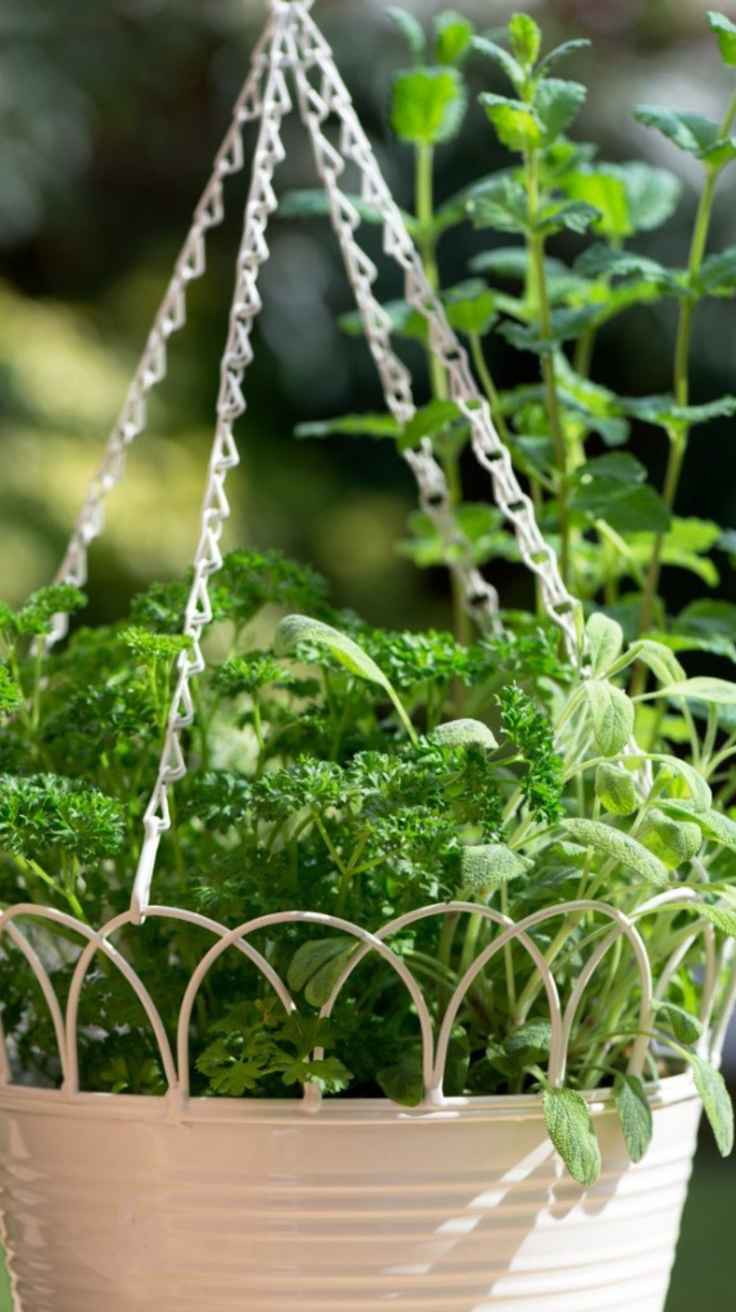
Mint isn’t only useful in the kitchen—it also grows exceptionally well in water. Fresh stems develop roots quickly, allowing continuous harvesting without needing a garden. Place several cuttings inside a sunny kitchen window where they receive bright indirect light.
Fresh leaves become available for herbal tea, desserts, fruit-infused water, and cooking throughout the season. Regular harvesting actually encourages fuller growth. Replacing water every few days keeps stems healthy while maintaining fresh flavor. Growing Mint indoors offers beauty, fragrance, and practical culinary benefits all at once.
Basil

Basil remains another favorite herb for water growing. Healthy cuttings root rapidly, often producing visible roots within one week. A bright windowsill provides the ideal environment for lush green leaves.
Frequent harvesting stimulates new shoots, allowing continuous production for homemade sauces, salads, sandwiches, and pasta dishes. Fresh water every few days prevents bacterial buildup while supporting vigorous growth. Once established, Basil becomes both an attractive decorative herb and a convenient kitchen companion. The pleasant aroma alone makes it worth growing indoors.
Syngonium
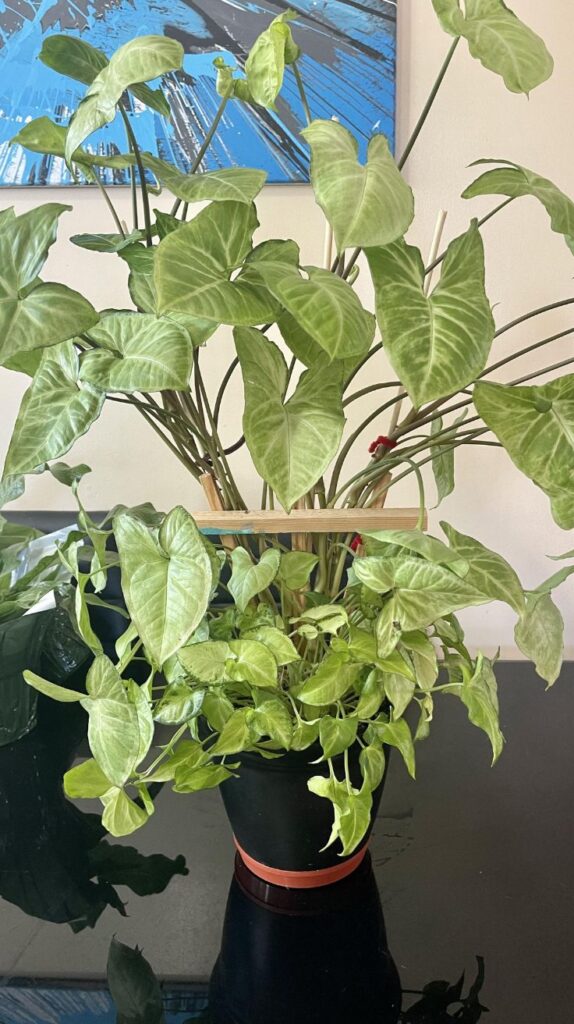
Syngonium, often called Arrowhead Plant, finishes the list with remarkable versatility. Its uniquely shaped leaves gradually mature into elegant arrow-like forms while displaying shades of green, cream, and pink depending on the variety. Stem cuttings root reliably in water, making propagation simple even for complete beginners.
Bright indirect sunlight helps maintain compact growth and colorful foliage. As roots expand inside clear containers, they create fascinating natural patterns beneath the waterline. Regular water changes and occasional liquid nutrients allow Syngonium to remain healthy for extended periods.
Its graceful appearance blends beautifully with modern, minimalist, and traditional home décor alike.
Simple Care Tips for Water-Grown Plants
- Success depends more on consistency than complexity.
- Always use clean containers before placing cuttings inside. Dirty jars may contain bacteria that encourage root rot.
- Replace water every seven to fourteen days. Fresh water restores oxygen while removing debris that accumulates naturally.
- Keep plants near bright windows with indirect sunlight. Too little light slows growth, while excessive direct sun overheats both leaves and water.
- Add diluted liquid houseplant fertilizer every month during active growth to replace essential nutrients.
- Remove yellow leaves immediately so they don’t pollute the water.
- These small habits dramatically increase the lifespan of water-grown plants.
Common Mistakes to Avoid
- Many beginners accidentally shorten a plant’s life by overlooking a few simple details.
- One common mistake is allowing leaves to remain underwater. Submerged foliage decomposes quickly and contaminates the container.
- Another issue comes from forgetting regular water changes. Stagnant water loses oxygen and encourages algae, bacteria, and unpleasant smells.
- Placing plants under harsh afternoon sunlight can also damage delicate leaves while overheating the water.
- Finally, adding too much fertilizer burns roots instead of helping growth. Keeping maintenance simple often produces healthier, longer-lasting plants.
Decorating Ideas for Water-Grown Plants
- These living displays fit beautifully into almost every room.
- Arrange several glass bottles of different heights across a sunny windowsill for a modern botanical display.
- Fill decorative vases with colorful pebbles, marbles, or polished stones to add texture without covering the roots completely.
- Small jars filled with trailing vines brighten office desks while requiring very little space.
- Bathrooms with bright filtered light become more relaxing when shelves feature lush green cuttings growing in elegant glass containers.
- Kitchen counters benefit from fresh herbs growing within easy reach for everyday cooking.
- These creative displays combine nature with interior design in a wonderfully effortless way.