Leafy House Plants That Instantly Bring Freshness and Style Indoors
There’s something special about walking into a room filled with lush green foliage. A single plant can brighten a dull corner, soften modern furniture, and make any home feel more welcoming. Leafy house plants do much more than decorate a space. They add texture, create a relaxing atmosphere, and help every room feel alive. Some varieties feature oversized tropical leaves, while others produce elegant trailing vines or compact rosettes that fit perfectly on shelves and desks.
The best part? Many of these indoor beauties are surprisingly easy to care for, even for complete beginners. From low-light favorites to fast-growing tropical specimens, there is a leafy green companion for every home and lifestyle. Keep reading because several unexpected choices on this list might become the new centerpiece of your living room.
Why Large Green Foliage Changes Every Indoor Space
Green plants create a calming environment that instantly makes interiors feel more comfortable. Their rich foliage adds depth, contrast, and natural beauty without requiring expensive decorating projects.
Many indoor gardeners choose foliage plants because they remain attractive throughout the year instead of depending on seasonal flowers. Their leaves become the main attraction, offering different colors, textures, patterns, and sizes that suit almost every decorating style.
Beyond appearance, healthy indoor greenery contributes to a peaceful atmosphere. Spending time around plants encourages relaxation, reduces visual clutter, and inspires a stronger connection with nature. Even a small apartment can feel brighter when filled with vibrant green leaves.
When selecting indoor greenery, consider factors such as:
- Light availability
- Humidity levels
- Watering schedule
- Plant size at maturity
- Pet safety
- Available floor or shelf space
Now it’s time to discover twelve beautiful leafy favorites that deserve a place inside every home.
Monstera Deliciosa
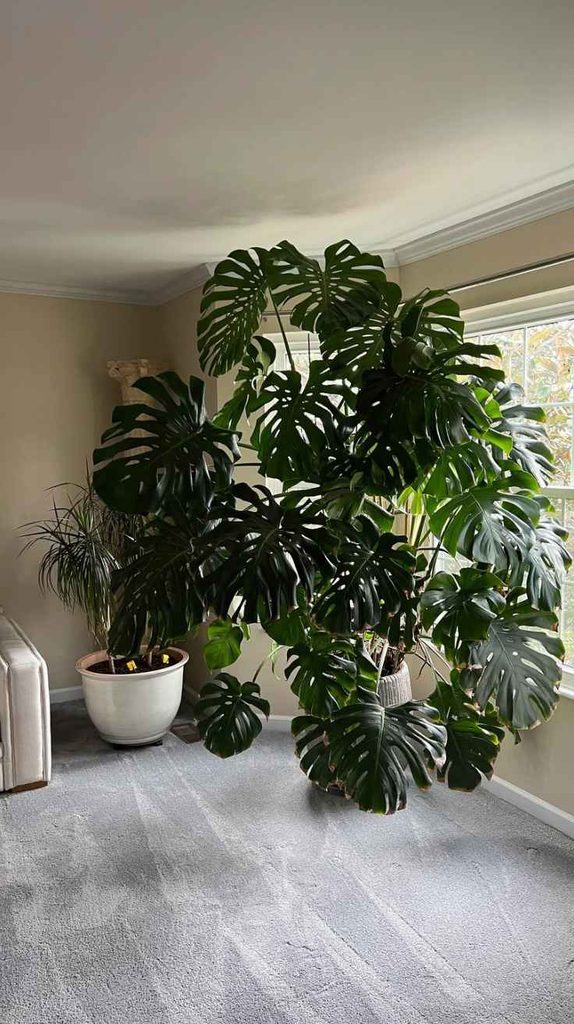
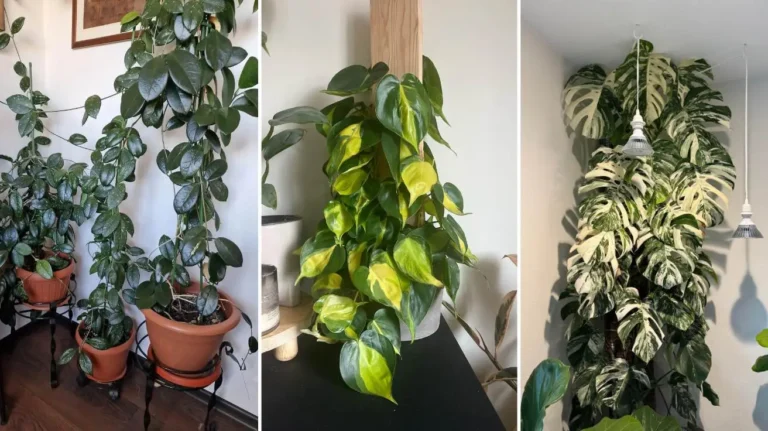
The Swiss cheese plant has become one of the world’s most recognizable tropical plants, and for good reason. Its enormous glossy leaves develop dramatic splits and holes as they mature, creating a bold architectural appearance.
Monstera thrives in bright indirect sunlight and appreciates moderate watering. The soil should dry slightly before watering again, preventing root rot while encouraging healthy growth. As the plant matures, aerial roots naturally develop, allowing it to climb moss poles or trellises.
Its large foliage works beautifully in living rooms, offices, bedrooms, and reading corners. Pairing it with woven baskets or ceramic containers creates an elegant indoor jungle look without overwhelming the room.
Given enough space and proper care, this tropical favorite continues producing larger leaves every growing season, making it one of the most rewarding greenery choices for beginners.
Bird of Paradise

If dramatic foliage is the goal, few indoor plants rival the Bird of Paradise. Its upright paddle-shaped leaves resemble banana plants, creating a luxurious tropical feeling indoors. Although famous for its striking flowers outdoors, indoor specimens are mainly grown for their impressive foliage. Mature plants become natural statement pieces that instantly draw attention.
Bright indirect light encourages strong leaf growth, while consistent watering during active growing months keeps the foliage vibrant. Higher humidity also helps prevent brown leaf edges. The bold vertical shape makes this plant ideal beside sofas, entryways, or large windows where it can showcase its impressive leaves without crowding nearby furniture.
Peace Lily

The Peace Lily combines graceful leaves with elegant white blooms, making it one of the easiest indoor plants for beginners. Its dark green foliage stays attractive year-round, while occasional flowers add extra visual interest. Unlike many tropical species, this plant tolerates lower light conditions remarkably well.
Regular watering keeps the leaves lush, although slight drooping provides a clear signal when the plant needs moisture. This natural indicator makes care much easier for first-time plant owners. Peace Lilies fit beautifully in bedrooms, offices, bathrooms, and shaded living spaces where brighter tropical plants may struggle.
Philodendron

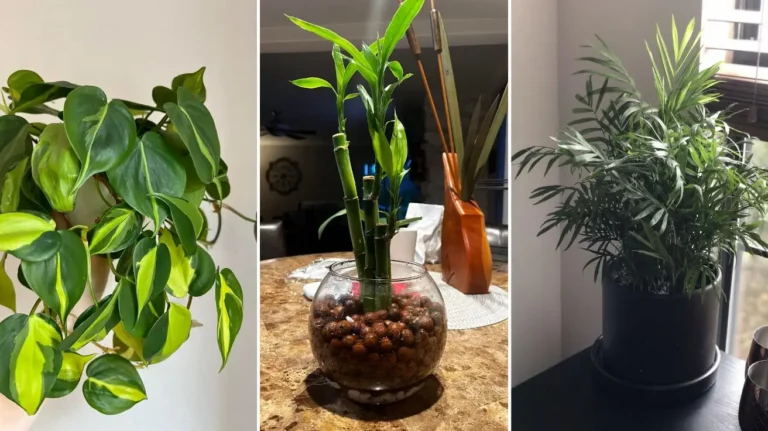
Philodendrons offer incredible diversity, with hundreds of varieties displaying heart-shaped, elongated, or deeply lobed leaves.
These tropical beauties adapt well to indoor conditions and generally require very little maintenance. Many climbing varieties quickly produce cascading vines, while self-heading types grow into full leafy specimens.
Bright filtered sunlight supports faster growth, but many species remain healthy under medium light conditions. Watering becomes simple by allowing the top inch of soil to dry between watering sessions. Their forgiving nature makes Philodendrons excellent starter plants for anyone building an indoor plant collection.
Rubber Plant
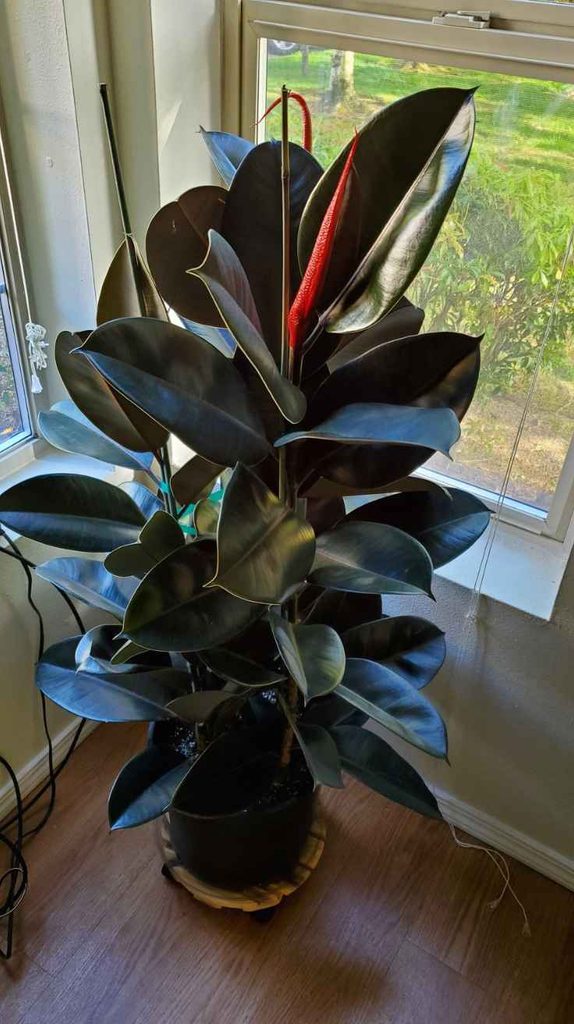
The Rubber Plant brings bold simplicity through thick, glossy leaves that appear almost polished. Young plants grow upright with strong stems, gradually developing into elegant indoor trees when provided enough space. Several cultivars also feature burgundy, cream, or variegated foliage that adds extra character.
Consistent indirect light maintains healthy growth while preventing faded leaf color. Moderate watering and well-draining soil reduce the risk of overwatering. Its clean appearance complements minimalist interiors, Scandinavian décor, and contemporary homes equally well.
Chinese Evergreen

Chinese Evergreen remains one of the most dependable foliage plants available. Its leaves display beautiful combinations of green, silver, cream, and even pink depending on the variety. These colorful patterns brighten darker rooms without requiring direct sunlight.
The plant adapts well to average indoor temperatures and tolerates occasional missed watering better than many tropical species. Because of its resilience, Chinese Evergreen frequently appears in offices, apartments, and homes where consistent plant care may not always be possible.
Calathea

Calathea captivates plant lovers with leaves that appear hand-painted by nature.
Many varieties display intricate stripes, feather-like markings, purple undersides, and contrasting veins that create extraordinary visual interest. Some species even move their leaves throughout the day, earning the nickname “prayer plant.”
Calatheas enjoy higher humidity, evenly moist soil, and filtered sunlight. Dry air often causes crispy edges, making humidifiers or pebble trays especially helpful. Although slightly more demanding than beginner plants, their breathtaking foliage rewards every bit of extra attention.
ZZ Plant
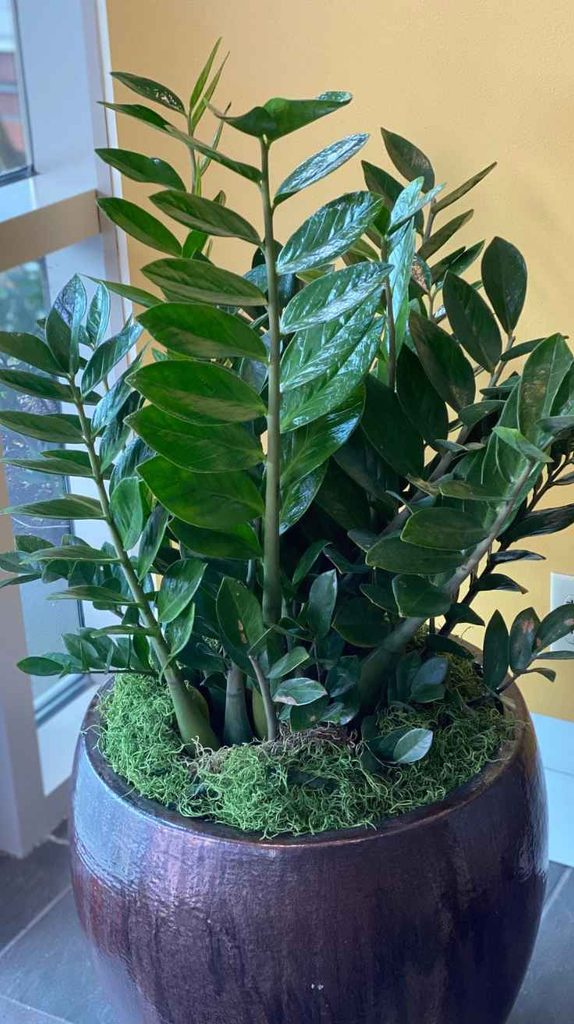
Few indoor plants combine beauty and toughness as successfully as the ZZ Plant. Its waxy emerald leaves remain glossy throughout the year while tolerating drought, neglect, and lower lighting conditions better than most tropical greenery.
Watering only becomes necessary once the soil dries completely. Overwatering represents the biggest threat, making restraint the best care strategy. Because of its durability, the ZZ Plant fits perfectly into busy households, offices, rental apartments, and homes with limited natural light.
Fiddle Leaf Fig

The Fiddle Leaf Fig has become a favorite among interior designers thanks to its oversized violin-shaped leaves.
Each large leaf creates dramatic visual impact, allowing even a single plant to transform an empty corner into a stylish focal point.
Bright indirect light encourages healthy growth, while rotating the pot every few weeks promotes balanced development. Consistent watering and stable temperatures help prevent leaf drop. Although sometimes considered challenging, establishing a regular care routine greatly improves long-term success.
Boston Fern

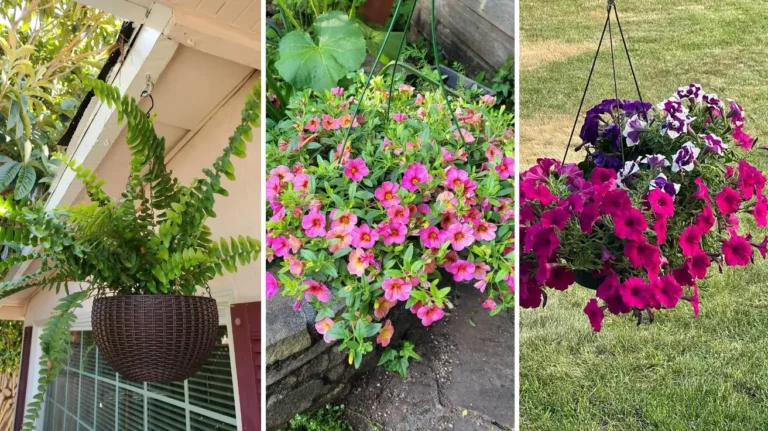
Soft, feathery fronds give the Boston Fern an entirely different texture compared to broad-leaf tropical plants. Its cascading foliage naturally softens bookshelves, hanging baskets, and plant stands while adding movement to indoor spaces.
Boston Fern appreciates consistently moist soil, higher humidity, and indirect sunlight. Bathrooms often provide naturally suitable growing conditions due to elevated moisture levels. Regular misting keeps the delicate fronds healthy and vibrant throughout the year.
Dieffenbachia

Dieffenbachia stands out because of its beautifully variegated leaves featuring green, cream, and white patterns.
Its upright growth habit creates a full, bushy appearance that quickly fills empty indoor spaces. The broad foliage reflects available light, helping brighten darker corners.
Moderate watering, filtered light, and warm indoor temperatures encourage continuous healthy growth. Removing older leaves also helps maintain an attractive appearance.
With proper care, Dieffenbachia develops into an elegant indoor centerpiece that complements many decorating styles.
Snake Plant

Snake Plant remains one of the easiest greenery choices available.
Its upright sword-like leaves provide strong vertical structure while requiring remarkably little maintenance. Many varieties feature yellow margins, silver markings, or darker green bands that increase visual appeal.
This resilient plant tolerates drought, inconsistent watering, and varying light conditions. It also grows slowly, making it ideal for smaller homes where space remains limited. Whether placed beside an entryway, bedroom window, or office desk, Snake Plant consistently delivers clean lines and lasting greenery with minimal effort.
Essential Care Tips for Healthy Indoor Greenery
Healthy plants begin with understanding a few simple growing principles rather than following complicated routines.
Choose the Right Light
Most tropical foliage plants prefer bright indirect sunlight. Strong afternoon sun may scorch leaves, while extremely dark rooms often slow growth.
Observe how sunlight moves through the room before selecting the best location.
Avoid Overwatering
Too much water causes more indoor plant problems than underwatering.
Before watering:
- Check the top inch of soil.
- Water thoroughly only when slightly dry.
- Empty drainage trays afterward.
- Never allow roots to sit in standing water.
Increase Humidity
Many tropical species evolved in humid rainforests.
Simple ways to increase humidity include:
- Pebble trays
- Room humidifiers
- Grouping plants together
- Occasional misting where appropriate
Feed During Active Growth
Balanced liquid fertilizer applied during spring and summer supports healthier foliage and stronger root development.
Reduce feeding during winter when growth naturally slows.
Clean the Leaves
Dust blocks sunlight from reaching leaf surfaces.
Wipe larger leaves with a soft damp cloth every few weeks to restore their natural shine and improve photosynthesis.