Plants For Hydroponics That Grow Faster, Healthier, and More Productively
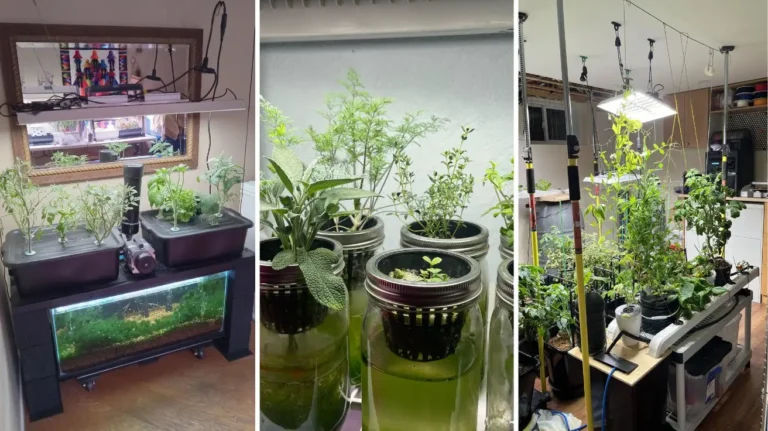
Fresh vegetables and herbs growing indoors without soil may sound like something from the future, but hydroponic gardening has become one of the easiest and most rewarding ways to grow food at home. From crisp lettuce to fragrant basil, many plants thrive in nutrient-rich water systems and often grow faster than they do in traditional garden beds.
The beauty of hydroponic gardening lies in its simplicity. There is no digging, fewer weeds, less mess, and greater control over plant growth. Even beginners can enjoy impressive harvests with the right setup and plant selection. The secret is choosing varieties that naturally adapt to water-based growing conditions.
Some plants flourish almost effortlessly, while others require more attention. The following selections are among the most reliable, productive, and beginner-friendly choices available. Each one offers unique benefits, exciting growth habits, and delicious rewards that make hydroponic gardening incredibly satisfying.
Why These Water-Grown Crops Perform So Well
Before exploring individual varieties, it helps to understand why certain crops excel in hydroponic systems. Plants that have compact root structures, rapid growth cycles, and moderate nutrient requirements usually perform best.
Hydroponic systems provide direct access to water, oxygen, and essential nutrients. Because roots do not need to search through soil for resources, plants can dedicate more energy to producing leaves, stems, flowers, and fruits. This often results in quicker harvests, improved yields, and healthier growth.
Leafy greens, culinary herbs, and some fruiting crops are particularly successful because they adapt easily to controlled environments. Proper lighting, balanced nutrient solutions, stable temperatures, and adequate airflow help maximize growth and maintain plant health throughout the growing cycle.
Lettuce

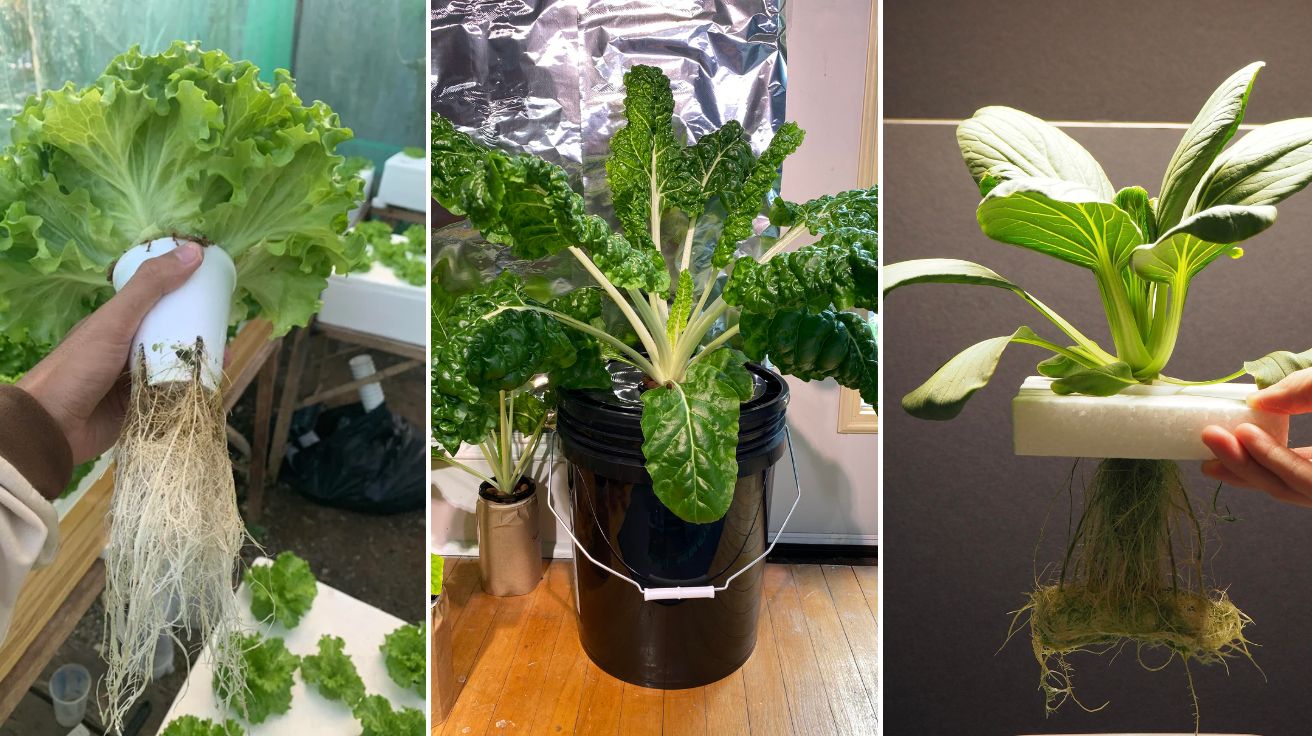
Lettuce remains one of the most popular crops for hydroponic gardening, and for good reason. It grows rapidly, requires minimal maintenance, and delivers continuous harvests throughout the year.
Butterhead, Romaine, Green Leaf, and Red Leaf varieties all perform exceptionally well in nutrient-rich water systems. Since lettuce has relatively shallow roots, it adapts perfectly to nutrient film technique systems, deep water culture setups, and vertical gardens.
Many growers harvest fresh leaves within a few weeks of planting. The ability to produce crisp salads without worrying about soil-borne pests makes lettuce especially appealing. Consistent moisture and balanced nutrients encourage tender leaves with excellent flavor and texture.
For beginners seeking quick success, lettuce often provides the confidence needed to expand into more advanced hydroponic crops.
Basil
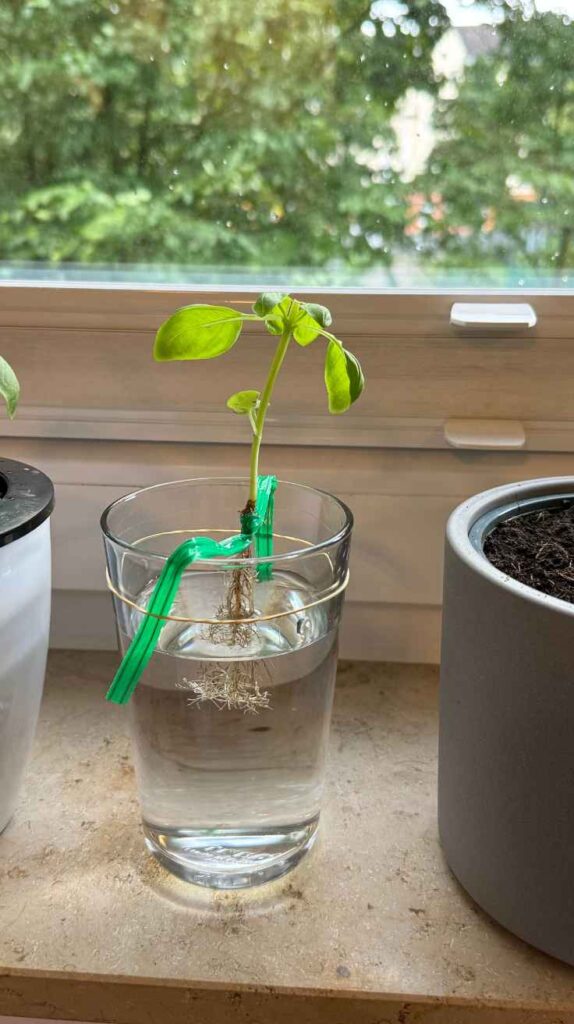
Few herbs match the popularity and productivity of basil in a hydroponic environment. This aromatic favorite develops lush foliage and strong flavors when supplied with adequate light and nutrients.
Basil enjoys warm temperatures and plenty of illumination. Under ideal conditions, it produces continuous growth that allows regular harvesting throughout the season. Frequent trimming encourages bushier plants and prevents early flowering.
The rich fragrance released during harvesting adds another layer of enjoyment to the growing experience. Fresh basil transforms homemade pasta dishes, salads, soups, and sauces with vibrant flavor.
One surprising advantage is the speed of growth. Many gardeners notice that hydroponically grown basil often develops faster and produces more abundant foliage than soil-grown counterparts.
Spinach
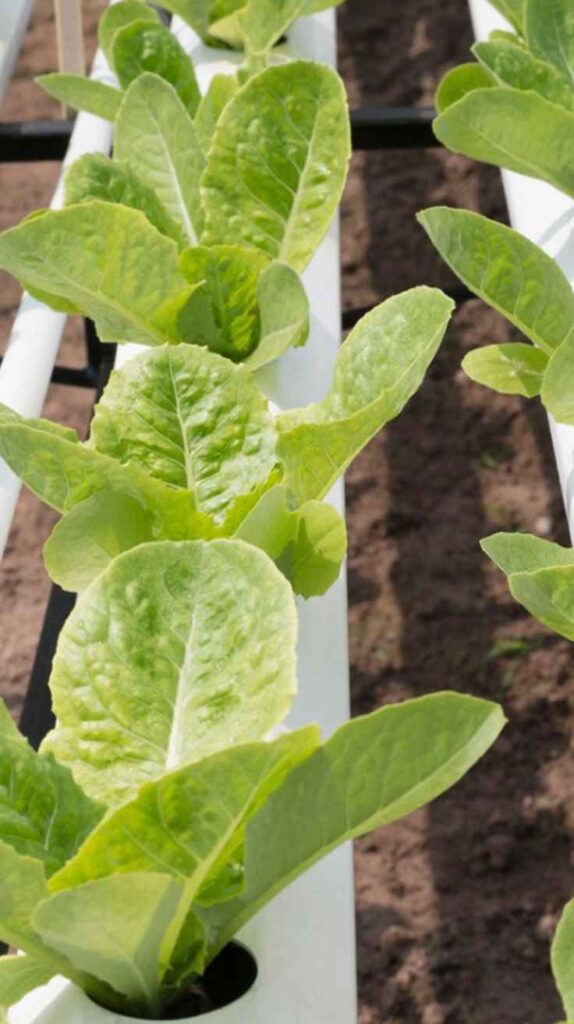
Spinach offers exceptional nutritional value and performs remarkably well in controlled growing environments. Packed with vitamins, minerals, and antioxidants, this leafy green becomes a valuable addition to any hydroponic setup.
Cool temperatures encourage the healthiest growth and help prevent premature bolting. Because spinach grows relatively quickly, growers can enjoy repeated harvests from a single planting.
The dark green leaves develop a tender texture and rich flavor when provided with proper nutrient balance. Consistent moisture levels help maintain steady growth and reduce stress.
Hydroponic spinach often remains cleaner than traditionally grown crops since there is no soil splashing onto the leaves. This makes preparation and consumption much easier and more convenient.
Kale

Kale has earned a reputation as a nutritional powerhouse, and hydroponic cultivation helps unlock its full potential. The plant adapts well to water-based systems and rewards growers with abundant harvests.
Curly kale, Lacinato kale, and Red Russian kale all perform admirably indoors. These varieties tolerate frequent harvesting while continuing to produce fresh leaves over extended periods.
Strong lighting promotes vigorous growth and deep coloration. Regular leaf removal encourages continued production from the center of the plant.
The sturdy nature of kale makes it particularly attractive for beginners who want a resilient crop capable of handling minor environmental fluctuations. Its versatility in smoothies, salads, soups, and side dishes further enhances its value.
Mint
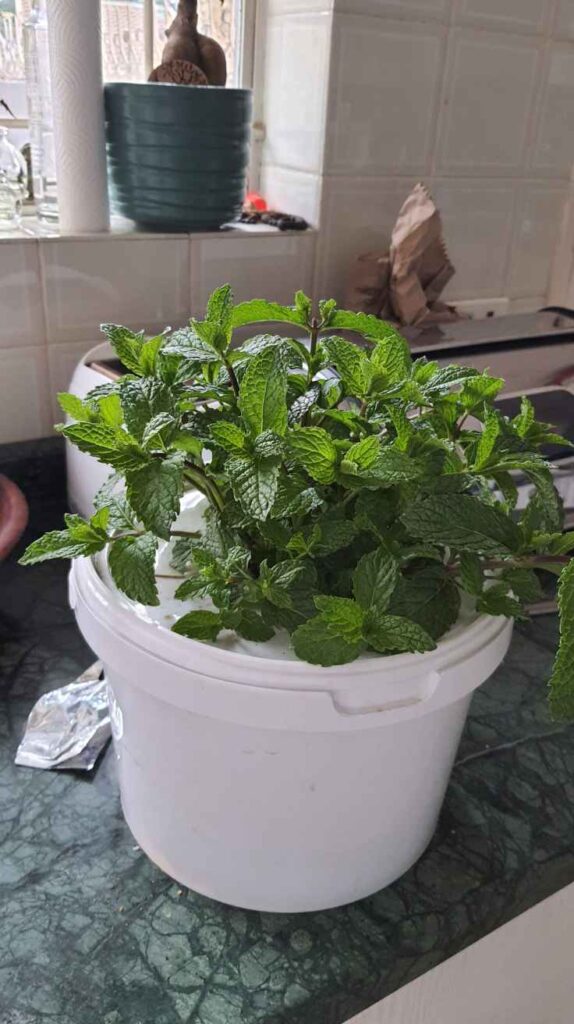
Mint practically thrives when grown hydroponically. In fact, many gardeners find that controlling its aggressive growth becomes the primary challenge rather than encouraging development.
This fragrant herb establishes roots quickly and produces dense foliage throughout the growing season. Peppermint, spearmint, chocolate mint, and other varieties adapt readily to hydroponic systems.
Frequent harvesting helps maintain plant shape while stimulating new growth. Fresh leaves add refreshing flavor to beverages, desserts, teas, and savory recipes. The vigorous growth habit makes mint one of the most rewarding herbs for new hydroponic gardeners. A small plant can quickly transform into a lush source of aromatic foliage.
Swiss Chard
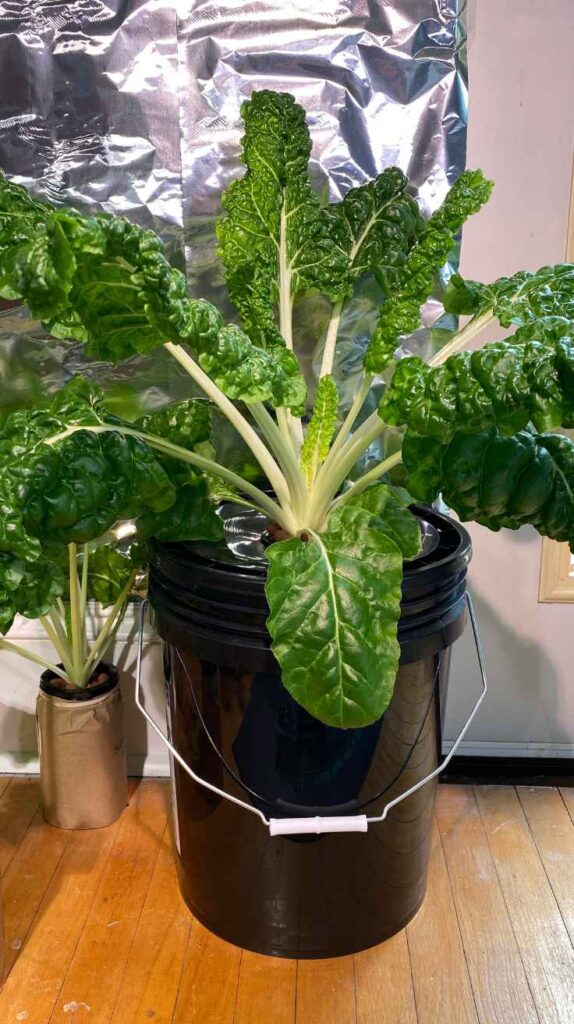
Swiss chard combines beauty, nutrition, and productivity in a single crop. Its colorful stems and broad leaves create visual interest while delivering excellent culinary value.
Hydroponic systems provide the consistent moisture and nutrients needed for robust development. The plant responds well to regular harvesting and can continue producing for months.
Rainbow varieties offer vibrant shades of red, orange, yellow, pink, and white, creating an attractive display in indoor growing spaces. The leaves can be used similarly to spinach, while the stems add texture and color to many dishes.
Because Swiss chard tolerates a range of growing conditions, it serves as an excellent option for gardeners developing their hydroponic skills.
Cilantro

Cilantro brings fresh, distinctive flavor to countless recipes and grows successfully in hydroponic environments. While some gardeners struggle with cilantro in soil gardens, controlled systems often produce more consistent results.
Steady moisture and proper temperatures help delay bolting and extend the harvest period. The delicate leaves develop quickly and provide continuous production when harvested carefully.
Cilantro complements Mexican, Asian, Mediterranean, and Middle Eastern cuisines. Freshly harvested leaves deliver flavor that far surpasses many store-bought alternatives.
The rapid growth cycle also means growers can enjoy harvests relatively soon after planting, making cilantro a satisfying choice for those seeking quick results.
Parsley

Parsley frequently receives less attention than other culinary herbs, yet it remains one of the most useful additions to hydroponic gardens. Both curly and flat-leaf varieties adapt exceptionally well to water-based cultivation.
The plant develops slowly during its early stages but rewards patience with months of continuous harvesting. Once established, parsley produces abundant foliage that enhances soups, sauces, salads, and countless other dishes.
Consistent nutrient delivery encourages lush green growth and rich flavor. Adequate lighting further supports vigorous development.
Because parsley remains productive for extended periods, it provides excellent value and contributes steady harvests long after many faster-growing crops have completed their life cycles.
Bok Choy
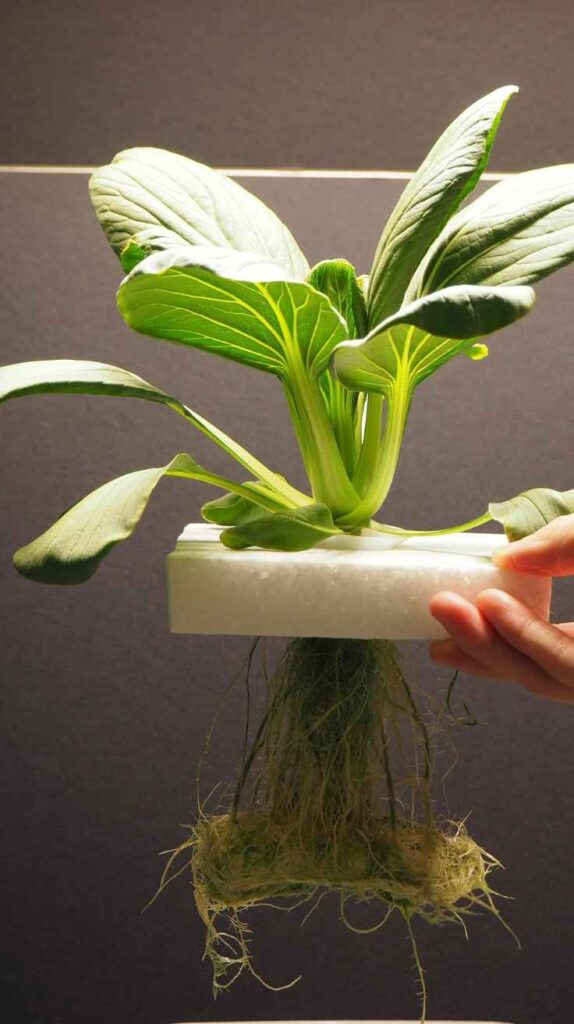
Bok choy has become increasingly popular among hydroponic growers due to its rapid growth and impressive productivity. This Asian leafy vegetable develops crisp stems and tender leaves that thrive in controlled environments.
The plant matures quickly and often reaches harvest size within a relatively short period. Compact growth habits make it suitable for a wide range of hydroponic systems.
Bok choy performs especially well when temperatures remain moderate. Consistent access to nutrients promotes healthy leaf formation and strong stem development.
Its mild flavor and versatile texture make it ideal for stir-fries, soups, salads, and steamed dishes. Many growers appreciate the reliable performance and quick turnaround time this crop offers.
Arugula
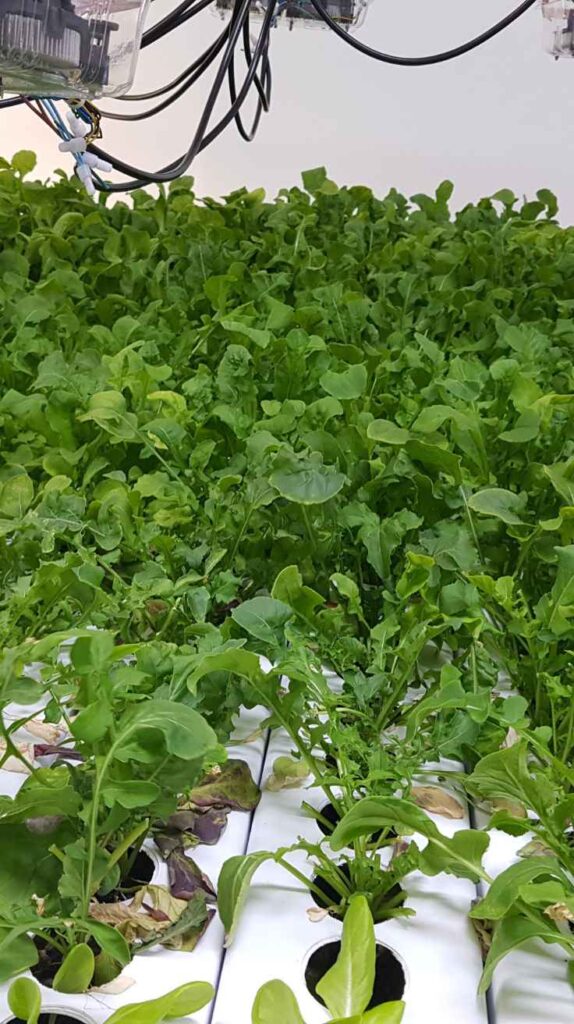
Arugula adds a bold, peppery flavor that instantly elevates salads and culinary creations. Fortunately, it also adapts beautifully to hydroponic cultivation.
The plant grows rapidly and often reaches harvest readiness in just a few weeks. Successive plantings can ensure a continuous supply throughout the year.
Hydroponic systems help maintain the consistent moisture levels needed for tender leaf development. Proper lighting enhances flavor while supporting vigorous growth.
Arugula’s distinctive taste provides variety among leafy greens and creates exciting opportunities for homegrown gourmet meals. Its fast growth makes every harvest feel rewarding and productive.
Strawberries

Strawberries introduce a completely different level of excitement to hydroponic gardening. Watching bright red berries develop indoors creates a sense of anticipation that few crops can match.
Although strawberries require more attention than leafy greens, the rewards can be remarkable. Adequate lighting, proper pollination, and balanced nutrient management are essential for success.
Day-neutral varieties often perform particularly well in indoor systems because they produce fruit over extended periods. Clean growing conditions help reduce common soil-related diseases and pest issues.
Freshly harvested strawberries offer exceptional sweetness and flavor. For many gardeners, the first ripe berry signals a major milestone in their hydroponic journey.
Cherry Tomatoes
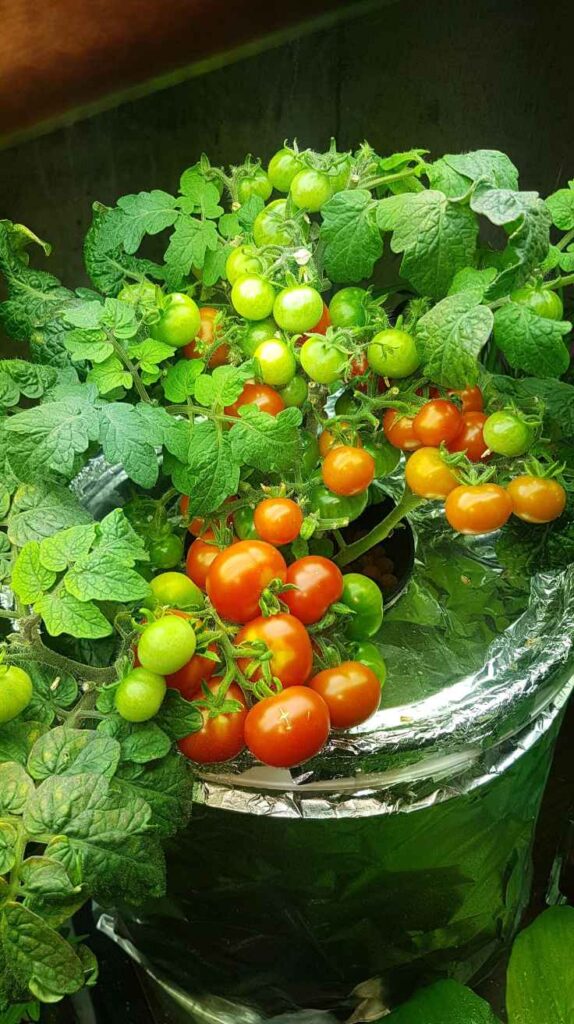
Cherry tomatoes represent one of the most productive fruiting crops suitable for hydroponic systems. Their compact growth habits and heavy yields make them a favorite among indoor gardeners.
These plants require strong lighting, consistent nutrient management, and adequate support structures. In return, they produce clusters of colorful fruits packed with flavor.
Hydroponic cultivation often results in faster growth and more efficient nutrient uptake. Proper pruning and airflow help maintain plant health while encouraging fruit production.
The sight of ripening tomatoes hanging from healthy vines adds visual appeal and excitement to any growing area. Each harvest brings fresh opportunities for salads, snacks, sauces, and countless recipes.
Essential Growing Tips for Better Results
Success with hydroponic gardening depends on maintaining several key factors. Water quality remains one of the most important considerations. Clean water supports healthy root systems and efficient nutrient absorption.
Nutrient solutions should contain balanced levels of nitrogen, phosphorus, potassium, calcium, magnesium, and trace minerals. Regular monitoring helps prevent deficiencies and promotes vigorous growth.
Lighting also plays a crucial role. Full-spectrum LED grow lights provide the energy plants need for photosynthesis, especially when natural sunlight is limited.
Temperature control, proper airflow, and routine system maintenance further contribute to strong plant development. Healthy roots, balanced nutrition, and adequate oxygen create the foundation for exceptional harvests.
Common Mistakes to Avoid
Many beginners encounter challenges that can easily be prevented with a little preparation. Overfeeding plants often causes nutrient burn and unnecessary stress. Following recommended nutrient guidelines usually produces better results.
Ignoring pH levels can also create problems. Most hydroponic crops prefer a pH range between 5.5 and 6.5. Regular testing helps ensure nutrients remain available to plant roots.
Poor airflow may increase the risk of fungal issues and weak growth. Simple circulation fans often make a significant difference in plant health.
Finally, overcrowding reduces light exposure and airflow. Providing adequate spacing allows each plant to develop fully and reach its productive potential.
Final Thoughts
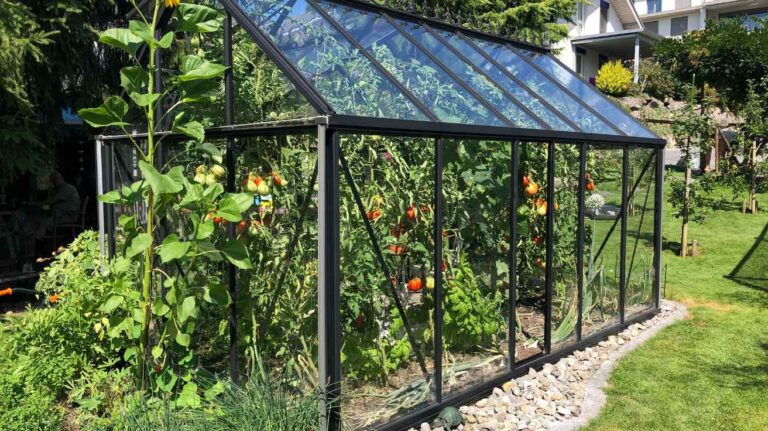
Hydroponic gardening offers an exciting way to grow fresh food in homes, apartments, greenhouses, and indoor growing spaces. With the right selection of crops, even beginners can achieve impressive harvests while using less water and space than traditional gardening methods.
Lettuce, basil, spinach, kale, mint, Swiss chard, cilantro, parsley, bok choy, arugula, strawberries, and cherry tomatoes consistently rank among the most successful choices for water-based cultivation. Each plant brings unique flavors, textures, colors, and rewards that make the growing experience both enjoyable and productive.
The most exciting part is that every harvest opens the door to new possibilities. A few seedlings can quickly transform into a thriving indoor garden filled with fresh ingredients, vibrant greenery, and the satisfaction that comes from growing healthy food year-round.