Plants Grown in Water That Bring Fresh Green Beauty to Any Space
Have you ever wanted a thriving indoor garden without messy soil, constant cleanup, or complicated plant care? The good news is that nature offers an easier path. Many beautiful houseplants flourish with nothing more than clean water, a glass container, and a little sunlight. Watching healthy roots stretch through crystal-clear water creates a living display that’s both calming and fascinating.
Plants grown in water have become one of the easiest ways to decorate homes, apartments, and offices while enjoying the benefits of greenery. They’re perfect for beginners, busy homeowners, students, or anyone looking for a low-maintenance indoor garden. From trailing vines to lucky plants believed to bring prosperity, these water-loving favorites transform ordinary jars and vases into eye-catching décor.
The following selections prove that growing greenery doesn’t always require pots, soil, or complicated gardening skills. Each one offers unique colors, textures, and benefits that can brighten every corner of a home.
Why Water Gardening Is Becoming So Popular
Growing houseplants in water has gained attention because it removes many common gardening problems. There is no spilled potting mix on the floor, fewer insects hiding in the soil, and watering schedules become much simpler.
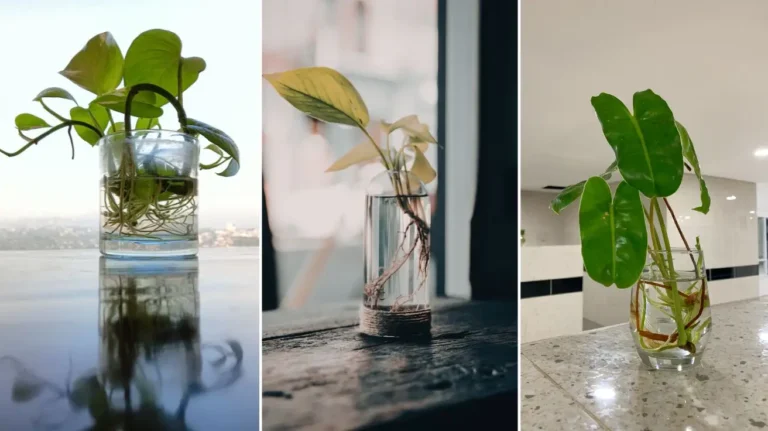
Transparent containers also allow every root to become part of the display. Healthy white roots twisting through clear water create an elegant natural decoration that fits modern, minimalist, farmhouse, Scandinavian, and boho interior styles.
Another advantage is easy monitoring. Since the roots remain visible, it becomes much easier to notice plant health, root growth, or water quality before problems become serious.
Fresh water, indirect sunlight, occasional liquid fertilizer, and regular cleaning usually provide everything these indoor plants need to stay healthy for months or even years.
Pothos
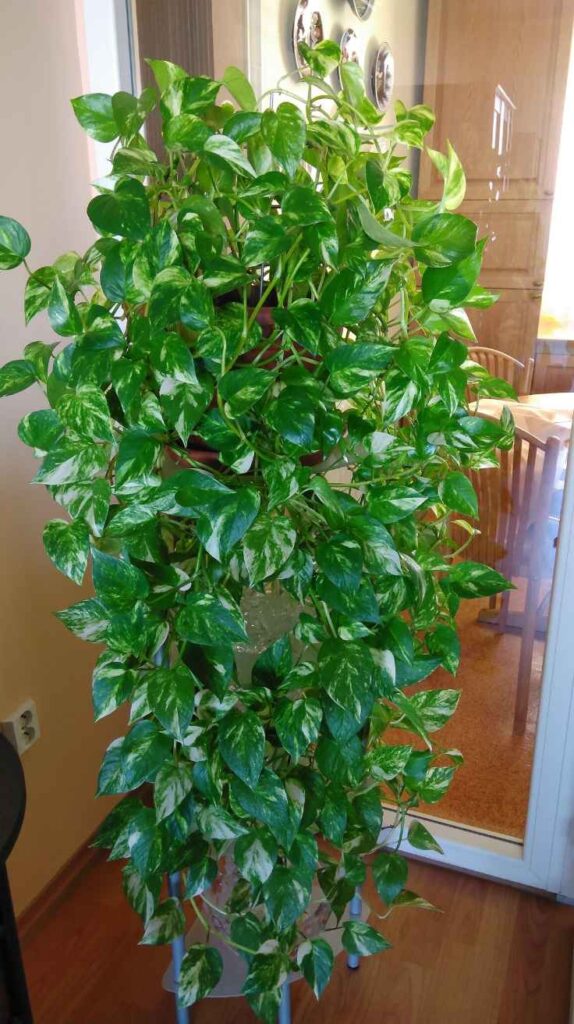
Pothos is often considered the king of water-grown houseplants because it adapts incredibly well to life without soil. Its heart-shaped leaves, cascading vines, and forgiving nature make it one of the easiest choices for beginners. A simple cutting placed inside a glass bottle quickly develops long white roots that continue growing beautifully beneath the water’s surface.
Golden pothos, Marble Queen, Neon, and Jade varieties all perform exceptionally well in water. Their colorful foliage instantly brightens bookshelves, desks, bathrooms, kitchens, and living rooms. Since pothos tolerates average indoor lighting, finding the perfect location is rarely difficult.
Changing the water every one or two weeks keeps oxygen levels high while preventing algae buildup. Occasional liquid houseplant fertilizer provides nutrients that soil would normally supply. As vines become longer, trimming encourages fuller growth and creates even more cuttings for new water displays. Few indoor plants reward such little effort with such dramatic beauty, making this favorite an outstanding choice for anyone beginning a water gardening journey.
Lucky Bamboo

Lucky bamboo brings elegance, simplicity, and symbolic meaning into indoor spaces. Despite its name, it isn’t actually bamboo but belongs to the Dracaena family. Many people keep it as a symbol of prosperity, happiness, success, and positive energy.
Growing lucky bamboo in water is remarkably simple. Stems stand upright inside decorative glass containers filled with clean water and small decorative stones that help stabilize the plant. The exposed roots create an attractive natural feature while the slender green stalks give homes a peaceful appearance.
Indirect sunlight keeps the leaves healthy while avoiding scorching from direct afternoon rays. Distilled or filtered water often works better because fluoride and chlorine may damage sensitive leaves over time.
With occasional water changes and proper lighting, lucky bamboo remains attractive for years, making it one of the longest-lasting plants suitable for water culture.
Philodendron
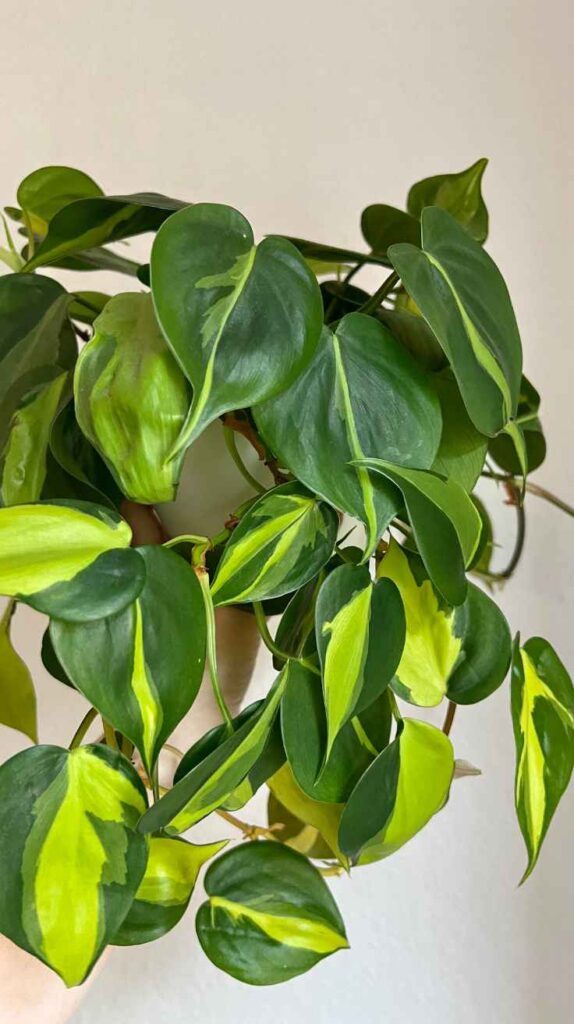
Philodendrons have earned a reputation as dependable indoor companions thanks to their attractive foliage and forgiving care requirements. Many climbing and trailing varieties adapt exceptionally well to growing entirely in water after propagation.
Their glossy, heart-shaped leaves create a lush tropical appearance that complements nearly every decorating style. Whether displayed on floating shelves, coffee tables, or office desks, philodendrons quickly become living centerpieces.
Root development happens surprisingly fast when healthy stem cuttings include at least one node beneath the water. Within weeks, new roots begin spreading through the clear container, adding another layer of visual interest.
Replacing water regularly helps prevent bacteria while encouraging continuous healthy growth. A balanced liquid fertilizer diluted according to instructions supports vigorous foliage development throughout the growing season.
Spider Plant
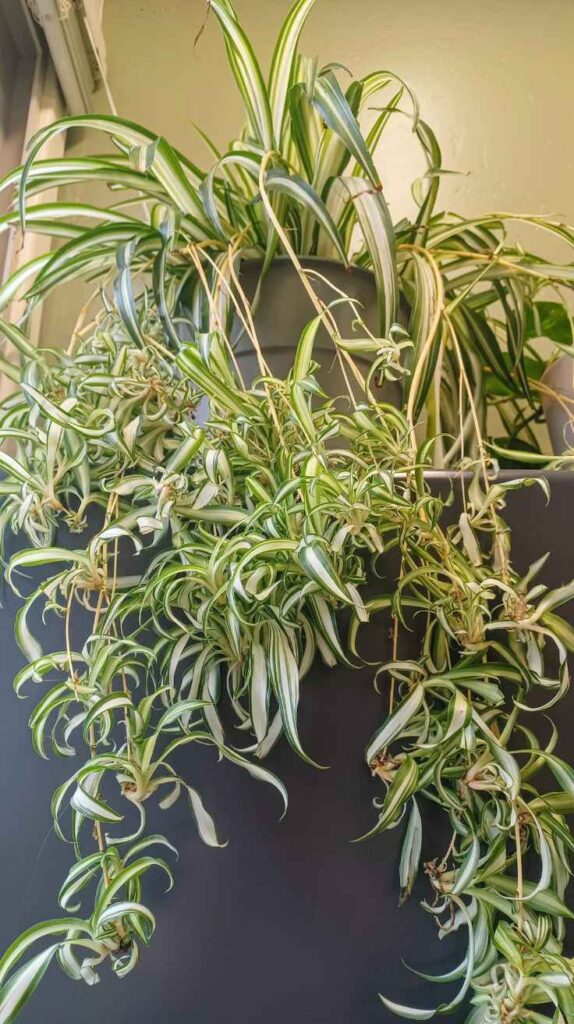
Spider plants have remained household favorites for generations because they grow quickly, tolerate indoor conditions, and produce adorable baby plantlets that root easily in water.
Those tiny offshoots can simply be clipped from the parent plant and placed into a glass jar. Soon, delicate white roots begin developing beneath the surface while bright green arching leaves continue growing above.
Spider plants also earn praise for helping improve indoor environments by contributing to cleaner air. Their graceful fountain-like shape softens windowsills, countertops, bedrooms, and workspaces without demanding constant attention.
Bright indirect light, fresh water, and occasional cleaning keep spider plants healthy and vibrant throughout the year. Once roots become extensive, they may remain in water permanently or transition into soil if desired.
Chinese Evergreen
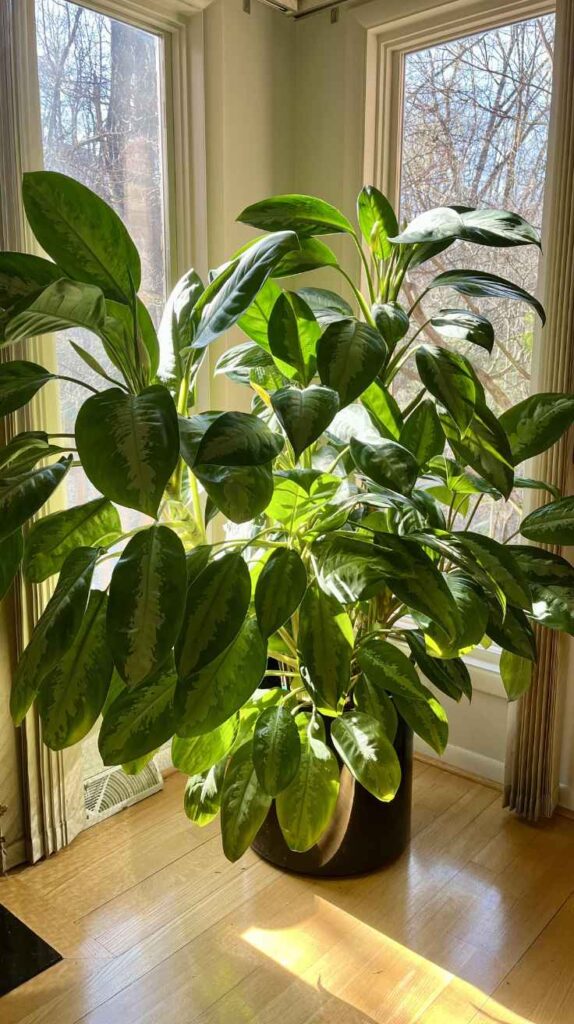
Chinese evergreen offers striking foliage filled with silver, green, cream, pink, or red patterns that instantly elevate indoor décor. Although mature plants generally grow in soil, stem cuttings adapt surprisingly well to water culture.
Elegant leaves remain colorful while roots slowly establish themselves beneath the waterline. The combination creates a sophisticated display suitable for offices, apartments, bedrooms, and modern living rooms.
This tropical beauty tolerates lower light better than many other indoor plants, making it especially valuable in spaces lacking abundant sunshine.
Maintaining crystal-clear water helps prevent root issues while preserving the attractive appearance of the transparent container. Patience pays off since Chinese evergreen often grows steadily once roots become established.
English Ivy
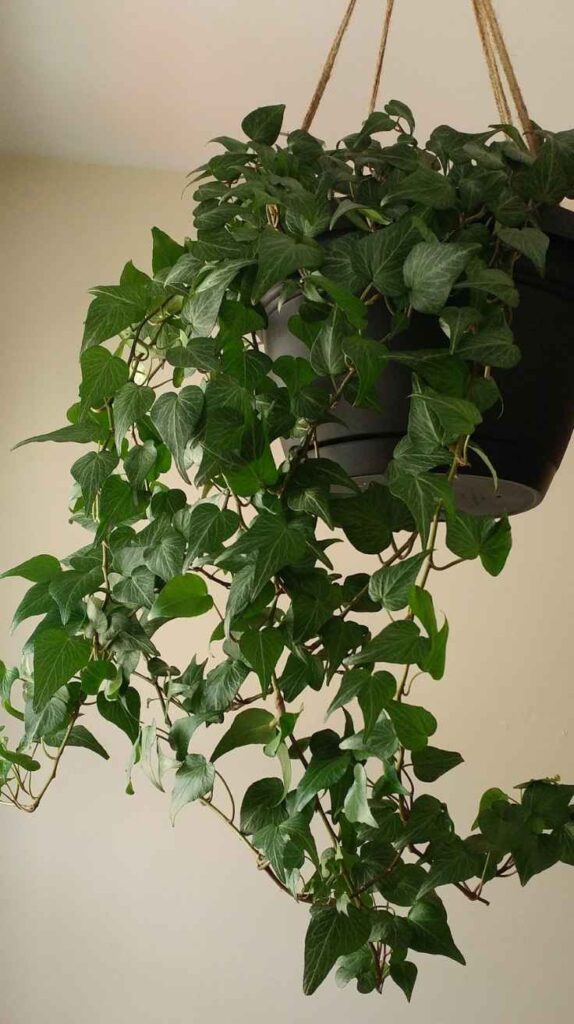
English ivy introduces timeless charm through its trailing vines and beautifully shaped leaves. It looks especially stunning flowing over the sides of tall glass vases or hanging containers.
Healthy cuttings root readily in water, creating dense networks of white roots that remain visible through the glass. These natural patterns add artistic beauty while showcasing the plant’s healthy development.
Bright indirect light encourages fuller foliage, while regular water replacement minimizes algae formation. Trimming long vines stimulates branching and produces fuller growth.
Whether decorating bookshelves, kitchens, bathrooms, or offices, English ivy creates a graceful waterfall effect that adds life to otherwise empty spaces.
Coleus

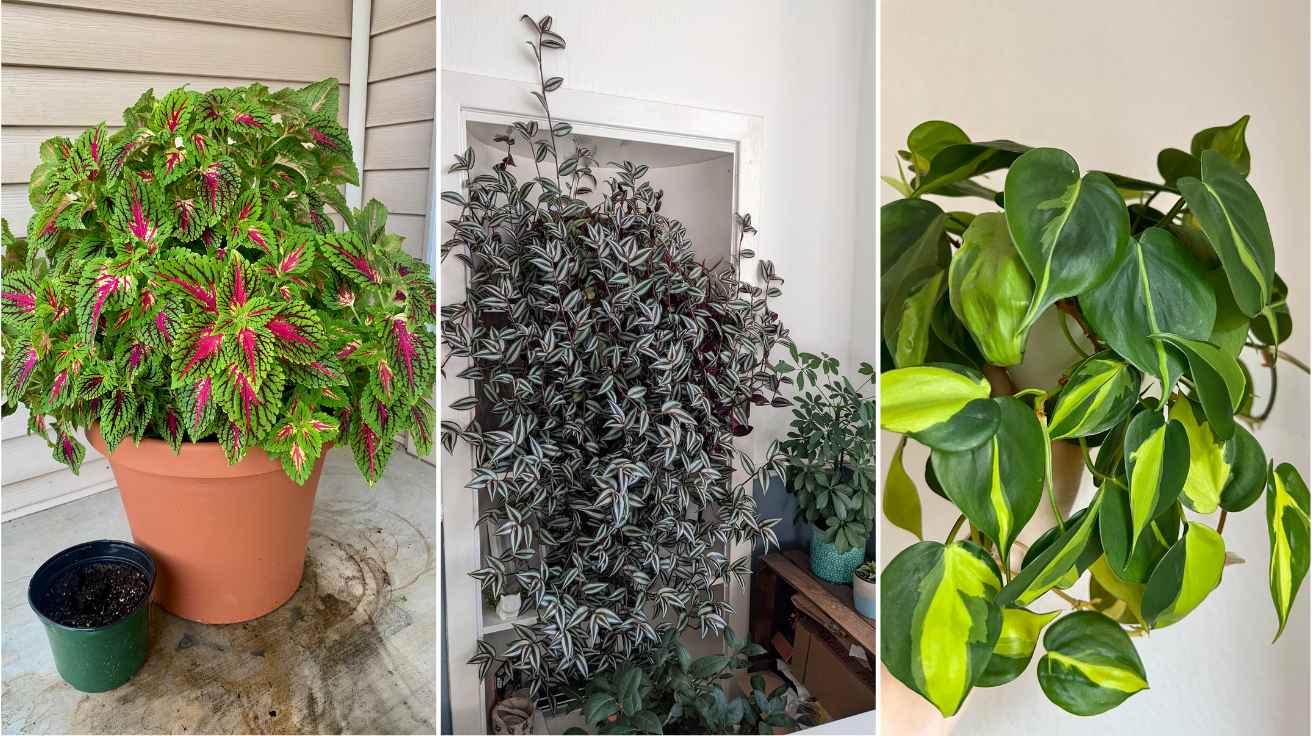
Coleus stands out because of its incredible leaf colors rather than flowers. Brilliant shades of burgundy, lime green, purple, orange, pink, and yellow create dramatic indoor displays that instantly capture attention.
Stem cuttings root extremely quickly in water, often producing visible roots within just a couple of weeks. As new foliage develops, the vivid colors become even more striking against the clear water backdrop.
Unlike many foliage plants, coleus offers nearly endless color combinations, making every container feel unique. Mixing several varieties together creates an especially vibrant centerpiece.
Regular water changes and bright filtered sunlight help preserve strong colors while supporting continuous healthy growth.
Tradescantia
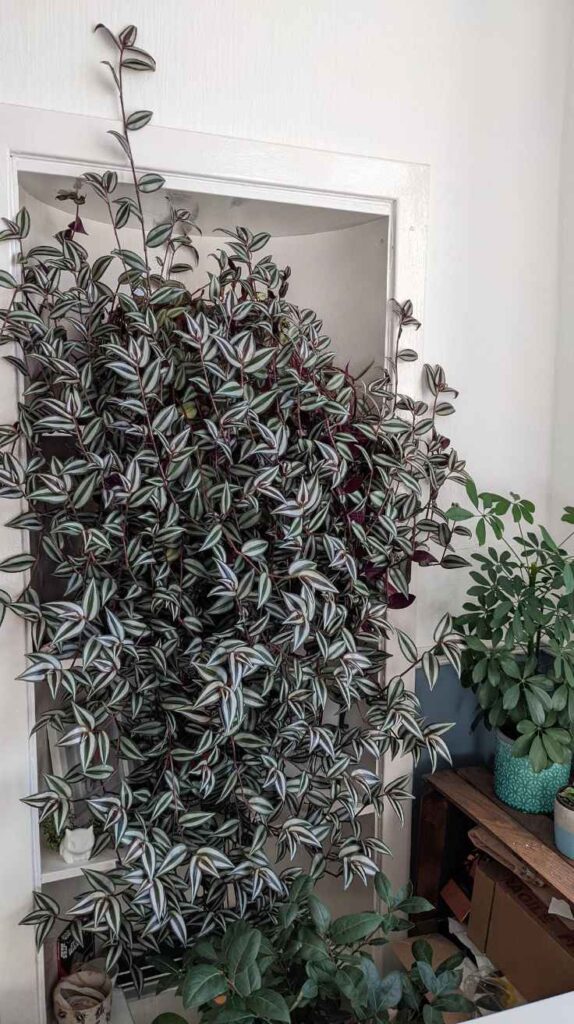
Tradescantia, commonly called wandering plant, produces fast-growing vines decorated with purple, silver, green, and striped leaves. Its energetic growth makes it one of the most rewarding plants for water propagation.
Within days, small roots usually begin emerging from submerged nodes. Soon afterward, vigorous new vines continue extending in every direction, creating full cascading displays.
Its colorful foliage reflects beautifully through glass containers, adding extra visual depth and elegance. Because growth happens rapidly, occasional trimming prevents legginess while providing fresh cuttings for additional displays.
Minimal care requirements and eye-catching colors make Tradescantia an excellent option for beginners seeking quick success.
Arrowhead Vine

Arrowhead vine changes dramatically as it matures, producing distinctive arrow-shaped leaves that become increasingly decorative over time. Water-grown cuttings establish roots quickly and continue producing attractive foliage with little effort.
Available in green, cream, pink, white, and variegated forms, arrowhead vine complements countless interior decorating themes. Compact growth suits desks and shelves, while mature vines create beautiful trailing displays.
Bright indirect sunlight encourages healthy leaves without risking scorch damage. Fresh water and occasional nutrients maintain steady growth throughout the year.
As roots become longer, the transparent container transforms into a living botanical display that adds elegance to any room.
Mint
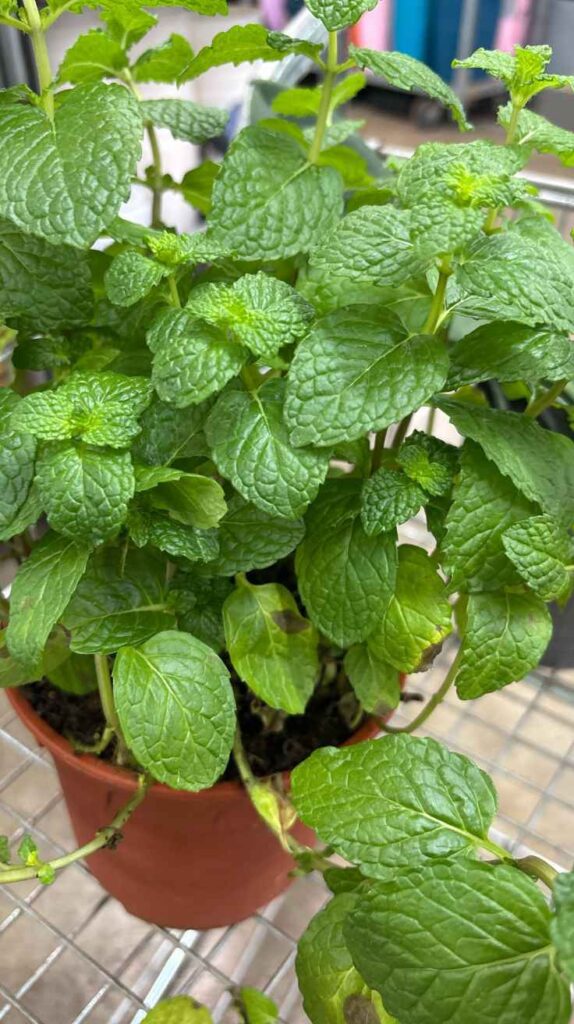
Mint proves that water gardening isn’t limited to decorative plants. Fresh culinary herbs also thrive in water, providing both beauty and practical use inside the kitchen.
Healthy mint cuttings quickly produce roots while continuing to generate fragrant leaves that remain available for tea, lemonade, desserts, salads, and cooking. The refreshing scent naturally enhances indoor spaces whenever leaves are gently touched.
A sunny kitchen windowsill often provides ideal lighting. Fresh water changed regularly keeps stems healthy while reducing bacterial growth.
Harvesting leaves encourages continuous branching, allowing the plant to remain productive for extended periods without requiring soil.
Basil

Basil offers another delicious addition to indoor water gardens. Its aromatic leaves remain useful for pasta dishes, pizza, soups, salads, sandwiches, and homemade pesto.
Fresh stem cuttings root readily inside clean glass containers. Warm temperatures and bright indirect sunlight encourage rapid development while producing flavorful new leaves.
Keeping only the stems beneath the water helps prevent leaf rot. Frequent harvesting encourages bushier growth and extends productivity.
A kitchen filled with fresh basil combines convenience, fragrance, and greenery while reducing grocery store trips for fresh herbs.
Peace Lily
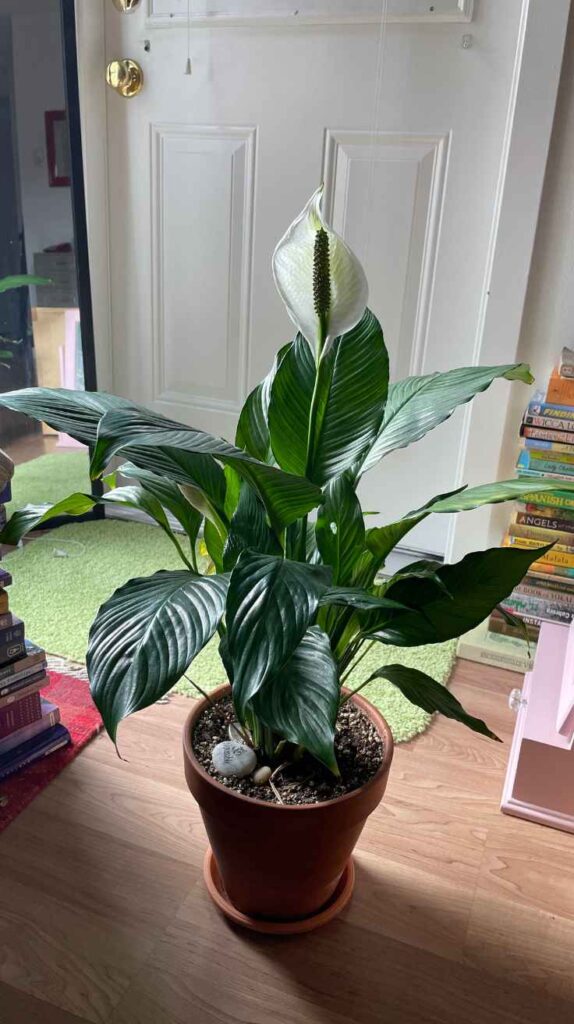
Peace lily delivers graceful dark green leaves alongside elegant white blooms that create a calm indoor atmosphere. While mature specimens typically grow in soil, they also adapt well to semi-hydroponic or water-based cultivation when roots remain healthy.
Clean water allows the attractive root system to become part of the display while lush foliage maintains its tropical beauty. Peace lilies appreciate moderate indoor temperatures and filtered sunlight.
Changing water regularly helps prevent odors while supporting healthy root development. Occasional liquid nutrients replace minerals normally supplied by potting mix.
The combination of glossy foliage, elegant flowers, and simple care makes peace lily one of the most rewarding plants for decorative water displays.
Essential Care Tips for Long-Lasting Success
Even the easiest water-grown plants benefit from consistent care. Clean containers reduce algae buildup while keeping roots healthy and attractive. Fresh water every seven to fourteen days maintains oxygen levels and removes impurities.
Using filtered or distilled water may improve growth for sensitive varieties. Liquid fertilizer designed for hydroponic or houseplant use supplies important nutrients missing from plain water.
Bright indirect sunlight usually delivers the best results because intense direct rays can overheat water and scorch leaves. Regular pruning encourages fuller growth while removing yellow or damaged foliage keeps every arrangement looking fresh.
Watching root systems periodically also provides early warning of potential issues, allowing quick corrections before serious damage occurs.
Common Mistakes to Avoid
Many beginners accidentally overcomplicate water gardening. The most frequent mistake is forgetting to replace old water. Stagnant water reduces oxygen and encourages bacteria that weaken roots.
Placing containers under harsh afternoon sunlight often leads to algae growth and overheated roots. Similarly, adding too much fertilizer can burn delicate root systems instead of helping them.
Dirty containers, crowded stems, and submerged leaves may also create unhealthy conditions. Simple maintenance performed consistently usually prevents nearly every common problem.