Home Gardening Ideas for Beginners to Transform Your Yard
Creating a personal oasis right outside your door is a rewarding journey that anyone can start today. You do not need a massive plot of land or professional skills to make your outdoor space shine. With a few simple steps, you can turn a plain lawn into a vibrant sanctuary for your family.
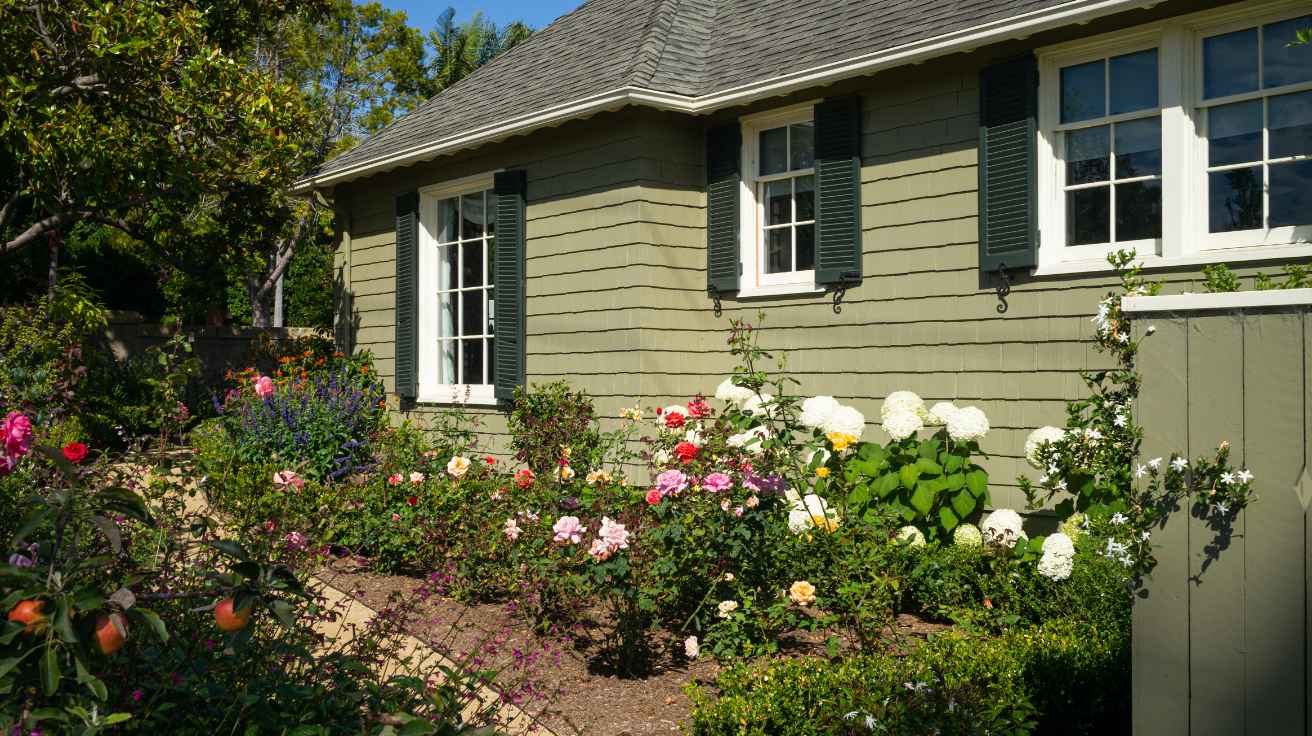
Exploring creative home gardening ideas allows you to express your personality while boosting your property value. Whether you want to grow fresh vegetables or colorful flowers, the process is surprisingly easy to manage. Small changes often lead to the most beautiful results in your landscape.
You will discover that nurturing life from the ground up brings a unique sense of accomplishment. Grab your gloves and prepare to cultivate a space that brings joy to your daily routine. Your path to a greener lifestyle begins with these first simple steps.
Assessing Your Yard Space and Sunlight Patterns
Successful gardening starts long before you buy your first packet of seeds. By taking the time to observe your property, you can avoid common mistakes and set yourself up for a thriving landscape. These beginner gardening tips will help you turn your yard into a productive sanctuary.
Mapping your garden zones
Start by sketching a rough map of your yard on a piece of paper. Identify areas that stay wet after a rainstorm and spots that dry out quickly. This simple step helps you group plants with similar water needs together.
Divide your space into distinct zones based on these observations. You might have a sunny, dry corner perfect for herbs and a shaded, moist area ideal for ferns. Organizing your space this way is one of the most effective beginner gardening tips for long-term success.
Understanding sun exposure and shade
Sunlight is the fuel that powers your garden. Spend a full day watching how shadows move across your yard from morning until evening. Most vegetables require at least six to eight hours of direct sunlight to produce a good harvest.
Keep in mind that trees, fences, and your home will cast shadows that change with the seasons. Note these patterns on your map to ensure you place sun-loving plants in the brightest spots. Proper placement prevents stunted growth and keeps your plants happy.
Testing your soil quality
Healthy soil is the foundation of every great garden. Before you start planting, purchase a simple soil test kit from a local garden center to check your pH levels. Most plants prefer slightly acidic to neutral soil to absorb nutrients effectively.
If your soil is too sandy or heavy with clay, you can improve it by adding organic matter like compost. Testing your soil is a vital part of our beginner gardening tips because it tells you exactly what your ground needs. A little preparation now ensures your plants have the nutrients they need to flourish all season long.
Essential home gardening ideas for beginners
If you are looking for fresh home gardening ideas, focusing on structure is the best place to start. A well-planned layout makes maintenance simple and ensures your plants have the support they need to flourish. By organizing your space effectively, you can turn a plain yard into a productive oasis.
Starting with raised garden beds
Raised beds are a fantastic choice for beginners because they offer complete control over soil quality. You can fill them with a perfect blend of compost and topsoil, which helps your vegetables grow faster. These structures also reduce the need for bending, making your gardening experience much more comfortable.
Creating vertical garden walls
When ground space is limited, vertical gardening is the perfect solution to maximize your harvest. You can use trellises, wall-mounted planters, or repurposed pallets to grow herbs and flowers upward. This approach not only saves room but also adds a beautiful, living texture to your fences or exterior walls.
Designing pathways for accessibility
A clear path through your garden is essential for easy access to all your plants. Using materials like gravel, wood chips, or stone pavers creates a clean look that keeps your feet dry and mud-free. These walkways provide the perfect backyard gardening inspiration, giving your outdoor space a professional and polished finish.
Choosing the right plants for your climate
Creating a resilient landscape begins with understanding your specific growing conditions. Selecting the correct plant varieties is the most critical step in ensuring your garden thrives in your local environment. When you pick plants that naturally enjoy your weather, you spend less time fixing problems and more time enjoying your yard.
Identifying your USDA hardiness zone
The USDA hardiness zone map is your best tool for successful gardening in the United States. These zones divide the country based on the average annual minimum winter temperature. By checking your specific zone, you can avoid buying plants that will not survive your coldest months.
You can easily find your zone by entering your zip code into online gardening databases. Always look for the hardiness zone rating on plant tags at your local nursery. This simple check prevents the disappointment of losing plants to harsh winter frost.
Selecting native plants for low maintenance
Native plants are species that have evolved to grow in your specific region over thousands of years. Because they are already adapted to your local soil and rainfall, they require much less intervention than exotic varieties. These plants are naturally resistant to local pests and diseases, which makes them a smart choice for beginners.
Incorporating native flowers and shrubs also supports your local ecosystem. They provide essential food and shelter for birds, bees, and butterflies in your area. You will find that a garden filled with native species is both beautiful and incredibly easy to manage.
Balancing annuals and perennials
A great garden design often features a healthy mix of both annuals and perennials. Perennials are the backbone of your landscape because they return year after year from the same root system. They provide stability and structure to your garden beds throughout the seasons.
Annuals, on the other hand, complete their life cycle in one growing season. They are perfect for adding quick, vibrant pops of color to your yard all summer long.
Soil preparation and organic gardening techniques
Mastering organic gardening techniques is the secret to growing healthy, resilient plants. When you focus on the quality of your earth, you provide the essential foundation for every flower and vegetable to thrive. By working with nature rather than against it, you create a sustainable environment that rewards your efforts throughout the seasons.
Composting kitchen scraps for nutrient-rich soil
You can easily turn your daily kitchen waste into “black gold” for your garden beds. Instead of throwing away vegetable peels, coffee grounds, and eggshells, collect them in a dedicated bin. These items break down over time to create nutrient-dense compost that feeds your plants naturally.
Regularly adding this homemade material improves soil structure and drainage. It acts as a slow-release food source that keeps your garden vibrant without the need for harsh additives. This simple habit is one of the most effective organic gardening techniques for any beginner.
Using organic fertilizers and mulch
Beyond compost, using organic fertilizers like fish emulsion or bone meal provides a quick boost to your plants. These natural options deliver nutrients gently, ensuring your garden stays healthy without burning delicate roots. Always follow the package instructions to ensure you provide the right balance for your specific crops.
Applying a layer of organic mulch is equally important for a productive yard. Materials like wood chips, straw, or shredded leaves help retain vital soil moisture during hot summer days. Furthermore, a thick layer of mulch effectively suppresses weeds, saving you hours of maintenance time.
Avoiding synthetic chemicals for a safer yard
Choosing to avoid synthetic chemicals creates a much safer space for your family, pets, and local wildlife. Many store-bought pesticides can disrupt the natural balance of your garden ecosystem.
Focusing on these organic gardening techniques ensures your yard remains a healthy sanctuary. You will notice that your plants become stronger and more resistant to common issues over time. Embracing these natural practices leads to a more rewarding and sustainable gardening experience.
Container gardening solutions for small spaces
If you are limited by a balcony or a tiny patio, you can still cultivate a thriving garden. You do not need a massive backyard to enjoy the benefits of growing your own fresh vegetables and flowers. Utilizing effective container gardening solutions allows you to transform even the smallest corners into productive green spaces.
Selecting the best pots and drainage systems
The foundation of any successful potted garden starts with the right vessel. Always choose containers that feature pre-drilled drainage holes at the bottom to prevent water from pooling around the roots. Without proper drainage, soil becomes waterlogged, which often leads to root rot and plant failure.
Consider the material of your pots based on your local climate. Terracotta is porous and dries out quickly, making it ideal for plants that prefer drier soil. Plastic or glazed ceramic pots retain moisture longer, which is helpful for thirsty vegetables during the hot summer months.
Choosing vegetables that thrive in containers
Not every plant is suited for life in a pot, so selecting the right varieties is essential. Look for labels that specify “bush,” “patio,” or “dwarf” varieties, as these are bred to stay compact while producing a high yield. Cherry tomatoes, peppers, and leafy greens like lettuce or spinach are excellent choices for beginners.
Root vegetables such as radishes and carrots also perform well in deep containers. Ensure your chosen pots provide enough depth for the specific root system of your plants. By picking the right crops, you can maximize your harvest even in a very limited footprint.
Arranging pots for visual impact
Once you have your plants, the way you arrange them can turn a cluttered space into a beautiful design feature. Grouping pots of varying heights creates visual interest and depth. Place taller plants in the back and shorter ones in the front to ensure every leaf receives adequate sunlight.
You can also use plant stands or hanging baskets to utilize vertical space effectively. Mixing different textures and foliage colors adds a professional touch to your display. These simple container gardening solutions help you create a lush, inviting sanctuary right outside your door.
DIY garden projects to enhance curb appeal
If you are looking for fresh backyard gardening inspiration, these simple projects are the perfect place to start. Adding personal touches to your outdoor space can significantly boost your home’s charm while providing functional support for your favorite plants.

Building simple wooden trellises
Wooden trellises offer a beautiful way to support climbing vines like jasmine or morning glories. You can construct these using basic cedar slats and exterior-grade screws from your local hardware store.
These diy garden projects provide vertical interest that draws the eye upward. They also help maximize your growing space by allowing plants to climb rather than sprawl across the ground.
Creating decorative stone borders
Defining your garden beds with stone creates a clean, professional look that instantly improves curb appeal. You can use natural river rocks or pre-cast concrete pavers to outline your flower beds.
These diy garden projects keep mulch contained and prevent grass from creeping into your planting areas. This simple addition makes maintenance much easier throughout the growing season.
Installing solar-powered garden lighting
Solar-powered lights are a fantastic way to add ambiance to your yard without the need for complex electrical wiring. Simply stake them along your pathways or near focal points to highlight your hard work at night.
This type of backyard gardening inspiration ensures your garden remains inviting even after the sun goes down. It also provides a practical safety benefit by illuminating walkways for you and your guests.
Sustainable gardening practices for a healthy ecosystem
Embracing sustainable gardening practices allows you to create a vibrant ecosystem right in your own backyard. By working in harmony with the local environment, you ensure that your landscape remains resilient and healthy throughout the seasons. These methods reduce your environmental footprint while creating a beautiful, thriving outdoor space.
Implementing rainwater harvesting systems
One of the most effective ways to conserve resources is by capturing natural precipitation. Installing rain barrels under your downspouts provides a free, chemical-free water source for your plants. This simple step significantly reduces your reliance on municipal water supplies during dry summer months.
Attracting pollinators with native flowers
Native plants are essential for supporting local wildlife, including bees, butterflies, and hummingbirds. By choosing species that are naturally adapted to your region, you provide a reliable food source for these vital creatures. These sustainable gardening practices help maintain the delicate balance of your local environment.
Reducing lawn size for biodiversity
Traditional grass lawns often require heavy maintenance and offer little value to local insects. Replacing portions of your turf with diverse garden beds or wildflower meadows creates a sanctuary for beneficial wildlife. This shift not only boosts biodiversity but also saves you time on mowing and lawn care chores.
Watering and irrigation strategies
Proper moisture management is the foundation of every successful home garden. While water is essential for growth, providing too much or too little can stress your plants. Finding the right balance helps your garden thrive throughout the changing seasons.
Establishing a consistent watering schedule
Plants generally prefer deep, infrequent watering rather than light daily sprinkles. This approach encourages roots to grow deeper into the soil, making them more resilient during dry spells. You should check the soil moisture by inserting your finger about two inches deep before adding more water.
If the soil feels dry at that depth, it is time to hydrate your plants. Early morning is the best time to water because it allows moisture to soak into the roots before the heat of the day. This routine helps maintain steady growth and prevents wilting during peak afternoon temperatures.
Benefits of drip irrigation systems
Drip irrigation is a game-changer for busy gardeners looking to save time and resources. These systems deliver water directly to the base of the plant, which minimizes evaporation and runoff.
Installing a drip system can significantly reduce your water bill while keeping your plants consistently hydrated. Many kits are easy to set up and can be automated with a simple timer. This technology removes the guesswork from your daily chores and provides peace of mind when you are away.
Watering techniques to prevent fungal diseases
Fungal issues often arise when foliage stays wet for extended periods. To keep your plants healthy, always aim your hose or irrigation line at the soil level rather than spraying the leaves. Keeping the leaves dry is a simple way to discourage common garden diseases like powdery mildew.
If you must water by hand, try to complete the task early in the day. This gives any accidental splashes on the leaves enough time to evaporate under the morning sun. Practicing these careful techniques will keep your garden looking lush and disease-free all year long.
Managing common garden pests naturally
Managing garden pests is a simple task when you understand the natural balance of your yard. You do not need toxic chemicals to keep your plants healthy and thriving. By adopting effective organic gardening techniques, you can protect your harvest while supporting the local ecosystem.

Identifying beneficial insects versus pests
Not every bug in your garden is an enemy. Many insects, such as ladybugs, lacewings, and hoverflies, act as natural predators that hunt common garden pests like aphids. Learning to spot these helpful allies is a key step in maintaining a balanced environment.
Take time to observe your plants closely before reaching for any treatment. If you see beneficial insects at work, let them handle the situation for you. This natural approach reduces the need for intervention and keeps your garden ecosystem robust.
Using companion planting to deter invaders
Companion planting is one of the most effective organic gardening techniques for natural pest control. By placing specific plants next to each other, you can confuse or repel harmful insects. For example, planting marigolds near your vegetables can deter nematodes and other soil-borne pests.
Herbs like basil and mint also serve as excellent companions for many garden crops. These aromatic plants mask the scent of your vegetables, making it harder for pests to find their target. This strategy creates a diverse and resilient garden space.
Applying homemade organic pest sprays
When pests become overwhelming, you can create simple, safe solutions at home. A mixture of mild liquid soap and water often works wonders on soft-bodied insects like aphids. Always test your spray on a small leaf area first to ensure the plant reacts well.
Neem oil is another popular choice for those practicing organic gardening techniques. It acts as a natural deterrent and disrupts the life cycle of many common invaders. Always apply these sprays in the early morning or late evening to protect visiting pollinators.
Indoor plant care guide for year-round greenery
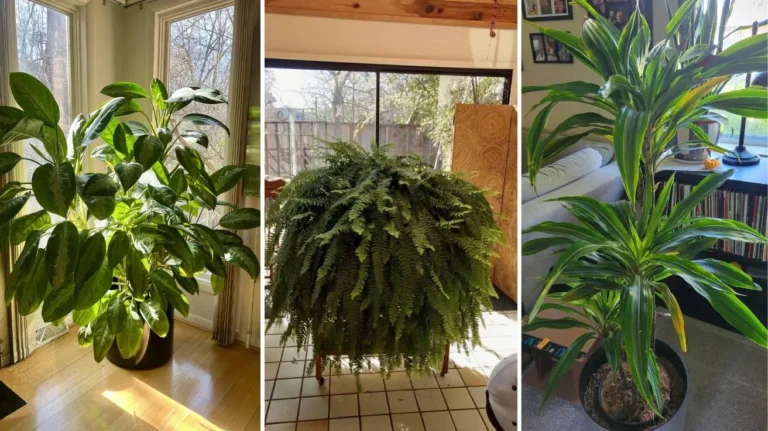
Bringing nature inside is a wonderful way to keep your gardening hobby alive all year long. Even when the weather turns cold, you can maintain a vibrant living space by following a reliable indoor plant care guide. These simple steps help you create a lush, healthy environment regardless of the season.
Selecting low-light indoor varieties
Many homes have corners that do not receive direct sunlight, but that does not mean you cannot grow beautiful plants. Varieties like the Snake Plant or Golden Pothos thrive in lower light conditions. These hardy options are perfect for beginners looking to add greenery to dim areas of their home.
Mastering humidity and temperature control
Indoor environments often become dry during the winter months due to heating systems. You can improve humidity by grouping plants together or using a small pebble tray with water. Keep your plants away from cold drafts or direct heat sources to ensure they stay comfortable and stress-free.
Repotting and fertilizing indoor plants
Plants eventually outgrow their containers, which can stunt their development. If you notice roots growing out of the drainage holes, it is time to move your plant to a slightly larger pot with fresh soil. During the active growing season, apply a balanced organic fertilizer to provide the nutrients needed for lush, sustained growth.
Seasonal maintenance tips for long-term success
Mastering the seasonal cycle is one of the most important beginner gardening tips for long-term success. Gardening is a year-round commitment that requires you to adapt your tasks as the weather shifts. By following a consistent routine, you ensure your plants remain healthy and productive throughout the year.
Preparing your garden for winter dormancy
As temperatures drop, your garden needs protection to survive the cold months ahead. Start by clearing away dead foliage and debris to prevent pests and diseases from overwintering in your beds. Applying a fresh layer of organic mulch helps insulate the soil and protects delicate root systems from freezing temperatures.
Spring cleanup and pruning essentials
When the frost finally lifts, it is time to wake up your garden beds. Remove the winter mulch and gently turn the soil to improve aeration for new growth. Pruning back dead or damaged branches is a vital task among our beginner gardening tips, as it encourages vigorous development for the upcoming season.
Summer weeding and deadheading routines
Summer brings rapid growth, which often includes unwanted weeds competing for nutrients. Dedicate time each week to pull weeds by hand before they go to seed. Additionally, deadheading spent flowers encourages your plants to produce more blooms, keeping your yard looking vibrant and well-maintained all summer long.
Cultivating your personal sanctuary
Your garden serves as more than just a collection of plants. It acts as a living, breathing sanctuary designed for your peace and daily enjoyment.
This journey invites you to continue learning and growing alongside your plants. Watch how your yard evolves through the seasons as you nurture your outdoor environment.
Share your progress with fellow gardening enthusiasts in your local community. Post photos of your blooming flowers or your successful vegetable harvest on social media platforms like Instagram or Pinterest to inspire others.
Your commitment to sustainable practices and thoughtful design makes a lasting impact on the local ecosystem. Enjoy the quiet moments spent in your new retreat as you connect with nature right outside your door.