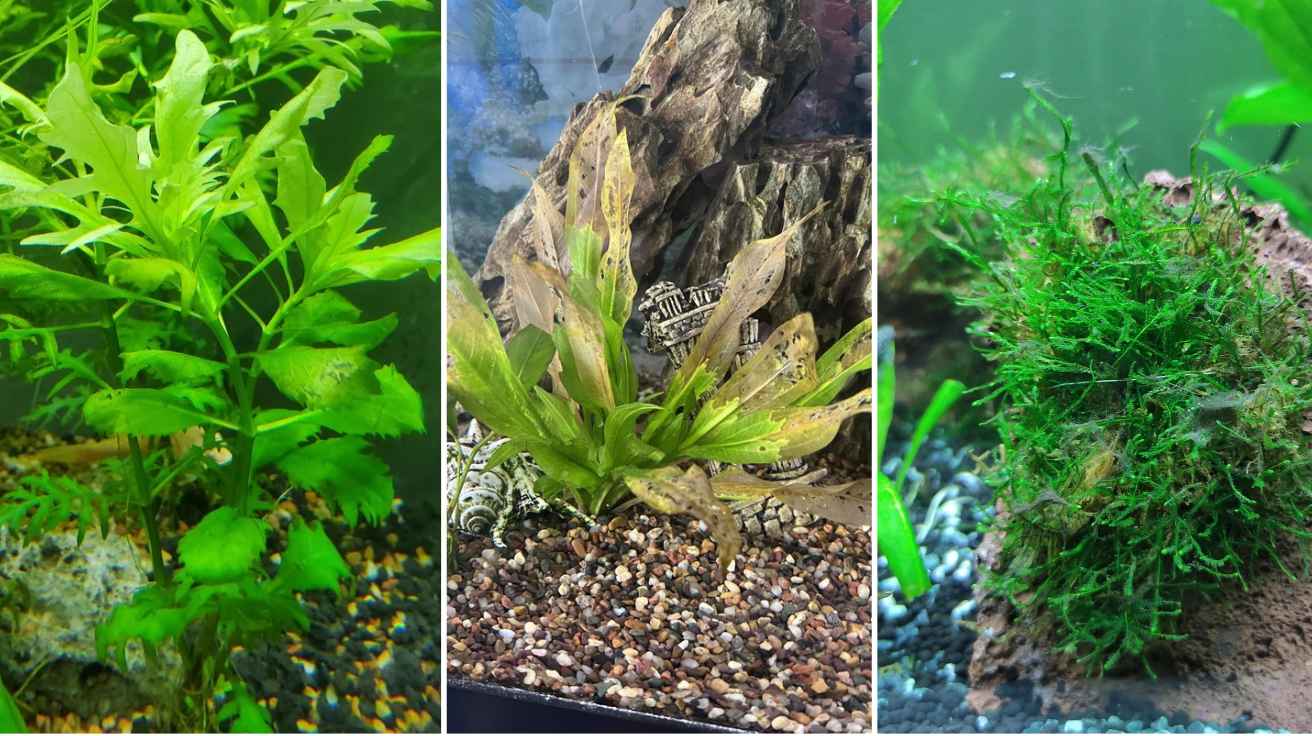
Plants for Aquarium That Make Your Tank Look Lush and Alive
A beautiful aquarium can feel almost magical. Colorful fish glide between leaves, tiny bubbles rise toward the surface, and gentle movement from the water makes the entire tank feel alive. Yet, an aquarium without greenery can sometimes look empty, even when it contains attractive fish and decorations. Adding the right aquatic plants can completely transform that feeling.
The good news is that keeping live greenery underwater doesn’t have to be complicated. Many aquarium plants are surprisingly easy to grow, even for beginners who have never maintained a planted tank before. Some grow quickly, some tolerate low light, and others provide excellent hiding places for shrimp and small fish.
The following 12 plants for aquarium offer a mixture of easy-care varieties, attractive textures, different growth patterns, and useful benefits for freshwater tanks. Along the way, you’ll discover which plants work best for beginners, where to place them, and how to keep them healthy without turning aquarium care into a frustrating chore.
Java Fern

Java fern remains one of the easiest choices for a freshwater aquarium, especially for someone who is just getting started with live plants. Its long, textured green leaves create a natural appearance without demanding constant attention. It can tolerate a wide range of water conditions and usually performs well under low to moderate aquarium lighting.
One of the most important things to remember is that the thick horizontal stem, called the rhizome, shouldn’t be buried beneath aquarium gravel or substrate. Instead, it can be attached to driftwood, rocks, or other decorations using aquarium-safe thread or glue. Over time, the roots will naturally grip the surface.
Java fern grows relatively slowly, which means it doesn’t require frequent trimming. It also provides excellent cover for shy fish, fry, and freshwater shrimp. Small plantlets can develop along mature leaves, giving the aquarium a naturally evolving appearance. For a low-maintenance planted aquarium, this is one of the safest places to begin.
Anubias
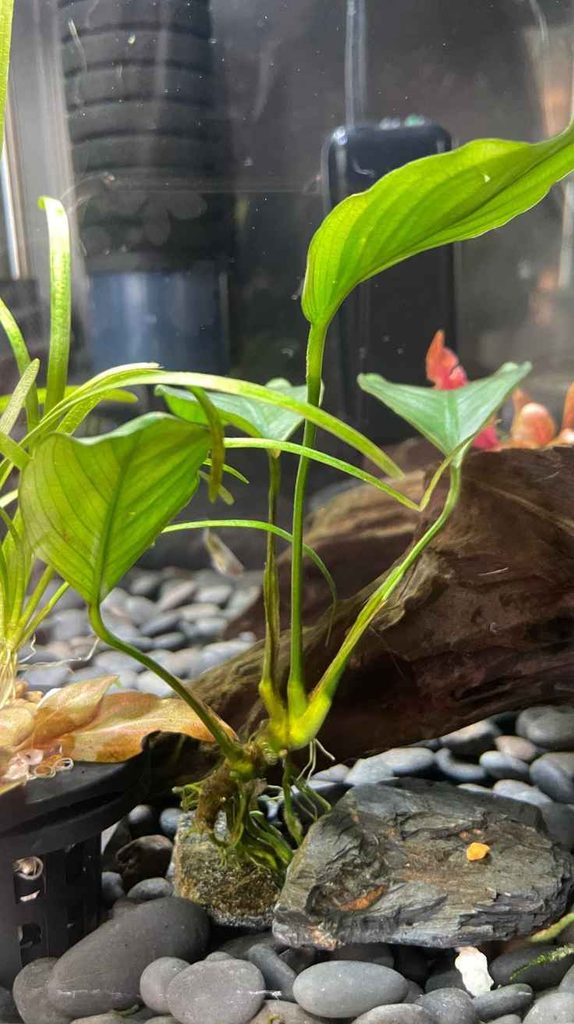
Anubias brings a wonderfully bold appearance to an underwater landscape. Its thick, dark-green leaves have a sturdy texture that makes the plant look almost miniature compared with delicate stem varieties. Several Anubias species are available, including smaller forms that work beautifully in nano aquariums and larger types that can become striking focal points.
Like Java fern, Anubias has a rhizome that should remain above the substrate. Attaching it to driftwood or aquarium rocks works particularly well. Its slow growth is another advantage because the plant doesn’t quickly take over the tank.
Anubias generally does well in low to moderate lighting, making it suitable for aquariums without powerful planted-tank lights. Because the leaves grow slowly, algae can sometimes develop on their surface if lighting remains intense for long periods. Keeping the light schedule reasonable and maintaining good water quality can help.
Its sturdy leaves also make it useful in aquariums containing fish that like to investigate or nibble at vegetation. With patience, Anubias can become a permanent part of the underwater landscape.
Amazon Sword

For a dramatic centerpiece, Amazon sword is hard to overlook. Its broad, flowing leaves can create a lush green background or focal area, particularly in medium and large freshwater aquariums. Unlike plants that attach to rocks or wood, this variety grows from the substrate and develops a substantial root system.
A nutrient-rich substrate can help support vigorous growth. Root tabs are often useful when the existing substrate doesn’t contain enough nutrients. Adequate lighting also encourages healthier leaf development, although the exact lighting requirements depend on the species and aquarium conditions.
Amazon sword can become surprisingly large, so placement matters. A small plant may initially look perfect near the front of the tank, but mature leaves can eventually block the view. Planting it toward the back or middle of a larger aquarium usually gives it enough space to spread.
Once established, the plant creates a dense green shelter that fish can swim around and through. It can also make a new aquarium feel much more established and natural.
Java Moss

Java moss offers something many aquarium plants cannot: incredible versatility. This soft, delicate-looking moss can cover driftwood, rocks, decorations, and other surfaces, creating the appearance of a miniature underwater forest.
It doesn’t require elaborate planting techniques. A small amount can be attached to a rock or piece of wood, and the moss gradually spreads across the surface. This makes it particularly useful for aquascaping projects where a natural, aged appearance is desired.
Java moss is also popular with freshwater shrimp because its dense structure provides tiny spaces where shrimp can graze and hide. Baby fish can benefit from the protective cover as well.
Growth can become untidy if the moss isn’t trimmed occasionally. Fortunately, trimming is simple. Small scissors can be used to shape thick patches and prevent them from becoming overly dense.
For beginners, Java moss is a forgiving choice that adds texture rather than simply filling empty space. It can turn an ordinary piece of driftwood into something that looks like it has been sitting beneath the water for years.
Cryptocoryne

Cryptocoryne plants are loved for their distinctive leaves and relaxed growth habits. They come in several forms, with leaf colors ranging from bright green to deeper brownish or reddish shades. This variety allows them to add contrast to an aquarium without relying entirely on decorations.
Cryptocoryne usually grows from the substrate and develops a strong root system once established. It generally prefers stable aquarium conditions and can take some time to settle after being planted.
A common beginner experience is what aquarists call “crypt melt.” After being introduced to a new aquarium, the existing leaves may deteriorate or disappear. That can look alarming, but the plant may recover and produce new growth once it adapts to its surroundings.
Avoid constantly moving Cryptocoryne around. Once planted, giving the roots time to establish usually produces better results. Moderate lighting and nutrient availability can support healthy development.
Its compact growth makes it useful around the middle or front portions of many aquascapes. With patience, Cryptocoryne can create a beautifully natural, layered appearance.
Hornwort

Hornwort is an excellent choice when fast-growing greenery is needed. Its thin, branching leaves create a soft, bushy appearance, and the plant can grow rapidly under suitable conditions.
One of its most useful qualities is flexibility. Hornwort can be planted into the substrate, allowed to float, or positioned loosely within the aquarium. As a floating plant, it can provide shade and shelter for fish near the surface. When anchored, it can create a tall background feature.
Fast growth means regular trimming may become necessary. Rather than seeing this as a disadvantage, many beginners appreciate the ability to remove excess growth easily. Trimmings can sometimes be replanted or allowed to grow elsewhere in the aquarium.
Hornwort can also absorb nutrients from the water column, which makes it useful in tanks where nutrient management is important. However, its growth rate means the aquarium should still receive regular maintenance.
For anyone wanting an aquarium to look greener relatively quickly, Hornwort can provide that transformation without requiring an advanced aquascaping setup.
Water Sprite

Water sprite combines attractive foliage with fast growth and flexible planting options. Its finely divided leaves give it a light, feathery appearance that contrasts beautifully with broad-leaved plants such as Amazon sword and Anubias.
It can be planted in the substrate or allowed to float. When planted, it can create a bushy background or midground area. When floating, it can offer shade and cover for fish that prefer calmer, dimmer spaces.
Because Water sprite grows quickly, it can help absorb nutrients from the water. Regular pruning keeps it from overwhelming slower-growing plants.
Its soft foliage can also provide useful shelter for fry and small aquatic creatures. The plant doesn’t necessarily need a sophisticated setup, although consistent lighting and nutrient availability can encourage healthier growth.
For a beginner trying to create a fuller planted aquarium, Water sprite is especially appealing because the results can become visible relatively quickly. A sparse aquarium can start looking much more vibrant as the plant develops.
Vallisneria

Vallisneria is a fantastic choice for creating the appearance of underwater grass. Its long, narrow leaves rise from the substrate and move gently with the current, producing a graceful background effect.
Several varieties exist, and their mature size can differ significantly. Smaller forms may work in modest aquariums, while larger varieties can create an impressive curtain of greenery in spacious tanks.
Vallisneria spreads through runners. New plants can emerge beside the parent plant, gradually forming a natural-looking colony. This makes it useful when the goal is to fill a large background area rather than maintain a single specimen.
The plant generally prefers nutrient availability around its roots and suitable aquarium lighting. Once established, it can become quite vigorous.
Careful trimming is important because cutting leaves too aggressively or damaging them can make the plant look ragged. Removing older or damaged leaves at the base usually produces a cleaner appearance.
When the aquarium lights come on and long Vallisneria leaves gently sway in the current, the tank can suddenly feel less like a glass box and more like a tiny underwater ecosystem.
Dwarf Sagittaria

Dwarf sagittaria is a useful option for aquarists who want a grass-like foreground or midground effect without using complicated carpeting plants. Its narrow green leaves form small clusters that gradually spread under suitable conditions.
This plant grows from the substrate and can reproduce through runners. With enough space and appropriate conditions, several individual plants can eventually create a connected patch.
It can work particularly well around rocks, driftwood, or larger plants because its shorter growth helps create different visual layers. That variation makes an aquascape appear deeper and more natural.
Dwarf sagittaria generally appreciates adequate lighting and nutrients, but it doesn’t demand the same level of precision associated with some advanced carpeting plants.
The key is patience. A newly planted aquarium may look sparse at first. As the runners develop, however, the empty spaces begin to disappear. Regular maintenance keeps unwanted debris from accumulating around the plant base and helps preserve the clean appearance of the substrate.
Bucephalandra
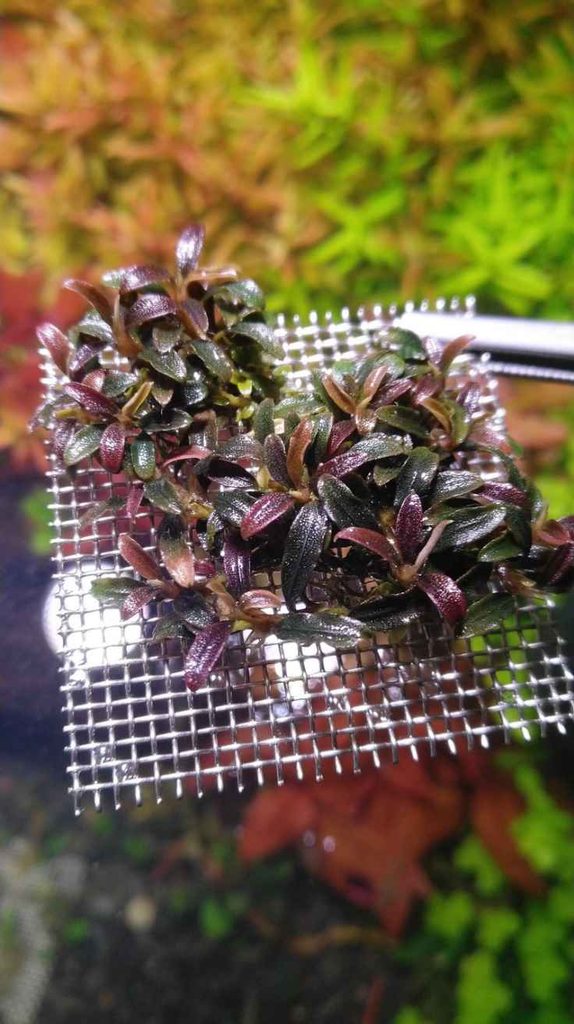
Bucephalandra has become a favorite among aquascaping enthusiasts because of its unusual leaves and compact growth. The foliage can have subtle variations in shape, texture, and coloration, allowing different varieties to create small but fascinating details throughout a planted aquarium.
It is another rhizome plant, so the rhizome should remain exposed rather than being deeply buried in substrate. Attaching it to rocks or driftwood is often the easiest approach.
Bucephalandra tends to grow slowly. That means it usually doesn’t demand constant trimming, but it also means visible changes may take time. Patience pays off.
The plant works particularly well in nano tanks, shrimp aquariums, and carefully arranged aquascapes where small details matter. Several clumps can be positioned around hardscape materials to create a layered effect.
Its slower growth can also make it easier to manage than fast-growing stem plants. A well-placed Bucephalandra can quietly become one of the most interesting details in the entire aquarium.
Water Wisteria

Water wisteria brings an airy, leafy appearance that can quickly make an aquarium look fuller. Its leaves can develop different shapes depending on how the plant grows, adding visual variety to the underwater environment.
It is commonly planted in the substrate and can work as a background or midground plant. Because it can grow quickly under favorable conditions, it is useful for aquarists who want visible growth rather than waiting months for a slow-growing specimen to fill out.
Regular trimming helps maintain its shape. Cuttings can sometimes be replanted, allowing one healthy plant to produce additional growth. Water wisteria can also help provide cover for fish, particularly when grown densely. That shelter may make timid species feel more secure.
Good water circulation, appropriate lighting, and regular maintenance support healthier growth. While it can tolerate a range of conditions, stable aquarium parameters are always preferable. The biggest surprise comes when a small cutting becomes a substantial green feature. Suddenly, the aquarium that once looked bare starts to feel like a thriving little habitat.
Marimo Moss Ball

Marimo moss balls are unusual compared with traditional rooted aquarium plants. Their round shape immediately adds personality, and their compact size makes them suitable for smaller aquariums, shrimp tanks, and decorative setups.
Despite their common name, Marimo are actually a type of spherical algae rather than true moss. They grow slowly and require very little trimming, making them attractive to beginners who prefer simple maintenance.
Their soft, rounded appearance creates an interesting contrast against pointed leaves, driftwood, rocks, and gravel. They can be placed directly on the substrate or gently positioned around other decorations.
Because they grow slowly, patience is essential. They aren’t the right choice for someone looking for rapid plant growth, but their low-maintenance nature makes them appealing.
They also need suitable aquarium conditions and should be monitored like any other living organism. Occasional gentle handling and appropriate lighting can help maintain their shape and appearance. For a small aquarium detail that feels playful and natural at the same time, a healthy Marimo can be a charming finishing touch.
How to Choose the Right Plants for a Freshwater Aquarium
Choosing aquarium plants isn’t simply about picking the prettiest leaves. The best selection depends on the tank size, lighting, substrate, fish species, water parameters, and amount of maintenance that can realistically be handled.
For beginners, low-maintenance varieties such as Java fern and Anubias can be excellent starting points. They don’t require complicated planting techniques and can tolerate less demanding setups.
For a lush background, Vallisneria, Water wisteria, Hornwort, and Amazon sword can provide height and density. For texture near the foreground, Dwarf sagittaria can be useful. Java moss and Bucephalandra are particularly attractive when working with driftwood and rocks.
It also helps to think about growth speed. Fast-growing plants can quickly fill an empty aquarium, but they may require more trimming. Slow-growing plants demand less pruning but take longer to create a mature appearance.
How Aquarium Lighting Affects Plant Growth
Lighting plays a major role in planted aquariums. Plants use light for photosynthesis, which allows them to produce energy and grow.
That doesn’t mean the aquarium should receive extremely strong lighting all day. Too much light can contribute to algae problems, especially when nutrient levels and carbon availability don’t remain balanced.
A consistent lighting schedule is usually more helpful than constantly changing the duration. Aquarium LED lights are popular because they provide controllable illumination and can support many freshwater plants.
Different species have different requirements. Low-light plants such as Anubias and Java fern can perform well with relatively modest illumination, while some faster-growing or more demanding plants benefit from stronger lighting.
Finding the right balance is often the turning point between an aquarium that feels difficult to maintain and one that becomes surprisingly enjoyable.
Substrate and Nutrients Matter More Than Many Beginners Expect
Plants that feed heavily through their roots often benefit from a nutritious aquarium substrate or root tabs. Amazon sword and Cryptocoryne are good examples of plants that can appreciate nutrients around their root systems.
Other plants, particularly rhizome varieties, can obtain nutrients primarily from the water column. Understanding this difference helps prevent a common mistake: assuming every plant should be buried deeply.
Liquid fertilizers can provide nutrients to plants that absorb them through their leaves and roots in the water. However, fertilizer should be used carefully. Adding more doesn’t automatically mean faster or healthier growth.
Aquarium plants need a balanced environment. Light, nutrients, carbon dioxide availability, water movement, and maintenance all influence plant health. When these elements work together, growth becomes much more predictable.
How to Plant and Maintain an Underwater Garden
Starting with too many plants at once can make aquarium maintenance confusing. A better approach is to begin with a manageable selection and learn how each plant responds.
Before planting, remove damaged leaves and inspect the roots. Rooted plants should be placed securely in the substrate without burying portions that need to remain exposed. Rhizome plants should be attached to hardscape instead.
Leave enough space between plants for water circulation and future growth. A plant that looks tiny at the store may become considerably larger once established.
Pruning should focus on removing damaged, dying, or overcrowded growth. Avoid cutting healthy plants randomly simply because they have grown taller.
Water changes remain important. Plants can help use nutrients, but they don’t eliminate the need for responsible aquarium care. Regular water testing, filter maintenance, appropriate feeding, and stable water conditions all contribute to a healthier ecosystem.
Common Mistakes to Avoid
One of the easiest mistakes is buying plants based only on appearance. A beautiful plant may eventually become far too large for a small aquarium.
Another common problem is burying rhizome plants too deeply. This can damage the rhizome and prevent healthy growth. Always check the growth structure before planting.
Overlighting is another issue. More light isn’t automatically better. Excessive illumination can encourage algae and create additional maintenance.
Adding too much fertilizer can also create problems. Plants need nutrients, but they need them in appropriate amounts.
Finally, moving plants around constantly can slow their establishment. Once a plant has been positioned correctly, giving it time to adapt often produces better results.
Creating a Natural Aquascape With Different Plant Shapes
A beautiful aquarium usually looks better when it contains variety. Combining broad leaves, fine foliage, moss, tall background plants, and compact foreground growth creates visual depth.
For example, broad-leaved Anubias can contrast beautifully with the delicate texture of Java moss. Vallisneria can provide height behind Dwarf sagittaria, while a small patch of Bucephalandra can add detail around driftwood.
Hardscape materials such as rocks and driftwood can act as anchors for the design. Rather than placing every plant in a perfectly symmetrical pattern, varying their heights and textures can create a more natural appearance.
The goal isn’t to make every corner equally crowded. Open swimming space can be just as important as greenery. Fish need room to move, while plants provide shelter and visual interest.