Pruning Plants That Thrive With Regular Trimming for Healthier, More Beautiful Growth
Have you ever wondered why some gardens stay lush, colorful, and full of life year after year while others become overgrown and messy? The secret often comes down to one simple gardening habit, pruning. A few careful cuts at the right time can completely change the way plants grow, bloom, and stay healthy. Healthy stems replace weak ones, fresh flowers appear more often, and dense foliage creates a beautiful landscape that turns heads every season.
Learning about the best pruning plants is one of the easiest ways to become more confident in the garden. Many popular flowers, shrubs, herbs, and vines actually perform better after regular trimming. Instead of fearing the pruning shears, every gardener can use them as a powerful tool to shape plants, encourage vigorous growth, improve air circulation, and prevent disease.
From flowering shrubs to climbing vines and fragrant herbs, these plants reward consistent care with stronger branches, brighter blooms, and healthier foliage. The following guide covers twelve excellent plants that respond exceptionally well to pruning while sharing practical tips that make every cut count.
Roses
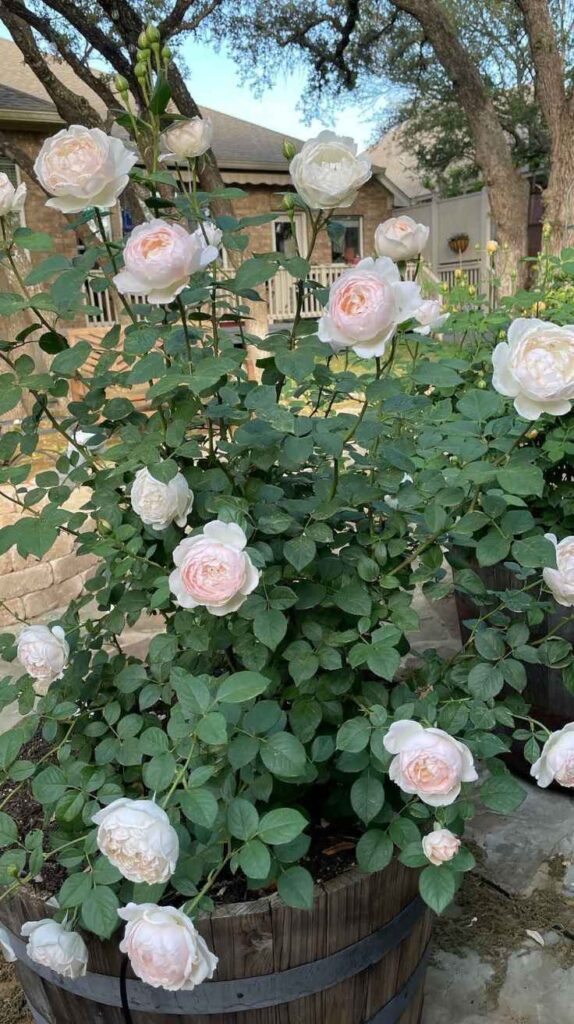
Roses are among the most rewarding plants to prune because regular trimming directly improves flowering and overall plant health. Without routine maintenance, bushes often become crowded with weak stems, resulting in fewer flowers and increased susceptibility to fungal diseases like black spot and powdery mildew.
Late winter or early spring is usually the best time to prune before fresh growth begins. Remove dead, damaged, and crossing branches first. Then trim healthy canes to create an open center that allows sunlight and airflow to reach every part of the plant. This simple practice reduces moisture buildup and encourages vigorous new shoots.
Deadheading spent blooms throughout the growing season also promotes continuous flowering. Sharp, clean pruning shears make smooth cuts that heal quickly and reduce stress on the plant.
Healthy roses reward proper pruning with larger blooms, stronger stems, richer foliage, and a longer flowering season that transforms any garden into a colorful centerpiece.
Hydrangeas
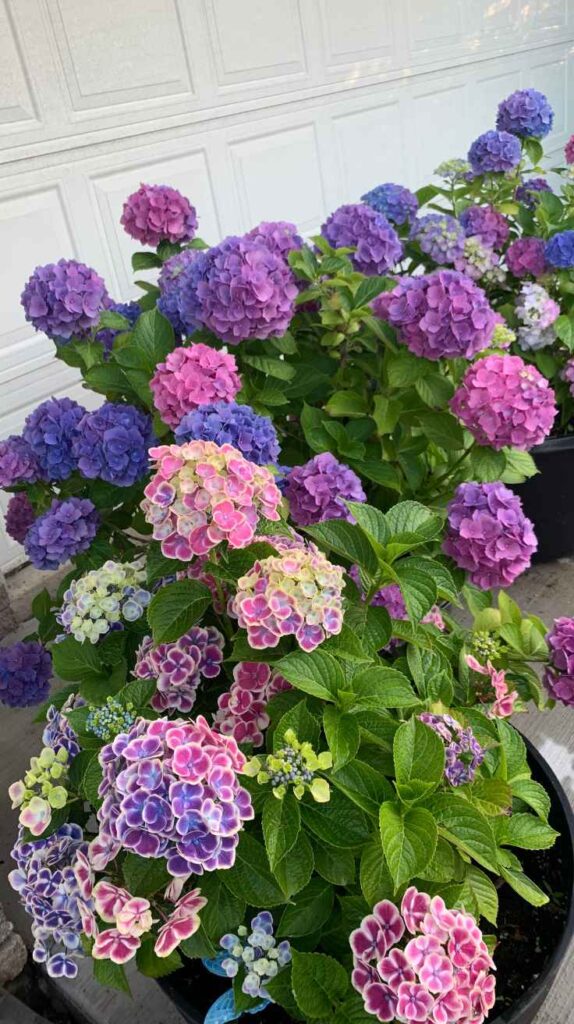
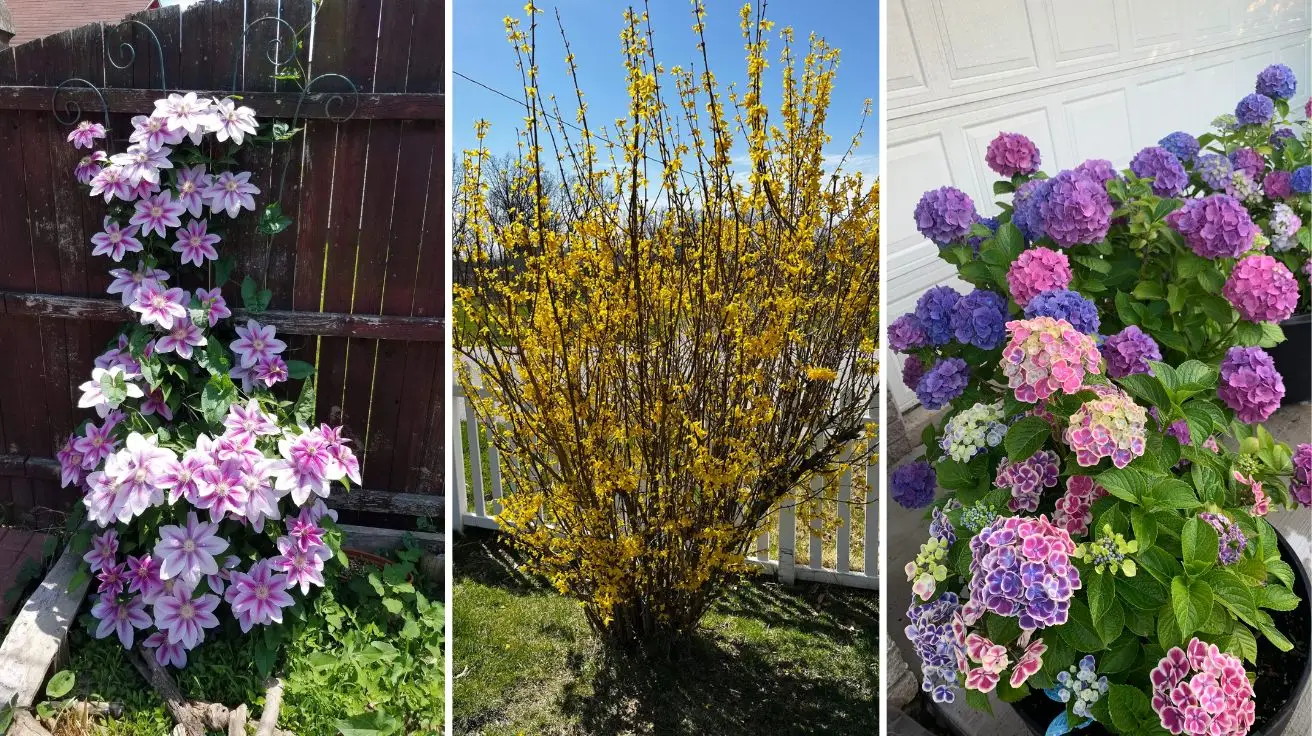
Hydrangeas produce breathtaking flower clusters, but proper pruning depends on the variety growing in the landscape. Understanding whether a hydrangea blooms on old wood or new wood prevents accidental removal of future flowers.
Old wood varieties should be pruned shortly after blooming because next year’s flower buds begin forming soon afterward. New wood varieties can safely be trimmed during late winter or early spring before fresh growth emerges.
Removing dead stems, faded blooms, and weak branches improves airflow throughout the shrub while encouraging healthy development. Light thinning also helps larger flower heads receive more sunlight, creating fuller blooms during summer.
Healthy soil, consistent watering, and careful pruning work together to maintain compact growth and prevent overcrowding. Every season becomes easier to manage as the shrub develops a balanced shape that supports abundant blossoms.
With proper care, hydrangeas remain attractive from spring through fall while adding elegance and color to borders, foundation plantings, and cottage gardens.
Lavender
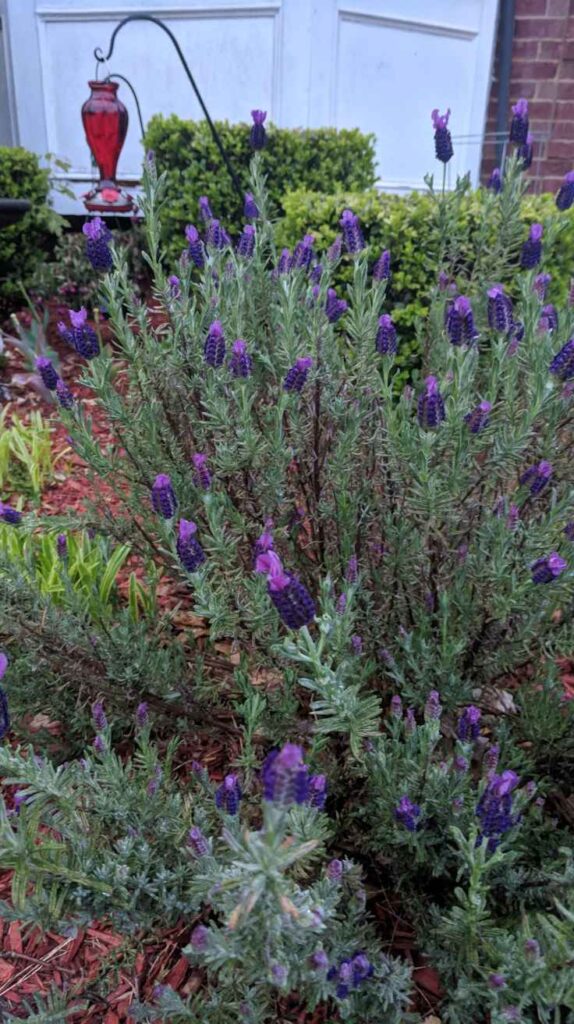
Lavender is famous for its soothing fragrance and beautiful purple flowers, but it can quickly become woody and sparse without regular pruning. Annual trimming keeps plants compact, productive, and visually appealing.
After flowering finishes, remove spent flower spikes and lightly shape the plant into a rounded mound. Avoid cutting into old woody stems because they often struggle to produce fresh growth.
Spring maintenance includes removing winter damage and trimming weak shoots before new growth begins. Consistent pruning encourages dense foliage, improves air circulation, and supports larger flower displays during the next blooming season.
Lavender also benefits from full sun, excellent drainage, and slightly dry soil conditions. Combining these growing conditions with routine pruning helps reduce fungal problems caused by excessive moisture.
A well-maintained lavender plant delivers fragrant flowers, attracts bees and butterflies, and fills gardens with vibrant color year after year.
Boxwood
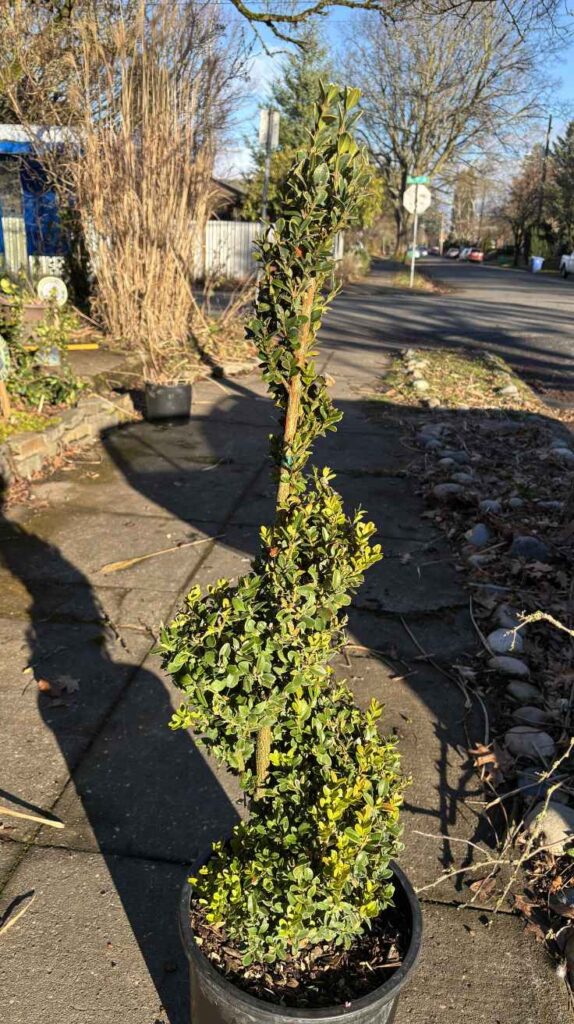
Boxwood is one of the most popular evergreen shrubs because it responds exceptionally well to shaping and regular maintenance. Whether used as a formal hedge, border, or decorative topiary, consistent pruning keeps the plant dense and attractive.
Early spring is an excellent time to remove winter damage before active growth begins. Light trimming during the growing season maintains the desired shape while encouraging fuller branching.
Instead of removing large amounts of foliage at once, gradual trimming produces healthier plants with better recovery. Clean cuts also improve airflow through dense branches, reducing the risk of fungal diseases.
Healthy boxwoods develop thick green foliage that provides year-round structure in landscapes. Proper pruning prevents bare interiors while preserving the shrub’s naturally compact appearance.
Routine maintenance keeps these evergreens looking polished throughout every season, making them valuable additions to both traditional and modern gardens.
Butterfly Bush
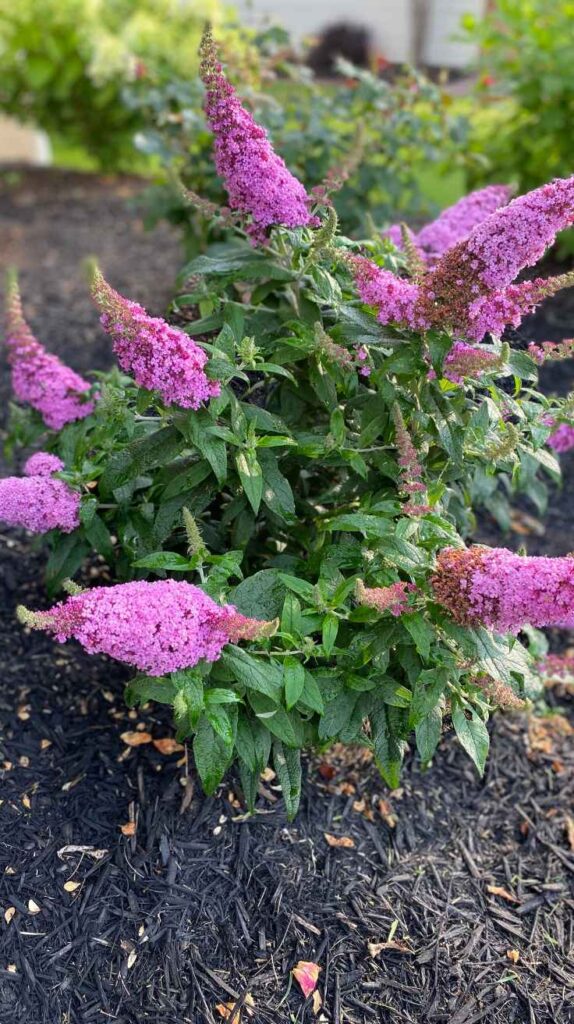
Butterfly bushes grow rapidly and reward gardeners with long-lasting flower spikes that attract butterflies, hummingbirds, and other beneficial pollinators. Annual pruning keeps these vigorous shrubs under control while improving flowering performance.
During late winter or early spring, cut stems back significantly before new growth begins. Many varieties bloom on new wood, meaning fresh stems produce the season’s flowers.
Removing old growth encourages stronger branches capable of supporting larger flower clusters. Deadheading faded blooms throughout summer often extends flowering well into fall.
Proper spacing, adequate sunlight, and moderate watering help the shrub recover quickly after pruning. Healthy growth also improves airflow, reducing disease pressure during humid weather.
With routine maintenance, butterfly bushes become colorful focal points that fill the garden with movement, fragrance, and continuous blooms throughout the growing season.
Clematis
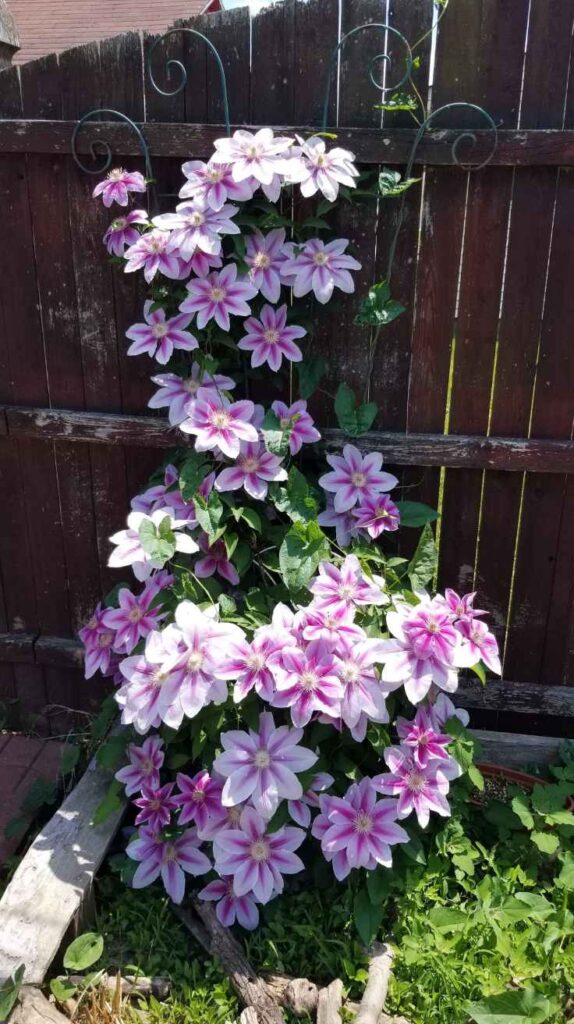
Clematis vines produce spectacular flowers that climb fences, trellises, pergolas, and arbors with incredible beauty. Successful pruning depends on identifying the pruning group because different varieties bloom at different times.
Early-flowering types require only light pruning after blooming. Midseason and late-flowering varieties usually benefit from heavier pruning before spring growth begins.
Removing weak stems, tangled vines, and damaged branches directs energy toward healthy growth and larger blooms. Regular maintenance also prevents overcrowding that limits sunlight penetration.
Supporting vines with sturdy structures helps new shoots grow evenly after pruning. Good air circulation around foliage reduces fungal diseases while improving overall plant vigor.
With thoughtful care, clematis rewards every gardener with breathtaking floral displays that create stunning vertical interest across the landscape.
Lilac
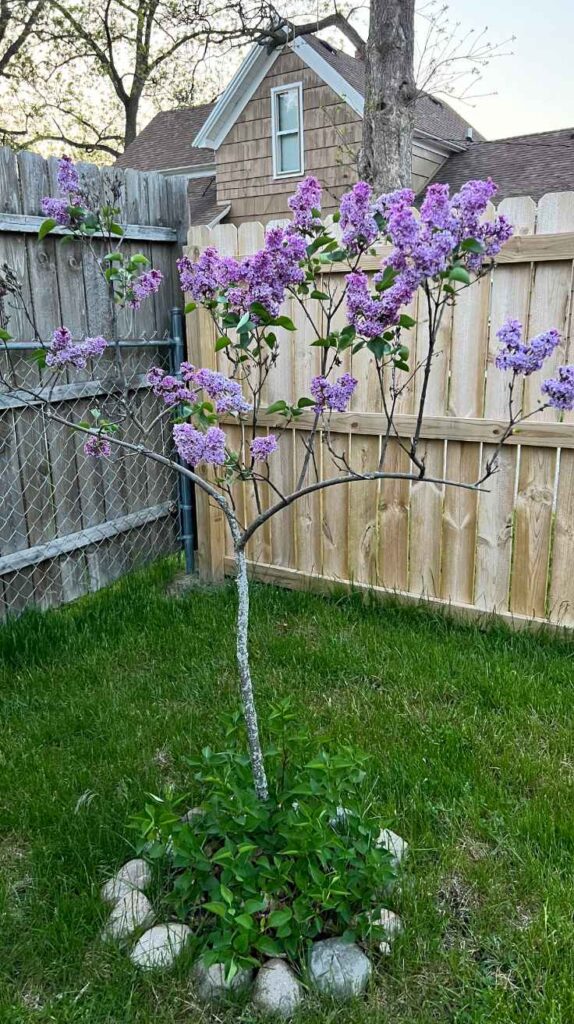
Lilacs are treasured for their sweet fragrance and beautiful spring flowers, but they need thoughtful pruning to stay healthy and productive. Over time, older shrubs can become crowded with thick stems that block sunlight and reduce blooming. A little maintenance each year helps restore their natural beauty.
The best time to prune lilacs is immediately after the flowers fade. Waiting too long may remove next year’s flower buds because they develop soon after the blooming season ends. Begin by cutting away dead, damaged, or diseased branches. Remove a few of the oldest stems near the base to encourage vigorous new shoots that will produce more flowers in the coming years.
A well-pruned lilac enjoys better airflow, stronger branches, and healthier foliage. These improvements reduce the risk of fungal diseases while giving every branch access to sunlight. Regular care also keeps the shrub at a manageable size without sacrificing its beautiful appearance.
When spring arrives again, the reward becomes clear. Fresh green growth, abundant fragrant blossoms, and a fuller shape make lilacs one of the most satisfying shrubs to maintain.
Forsythia
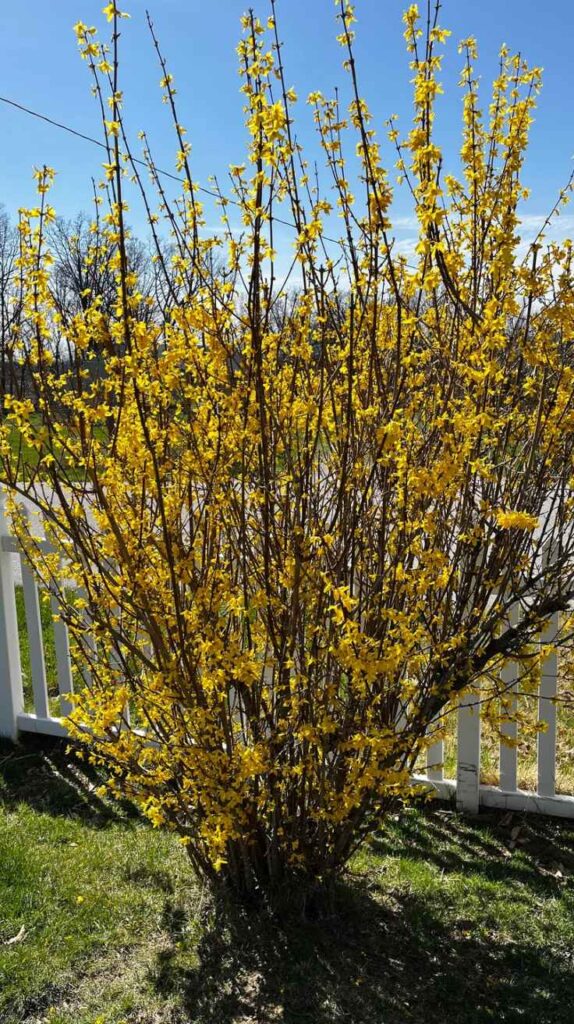
Forsythia announces the arrival of spring with brilliant yellow flowers that brighten gardens before many other plants awaken. Without occasional pruning, however, these fast-growing shrubs can become tangled and produce fewer blooms.
Prune forsythia immediately after flowering finishes. This timing allows plenty of time for new branches to mature and develop flower buds for the following spring. Remove old woody stems, broken branches, and any growth that crosses through the center of the shrub.
Thinning older canes encourages younger stems to grow vigorously, keeping the shrub full of flowers instead of bare wood. Maintaining an open structure also improves air circulation and helps leaves dry more quickly after rain, reducing disease problems.
A healthy forsythia responds with graceful arching branches covered in cheerful blooms each spring. Regular trimming preserves its natural shape while preventing it from taking over nearby garden beds.
Salvia
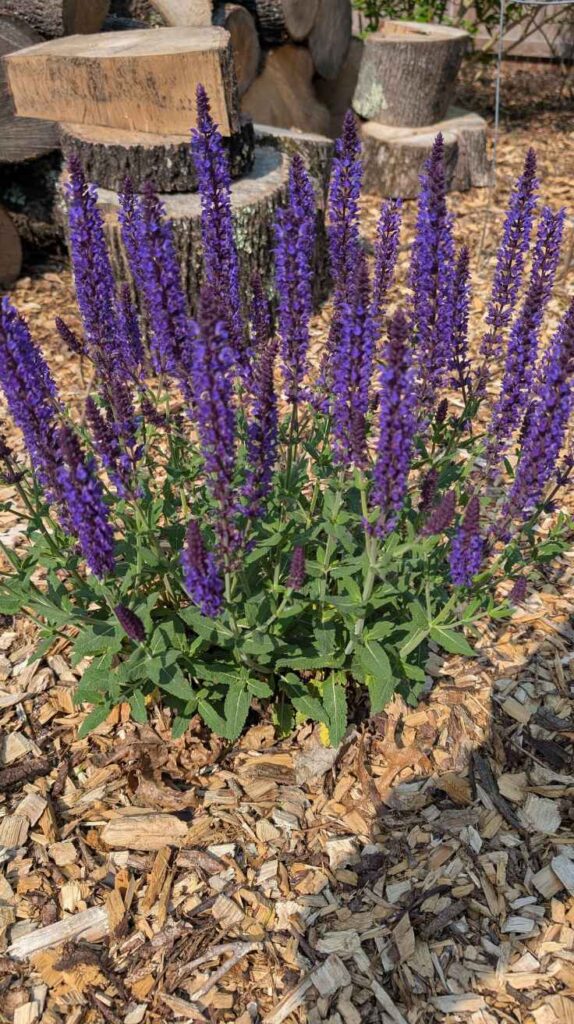
Salvia is a favorite among gardeners because it delivers vibrant flowers that attract bees, butterflies, and hummingbirds throughout the growing season. Regular pruning keeps the plant blooming longer while maintaining a neat appearance.
After the first wave of flowers fades, remove the spent flower spikes by cutting them just above a healthy set of leaves. This simple step encourages another flush of colorful blooms only weeks later. Continue deadheading during the season to keep fresh flowers appearing.
At the beginning of spring, remove any dead stems left from winter and trim the plant lightly to encourage bushier growth. Healthy airflow around the stems helps prevent mildew and other common garden diseases.
With routine care, salvia develops dense foliage, sturdy stems, and continuous flowers that add lasting color to borders, cottage gardens, and pollinator-friendly landscapes.
Mint
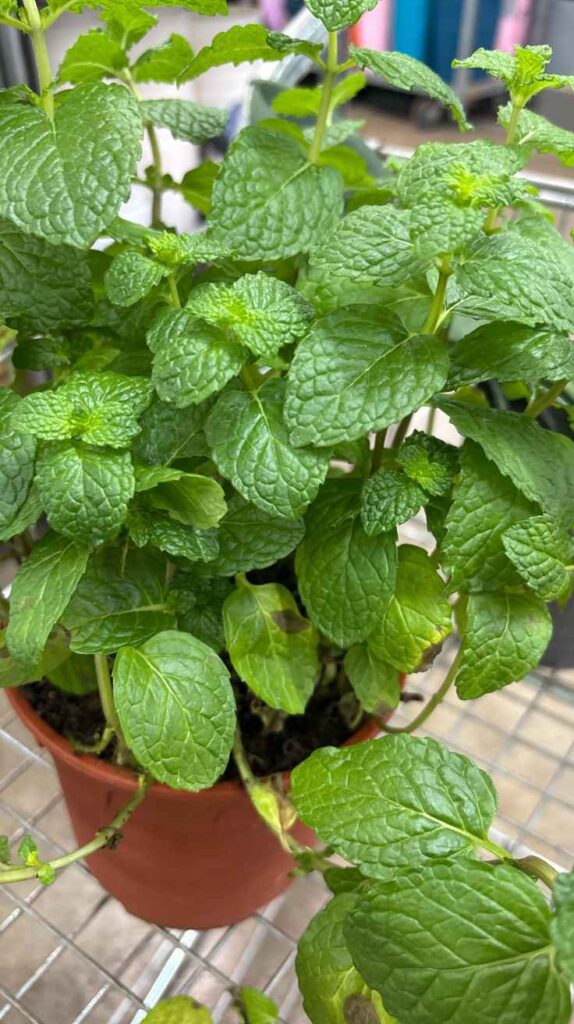
Mint grows with incredible energy, making it one of the easiest herbs to cultivate. That same enthusiasm can quickly become a challenge because it spreads aggressively if left alone. Regular pruning helps control its size while improving leaf production.
Harvest stems frequently throughout the growing season by cutting just above a pair of healthy leaves. Each cut encourages the plant to branch, creating thicker growth and producing even more flavorful leaves. Remove flower buds if the goal is maximum leaf production, since flowering shifts the plant’s energy away from foliage.
Good air circulation reduces moisture buildup and keeps leaves healthy. Frequent trimming also prevents long, leggy stems that can make the plant look untidy.
Whether growing in containers or garden beds, properly maintained mint provides a steady supply of fresh leaves for tea, cooking, desserts, and refreshing beverages all season long.
Tomato Plants
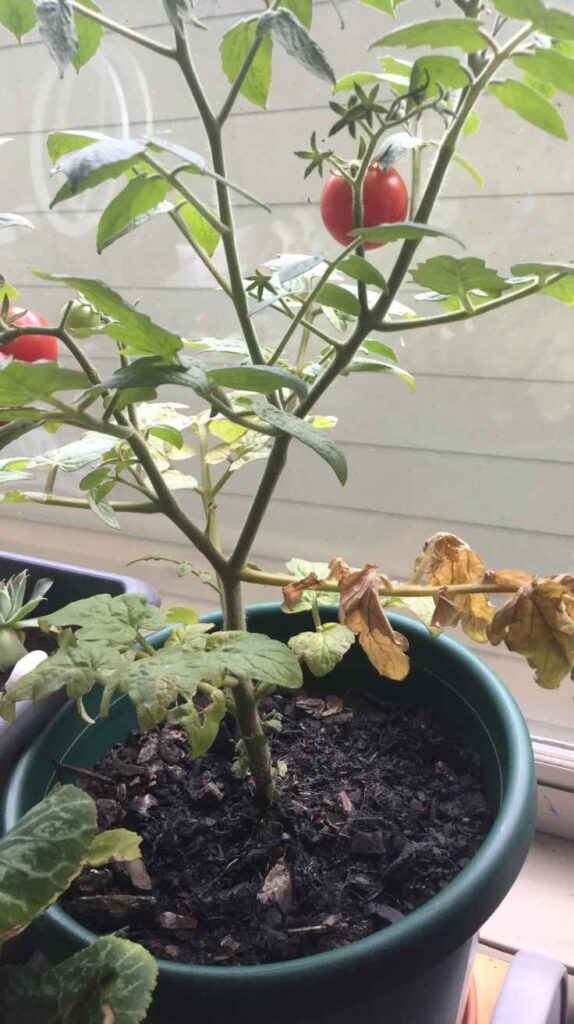
Tomato plants may not always come to mind when discussing pruning, but careful trimming can significantly improve fruit quality and plant health. Indeterminate tomato varieties especially benefit from regular maintenance because they continue growing throughout the season.
Remove small side shoots, commonly called suckers, that develop between the main stem and branches. This directs more energy toward producing larger, healthier tomatoes instead of excessive foliage. Eliminate yellow or damaged leaves near the bottom of the plant to improve airflow and reduce the risk of soil-borne diseases.
As the season progresses, continue removing overcrowded growth to allow sunlight to reach developing fruit. Supporting the plant with stakes or cages keeps stems upright and makes pruning much easier.
Healthy tomato plants reward consistent care with cleaner foliage, stronger stems, improved air circulation, and an impressive harvest of flavorful tomatoes that ripen evenly.
Wisteria
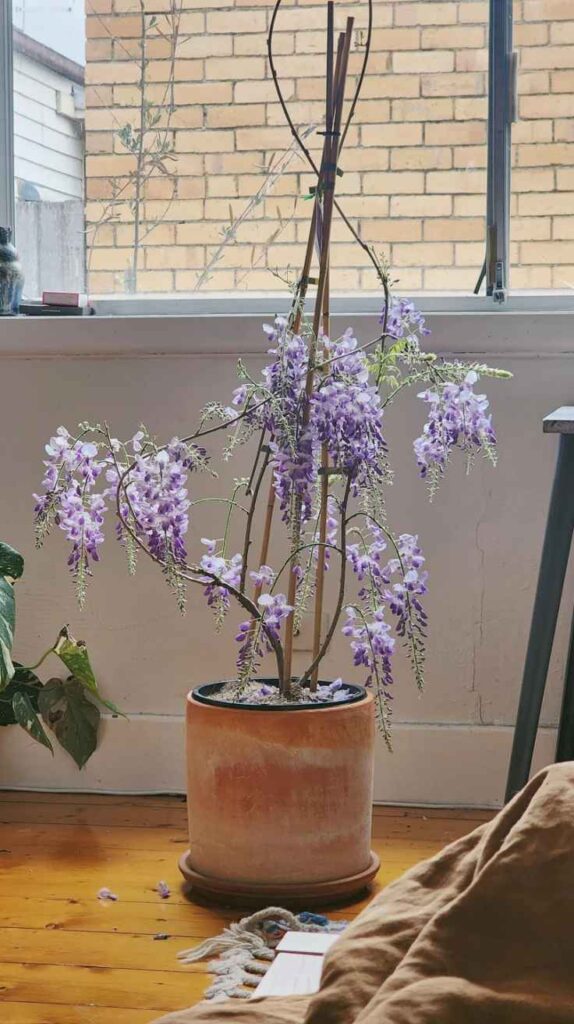
Wisteria is famous for its breathtaking cascading flower clusters, but its vigorous growth requires regular pruning to keep the vine under control. Left unattended, it can quickly cover structures, trees, and nearby plants.
Most gardeners prune wisteria twice each year. During summer, shorten long, wandering shoots to direct energy toward flower bud development. In late winter, trim those shoots again, leaving only a few healthy buds on each stem. This encourages stronger flowering while maintaining an organized framework.
Remove weak, damaged, or tangled branches whenever they appear. Good airflow through the vine helps reduce disease while allowing sunlight to reach more flowering stems.
Consistent maintenance transforms wisteria into a spectacular focal point rather than an unruly tangle. Every spring brings graceful clusters of fragrant blooms that drape beautifully over pergolas, fences, and garden arches, creating a truly unforgettable display.