Air Purifying House Plants That Make Every Room Feel Fresh and Alive
The air inside a home can feel stale long before anyone notices it. Dust settles quietly. Cooking odors linger for hours. Pet dander floats through the living room. Even furniture, paint, and cleaning products can release toxins into the air over time. That is exactly why so many homeowners are turning to air purifying house plants for a cleaner, calmer, and healthier indoor space.
These beautiful indoor plants do much more than decorate a shelf or brighten a corner. Many popular houseplants help remove airborne pollutants, increase oxygen levels, reduce stress, and create a soothing environment that feels warm and welcoming. A simple touch of greenery can completely change the energy of a room.
Some plants thrive in low light. Others love sunny windows. A few are nearly impossible to kill, making them perfect for beginners. And surprisingly, several of these natural air cleaners can survive with very little attention while still making a powerful impact on indoor air quality.
The most exciting part? Certain plants on this list may completely transform the feeling of a bedroom, office, or living room faster than expected. A few hidden favorites often surprise first-time plant owners because of how easy they are to maintain.
Snake Plant

The snake plant stands out as one of the toughest and most reliable indoor plants for improving indoor air quality. With tall, sword-like leaves and dramatic green patterns, this plant adds a bold architectural style to any room while quietly helping cleanse the air.
One reason people love this hardy houseplant is its ability to survive neglect. It handles low light, inconsistent watering, dry indoor air, and even temperature changes better than most indoor greenery. That makes it ideal for beginners who feel nervous about keeping plants alive.
This natural air cleaner helps remove common household toxins such as formaldehyde, benzene, and xylene. These pollutants often come from furniture, carpets, paint, and household cleaning products. Unlike many plants, the snake plant also releases oxygen at night, making it a popular choice for bedrooms and sleeping spaces.
A modern living room instantly feels more elegant with a snake plant placed beside a couch or near a window. Smaller versions look beautiful on desks, shelves, and bedside tables. Its upright shape fits perfectly in apartments and small homes where space matters.
Overwatering is the biggest danger for this plant. The soil should dry out completely before watering again. Bright indirect light works best, but the plant still survives in darker corners surprisingly well.
There is also something calming about its structured appearance. The clean vertical lines create a fresh, organized feeling that makes a room appear more peaceful. For anyone searching for low maintenance air purifying house plants, this classic favorite deserves attention.
Spider Plant

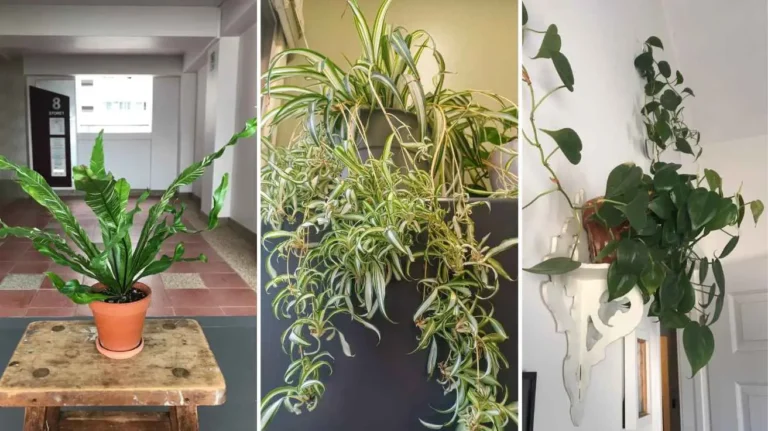
The spider plant brings cheerful energy into a home with its cascading green-and-white striped leaves and playful baby shoots. It feels lively, vibrant, and full of movement, especially when placed in hanging baskets or elevated planters.
This popular indoor plant has earned a strong reputation for helping remove indoor toxins such as carbon monoxide, formaldehyde, and airborne chemicals. Homes with limited ventilation often benefit from adding several spider plants throughout different rooms.
One reason beginners adore this plant is its forgiving personality. Missing a watering session rarely causes major problems. The plant recovers quickly and continues growing with enthusiasm. That resilience makes it one of the best air cleaning plants for busy households.
Spider plants thrive in bright indirect sunlight, though they can tolerate lower light conditions as well. Their adaptability allows them to fit almost anywhere, from kitchens and bathrooms to home offices and hallways.
The arching leaves create softness in interior spaces filled with hard surfaces like metal, glass, or concrete. A hanging spider plant near a sunny window instantly adds warmth and texture. The tiny plantlets dangling from mature stems create a charming waterfall effect that many plant lovers find irresistible.
Pet owners often appreciate that spider plants are considered safer than many common houseplants. While mild stomach upset can happen if pets chew excessively, the plant is generally viewed as less dangerous compared to more toxic varieties. A thriving spider plant also signals healthy indoor conditions. Once the baby offshoots appear, the plant begins creating a fuller and more dramatic display that keeps improving over time. Few houseplants offer this combination of beauty, simplicity, and air purification power.
Peace Lily
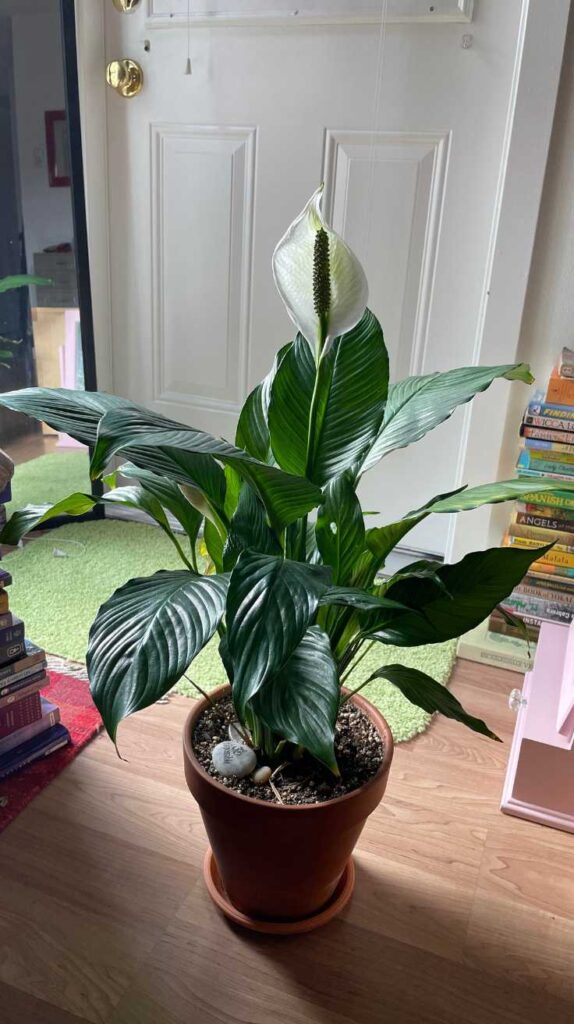
The peace lily brings elegance and tranquility into indoor spaces with glossy dark leaves and graceful white blooms. Its soft appearance creates a peaceful atmosphere that instantly makes a room feel calmer and more refined.
This flowering indoor plant is widely known for helping filter pollutants from indoor air. It targets toxins such as benzene, ammonia, formaldehyde, and trichloroethylene, all of which may exist in common household products and materials.
Peace lilies thrive in medium to low light, making them excellent choices for bedrooms, offices, and apartments with limited sunlight. Their adaptability allows them to flourish in spaces where other plants struggle.
One fascinating quality of this plant is its dramatic response to thirst. The leaves droop visibly when water is needed, almost like a gentle reminder. After watering, the plant quickly revives itself, often within hours. Many first-time plant owners find this behavior surprisingly satisfying.
The white flowers add sophistication without demanding excessive maintenance. Unlike many blooming plants, peace lilies can flower indoors repeatedly when conditions remain stable. Their blossoms create a luxurious feeling that pairs beautifully with modern, minimalist, or cozy home decor.
Humidity helps this plant thrive. Bathrooms with filtered light often become perfect homes for peace lilies because of the naturally moist environment. Regular misting also keeps the leaves healthy and vibrant.
Although beautiful, peace lilies should stay away from curious pets and small children because they can cause irritation if eaten. Placement on higher shelves or plant stands usually solves this issue. Among all air purifying house plants, the peace lily often feels the most graceful. Its quiet beauty and natural cleansing ability create a home environment that feels refreshing and emotionally comforting.
Aloe Vera

Aloe vera offers more than attractive greenery. This succulent plant combines beauty, practicality, and air-cleaning benefits in one compact package. Its thick pointed leaves contain soothing gel that people have used for generations to calm burns and skin irritation.
Inside the home, aloe vera helps remove formaldehyde and benzene from the air. These toxins often come from cleaning products, paints, and synthetic materials. The plant works quietly in the background while adding a clean and modern look to kitchens, offices, and sunny living spaces.
Aloe vera thrives in bright sunlight and prefers dry conditions. Forgetful plant owners often succeed with aloe because it requires very little watering. Too much moisture can actually harm the roots, so allowing the soil to dry completely is essential.
The sculptural appearance of aloe vera fits beautifully into minimalist home decor. Its sharp, geometric shape creates contrast against soft furniture and textured fabrics. Small terracotta pots especially complement its desert-inspired style.
This succulent also makes a wonderful windowsill companion. Morning sunlight helps the leaves remain healthy and vibrant. During warmer months, the plant may even produce tall flower spikes with delicate blooms.
Aloe vera feels especially rewarding because it serves multiple purposes. A quick leaf trim can provide fresh gel for minor skin discomfort, while the plant continues improving indoor air quality at the same time.
There is something refreshing about keeping a plant that feels both decorative and useful. It transforms an ordinary corner into a space that feels healthier and more alive. For homeowners seeking easy indoor plants with natural wellness benefits, aloe vera remains one of the strongest choices available.
Boston Fern

The Boston fern creates instant softness and fullness wherever it grows. Its feathery green fronds spill outward in every direction, giving rooms a lush and refreshing appearance that feels connected to nature.
This classic fern ranks among the best plants for removing airborne pollutants and increasing humidity indoors. Dry indoor air can irritate skin, sinuses, and breathing, especially during colder months when heating systems run constantly. Boston ferns naturally add moisture back into the environment, helping rooms feel fresher and more comfortable.
Bright indirect light works best for this plant. Direct sunlight can scorch the delicate leaves, while extremely dark areas slow growth dramatically. Bathrooms, shaded sunrooms, and cozy reading corners often provide excellent conditions.
Unlike succulents, Boston ferns enjoy moisture. The soil should stay lightly damp, and occasional misting helps prevent crispy leaf edges. This extra care rewards plant owners with rich, dramatic foliage that transforms indoor spaces beautifully.
Hanging baskets allow the graceful fronds to cascade naturally, creating a dreamy indoor jungle atmosphere. Large ferns on plant stands can also become stunning focal points in living rooms and entryways.
The texture of a Boston fern changes the emotional feeling of a room. Spaces with hard flooring and plain walls suddenly feel softer, warmer, and more inviting once these vibrant green leaves enter the picture. Many homeowners searching for air purifying house plants want something visually dramatic without requiring advanced gardening skills. Boston ferns deliver exactly that balance. With a little humidity and regular watering, they reward homes with unmatched freshness and beauty.
Rubber Plant

The rubber plant brings bold style and rich greenery into indoor spaces. Its thick glossy leaves create a luxurious appearance that immediately grabs attention without feeling overwhelming.
This tropical houseplant helps remove harmful toxins from indoor air while adding depth and elegance to modern interiors. Large leaves absorb airborne particles efficiently, making the plant both beautiful and functional. Rubber plants prefer bright indirect sunlight, though they tolerate moderate light fairly well. Their adaptability makes them suitable for apartments, offices, bedrooms, and spacious living rooms alike.
One of the most appealing qualities of this plant is its dramatic growth potential. A small tabletop plant can eventually grow into a tall indoor tree that becomes a striking centerpiece. Watching new leaves unfurl feels surprisingly exciting because each glossy leaf appears larger and more impressive than the last. The deep green foliage pairs beautifully with neutral decor, wooden furniture, and natural textures. Some varieties even display burgundy or dark red tones that create extra visual richness.
Watering should remain moderate. The soil should dry slightly between watering sessions to prevent root problems. Wiping dust from the leaves occasionally also helps the plant absorb more light and maintain its polished appearance.
Rubber plants create a sense of maturity and calm within a home. Their strong structure and lush foliage make indoor spaces feel grounded and balanced. For homeowners wanting statement greenery that also improves indoor air quality, this plant easily becomes a favorite conversation piece.
English Ivy

English ivy adds timeless charm to indoor spaces with trailing vines and elegant leaves that soften shelves, windows, and hanging baskets. The flowing greenery creates movement and texture that instantly makes a room feel more welcoming.
This climbing plant has earned attention for its ability to help reduce airborne mold particles and filter indoor toxins. People with allergies often appreciate the fresher atmosphere created by healthy ivy plants growing indoors. Bright indirect light supports the healthiest growth, though English ivy can tolerate moderate shade as well. Cooler indoor temperatures usually help the plant thrive better than overly warm conditions.
One of the most attractive features of ivy is its versatility. It can trail downward from hanging baskets, climb decorative trellises, or spread elegantly across shelves. This flexibility allows creative decorating possibilities in nearly every room of the home.
Regular watering keeps the soil lightly moist, but soggy conditions should always be avoided. Occasional pruning encourages fuller growth and prevents the vines from becoming overly leggy. English ivy introduces a classic European-inspired aesthetic that feels romantic and relaxing. Its cascading vines soften sharp edges and bring gentle energy into otherwise plain spaces.
Many plant lovers enjoy combining ivy with other indoor greenery to create layered plant displays filled with texture and depth. Even a single trailing pot near a sunny window can dramatically transform the mood of a room. As air purifying house plants continue growing in popularity, English ivy remains a beloved choice because it combines beauty, flexibility, and natural freshness in such an effortless way.
Bamboo Palm

The bamboo palm delivers tropical beauty while helping create cleaner indoor air. Its slender stems and graceful fronds bring relaxed vacation-style energy into homes, making rooms feel brighter and more peaceful.
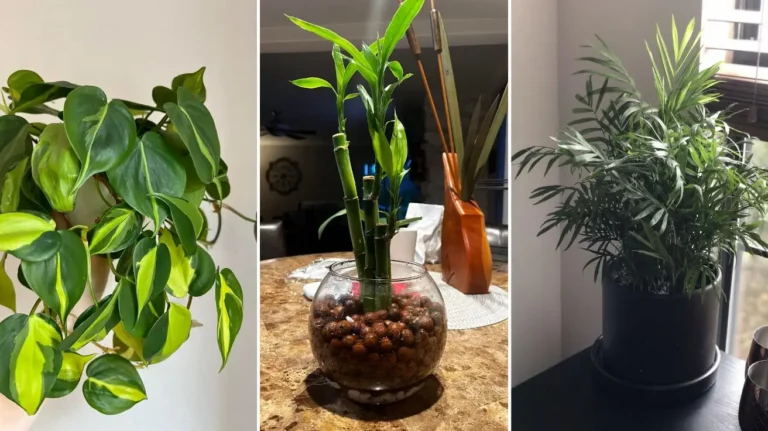
This lush indoor palm works especially well for removing airborne toxins like formaldehyde and benzene. It also adds moisture to dry indoor environments, which helps improve comfort during colder seasons. Bamboo palms thrive in bright filtered light but tolerate moderate shade surprisingly well. Their adaptable nature makes them suitable for offices, bedrooms, apartments, and large living spaces.
Unlike some tropical plants that demand constant attention, bamboo palms remain relatively low maintenance once established. Consistent watering and occasional feeding support healthy growth without creating overwhelming care routines. The layered green foliage creates privacy and softness within open floor plans. A mature bamboo palm placed near furniture or room dividers can make indoor spaces feel more intimate and cozy.
This plant pairs beautifully with natural decor elements such as woven baskets, wooden accents, linen fabrics, and earthy tones. The tropical look instantly adds life and movement to indoor environments that feel dull or lifeless.
Because bamboo palms grow upright without becoming overly bulky, they fit nicely into corners where other large plants may feel overwhelming. Their elegant appearance works especially well in calming spaces designed for relaxation and rest. For homeowners searching for larger air cleaning plants that create visual impact without excessive maintenance, bamboo palms offer a beautiful balance between practicality and style.
Chinese Evergreen

The Chinese evergreen stands out as one of the easiest indoor plants for beginners. Its colorful foliage, low maintenance needs, and impressive adaptability make it a favorite for homes and offices alike.
This plant helps filter indoor pollutants while thriving in conditions that challenge many other houseplants. Low light, dry air, and occasional neglect rarely stop the Chinese evergreen from looking healthy and vibrant. Different varieties display stunning patterns of green, silver, cream, and even pink shades. These colorful leaves brighten dark corners and add personality to shelves, desks, and tabletops. Chinese evergreens prefer moderate watering and indirect sunlight. Allowing the top layer of soil to dry slightly between watering sessions helps prevent root issues.
One reason this plant feels so rewarding is its consistency. While some houseplants react dramatically to minor changes, Chinese evergreens remain dependable and resilient. That reliability makes them perfect for beginners nervous about plant care.
The lush foliage creates a calming atmosphere that helps indoor spaces feel softer and more comfortable. Even small apartments gain warmth and freshness from a single healthy plant. As indoor gardening continues growing in popularity, many people discover that easy-care greenery often brings the greatest satisfaction. Chinese evergreens prove that beautiful air purifying house plants do not need to be difficult or demanding to make a powerful difference.
Areca Palm

The areca palm turns ordinary rooms into tropical retreats with its soft feathery fronds and graceful shape. This stunning indoor palm instantly creates a relaxed atmosphere that feels airy, bright, and refreshing. Known for helping remove toxins while increasing humidity levels, the areca palm supports healthier indoor air conditions naturally. Dry homes especially benefit from plants that release moisture back into the environment.
Bright indirect light keeps this palm looking lush and vibrant. Large windows with filtered sunlight often provide ideal growing conditions. Rotating the plant occasionally encourages even growth on all sides.
Unlike stiff or rigid houseplants, the flowing fronds of the areca palm create movement that makes rooms feel more alive. Gentle airflow causes the leaves to sway softly, adding peaceful energy to indoor spaces.
Consistent watering keeps the soil healthy, though overly wet conditions should still be avoided. Yellowing leaves sometimes signal either overwatering or insufficient humidity. Large areca palms work beautifully beside sofas, reading chairs, or entryways where their dramatic size can shine fully. Smaller varieties also fit comfortably into bedrooms and home offices.
The tropical appearance of this plant pairs naturally with neutral interiors, coastal decor, and earthy textures. Its presence often makes a home feel brighter and more welcoming almost instantly. For anyone seeking elegant air purifying house plants with strong decorative appeal, the areca palm offers an ideal combination of freshness, beauty, and soothing tropical charm.
Pothos

Pothos remains one of the most beloved indoor plants because it grows quickly, survives easily, and looks stunning almost everywhere. Its trailing vines and heart-shaped leaves create effortless beauty that works in every room.
This adaptable plant helps remove indoor pollutants while thriving in low to bright indirect light. Busy homeowners often appreciate how forgiving pothos can be, even after missed waterings or changing indoor conditions.
Golden pothos varieties display beautiful splashes of yellow and green, while marble queen types offer elegant white variegation. The flowing vines create movement and texture that soften shelves, cabinets, and empty walls. Pothos plants grow beautifully in hanging baskets, trailing planters, and even water-filled glass containers. Their versatility allows endless decorating possibilities without complicated maintenance routines.
One exciting feature of pothos is how quickly it transforms a room. Small starter plants often develop long dramatic vines within months, creating lush greenery that feels vibrant and energetic. Moderate watering works best. Allowing the soil to dry slightly between watering sessions helps maintain healthy roots and prevents overwatering problems.
Many first-time plant owners gain confidence through pothos because it responds so positively to basic care. The fast growth creates a rewarding experience that encourages deeper interest in indoor gardening. Among beginner-friendly air purifying house plants, pothos continues leading the list because it combines beauty, resilience, and natural freshness with almost effortless success.
Dracaena

Dracaena plants bring striking texture and color into indoor spaces while helping improve indoor air quality naturally. Their long narrow leaves create a dramatic appearance that fits beautifully in modern and contemporary homes.
Several dracaena varieties help filter toxins such as benzene, formaldehyde, and trichloroethylene from indoor air. These pollutants commonly come from household materials, furniture, and synthetic products. Dracaenas thrive in medium indirect light and tolerate lower light conditions fairly well. Their adaptability makes them suitable for offices, apartments, bedrooms, and living rooms.
Different varieties offer unique leaf colors ranging from deep green to vibrant lime, red, cream, and striped combinations. This diversity allows homeowners to match plants with their personal decor style easily.
Watering should remain moderate because dracaenas dislike overly wet soil. Allowing the top portion of soil to dry slightly between watering sessions usually keeps the plant healthy and stable.
Tall dracaena varieties create beautiful vertical accents that help fill empty corners without overwhelming a room. Their structured shape pairs especially well with minimalist furniture and clean interior lines.
The bold foliage creates a sophisticated look while still maintaining a warm and approachable feeling. A healthy dracaena often becomes a quiet focal point that ties an entire room together visually. As more homeowners search for stylish indoor greenery that supports healthier living spaces, dracaenas continue standing out for their elegant appearance and dependable air-cleaning benefits.