Plants for Dark Spaces That Bring Life to Every Low-Light Corner
Have a room that feels too dark for greenery? Many people assume that every houseplant needs bright sunshine to survive, but that isn’t true. Some of the most beautiful indoor plants naturally grow beneath forest canopies where sunlight barely reaches the ground. That means those empty corners, shaded hallways, windowless offices, and dim bedrooms can still become lush, inviting spaces.
The best part? Many low-light houseplants are also incredibly forgiving. They don’t demand constant attention, daily watering, or complicated care routines. A few simple habits can keep them healthy for years.
This guide shares 12 plants for dark spaces that thrive where many other houseplants struggle. Along the way, discover simple care tips, common mistakes to avoid, and clever decorating ideas that help every indoor plant look its absolute best.
Why Low-Light Houseplants Are Perfect for Every Home
Not every home enjoys large south-facing windows filled with sunshine. Apartments, condos, older homes, and offices often contain areas with filtered light or very little natural illumination. Fortunately, plenty of tropical plants evolved in shaded rainforests, making them naturally suited to indoor environments.
Choosing the right greenery offers several benefits:
- Brightens dull interiors
- Adds natural texture and color
- Makes rooms feel warmer and more welcoming
- Requires less watering than sun-loving plants
- Fits apartments and small homes
- Improves the overall appearance of indoor living spaces
Although these plants tolerate shade, complete darkness isn’t suitable for any living plant. Even the toughest varieties appreciate occasional indirect light or artificial grow lights.
Understanding Low Light Before Choosing Houseplants
Many people misunderstand what “low light” actually means.
Low light doesn’t mean a completely dark room. Instead, it usually refers to spaces that receive indirect sunlight or areas located several feet away from windows.
Examples include:
- North-facing rooms
- Hallways
- Bathrooms with small windows
- Home offices
- Bedrooms
- Apartment entryways
- Corners of living rooms
- Shelves away from direct sunlight
Knowing this difference helps prevent one of the biggest reasons indoor plants fail.
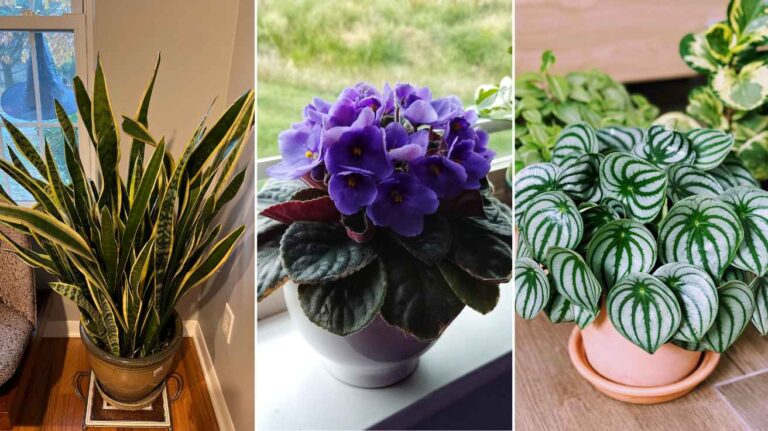
Snake Plant
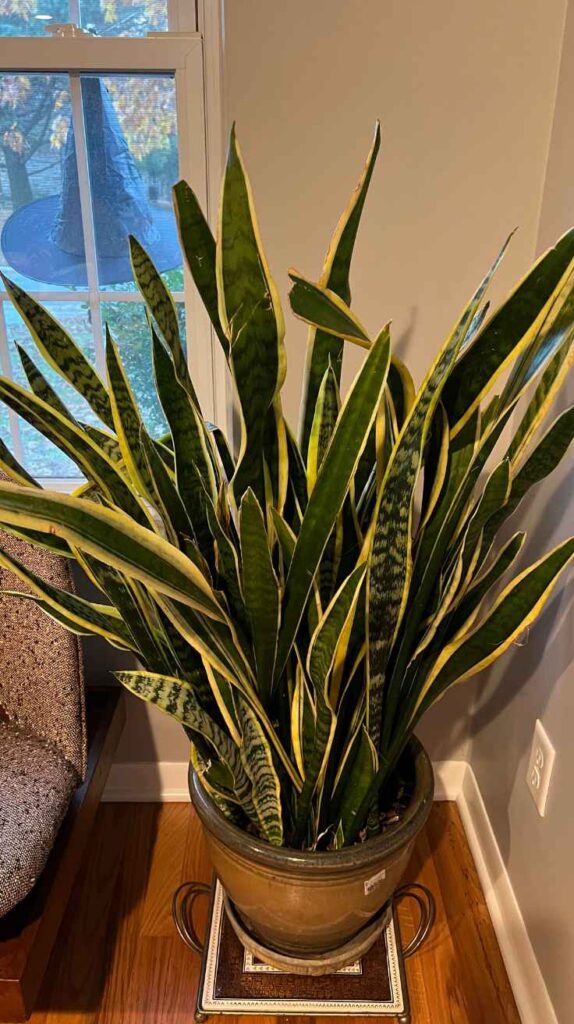
The Snake Plant remains one of the easiest houseplants for beginners. Its upright, sword-shaped leaves add a clean, modern appearance while handling conditions that challenge most indoor plants.
Native to dry regions of Africa, this hardy favorite stores water inside its thick leaves, making it extremely drought tolerant.
Why It Works Well
- Handles very low light
- Needs little watering
- Grows slowly indoors
- Excellent for beginners
- Tolerates occasional neglect
Care Tips
Allow the soil to dry before watering again. Overwatering causes far more problems than underwatering. Place it near indirect light whenever possible, although it can tolerate darker corners for extended periods.
ZZ Plant

Glossy leaves and nearly indestructible growth make the ZZ Plant one of the most reliable indoor companions.
Its thick underground rhizomes store moisture, allowing long periods between watering sessions. This resilience makes it perfect for busy households.
Why Homeowners Love It
- Thrives with minimal maintenance
- Beautiful waxy foliage
- Tolerates fluorescent office lighting
- Rarely suffers from pests
- Handles inconsistent watering
Growing Advice
Use well-draining potting soil and avoid keeping the roots wet. A simple watering every few weeks often proves sufficient.
Cast Iron Plant
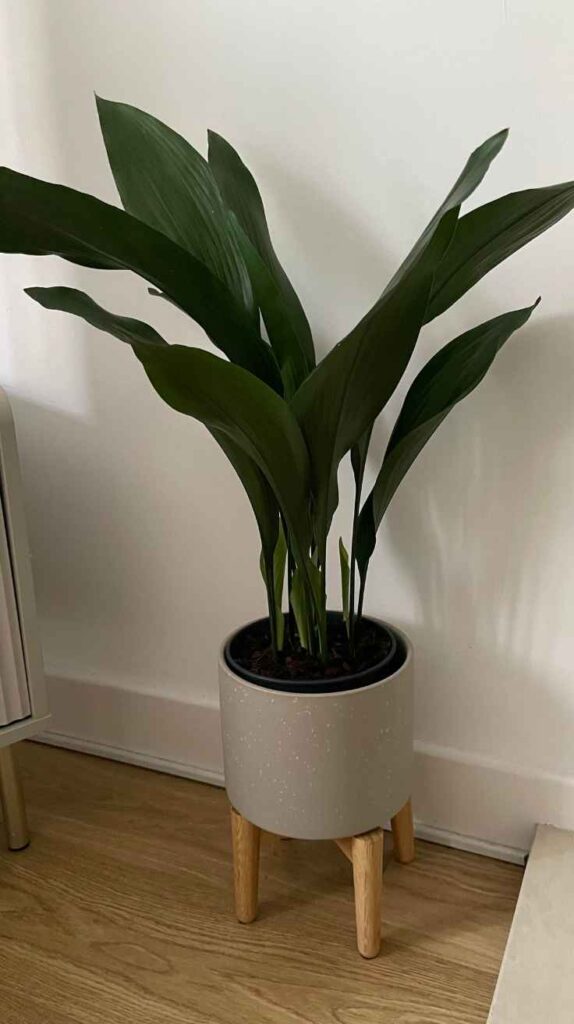
Its name says everything.
The Cast Iron Plant earned its reputation by surviving conditions that would kill many decorative houseplants. Low humidity, dusty rooms, and limited sunlight barely affect its rich green leaves.
Standout Features
- Extremely durable
- Slow-growing
- Elegant foliage
- Great for offices
- Long lifespan
Basic Maintenance
Dust the leaves occasionally to help photosynthesis. Water only after the soil becomes partially dry.
Chinese Evergreen
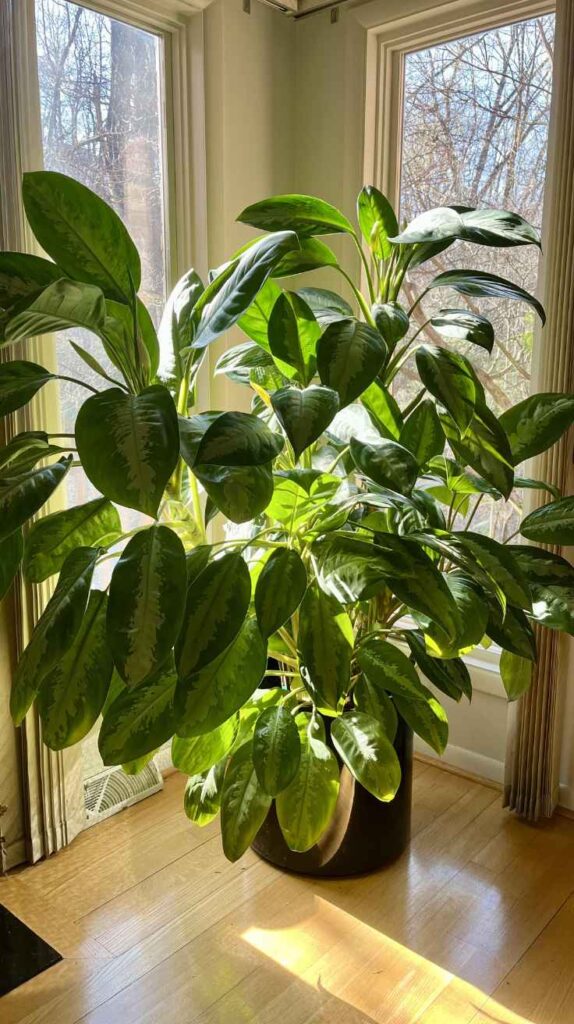
Colorful foliage meets easy care with the Chinese Evergreen.
Depending on the variety, leaves display shades of silver, cream, green, or pink, making it one of the most decorative foliage plants available.
Benefits
- Excellent shade tolerance
- Attractive leaf patterns
- Adapts well indoors
- Easy for beginners
- Adds vibrant color
Care Guide
Maintain lightly moist soil without making it soggy. Warm temperatures and moderate humidity encourage healthy growth.
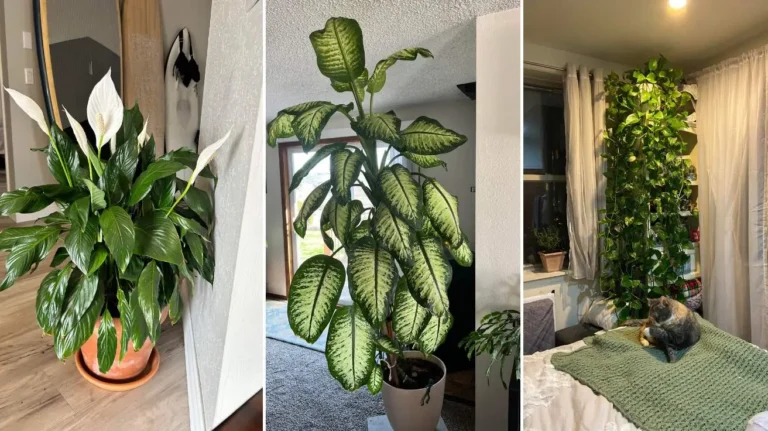
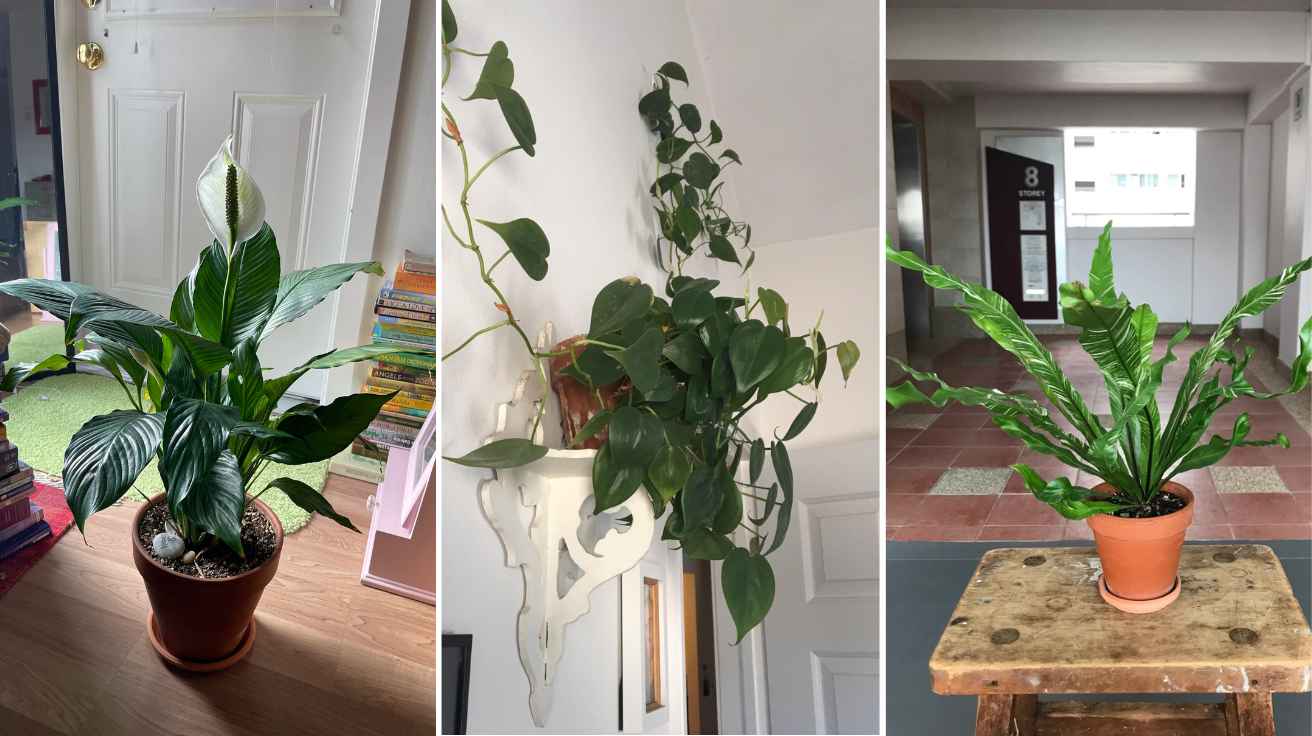
Peace Lily

Graceful white blooms make the Peace Lily one of the few flowering plants that performs well indoors.
Its lush foliage instantly softens darker rooms while occasional flowers provide elegant contrast.
Reasons to Love It
- Beautiful white flowers
- Tropical appearance
- Enjoys humid environments
- Ideal for bathrooms
- Signals thirst by drooping slightly
Care Advice
Keep soil lightly moist. Bright indirect light encourages more blooms, although foliage remains healthy under lower light.
Pothos

Pothos has become a favorite for homes across America thanks to its trailing vines and forgiving nature. Golden, Marble Queen, Jade, and Neon varieties all perform beautifully indoors.
Highlights
- Fast-growing vines
- Great for hanging baskets
- Easy propagation
- Low maintenance
- Adaptable to many conditions
Growing Tips
Trim vines occasionally to encourage fuller growth. Allow the soil to dry slightly between watering sessions.
Heartleaf Philodendron

Few trailing plants create a cozy indoor atmosphere like the Heartleaf Philodendron. Its cascading vines look beautiful on shelves, bookcases, or hanging planters.
Why It Stands Out
- Heart-shaped leaves
- Easy to propagate
- Soft trailing appearance
- Beginner friendly
- Thrives indoors
Care Suggestions
Provide indirect light whenever available. Rotate the container occasionally for balanced growth.
Parlor Palm

Victorian homes popularized the elegant Parlor Palm, and its popularity continues today. Unlike many palm species, this compact beauty tolerates lower light surprisingly well.
Advantages
- Tropical appearance
- Airy green fronds
- Pet-friendly
- Fits smaller rooms
- Slow-growing
Maintenance
Keep soil evenly moist without overwatering. Higher humidity helps maintain lush foliage.
Spider Plant

Spider Plants have decorated homes for generations because they’re dependable, attractive, and incredibly easy to multiply. Their arching leaves create movement and soften modern interiors.
Favorite Features
- Produces baby plantlets
- Pet-friendly
- Adaptable
- Fast-growing
- Great hanging plant
Care
Water when the top inch of soil feels dry. Bright indirect light promotes faster growth, but lower light remains acceptable.
Lucky Bamboo

Lucky Bamboo isn’t actually bamboo, yet its sculptural stems create an elegant, peaceful atmosphere indoors.
It performs surprisingly well in offices and shaded rooms.
Benefits
- Unique appearance
- Grows in water or soil
- Compact size
- Minimal care
- Decorative centerpiece
Growing Advice
Use filtered water whenever possible because chlorine may damage leaves over time.
Bird’s Nest Fern
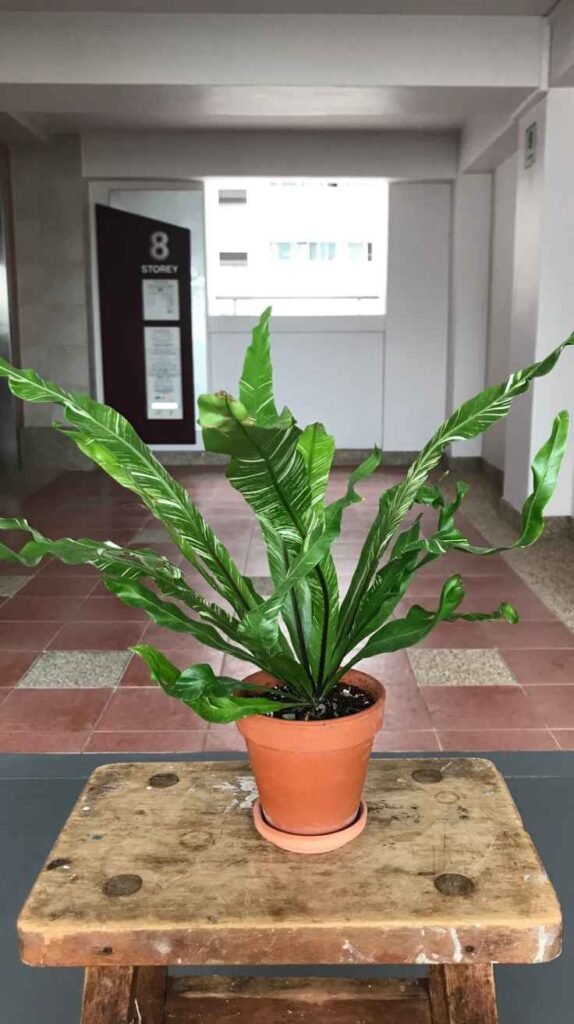
Unlike dramatic upright ferns, the Bird’s Nest Fern forms smooth, wavy leaves that emerge from a central rosette.
Its fresh green foliage brings a soft tropical feeling into darker interiors.
Why Choose It
- Attractive texture
- Loves humidity
- Great bathroom plant
- Compact growth
- Unique leaf shape
Care Tips
Maintain consistent moisture without flooding the soil. Avoid pouring water directly into the center crown.
Dracaena

Dracaena offers striking upright foliage while adapting well to indoor conditions. Many varieties feature colorful leaf edges that brighten dim spaces without requiring intense sunlight.
Benefits
- Architectural shape
- Easy maintenance
- Numerous varieties
- Long-lasting foliage
- Suitable for offices
Care Guide
Water moderately and allow excess moisture to drain away completely.
Simple Care Habits That Keep Indoor Plants Healthy
Growing healthy houseplants isn’t about complicated routines. Small, consistent habits usually make the biggest difference.
Water Carefully
Too much water remains the number one cause of dying houseplants.
Check soil moisture using a finger before watering. If the top layer still feels damp, wait another day or two.
Clean the Leaves
Dust blocks sunlight from reaching leaf surfaces.
Wipe foliage gently with a soft damp cloth every few weeks to keep plants looking vibrant.
Rotate Containers
Plants naturally lean toward available light.
Turning pots every week encourages balanced growth and prevents uneven stems.
Choose the Right Pot
Containers with drainage holes protect roots from standing water and reduce the chance of root rot.
Feed During Active Growth
A balanced houseplant fertilizer every month during spring and summer supports lush foliage without encouraging weak growth.
Common Mistakes That Hurt Indoor Plants
Even easy-care greenery can struggle when basic needs get overlooked.
Avoid these common problems:
Watering Too Often
More water doesn’t mean healthier plants.
Most low-light varieties actually need less moisture because they grow more slowly.
Placing Plants in Complete Darkness
Every plant still requires some light for photosynthesis.
Move containers closer to windows occasionally or supplement with LED grow lights.
Ignoring Humidity
Many tropical species appreciate higher humidity levels.
Bathrooms and kitchens naturally provide more moisture, making them excellent locations.
Using Heavy Garden Soil
Outdoor soil compacts easily inside containers.
Use quality indoor potting mix that drains well while holding enough moisture for healthy roots.
Decorating Ideas for Shaded Rooms
Adding greenery transforms more than just the plants themselves.
Creative placement makes every room feel intentional and inviting.
Try these decorating ideas:
- Style floating shelves with trailing vines.
- Place tall plants beside sofas.
- Decorate entryways with statement planters.
- Add greenery to bathroom counters.
- Display multiple sizes together for layered texture.
- Mix ceramic, woven, and concrete pots.
- Place compact plants on bookshelves.
- Create a reading nook surrounded by foliage.
Layering different leaf sizes creates visual depth that makes interiors feel professionally designed.