Indoor Plants Easy to Keep Alive: Low-Maintenance Greenery That Thrives with Minimal Care
There’s something special about walking into a room filled with fresh greenery. A single healthy plant can brighten a dull corner, clean the air, and create a calm atmosphere without requiring a complete home makeover. The best part? Keeping houseplants alive doesn’t have to feel difficult or overwhelming. Even beginners can enjoy beautiful indoor greenery by choosing varieties that naturally adapt to indoor conditions.
Many people believe they have a “black thumb” because previous plants didn’t survive. In reality, success often starts with choosing forgiving species that tolerate occasional missed watering, changing light conditions, and everyday household environments. The following selections prove that growing healthy plants indoors can be simple, enjoyable, and surprisingly rewarding.
Why Low-Maintenance Houseplants Are Perfect for Every Home
Not everyone has time to monitor soil moisture every day or maintain a detailed plant care routine. Busy schedules, travel, work, and family responsibilities often leave little room for complicated gardening tasks. Fortunately, many indoor plants evolved to survive difficult conditions, making them excellent companions inside homes.
Easy-care houseplants typically offer several benefits:
- Require less frequent watering
- Adapt well to indirect sunlight
- Grow successfully in average room temperatures
- Help improve indoor air quality
- Add natural beauty to living spaces
- Increase humidity around the home
- Reduce decorating costs by providing long-lasting greenery
Choosing resilient plants helps build confidence while creating a healthier indoor environment.
What Makes an Indoor Plant Easy to Care For?
Before exploring the list, it helps to understand what separates beginner-friendly plants from demanding ones.
The easiest houseplants usually share several characteristics:
- Tolerate inconsistent watering
- Grow well in low light or medium light
- Resist common pests
- Adapt to different humidity levels
- Recover quickly after minor mistakes
- Need little fertilizer
- Grow slowly enough to avoid constant pruning
These qualities make plant ownership far less stressful while delivering impressive decorative value.
Snake Plant

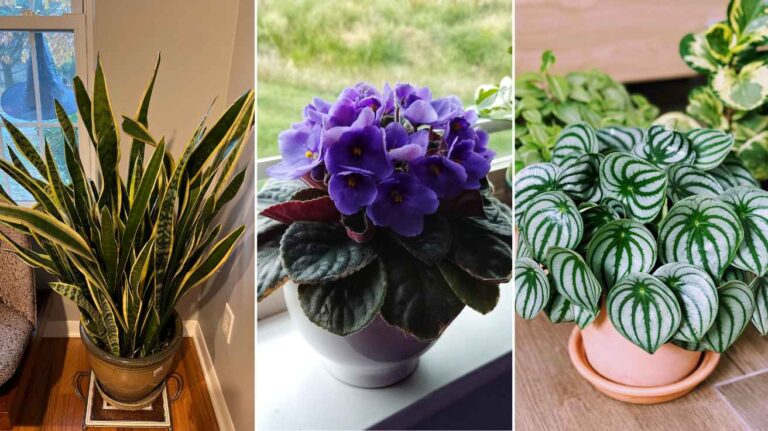
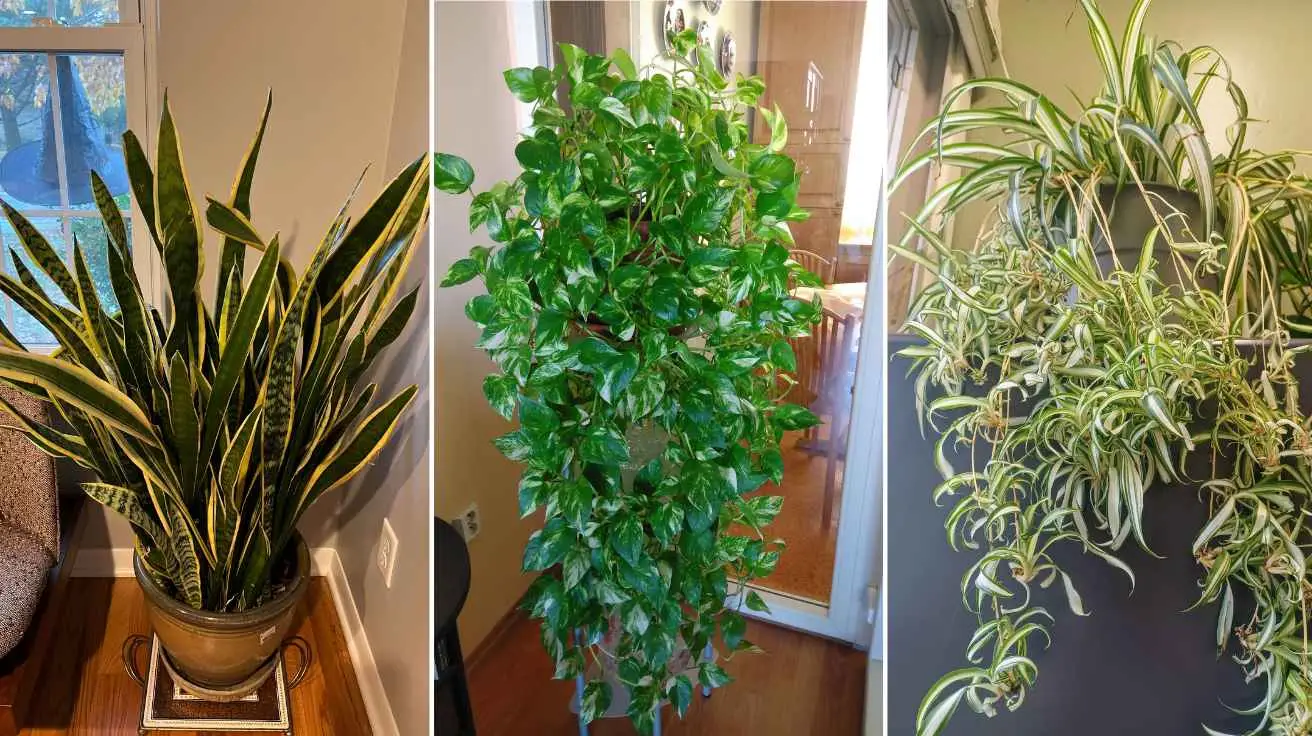
The Snake Plant remains one of the toughest houseplants available, making it a favorite for beginners and experienced gardeners alike.
Its upright sword-shaped leaves create a modern appearance that complements almost every decorating style. Since it stores water inside its thick leaves, it easily handles occasional neglect without losing its attractive appearance.
Bright indirect light encourages faster growth, but this hardy plant also survives surprisingly well in lower light conditions. Watering becomes necessary only after the soil dries completely.
Another impressive advantage involves air purification. Snake Plants help remove common indoor pollutants while producing oxygen, making bedrooms, offices, and living rooms feel fresher.
ZZ Plant
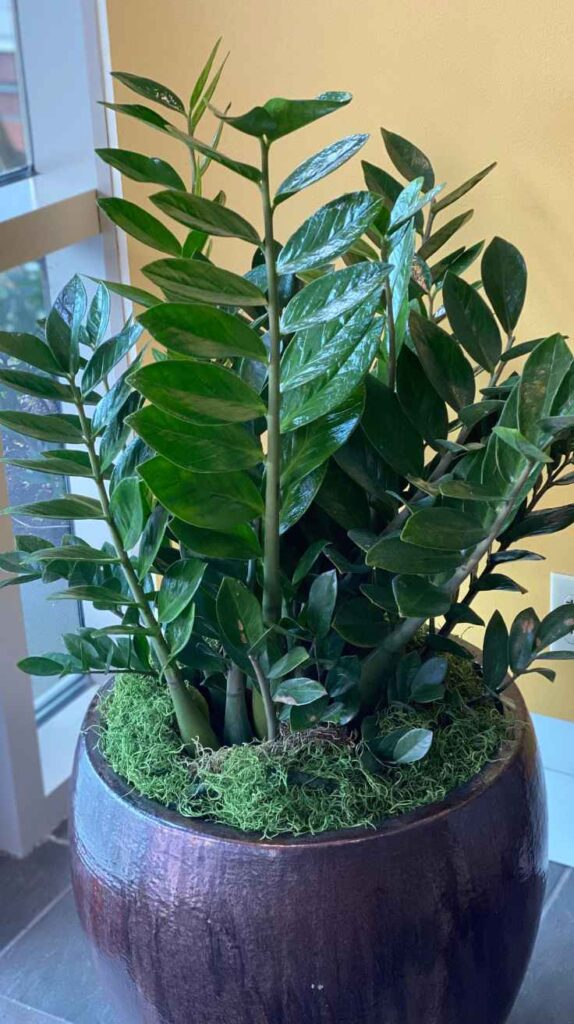
The ZZ Plant has earned a reputation as one of the most forgiving indoor plants available today. Glossy dark green leaves naturally reflect light, instantly making interiors feel more vibrant and elegant. Hidden underground rhizomes store moisture, allowing the plant to survive long periods without watering.
Busy homeowners often appreciate how little attention this plant demands. Even rooms with limited natural sunlight provide enough light for healthy growth.
Allow the soil to dry before watering again. Overwatering presents a greater risk than underwatering, making restraint the key to success. Its strong tolerance for indoor conditions makes the ZZ Plant an outstanding addition to apartments, offices, dorm rooms, and homes with changing schedules.
Pothos
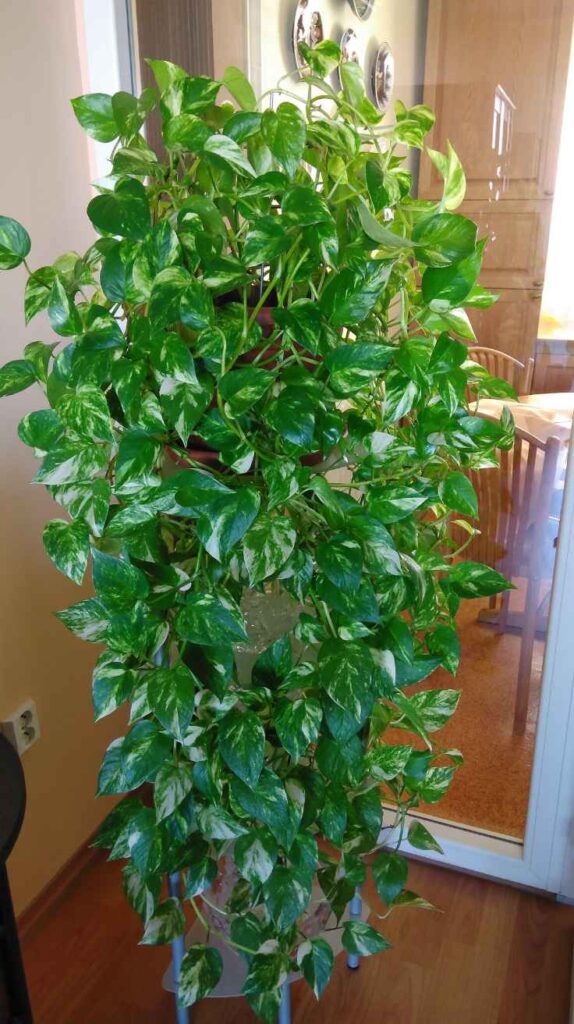
Golden Pothos has become one of the world’s most recommended beginner houseplants—and for good reason.
Trailing vines quickly transform bookshelves, hanging baskets, desks, and cabinets into lush displays of cascading foliage. Heart-shaped leaves remain attractive throughout the year while growing rapidly under normal indoor conditions.
Pothos performs well under bright indirect sunlight but also tolerates lower light areas where many other plants struggle. Missing a watering occasionally rarely causes lasting damage. Simply water thoroughly once the soil becomes dry.
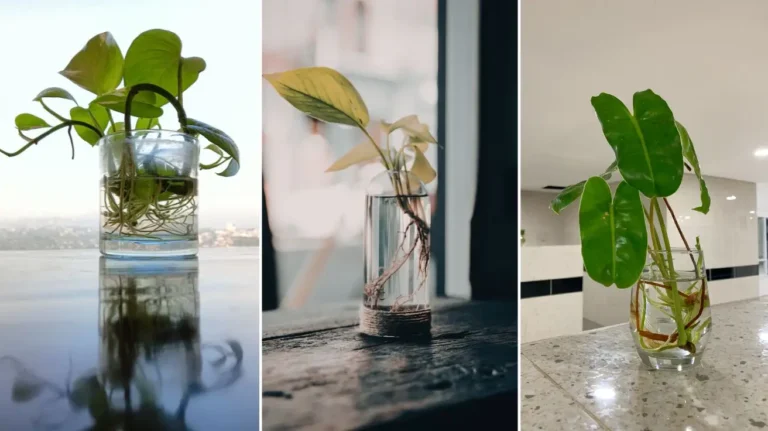
Another appealing feature involves easy propagation. Stem cuttings root quickly in water, allowing new plants to grow without additional cost. Within months, one small plant can become several thriving indoor decorations.
Spider Plant
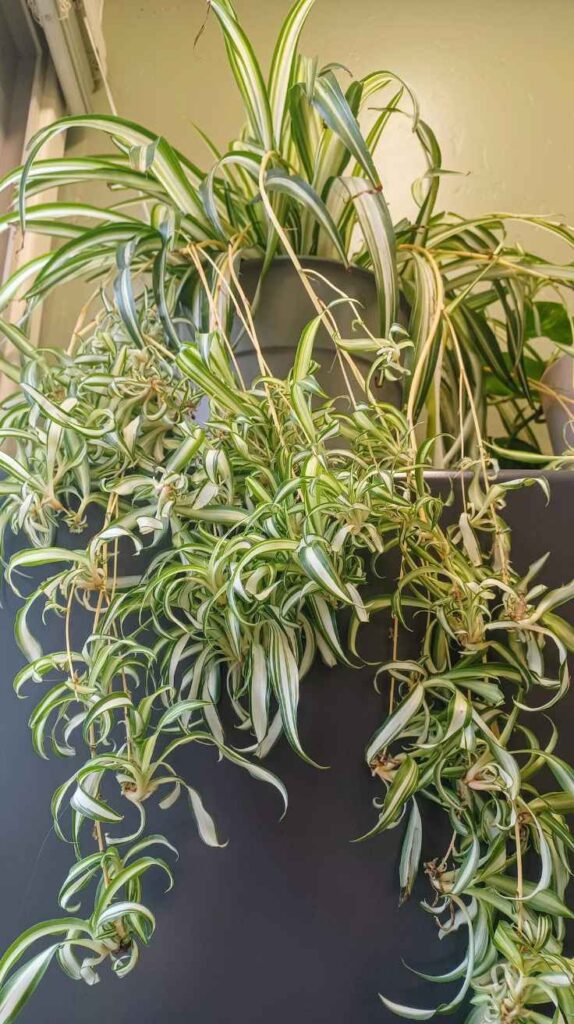
Spider Plants combine beauty with remarkable durability. Long arching leaves create graceful movement, while mature plants produce tiny baby plantlets that hang like natural ornaments.
This forgiving houseplant tolerates occasional dry soil and adapts well to changing indoor temperatures. Bright indirect light produces the healthiest growth, although moderate lighting also works well.
Because Spider Plants naturally produce offspring, growing an entire indoor collection becomes both affordable and enjoyable. Regular watering during active growth keeps leaves healthy, but slight neglect rarely causes permanent damage.
Families also appreciate that Spider Plants are generally considered pet-friendly compared with many common houseplants.
Peace Lily
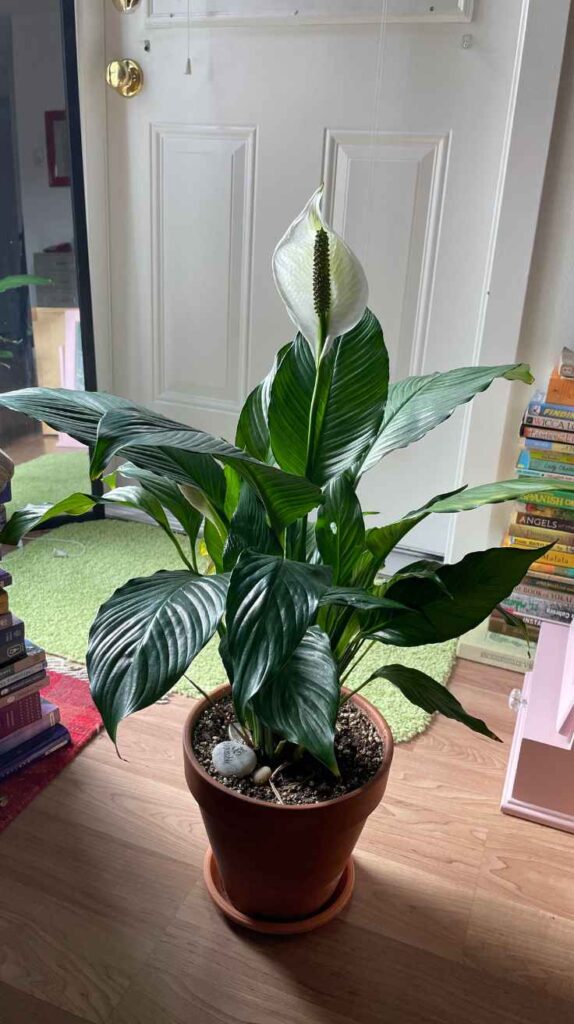
The Peace Lily offers something many beginner plants cannot—beautiful white flowers. Elegant blooms appear above glossy green leaves, bringing both color and sophistication into indoor spaces.
One helpful feature makes care especially simple. When thirsty, the leaves droop dramatically, signaling that watering is needed. After receiving water, the plant often perks up within hours.
Peace Lilies thrive in medium to low light, making them suitable for bedrooms, offices, and shaded corners. Consistently moist, but never soggy—soil supports healthy growth and repeated blooming.
Beyond appearance, Peace Lilies also contribute to cleaner indoor air, adding another practical benefit to their long list of strengths.
Chinese Evergreen
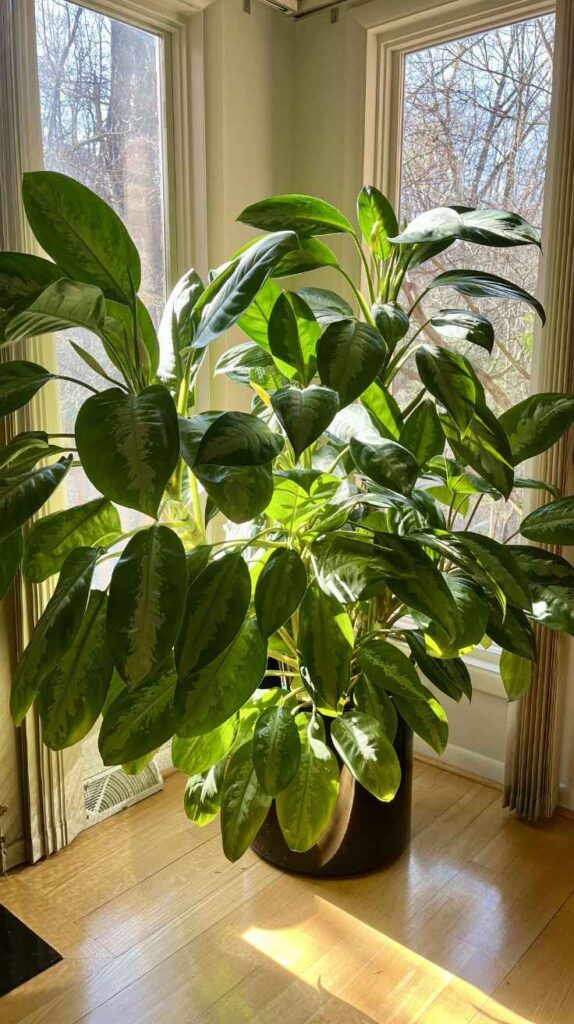
Chinese Evergreen remains one of the most adaptable foliage plants available. Its decorative leaves feature beautiful combinations of green, silver, cream, and sometimes pink, depending on the variety.
Unlike demanding tropical plants, Chinese Evergreen tolerates lower humidity levels and average indoor temperatures with ease. Moderate watering keeps roots healthy, while indirect sunlight encourages colorful foliage.
Even beginners quickly discover how forgiving this plant becomes after settling into its new location. Its slow growth also means less repotting and fewer maintenance tasks throughout the year.
Cast Iron Plant
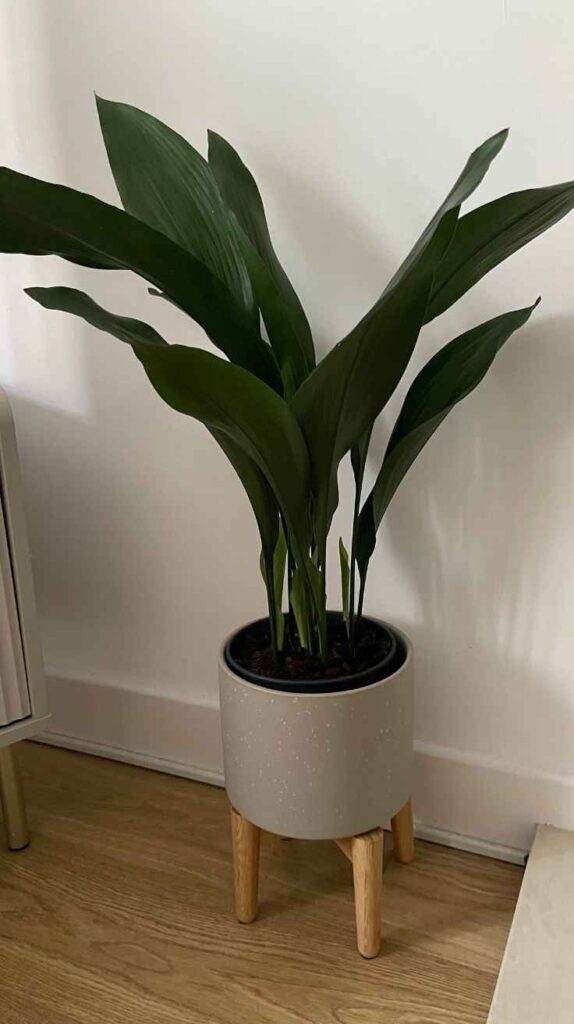
Few houseplants deserve the name “indestructible” more than the Cast Iron Plant. Originally popular in homes with very little sunlight, this resilient plant continues thriving where many others struggle.
Dark green leaves emerge directly from underground rhizomes, producing a simple yet elegant appearance. Low light, occasional missed watering, fluctuating temperatures, and average humidity rarely bother this exceptionally tough species.
Growth occurs slowly, reducing maintenance while maintaining an attractive appearance for years. Anyone seeking a reliable long-term indoor companion should place the Cast Iron Plant near the top of the list.
Aloe Vera
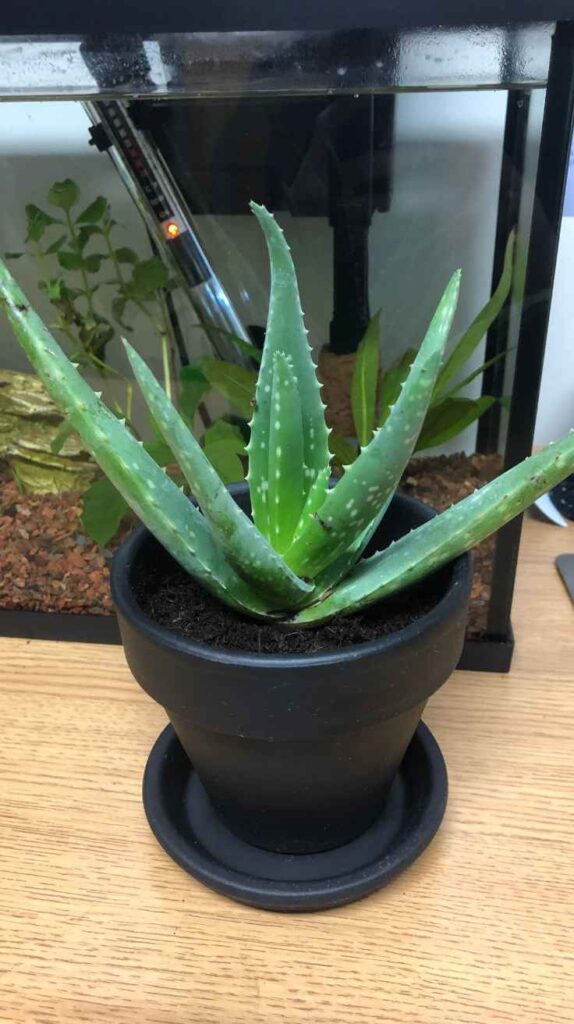
Aloe Vera combines attractive appearance with practical household usefulness. Its thick succulent leaves store large amounts of water, allowing long periods between watering sessions.
Bright windows provide the ideal growing environment, although filtered sunlight also supports healthy development. One common mistake involves watering too frequently. Waiting until the soil dries completely helps prevent root rot.
Beyond decoration, Aloe Vera gel has long been used for soothing minor skin irritation, making this plant both beautiful and functional. Minimal care rewards owners with healthy growth and occasional offsets that grow into new plants.
Philodendron
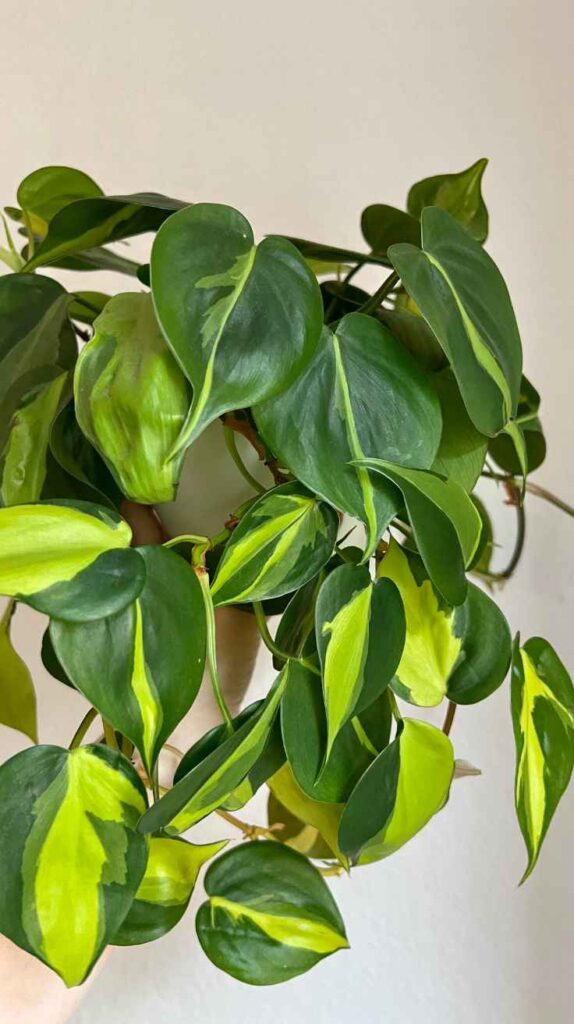
Philodendrons remain timeless favorites thanks to their graceful heart-shaped leaves and forgiving nature. Both climbing and trailing varieties thrive indoors while adapting to different lighting conditions.
Indirect sunlight encourages vigorous growth, although many varieties continue performing well in lower light. Allowing the top inch of soil to dry before watering keeps roots healthy.
Pruning encourages fuller growth while preventing vines from becoming too long. Because Philodendrons grow steadily without becoming overly demanding, they remain ideal choices for beginners building their first indoor garden.
Jade Plant
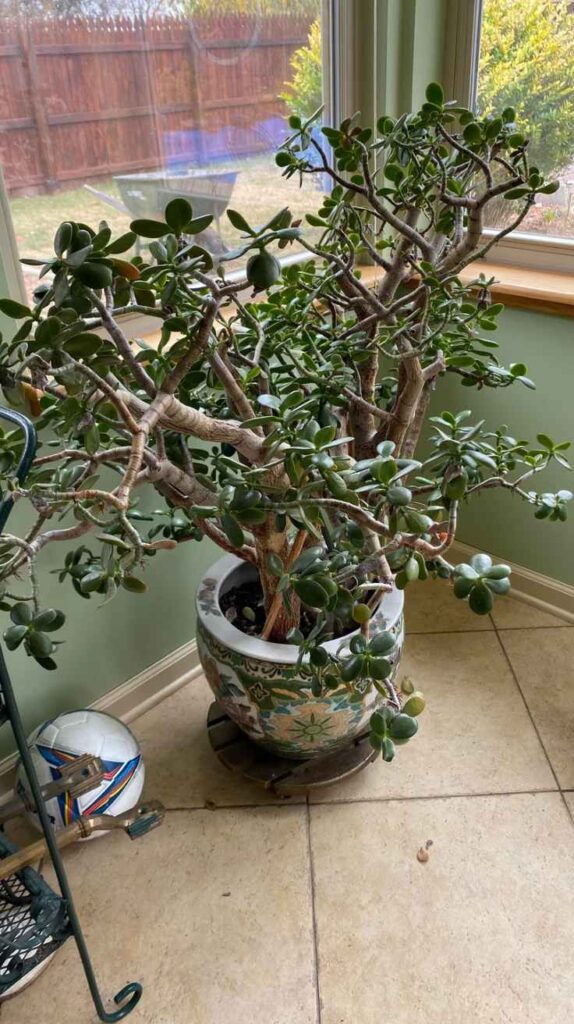
The Jade Plant symbolizes prosperity and longevity in many cultures. Its thick woody stems and glossy succulent leaves create the appearance of a miniature indoor tree.
Since leaves store moisture, frequent watering becomes unnecessary. Bright light supports compact growth, stronger stems, and healthy foliage.
Well-draining potting mix prevents excessive moisture around the roots. Over time, mature Jade Plants develop impressive trunks that give them remarkable character, making them standout decorative features in homes and offices alike.
Rubber Plant
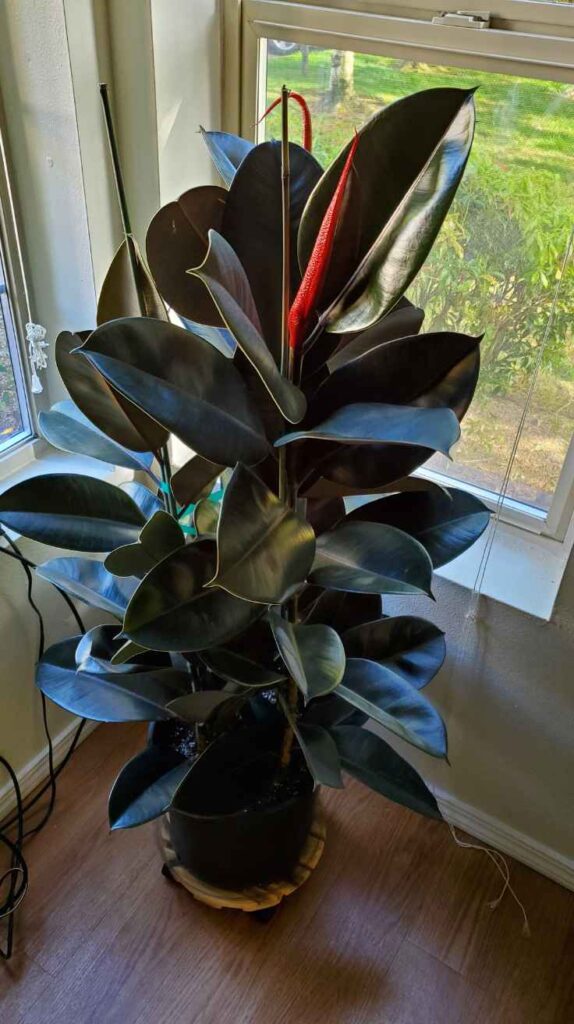
Large glossy leaves make the Rubber Plant an instant focal point inside almost any room. Despite its dramatic appearance, care remains surprisingly straightforward.
Bright filtered sunlight supports faster growth, while moderate light still keeps foliage healthy. Water thoroughly whenever the upper portion of soil dries.
Occasional dusting allows leaves to absorb light efficiently while maintaining their beautiful shine. With consistent basic care, Rubber Plants gradually grow into impressive indoor statement pieces that elevate nearly every decorating style.
Lucky Bamboo
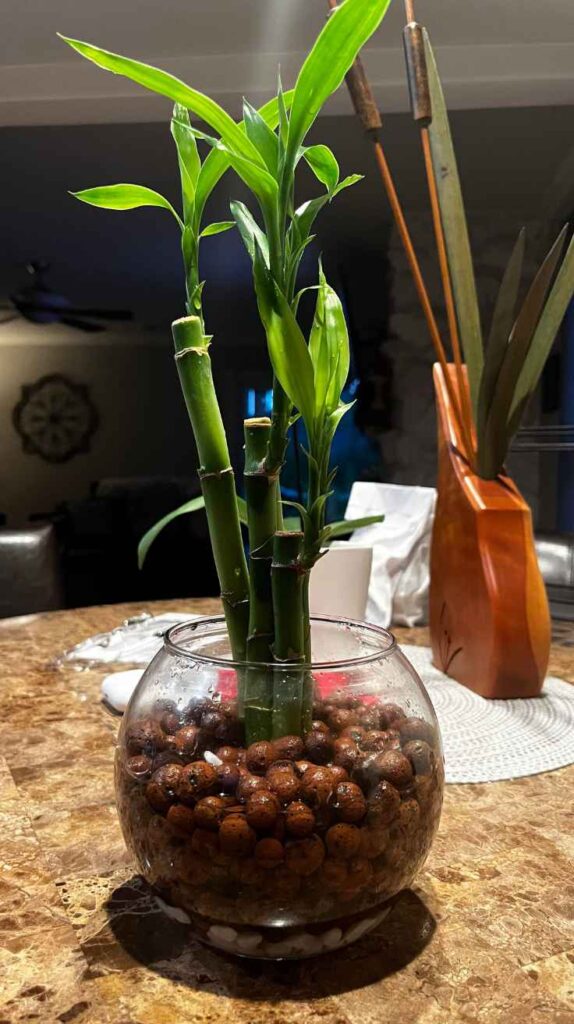
Lucky Bamboo provides a unique alternative to traditional potted houseplants. Many varieties grow successfully in water, eliminating concerns about soil maintenance altogether.
Fresh clean water, indirect light, and occasional nutrient replacement keep stems healthy throughout the year. Its elegant vertical growth complements modern, minimalist, and contemporary interiors.
Lucky Bamboo also makes an excellent gift because it symbolizes good fortune, happiness, and positive energy. Simple care routines make it one of the easiest indoor greenery choices for absolute beginners.
Essential Tips for Keeping Houseplants Healthy
Plant success depends less on perfection and more on consistency. Small habits often produce the biggest improvements over time.
Follow these simple practices:
- Use pots with drainage holes.
- Water deeply instead of lightly sprinkling.
- Empty excess water from saucers.
- Rotate plants every few weeks for even growth.
- Wipe dust from leaves regularly.
- Avoid placing plants near heating or cooling vents.
- Use quality indoor potting mix.
- Fertilize lightly during spring and summer.
These straightforward habits dramatically increase long-term success.
Common Mistakes That Kill Indoor Plants
Many struggling houseplants share the same causes of decline.
The most frequent mistake involves overwatering. Constantly wet soil deprives roots of oxygen, eventually leading to root rot.
Poor lighting also creates problems. Although many beginner plants tolerate low light, extremely dark locations eventually weaken growth.
Other common issues include:
- Using containers without drainage
- Watering on a fixed schedule instead of checking soil moisture
- Ignoring pest problems
- Repotting too frequently
- Applying excessive fertilizer
- Placing tropical plants in cold drafts
Recognizing these mistakes early makes plant care significantly easier.