Best Low Light Indoor Plants for Bedrooms That Are Easy to Care For
A bedroom should feel like a quiet retreat, a place where the air feels lighter, the mood softer, and the mind finally slows down. But what happens when natural sunlight is limited? That’s where the magic begins. Low light indoor plants for bedrooms can transform even the dimmest corner into a peaceful, living sanctuary. These plants don’t just survive in low light, they quietly flourish, adding texture, freshness, and a subtle sense of life to the space.
Some of these plants purify the air. Others bring a gentle aesthetic that makes a room feel complete. And a few… well, they come with surprising benefits that many people overlook. Keep reading, because the last few plants on this list might completely change how a bedroom feels.
Snake Plant: The Effortless Bedroom Companion

The snake plant is often the first choice when it comes to low light indoor plants for bedrooms, and for good reason. Its tall, upright leaves bring a bold yet calming presence that instantly adds structure to any sleeping space. Even in rooms with very little natural light, this plant continues to grow steadily without demanding constant care. That makes it ideal for people who want greenery without the stress of complicated maintenance routines.
What truly sets this plant apart is its nighttime oxygen release. Unlike many other houseplants, it continues to improve air quality while people sleep, helping create a fresher and more breathable environment. This small but powerful feature makes it especially suitable for bedrooms where comfort and air quality matter most.
Its resilience is another major advantage. It can handle irregular watering, dry indoor air, and even occasional neglect without showing signs of stress. With its striking green leaves edged in yellow or silver tones, it doesn’t just survive, it enhances the entire room’s atmosphere. Place it near a bed or in a quiet corner, and it becomes a steady, grounding presence that subtly transforms the space.
ZZ Plant: Glossy Leaves That Glow in the Dark

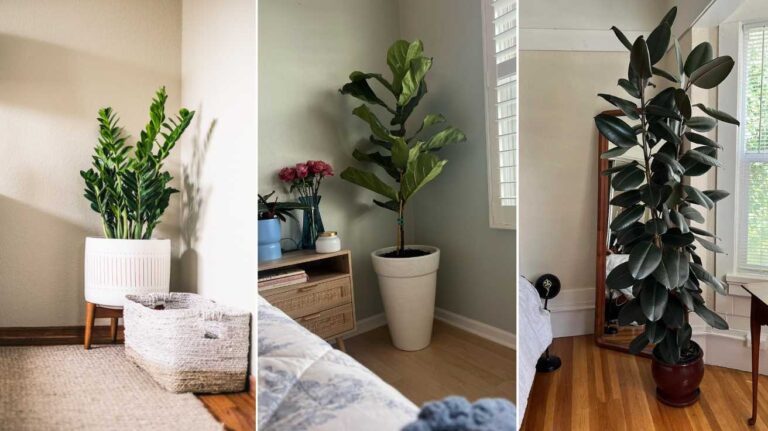
The ZZ plant stands out with its naturally glossy leaves that seem to reflect even the faintest light. In bedrooms where sunlight barely reaches, this plant still manages to look vibrant and alive. Its waxy, deep green foliage creates a polished appearance that blends beautifully with both modern and traditional interiors.
One of the most appealing aspects of this plant is how low-maintenance it truly is. It doesn’t require frequent watering, and it can go for long periods without attention. This makes it perfect for busy lifestyles or for those who are just beginning their indoor plant journey. It also tolerates dry air, which is common in air-conditioned bedrooms.
There’s a quiet elegance in its structure. Each stem grows in a balanced, almost symmetrical pattern, creating a sense of order and calm. It doesn’t overwhelm the room but instead enhances it in a subtle, refined way. For anyone looking to add low light indoor plants for bedrooms that feel both stylish and effortless, this plant offers a perfect balance between beauty and practicality.
Peace Lily: Soft Beauty with Air-Purifying Power

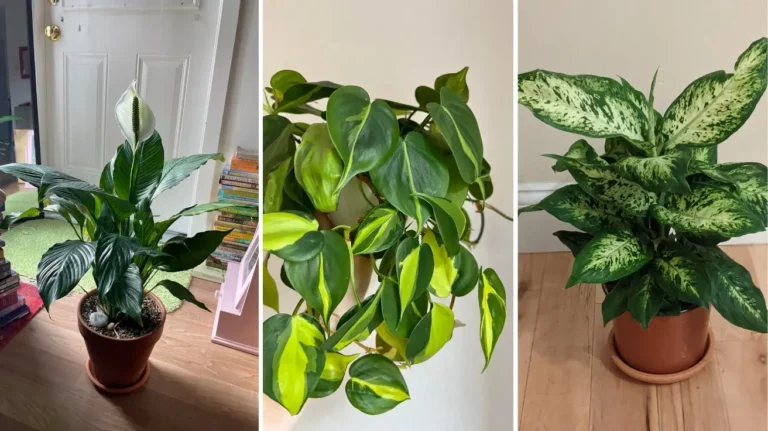
The peace lily introduces a gentle softness that instantly makes a bedroom feel more inviting. Its dark green leaves contrast beautifully with its white blooms, creating a peaceful and balanced visual effect. Even in low light conditions, the plant maintains its lush appearance, making it a reliable choice for dimly lit rooms.
Beyond its appearance, this plant is widely appreciated for its ability to improve indoor air quality. It helps remove certain toxins from the air, contributing to a cleaner and healthier sleeping environment. This makes it more than just a decorative element, it becomes part of a wellness-focused space.
Another interesting quality is how expressive it is. When it needs water, the leaves droop slightly, offering a clear visual signal. Once watered, it quickly returns to its upright form, almost as if responding instantly. That responsiveness creates a quiet interaction that adds life to the room.
For those seeking low light indoor plants for bedrooms that combine elegance, function, and emotional connection, this plant brings all three together beautifully.
Pothos: The Trailing Beauty That Adapts Anywhere

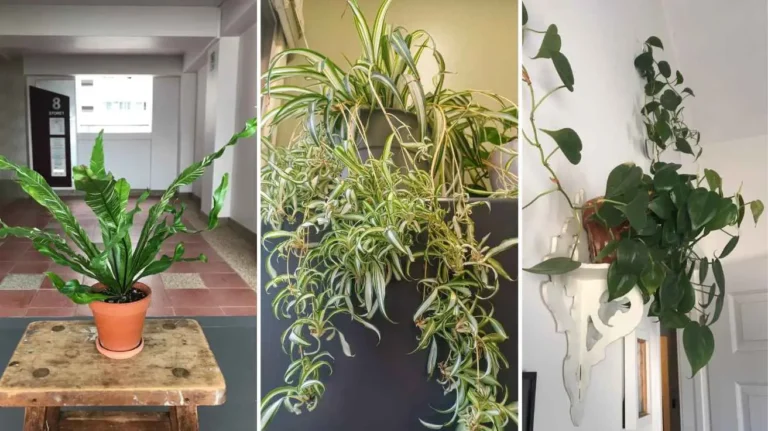
Pothos is one of the most versatile choices among low light indoor plants for bedrooms. Its trailing vines create a soft, flowing look that adds movement and depth to the room. Whether placed on a high shelf, in a hanging basket, or allowed to climb along a wall, it adapts effortlessly to different styles and layouts.
Its leaves often display a mix of green, yellow, or cream patterns, bringing subtle variation without overpowering the room’s design. Even in low light, it continues to grow steadily, making it a reliable option for spaces with limited sunlight.
This plant is also incredibly forgiving. It can handle missed watering sessions and still maintain its healthy appearance. That makes it ideal for beginners or anyone who prefers low-maintenance greenery.
Over time, its vines grow longer and fuller, gradually transforming the space into something more vibrant and alive. It doesn’t just sit in one place, it evolves, creating a dynamic and ever-changing visual experience that keeps the bedroom feeling fresh and interesting.
Cast Iron Plant: Built to Survive the Toughest Conditions

The cast iron plant earns its name through sheer resilience. It stands as one of the toughest choices among low light indoor plants for bedrooms, thriving in spaces where many other plants struggle to survive. Dim lighting, irregular watering, and fluctuating indoor temperatures do little to affect its steady growth. This makes it especially suitable for bedrooms that lack large windows or receive minimal natural sunlight throughout the day.
Its broad, deep green leaves bring a sense of quiet strength into the room. They don’t demand attention with bright colors or dramatic shapes, yet they provide a grounding presence that enhances the overall atmosphere. Placed in a corner or near a bedside table, it fills empty space with calm, natural energy.
Another major benefit is its low maintenance nature. It rarely suffers from pests and doesn’t require frequent care, making it ideal for those who prefer a hands-off approach. Over time, it remains consistent and reliable, quietly improving the room’s look and feel without constant attention.
Spider Plant: Light, Airy, and Full of Life

The spider plant introduces a refreshing and lively character into bedroom spaces. Its long, arching leaves create a flowing, almost playful appearance that softens the overall look of the room. Even in low light conditions, it continues to grow steadily, maintaining its vibrant green tones with subtle white stripes.
One of its most captivating features is its ability to produce small offshoots, often called “baby plants.” These delicate extensions hang gracefully from the main plant, adding movement and visual interest. Over time, they can be replanted, allowing the plant collection to grow naturally without extra effort.
This plant also contributes to cleaner indoor air, helping create a more comfortable sleeping environment. Its lightweight structure makes it perfect for hanging baskets or elevated shelves, where its leaves can cascade freely.
It doesn’t require strict care routines, which makes it accessible for beginners. With minimal effort, it continues to bring life and softness into the bedroom, making the space feel more welcoming and relaxed.
Chinese Evergreen: A Splash of Pattern and Color

Chinese evergreen plants are known for their beautifully patterned leaves that instantly add character to any bedroom. Their foliage often combines shades of green with hints of silver, cream, or even soft pink, creating a gentle contrast that enhances the room without overpowering it.
They thrive in low light environments, making them perfect for bedrooms that don’t receive much sunlight. Even in dim corners, they maintain their color and structure, offering a reliable decorative element that requires minimal effort to maintain.
Their slow and steady growth makes them easy to manage, while their tolerance for occasional neglect adds to their appeal. They don’t demand constant watering or precise conditions, allowing them to fit seamlessly into everyday life.
Beyond their appearance, they contribute to a more comfortable indoor environment by helping improve air quality. Their presence creates a calm and inviting atmosphere, turning an ordinary bedroom into a more soothing and visually appealing space.
Philodendron: The Classic Indoor Favorite
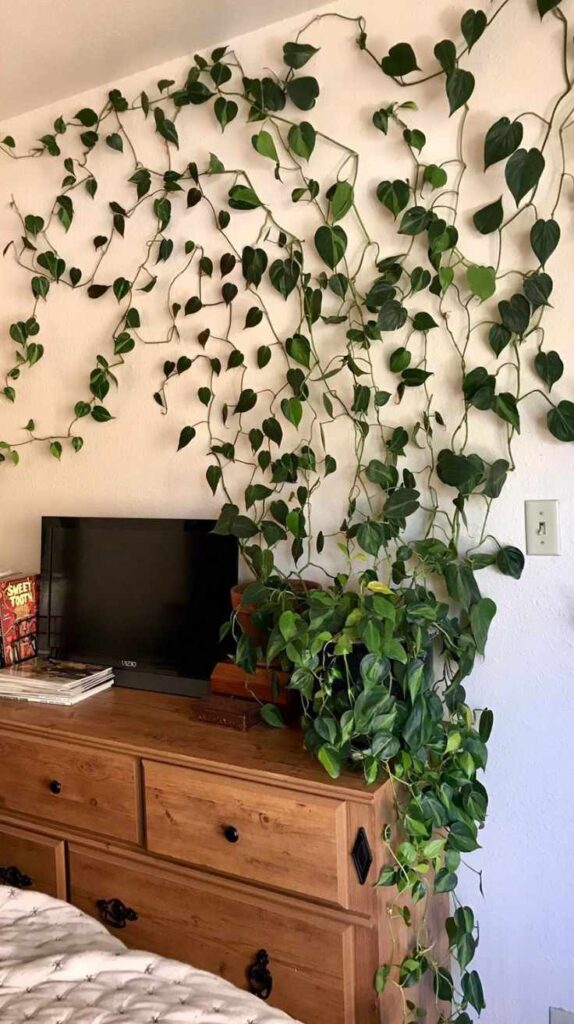
Philodendrons have remained a trusted favorite for indoor plant lovers, especially in bedrooms where light is limited and simplicity is key. Their soft, heart-shaped leaves create a comforting and relaxed visual that instantly makes a space feel more inviting. Even in low light conditions, they continue to grow steadily, adapting without needing constant attention or perfect care routines.
One of the most appealing features of this plant is its versatility. It can trail gently from a shelf, sit neatly on a bedside table, or grow upward with support. This flexibility allows it to blend into different bedroom layouts without feeling out of place. Its rich green color adds warmth and depth, helping soften the look of modern or minimal interiors.
It also requires minimal watering and can tolerate occasional neglect, making it perfect for beginners. Over time, it becomes fuller and more lush, gradually transforming the room into a more vibrant and calming environment that feels alive without being overwhelming.
Dracaena: Sleek and Structured Elegance

Dracaena plants bring a sense of order and structure that can completely elevate a bedroom’s appearance. Their upright stems and long, narrow leaves create a clean, vertical look that works especially well in modern or organized spaces. Even in low light environments, they maintain their shape and continue to grow at a steady pace.
This plant is particularly useful for filling empty corners or adding height to a room without cluttering it. Its presence helps balance the space, especially in bedrooms that feel flat or lack dimension. Different varieties offer subtle variations in color, including green with hints of yellow, cream, or red along the edges, adding quiet visual interest.
Dracaena also supports a healthier indoor environment by helping improve air quality. It doesn’t require constant care, which makes it practical for everyday living. With occasional watering and basic attention, it continues to thrive, offering a polished and refined touch that enhances the bedroom’s overall atmosphere.
Parlor Palm: A Touch of Soft Tropical Calm

The parlor palm introduces a gentle, soothing presence that naturally enhances the comfort of a bedroom. Its soft, feathery fronds create a light and airy texture that contrasts beautifully with heavier furniture and solid surfaces. This subtle contrast helps make the space feel more balanced and relaxed.
It thrives in low light conditions, making it a reliable choice for bedrooms that don’t receive strong sunlight. Its slow growth rate means it stays manageable and doesn’t require frequent repotting or trimming. This makes it ideal for smaller spaces or for those who prefer a low-maintenance plant that still offers visual appeal.
The plant prefers slightly moist soil but is forgiving if watering isn’t perfectly timed. Over time, it maintains its graceful shape and continues to bring a calming, almost spa-like atmosphere into the room. Its presence encourages relaxation, making the bedroom feel like a peaceful retreat rather than just a place to sleep.
Rubber Plant: Bold Leaves with a Subtle Statement

The rubber plant adds depth and character to a bedroom with its large, glossy leaves and strong structure. While it is often associated with brighter spaces, it can adapt to lower light conditions, continuing to grow more slowly but still maintaining its bold appearance.
Its leaves, which range from deep green to rich burgundy, create a striking contrast against lighter walls or neutral decor. This makes it an excellent focal point for bedrooms that need a touch of personality without becoming overwhelming. It stands out, but in a controlled and elegant way.
Caring for this plant is relatively simple. It requires moderate watering and occasional cleaning of its leaves to keep them looking vibrant. Over time, it develops into a fuller, more substantial plant that adds a sense of stability and presence to the room.
For those seeking low light indoor plants for bedrooms that offer both visual impact and lasting appeal, this plant provides a balanced mix of boldness and calm.
Lucky Bamboo: Minimalist Beauty with Meaning

Lucky bamboo offers a clean and minimalist approach to indoor greenery, making it perfect for bedrooms designed with simplicity in mind. Its straight or gently curved stalks create a sense of order and balance, adding a quiet elegance that doesn’t compete with other elements in the room.
It thrives in low light and can grow in water, which makes it incredibly easy to maintain. There’s no need for complex care routines, and it fits easily into small spaces like nightstands, desks, or shelves. This makes it especially appealing for those who want a touch of nature without adding clutter.
Beyond its appearance, it is often associated with positive energy and harmony. This symbolic meaning adds depth to its presence, making it feel more intentional rather than purely decorative.
Even though it is simple in form, it has a calming effect on the overall environment. It quietly enhances the bedroom’s atmosphere, creating a space that feels more balanced, peaceful, and thoughtfully designed.
Calathea: Decorative Leaves That Bring Bedrooms to Life

Calathea plants are known for their stunning, patterned leaves that almost look hand-painted. Each leaf carries unique markings, stripes, waves, or bold contrasts, that instantly draw attention without overwhelming the room. In bedrooms with low light, this plant continues to maintain its beauty, making it a great choice for adding visual interest where sunlight is limited.
What makes Calathea especially fascinating is its natural movement. Its leaves gently open during the day and close slightly at night, almost like it has its own rhythm. This subtle motion adds a living, breathing feel to the space, making the bedroom feel more connected to nature.
It prefers slightly higher humidity, so it does well in rooms with a bit of moisture in the air. While it may need a little more care than some other low-maintenance plants, the reward is a striking and elegant presence. Its bold foliage turns even a simple bedroom corner into a focal point filled with texture and personality.
Dieffenbachia: Lush Foliage That Brightens Dim Corners

Dieffenbachia, often called dumb cane, is a fantastic option for adding fullness and brightness to low-light bedrooms. Its large, broad leaves feature a mix of green and creamy white patterns, creating a soft contrast that helps brighten darker areas of the room.
Even in limited light, it continues to grow steadily, making it a reliable addition to indoor spaces that don’t receive much sun. Its size and lush appearance make it perfect for filling empty corners or adding a layered look alongside smaller plants.
This plant prefers consistent watering but doesn’t require constant attention, making it manageable for everyday routines. With the right care, it grows into a dense and vibrant plant that adds a sense of richness and life to the bedroom.
Its presence creates a cozy and welcoming atmosphere, helping transform the room into a more relaxing and visually appealing space. For those looking to expand their collection, this plant adds both texture and a touch of natural brightness.
English Ivy: A Classic Trailing Plant That Softens Any Bedroom

English ivy is a timeless choice that brings a soft, flowing charm to bedroom spaces, especially where light is limited. Its trailing vines create a gentle, cascading effect that can instantly make a room feel more relaxed and lived-in. Whether placed in a hanging basket, allowed to drape from a shelf, or trained along a headboard, it adds movement and texture in a very natural way.
This plant adapts well to low light conditions, though it grows a bit faster with indirect light. Its small, lobed leaves form dense, lush trails that gradually expand over time, turning even a simple corner into a cozy green feature. The deep green tones also pair beautifully with neutral bedroom palettes, adding depth without overwhelming the design.
English ivy is also appreciated for helping improve indoor air quality, contributing to a fresher sleeping environment. With moderate watering and occasional trimming, it stays neat and healthy. Its ability to grow and spread makes it feel dynamic, bringing a quiet sense of life that evolves with the space.