How To Grow Cucumbers Easy Tips for a Bountiful Harvest
Starting a vegetable patch is a rewarding experience for any home gardener. Learning how to grow cucumbers is an approachable project that fits perfectly into containers, raised beds, or traditional garden rows. These crisp, refreshing vegetables thrive when provided with the right environment.
Success begins with warm soil and plenty of full sunlight. You must ensure consistent moisture levels and provide dependable support for climbing vines to keep your plants healthy. By following these simple practices, you can enjoy a productive season filled with fresh produce.
This guide offers expert advice on selecting the best varieties for your climate. We will explore essential steps for planting seeds, preventing common garden problems, and maximizing your yield. Get ready to enjoy a bountiful harvest of delicious fruit throughout the entire summer.
Choose the Right Cucumber Variety for Your Garden
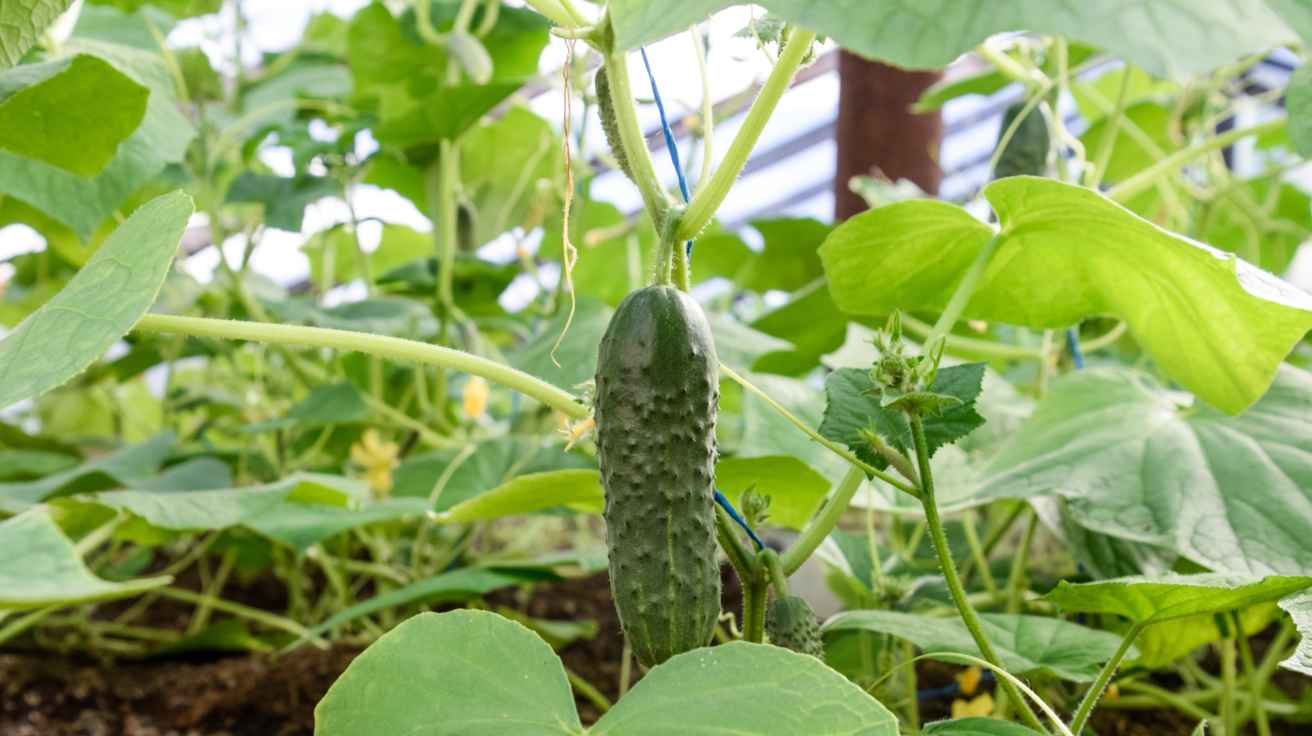
Your journey to a bountiful harvest begins with choosing the perfect cucumber varieties for your specific space. Before you buy seeds or transplants, consider how you plan to use your fruit. Slicing cucumbers are typically long and smooth, making them ideal for fresh salads. In contrast, pickling cucumbers are shorter, bumpier, and specifically bred to stay crunchy in jars.
Parthenocarpic varieties for greenhouses and covered growing areas
If you are gardening in a greenhouse or a covered area, look for parthenocarpic cucumbers. These unique plants develop fruit without the need for pollination. Because they do not require bees to visit every flower, they are highly reliable in enclosed spaces where pollinators might be scarce.
Gynoecious varieties and the importance of pollinators
You might also encounter gynoecious cucumbers while shopping for your garden. These plants produce almost exclusively female flowers, which allows for a very heavy fruit set. However, because they lack male flowers, they often require a compatible pollen-producing plant nearby to ensure success.
If you choose these high-yield plants, make sure your garden has plenty of bees or other reliable pollinators. Providing a pollinator-friendly environment ensures that your gynoecious cucumbers reach their full potential. By matching the variety to your growing environment, you set the stage for a productive season.
Plan the Best Location and Growing Conditions
Finding the right home for your cucumber plants is the first step toward a massive harvest. These plants thrive in warm, sunny spots that receive at least six to eight hours of direct sunlight daily. Ideal cucumber growing conditions also require fertile, well-drained soil rich in organic matter.
Use raised beds, containers, or in-ground rows
You have several options when deciding where to plant your cucumbers. Raised beds are excellent for drainage and allow you to control the soil quality easily. Containers work well for smaller spaces, provided they have drainage holes and enough depth for root development.
In-ground rows remain a classic choice for larger garden plots. Regardless of the method you choose, ensure the soil stays consistently moist but never waterlogged. Proper drainage is the secret to preventing root rot and keeping your plants vigorous.
Giving your plants room to breathe is just as important as the soil quality. Proper cucumber spacing prevents overcrowding, which often leads to fungal diseases. When vines have enough room, they can spread out and access the nutrients they need to produce fruit.
Adequate cucumber spacing also helps foliage dry faster after rain or heavy irrigation. This quick drying time significantly reduces the risk of mildew and other common garden problems. By planning your layout carefully, you ensure that your plants stay healthy and productive throughout the entire season.
Start Cucumber Seeds Indoors or Buy Healthy Transplants
You can jumpstart your garden by choosing between cucumber seeds or high-quality transplants from a nursery. Starting from seed offers a wider variety of options, while buying established plants saves time during the busy spring season.
Both methods work well if you provide the right care. Your decision often depends on your local climate and how much space you have for indoor seed starting.
When shopping for cucumber transplants, look for plants with vibrant green leaves. Avoid any specimens that show signs of yellowing or wilting.
Check the stems to ensure they are sturdy and upright rather than leggy or thin. Inspect the undersides of the leaves for tiny pests or unusual spots that might indicate disease.
Finally, gently check the root system if possible. Healthy plants should have white, firm roots rather than brown or mushy ones.
Avoid transplant shock and cold-weather damage
Cucumbers are sensitive plants that dislike root disturbance. If you start your own cucumber seeds, use biodegradable pots to minimize stress during the move to the garden.
Always harden off your plants before moving them outside permanently. This process involves gradually exposing them to outdoor conditions over a week to prevent shock.
Never plant your cucumbers until the soil has warmed up completely. Cold weather can stunt growth or kill young plants, so wait until all danger of frost has passed.
Plant Cucumbers at the Right Time and Depth
Successful gardening relies heavily on knowing exactly when to plant cucumbers. These heat-loving vegetables thrive only after the danger of frost has completely passed and the soil has warmed up significantly. If you put them in the ground too early, the cold soil will stunt their growth or cause the seeds to rot.
Plant cucumber seeds about one inch deep
When you are ready for planting cucumber seeds, depth is a critical factor for germination. You should place them about one inch deep into the soil. This depth provides enough moisture for the seed to sprout while ensuring it is not buried so deep that it struggles to reach the surface.
Protect young plants with row covers when needed
Early in the season, cool nights can still pose a threat to your tender seedlings. Using lightweight row covers can help trap heat and protect your plants from chilly evening temperatures. This simple barrier acts like a mini-greenhouse for your garden bed.
However, you must remember to remove these covers once the plants begin to flower. Pollinators need easy access to the blossoms to ensure your plants produce fruit. Timing your garden tasks correctly will lead to a much more bountiful harvest later in the summer.
Build a Trellis and Train Cucumber Vines
A well-built cucumber trellis transforms your garden into a productive, vertical oasis. By growing your plants upward, you save valuable ground space and allow for better sunlight exposure. This method also makes it much easier to spot and pick your vegetables when they reach the perfect size.
Use netting, cattle panels, or garden arches
You have many options when choosing a support structure for your garden. Nylon netting is an affordable choice that works well for smaller varieties. For a more permanent solution, cattle panels or sturdy garden arches provide excellent strength for heavy vines.
These structures allow the plants to climb naturally, which keeps the garden tidy. Simply place your chosen support near the base of the plant at the time of sowing or transplanting. This prevents root disturbance later in the season.
Support heavy cucumbers with slings when necessary
Some varieties produce large, heavy fruits that can pull on the stems. If you notice a cucumber putting too much strain on the vine, you can create a simple sling. Use a piece of soft fabric or old pantyhose to cradle the fruit and tie it to the support structure.
This extra support prevents the vine from snapping under the weight of the harvest. It ensures that your plants remain healthy and productive until the very end of the season.
Keep vines off wet soil to reduce disease risk
Properly training cucumber vines keeps the foliage and fruit away from damp ground. This increased airflow is vital for preventing common fungal issues like powdery mildew. When the leaves stay dry, the risk of splash-borne diseases drops significantly.
Gently guide the young tendrils toward the support as they begin to grow. With a little bit of patience, your plants will quickly grab onto the structure and climb on their own. This simple practice leads to cleaner, healthier produce that is a joy to harvest.
Water Cucumbers Consistently for Crisp, Productive Fruit
Consistent moisture is the most important factor for a successful cucumber harvest. When you focus on proper watering cucumbers, you ensure that your plants receive the hydration they need during critical growth stages. This is especially vital when the vines begin to flower and develop fruit.
If your watering schedule is uneven, your cucumbers may suffer. Fluctuating moisture levels often lead to bitter-tasting fruit or oddly shaped vegetables that are difficult to harvest. Keeping the soil evenly damp helps your plants produce high-quality, crisp cucumbers all season long.

Using a high-quality cucumber mulch is a great way to keep your garden thriving. Organic materials like straw or shredded leaves help lock in moisture and prevent the soil from drying out too quickly.
Spread the mulch around the base of your plants to create a protective layer. Be careful to keep the material a few inches away from the main stems to prevent rot. This simple step also helps moderate soil temperature during hot summer days.
Identify signs of underwatering and overwatering
Learning to read your plants is a key skill for any gardener. If you notice the leaves wilting during the heat of the day or the soil feels dry to the touch, your plants likely need more water.
Conversely, too much water can be just as harmful as too little. Yellowing leaves, soggy soil, and poor root health are common signs that you are overwatering. Always check the soil moisture before reaching for the hose to keep your garden healthy.
Feed Cucumber Plants for Strong Vines and Heavy Production
Providing the right nutrients is the secret to a heavy harvest of crisp cucumbers. A balanced approach to feeding ensures your plants develop strong vines capable of supporting a large crop. When you use the correct cucumber fertilizer, you help the plant focus its energy on flowering and fruit development rather than just growing stems.
Avoid excessive nitrogen and leafy plants with few cucumbers
It is tempting to give your garden a boost with high-nitrogen products, but this can backfire. Too much nitrogen often results in lush, dark green foliage that looks impressive but produces very few cucumbers. You want your plants to prioritize reproduction over simple vegetative growth.
If your vines look like a jungle but lack fruit, you have likely overfed them. Always aim for a balanced nutrient profile that supports the entire life cycle of the plant. This simple adjustment keeps your garden productive throughout the summer months.
Use a soil test to guide nutrient applications
Before you add any amendments, you should perform a soil test for cucumbers. This simple step identifies exactly what your garden needs instead of relying on guesswork. Routine feeding can lead to nutrient imbalances that actually harm your harvest over time.
A professional analysis provides a clear roadmap for your fertilization schedule. By applying only what the soil lacks, you save money and protect the environment. Healthy soil is the foundation for every successful cucumber patch.
Encourage Pollination and Prevent Common Growing Problems
A successful harvest depends on more than just water and sun. Proper cucumber pollination is essential for developing full, healthy fruit. When bees are scarce, you may notice misshapen or aborted cucumbers that fail to grow properly.
Diagnose misshapen, bitter, or aborted cucumbers
Inconsistent moisture levels often lead to stress in your plants. This stress frequently results in bitter-tasting fruit that ruins your harvest. Keep the soil evenly moist to ensure your cucumbers stay sweet and crisp.

Prevent powdery mildew, downy mildew, and bacterial wilt
Managing cucumber diseases requires a focus on prevention and garden hygiene. Always water at the base of the plant to keep foliage dry and reduce fungal growth. Good airflow between vines also helps stop these common issues from taking hold.
Practice crop rotation every year to keep the soil healthy and free of pathogens. If you spot infected leaves, remove them immediately to protect the rest of your garden. These simple steps keep your plants vigorous throughout the season.
Manage cucumber beetles, aphids, and squash bugs safely
Vigilant monitoring is your best defense against hungry insects. You should check the undersides of leaves regularly for signs of aphids or squash bug eggs. Hand-picking these pests is often the most effective and safest way to protect your crop.
Floating row covers act as a physical barrier against cucumber beetles early in the season. If an infestation becomes severe, choose organic insecticidal soaps or neem oil as a last resort. Always apply these products in the evening to avoid harming beneficial pollinators.
Harvest Cucumbers at Their Peak
The most rewarding part of growing your own vegetables is finally picking them at their peak. Regular harvesting cucumbers is essential because it signals the plant to keep producing new flowers and fruit throughout the season.
Pick cucumbers before they become oversized or bitter
You should check your vines daily once the fruits begin to develop. It is best to pick them while they are firm and reach the size recommended for your specific variety.
Leaving fruits on the vine for too long often leads to a bitter taste and tough, seedy textures. Always use a pair of sharp garden shears to snip the stem rather than pulling the fruit, as this prevents damage to the delicate vines.
Handle and store freshly harvested cucumbers properly
Once you have gathered your produce, handle the fruits gently to avoid bruising the thin skin. Proper storing fresh cucumbers involves keeping them in a cool, humid environment to maintain their crispness.
Place your harvest in a perforated plastic bag inside the vegetable crisper drawer of your refrigerator. This method helps them stay fresh and crunchy for up to a week after you bring them indoors.
Keep Your Plants Productive Through the Growing Season
Gardening success relies on your commitment to a weekly routine. Consistent cucumber plant care transforms a simple patch of soil into a thriving food source. You should view these tasks as a rhythm rather than a chore.
Check your vines every few days to maintain structural support. Pruning damaged leaves helps the plant focus energy on fruit development. This simple habit is a proven way to increase cucumber yield throughout the summer months.
Monitor your garden for pests while you water the soil. Frequent harvesting prevents fruit from becoming too large and bitter. These small actions keep your plants healthy and vigorous until the first frost arrives.
Share your gardening progress with local communities or social media groups. Your experience helps others learn the best methods for a successful harvest. Start your journey today and enjoy the crisp taste of home-grown produce all season long.