Vegetable Garden Ideas to Grow More Food in Any Space
A thriving vegetable garden can transform an ordinary backyard into a beautiful, productive space filled with fresh flavors, vibrant colors, and endless harvesting opportunities. From compact urban spaces to large suburban yards, creative gardening layouts help maximize yields while adding visual appeal. The best part? Growing vegetables does not require expert-level skills. With the right design ideas, anyone can create a garden that produces healthy food throughout the growing season.
Fresh tomatoes picked straight from the vine. Crisp lettuce harvested minutes before dinner. Sweet peppers glowing in the afternoon sun. These simple pleasures make vegetable gardening one of the most rewarding hobbies. The following inspiring ideas offer practical solutions for beginners and experienced gardeners alike, helping create a productive and attractive growing space.
Raised Bed Gardens for Maximum Productivity

Raised beds remain one of the most popular ways to grow vegetables because they combine beauty, organization, and efficiency. Elevated planting areas improve soil drainage, reduce weed pressure, and make maintenance easier.
Wooden, metal, stone, or composite raised beds create defined growing zones that help organize crops neatly. Gardeners can fill these beds with nutrient-rich soil specifically tailored for vegetables. This controlled environment often results in stronger root development and healthier plants.
The structure of raised beds also allows for intensive planting methods. Crops can be placed closer together, reducing empty space while increasing overall harvest potential. Tomatoes, peppers, lettuce, carrots, cucumbers, and beans thrive in raised bed systems.
Another advantage lies in accessibility. Raised beds reduce bending and kneeling, making gardening more comfortable for people of all ages. When pathways are lined with mulch, gravel, or stepping stones, the entire space feels polished and inviting.
Many gardeners start with one raised bed and quickly discover they want more. The productivity can be surprisingly impressive, especially when paired with companion planting techniques and seasonal crop rotation.
Vertical Growing Systems for Small Spaces

Limited space should never prevent anyone from growing fresh vegetables. Vertical gardening opens up countless possibilities by utilizing upward space instead of spreading outward.
Trellises, garden towers, hanging planters, and wall-mounted structures allow vegetables to grow vertically while conserving valuable ground area. Climbing crops such as cucumbers, peas, pole beans, and certain squash varieties perform exceptionally well in these systems.
Growing upward offers additional benefits beyond saving space. Improved airflow reduces disease pressure, while elevated fruits stay cleaner and are easier to harvest. Vertical structures also create eye-catching visual interest that turns a simple garden into a living feature.
Urban gardeners particularly appreciate this method because balconies, patios, and tiny yards can become surprisingly productive. Even a narrow fence line can support multiple vegetable varieties throughout the season.
The transformation often feels remarkable. What once seemed like an unusable corner suddenly becomes a thriving source of fresh produce.
Container Gardens for Flexibility
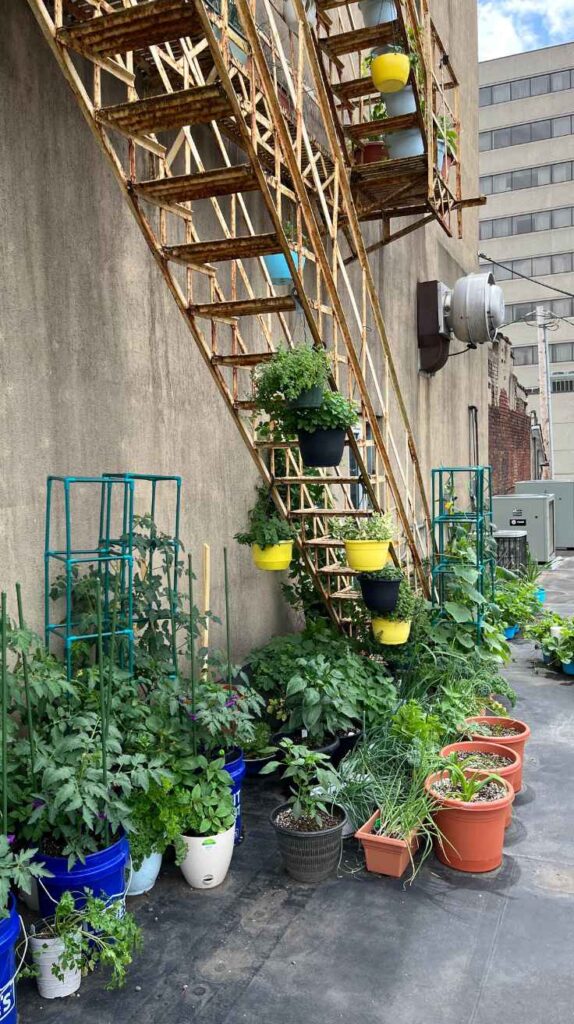
Containers provide unmatched flexibility for growing vegetables in almost any setting. Patios, decks, driveways, balconies, and sunny walkways can all become productive growing areas.
Large pots, fabric grow bags, wooden crates, and decorative planters accommodate a wide range of crops. Tomatoes, peppers, eggplants, lettuce, spinach, herbs, and bush beans adapt especially well to container growing.
One major advantage is mobility. Containers can be repositioned throughout the season to maximize sunlight exposure or protect plants from harsh weather conditions. Gardeners also gain greater control over soil quality, drainage, and nutrient management.
Colorful containers add decorative charm while producing edible crops. Combining different sizes and heights creates visual layers that make the garden feel larger and more dynamic.
Many beginners find container gardening less intimidating because it starts small and remains manageable. Yet the harvests can be surprisingly abundant when plants receive consistent water, fertilizer, and sunlight.
Square Foot Layouts for Efficient Harvests
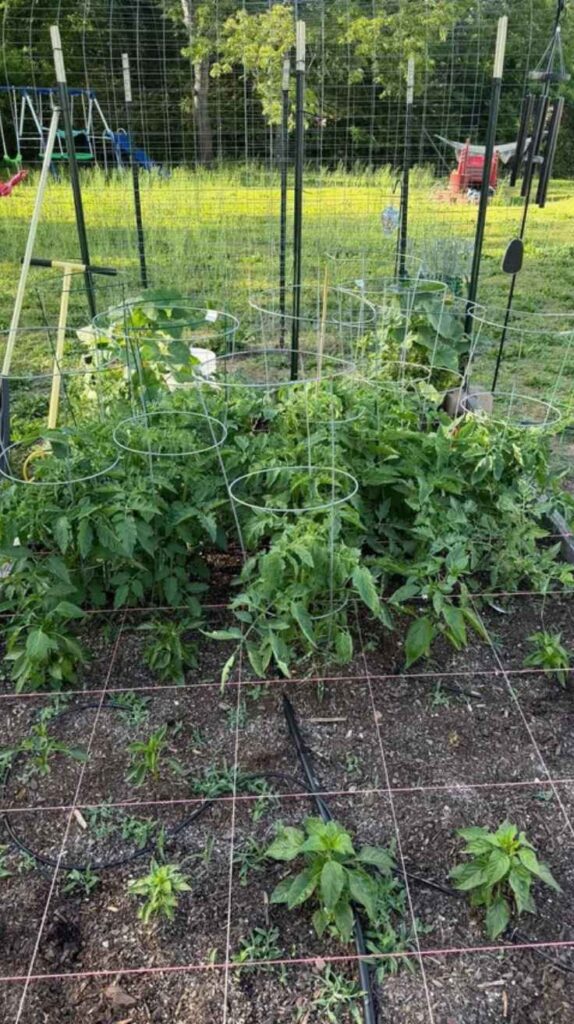
Square foot gardening offers a simple yet highly productive approach to growing vegetables. This method divides planting areas into small squares, each dedicated to specific crops.
The organized design helps maximize space while reducing waste. Every square serves a purpose, allowing gardeners to grow numerous vegetables in a relatively compact area. Leafy greens, carrots, radishes, onions, and herbs fit particularly well into this layout.
Careful spacing eliminates overcrowding while improving plant health. Because every section has a designated crop, maintenance becomes easier and more predictable. Watering, harvesting, and succession planting feel less overwhelming.
This system also appeals to visual learners. Clear grid patterns provide structure and simplify planning throughout the growing season. New gardeners often gain confidence quickly because the layout removes much of the guesswork.
A small square foot garden can produce a surprisingly diverse harvest, creating excitement with every new planting cycle.
Cottage-Style Edible Landscapes
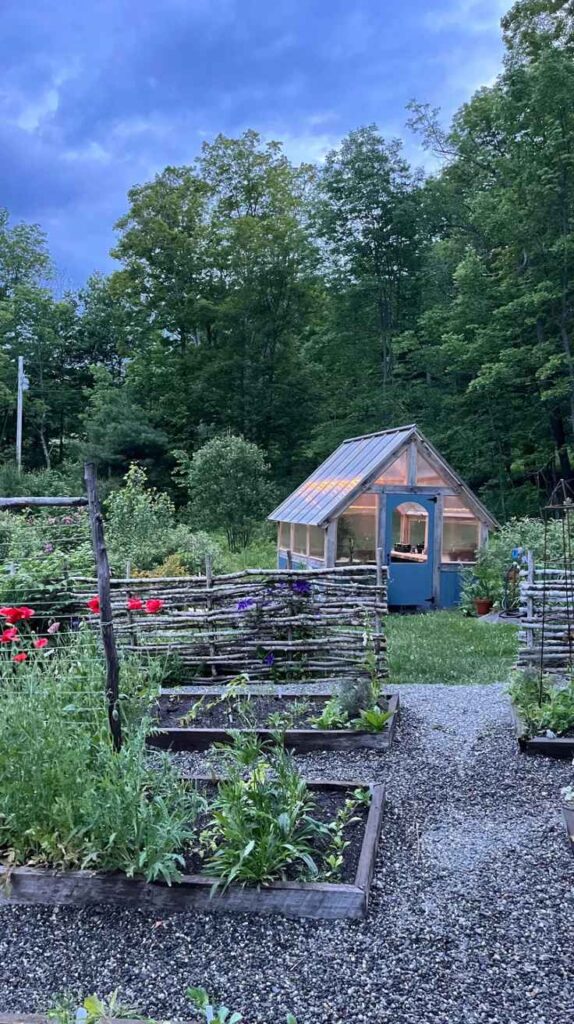
Vegetable gardens do not need to look strictly functional. Cottage-inspired layouts blend food production with ornamental beauty, creating a landscape that feels charming and abundant.
Vegetables mingle with flowers, herbs, and pollinator-friendly plants throughout the space. Bright marigolds, fragrant basil, colorful Swiss chard, and towering sunflowers create layers of texture and color.
This style supports biodiversity while attracting beneficial insects that help improve pollination and natural pest control. The garden becomes more than a food source—it becomes a vibrant outdoor retreat.
Curving pathways, rustic fences, and decorative garden accents enhance the welcoming atmosphere. Every corner offers something interesting to discover.
The beauty of this approach lies in its relaxed appearance. While carefully planned, the garden feels natural and overflowing with life, creating a sense of abundance that continues throughout the growing season.
Keyhole Garden Designs for Sustainability

Keyhole gardens combine efficiency, sustainability, and productivity in a unique circular layout. Originally developed in dry regions, these gardens feature a central compost basket surrounded by growing beds.
Kitchen scraps and organic materials placed in the compost center gradually release nutrients into the surrounding soil. This continuous feeding system supports healthy vegetable growth while reducing waste.
The circular design improves accessibility. Gardeners can reach every planting area from a single pathway, minimizing soil compaction and simplifying maintenance tasks.
Leafy greens, root vegetables, tomatoes, peppers, and herbs often thrive in this nutrient-rich environment. Water conservation is another significant advantage, making keyhole gardens especially attractive in areas prone to drought.
Their distinctive appearance also adds visual interest. Visitors often find themselves curious about the unusual shape and integrated composting system.
Companion Planting Layouts

Strategic plant partnerships can boost garden health, improve yields, and reduce pest problems. Companion planting uses the natural relationships between different crops to create a balanced growing environment.
Tomatoes and basil form a classic combination. Carrots pair well with onions. Beans help enrich soil with nitrogen, benefiting neighboring crops. Marigolds provide colorful blooms while helping deter certain garden pests.
These thoughtful combinations create a healthier ecosystem where plants support one another naturally. Gardeners often notice stronger growth and fewer pest-related issues when companion planting principles are applied.
The visual effect can be equally appealing. Different foliage shapes, textures, and colors create attractive contrasts throughout the garden.
As each plant contributes unique benefits, the entire growing space becomes more resilient and productive. The results often surprise gardeners who previously viewed vegetables as individual crops rather than cooperative communities.
Backyard Food Forest Concepts

Food forests take inspiration from natural ecosystems by combining vegetables with fruit trees, berry bushes, herbs, and perennial plants. This layered approach creates a productive landscape that offers harvests from multiple levels.
Tall trees provide structure, while shrubs, herbs, vegetables, and ground covers occupy lower layers. The result resembles a miniature ecosystem where plants support each other through natural interactions.
Once established, food forests require less maintenance than traditional gardens. Improved soil health, increased biodiversity, and enhanced moisture retention contribute to long-term sustainability.
Vegetables can be integrated into open sunny areas between larger perennial plantings. Seasonal crops provide immediate harvests while fruit-bearing plants mature over time.
The concept creates a dynamic landscape that changes throughout the year, offering fresh produce, habitat for beneficial wildlife, and a strong connection to nature.
Decorative Pathway Gardens

Pathways often receive little attention, yet they can dramatically improve both functionality and appearance. Well-designed walkways guide movement while creating visual structure throughout the growing area.
Mulch, gravel, brick, stone, and wood chips help define pathways and reduce mud during wet weather. Clean walking surfaces make maintenance easier and encourage frequent garden visits.
Vegetables planted alongside pathways remain accessible for harvesting. Lettuce, kale, herbs, and compact peppers work especially well near walking areas. Decorative edging materials create a polished appearance while preventing soil erosion.
The combination of practical access and attractive design transforms the entire garden experience. Every step reveals new textures, colors, and harvest opportunities.
Visitors often notice pathways first because they provide organization and direction. A thoughtfully designed path can make even a modest garden feel spacious and professionally planned.
Seasonal Succession Planting Areas
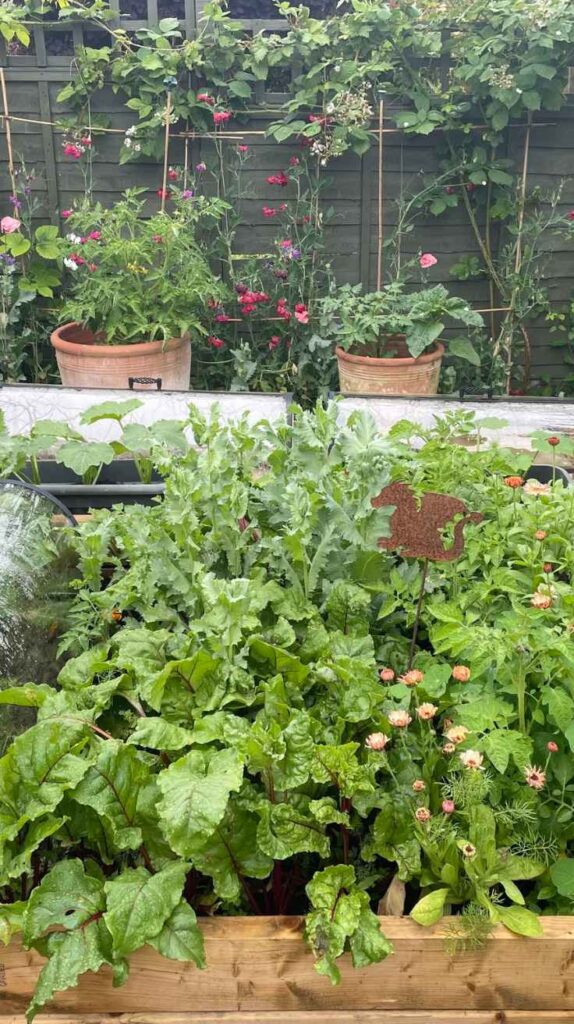
A garden should remain productive throughout the growing season rather than peaking once and fading away. Succession planting ensures continuous harvests by replacing finished crops with new plantings.
Early-season lettuce and spinach can be followed by beans or cucumbers. After summer vegetables finish producing, cool-season crops such as kale and radishes take their place.
Dedicated succession planting zones simplify this process. Gardeners can rotate crops strategically while maintaining consistent production from spring through fall.
This approach maximizes every square foot of growing space. Instead of empty beds sitting unused, fresh crops continuously fill available areas.
The excitement never fades because something new is always growing, maturing, or ready for harvest. Each season reveals fresh opportunities and rewards.
Greenhouse and Hoop House Growing Spaces
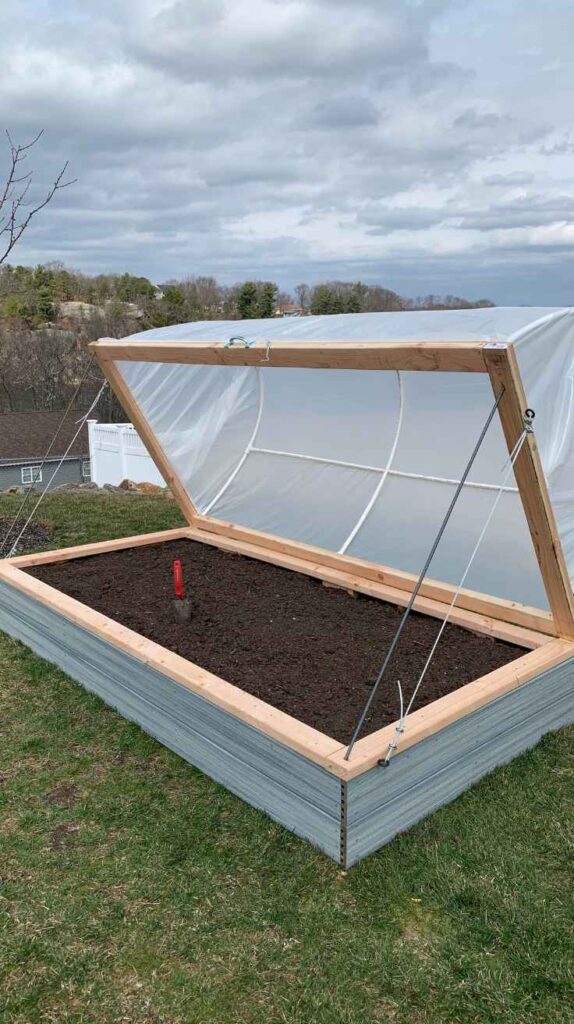
Protected growing environments extend the gardening season and create ideal conditions for many vegetables. Greenhouses and hoop houses shield plants from temperature extremes, wind, and excessive rainfall.
Gardeners often start seedlings earlier in spring and continue harvesting later into fall. In some climates, year-round production becomes possible.
Tomatoes, peppers, cucumbers, leafy greens, and herbs frequently perform exceptionally well under protected conditions. Improved temperature control encourages faster growth and higher yields.
These structures vary widely in size and complexity. Small backyard hoop houses offer affordable protection, while larger greenhouses provide expanded growing opportunities.
The ability to harvest fresh produce when outdoor gardens struggle creates a sense of satisfaction that keeps gardeners motivated throughout the year.
Pollinator-Friendly Vegetable Gardens
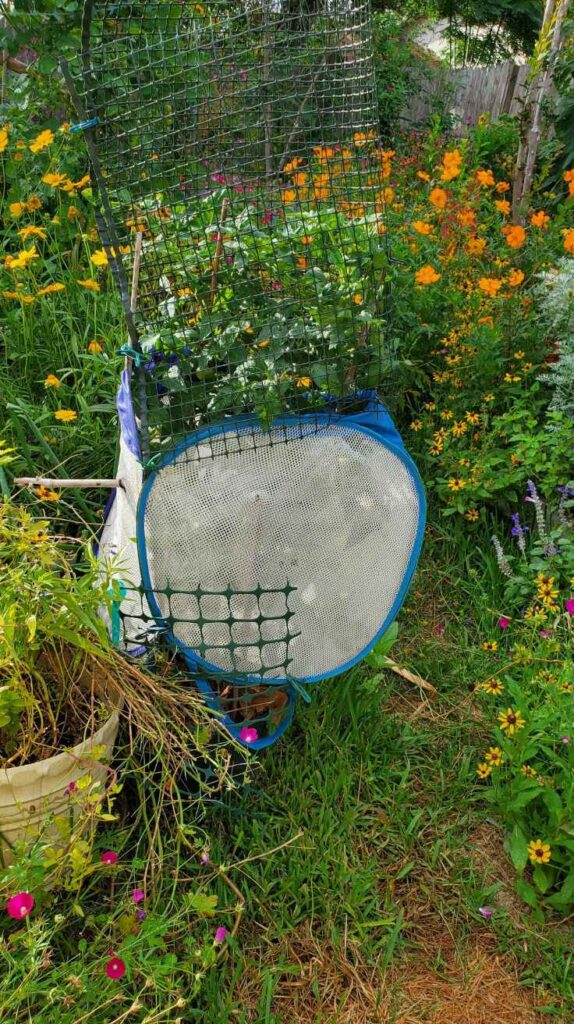
A productive vegetable garden depends heavily on pollinators. Bees, butterflies, and other beneficial insects play essential roles in fruit and seed production.
Integrating flowering plants throughout the garden attracts these valuable visitors while enhancing overall beauty. Lavender, zinnias, cosmos, sunflowers, and native flowers complement vegetable crops perfectly.
Pollinator-friendly spaces often experience improved yields because flowers encourage regular insect activity. Cucumbers, squash, melons, and many other crops benefit directly from increased pollination.
The constant movement of butterflies and buzzing bees brings energy and life to the garden. Flowers create bursts of color while supporting ecological balance.
A thriving pollinator population serves as a sign of a healthy garden ecosystem. As beneficial insects arrive, the entire space becomes more vibrant, productive, and resilient.
Conclusion
Creating a successful vegetable garden involves far more than planting seeds in the ground. Thoughtful design choices can dramatically improve productivity, beauty, and enjoyment. Raised beds, vertical systems, container arrangements, companion planting, keyhole gardens, and pollinator-friendly layouts each offer unique advantages that help maximize harvests.
The most inspiring gardens combine function with creativity. Every pathway, trellis, flower, and planting bed contributes to a space that feels welcoming and productive. Fresh vegetables become only part of the reward. The experience of nurturing plants, watching growth unfold, and harvesting homegrown food creates lasting satisfaction.
A single idea can spark an incredible transformation. Yet the most exciting part may be discovering how these approaches work together. Combine several methods, experiment with different layouts, and watch as an ordinary yard evolves into a thriving source of fresh produce and natural beauty. The next harvest could be closer than expected.