Shade Plants That Bring Beauty to the Darkest Corners of Your Garden
A shady garden doesn’t have to feel dull, empty, or forgotten. Some of the most beautiful foliage plants actually prefer gentle light, filtered sunshine, and cool corners where other plants struggle. With the right choices, a patch beneath trees, a north-facing porch, or a dim garden border can become lush, colorful, and full of life.
The secret is knowing which plants truly enjoy low-light conditions. Some tolerate shade but still need a little morning sun, while others thrive beneath a leafy canopy. The 12 shade plants below offer a wonderful mix of foliage, flowers, texture, and seasonal interest, making it easier to turn those overlooked spaces into something special.
Hostas

Hostas are among the easiest and most dependable choices for a shady garden. Their broad leaves come in an impressive range of colors, including deep green, blue-green, yellow, and variegated combinations. The leaves also vary dramatically in size, giving gardeners plenty of opportunities to create visual contrast.
Hostas work beautifully beneath mature trees, along shaded walkways, and around patios. Although they can tolerate some morning sunlight, strong afternoon sun may scorch their leaves. Consistent moisture helps them produce fuller, healthier foliage.
In summer, tall flower stalks rise above the leaves and produce delicate blooms. The flowers add another layer of interest, but the foliage remains the real star.
For a simple woodland-style garden, grouping several hostas together can create a lush carpet of texture without requiring complicated care.
Heuchera

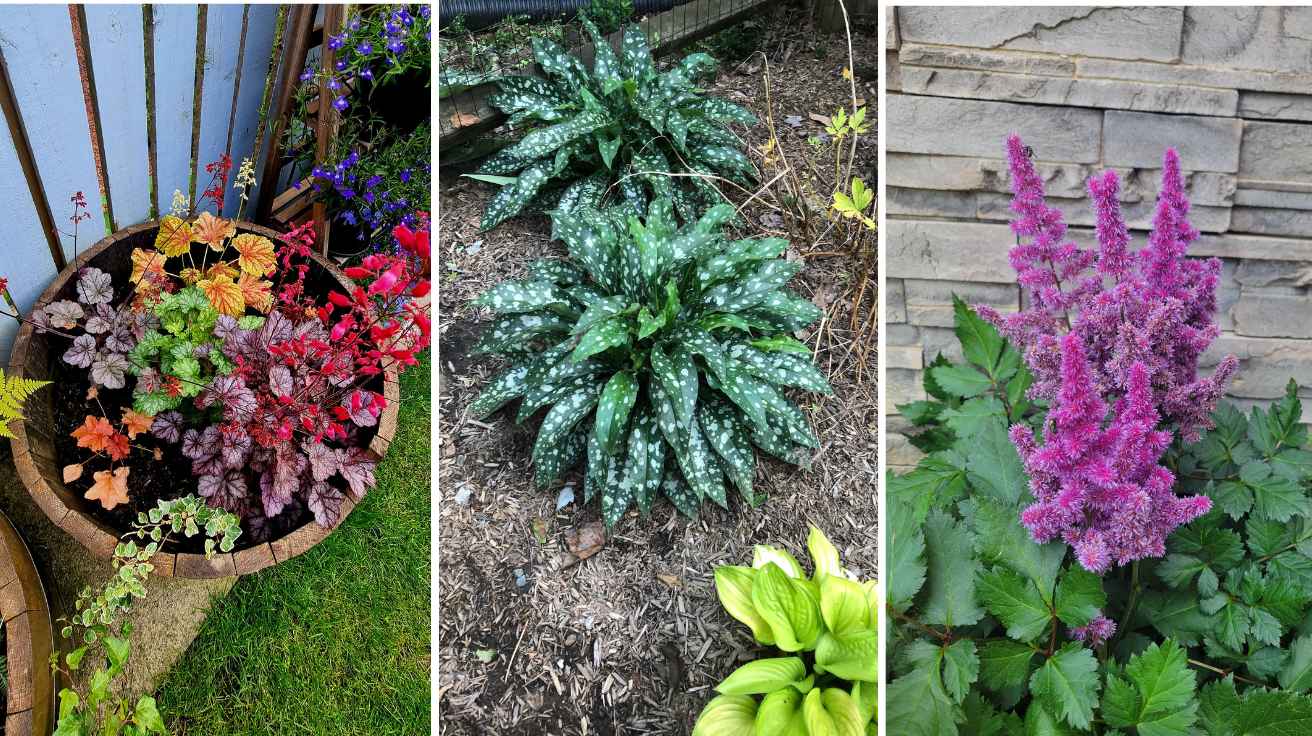
Heuchera brings something different to a low-light garden: dramatic leaf color. Depending on the variety, the foliage can appear burgundy, bronze, lime green, silver, caramel, or almost black.
That color makes heuchera particularly useful when a shady planting area needs more personality. Instead of relying entirely on flowers, the foliage creates interest throughout much of the growing season.
These perennial plants prefer well-drained soil and generally appreciate protection from intense afternoon heat. A spot with morning light and afternoon shade can be ideal, although many varieties perform well in partial shade.
Plant heuchera near hostas for an especially attractive combination. The large hosta leaves contrast beautifully with the smaller, scalloped foliage of heuchera.
Astilbe
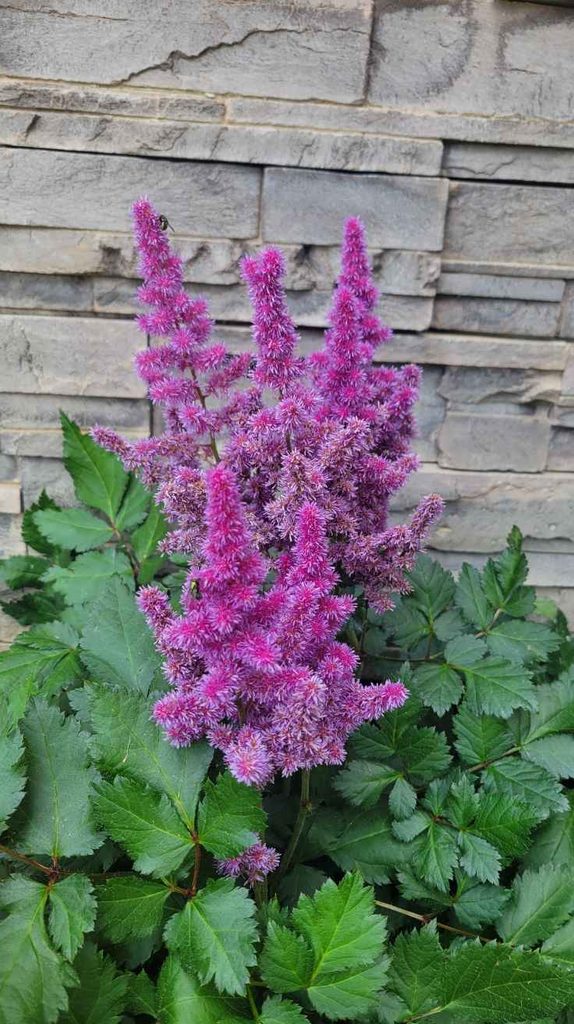
Astilbe proves that shady gardens can still have spectacular flowers. Its feathery flower plumes rise above attractive green foliage and appear in shades such as pink, red, white, and purple.
The blooms provide a soft, almost cloud-like appearance that works beautifully in woodland gardens, cottage gardens, and shaded borders. Astilbe also appreciates consistently moist soil, so it can be an excellent choice for areas that stay damp.
One of the most appealing features is the height it adds without making a planting bed look heavy. The delicate flower clusters sway gently above the foliage, creating movement whenever a breeze passes through.
For gardeners dealing with a dark corner that feels lifeless, a group of flowering astilbes can provide a surprisingly dramatic transformation.
Japanese Forest Grass

Japanese forest grass, also known as Hakone grass, offers graceful movement and beautiful texture. Its long, arching leaves cascade gently from the center of the plant, creating an almost waterfall-like effect.
Some varieties have golden or variegated foliage, while others feature rich green leaves. The plant generally prefers partial to full shade and appreciates moist, well-drained soil.
This is a wonderful choice for the front edge of a shady border because its flowing shape softens hard lines. It also looks attractive around stepping stones, beneath trees, and beside shaded pathways.
Pairing Japanese forest grass with upright plants creates a pleasing contrast. The soft, cascading foliage can make an ordinary garden bed feel more layered and sophisticated.
Ferns

Few plants capture the feeling of a woodland garden quite like ferns. Their delicate fronds bring texture, movement, and a naturally lush appearance to areas where many flowering plants struggle.
There are numerous fern varieties, including Japanese painted fern, autumn fern, lady fern, and ostrich fern. Their colors and forms differ, but most appreciate shade, moisture, and soil rich in organic matter.
Japanese painted fern is particularly eye-catching because its fronds can feature silver, green, and burgundy tones. It can become a subtle focal point without demanding attention through large flowers.
Ferns are also excellent companions. Place them beside hostas, heucheras, or astilbes to build a layered planting scheme with different leaf shapes and textures. The result can feel wonderfully natural, as though the garden has been growing quietly for years.
Coral Bells
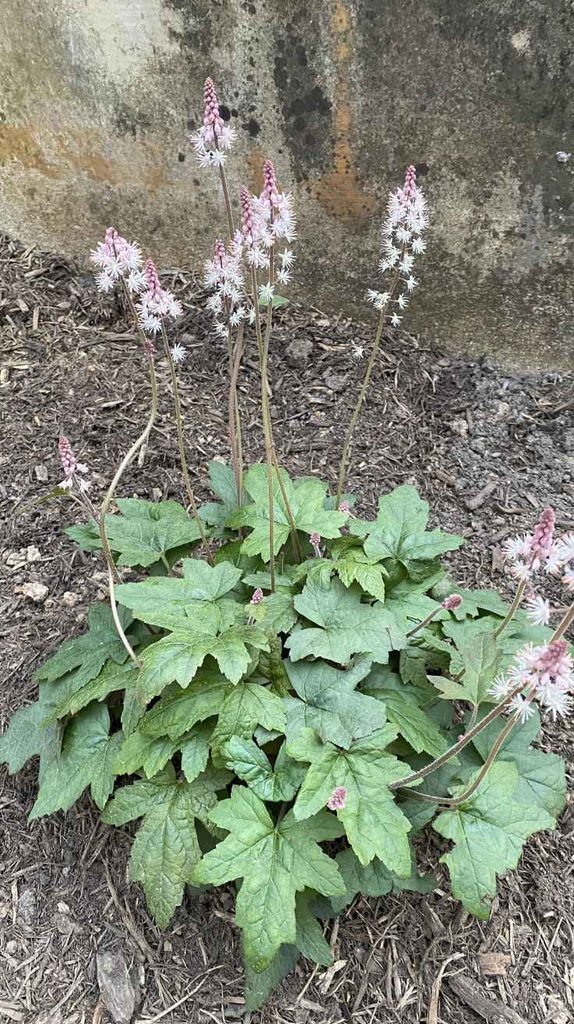
Coral bells are another excellent choice for adding foliage color to shaded spaces. Closely related to heuchera, these plants offer rounded or scalloped leaves in a wide range of shades. Depending on the cultivar, foliage may be green, purple, red, bronze, silver, or bright chartreuse. Tiny bell-shaped flowers appear on slender stems and attract pollinators when they bloom.
Coral bells usually perform best in partial shade with soil that drains well. They dislike sitting in constantly soggy conditions, so good drainage matters.
Their compact size makes them useful for borders, containers, pathways, and small garden beds. They can also fill spaces beneath taller plants without competing visually with larger foliage. A few varieties planted together can create a surprisingly colorful display even where direct sunlight is limited.
Bleeding Heart

Bleeding heart is a classic woodland perennial known for its romantic, heart-shaped flowers. The blooms usually appear in spring, hanging gracefully from arching stems.
Pink and white flowers are especially common, and their unusual shape immediately catches attention. The soft, fern-like foliage adds additional texture before gradually fading as summer progresses.
This plant prefers cool, shaded conditions and soil that remains evenly moist. It works beautifully beneath deciduous trees, along woodland paths, and toward the back of a shaded perennial border.
One thing worth remembering is that bleeding heart may go dormant after flowering, particularly during hot weather. Planting it alongside later-season foliage plants can help keep the area attractive after the flowers disappear. That little bit of planning can make a shady garden feel full and intentional rather than empty later in the season.
Lungwort

Lungwort, or Pulmonaria, is a compact perennial that combines attractive foliage with early-season flowers. Its leaves often feature silvery spots or markings, which can brighten a darker garden bed.
The flowers emerge in spring and may appear pink, blue, or purple. Their changing colors add a charming seasonal detail that makes the plant especially enjoyable to watch.
Lungwort prefers partial to full shade and soil with good moisture retention. It works well near trees, along shaded borders, and beneath taller perennials.
Because its foliage remains attractive after flowering, lungwort offers more than a short burst of color. The spotted leaves continue contributing texture long after the spring blooms have finished. For a shady garden that needs brightness without relying on strong sunlight, this little perennial can be an excellent addition.
Foxglove

Foxglove adds height and drama to shaded garden beds. Tall flower spikes rise above the surrounding foliage, carrying tubular blooms that can attract bees and other pollinators. The flowers commonly appear in pink, purple, white, cream, or related shades. Their vertical shape makes them especially useful behind shorter plants.
Foxgloves generally prefer partial shade and rich, well-drained soil. Depending on the species and growing conditions, they may behave as biennials or short-lived perennials, and some readily reseed.
Their height makes them useful for creating layers. Place shorter plants toward the front, medium-height foliage in the middle, and foxgloves toward the rear. One important caution: foxglove is toxic if eaten. It should be planted thoughtfully around children and pets and handled according to local gardening guidance.
Hellebores
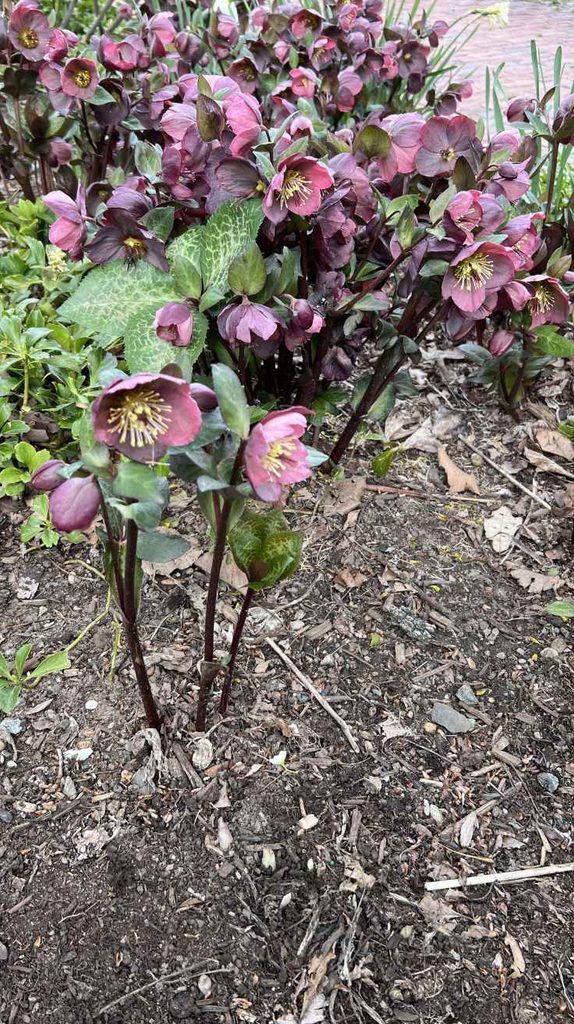
Hellebores are wonderful plants for bringing flowers to the garden during a season when many other plants remain quiet. Their nodding blooms can appear in late winter or early spring, depending on the variety and climate.
Flowers may be white, pink, purple, green, or speckled. The leathery evergreen or semi-evergreen foliage also provides structure after the flowers fade. Hellebores generally prefer partial to full shade and soil enriched with organic matter. Once established, they can become remarkably dependable garden companions.
Plant them beneath deciduous trees where winter and early spring light can reach them before the tree canopy fills out. Their flowers can then brighten the area while taller plants are still waking up. For year-round interest, hellebores are difficult to overlook.
Caladiums

Caladiums bring tropical-looking color to shady areas. Their large, heart-shaped leaves can display combinations of green, pink, red, and white, creating an almost painted appearance. They are especially useful when foliage rather than flowers is the main goal. A group of caladiums can transform a plain shaded container, porch corner, or garden bed into a vibrant focal point.
Most caladiums prefer warm conditions, rich soil, and protection from harsh direct sunlight. Their exact performance depends on the climate and variety.
Because they can also thrive in containers, they offer flexibility for gardeners working with balconies, patios, covered porches, or small yards. Place them beside simple green foliage plants to let their colorful leaves take center stage.
Begonias

Begonias offer versatility, attractive foliage, and colorful flowers, making them one of the most useful choices for shaded containers and garden spaces.
Wax begonias, tuberous begonias, and several foliage-focused types can perform well in protected low-light locations, although their exact light needs vary. Many appreciate bright filtered light rather than complete darkness.
Begonias are particularly useful around patios and porches because their flowers can provide a long-lasting display. Red, pink, white, and orange blooms can bring cheerful color to an otherwise quiet corner.
They also work beautifully in containers. A decorative pot filled with begonias can brighten an entrance, balcony, or covered sitting area without taking up much space.
For anyone looking for flexible plants that can move around the garden, begonias are worth considering.