Bonsai Plants That Bring Beauty, Patience, and Nature Into Any Space
A tiny tree can hold an astonishing amount of character. Twisted branches, miniature leaves, rugged bark, and a carefully shaped canopy can turn an ordinary corner into something peaceful and unforgettable. That is the magic of bonsai plants. They may be small, but they bring the feeling of an ancient forest right into a home, patio, balcony, or garden.
For beginners, choosing the right tree can feel confusing. Some varieties love bright sunlight, while others prefer filtered light. Some forgive an occasional watering mistake, while others quickly show signs of stress. The good news is that there is a beautiful bonsai for almost every growing situation.
The following 12 choices offer different leaf shapes, colors, textures, growth habits, and care requirements. Some are excellent starting points for beginners, while others reward patient gardeners with spectacular shapes and mature character. And there is one especially popular choice near the end that can completely change the way a bonsai collection looks.
Ficus
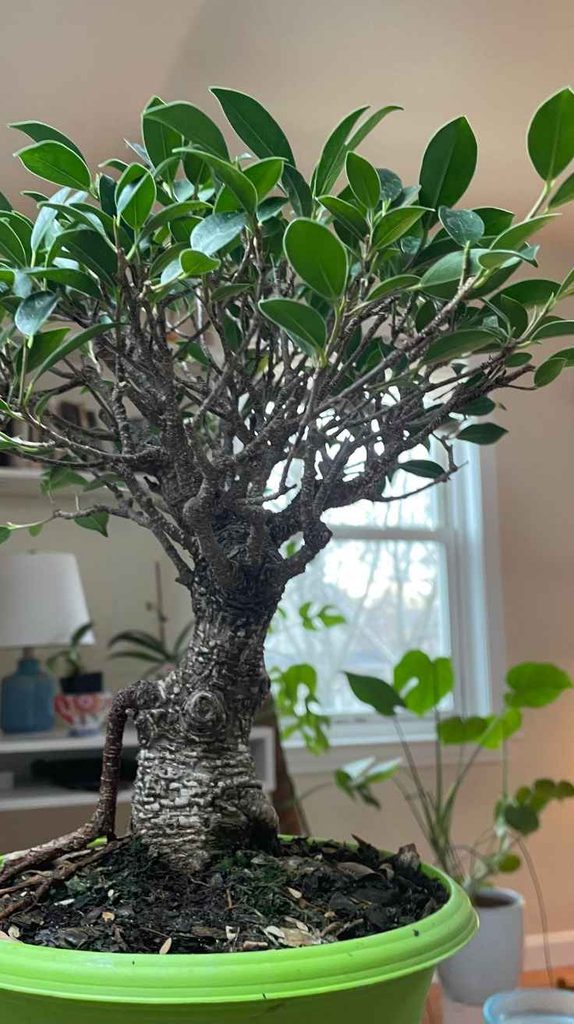
Ficus bonsai plants are among the most popular choices for people who want to bring a miniature tree indoors. Varieties such as Ficus microcarpa, Ficus retusa, and the popular ginseng ficus develop attractive trunks, glossy green foliage, and sturdy branches. Their ability to handle indoor conditions makes them especially appealing to beginners who may not have a large outdoor garden.
A bright location near a sunny window usually works well, although harsh afternoon sunlight through glass can sometimes scorch foliage. Consistent watering matters, but the soil should not remain constantly soggy. Allowing the upper layer of soil to become slightly dry before watering can help maintain healthy roots.
One of the most charming features is the trunk. With age, the trunk can become thick and sculptural, giving the little tree a surprisingly old appearance. Regular pruning encourages branching and helps maintain a compact silhouette.
Ficus is also fairly forgiving when compared with more demanding species. That makes it a wonderful starting point for learning bonsai care, root maintenance, pruning, and shaping.
Juniper

Few trees capture the traditional appearance of a miniature landscape as beautifully as juniper. Its fine foliage, rugged trunk, and naturally twisting branches make it a favorite among experienced growers and beginners alike.
Juniper bonsai plants generally perform best outdoors where they receive plenty of sunlight and good air circulation. Keeping one permanently inside a warm room can create problems because junipers need seasonal changes and outdoor conditions to remain vigorous.
The foliage may be green, blue-green, or slightly silvery depending on the variety. This creates an attractive contrast against weathered bark and dark containers. With careful wiring and pruning, branches can be trained into dramatic shapes that resemble old trees growing on rocky mountainsides.
Watering requires attention because the roots should receive adequate moisture without sitting in saturated soil. A well-draining bonsai soil mix is particularly useful.
The real reward comes with time. A young tree may look simple at first, but regular training can gradually reveal a character-filled miniature landscape.
Chinese Elm

Chinese elm is another excellent choice for anyone learning how to care for bonsai plants. Its small serrated leaves, fine branches, and attractive gray-brown bark create a delicate appearance that becomes more impressive as the tree matures.
This species can tolerate a range of conditions, although strong light and good airflow generally support healthier growth. Depending on the local climate and growing environment, Chinese elm may behave as a semi-evergreen or deciduous tree.
Frequent pruning can encourage dense branching. That makes it possible to develop the layered canopy often associated with classic bonsai design. Small leaves also help maintain the illusion of a full-sized mature tree.
Watering should remain consistent during active growth. At the same time, excessive moisture can damage the root system, so drainage holes and suitable soil are important.
For a gardener who wants a tree that responds visibly to regular care, Chinese elm can be especially satisfying. New shoots appear, branches thicken, and the overall silhouette gradually becomes more refined.
Japanese Maple

Japanese maple brings something completely different to a collection: seasonal drama. Its delicate leaves and branching structure can create an elegant miniature tree that changes throughout the year.
During the growing season, foliage may appear green, red, burgundy, or bronze depending on the cultivar. Autumn can be particularly spectacular as the leaves develop brilliant shades before falling.
Japanese maple generally prefers bright light but may benefit from protection from intense afternoon heat, especially in very warm climates. Wind protection can also help protect its delicate leaves and branches.
Pruning should be approached thoughtfully because excessive cutting can spoil the natural structure. Wiring can help guide branches, but young branches should be monitored closely because they can thicken quickly and become marked by wire.
This tree is particularly rewarding for gardeners who enjoy seasonal changes. Watching fresh leaves emerge in spring, expand through summer, and transform in autumn gives the miniature tree a sense of movement and life.
Jade Plant

The jade plant is a fascinating option because it does not look like the traditional image of a bonsai tree at first. Its thick trunk, fleshy leaves, and sturdy branches give it a distinctive appearance, and with careful pruning, it can develop into a beautiful miniature tree.
Because jade is a succulent, it stores water in its leaves and stems. This means it generally needs less frequent watering than many traditional tree species. Overwatering is one of the biggest problems to avoid because constantly wet soil can lead to root problems.
A bright, sunny location encourages compact growth and strong foliage. The soil should drain quickly, and containers must have drainage holes.
Pruning can transform a sprawling jade into a compact, tree-like form. Removing selected branches encourages the plant to put energy into stronger stems and creates a more balanced silhouette. For anyone who tends to forget watering occasionally, this can be a forgiving choice. Its unusual appearance also adds variety to a collection dominated by traditional leafy trees.
Carmona

Carmona, commonly called Fukien tea, combines attractive foliage with the possibility of delicate flowers and small berries. That combination makes it one of the most interesting bonsai plants for indoor growing in suitable conditions.
Its small, glossy leaves create a dense canopy, while tiny white flowers can appear when growing conditions are favorable. Later, small berries may develop, adding another layer of visual interest.
This species prefers warmth, bright light, and steady moisture. Sudden changes in temperature, poor lighting, or inconsistent watering can cause leaf drop. For that reason, it often performs best when placed in a stable environment. Pruning helps maintain its compact shape and encourages branching. Fertilizing during active growth can also support healthy foliage and flowering.
Carmona rewards attention. A neglected specimen can quickly look sparse, but a carefully maintained one can become lush and elegant. The combination of tiny leaves, flowers, and berries makes it feel like a complete miniature garden rather than simply a potted plant.
Bougainvillea

Bougainvillea is a spectacular choice for gardeners who want vibrant color. Although the colorful structures are technically bracts rather than true flowers, they create a dramatic display that can make a miniature tree stand out from across a room or patio.
This tropical and subtropical plant loves sunlight. Strong light encourages vigorous growth and better flowering, making an outdoor location particularly useful in warm climates.
Bougainvillea also develops woody stems that can be trained into attractive shapes. Pruning helps control its vigorous growth and encourages a compact form. Because the plant can grow quickly under favorable conditions, regular maintenance keeps the silhouette from becoming untidy.
Watering requires balance. The plant needs moisture, especially during active growth, but constantly saturated soil can create root problems. A fast-draining growing medium is useful. The combination of rugged branches and brilliant bracts creates a striking contrast. It can look surprisingly ancient despite its small size, especially when the trunk develops interesting texture.
Serissa

Serissa, often called snow rose or snowrose, is known for its tiny leaves and small white flowers. Its delicate appearance makes it particularly attractive for miniature landscapes and carefully styled displays.
The plant prefers bright light and stable growing conditions. Sudden changes in temperature, watering, or placement may cause leaves to drop, so consistency is important.
Regular pruning can keep the canopy dense and encourage fine branching. During periods of active growth, careful feeding can support healthy development. One appealing quality is its scale. The tiny foliage works beautifully with small trunks and branches, helping create the visual impression of a mature tree in miniature form.
Serissa can be more sensitive than some beginner-friendly choices, but that does not make it unsuitable. Instead, it offers an opportunity to learn how plants communicate stress. Yellowing leaves, leaf drop, weak growth, and dry soil can all provide clues that something needs attention. With patient care, the reward can be a graceful tree decorated with tiny blossoms.
Azalea

Azalea bonsai can completely transform during flowering season. Dense foliage combined with colorful blossoms makes this one of the most visually impressive choices for a collection.
Flowers may appear in shades such as pink, red, white, purple, or combinations of these colors depending on the cultivar. When a well-maintained specimen bursts into bloom, the flowers can temporarily become the main attraction.
Azaleas generally prefer acidic soil and consistent moisture. Unlike drought-tolerant plants, they should not be allowed to become severely dry for extended periods. At the same time, the roots need oxygen, so good drainage remains essential.
Pruning after flowering can help shape the plant and encourage future branching. Fertilizing should also follow the plant’s active growth cycle and specific nutritional needs.
There is a wonderful rhythm to growing this type of tree. Much of the year may focus on foliage and structure, but flowering season delivers a sudden explosion of color. That transformation is one reason azalea remains a treasured choice for miniature tree enthusiasts.
Olive

Olive trees bring a rugged, sun-loving character that feels completely different from delicate flowering species. Their narrow gray-green leaves, textured bark, and naturally gnarled appearance can create a striking miniature landscape.
Olive trees prefer plenty of sunlight. A bright outdoor location is generally ideal, especially during the growing season. They also appreciate well-draining soil because waterlogged roots can cause serious problems.
One of the most attractive qualities is the trunk. With age, olives can develop thick, twisted, and weathered-looking trunks that give them an ancient appearance.
Pruning helps maintain the desired shape while allowing enough foliage to support healthy growth. Strong sunlight also helps maintain compact growth and attractive leaf color.
For those drawn to Mediterranean gardens, an olive can become a beautiful focal point. Pairing it with a simple ceramic container, gravel surface, or stone accent can create a calm, natural display. Its slow development is part of the appeal. The tree becomes more interesting as the years pass, turning ordinary gardening into a long-term creative project.
Pine

Pines are deeply connected with traditional bonsai culture. Their needles, rough bark, and layered branches create the unmistakable appearance of an old tree shaped by wind, weather, and time.
Several pine species can be trained as bonsai, but they generally require more specialized care than forgiving indoor varieties. They typically need strong outdoor light, good air circulation, appropriate seasonal conditions, and careful watering.
Training involves understanding candle growth, needle development, branch placement, and timing. Pruning at the wrong moment can weaken the tree or interfere with future growth. That extra complexity makes pine particularly appealing to gardeners who want to develop their skills. The learning curve can be steep, but the result can be extraordinary.
A mature pine bonsai can look like a tiny survivor clinging to a mountain ridge. Its rugged silhouette tells a story without saying a word.
For beginners, learning from an experienced grower or reliable bonsai guide can make pine care much easier. Once the basic principles become familiar, maintaining the tree becomes a deeply satisfying seasonal routine.
Schefflera

Schefflera, also known as the umbrella tree, is a useful option for people seeking an attractive indoor specimen. Its glossy, finger-like leaflets create a lush tropical appearance, while its flexible stems can be pruned and trained into a miniature tree form.
It generally prefers bright, indirect light, although it can adapt to moderate indoor conditions. Extremely dark locations often result in weak, stretched growth.
Watering should remain balanced. Letting the soil become slightly dry between waterings can help prevent excessive moisture around the roots. Good drainage is essential, especially when the plant is grown in a shallow container.
Pruning is one of the most useful techniques for shaping schefflera. Long stems can be shortened to encourage branching, gradually producing a fuller canopy.
This variety is especially attractive for apartments, offices, and other indoor spaces where traditional outdoor trees may struggle. Its tropical foliage gives the room a fresh, lively feeling while the trained trunk creates a miniature-tree appearance. With regular trimming and suitable light, a simple schefflera can become an eye-catching living sculpture.
How to Choose the Right Tree for Your Space
Choosing among different bonsai plants becomes much easier when the growing environment comes first. Rather than selecting a tree solely because it looks beautiful in a photograph, consider sunlight, temperature, humidity, available space, and the amount of time available for care.
Outdoor species such as juniper, pine, olive, and many Japanese maples usually need genuine outdoor conditions. Indoor-friendly choices such as ficus, jade, and schefflera can be more practical for people living in apartments or homes without suitable outdoor areas.
Light is especially important. A tree placed in a dark corner may slowly weaken even if watering is perfect. A sunny balcony, bright window, patio, or sheltered garden can provide much better conditions.
Container size matters, too. Bonsai containers are intentionally shallow, which means the soil can dry faster than ordinary garden soil. Checking moisture regularly is therefore more reliable than following a rigid watering schedule.
The best choice is ultimately the one that matches the environment. When the tree receives conditions it naturally enjoys, care becomes easier and growth becomes more rewarding.
Essential Care Tips for Healthy Growth
Successful bonsai care does not depend on complicated equipment. It starts with observing the tree.
Check the soil before watering rather than automatically adding water every day. Some species enjoy consistent moisture, while others prefer the soil to dry somewhat between waterings. Understanding the particular tree makes a huge difference.
Light should also receive regular attention. Weak, stretched growth can indicate insufficient light, while scorched leaves may suggest excessive exposure to harsh sunlight.
Pruning keeps growth under control and helps develop the desired structure. However, removing too much foliage at once can stress a tree. Small, thoughtful cuts are usually safer than aggressive trimming.
Fertilizer can support healthy growth during active seasons, but more is not always better. Follow the requirements of the species and use an appropriate balanced fertilizer.
Repotting is another important part of long-term care. As roots fill the container, fresh bonsai soil and root maintenance may become necessary. The timing depends on the species, age, climate, and growth rate.
Above all, patience matters. A bonsai is not a decoration that reaches perfection overnight. It is a living project that changes season after season.
Common Mistakes Beginners Should Avoid
Many problems begin with good intentions. Too much water, too much fertilizer, excessive pruning, poor lighting, or constant relocation can all create stress.
One common mistake is treating every tree the same. A jade plant does not have the same watering requirements as an azalea, and a juniper does not have the same indoor needs as a ficus.
Another mistake involves choosing a decorative location before checking whether it provides enough light. A beautiful table in a dim corner may look perfect, but it may not provide the conditions a living tree needs.
Overwatering is another frequent issue. When soil remains wet for too long, roots may struggle to breathe and eventually decline. Checking the soil moisture is a much better habit than watering simply because a calendar says it is time.
Finally, avoid rushing the shape. Bonsai training takes time. Branches need to thicken, trunks need to develop, and pruning decisions should support the tree’s long-term structure.
The slow pace is not a disadvantage. It is what makes the experience so rewarding.
Creating a Beautiful Miniature Garden at Home
- Bonsai plants can become much more than individual potted trees. They can form the centerpiece of a miniature garden display.
- A simple arrangement might combine a trained tree with natural stones, moss, gravel, or a small accent plant. The goal is balance rather than clutter. Too many decorative elements can distract from the tree itself.
- Containers also influence the overall appearance. A simple ceramic pot can create an elegant presentation, while a weathered container may enhance the feeling of age and character.
- For a balcony, a small outdoor stand can elevate the tree and give it more visual importance. Indoors, a bright shelf or dedicated plant table can turn a collection into a living focal point.
- Different textures make the display more interesting. Smooth leaves beside rough bark, pale stones beside dark soil, or delicate foliage beside a rugged trunk can create natural contrast.
- The most beautiful arrangements often feel understated. A single well-shaped tree with thoughtful surroundings can have more impact than a crowded collection.