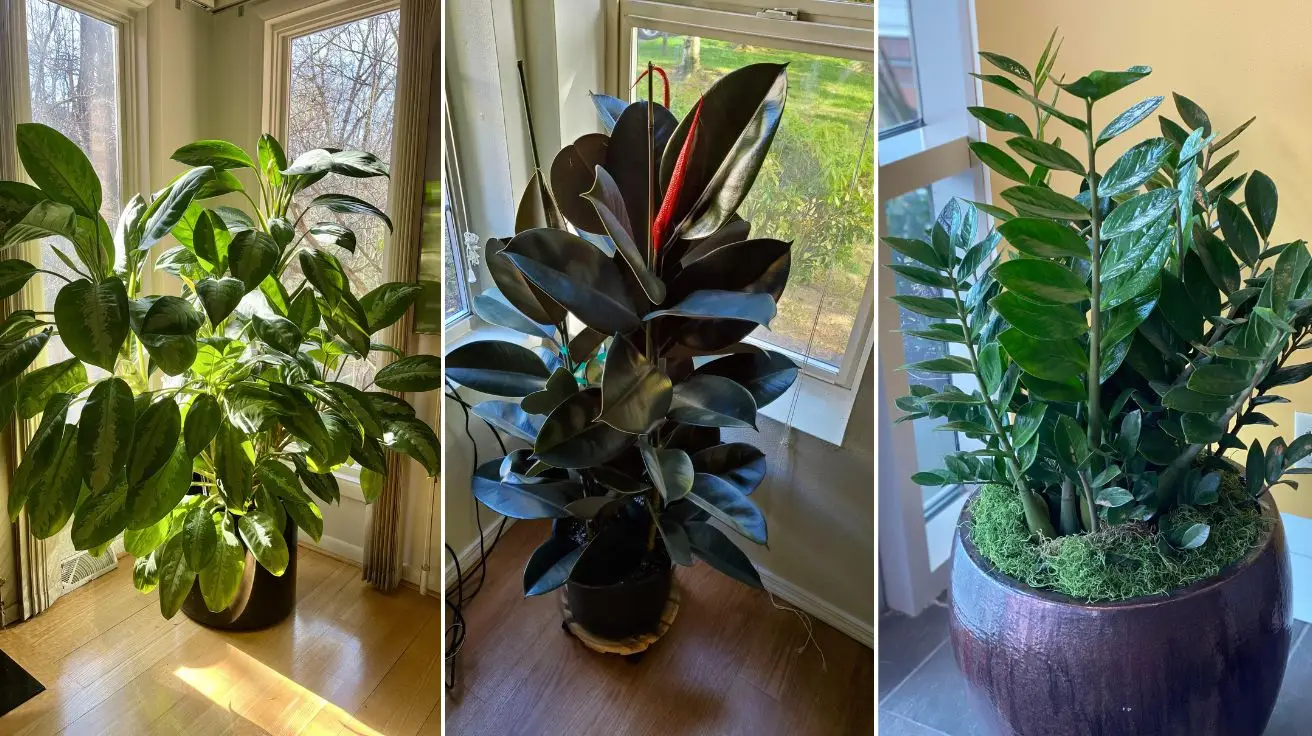
Easy Maintenance Plants That Bring Beauty Without the Hard Work
There is something special about filling a home with greenery. A few healthy plants can transform a dull corner into a lively, welcoming space. They add color, improve indoor air quality, and create a calm atmosphere that makes every room feel more inviting.
The challenge is that many people believe growing plants requires endless watering schedules, complicated care routines, and expert gardening skills. Fortunately, that is far from the truth. Some of the best indoor plants thrive with very little attention. They forgive missed waterings, tolerate different lighting conditions, and continue looking beautiful even when life gets busy.
The best part? Many of these low-maintenance varieties can survive for years with only basic care. For beginners, busy homeowners, apartment dwellers, and anyone looking for stress-free greenery, these easy maintenance plants can make plant ownership enjoyable rather than overwhelming.
Ready to discover which varieties deserve a spot in your home? Some of these surprisingly resilient plants may already be more impressive than expected.
Snake Plant
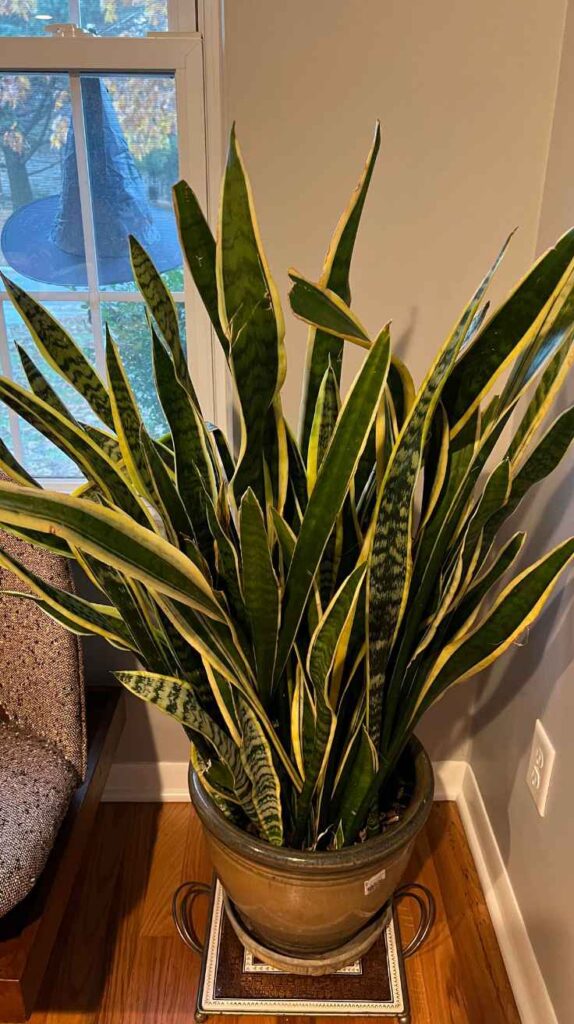
One of the toughest houseplants available, the snake plant has earned a reputation for surviving conditions that would challenge many other indoor plants.
Its upright, sword-shaped leaves create a modern and elegant appearance that works beautifully in living rooms, bedrooms, offices, and entryways. The plant tolerates low light, bright indirect light, and even occasional neglect. Watering is simple. Allow the soil to dry completely before watering again. Overwatering causes more problems than underwatering, making it an ideal choice for busy households.
Another benefit is its air-purifying qualities. Snake plants help filter indoor pollutants while adding a striking architectural element to home décor. With minimal effort, this hardy plant continues growing year after year, making it one of the most dependable choices for beginners.
ZZ Plant

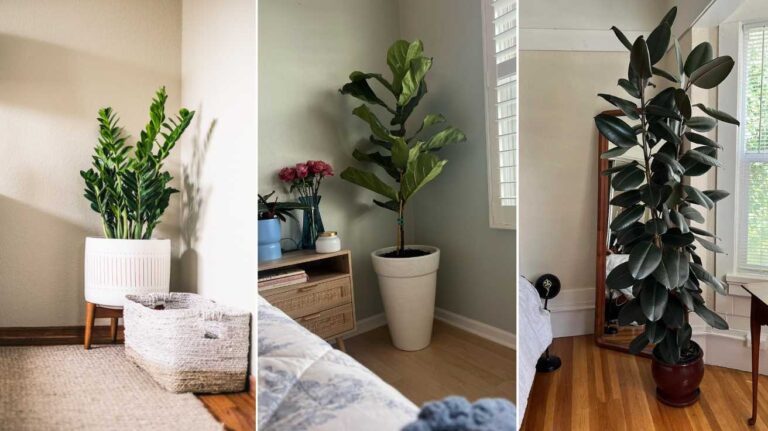
The ZZ plant stands among the most forgiving indoor plants available today. Its glossy, dark green leaves look polished and attractive throughout the year, even with very little attention. This drought-tolerant plant stores water in thick underground rhizomes, allowing it to survive extended periods without watering. Missing a watering session rarely causes any serious damage.
The ZZ plant adapts well to various indoor conditions, including low-light areas where many other plants struggle. Hallways, offices, and shaded corners often become perfect homes for this resilient beauty.
Because it grows slowly, maintenance remains minimal. There is no constant pruning, repotting, or special feeding schedule to worry about. For anyone seeking greenery that practically takes care of itself, few choices compete with the reliability and elegance of the ZZ plant.
Pothos

Pothos remains one of the most popular houseplants for a reason. Its trailing vines and heart-shaped leaves create an attractive display while requiring very little effort. This versatile plant thrives in hanging baskets, shelves, tabletops, and decorative planters. The cascading foliage adds softness and visual interest to any room. Pothos tolerates a wide range of lighting conditions, from low light to bright indirect sunlight. It also recovers quickly if watering schedules become inconsistent.
Another advantage is its fast growth rate. New vines appear regularly, creating a lush appearance without demanding extensive care. Simple pruning encourages fuller growth, and cuttings can easily be propagated in water. Before long, one plant can become several beautiful additions throughout the home.
Spider Plant
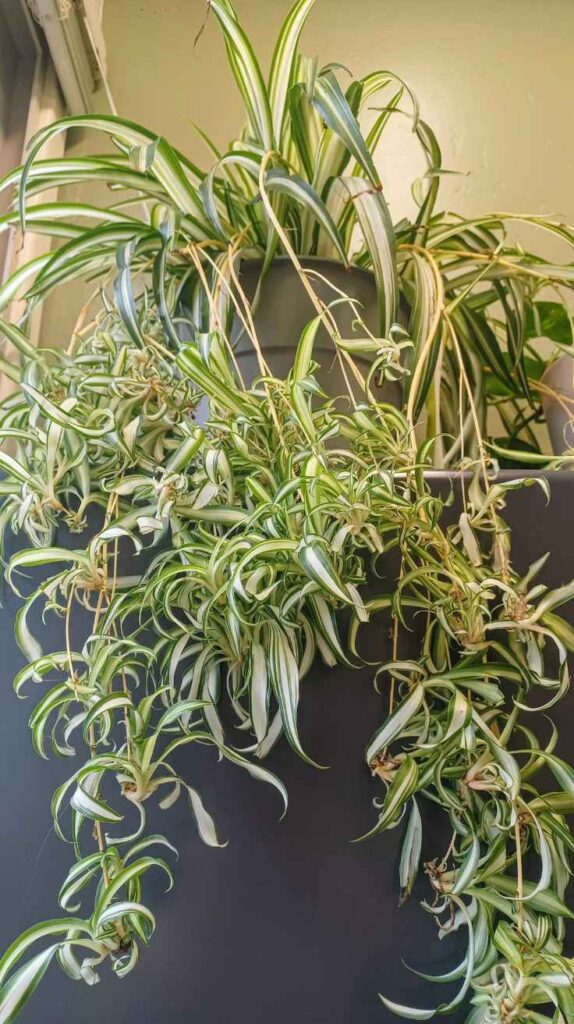
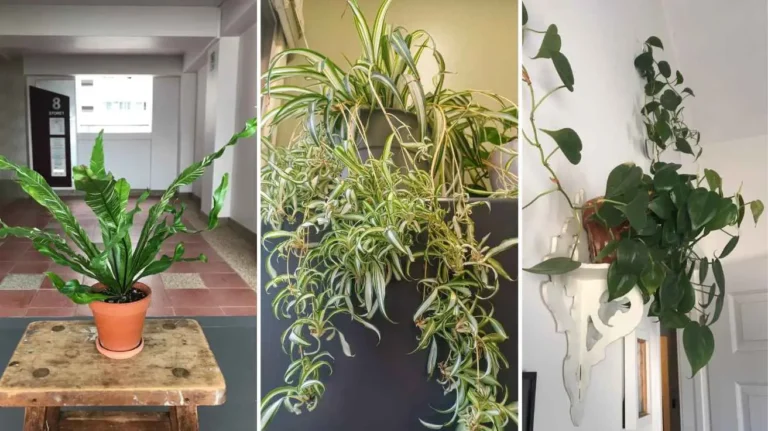
The spider plant combines beauty, resilience, and simplicity into one easy-to-grow package. Its arching green leaves often feature attractive white stripes, creating visual appeal in any indoor setting. This adaptable plant performs well in moderate light and can tolerate occasional neglect. Watering becomes easy because the thick roots store moisture for future use.
One of the most enjoyable features is the production of baby plants, often called spiderettes. These miniature offshoots dangle gracefully from the parent plant and can be replanted to create entirely new plants.
Spider plants are also known for helping improve indoor air quality. Their ability to thrive with minimal intervention makes them an excellent choice for first-time plant owners. As these charming baby plants begin appearing, many homeowners quickly discover why spider plants remain favorites around the world.
Peace Lily

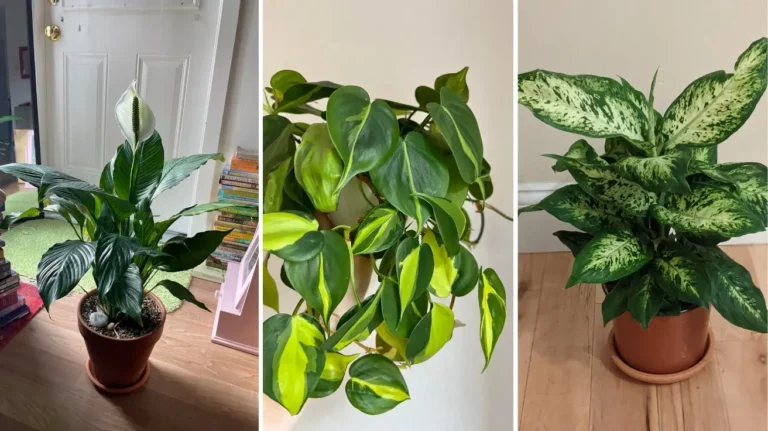
The peace lily offers elegance and simplicity in one attractive package. Its glossy green leaves and graceful white blooms bring sophistication to homes, apartments, and offices. Unlike many flowering plants, peace lilies continue performing well indoors with relatively little maintenance. They prefer medium to low light and adapt comfortably to indoor environments.
One remarkable characteristic is their ability to communicate watering needs. When thirsty, the leaves droop noticeably. After watering, the plant often perks back up within hours. This natural signal removes much of the guesswork associated with plant care. In addition to visual beauty, peace lilies help remove common indoor pollutants from the air, making them a popular choice for healthier living spaces. Their combination of flowers, foliage, and resilience makes them a rewarding addition to nearly any home.
Aloe Vera
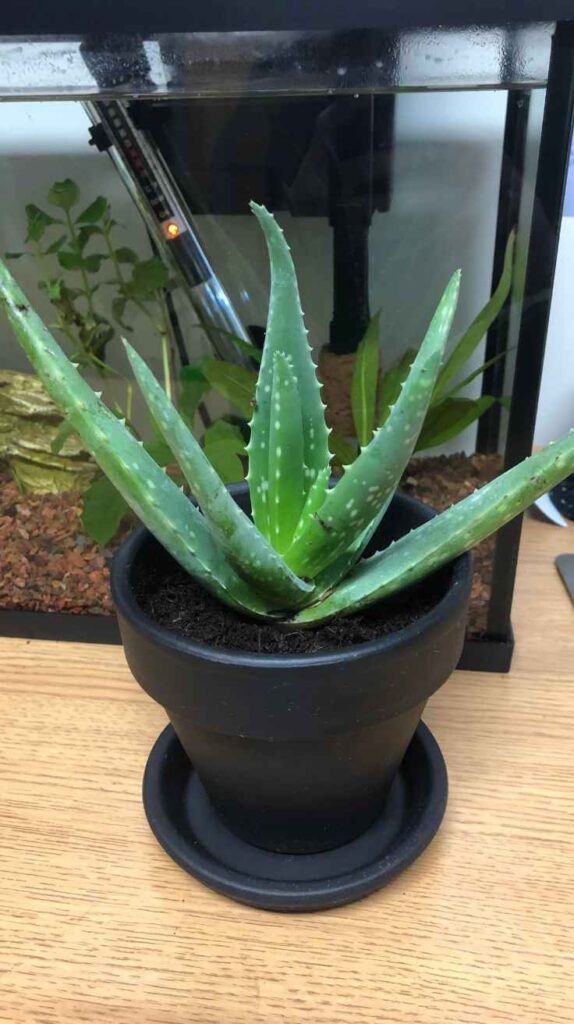
Aloe vera offers both ornamental appeal and practical benefits. Its thick, fleshy leaves contain a soothing gel commonly used for minor skin irritations and burns. As a succulent, aloe vera thrives in bright locations and requires infrequent watering. The soil should dry completely between watering sessions, helping prevent root problems.
The sculptural appearance of the leaves adds a contemporary touch to kitchens, sunrooms, and windowsills. Even without flowers, the plant creates strong visual interest. Because aloe stores water within its leaves, it tolerates periods of neglect exceptionally well. Busy schedules rarely become an issue. For homeowners seeking a useful and attractive plant that demands very little effort, aloe vera consistently ranks among the best choices available.
Jade Plant

The jade plant has long been associated with prosperity, longevity, and good fortune. Its thick stems and rounded green leaves create a miniature tree-like appearance that becomes increasingly attractive with age. As a succulent, jade requires minimal watering. Excess moisture presents a greater threat than dry conditions, making care straightforward and stress-free.
Bright indirect light encourages healthy growth, though the plant adapts well to typical indoor environments. Over time, mature specimens develop sturdy trunks that add character and charm. Jade plants also have impressive longevity. With basic care, they can thrive for decades, becoming cherished parts of household décor. Their compact size, drought tolerance, and attractive structure explain why so many gardeners recommend jade plants to beginners seeking dependable indoor greenery.
Cast Iron Plant

The cast iron plant earned its name because of its incredible toughness. Few indoor plants can tolerate neglect, poor lighting, and changing conditions as successfully as this durable favorite. Its deep green leaves grow upright and maintain an attractive appearance throughout the year. Even in rooms with limited sunlight, the cast iron plant continues to perform remarkably well.
Busy homeowners often appreciate its forgiving nature. Missed waterings rarely cause significant issues, and the plant requires little pruning or special care. It simply continues growing steadily without demanding constant attention.
The cast iron plant also adapts well to temperature fluctuations that might stress more delicate varieties. This flexibility makes it an excellent choice for apartments, offices, and homes with varying indoor conditions. For those seeking reliable greenery that remains attractive with minimal effort, the cast iron plant delivers exceptional value and long-lasting beauty.
Chinese Evergreen

Chinese evergreen is widely recognized as one of the easiest houseplants to grow. Its decorative foliage comes in various shades of green, silver, cream, and even subtle pink tones, adding visual interest to indoor spaces.
This adaptable plant thrives in low-light conditions, making it perfect for rooms that receive limited natural sunlight. While brighter indirect light can enhance leaf coloration, the plant remains healthy in less-than-ideal environments.
Watering requirements stay simple. The soil should dry slightly between waterings, helping prevent root issues while maintaining healthy growth. One of the most appealing qualities of Chinese evergreen is its resilience. It handles occasional neglect gracefully and continues producing beautiful foliage throughout the year. Its colorful leaves and low-maintenance nature make it a favorite among beginners and experienced plant enthusiasts alike.
Rubber Plant

The rubber plant brings bold beauty to indoor spaces with its large, glossy leaves and impressive structure. Despite its dramatic appearance, this plant remains surprisingly easy to care for. Bright indirect light encourages healthy growth and vibrant foliage. However, the rubber plant can adapt to moderate indoor lighting conditions, making placement relatively flexible.
Watering needs remain straightforward. Allowing the top layer of soil to dry before watering helps maintain strong roots and healthy development. As the plant matures, it can grow into a stunning focal point that enhances living rooms, offices, and entryways. The thick leaves also help create a lush, tropical atmosphere without requiring intensive maintenance. For anyone looking to make a statement with indoor greenery while keeping care routines simple, the rubber plant offers an ideal balance of beauty and practicality.
Philodendron
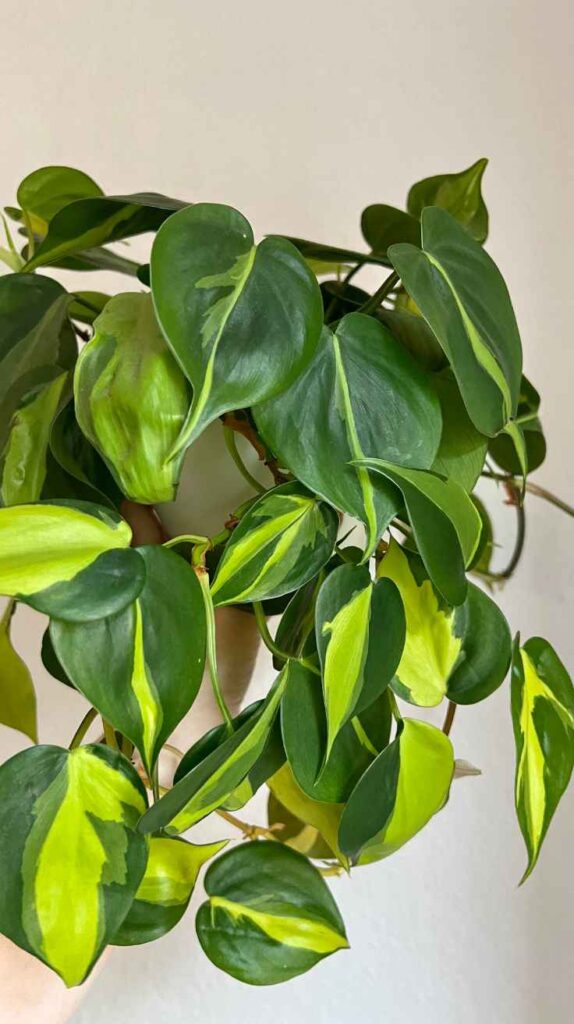
Philodendrons have remained popular for generations because they combine attractive foliage with exceptional ease of care. Their heart-shaped leaves and trailing or climbing growth habits make them versatile additions to many decorating styles. Whether displayed on shelves, hanging baskets, or plant stands, they create a fresh and welcoming appearance.
Philodendrons tolerate a variety of lighting conditions, though they perform best in bright indirect light. They also recover quickly from occasional care mistakes, making them ideal for beginners. Regular watering keeps the plant healthy, but slight periods of dryness rarely cause significant problems. This forgiving nature reduces stress for new plant owners. As the vines continue growing and producing lush foliage, many people discover that philodendrons provide maximum visual impact with minimal effort.
Lucky Bamboo

Lucky bamboo offers a unique look that differs from many traditional houseplants. Its elegant stems and graceful form create a peaceful atmosphere that complements modern and minimalist interiors. One reason for its popularity is its simplicity. Lucky bamboo can grow in water rather than soil, reducing many common plant-care concerns. Maintaining clean water and providing indirect light are often enough to keep it thriving.
Many people associate lucky bamboo with positive energy and good fortune, making it a meaningful addition to homes and offices. Its compact size allows it to fit comfortably on desks, countertops, and shelves without taking up excessive space. For those seeking low-maintenance greenery with a distinctive appearance, lucky bamboo delivers beauty, simplicity, and lasting appeal.
Parlor Palm

The parlor palm has decorated homes for generations, and its popularity continues because of its graceful appearance and easy care requirements. Its feathery fronds create a soft, tropical feel that instantly adds warmth and character to indoor spaces. Despite its elegant look, the plant remains highly adaptable and beginner-friendly.
Parlor palms tolerate low-light conditions better than many other palms, making them suitable for apartments and shaded rooms. They also require only moderate watering and minimal maintenance. Slow growth helps reduce the need for frequent repotting or pruning, making long-term care remarkably simple. As the delicate fronds gently arch outward, the plant creates a relaxing atmosphere that transforms ordinary rooms into inviting retreats.
Why Low-Maintenance Houseplants Are Perfect for Modern Living
Modern lifestyles often leave little time for complicated gardening routines. Between work responsibilities, family commitments, and daily tasks, many people want greenery without adding another demanding obligation. That is exactly where easy-care indoor plants shine.
These resilient varieties provide many of the benefits associated with indoor gardening while requiring minimal attention. They help improve indoor aesthetics, create a calming environment, and contribute to a more natural living space. Many low-maintenance plants also adapt well to common household conditions, including low light, inconsistent watering schedules, and varying humidity levels.
Because of their forgiving nature, beginners can build confidence while learning basic plant care skills. Success becomes much more likely when growing plants designed to thrive despite occasional mistakes.
Essential Care Tips for Long-Term Success
Even the toughest houseplants benefit from a few basic care practices. Choose containers with drainage holes whenever possible. Proper drainage helps prevent excess moisture from damaging roots.
Avoid overwatering. This remains one of the most common causes of houseplant problems. Checking soil moisture before watering can prevent many issues. Dust leaves occasionally. Clean foliage allows plants to absorb light more effectively and maintain a healthy appearance.
Rotate plants every few weeks. This encourages balanced growth and helps prevent leaning toward light sources. Pay attention to lighting needs. While many low-maintenance varieties tolerate challenging conditions, providing suitable light helps maximize growth and appearance. Small adjustments like these can significantly improve plant health without adding complexity to the care routine.
Final Thoughts
Creating a beautiful indoor garden does not require years of experience or endless hours of maintenance. The right plant selection can make all the difference.
From the nearly indestructible snake plant and ZZ plant to the elegant peace lily and tropical parlor palm, these easy maintenance plants prove that successful indoor gardening can be simple, enjoyable, and rewarding.
Their resilience, adaptability, and visual appeal make them excellent choices for beginners, busy professionals, apartment residents, and anyone seeking stress-free greenery. With just a little attention, these plants continue enhancing homes with vibrant foliage, improved indoor ambiance, and lasting natural beauty.
A single plant can brighten a room. A collection of easy-care favorites can completely transform a living space. The best part is that maintaining a thriving indoor garden may be far easier than many people ever expected.