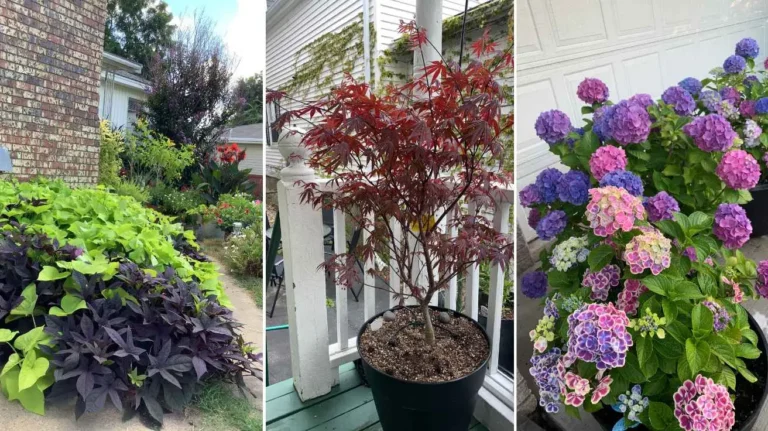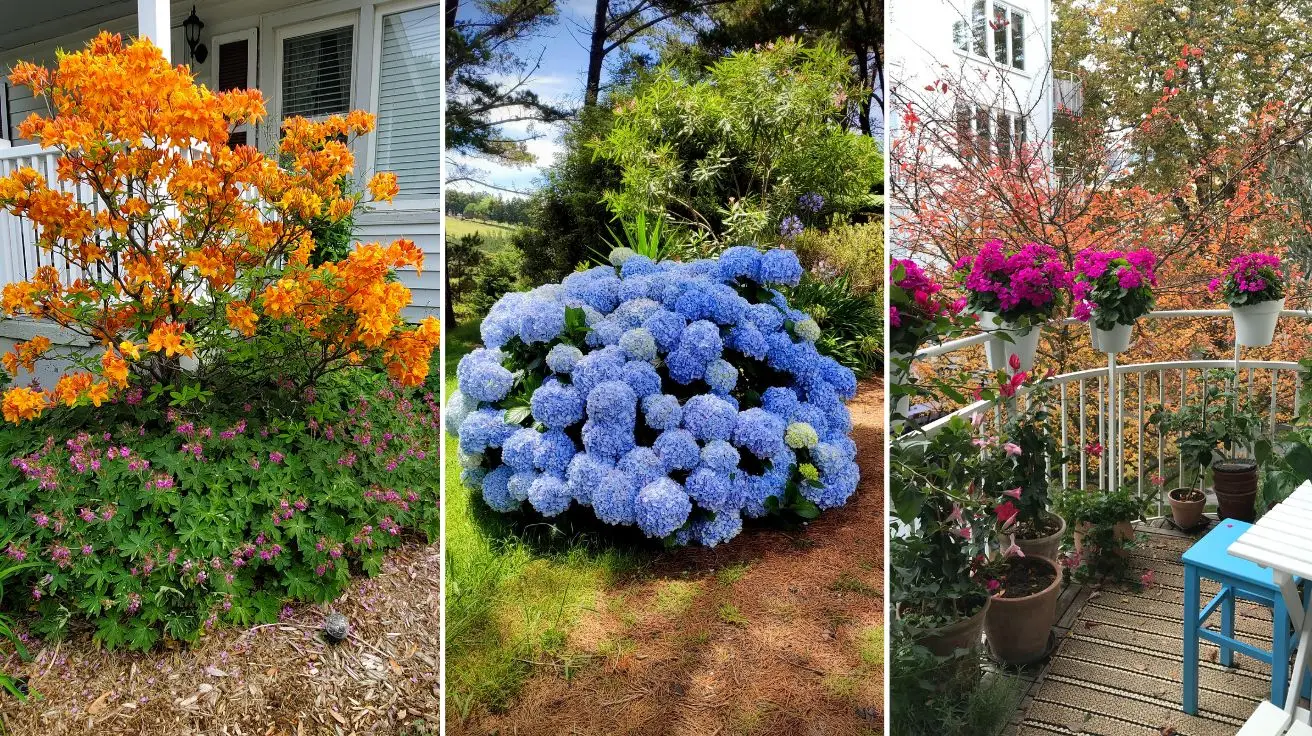
Outdoor Plants for Home That Instantly Transform Your Yard
There’s something magical about stepping outside and being greeted by lush greenery, colorful blooms, and the soft fragrance of fresh flowers. A home feels warmer, more welcoming, and more alive when surrounded by nature. The right outdoor plants for home can turn even the simplest yard, balcony, or patio into a personal sanctuary.
Whether there’s a spacious backyard or a tiny porch, the right greenery adds texture, shade, color, and even privacy. From vibrant flowering shrubs to hardy evergreens and low-maintenance succulents, this guide explores 15 outdoor plants for home that thrive in different climates and spaces. Each one brings personality, beauty, and a unique charm to your outdoor space. Ready to discover which ones will elevate your garden?
Roses
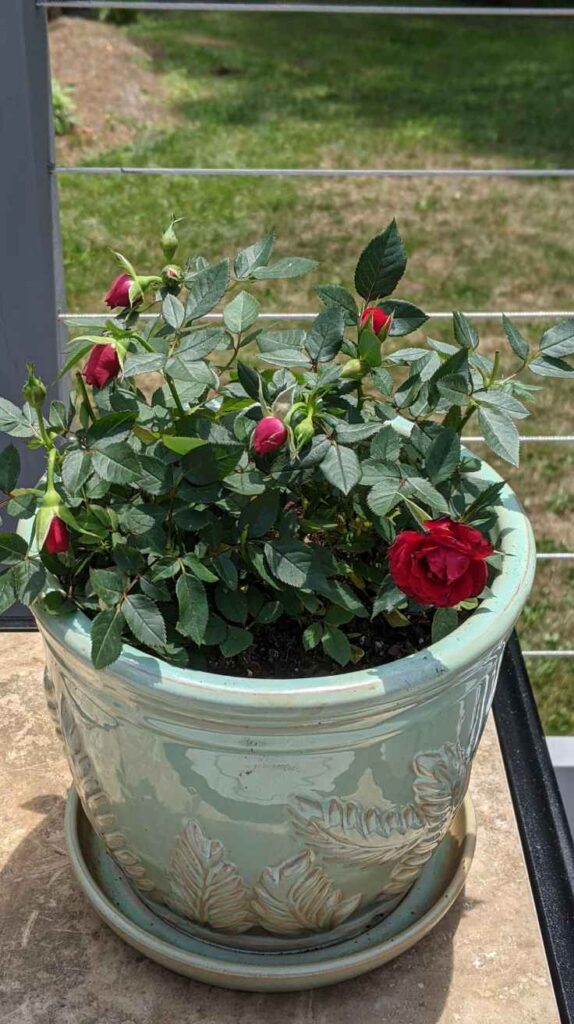
Roses stand as one of the most iconic flowering plants in residential landscaping. Their layered petals, rich colors, and unforgettable fragrance instantly elevate any outdoor space. These timeless blooms come in endless varieties, including climbing roses, shrub roses, and hybrid teas. Each variety offers something different, whether it’s dramatic vertical coverage for fences or compact blooms perfect for garden borders.
Roses thrive in full sunlight and need at least six hours of direct sun daily. Well-drained soil enriched with compost helps roots grow strong and healthy. Regular pruning encourages new growth and increases flower production throughout the season. Though some view roses as delicate, many modern varieties resist disease and adapt well to different climates.
Beyond beauty, roses attract pollinators like bees and butterflies, strengthening the garden ecosystem. Their layered petals create visual depth, while their fragrance drifts through the yard on warm evenings. Planted along walkways or near patios, roses create romantic charm that never fades. For anyone exploring outdoor plants for home gardens, roses remain a powerful and rewarding choice that blends tradition with elegance.
Lavender
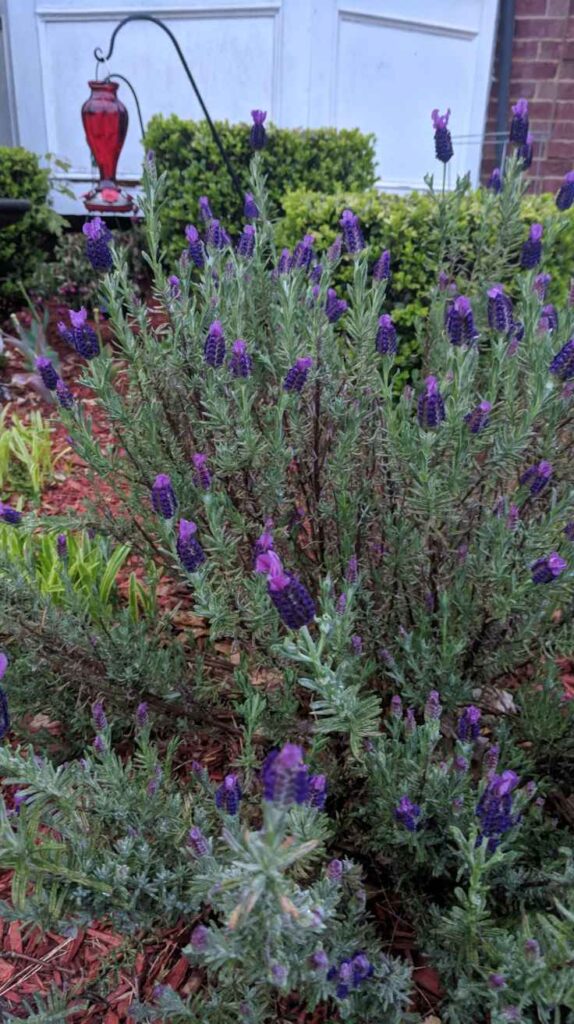
Lavender offers more than color. It delivers atmosphere. The soft purple spikes rise above silvery-green foliage, adding both texture and movement to garden beds. This hardy perennial flourishes in sunny spots and handles heat with confidence. Once established, lavender requires little watering, making it perfect for homeowners seeking low-maintenance landscaping.
Well-drained soil remains essential for healthy growth. Overwatering can damage the roots, so moderation works best. Trimming the plant after blooming encourages fuller growth and stronger stems the following season.
Lavender also brings practical benefits. Its scent naturally deters mosquitoes and other pests, making patios and seating areas more enjoyable. Dried lavender can be used indoors for natural fragrance or decorative arrangements. Planted along pathways, it releases calming aromas with every gentle brush against its blooms.
The soothing purple hue pairs beautifully with white flowers, ornamental grasses, or stone walkways. Lavender adds softness without overwhelming the landscape. When selecting outdoor plants for home settings that combine beauty and function, lavender stands out as a graceful and dependable option.
Hydrangeas
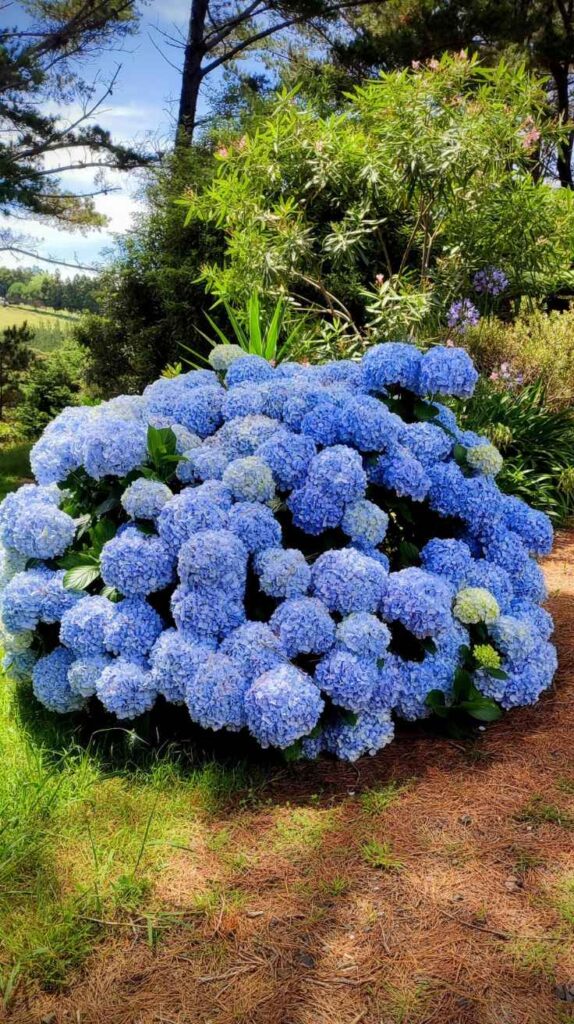
Hydrangeas command attention. Their large, cloud-like flower clusters burst into bloom with dramatic presence. Shades range from deep blue and soft pink to crisp white and lavender. Interestingly, soil acidity can influence bloom color in certain varieties, adding an element of surprise to the growing process.
These shrubs prefer partial shade, especially in warmer regions where intense afternoon sun can stress the leaves. Consistent watering keeps their foliage lush and vibrant. Adding mulch around the base helps retain moisture and regulate soil temperature during hot months.
Hydrangeas work beautifully as foundation plants near homes or as statement pieces in garden beds. Their full blooms create volume, filling empty spaces with texture and color. Even after flowers fade, dried blooms add seasonal interest well into fall.
Because of their bold appearance, hydrangeas pair well with simpler greenery like boxwood or ornamental grasses. Together, they create layered landscaping that feels both structured and organic. For homeowners seeking dramatic yet approachable outdoor plants for home gardens, hydrangeas provide unforgettable beauty year after year.
Boxwood
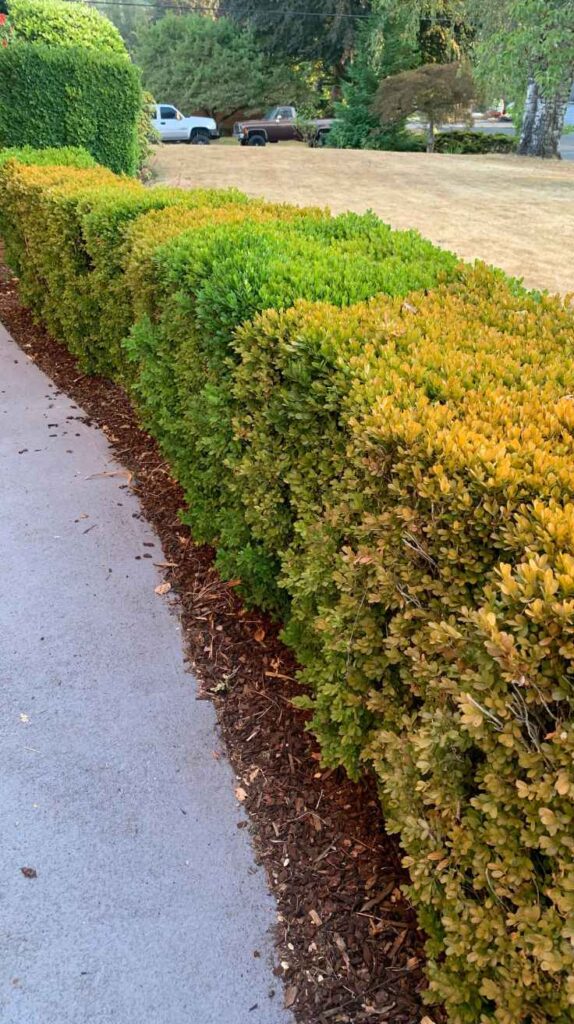
Boxwood shrubs bring structure and elegance to outdoor spaces. Their dense evergreen foliage stays vibrant throughout the year, offering stability even during colder seasons. These shrubs adapt well to trimming, making them ideal for hedges, borders, and decorative shapes.
Boxwoods thrive in full sun to partial shade and tolerate a variety of soil types as long as drainage remains adequate. Slow growth reduces maintenance demands, while occasional pruning keeps their shape crisp and clean.
In landscaping design, boxwood creates definition. It outlines walkways, frames entryways, and separates garden sections with subtle sophistication. The rich green leaves provide a calming backdrop for colorful flowers, allowing brighter blooms to stand out without overwhelming the space.
Because they remain green year-round, boxwoods maintain visual interest even when seasonal flowers disappear. They anchor the garden design and offer balance. When building a cohesive landscape using outdoor plants for home environments, structural greenery like boxwood ensures harmony and long-term appeal.
Geraniums
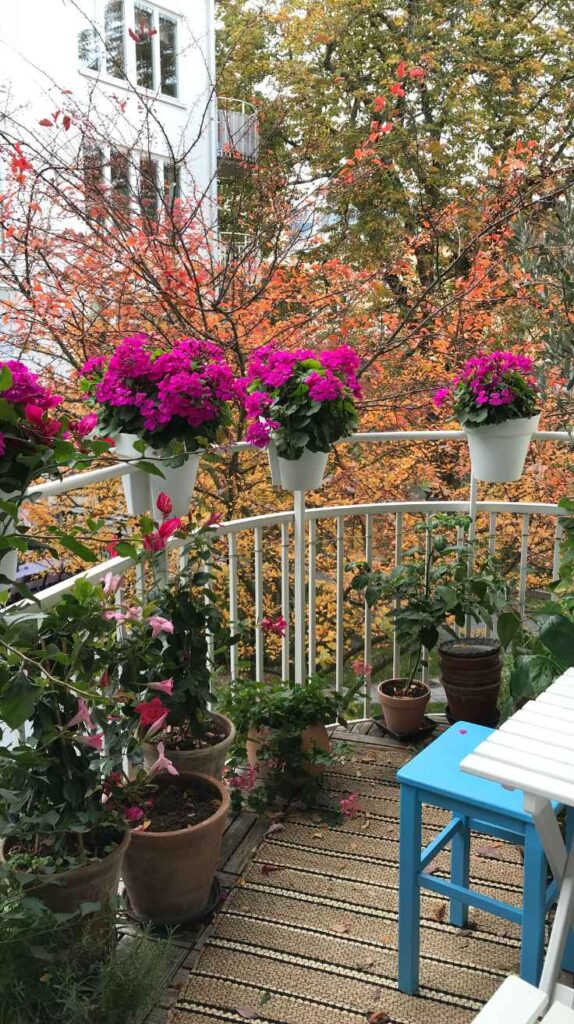
Geraniums deliver instant cheer. Their bright blooms in red, pink, purple, and white create lively splashes of color across patios and garden beds. These versatile plants flourish in containers, hanging baskets, and flower borders, making them perfect for small and large spaces alike.
They prefer sunny locations with well-drained soil. Regular watering supports steady growth, but allowing the soil to dry slightly between watering prevents root issues. Removing faded blooms encourages continuous flowering throughout the season.
Geraniums adapt well to varying climates and offer a long blooming period from spring through early fall. Their slightly fragrant leaves add another layer of sensory appeal. Positioned near entrances or windows, they enhance curb appeal and brighten everyday surroundings.
Because of their resilience and bold color, geraniums suit beginner gardeners who want visible results quickly. As decorative elements among outdoor plants for home settings, they bring warmth, personality, and a sense of joyful abundance.
Hostas
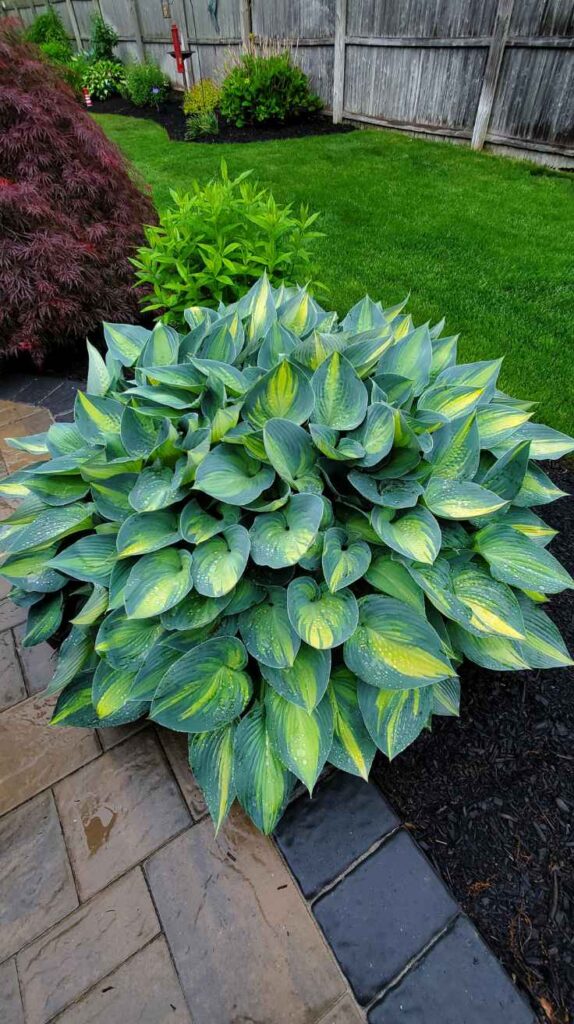
Hostas are the ultimate choice for shaded gardens, offering dramatic foliage that turns ordinary corners into lush retreats. Their large, textured leaves come in a range of colors and patterns—from deep green to blue-green, and even strikingly variegated combinations. Some varieties feature leaves edged in creamy white or gold, adding visual interest even when blooms are absent. While they do produce delicate, trumpet-shaped flowers in summer, it is their foliage that steals the show, creating a bold and peaceful presence in shady spots.
Hostas thrive in moist, well-drained soil, making mulching essential to retain water and regulate soil temperature. Regular watering keeps leaves plump and vibrant, particularly during hot or dry periods. These plants are also excellent for ground cover, filling empty spaces beneath trees or along shaded walkways, while helping to reduce erosion. When paired with flowering shrubs or ferns, hostas provide layered texture, balance, and depth.
Their low-maintenance nature makes them perfect for beginner gardeners seeking beauty without constant care. Hostas can also be grown in decorative containers, adding versatility to patios or entryways. By including hostas among outdoor plants for home landscapes, shaded areas are transformed into serene, lush havens full of color, texture, and life.
Succulents
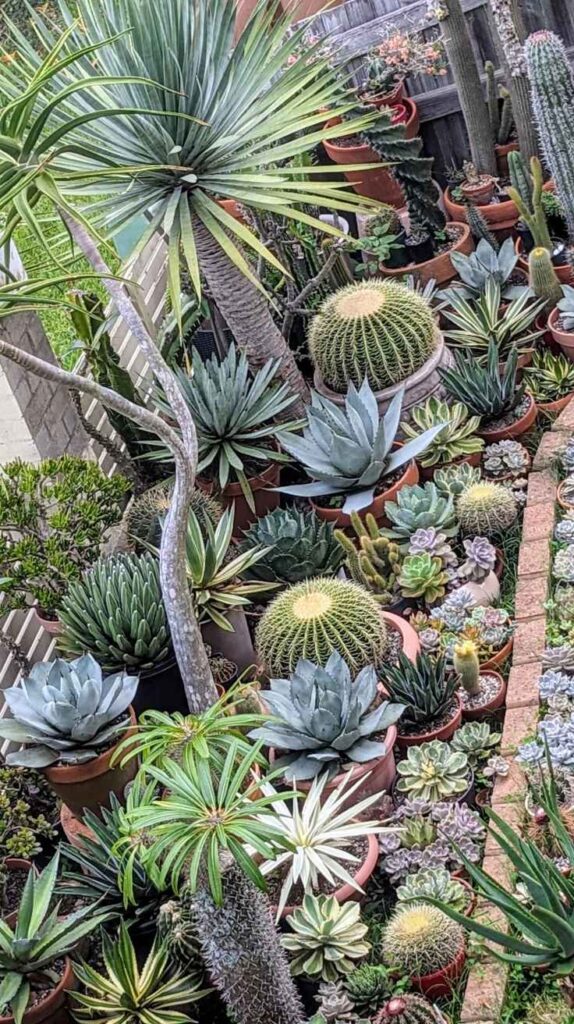
Succulents are not just trendy, they are resilient, low-maintenance, and strikingly unique, making them ideal for modern outdoor spaces. Their thick, fleshy leaves store water, enabling them to survive drought conditions while maintaining sculptural beauty. Popular varieties like echeveria, sedum, and agave come in a stunning palette of greens, blues, purples, and even reds, providing versatility in color and shape.
These hardy plants thrive in full sun and sandy, well-drained soil. Overwatering can harm them, so watering only when soil is dry is best. Succulents are perfect for xeriscape landscaping, rock gardens, patios, or container displays. They also blend beautifully with other plants, providing an architectural element that contrasts softer, leafy greenery or colorful flowers.
Beyond aesthetics, succulents are eco-friendly. Their drought tolerance makes them ideal for sustainable gardening, and they require minimal fertilization. They can also be propagated easily, allowing gardeners to expand their collections quickly. Whether clustered in large pots, arranged along garden borders, or forming unique patterns in raised beds, succulents bring texture, color, and modern elegance to any outdoor space. Including succulents among outdoor plants for home landscapes ensures a stylish, practical, and low-maintenance garden that thrives year-round.
Ferns
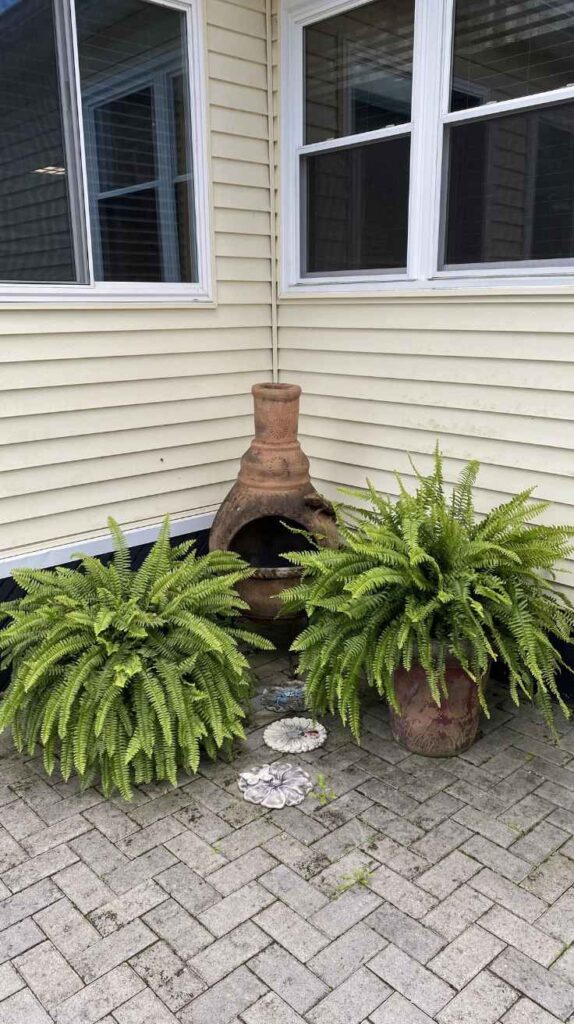
Ferns are timeless plants that offer soft, feathery greenery capable of transforming shaded outdoor spaces into tranquil retreats. Boston ferns, maidenhair ferns, and bird’s nest ferns are among the most popular, each with distinctive fronds that arch gracefully and provide a delicate, airy texture. Unlike many flowering plants, ferns shine through their foliage, adding depth, softness, and a sense of serenity to shady gardens.
Ferns thrive in indirect sunlight and consistently moist soil. Maintaining humidity through regular watering or placement in naturally humid areas keeps their fronds lush and vibrant. Mulching helps retain moisture and protects their roots from extreme temperatures. They can also thrive in hanging baskets, allowing their cascading fronds to create natural privacy screens or elegant porch décor.
Pairing ferns with hostas, shade-loving shrubs, or ornamental grasses creates layered garden beds full of texture and movement. Their understated beauty complements flowering plants, providing a calming visual balance. For homeowners looking to enrich shady areas with greenery, ferns are a versatile and low-maintenance option. Among outdoor plants for home gardens, they deliver timeless charm, softness, and a sense of peaceful retreat that endures through the seasons.
Marigolds
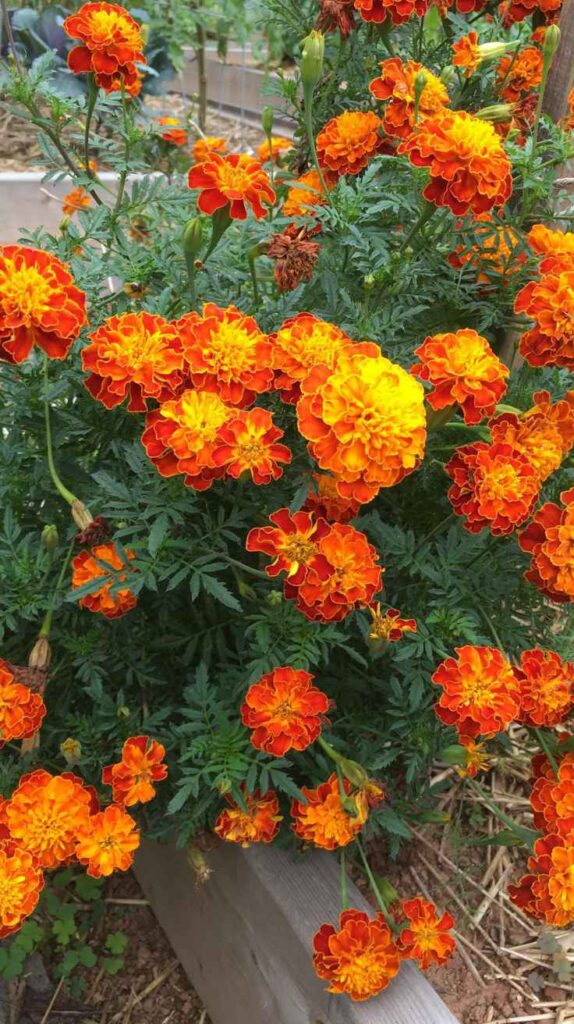
Marigolds are vibrant, sun-loving flowers that instantly brighten any outdoor space with cheerful shades of yellow, gold, and orange. Their dense, petal-packed blooms bring energy and warmth, creating lively borders along walkways, patios, and garden beds. Known for being easy to grow, marigolds are ideal for beginner gardeners seeking high-impact plants that require minimal attention.
These flowers thrive in full sun and tolerate heat remarkably well, making them excellent for summer landscapes. Well-drained soil ensures healthy growth, while regular watering keeps blooms fresh and vibrant. Deadheading old flowers encourages new blooms, extending their visual impact throughout the growing season.
Marigolds offer more than aesthetics—they are natural pest repellents. Planting them near vegetables or other garden flowers helps deter unwanted insects, protecting other plants naturally. Their strong scent and bold color attract pollinators like bees and butterflies, supporting a thriving garden ecosystem. Marigolds’ compact growth and long-lasting blooms make them perfect companions for other shrubs, succulents, or flowering plants. Among outdoor plants for home gardens, marigolds combine beauty, practicality, and a cheerful energy that energizes every corner of the yard.
Azaleas
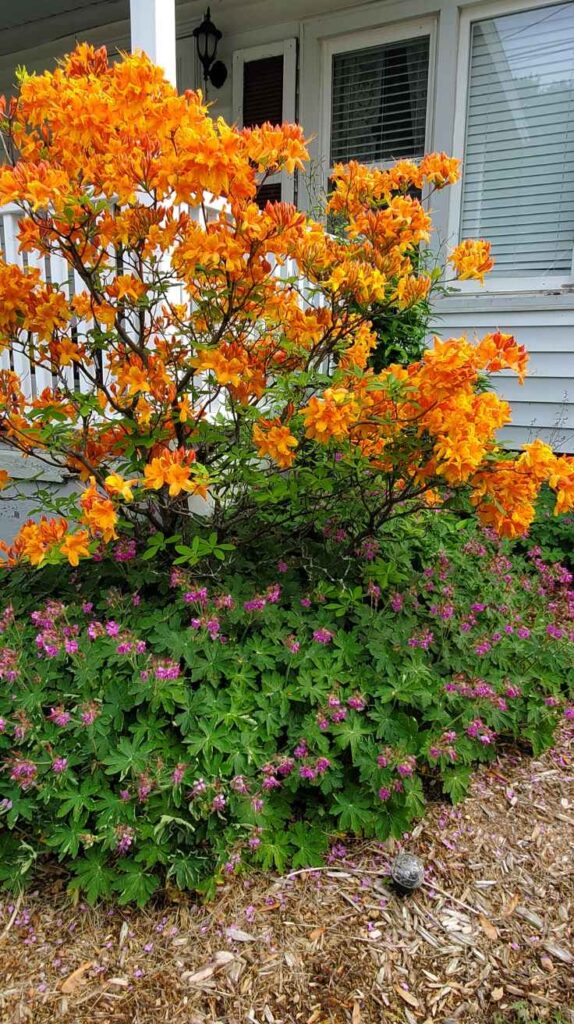
Azaleas are show-stopping shrubs celebrated for their spectacular spring blooms. Each plant can produce hundreds of small, trumpet-shaped flowers in vibrant shades of pink, red, purple, and white, often covering the entire shrub in a vivid display. Their blossoms attract hummingbirds and butterflies, adding life and motion to the garden.
Azaleas thrive in partial shade, protecting their delicate blooms from harsh afternoon sun, and prefer acidic, well-drained soil. Consistent watering and mulching are essential to maintain soil moisture and encourage healthy root systems. Once established, these shrubs require only moderate care, offering a high reward for relatively low effort.
Perfect for borders, foundation plantings, and woodland gardens, azaleas provide seasonal drama that can transform a yard from ordinary to extraordinary. Their flowers contrast beautifully with evergreen shrubs or ferns, creating layered landscapes with depth and visual intrigue. For homeowners looking to add bursts of seasonal color among outdoor plants for home gardens, azaleas deliver unforgettable beauty, charm, and a feeling of freshness every spring.
Bamboo
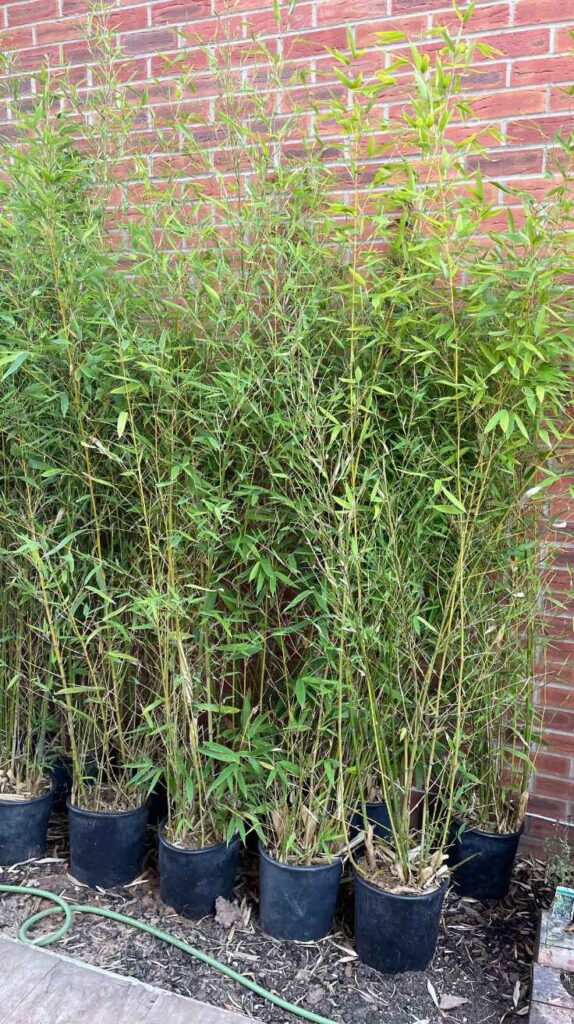
Bamboo is a fast-growing, versatile plant that brings height, privacy, and a sense of calm to outdoor spaces. Its tall, slender stalks create natural screens that can block unwanted views, reduce wind, or separate garden areas. The gentle rustling of bamboo leaves in the breeze adds a relaxing, almost meditative soundtrack, turning any yard into a peaceful retreat. Choosing the right variety is essential; clumping bamboo grows in tight clusters, ideal for residential gardens, while running bamboo spreads aggressively and requires careful management.
Bamboo thrives in well-drained soil with moderate watering, and it tolerates partial shade to full sun depending on the species. Mulching around the base helps retain moisture and protects young shoots during extreme weather. Because of its vertical growth, bamboo creates natural focal points and complements smaller shrubs, flowers, or ornamental grasses. It also works beautifully in containers for patios, decks, or small gardens.
Beyond aesthetics, bamboo is environmentally friendly. It absorbs carbon dioxide efficiently, promotes biodiversity, and can even act as a natural windbreak or sound buffer. Incorporating bamboo into outdoor plants for home landscapes provides both practical and visual benefits, transforming ordinary spaces into serene, private, and visually dynamic areas.
Petunias
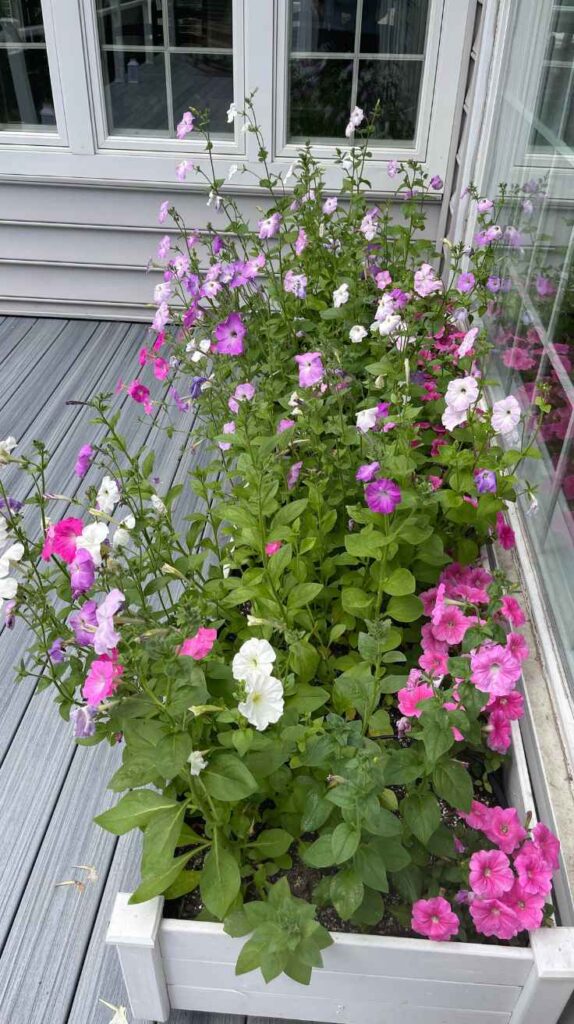
Petunias are lively, cascading flowers that bring color and movement to any outdoor space. Their blooms appear in countless shades, from deep purples and bright pinks to soft whites and multi-colored varieties—making them incredibly versatile for landscaping. These plants are especially suited for hanging baskets, window boxes, and containers, where their trailing growth creates dramatic, flowing displays that instantly enhance patios, balconies, and garden beds.
Petunias thrive in sunny locations with well-drained soil. Regular watering keeps them lush, but care must be taken not to overwater, as excessive moisture can harm roots. Deadheading faded flowers encourages continuous blooming, ensuring that the garden remains full of vibrant color throughout the season. Fertilizing periodically helps maintain strong growth and abundant blossoms.
These versatile plants also complement other outdoor plants for home gardens. Their trailing habit contrasts beautifully with upright shrubs, structured greenery, or taller flowers, creating layered, visually engaging landscapes. Petunias attract pollinators like butterflies and hummingbirds, supporting a lively garden ecosystem. For homeowners seeking a cheerful, easy-to-maintain flower that delivers nonstop charm, petunias provide an eye-catching solution that enlivens every corner of a yard or patio.
Palm Trees
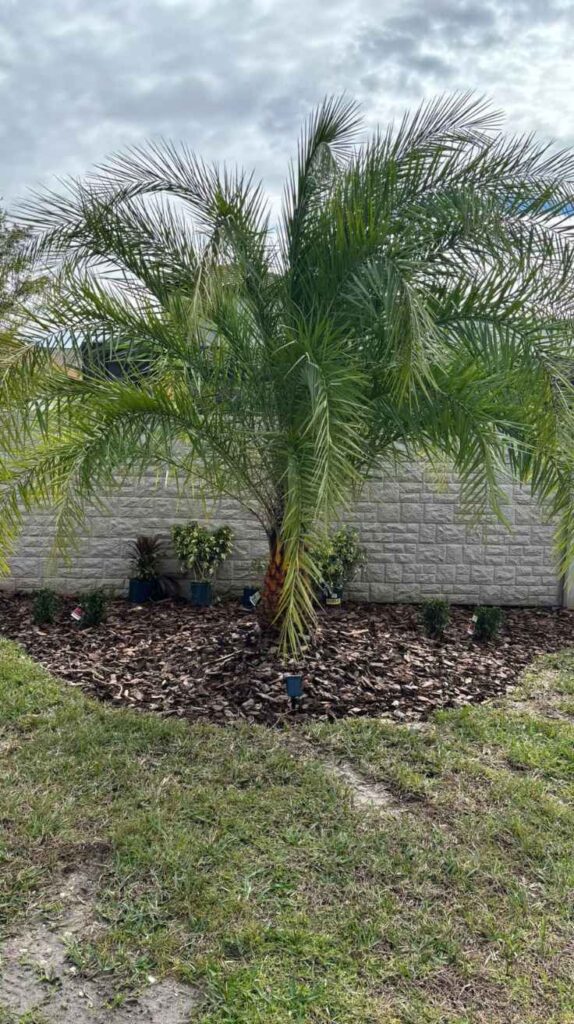
Palm trees add instant tropical flair to any garden, making even small yards feel like a vacation getaway. Their tall, arching fronds create dramatic silhouettes that sway gently in the wind, adding movement, height, and texture. Even compact or dwarf varieties are perfect for home landscapes, patios, or container planting, where they serve as striking focal points.
Palms thrive in full sun and well-drained soil. Moderate watering supports healthy growth, particularly during warmer months. In colder climates, container planting allows palms to be moved indoors or protected from frost. Their slow-to-moderate growth rates make them manageable for most homeowners, while their sculptural presence dramatically elevates outdoor aesthetics.
These trees also complement other outdoor plants for home gardens. Their upright form contrasts beautifully with low-lying flowers, trailing vines, and leafy shrubs, creating layered depth and visual interest. Palms bring not only a tropical look but also a sense of calm, vacation-like energy. Whether planted individually or grouped, they provide a bold statement, turning ordinary landscapes into memorable, relaxing outdoor spaces.
Jasmine
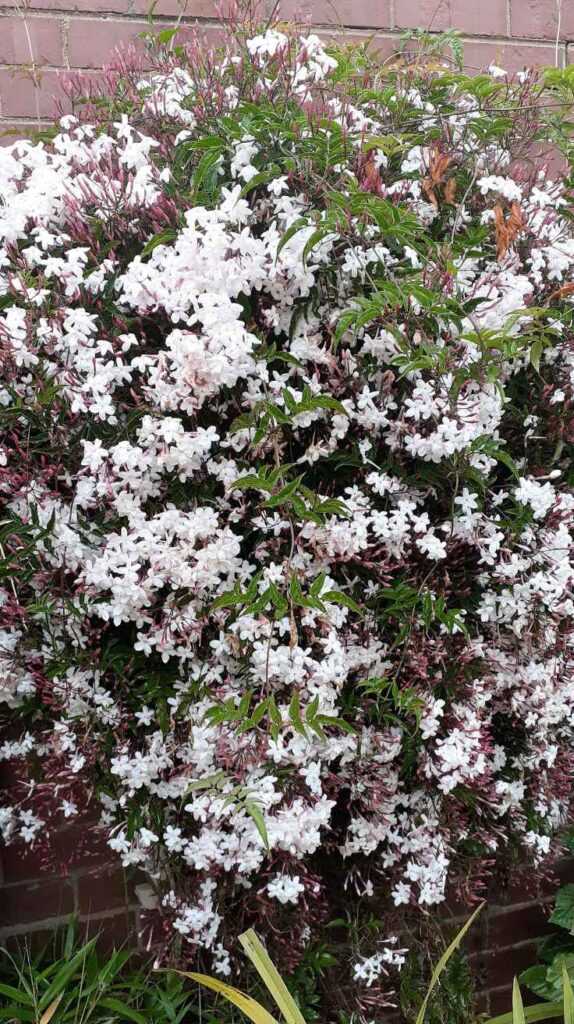
Jasmine is a climbing vine that captivates with its delicate white flowers and enchanting fragrance. It transforms fences, trellises, pergolas, or walls into vertical gardens full of life, texture, and aromatic delight. The sweet, intoxicating scent of jasmine blooms intensifies in the evening, making patios and outdoor seating areas inviting for relaxation, social gatherings, or quiet reflection.
Jasmine grows best in full sun to partial shade and prefers well-drained soil. Regular watering during warm months encourages vigorous growth and abundant flowering. Supporting structures, such as trellises or lattices, help guide vines and create sculptural, visually pleasing shapes. Pruning after flowering promotes new shoots and helps maintain a tidy appearance.
Beyond aesthetics, jasmine adds sensory depth to outdoor spaces. Its lush green foliage provides year-round visual interest, while the fragrant flowers enhance the overall atmosphere. Paired with climbing roses, wisteria, or other flowering vines, jasmine contributes to layered, dynamic landscaping. Including jasmine among outdoor plants for home gardens introduces both elegance and romantic charm, turning ordinary walls or fences into fragrant, beautiful features that enchant every visitor.
Tulips
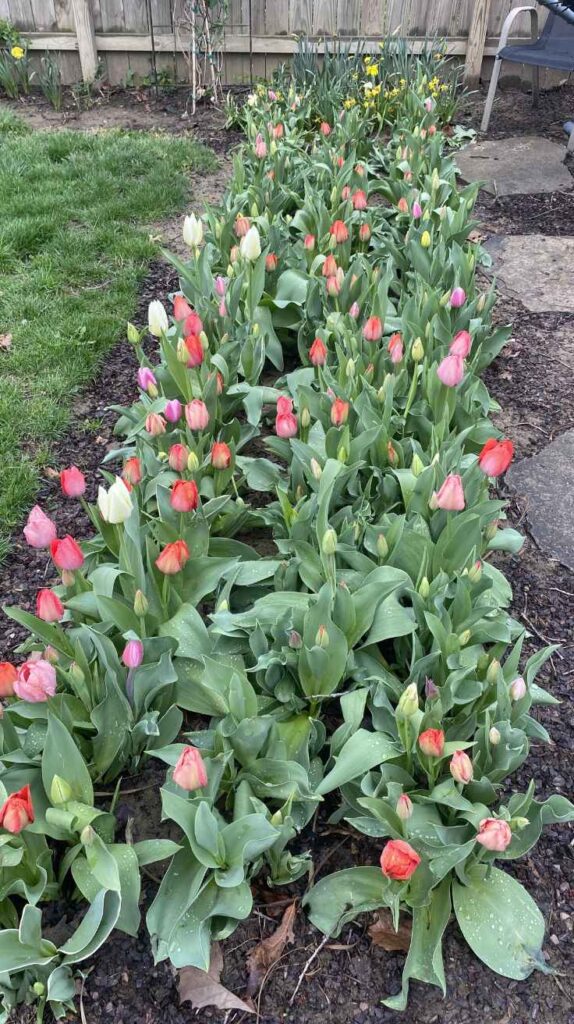
Tulips are the ultimate heralds of spring, signaling the end of winter with bold, cheerful colors. Their elegant, cup-shaped blooms appear in nearly every shade imaginable, including red, yellow, pink, purple, and even multicolored varieties. These flowers work beautifully in garden beds, borders, rock gardens, and container arrangements, making them versatile choices for any outdoor space.
Tulips thrive in full sun and well-drained soil. Planting bulbs in the fall ensures they emerge vibrantly the following spring. Group planting enhances visual impact, creating stunning waves of color that attract attention and brighten landscapes. Mixing colors, heights, and varieties allows for creative, layered displays that last throughout the season.
Although their bloom period is brief, tulips make a dramatic impact. They pair well with other spring bulbs like daffodils and hyacinths, forming textured, multi-layered displays. Tulips symbolize renewal, growth, and vitality, bringing freshness and life to outdoor spaces. Among outdoor plants for home gardens, tulips are cherished for their ability to provide seasonal excitement and timeless elegance year after year.