Flower Garden Ideas That Will Transform Your Backyard
Your outdoor space holds incredible potential to become a private retreat. By choosing the right layout, you can turn a plain lawn into a lush sanctuary perfect for relaxation or hosting friends.
Refreshing your landscape does not have to be a daunting task. With a few creative Flower Garden Ideas, you can easily elevate your home’s curb appeal and create a vibrant atmosphere. Thoughtful planning allows you to express your personality while building a functional environment that thrives throughout the seasons.
Whether you want a quiet corner for morning coffee or a lively area for summer gatherings, the right design choices make all the difference. Let’s explore how simple changes can reshape your property into the beautiful oasis you have always envisioned.
Creative Flower Garden Ideas for Every Backyard Style
Finding the right landscaping inspiration is the first step toward creating your dream outdoor space. Whether you prefer a wild, untamed look or a structured, clean aesthetic, there is a design philosophy that fits your home. Exploring these diverse options helps you identify which style best suits your personal taste and property layout.
Designing a Cottage-Style Wildflower Meadow
A cottage-style meadow brings a romantic and loose appeal to any backyard. This approach focuses on natural beauty by allowing flowers to grow in soft, flowing drifts. It is a perfect choice for those who want a low-pressure outdoor garden design that feels welcoming and alive.
You can mix native wildflowers with traditional perennials to create a vibrant tapestry of color. This style encourages pollinators to visit your yard, adding movement and life to the landscape. It is truly one of the most charming Flower Garden Ideas for homeowners who love a relaxed atmosphere.
Modern Minimalist Flower Beds with Geometric Shapes
If you prefer clean lines and order, a modern minimalist approach might be your best path. This style relies on sharp edges and repeating geometric shapes to create a sense of calm. It provides excellent landscaping inspiration for those who want a sophisticated and tidy look.
Focus on using a limited color palette and structured plant groupings to maintain the minimalist aesthetic. By keeping the design simple, you allow the architecture of your home to stand out. This type of outdoor garden design is both functional and visually striking.
Creating a Fragrant Sensory Garden Retreat
A sensory garden offers an immersive experience that engages all your senses. By selecting plants with strong scents, interesting textures, and bright colors, you create a true sanctuary. These Flower Garden Ideas turn a simple backyard into a peaceful escape from the daily grind.
Consider planting lavender, jasmine, or mint along pathways to release fragrance as you walk by. Adding soft, fuzzy foliage or smooth stones can also enhance the tactile experience of your space. This thoughtful approach to landscaping inspiration ensures your garden is a place of comfort and joy.
Selecting the Right Plants for Your Climate
Your backyard success depends on how well you match your plants to your specific environment. Implementing smart Flower Garden Ideas begins with recognizing the unique weather patterns of your region. When you choose varieties that naturally thrive in your area, you set the stage for a healthy and vibrant landscape.
Understanding Your USDA Hardiness Zone
The USDA hardiness zone map is an essential tool for every gardener in the United States. These zones divide regions based on their average annual minimum winter temperatures. By identifying your specific zone, you can determine which plants will survive the winter months in your garden.
Choosing Native Plants for Low-Maintenance Success
Native plants are naturally adapted to your local rainfall and soil conditions. Because they have evolved in your region, they often require less water and fewer fertilizers than exotic species. Incorporating these plants is one of the best flower gardening tips for reducing your weekly maintenance chores.
Balancing Perennials and Annuals for Year-Round Color
A truly dynamic garden often relies on a strategic mix of both perennials and annuals. Perennials provide a reliable backbone that returns year after year, while annuals offer a burst of seasonal color. Using these Flower Garden Ideas helps ensure your beds look beautiful from early spring through the first frost.
Try to layer your planting schedule to keep interest high throughout the changing seasons. Mixing these two types of plants is a classic approach that keeps your outdoor space feeling fresh. Following these simple flower gardening tips will help you maintain a stunning display all year long.
Vertical Gardening Techniques to Maximize Small Spaces
If you lack a large backyard, vertical structures offer a clever way to cultivate more plants. By growing upward, you can significantly increase your planting area without needing extra square footage. This approach turns bare walls and fences into vibrant displays of colorful blooms that bring life to any balcony or patio.
Installing Trellises for Climbing Roses and Clematis
Sturdy trellises provide the necessary support for heavy climbers like roses and clematis. When selecting a structure, ensure it is made of weather-resistant materials like cedar or powder-coated steel to withstand the weight of mature vines. Secure the trellis firmly to a wall or anchor it deep into the ground to prevent it from tipping during high winds.
Utilizing Hanging Baskets for Cascading Blooms
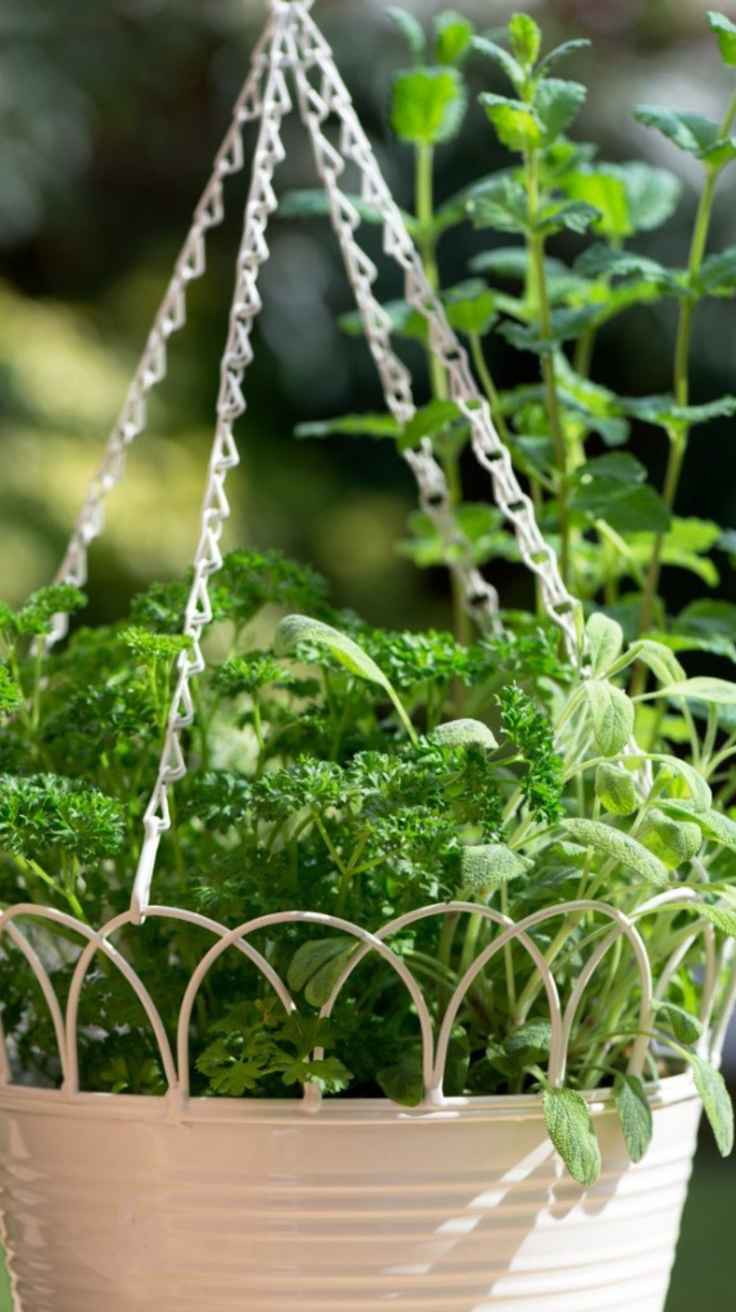
Hanging baskets are a fantastic way to add layers of beauty to your outdoor space. Choose high-quality potting mix that retains moisture well, as containers tend to dry out faster than ground soil. Regularly deadheading your plants will encourage a continuous cycle of colorful blooms throughout the growing season.
Building Tiered Planters for Depth and Dimension
Tiered planters allow you to stack different plant varieties, creating a beautiful focal point in a small area. By placing taller plants in the back and trailing species in the front, you add depth and visual interest to your garden design. This layered effect ensures that every plant receives adequate sunlight while showcasing a stunning arrangement of colorful blooms.
Incorporating Hardscaping Elements into Your Floral Design
Integrating hardscaping into your landscape design offers both beauty and practical utility. While flowers provide the color, solid materials supply the necessary structure and contrast that make your plantings stand out. This approach provides excellent landscaping inspiration for homeowners looking to elevate their backyard aesthetic.
Using Natural Stone Pathways to Frame Flower Beds
Natural stone pathways serve as the backbone of a well-organized garden. By using materials like flagstone or slate, you create clear boundaries that effectively frame your flower beds. These paths also provide functional access, allowing you to tend to your plants without compacting the soil.
Adding Decorative Garden Edging for a Polished Look
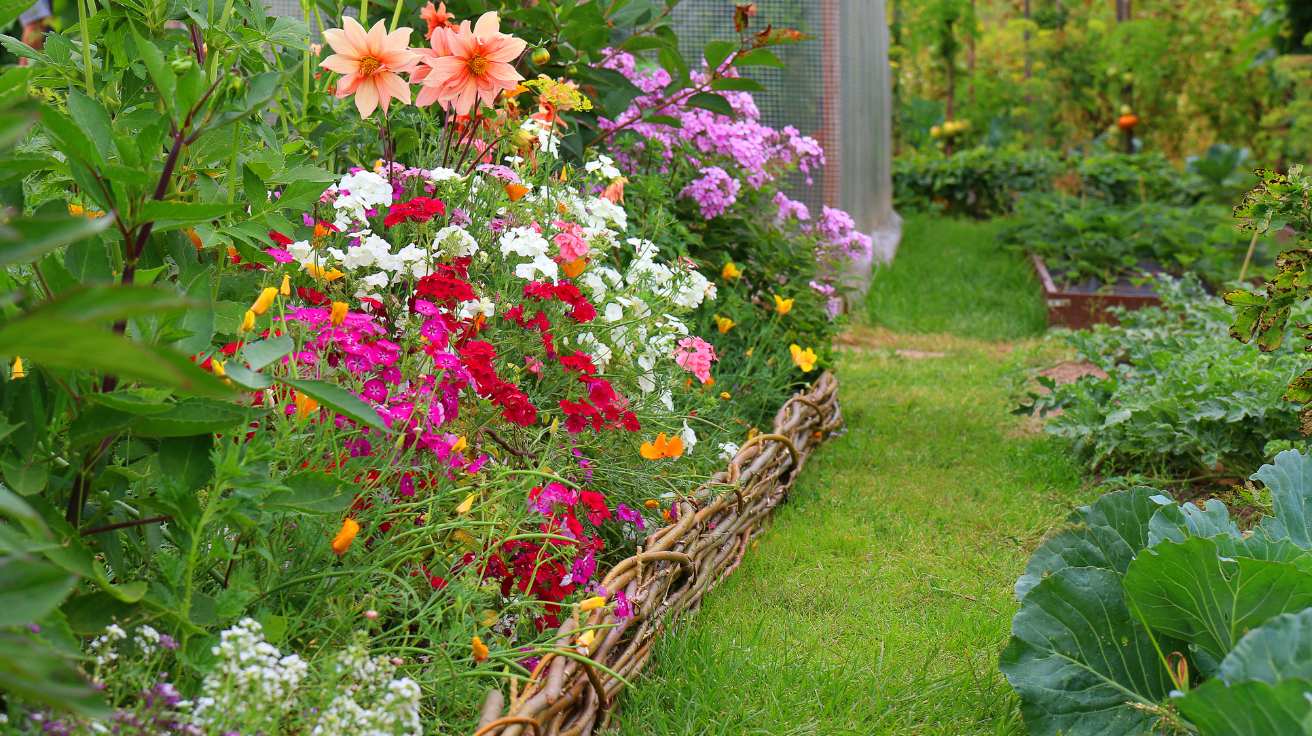
Decorative edging acts as the final touch that gives your outdoor garden design a professional finish. Whether you choose metal, brick, or stone, these borders keep mulch in place and prevent grass from creeping into your floral displays. A clean edge creates a sharp visual separation that highlights the vibrant colors of your blooms.
Integrating Seating Areas Amidst Your Colorful Blooms
A truly functional garden invites you to sit and enjoy the view. By placing a bench or a small bistro set directly within your planting zones, you create an immersive experience. This strategy ensures that your outdoor garden design is as comfortable as it is beautiful, turning your backyard into a personal sanctuary.
DIY Garden Projects to Enhance Your Outdoor Space
Engaging in hands-on work allows you to customize your garden while keeping your budget in check. These diy garden projects provide a wonderful opportunity to add personal flair to your backyard. By taking on these tasks, you create a space that feels truly unique and reflects your personal style.
Building Raised Garden Beds from Reclaimed Wood
Constructing raised beds using reclaimed wood is a fantastic way to add rustic charm to your landscape. This material is often affordable and provides a sustainable option for your flower beds. Furthermore, raised structures significantly improve soil drainage, which helps your flowers thrive throughout the season.
You can easily source old cedar or pine planks from local salvage yards. Simply assemble the wood into sturdy frames and fill them with high-quality soil. This simple project creates a clean, organized look that makes maintenance much easier for any gardener.
Crafting Unique Garden Markers and Decorative Accents
Personalizing your flower beds is simple when you create your own custom markers. You might use painted river stones, repurposed metal spoons, or even wooden wine corks to label your favorite blooms. These small details add character and help you keep track of different plant varieties.
Beyond markers, consider adding decorative accents like hand-painted birdhouses or mosaic stepping stones. These creative diy garden projects turn a standard flower bed into a whimsical retreat. They serve as conversation starters and make your outdoor space feel like a curated gallery.
Creating a DIY Drip Irrigation System for Healthy Plants
Consistent hydration is the secret to a vibrant and healthy flower garden. Installing a simple drip irrigation system ensures that your plants receive water directly at the roots. This method reduces water waste and prevents common issues like fungal growth on foliage.
You can purchase basic kits that connect directly to your outdoor faucet. By running flexible tubing along your garden beds, you provide steady moisture without the need for daily manual watering. This efficient approach saves you time while keeping your flowers hydrated during the hottest summer months.
Seasonal Flower Arrangements and Succession Planting
You can transform your backyard into a living tapestry by mastering the art of seasonal transitions. A truly dynamic garden requires careful planning to ensure that there is always something in bloom from the first thaw of spring until the final frost of autumn. By utilizing succession planting, you can rotate plant varieties to maintain a constant show of colorful blooms across your entire property.

Planning for Spring Bulbs and Early Bloomers
The secret to a strong start is planting bulbs in the fall. Varieties like tulips, daffodils, and crocuses provide the first signs of life after a long winter. You should tuck these bulbs into beds where they can emerge before your summer perennials begin to wake up.
Maintaining Vibrant Summer Displays with Deadheading
Summer is the peak time for your garden to shine with intense color. To keep your plants looking their best, you must practice regular deadheading. This simple task involves removing spent flowers, which prevents the plant from wasting energy on seed production.
When you remove these faded heads, the plant redirects its resources into producing new, colorful blooms. This technique ensures that your garden remains lush and productive throughout the hottest months of the year. Consistent maintenance is the key to a long-lasting display.
Preparing Your Garden for Autumn Interest
As the temperatures drop, you can shift your focus to plants that thrive in cooler weather. Incorporating ornamental grasses and late-blooming asters adds texture and depth to your landscape. These choices help you create beautiful seasonal flower arrangements that celebrate the transition into winter.
Don’t forget to leave some seed heads on your plants for local birds to enjoy. This approach provides both visual interest and ecological benefits during the final months of the growing season. Your garden will remain a source of joy until the very last frost.
Essential Tips for Planting Flowers and Soil Health
A thriving garden begins deep beneath the surface where soil health dictates success. By focusing on the foundation of your beds, you ensure that every bloom has the nutrients required to flourish throughout the season. These fundamental flower gardening tips will help you create a resilient landscape that stands the test of time.
Testing and Amending Your Soil for Optimal Growth
Before you begin, perform a simple soil test to determine your pH levels. Most garden centers offer affordable kits that provide clear results, allowing you to adjust the acidity or alkalinity of your earth. This step is crucial for ensuring your plants can effectively absorb essential nutrients.
Once you understand your soil profile, incorporate organic compost to improve its structure. Adding high-quality compost increases nutrient density and helps the ground retain moisture during hot summer months. These simple actions are among the most effective tips for planting flowers that will grow strong and healthy.
Mastering Proper Watering Techniques for Different Species
Every plant has unique hydration needs, so avoid a one-size-fits-all approach to irrigation. While some perennials prefer deep, infrequent soaking, others require consistent moisture to prevent wilting. Always check the top inch of soil before reaching for the hose to avoid overwatering.
Directing water at the base of the plant rather than the foliage helps prevent fungal issues. If you are looking for practical diy garden projects, consider installing a simple drip irrigation system. This setup delivers water exactly where it is needed most, saving you time while keeping your garden hydrated.
Managing Pests and Diseases Naturally
Maintaining a healthy garden environment is the best defense against unwanted pests. Encourage beneficial insects like ladybugs and lacewings to visit your yard by planting a diverse range of flowers. These natural predators help keep aphid populations in check without the need for harsh chemicals.
Regularly inspect your plants for early signs of stress or disease. Removing affected leaves or stems quickly can stop the spread of issues before they become widespread. Mastering these natural management strategies is one of the most rewarding diy garden projects for any dedicated grower.
Creative Garden Layouts for Visual Impact
Achieving a professional look in your garden starts with thoughtful planning and creative garden layouts. By organizing your space with intention, you can turn a simple yard into a breathtaking landscape. These design choices help elevate your seasonal flower arrangements throughout the year.
Using Color Theory to Create Harmonious Palettes
Designing a garden is an artistic endeavor that relies on color theory to create balance. You can use a color wheel to select complementary or analogous palettes that make your plants stand out. When you pair contrasting colors, you create a vibrant energy that draws the eye immediately.
Alternatively, choosing shades that sit next to each other on the wheel creates a soothing, cohesive feel. This approach ensures that your colorful blooms pop beautifully against the lush green foliage of your garden beds. Consistency in your color choices is a simple way to make your outdoor space feel intentional and polished.

Layering Heights to Add Texture and Drama
Layering plants of different heights is essential for adding depth and dimension to your landscape. Place taller species at the back of your beds and shorter varieties toward the front to ensure every plant gets noticed. This technique prevents your garden from looking flat and creates a sense of movement.
Mixing textures, such as broad-leafed hostas with delicate, feathery grasses, adds another layer of visual interest. This variety keeps the garden looking dynamic even when fewer plants are in bloom. By focusing on the structure of your plants, you create a sophisticated backdrop for your colorful blooms.
Designing Focal Points with Statement Shrubs and Flowers
Strategic placement of statement shrubs acts as an anchor for your entire garden design. These larger plants guide the eye and provide a sense of permanence to your landscape. You can surround these anchors with smaller, seasonal flowers to change the look of your garden as the year progresses.
Remember that these tips for planting flowers are meant to inspire your own unique vision. Whether you prefer bold, dramatic displays or soft, romantic corners, your layout should reflect your personal style. With careful planning, your garden will become a lasting sanctuary that brings joy every single day.
Turning Your Backyard into a Lasting Floral Sanctuary
Building a beautiful garden is a rewarding journey that grows alongside your plants. Your outdoor space changes as seasons pass and your personal style shifts over time.
You can rely on these creative garden layouts to keep your yard feeling fresh and inviting. These structural choices provide a solid foundation for your plants to thrive throughout the year.
We hope this guide provides the landscaping inspiration you need to start your next project. Every small change helps you build a peaceful retreat that reflects your unique personality.
Refining your outdoor garden design allows you to enjoy nature right at home. Take your time to experiment with new colors and textures as your sanctuary matures.
Share your progress with fellow gardening enthusiasts to keep the creative energy flowing. Your backyard has the potential to become a vibrant haven for years to come.
FAQ
Where can I find the best flower garden ideas for a beginner’s backyard?
A great place to start is by browsing resources like Better Homes & Gardens or Martha Stewart Living for foundational flower garden ideas. These outlets provide excellent landscaping inspiration that ranges from romantic cottage meadows to structured, modern minimalist layouts that fit any property size.
What are the most effective tips for planting flowers to ensure they survive the season?
One of the most important tips for planting flowers is to check your USDA Hardiness Zone before buying. Once you know your zone, focus on soil health by amending your beds with high-quality organic compost, such as Espoma Organic Landscaper’s Mix, to provide the nutrients necessary for vibrant growth.
How can I maintain colorful blooms in my garden from spring through autumn?
Maintaining colorful blooms requires a strategy called succession planting. By mixing early bloomers like DutchGrown tulips with mid-summer perennials and late-season varieties like “Autumn Joy” sedum, you can create beautiful seasonal flower arrangements that evolve and stay bright all year long.
Do you have any diy garden projects that help with small-space gardening?
Vertical gardening is one of the most rewarding diy garden projects for small spaces. You can install sturdy trellises from Gardener’s Supply Company for climbing clematis or build tiered wooden planters to add depth and dimension to a small patio or balcony.
What are some creative garden layouts that make a big visual impact?
To create professional-looking creative garden layouts, try using color theory. Pair complementary colors, like purple salvia with yellow black-eyed Susans, to make the colors pop. Layering plants by height—placing taller delphiniums in the back and shorter pansies in the front—adds a sense of drama and texture to your outdoor garden design.
How can I incorporate hardscaping into my outdoor garden design?
Hardscaping provides the “bones” of your garden. Using natural stone pathways from brands like Belgard can help frame your flower beds and provide easy access for maintenance. Integrating a classic wooden bench or a stone bistro set creates a functional seating area where you can relax and enjoy your floral sanctuary.
What are your top flower gardening tips for reducing maintenance?
To keep maintenance low, prioritize planting native species that are already adapted to your local climate and soil. Additionally, installing a DIY drip irrigation system with components from Rain Bird ensures your plants get consistent hydration without the daily chore of hand-watering.
Why is soil testing important for a successful garden?
Soil testing is the only way to know exactly what nutrients your plants are missing. By using a home test kit or sending a sample to a local university extension office, you can accurately amend your soil with products like Miracle-Gro to create the perfect environment for healthy, resilient plants.