Best Flowers for Window Boxes That Instantly Brighten Any Home
A plain window can feel cold, empty, and forgettable. But the moment colorful blooms spill over a charming planter, everything changes. Suddenly, the house feels warm, cheerful, and alive. Window boxes create that magical first impression that makes neighbors slow down and visitors smile before they even step inside.
The secret is choosing the right flowers. Some bloom nonstop through summer heat. Others cascade beautifully over the edges like living waterfalls. A few fill the air with sweet fragrance every morning. And surprisingly, certain flowers thrive even when gardening skills feel limited.
The best flowers for window boxes do more than add color. They transform porches, apartments, cottages, and modern homes into inviting spaces packed with personality. Some combinations create a romantic cottage-garden feel, while others deliver bold drama with vibrant shades and textured foliage.
Even better, many of these flowers require very little effort once established. A few minutes of watering and occasional feeding can reward gardeners with months of stunning blooms. That’s where the real excitement begins…
Petunias

Petunias remain one of the most popular choices for sunny planters because they bloom heavily and produce vibrant color all season long. Their trumpet-shaped flowers come in nearly every shade, including pink, purple, white, red, yellow, and deep burgundy. Some varieties even feature striped petals that create dramatic visual contrast from the street.
Trailing petunias work especially well because they spill gracefully over the sides of containers. The overflowing effect softens windows and creates a lush appearance that feels professionally designed. Grandiflora varieties produce huge blooms, while wave petunias spread quickly and cover large spaces with ease.
These flowers thrive in full sun and need regular watering during hot weather. Deadheading spent blooms encourages fresh growth and keeps the display tidy. Fertilizer every couple of weeks helps maintain strong flowering power throughout the season.
Petunias pair beautifully with trailing ivy, sweet potato vine, and upright geraniums. Their long blooming season makes them one of the best flowers for window boxes for homeowners seeking maximum impact without complicated maintenance.
Geraniums

Geraniums bring classic beauty and timeless charm to almost any exterior style. Their bold flower clusters stand tall above textured green leaves, creating strong structure inside narrow planters. Red geraniums remain traditional favorites, but modern varieties now include coral, salmon, lavender, white, and hot pink shades.
These flowers tolerate heat remarkably well and continue blooming through long summers with minimal fuss. Because geraniums prefer slightly drier soil than many annual flowers, they suit busy gardeners who occasionally forget to water. That resilience makes them incredibly beginner-friendly.
Zonal geraniums create upright height, while ivy geraniums cascade elegantly over the edges of containers. Combining both styles in one arrangement creates depth and movement that instantly upgrades curb appeal.
Morning sunlight helps geraniums produce their best blooms. Removing faded flower heads keeps plants fresh and encourages continuous flowering. Their rich color stands out beautifully against brick homes, white siding, dark shutters, and rustic wood exteriors.
For anyone searching for reliable window box flowers with old-fashioned character and dependable performance, geraniums rarely disappoint.
Begonias

Some homes receive limited sunlight, and that can make flower selection feel frustrating. Fortunately, begonias thrive where many other plants struggle. These gorgeous blooms tolerate partial shade and still provide abundant color for months.
Wax begonias feature glossy leaves and compact flowers in pink, white, and red tones. Tuberous begonias produce larger, ruffled blooms that resemble miniature roses. Their lush petals create an elegant, romantic appearance perfect for cottage-style homes and shaded balconies.
Begonias also handle humidity well, making them excellent choices for covered porches and humid summer climates. Their foliage stays attractive even between flowering periods, adding texture and fullness to window box arrangements.
Because begonias prefer moist but well-draining soil, consistent watering helps maintain healthy growth. Overwatering can damage roots, so balanced moisture works best. Mulch can help retain hydration during warm weather.
Pairing begonias with ferns, coleus, or trailing lobelia creates layered arrangements packed with texture and softness. Their ability to bloom steadily in filtered light makes them one of the best flowers for window boxes in shaded areas.
Calibrachoa

Calibrachoa may look like miniature petunias, but these tiny flowers offer their own unique magic. Often called “million bells,” they produce hundreds of small blooms that completely blanket the plant during peak season.
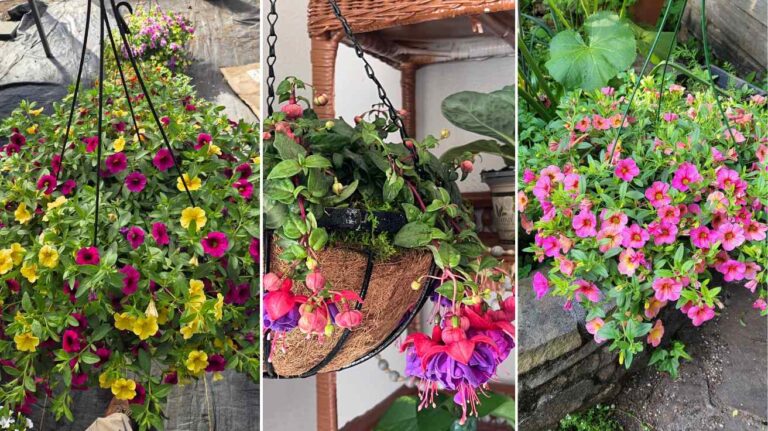
Their trailing habit makes them perfect for overflowing containers. The flowers spill naturally over edges, creating a soft waterfall effect that looks stunning beneath windows. Available colors include blue, orange, pink, red, yellow, purple, and even multicolored combinations.
Unlike some larger flowers, calibrachoa rarely needs deadheading because old blooms naturally disappear as fresh flowers emerge. That low-maintenance quality makes them especially appealing for beginner gardeners or busy homeowners.
These flowers love full sun and consistent moisture. High-quality potting soil with good drainage helps prevent root problems and keeps growth vigorous. Regular feeding encourages nonstop flowering from spring through early fall.
Calibrachoa blends beautifully with upright flowers and trailing greenery. Their tiny blooms add detail, softness, and movement that elevate ordinary arrangements into eye-catching displays bursting with life.
Lobelia
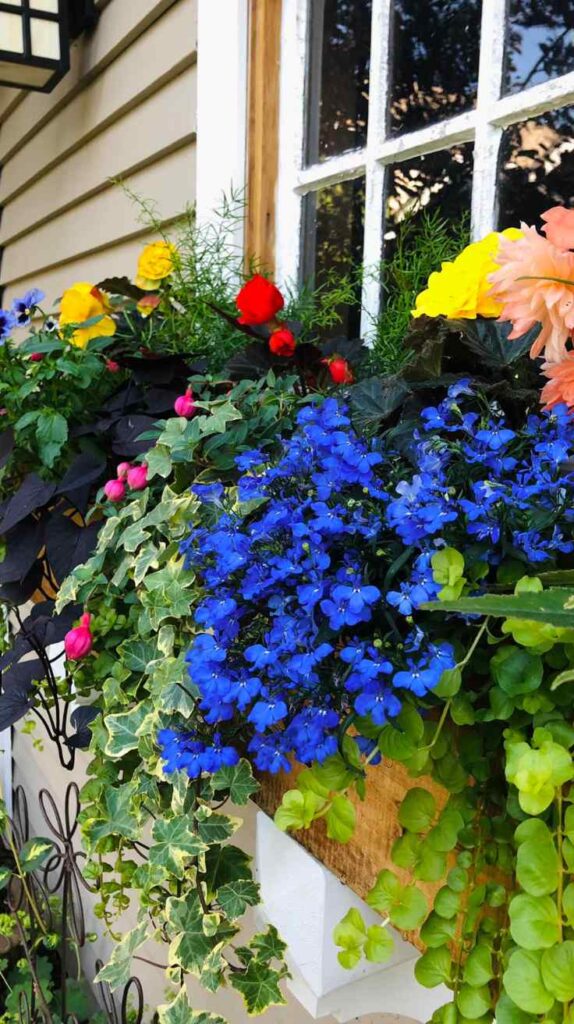
Lobelia creates one of the most breathtaking cascading effects in window gardening. Its delicate blue, purple, or white flowers spill gently over planters like flowing ribbons of color. Few flowers create such softness and elegance.
The cool-toned blooms pair beautifully with brighter annuals like petunias and geraniums. The contrast between vivid warm colors and calming blue lobelia creates balanced arrangements that feel fresh and inviting.
Lobelia performs best in cooler temperatures and partial sun. In extremely hot climates, afternoon shade helps extend blooming time. Regular watering keeps plants healthy, especially during dry periods.
One of the biggest advantages of lobelia is its airy texture. Many flowers appear dense and heavy, but lobelia introduces lightness and movement into arrangements. Even a simple planter suddenly feels more refined and layered with these trailing blooms.
The cascading growth habit works wonderfully for apartment balconies, farmhouse windows, and small patios where vertical beauty matters most. Their delicate appearance may look fragile, but healthy lobelia plants produce surprisingly full displays throughout much of the growing season.
Marigolds

Marigolds bring bold sunshine-like energy to window displays. Their rich golden, orange, and yellow blooms instantly brighten outdoor spaces and create cheerful curb appeal from a distance.
These flowers tolerate heat, direct sunlight, and dry conditions exceptionally well. That toughness makes marigolds ideal for beginner gardeners or homes exposed to intense afternoon sun. Even during scorching summer weather, they continue blooming enthusiastically.
French marigolds stay compact and tidy, while African marigolds grow taller with larger pom-pom blooms. Mixing different heights creates dynamic arrangements filled with texture and depth. Beyond beauty, marigolds also help repel certain garden pests. Their distinctive scent discourages insects, making them practical additions to edible container gardens and nearby herb planters.
Deadheading encourages fresh blooms and prevents plants from looking tired. Pairing marigolds with purple flowers like salvia or lobelia creates striking contrast that immediately catches attention. Their energetic color palette makes marigolds one of the best flowers for window boxes for homeowners wanting vibrant displays packed with warmth and personality.
Impatiens

Impatiens transform shady windows into colorful focal points overflowing with soft blooms. These flowers thrive in areas where direct sunlight remains limited, making them ideal for porches, covered patios, and north-facing homes.
Their compact growth creates dense mounds of color available in pink, coral, lavender, red, orange, and white shades. New Guinea impatiens produce larger flowers and tolerate slightly more sun, while traditional varieties excel in deep shade.
Impatiens bloom continuously when watered consistently. Their lush appearance quickly fills containers, leaving little empty space behind. The result feels rich, abundant, and professionally arranged. Because they prefer moist soil, regular watering becomes important during warm weather. Mulching helps retain moisture and reduces stress during hotter afternoons.
Combining impatiens with trailing ivy or delicate ferns creates layered window boxes with woodland-inspired beauty. Their soft petals and dense foliage create a welcoming appearance that feels cozy and relaxing. For shaded homes lacking vibrant outdoor color, impatiens provide one of the easiest and most rewarding solutions available.
Nasturtiums

Nasturtiums deliver old-fashioned cottage garden charm with an unexpected twist. Their edible flowers and lily pad-shaped leaves create whimsical arrangements filled with character and movement.
The blooms appear in fiery shades of orange, yellow, cream, and red. Many varieties trail beautifully over window box edges, while compact forms stay neat and upright. Their relaxed growth habit gives arrangements a casual, overflowing look that feels warm and inviting. Nasturtiums thrive in full sun and actually perform better in poorer soil conditions. Rich soil often produces excess leaves instead of flowers, so minimal fertilizing works best.
Their peppery edible blooms can decorate salads, drinks, and desserts, adding both beauty and flavor to outdoor dining experiences. Butterflies and pollinators also love these cheerful flowers, bringing extra life to garden spaces.
Pairing nasturtiums with herbs like basil or thyme creates charming edible window gardens packed with fragrance and color. Their trailing vines soften hard edges and make simple containers look naturally abundant.
Pansies

Pansies offer cool-season beauty with expressive “faces” that bring personality to every arrangement. Their velvety petals display intricate patterns and vibrant colors ranging from deep purple and blue to bright yellow and white. These flowers thrive during spring and fall when temperatures remain mild. In cooler climates, pansies may bloom for surprisingly long periods, especially when deadheaded regularly.
Pansies work wonderfully in small window boxes because their compact size allows detailed color combinations without overcrowding. Mixing multiple shades creates painterly displays that feel artistic and lively.
Because pansies prefer cooler conditions, they often serve as transitional flowers before summer annuals take over. Their early blooms provide instant curb appeal after long winter months when outdoor spaces feel dull and lifeless.
Adding trailing ivy or dusty miller enhances texture and highlights pansy colors beautifully. Their charming appearance makes them especially popular for cottage homes, vintage decor styles, and welcoming front porches.
Sweet Alyssum

Sweet alyssum may produce tiny flowers, but the impact feels enormous once these delicate blooms begin cascading over containers. Their soft white, pink, or lavender flowers create cloud-like texture that fills gaps between larger plants.
One of their greatest strengths is fragrance. Sweet alyssum releases a gentle honey-like scent that drifts through open windows and entryways, making outdoor spaces feel peaceful and inviting.
These flowers bloom heavily during cooler weather and often continue flowering through much of the season with proper care. Their low-growing habit makes them excellent edging plants inside mixed arrangements.
Sweet alyssum attracts pollinators like bees and butterflies, increasing activity and natural beauty around the home. The tiny blooms also soften bold flower combinations, helping arrangements appear balanced and cohesive.
Because alyssum spreads quickly, even small plants can fill planters with impressive fullness in a short time. Their delicate appearance blends beautifully with nearly every flower style, from rustic farmhouse gardens to elegant modern planters.
Fuchsias

Fuchsias create dramatic elegance unlike almost any other flowering plant. Their hanging blooms resemble delicate lanterns dancing beneath soft green foliage. Shades of pink, purple, red, and white create striking contrast that immediately captures attention.
These flowers thrive in partial shade and cooler temperatures, making them excellent choices for covered porches and shaded windows. Their trailing growth habit creates luxurious overflowing arrangements packed with movement and texture.
Hummingbirds love fuchsias, adding extra excitement and natural beauty to outdoor spaces. Watching tiny birds dart around hanging blooms creates a magical garden experience that feels straight from a storybook.
Fuchsias require consistent moisture and protection from extreme afternoon heat. Regular feeding supports continuous flowering throughout the growing season. Combining fuchsias with trailing greenery or delicate white flowers enhances their dramatic appearance even further. Their unique blooms create elegant displays that stand out from traditional window box arrangements.
Verbena

Verbena delivers long-lasting color and impressive heat tolerance, making it perfect for sunny windows exposed to intense summer temperatures. The flower clusters bloom continuously and spread beautifully across containers.
Available colors include rich purple, bright pink, red, white, and lavender. Many varieties trail naturally, softening planter edges and creating full, abundant displays.
Verbena attracts butterflies and pollinators, adding movement and life to outdoor spaces. Their drought tolerance also makes them practical for gardeners seeking lower-maintenance flower options. These flowers thrive in well-draining soil with plenty of sunlight. Occasional trimming helps maintain compact growth and encourages fresh blooming cycles.
Verbena combines beautifully with petunias, calibrachoa, and silver foliage plants. Their vivid color creates eye-catching contrast that enhances curb appeal instantly. For homeowners wanting nonstop summer blooms with minimal fuss, verbena remains one of the best flowers for window boxes year after year.
Tips for Creating Stunning Flower Displays
Beautiful window boxes rarely happen by accident. The most eye-catching arrangements usually combine three important elements: height, fullness, and trailing texture. Upright flowers create structure, mounding plants add volume, and cascading flowers soften the edges.
Choosing flowers with similar sunlight and watering needs helps arrangements stay healthy longer. Mixing shade-loving flowers with sun-loving varieties often leads to disappointing results.
High-quality potting soil improves drainage and gives roots room to grow. Regular fertilizing keeps blooms vibrant and encourages stronger flowering throughout the season.
Most importantly, color combinations dramatically influence the final appearance. Soft pastel flowers create romantic cottage charm, while bold reds, oranges, and purples deliver dramatic visual impact.
Even the simplest windows can become unforgettable focal points with the right flower choices. And once those blooms begin overflowing with color, stopping at just one window box suddenly feels impossible.