Essential Carrot Growing Tips Every Gardener Should Know
Cultivating your own vegetables offers a unique sense of satisfaction that store-bought produce simply cannot match. Many people across the United States find joy in digging into the soil to harvest crisp, sweet roots right from their backyard. This rewarding hobby connects you to nature while providing healthy snacks for your family.

Success in the vegetable patch often depends on having the right information before you start. Whether you are a beginner or a seasoned pro, these carrot growing tips will help you achieve a bountiful harvest this season. Proper soil preparation and consistent moisture levels remain the foundation of a thriving patch.
We designed this guide to offer practical home gardening advice that simplifies the entire process. By following these steps, you can avoid common pitfalls and enjoy the crunch of fresh produce all summer long. Let us explore how you can transform your outdoor space into a productive sanctuary today.
Understanding Soil Requirements for Optimal Root Development
The secret to a bountiful harvest lies hidden within your garden soil. Proper soil preparation for vegetables is the most critical step in ensuring your carrots grow straight and strong.
When the ground is too dense, roots often become stunted or fork into strange shapes. Providing a welcoming environment allows the taproot to penetrate deep into the earth without resistance.
The Importance of Loose, Sandy Loam
Loose, sandy loam is widely considered the gold standard for carrot cultivation. This soil type offers the perfect balance of drainage and structure, allowing the delicate roots to expand easily.
If your garden bed is packed with heavy debris or rocks, the carrots will struggle to push through. Removing these obstacles early on prevents the common issue of deformed, woody vegetables.
Amending Heavy Clay Soils for Better Drainage
Many gardeners deal with heavy clay that holds too much water and creates a hard crust. You can use effective organic gardening techniques to transform this difficult soil into a productive growing medium.
Mixing in generous amounts of finished compost or organic matter helps break up the clay particles. Adding a bit of coarse sand can also improve aeration and drainage, giving your carrots the breathing room they need.
Managing Soil pH and Nutrient Balance
Carrots thrive best when the soil pH remains between 6.0 and 6.8. This slightly acidic range is ideal for unlocking the essential nutrients required for healthy root development.
You should test your soil before planting to see if any adjustments are necessary. Maintaining this balance ensures that your plants receive the consistent nutrition they need throughout the growing season.
Selecting the Best Carrot Varieties for Your Climate
If you want to master the art of growing root crops, you must start by picking the right seeds. Choosing the right variety is a critical step in ensuring your garden thrives throughout the local growing season. By matching your selection to your specific soil and climate, you set the stage for a productive harvest.
Distinguishing Between Nantes, Danvers, and Imperator Types
Carrots come in various shapes and sizes, each suited for different culinary uses. Nantes carrots are famous for their sweet, cylindrical shape and blunt tips, making them a favorite for fresh eating. They grow well in most garden soils.
In contrast, Danvers types are known for being robust and tapered. These are excellent for heavier soils where other varieties might struggle. Imperator carrots are long and slender, often requiring deep, loose soil to reach their full potential.
Choosing Varieties Based on Your Growing Season
Timing is everything when you are growing root crops. Some varieties are bred to mature quickly, which is perfect for short spring windows. Others are better suited for the cooler temperatures of a fall harvest.
Always check the days-to-maturity on your seed packets. This helps you align the life cycle of the plant with your local frost dates. Selecting the best carrot varieties for your specific calendar ensures you avoid the heat of mid-summer, which can sometimes cause bitterness.
Container-Friendly Carrot Cultivars
Limited space should never stop you from enjoying a home-grown harvest. Many compact cultivars have been developed specifically for pots and window boxes. These varieties typically produce shorter, rounder roots that do not require deep soil beds.
Look for names like “Thumbelina” or “Little Finger” when shopping for seeds. These small-scale options are just as delicious as their larger counterparts. They provide a simple way to enjoy fresh produce even on a small patio or balcony.
Mastering the Art of Carrot Sowing
Precision is the secret ingredient when you begin the journey of growing your own carrots. Because these seeds are incredibly small, they require a gentle touch and careful planning to ensure they germinate successfully. By focusing on the details of your sowing process, you set the stage for a productive and healthy garden.
Timing Your Planting for Spring and Fall Harvests
In the United States, timing is everything when it comes to planting carrots. For a spring harvest, you should sow your seeds as soon as the soil can be worked, typically two to three weeks before the last expected frost. This allows the roots to develop while the weather remains cool.
If you prefer a fall harvest, aim to sow your seeds in mid-to-late summer. This timing ensures that the carrots mature during the cooling temperatures of autumn, which often results in a sweeter flavor. Planning your schedule around these windows helps you maximize your total yield throughout the year.
Techniques for Even Seed Distribution
One of the biggest hurdles for gardeners is the tendency to drop too many seeds in one spot. To achieve even distribution, try mixing your seeds with a bit of dry sand in a shaker bottle. This simple trick makes the tiny seeds easier to see and spread thinly across your prepared rows.
Another effective method involves using a seed tape or creating your own by attaching seeds to strips of toilet paper with a flour-and-water paste. These techniques significantly reduce the need for heavy thinning later on. Consistent distribution ensures that every plant has enough room to thrive without competing for vital resources.
Depth and Spacing Guidelines for Healthy Growth
Proper carrot seed spacing is essential for allowing the roots to expand without obstruction. You should aim to space your seeds about two to three inches apart within the row. This distance provides the necessary airflow and nutrient access for each vegetable to reach its full potential.
When it comes to depth, remember that carrot seeds need to be planted shallowly, usually about one-quarter inch deep. Covering them with a light layer of fine soil or compost helps keep them moist while they germinate. Following these specific guidelines for carrot seed spacing will lead to uniform, high-quality crops in your garden.
Essential Carrot Growing Tips for Consistent Moisture
Achieving the perfect carrot harvest starts with mastering your hydration strategy. When you focus on watering vegetable gardens with precision, you ensure that your roots grow straight and sweet. Irregular moisture levels often lead to common frustrations like cracked skins or bitter flavors.

The Role of Consistent Watering in Preventing Split Roots
Carrots require a steady supply of water to expand their roots uniformly. If the soil dries out completely and then receives a heavy soak, the root may grow too quickly and split. This is why reliable home gardening advice emphasizes keeping the soil evenly damp throughout the growing season.
Consistent moisture also helps maintain the delicate balance of sugars within the carrot. When plants experience drought stress, they often produce compounds that result in a harsh, woody taste. Regular, gentle irrigation prevents this stress and keeps your crop tender.
Using Mulch to Retain Soil Moisture
Applying a layer of organic mulch is a fantastic way to protect your carrot patch from the summer heat. Straw, shredded leaves, or grass clippings act as a natural barrier against evaporation. This simple step keeps the soil cool and reduces the frequency of your watering chores.
Mulch also prevents the soil surface from crusting over after a heavy rain or irrigation session. A loose, friable surface allows young seedlings to emerge without struggle. By maintaining a stable environment, you provide the ideal conditions for deep root penetration.
Avoiding Common Watering Mistakes
Many gardeners make the mistake of providing light, frequent sprinkles that only wet the top inch of soil. This practice encourages shallow root growth rather than the deep, strong taproots you want. Instead, aim for a deep soak that reaches several inches down into the earth.
Be careful not to saturate the soil to the point of waterlogging, as this can lead to rot. Always check the moisture level with your finger before adding more water. Following this sound home gardening advice will help you grow healthy, high-quality carrots every single time.
Thinning Seedlings to Ensure Proper Development
Achieving a bountiful harvest of uniform carrots requires a bit of tough love in the garden. While it may feel counterintuitive to remove plants you worked hard to sprout, this practice is essential for growing root crops that reach their full potential.
Why Thinning is Non-Negotiable for Carrot Size
When carrot seeds are sown too closely together, the resulting seedlings compete fiercely for limited nutrients, water, and space. This overcrowding prevents the roots from expanding properly, often leading to stunted, thin, or twisted carrots that are difficult to harvest.
By removing excess plants, you provide the remaining ones with the room they need to thrive. Proper spacing ensures that each carrot has enough soil volume to develop a straight, robust shape, which is the hallmark of a successful harvest.
The Best Time to Thin Your Carrot Rows
Timing is everything when it comes to managing your garden beds. You should aim to thin your carrot rows once the green tops reach about two to three inches in height.
Addressing the density of your crop at this stage minimizes stress on the remaining plants. If you wait too long, the roots may begin to intertwine, making it much harder to remove the extras without damaging the ones you intend to keep.
Tools and Techniques for Gentle Thinning
When you are ready to begin thinning carrot seedlings, approach the task with patience and care. Using a pair of small garden snips or scissors is often better than pulling the plants by hand, as it prevents you from disturbing the soil around the neighboring roots.
Simply snip the excess seedlings off at the soil line. If you prefer to pull them, do so gently while holding the soil down around the base of the remaining carrot to keep it stable. This careful method ensures your garden remains healthy and productive throughout the season.
Managing Pests and Diseases in the Carrot Patch
Effective carrot pest control starts with understanding the common challenges that face your root vegetables. Protecting your crop from these threats is vital for a healthy harvest throughout the growing season. By staying vigilant and proactive, you can keep your patch free from damage and ensure your carrots reach maturity safely.
Identifying and Controlling Carrot Rust Flies
The carrot rust fly is a primary concern for many home gardeners. These small, dark flies lay eggs near the base of the plant, and their larvae tunnel into the roots, causing significant damage. You can spot their presence by looking for stunted growth or discolored foliage.
To improve your carrot pest control, consider using floating row covers immediately after sowing. These physical barriers prevent the flies from reaching the soil to lay their eggs. Additionally, harvesting your carrots as soon as they reach maturity helps reduce the window of opportunity for these pests to strike.
Preventing Fungal Issues Through Air Circulation
Fungal diseases often thrive in damp, crowded conditions where moisture lingers on the leaves. Proper spacing during the thinning process is essential to allow air to flow freely between your plants. This simple step helps foliage dry out quickly after rain or irrigation, which significantly lowers the risk of rot.
Avoid overhead watering whenever possible to keep the leaves dry. If you notice any signs of powdery mildew or leaf blight, remove the affected foliage immediately. Keeping your garden bed tidy and free of debris will further discourage fungal growth.
Natural Deterrents for Garden Pests
Companion planting is a fantastic way to manage your garden naturally. Planting aromatic herbs like chives, onions, or rosemary near your carrots can help mask their scent from hungry insects. These strong-smelling neighbors act as a natural shield, making it harder for pests to locate your crop.
You might also consider introducing beneficial insects like ladybugs or lacewings to your garden. These helpful predators feed on aphids and other small pests that might bother your vegetables. Integrating these organic methods into your routine creates a balanced ecosystem that supports healthy growth.
Weed Control Strategies for Young Carrots
Mastering weed control is a fundamental skill for any gardener growing root vegetables. Proper weed management in gardens ensures that your crop receives the nutrients and sunlight it needs to thrive. Without a clear plan, unwanted plants can easily overtake your garden beds.
The Vulnerability of Carrots to Weed Competition
Carrots are notoriously slow to germinate and establish themselves in the soil. During these first few weeks, they are extremely sensitive to competition from faster-growing weeds. If left unchecked, these weeds will quickly choke out your young seedlings.
Early intervention is the best way to protect your investment. By keeping the area clear, you allow the carrot tops to develop without unnecessary stress. This early focus is a cornerstone of successful organic gardening techniques.
Safe Cultivation Practices Near Delicate Roots
When you notice weeds appearing, you must act with caution to avoid disturbing the soil too deeply. Use a sharp, narrow hoe to skim the surface of the dirt. This method cuts the weeds at the root without harming the developing carrot taproots.
Avoid pulling large weeds directly from the soil if they are growing too close to your carrots. Pulling can dislodge the delicate seedlings or damage their root systems. Instead, snip the weeds at the soil line to keep the surrounding earth stable.
Using Pre-Emergent Mulching Techniques
Prevention is often more effective than manual removal. Applying a thin layer of organic mulch, such as straw or compost, can suppress weed seeds before they sprout. This is one of the most effective organic gardening techniques for maintaining a clean patch.
Be sure to apply the mulch carefully so it does not bury your tiny carrot sprouts. A light, airy layer provides enough coverage to block sunlight from reaching weed seeds. This simple step saves you significant time and effort throughout the growing season.
Harvesting and Storing Your Carrot Crop
Successfully bringing your crop from the soil to your kitchen table requires careful timing and technique. Understanding the right moment to pull your vegetables ensures you enjoy the best flavor and crisp texture possible.
Signs That Your Carrots are Ready for Harvest
The most reliable indicator of maturity is the size of the carrot shoulders visible at the soil surface. When you see the top of the root pushing through the dirt, check if it matches the diameter expected for your specific variety.
You should also keep track of the days since planting, as most cultivars reach peak ripeness within 70 to 80 days. If the foliage begins to yellow or droop, this is another clear signal that the roots have stopped growing and are ready for harvest.

Proper Techniques for Pulling Carrots Without Damage
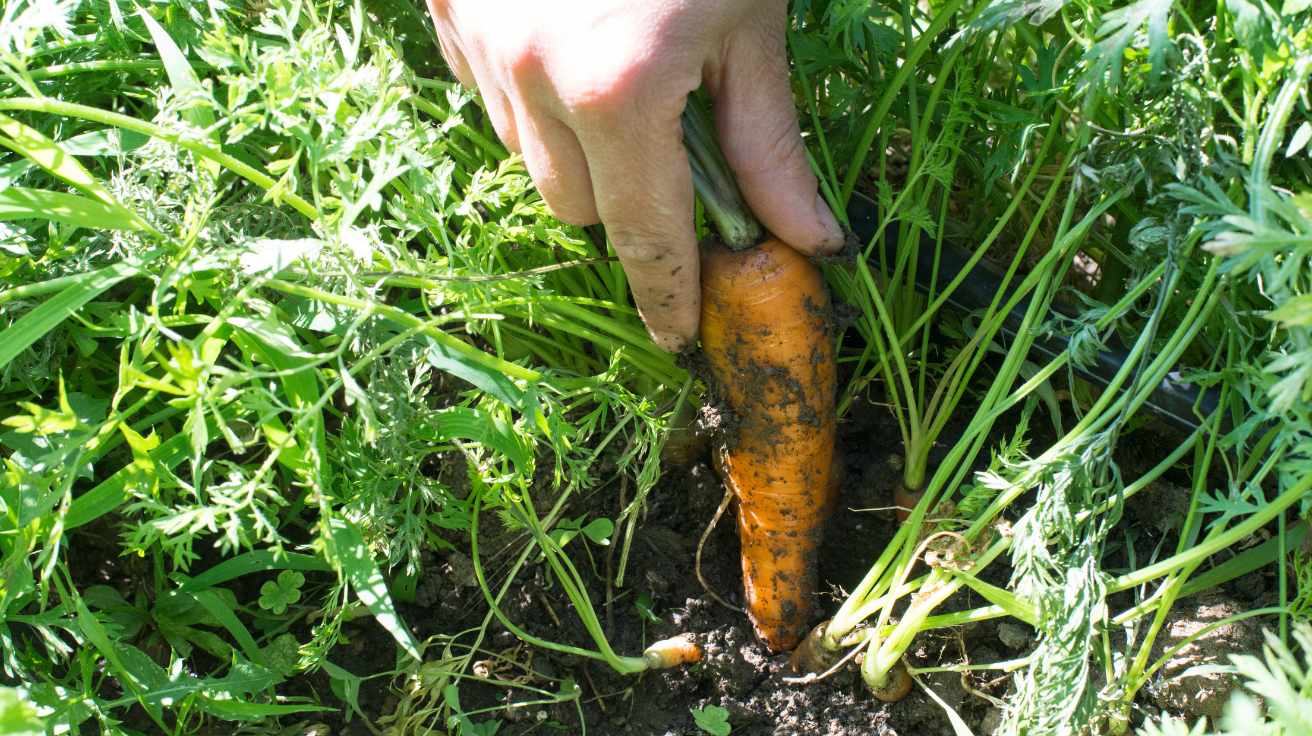
When you are ready for harvesting root vegetables, start by loosening the soil around the base with a garden fork. This simple step prevents the roots from snapping or breaking during the extraction process.
Grasp the base of the greens firmly near the soil line and pull upward with a gentle, steady motion. Avoid yanking the tops, as this can easily cause the carrot to break in half, leaving the tip buried in the ground.
Best Practices for Long-Term Storage and Preservation
Once you have gathered your crop, remove the green tops immediately to prevent them from drawing moisture out of the roots. Trimming the greens helps maintain the crispness of the vegetable for a much longer period.
For storing garden carrots, place them in a perforated plastic bag inside your refrigerator crisper drawer. This method keeps the humidity levels high enough to prevent shriveling while allowing for enough airflow to stop decay.
If you have a large harvest, consider using a cool, dark root cellar with high humidity. Keeping the roots in damp sand or sawdust can help them stay fresh and crunchy throughout the winter months.
Maximizing Your Garden Success with Ongoing Care
A bountiful harvest represents the result of steady effort and attention to detail throughout the growing season. You can improve your yields by applying these carrot growing tips to your daily routine. The satisfaction of eating fresh produce from your own backyard makes every minute of work worthwhile.
Consistent vegetable garden maintenance remains the secret to long-term success. Monitoring for pests and adjusting your watering schedule helps your plants thrive in changing weather conditions. Small adjustments often lead to the biggest improvements in root quality and flavor.
We hope this guide empowers you to refine your skills and enjoy the rewards of home gardening. Share your progress with fellow growers or post photos of your harvest on social media platforms like Instagram. Your journey toward becoming a master gardener starts with these simple habits.