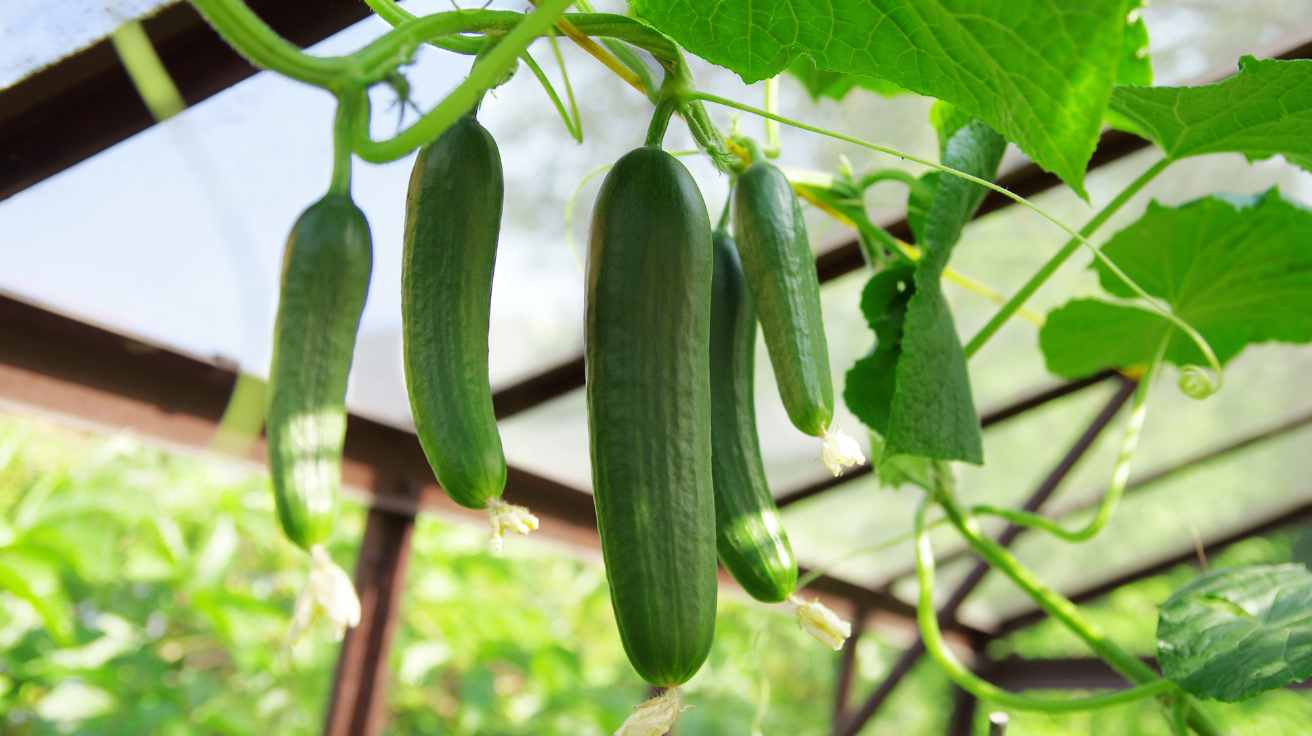
Growing Cucumbers in Pots Tips for a Bountiful Harvest
Do you dream of harvesting fresh, crisp vegetables but lack a sprawling backyard? You are not alone. Many urban gardeners find that growing cucumbers in pots is a rewarding way to enjoy home-grown produce right on a sunny balcony or porch.
Container gardening transforms small spaces into productive patches of green. By selecting the right environment and providing consistent care, you can cultivate healthy vines that thrive throughout the summer months.
This approach is perfect for beginners who want to experience the joy of gardening without needing a large plot of land. With just a few expert tips, you will be well on your way to a successful season filled with delicious, crunchy snacks. Let’s explore how you can maximize your limited space and achieve a truly bountiful harvest this year.
Selecting the Best Cucumber Varieties for Container Gardening
Not all cucumber plants are created equal, especially when you are limited by container gardening space. Choosing the right seeds is the most critical step for a successful harvest. By picking plants specifically bred for compact growth, you can enjoy a bountiful yield even on a small balcony or patio.
Bush and Patio Varieties for Small Spaces
When you are growing cucumbers in pots, look for labels that specify “bush” or “patio” types. These varieties are genetically programmed to stay compact rather than sprawling across your entire garden. They are perfect for small space gardening because they require minimal horizontal room.
Many of these varieties produce high yields on shorter vines. This makes them ideal for containers where root space is limited. You will find that these plants are much easier to manage than traditional vining cucumbers.
Determining Between Slicing and Pickling Types
Before you buy your seeds, consider how you plan to use your harvest. Slicing cucumbers are typically longer and have a thinner skin, making them perfect for fresh salads. Pickling varieties are usually shorter, blockier, and have a crunchier texture that holds up well in brine.
The following table highlights some of the best cucumber varieties to help you decide which fits your needs:
| Variety Name | Type | Growth Habit |
|---|---|---|
| Bush Slicer | Slicing | Compact Bush |
| Bush Pickle | Pickling | Compact Bush |
| Patio Snacker | Slicing | Semi-vining |
| Homemade Pickles | Pickling | Vining |
Selecting the right type ensures your culinary goals are met throughout the season. Whether you want fresh snacks or homemade pickles, there is a perfect variety for your container setup.
Choosing the Right Containers and Drainage Systems

Your choice of container plays a vital role in how well your cucumber plants grow and produce fruit. Because these plants develop extensive root systems, they require ample space to spread out and absorb nutrients effectively. Selecting the wrong vessel can lead to stunted growth and a disappointing harvest.
Ideal Pot Sizes for Healthy Root Development
When determining the perfect cucumber pot size, bigger is almost always better. A container that holds at least five gallons of soil is generally the minimum requirement for a single plant. This volume ensures the roots have enough room to anchor the vine and access consistent moisture.
If you choose a pot that is too small, the plant will quickly become root-bound. This condition restricts the plant’s ability to take up water, which often leads to wilting even when the soil feels damp. Always aim for a deep container to accommodate the long taproots that cucumbers naturally produce.
Material Considerations: Plastic, Terracotta, and Fabric Grow Bags
The material of your container significantly impacts the soil environment. Plastic pots are lightweight and excellent at retaining moisture, which reduces the frequency of watering. However, they can trap heat during the peak of summer, potentially stressing the roots.
Terracotta pots offer a classic look and are porous, allowing for better airflow. While this helps prevent the soil from staying too wet, it also means the soil dries out much faster. Fabric grow bags have become a favorite among modern gardeners because they promote air pruning, which creates a denser, healthier root system.
| Material | Moisture Retention | Temperature Control | Best For |
|---|---|---|---|
| Plastic | High | Low | Hot, dry climates |
| Terracotta | Low | Moderate | Humid environments |
| Fabric | Moderate | High | Root health |
Ensuring Proper Drainage to Prevent Root Rot
Regardless of the material you choose, effective drainage for pots is non-negotiable. Cucumbers hate having “wet feet,” and standing water is a primary cause of root rot. This fungal issue can kill a healthy plant in just a few days if left unchecked.
Always verify that your container has multiple holes at the bottom before adding soil. If you are using a decorative pot without holes, consider drilling them yourself or placing a smaller, perforated plastic liner inside. Proper drainage ensures that excess water escapes, keeping the root zone oxygenated and thriving throughout the growing season.
Preparing the Perfect Potting Mix for Container Cucumbers
Creating the right foundation is the secret to a successful cucumber harvest in containers. While it might be tempting to scoop up dirt from your backyard, this often leads to poor results. Using a specialized potting mix for cucumbers ensures your plants have the best environment to thrive.
Why Garden Soil is Not Suitable for Pots
Standard garden soil is far too dense for container gardening. When placed in a pot, it quickly compacts, which prevents oxygen from reaching the roots. This lack of airflow can lead to stunted growth and root rot.
Furthermore, garden soil often contains hidden pests, weed seeds, or fungal spores. These elements can easily overwhelm a young plant in a confined space. It is always safer to start with a sterile, commercial-grade medium.
Creating a Nutrient-Rich Soilless Medium
A high-quality soilless medium is light, fluffy, and retains moisture without becoming waterlogged. You can easily create your own blend by mixing equal parts peat moss or coconut coir with perlite. These ingredients provide the perfect balance of drainage and aeration.
Adding high-quality compost to this mixture introduces beneficial microbes to the soil. This creates a living environment that supports strong root development. Your plants will appreciate the airy texture, allowing them to spread their roots quickly.
| Component | Purpose | Benefit |
|---|---|---|
| Peat Moss | Moisture Retention | Prevents drying out |
| Perlite | Aeration | Prevents compaction |
| Compost | Nutrients | Boosts plant health |
Incorporating Organic Matter and Slow-Release Fertilizers
Even the best potting mix for cucumbers needs a nutrient boost to sustain heavy fruit production. Mixing in a high-quality organic fertilizer for vegetables at the time of planting provides a steady supply of food. These slow-release granules break down gradually over several weeks.
This method ensures your vines receive consistent nutrition without the risk of burning the roots. By focusing on soil quality early on, you set the stage for a productive and healthy growing season. Your plants will reward your efforts with plenty of crisp, delicious cucumbers.
Essential Steps for Growing Cucumbers in Pots
Success with container-grown cucumbers begins long before the first sprout appears above the soil. By focusing on the specific needs of your plants, you create a strong foundation for a productive season. Careful preparation ensures that your vibrant vines have everything they need to thrive in a limited space.
Timing Your Planting Based on Local Frost Dates
Cucumbers are warm-season crops that despise the cold. You should wait until all danger of frost has passed and the soil has warmed significantly before you begin planting cucumber seeds outdoors. Checking your local frost dates is a vital step to avoid stunted growth or plant death.
Ideally, nighttime temperatures should consistently stay above 60°F. If you plant too early, the seeds may rot in cold, damp soil rather than germinating. Patience during these early weeks pays off with much healthier, more vigorous plants later on.

Direct Sowing Versus Starting Seeds Indoors
Deciding whether to sow directly or start indoors depends on your climate and personal preference. Direct sowing is often preferred because cucumbers have sensitive roots that do not like being disturbed during transplanting. However, starting indoors can provide a head start in regions with shorter growing seasons.
| Method | Best For | Key Benefit |
|---|---|---|
| Direct Sowing | Warm Climates | No transplant shock |
| Indoor Starting | Short Seasons | Extended harvest time |
| Peat Pots | All Regions | Minimal root disturbance |
Proper Spacing and Seed Depth Requirements
When you are ready to put your seeds in the ground, depth is crucial. You should plant your seeds about one inch deep to ensure they have enough energy to push through the potting mix. Placing them too shallow can lead to drying out, while planting too deep may prevent germination entirely.
Proper cucumber plant spacing is equally important for long-term success. Even in containers, these plants need room to breathe and access sunlight. If you crowd them, you increase the risk of disease and reduce your overall yield. Aim for one or two plants per five-gallon container to ensure they have adequate space to grow.
Providing Optimal Sunlight and Temperature Conditions
Cucumbers thrive when they receive the right balance of warmth and solar energy throughout the day. As heat-loving plants, they require specific environmental conditions to reach their full potential. Understanding these needs is a key step in successfully growing full sun vegetables in your own home garden.
The Importance of Full Sun Exposure
To produce a bountiful harvest, your cucumber plants need at least six to eight hours of direct sunlight every single day. This intense light fuels the photosynthesis process, which is vital for rapid vine growth and fruit development. Without enough light, your plants may become leggy and produce very few cucumbers.
Managing Heat Stress on Balconies and Porches
While these plants love the sun, balconies and porches can sometimes become too hot. Reflective surfaces like concrete or metal railings often trap heat, which can scorch delicate foliage. You can mitigate this by using light-colored pots or adding a bit of shade during the hottest part of the afternoon.
| Condition | Impact on Growth | Management Strategy |
|---|---|---|
| High Heat | Leaf wilting | Provide afternoon shade |
| Low Light | Stunted development | Relocate to sunnier spot |
| Cold Snaps | Growth arrest | Use protective covers |
Protecting Young Plants from Unexpected Cold Snaps
Early spring weather can be quite unpredictable, even in warmer regions. Sudden drops in temperature can shock young seedlings and hinder their progress. It is highly recommended to keep row covers or temporary shelters nearby to protect your plants during these chilly nights.
These simple barriers act as a blanket, trapping warmth around the base of the plant. Once the danger of frost has passed, you can safely remove them to allow for better airflow. Consistent care during these early stages ensures your plants remain strong and healthy throughout the season.
Mastering Watering and Fertilization Schedules
If you want your container-grown cucumbers to taste their best, you must master your care schedule. Consistent moisture is the secret to preventing bitter-tasting fruit and ensuring your vines remain highly productive throughout the season. By paying close attention to your plants, you can easily manage the specific needs of watering container plants.
Identifying Signs of Under-Watering and Over-Watering
Plants in pots dry out much faster than those in the ground. If your cucumber leaves begin to wilt during the heat of the day but recover at night, they are likely thirsty. However, if the leaves turn yellow or the soil feels constantly soggy, you are likely providing too much water.
Root rot is a serious risk when soil stays saturated for too long. Always check the top two inches of soil with your finger before adding more water. If it feels damp, wait another day to avoid drowning the roots.
Implementing Consistent Irrigation Techniques
Consistency is vital for healthy growth. Irregular watering often leads to misshapen fruit or a bitter flavor profile that ruins your harvest. Aim to keep the soil evenly moist, similar to the texture of a wrung-out sponge.
Using a drip irrigation system or a simple self-watering pot can help maintain steady moisture levels. If you prefer hand-watering, try to water early in the morning to reduce evaporation. Focus the water at the base of the plant rather than on the leaves to prevent fungal issues.
Feeding Your Plants for Maximum Fruit Production
Cucumbers are heavy feeders that require plenty of energy to produce a bountiful crop. Using a high-quality organic fertilizer for vegetables ensures your plants receive the essential nutrients they need without harsh chemicals. A balanced liquid feed applied every two weeks is usually sufficient for most container varieties.
| Task | Frequency | Key Goal |
|---|---|---|
| Watering | Daily/As needed | Prevent bitter fruit |
| Fertilizing | Bi-weekly | Boost fruit yield |
| Soil Check | Daily | Monitor moisture |
Always follow the instructions on your chosen fertilizer package to avoid burning the roots. Providing consistent nutrition will reward you with crisp, delicious cucumbers all summer long. Remember that healthy soil leads to healthy plants and a much larger harvest.
Supporting Your Vines with Trellises and Stakes
If you want to maximize your harvest, vertical gardening is the secret weapon for your potted cucumbers. By lifting your plants off the ground, you save precious patio space and significantly reduce the risk of fruit rot. This simple shift in strategy transforms how your garden grows.
Benefits of Vertical Gardening for Cucumbers
Growing vines upward allows for much better airflow around the foliage. When leaves stay dry and receive adequate breeze, the likelihood of fungal issues drops dramatically. This method also makes harvesting much easier, as you no longer have to hunt for hidden cucumbers under dense leaves.
Selecting Sturdy Trellis Designs for Containers
When searching for the best cucumber trellis ideas, consider the weight of the mature plant. A sturdy A-frame or a simple fan-shaped metal trellis works wonders for smaller pots. Ensure your chosen structure is anchored deeply into the potting mix to prevent it from tipping over during windy days.
| Support Type | Best For | Durability |
|---|---|---|
| A-Frame Trellis | Large Planters | High |
| Bamboo Stakes | Small Pots | Medium |
| Wire Mesh Cage | Bush Varieties | High |
Training Vines to Climb for Better Air Circulation
Young cucumber vines are naturally eager to climb, but they sometimes need a gentle nudge. You can use soft garden twine or plant clips to secure the main stem to your support structure. As the tendrils reach out, they will naturally grab onto the trellis, creating a lush, healthy wall of green.
Managing Common Pests and Diseases in Container Gardens
Maintaining a thriving cucumber patch means staying one step ahead of hungry pests and fungal issues. Even when growing in pots, your plants remain vulnerable to environmental stressors that invite unwanted visitors. By keeping a close eye on your foliage, you can ensure your harvest stays healthy and productive throughout the season.
Identifying Aphids, Cucumber Beetles, and Spider Mites
Small insects can quickly overwhelm a container plant if left unchecked. Aphids often cluster on the undersides of leaves, appearing as tiny green or black specks that suck vital sap. You might notice curled or yellowing leaves as a primary sign of their presence.
Cucumber beetles are another common threat, recognizable by their yellow and black striped or spotted patterns. They feed on leaves and can transmit bacterial wilt, which causes sudden plant collapse. Meanwhile, spider mites thrive in hot, dry conditions, leaving behind fine webbing and tiny white stippling on the leaf surface.

Preventing Powdery Mildew with Proper Airflow
Fungal issues like powdery mildew often appear as white, dusty spots on your cucumber leaves. This disease thrives in stagnant, humid environments where moisture lingers on the foliage. Effective powdery mildew prevention starts with ensuring your containers have adequate spacing to allow air to circulate freely.
Always water at the base of the plant rather than overhead to keep the leaves dry. If you notice early signs of white spots, prune away the affected leaves immediately to stop the spread. Proper airflow is your best defense against this persistent garden fungus.
Natural and Organic Solutions for Pest Control
You do not need harsh chemicals to maintain a healthy garden. Simple, organic pest control for cucumbers often involves using a gentle stream of water to knock aphids off the stems. For more persistent infestations, neem oil or insecticidal soaps provide a safe, effective alternative that targets pests without harming beneficial insects.
| Pest or Disease | Primary Sign | Organic Remedy |
|---|---|---|
| Aphids | Curled leaves | Neem oil spray |
| Spider Mites | Fine webbing | Water misting |
| Powdery Mildew | White dusty spots | Improved airflow |
Regular monitoring remains the most important step in your garden routine. By catching issues early, you can apply these natural solutions quickly and keep your plants growing strong. Consistency is the key to a bountiful and healthy cucumber harvest.
Enjoying Your Fresh Harvest Throughout the Season
Your journey toward growing crisp vegetables in small spaces reaches its peak when you begin harvesting cucumbers. Picking these fruits at the right size ensures the best flavor and texture for your kitchen recipes. Regular collection signals the plant to focus energy on producing new blooms rather than maturing seeds.
Consistent care remains the secret to a long growing season. Monitoring your soil moisture and providing steady nutrients keeps your vines productive from early summer until the first frost. Brands like Burpee or Miracle-Gro offer excellent resources to help you maintain this balance throughout the warmer months.
Take a moment to appreciate the rewards of your hard work. Fresh produce tastes better when you grow it yourself on a porch or balcony. Share your success with neighbors or try new pickling recipes with your bounty. Your commitment to proper maintenance creates a cycle of growth that keeps your garden thriving.
What variety did you choose for your containers this year? Tell us about your experience with your vertical garden setup. We love hearing about your gardening wins and the delicious meals you create with your homegrown crops.
FAQ
Which cucumber varieties work best for small apartment balconies?
For limited spaces, you should look for “Bush” or “Patio” varieties specifically bred for container growth. Brands like Burpee offer the ‘Bush Slicer’ and ‘Spacemaster’ varieties, which remain compact and manageable while still providing a high yield of crisp fruit throughout the summer.
What is the ideal container size for a single cucumber plant?
A five-gallon container is generally the minimum size required for one healthy plant. High-quality fabric containers, such as Smart Pots, are particularly effective because they provide excellent drainage and promote air-pruning, which prevents the roots from becoming cramped or waterlogged.
Why shouldn’t I use regular backyard soil in my pots?
Standard garden soil is often too heavy and can become compacted in a container, which suffocates the roots and leads to poor drainage. It is much better to use a professional potting mix, such as FoxFarm Ocean Forest or Miracle-Gro Performance Organics, which is designed to stay light, airy, and nutrient-rich.
How can I prevent my cucumbers from tasting bitter?
Bitterness is typically a result of “stress,” most commonly caused by inconsistent watering or extreme heat. To ensure a sweet harvest, keep the soil consistently moist but not soggy. On especially hot days, moving your pots to a slightly shaded area or using an organic mulch can help regulate the soil temperature.
Do I need to provide a trellis for bush cucumber varieties?
While bush varieties are more compact than vining types, they still benefit from a small support like a tomato cage. Using a trellis or stake keeps the fruit off the soil, which reduces the risk of rot and improves air circulation, helping to prevent common fungal issues like powdery mildew.
How often should I fertilize my container-grown cucumbers?
Because frequent watering can wash nutrients out of the soil, it is best to feed your plants every two weeks. Using a balanced organic fertilizer, such as Espoma Garden-tone or Neptune’s Harvest Fish & Seaweed, provides the steady supply of nitrogen and potassium needed for heavy fruit production.
What is the best way to manage pests like aphids and cucumber beetles organically?
Regular monitoring is key. You can often remove aphids with a sharp stream of water from a garden hose. For tougher pests like cucumber beetles or spider mites, an OMRI-listed treatment like Monterey Neem Oil is a safe and effective way to protect your vines without using harsh synthetic chemicals.
How do I know exactly when to harvest my cucumbers?
Timing depends on the variety: harvest slicing cucumbers when they reach about six to eight inches in length, and pickling types when they are two to four inches long. Picking the fruit early and often actually signals the plant to keep producing more blossoms and fruit, extending your harvest well into the late season.
Can I start my cucumber seeds indoors to get a head start?
Yes, you can start seeds indoors about three to four weeks before the last frost date using peat pots or Jiffy Pellets. However, because cucumbers have sensitive roots that dislike being disturbed, many gardeners find the best success by direct sowing the seeds into their final outdoor containers once the soil has warmed up to at least 70°F.