Top Gardening Tips to Help Your Garden Thrive This Year
Welcome to the rewarding world of home horticulture. Whether you are a seasoned pro or a curious beginner, the secret to a successful growing season starts with careful preparation. Taking the time to plan your space now ensures that your plants have the best chance to flourish throughout the warmer months.

By implementing professional outdoor gardening advice, you can easily transform a standard backyard into a vibrant, living sanctuary. These simple strategies help create a healthy environment that attracts pollinators and supports local biodiversity. You will find that small changes in your routine lead to significant improvements in your soil health and plant vitality.
Focusing on these foundational methods gives you the confidence needed to start your journey toward a more beautiful landscape. With the right approach, you can cultivate a productive space that brings joy to your home all year long. Let us explore how you can make your green space truly shine this season.
Essential Gardening Tips for Every Skill Level
Every successful gardener knows that the secret to a thriving plot lies in mastering a few fundamental skills. By focusing on these core practices, you can ensure your plants remain healthy and vibrant throughout the growing season. These gardening tips provide a solid foundation for anyone looking to improve their green space.
Understanding Your Local Hardiness Zone
The first step in any successful project is identifying your specific USDA hardiness zone. This map divides regions based on their average annual minimum winter temperatures. Knowing your zone helps you predict which plants can survive the winter in your backyard.
You can easily find your zone by entering your zip code into online databases. This knowledge is one of the most essential gardening techniques for long-term success. It prevents the frustration of planting species that simply cannot handle your local weather patterns.
Selecting the Right Plants for Your Climate
Once you know your zone, you can choose vegetation that is naturally suited to your environment. Native plants are often the best choice because they have adapted to your local rainfall and soil conditions over time. These beginner gardening tips emphasize working with nature rather than against it.
Always check the plant tags at your local nursery for specific climate requirements. If you live in a hot, dry area, look for drought-tolerant varieties that thrive in intense sun. Selecting the right plants is among the top gardening tips for beginners to reduce maintenance and increase plant survival rates.
Mastering Basic Watering and Sunlight Requirements
Proper hydration is vital for plant health, but it is easy to overwater or underwater your garden. Most vegetables and flowers prefer deep, infrequent watering rather than light daily sprinkles. This encourages roots to grow deeper into the soil, making them more resilient during dry spells.
Sunlight exposure is equally important for your garden’s productivity. Observe your yard throughout the day to see which areas receive full sun and which stay in the shade. Applying these essential gardening techniques will help you place your plants in the perfect spots for optimal growth. Following these top gardening tips for beginners ensures that your garden stays lush and productive all year long.
Best Gardening Practices for Soil and Plant Health
Building a vibrant garden starts deep beneath the surface in your soil. Healthy earth acts as the lifeblood for your plants, providing the essential nutrients they need to flourish. By following the best gardening practices, you can create a resilient environment that supports vigorous growth throughout the entire season.
Testing and Amending Your Soil Composition
Before you plant your seeds, you should understand the specific needs of your ground. Using a simple home testing kit allows you to check your soil pH levels accurately. This data helps you determine if your garden requires lime to raise the pH or sulfur to lower it.
Once you know your soil profile, you can add organic amendments like compost or aged manure. These expert gardening tips ensure your plants receive a steady supply of nutrients. Well-balanced soil creates the perfect foundation for everything from vegetables to ornamental flowers.

The Importance of Proper Mulching Techniques
Applying a layer of mulch is one of the most effective ways to protect your garden beds. Mulch acts as a natural blanket that retains soil moisture during hot summer days. It also serves as a barrier that prevents sunlight from reaching weed seeds, effectively stopping them before they sprout.
For the best results, spread a two-to-three-inch layer of organic material like wood chips or straw around your plants. Be sure to keep the mulch a few inches away from the base of your stems to prevent rot. This simple step keeps your garden looking tidy while promoting long-term soil health.
Managing Pests and Diseases Naturally
Keeping your garden healthy does not require harsh synthetic chemicals. Many gardeners find success by encouraging beneficial insects like ladybugs and lacewings to visit their plots. These natural predators help keep harmful pest populations under control without damaging your plants.
If you notice signs of disease, remove the affected leaves immediately to stop the spread. You can also use neem oil or insecticidal soaps for targeted, eco-friendly protection. Following these expert gardening tips will help you maintain a thriving, chemical-free garden all year long.
Organic Gardening Techniques to Maximize Productivity
You can transform your backyard into a high-yield sanctuary using natural techniques. By focusing on sustainable methods, you create a balanced ecosystem that supports healthy plant development. These organic gardening tips help you get the most out of every square inch of your soil.

Implementing Companion Planting Strategies
Companion planting is a clever way to improve your garden’s health by placing specific plants next to each other. Certain pairings work together to deter pests naturally while others help improve soil nutrients. For example, planting marigolds near tomatoes can help keep harmful insects away from your crop.
This strategy also helps you save space by grouping plants with different growth habits. Tall plants can provide shade for smaller, delicate varieties that prefer cooler temperatures. By understanding these relationships, you create a self-sustaining environment that thrives throughout the season.
Utilizing Composting for Nutrient-Rich Growth
Turning your kitchen scraps into black gold is one of the best ways to feed your plants. Composting allows you to recycle vegetable peels, coffee grounds, and yard waste into a powerful, free fertilizer. This organic material improves soil structure and helps retain moisture during hot summer months.
You do not need a massive yard to start a compost pile or bin. Even a small container in a corner of your patio can produce enough nutrient-dense soil amendment for your vegetable patches. Regular turning of your compost pile ensures that the decomposition process stays active and efficient.
Vertical Gardening Solutions for Small Spaces
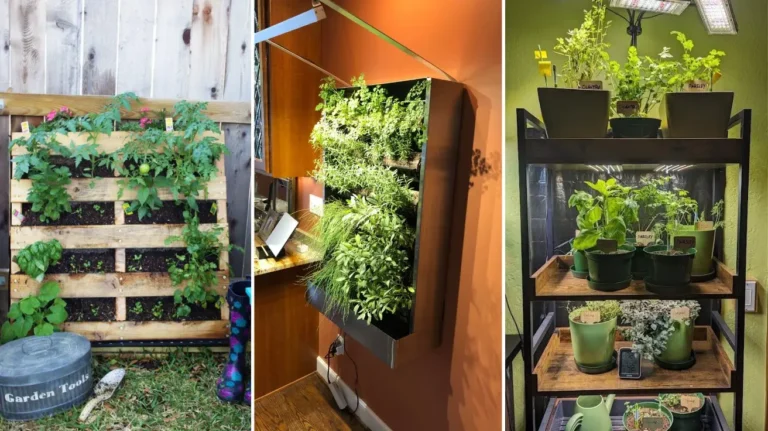
If you are limited by ground space, looking upward is the perfect solution. Vertical gardening allows you to grow more food and flowers by using trellises, wall planters, and hanging baskets. This method is excellent for vining crops like cucumbers, peas, and pole beans.
Growing vertically also improves air circulation around your plants, which reduces the risk of fungal diseases. It makes harvesting much easier since your produce hangs at eye level. By utilizing these creative structures, you are effectively maximizing garden productivity in even the smallest urban settings.
Sustaining Your Garden Growth Throughout the Seasons
Maintaining a vibrant landscape requires attention long after the initial planting phase ends. You can keep your beds productive from the first spring frost until the final autumn harvest by following consistent outdoor gardening advice. These habits turn a simple hobby into a year-round passion.
Preparing your soil for winter dormancy protects your investment during the coldest months. Clear away debris and add a layer of organic matter to insulate roots. These expert gardening tips ensure your plants remain healthy and ready for early spring growth.
Planning your next cycle during the off-season extends your growing window significantly. Look at your space with a fresh perspective to identify areas for improvement. Small adjustments in your routine often lead to the most impressive results.
Observe your plants closely every single day to catch potential issues early. Your dedication serves as the ultimate secret to a thriving, beautiful landscape. Share your progress with local gardening groups or neighbors to build a community of growers who value these expert gardening tips. Consistent care remains the best way to enjoy the fruits of your labor throughout the entire calendar year.