Top Monstera Care Tips Every Plant Lover Should Know
Welcome to the rewarding world of growing vibrant greenery right inside your own home. Bringing nature indoors is a fantastic way to brighten your living space and improve your daily mood.
Whether you are a seasoned gardener or just starting your journey, mastering the basics of indoor plant maintenance is essential. You do not need a green thumb to succeed with these popular varieties.
By following simple tropical houseplant care practices, you can easily transform any room into a lush, green sanctuary. We provide the foundational knowledge required to help your foliage thrive throughout the year.
This guide serves as your comprehensive resource for mastering the most effective monstera care tips available today. With the right approach, you will feel confident watching your new botanical friends grow and flourish in their environment.
Mastering Light and Placement for Optimal Growth
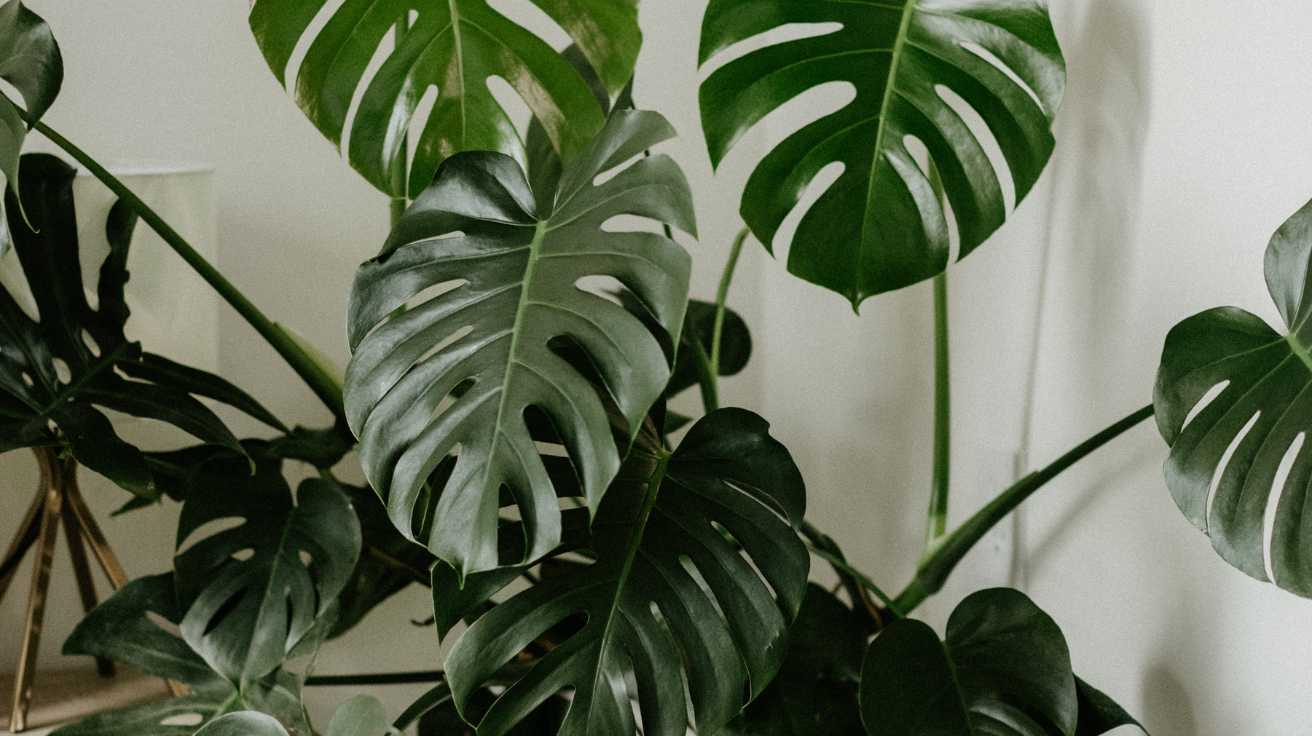
Proper lighting acts as the foundation for a healthy, thriving plant. When you focus on monstera deliciosa care, you must replicate the dappled sunlight found under the canopy of a tropical forest. Providing the right environment ensures your plant grows large, fenestrated leaves.
Understanding Bright Indirect Light
The best light for monstera is bright, indirect sunshine. This means placing your plant near a window where it can see the sky, but the sun’s rays do not hit the leaves directly. A spot near an east-facing window is often ideal for most homes.
If you lack a perfect window, sheer curtains can help filter harsh light. These curtains protect the foliage while still allowing enough energy for photosynthesis. Consistent light levels are key to maintaining a lush appearance.
Signs of Sunburn and Light Deprivation
Monitoring your plant helps you identify common monstera plant problems early. If you notice brown, crispy patches on the leaves, your plant is likely getting too much direct sun. This sunburn happens when the light intensity exceeds what the plant can handle.
Conversely, failing to meet basic monstera light requirements leads to stunted growth and smaller leaves. You might also notice the plant leaning heavily toward the light source. If the leaves lose their deep green color, move the pot to a brighter location immediately.
Adjusting Placement Throughout the Seasons
The sun’s position changes significantly as the seasons shift throughout the year. During the winter months, the sun sits lower in the sky and provides less intensity. You may need to move your plant closer to a window to ensure it stays happy.
As spring and summer arrive, the sun becomes much stronger and hotter. Pull your plant back a few feet from the glass to prevent heat stress. Regularly checking your plant’s position keeps it healthy regardless of the weather outside.
Essential Monstera Care Tips for Watering and Humidity

Proper hydration is the secret to unlocking those iconic, lush leaves on your Monstera. Finding the right balance ensures your plant stays vibrant without suffering from common moisture-related issues.
The Soak and Dry Method
The most reliable monstera watering guide involves the soak and dry method. You should wait until the top two inches of soil feel completely dry to the touch before adding more water.
When it is time to water, saturate the soil thoroughly until liquid flows freely from the drainage holes at the bottom of the pot. This technique prevents water from pooling at the base, which is the primary cause of root rot.

Managing Humidity Levels in Indoor Environments
Because these plants originate from tropical rainforests, they thrive in environments with higher moisture levels. Understanding your specific monstera humidity needs is crucial for preventing crispy brown edges on your foliage.
Most homes in the United States have dry air, especially during the winter months. You can easily supplement the ambient moisture to keep your plant feeling right at home.
Using Pebble Trays and Humidifiers
A simple pebble tray filled with water placed beneath your pot can create a microclimate of increased moisture. As the water evaporates, it surrounds the plant with the humidity it craves.
For larger collections, a dedicated humidifier is often the most effective solution. If you notice persistent monstera leaf yellowing, it is often a sign that your plant is struggling with either overwatering or a lack of sufficient ambient humidity.
Soil Composition and Repotting Best Practices
Mastering the art of soil and repotting is a game-changer for any plant parent. Providing the right foundation is the secret to a thriving indoor jungle and long-term success. When you focus on these basics, you elevate your level of tropical houseplant care significantly.
Creating the Perfect Aroid Mix
A high-quality monstera soil mix is essential for providing the aeration and drainage that these vigorous aroids require to flourish. Standard potting soil is often too dense, which can lead to root rot if the water cannot escape easily.
To create the ideal environment, mix chunky perlite, orchid bark, and coco coir with your base soil. This combination ensures that oxygen reaches the roots while maintaining enough moisture for the plant to drink. Your plant will appreciate the structural support and nutrient access this airy blend provides.

When and How to Repot Your Monstera
Knowing when to move your plant to a new home is a vital skill in tropical houseplant care. You should look for signs like roots circling the bottom of the pot or water running straight through the soil without soaking in. These indicators suggest that your plant has outgrown its current space.
When repotting monstera plants, gently loosen the root ball and inspect it for any damaged or mushy sections. Use fresh, well-draining soil to fill the new container, ensuring the plant sits at the same depth as before. This process refreshes the nutrients and gives the roots room to expand.
Selecting the Right Potting Container
Choosing the correct monstera pot size is just as important as the soil itself. You should only increase the diameter by one or two inches to prevent the soil from staying wet for too long. A pot that is too large can lead to root compaction and moisture issues.
Always ensure your chosen container has adequate drainage holes at the bottom. Whether you prefer terracotta for its breathability or plastic for moisture retention, the size remains the most critical factor. Proper repotting monstera plants into the right monstera pot size will keep your green friend happy for years.
Supporting Your Monstera with Proper Training
Training your Monstera is the secret to unlocking its full potential as a stunning indoor climber. By providing the right structure, you encourage the plant to grow upward rather than sprawling across your floor. This approach mimics the natural environment where these vines climb trees to reach filtered sunlight.
Using Moss Poles for Aerial Roots
Moss poles are excellent tools for guiding your plant as it matures. These poles provide a textured surface that mimics tree bark, which is perfect for monstera aerial roots to grip. Once the roots attach to the damp moss, the plant often produces larger, more fenestrated leaves.
To install a pole, place it firmly into the pot during repotting to avoid damaging the root system. Gently tie the main stems to the pole using soft garden twine or velcro strips. This simple step helps the plant feel secure and encourages vertical development.
Pruning for Shape and Health
Regular maintenance is vital for long-term success. Using clean, sharp shears, you can employ specific monstera pruning techniques to remove yellowing or damaged foliage. This practice directs the plant’s energy toward new growth and improves overall monstera leaf health.
If you find yourself with healthy stems during your trimming sessions, consider using them for new plants. These cuttings are perfect for learning basic monstera propagation tips, allowing you to expand your indoor jungle easily. Simply place the cutting in water until new roots appear.
Managing Monstera Deliciosa Growth Habits
Understanding monstera growth habits is essential for keeping your plant manageable in a home setting. Without support, these plants can become quite wide and unruly as they seek out space. Consistent training ensures that your plant remains a beautiful focal point in your living space.
By keeping the stems directed upward, you save valuable floor space while promoting a lush, vertical display. Remember to rotate your pot occasionally to ensure even light exposure on all sides. This balanced approach keeps your plant happy and structurally sound for years.
Keeping Your Monstera Thriving for Years to Come
Your journey with a Monstera Deliciosa evolves as the plant matures. Consistent attention to your monstera fertilizer schedule ensures your plant receives the nutrients needed for lush, green foliage throughout the growing season. Use a balanced liquid fertilizer like Espoma Organic Indoor! to support steady development.
Vigilance remains your best tool for long-term success. Regular inspections help you practice effective monstera pest control before small issues escalate. Check the undersides of leaves for spider mites or scale insects to prevent common monstera plant problems from damaging your collection.
Wiping leaves with a damp cloth keeps pores clear and discourages dust buildup. These simple monstera care tips create a healthy environment for your plant to reach its full potential. Watch your Monstera grow into a stunning focal point that brings life to your living space for many years.
Share your progress with other plant enthusiasts in local gardening groups. Your experience helps others learn how to manage their own indoor jungles. Enjoy the rewarding process of watching your plant grow and adapt to your home.