Gardening Ideas to Transform Any Outdoor Space Into a Beautiful Retreat
Gardens have a special way of turning ordinary outdoor spaces into peaceful escapes. A few thoughtful changes can create a place filled with color, texture, fragrance, and life. The best part is that creating a beautiful garden does not require a huge budget or years of experience. Small improvements often produce the most impressive results.
Many people start gardening because they want a prettier yard, but they quickly discover something unexpected. A thriving garden can reduce stress, encourage outdoor activity, attract wildlife, and provide a sense of accomplishment. Every flower that blooms and every plant that grows brings excitement and satisfaction.
The following gardening ideas can help transform any backyard, front yard, patio, or small outdoor area into a stunning landscape. Some are simple weekend projects, while others can evolve over time into breathtaking garden features that keep visitors talking long after they leave.
Create a Colorful Flower Border
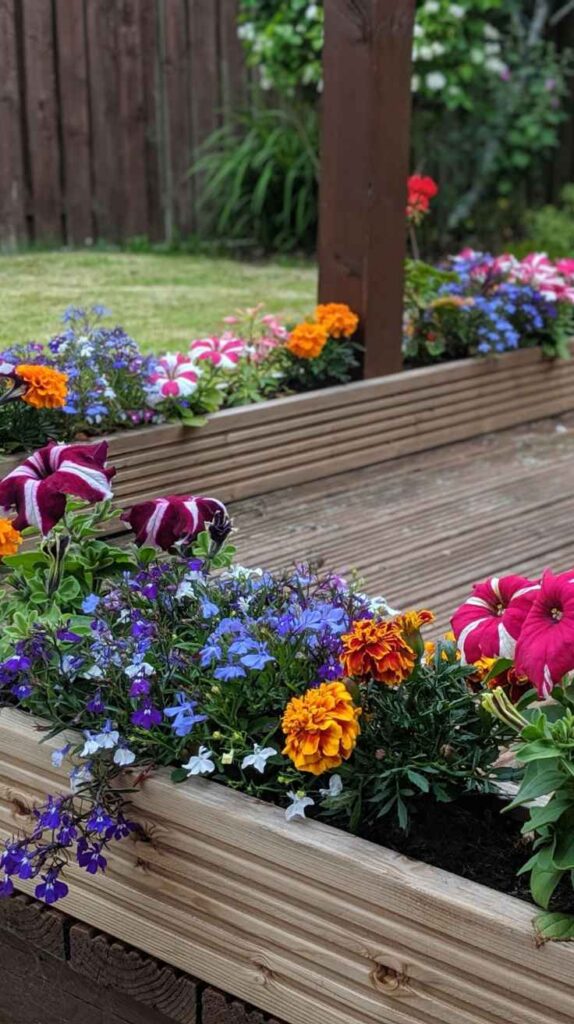
One of the easiest ways to add personality and charm to a garden is by creating a colorful flower border. Flower borders provide structure while adding vibrant shades throughout the growing season. By combining annual flowers, perennial plants, and ornamental grasses, a landscape gains depth and visual interest from spring through fall.
A successful border usually includes plants of different heights. Taller flowers placed at the back create a dramatic backdrop, while medium and shorter varieties fill the middle and front areas. Popular choices include coneflowers, black-eyed Susans, lavender, salvia, daisies, and daylilies. These plants offer continuous blooms and attract pollinators such as butterflies and bees.
Mulch placed around flowers helps retain moisture, suppress weeds, and create a neat appearance. Layering plants with varying bloom times ensures something colorful always appears in the landscape. The result is a lively garden feature that draws attention and creates curb appeal throughout the year.
Build a Raised Garden Bed
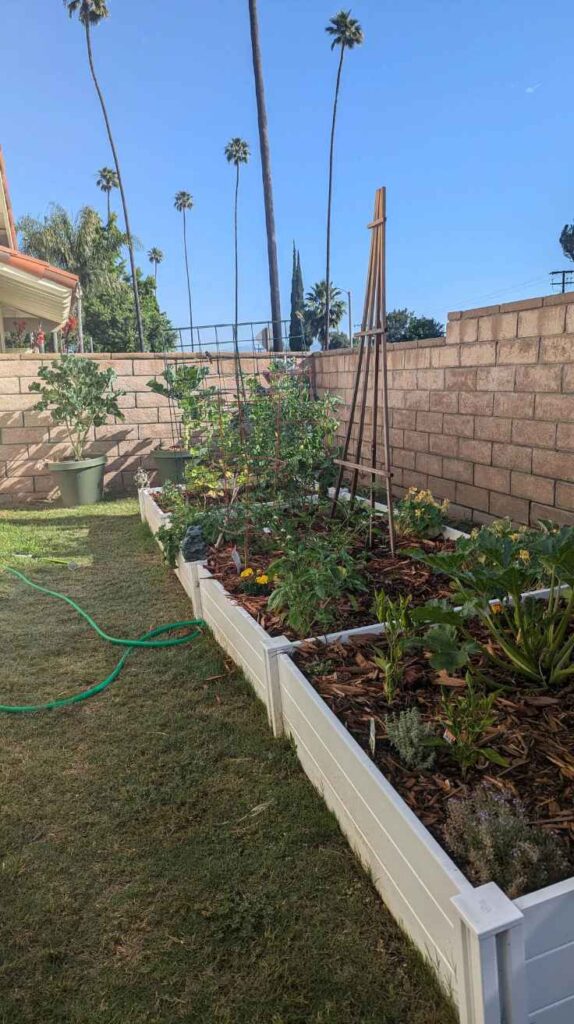
Raised garden beds have become increasingly popular because they combine beauty with functionality. They help organize growing spaces while making planting, watering, and harvesting much easier. Raised beds also improve drainage and soil quality, creating ideal growing conditions for vegetables, herbs, and flowers.
Wood, stone, brick, or composite materials can be used to construct attractive garden beds that complement the surrounding landscape. Fresh soil placed inside the beds allows plants to establish strong root systems and grow more vigorously than they might in compacted ground.
Vegetables such as tomatoes, lettuce, peppers, cucumbers, and carrots often thrive in raised beds. Herbs like basil, parsley, and rosemary also perform exceptionally well. The organized appearance creates a professional look while maximizing available growing space. Even small yards can accommodate several raised beds and produce impressive harvests throughout the season.
Add a Charming Garden Pathway
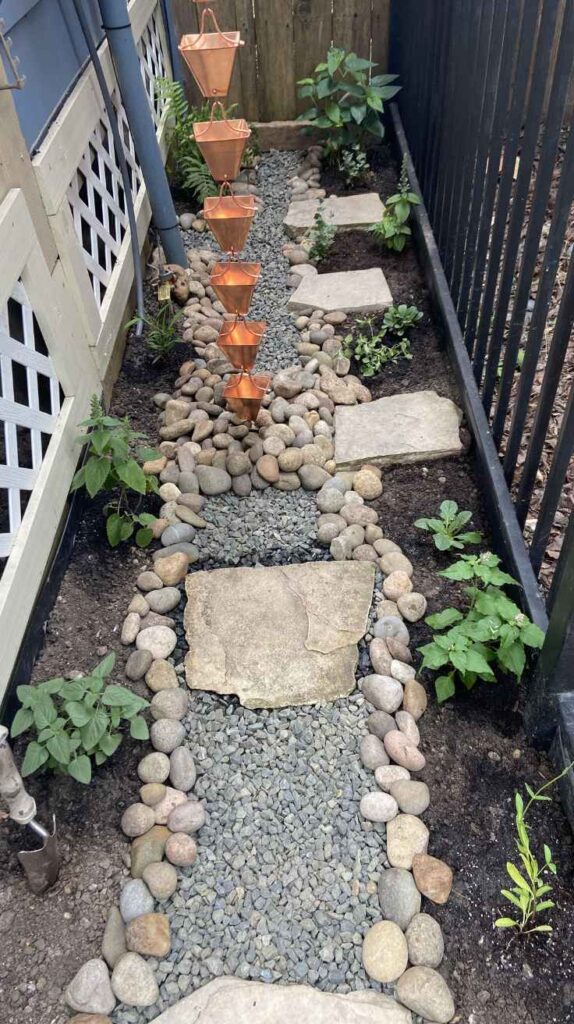
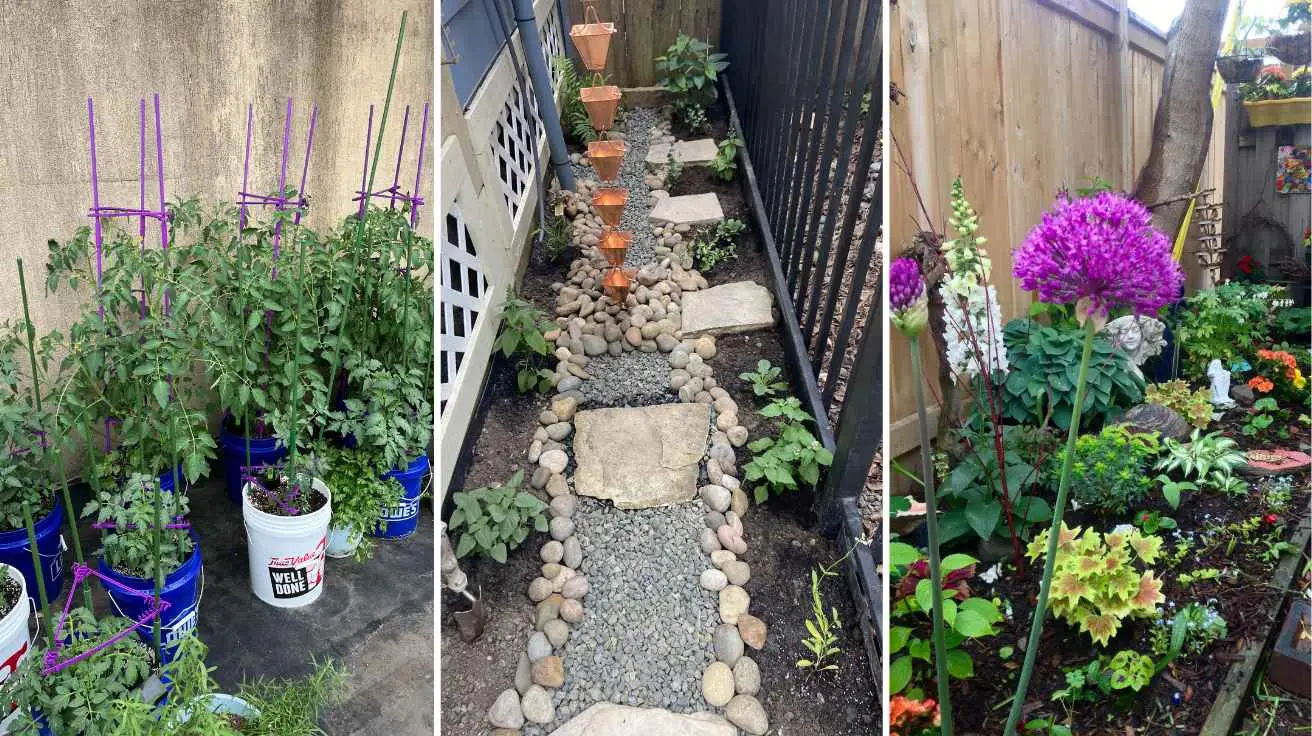
A garden pathway does more than connect different areas of a landscape. It guides visitors through the space and creates a sense of discovery. Every curve and turn can reveal a new planting area, decorative feature, or relaxing seating spot.
Natural stone, gravel, brick pavers, and stepping stones are among the most popular pathway materials. Each option creates a distinct visual effect while enhancing accessibility. A winding path often feels more inviting than a straight one because it encourages exploration.
Surrounding the pathway with flowers, shrubs, and ornamental grasses softens hard edges and creates a welcoming atmosphere. Solar-powered pathway lights can add beauty during evening hours while improving safety. As visitors move through the landscape, each section unfolds gradually, creating anticipation about what lies around the next corner.
Design a Relaxing Seating Area
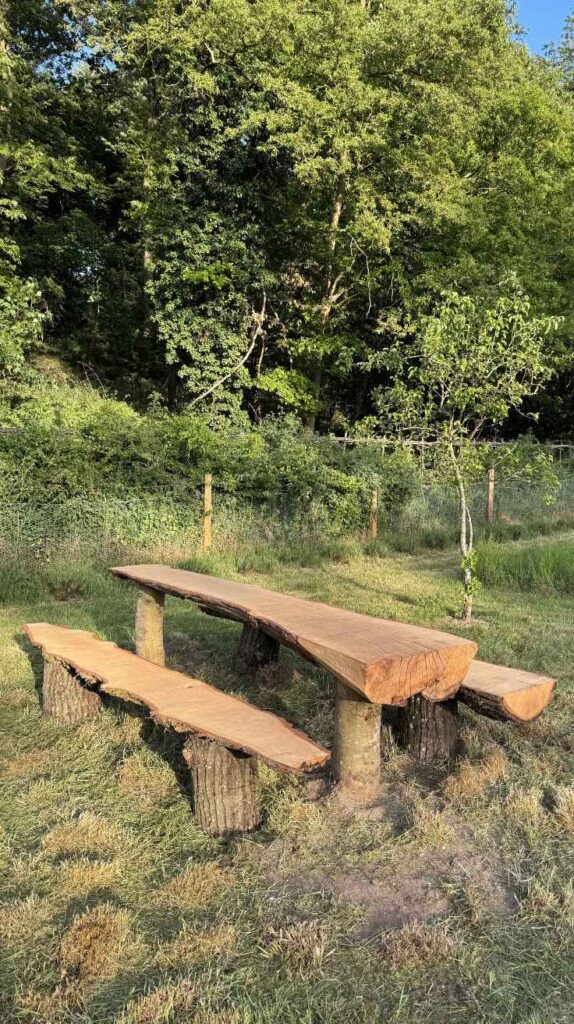
Every beautiful landscape deserves a place to sit and enjoy the surroundings. A comfortable seating area transforms a garden from something that is simply viewed into a space that can be fully experienced.
Benches, Adirondack chairs, outdoor sofas, and bistro sets all create inviting gathering spots. Placement plays a significant role in the overall effect. Seating positioned beneath a shade tree, near a flower bed, or beside a water feature often feels especially peaceful.
Adding outdoor cushions, decorative planters, and soft lighting enhances comfort and visual appeal. Nearby fragrant plants such as lavender, jasmine, or garden phlox can create a pleasant sensory experience. This simple addition encourages more time outdoors while providing a quiet retreat from busy daily routines.
Grow Fresh Herbs Near the Kitchen
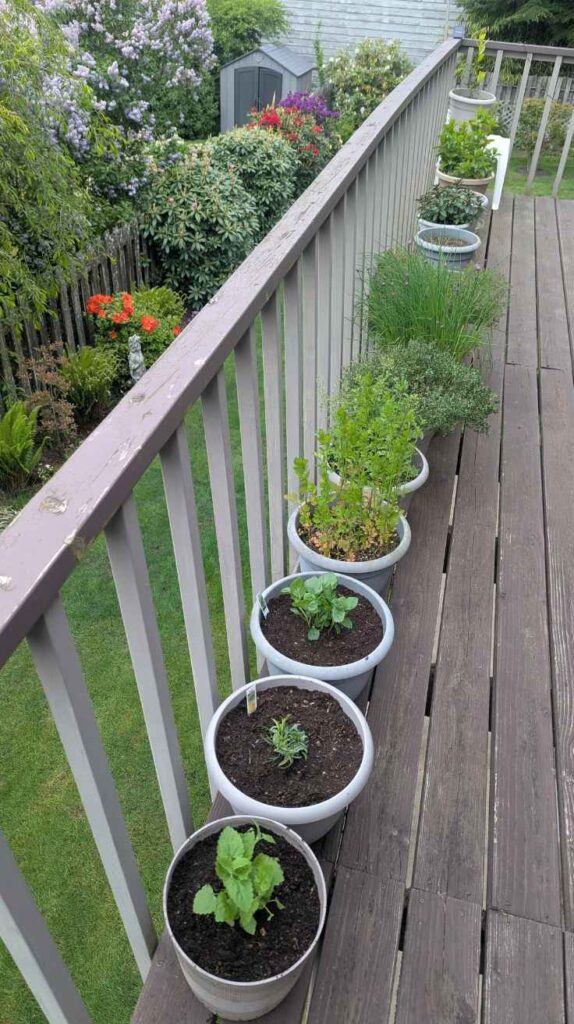
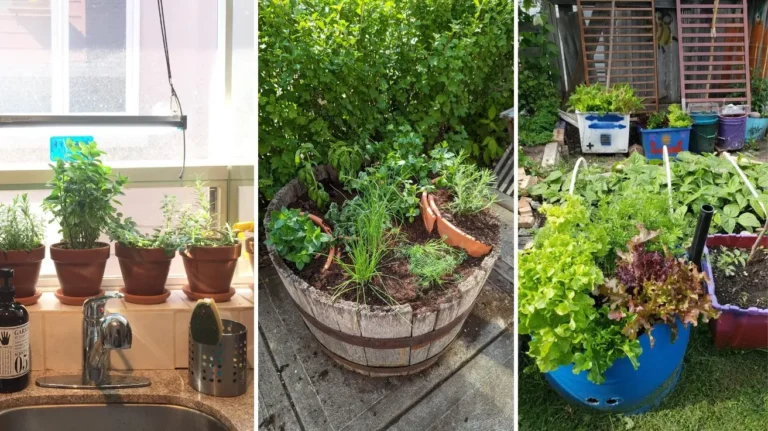
A dedicated herb garden combines beauty, fragrance, and practicality. Fresh herbs add flavor to meals while creating an attractive landscape feature that remains useful throughout the growing season.
Many herbs thrive in containers, raised beds, and traditional garden plots. Basil, thyme, oregano, mint, parsley, cilantro, sage, and rosemary are excellent choices for beginners. Their varied textures and shades of green create visual interest while filling the air with pleasant aromas.
Positioning herbs close to the kitchen makes harvesting convenient. A quick trip outside can provide fresh ingredients for soups, salads, pasta dishes, and grilled foods. Regular harvesting often encourages more growth, creating an ongoing supply throughout the season.
The combination of convenience, beauty, and culinary benefits makes an herb garden one of the most rewarding additions to any outdoor space.
Introduce a Water Feature
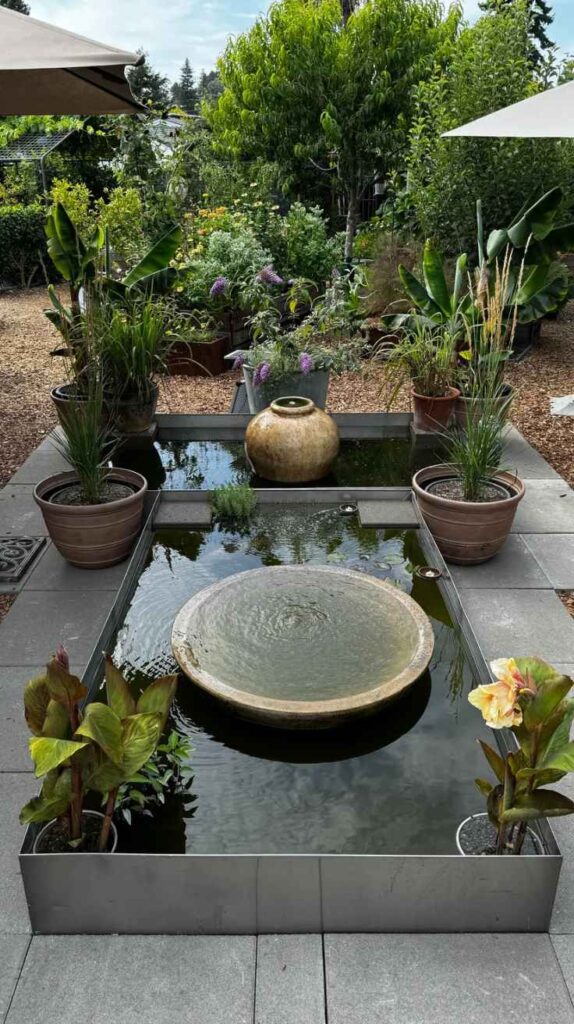
Few landscape elements create a sense of tranquility quite like water. The gentle sound of moving water can transform an ordinary yard into a peaceful sanctuary that feels far removed from everyday stress.
Water features come in many forms, including fountains, ponds, waterfalls, birdbaths, and bubbling rock installations. Even a small fountain can become a striking focal point that attracts attention and enhances the overall atmosphere.
Birds and beneficial wildlife are naturally drawn to water sources, bringing additional activity and interest to the garden. Surrounding the feature with decorative plants, river rocks, and flowering perennials creates a natural appearance that blends seamlessly with the landscape.
As sunlight reflects off the water’s surface and gentle sounds fill the air, the entire outdoor space gains a calming quality that encourages relaxation and enjoyment.
Use Vertical Structures for Extra Growing Space
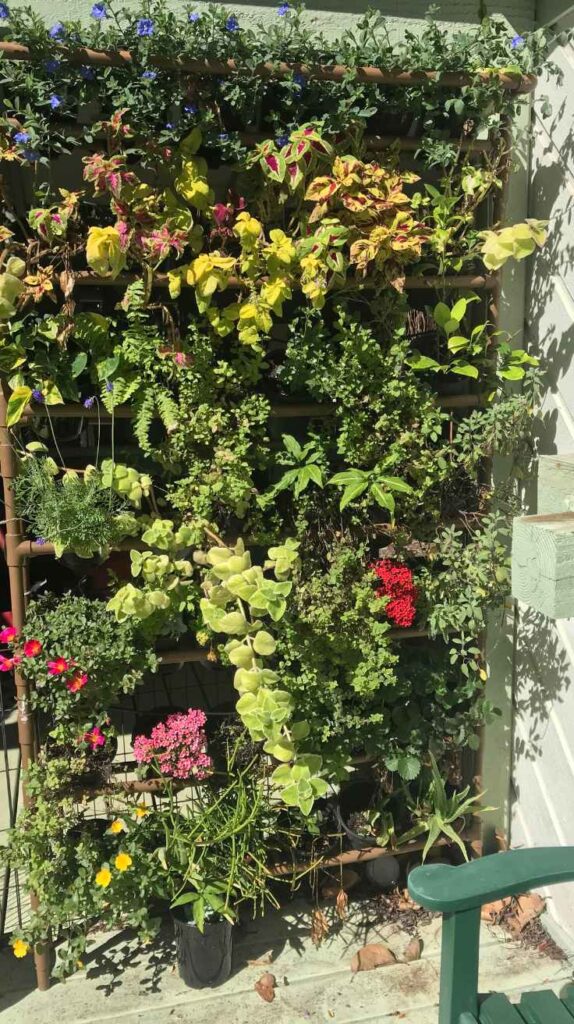
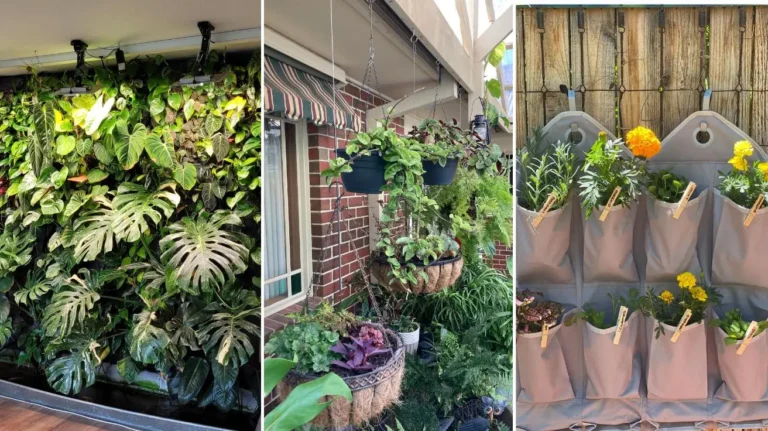
Limited outdoor space does not have to limit creativity. Vertical gardening allows plants to grow upward instead of outward, making it one of the most effective solutions for small yards, patios, balconies, and compact landscapes. Beyond saving space, vertical elements add height and visual drama that make a garden feel larger and more dynamic.
Trellises, arbors, pergolas, wall planters, and garden towers can support a wide variety of plants. Climbing roses, clematis, jasmine, morning glories, and sweet peas create stunning displays of flowers and fragrance. Vegetable growers can train cucumbers, beans, peas, and even certain squash varieties to climb upward, improving air circulation and simplifying harvesting.
Vertical features also help define different sections of the landscape. An arbor covered in flowering vines can create a beautiful entrance, while a trellis can serve as a decorative backdrop for garden beds. The added dimension brings character and elegance to any outdoor area while maximizing every square foot of growing space.
Create a Pollinator-Friendly Garden
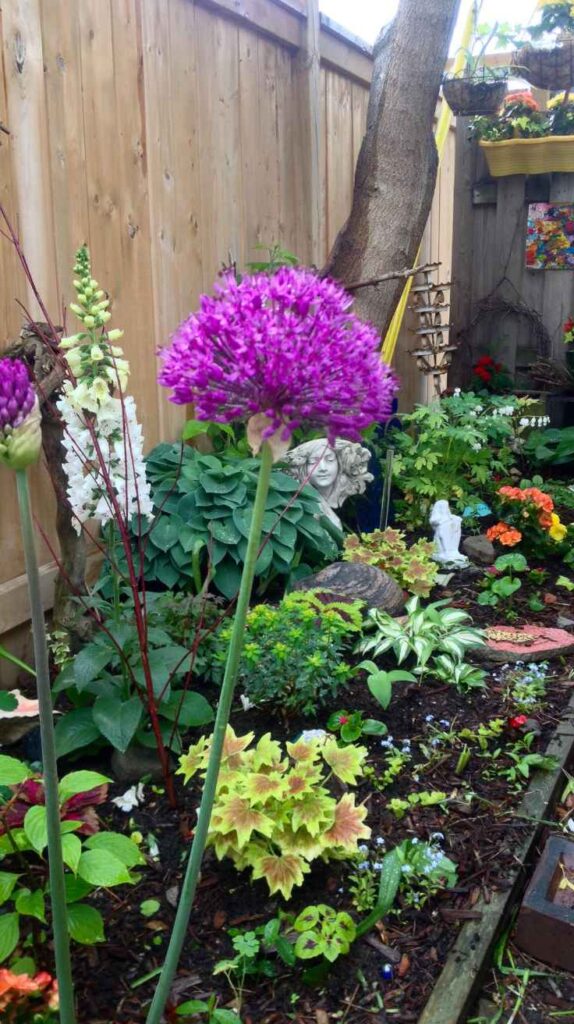
A vibrant landscape becomes even more rewarding when it attracts butterflies, bees, hummingbirds, and other beneficial pollinators. These important visitors play a crucial role in supporting healthy ecosystems and improving the productivity of flowering plants, fruits, and vegetables.
Native flowers often provide the best food sources because local pollinators have evolved alongside them. Coneflowers, bee balm, black-eyed Susans, milkweed, lavender, salvia, and asters are excellent additions to a pollinator-friendly space. Planting flowers that bloom at different times throughout the season ensures a continuous supply of nectar.
Avoiding unnecessary pesticides helps create a safer environment for beneficial insects. Adding shallow water sources and sheltered areas further encourages wildlife to visit and stay. As butterflies flutter among colorful blooms and bees move from flower to flower, the garden becomes filled with life, movement, and natural beauty that changes throughout the day.
Install Decorative Garden Lighting
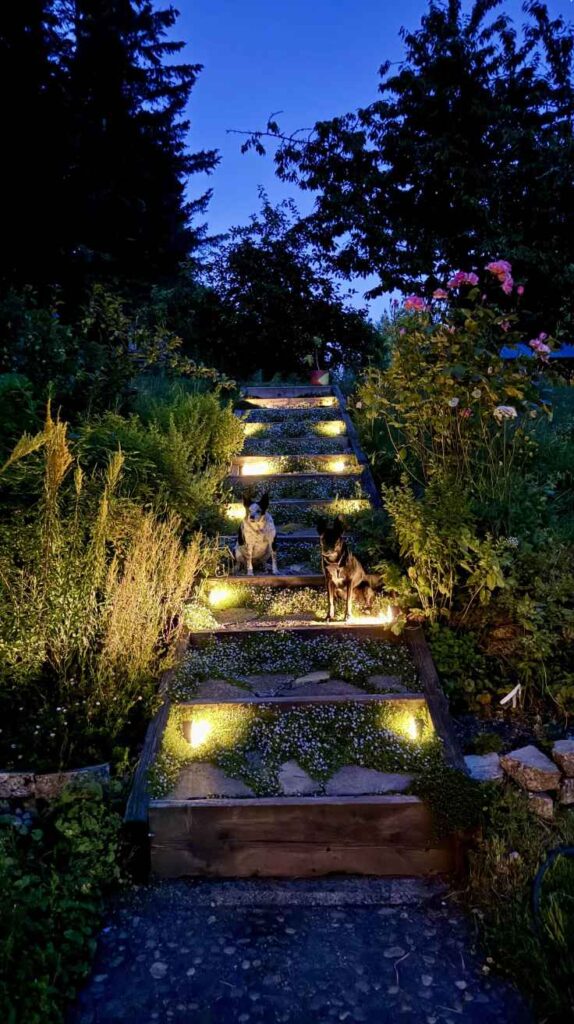
A garden should not disappear when the sun goes down. Thoughtfully placed outdoor lighting extends the enjoyment of the landscape into the evening hours while highlighting favorite features in a dramatic way.
Solar lights offer an energy-efficient solution for pathways, flower beds, patios, and seating areas. Spotlights can illuminate trees, sculptures, fountains, or architectural elements, creating stunning nighttime focal points. String lights draped across pergolas or patios add warmth and charm, making outdoor spaces feel inviting and comfortable.
Lighting also improves safety by clearly marking walkways and entrances. The contrast between illuminated areas and soft shadows adds depth and atmosphere that daytime landscaping cannot always achieve. A carefully lit garden takes on an entirely new personality after dark, revealing details and textures that might otherwise go unnoticed.
Add Container Gardens for Flexibility
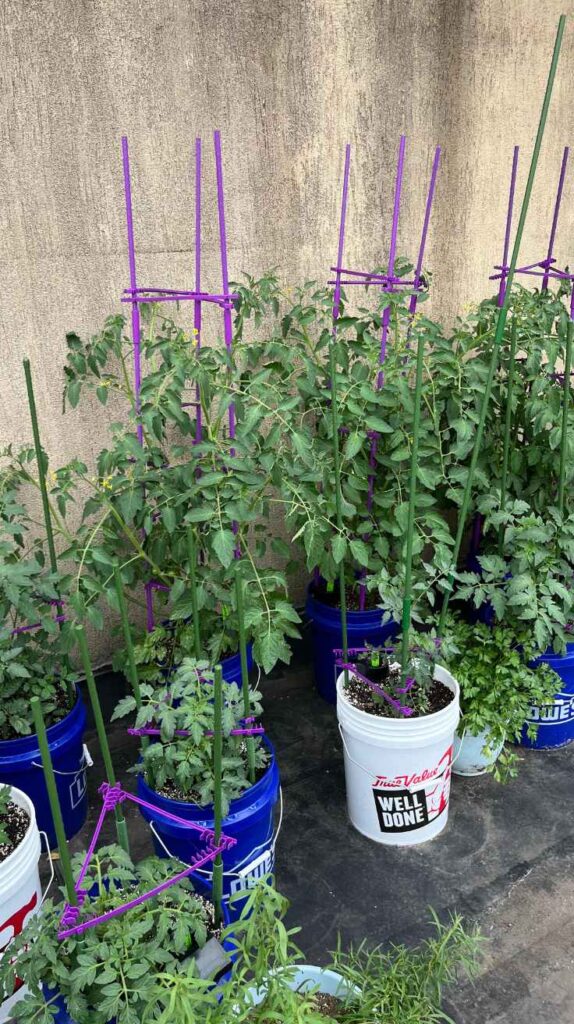
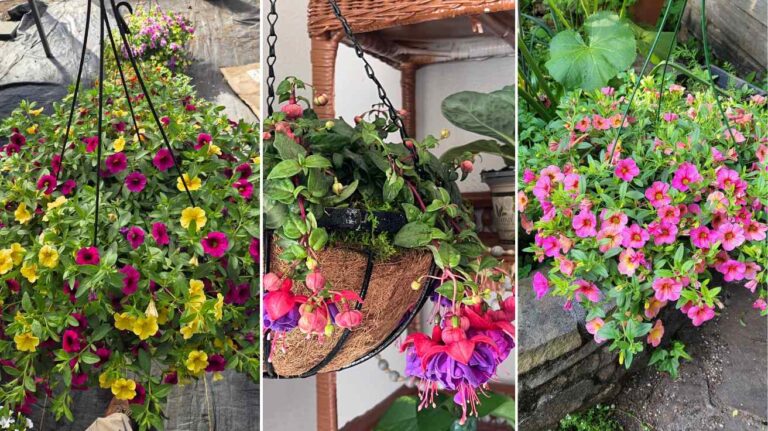
Container gardening offers endless possibilities for creativity. Pots, planters, window boxes, and decorative containers can introduce color and texture to areas where traditional planting beds may not be practical.
One of the greatest advantages of containers is flexibility. Plants can be moved to accommodate changing sunlight conditions, seasonal displays, or special events. Large containers can anchor patios and entryways, while smaller pots add accents throughout the landscape.
Combining plants with different heights, foliage colors, and bloom types creates eye-catching arrangements. A thriller, filler, and spiller combination often produces professional-looking results. For example, a tall ornamental grass paired with colorful flowers and trailing vines creates an attractive layered display.
Containers also provide opportunities to grow vegetables, herbs, and flowering plants in urban environments or small outdoor spaces. Their versatility makes them valuable additions to almost any garden design.
Establish a Vegetable Garden
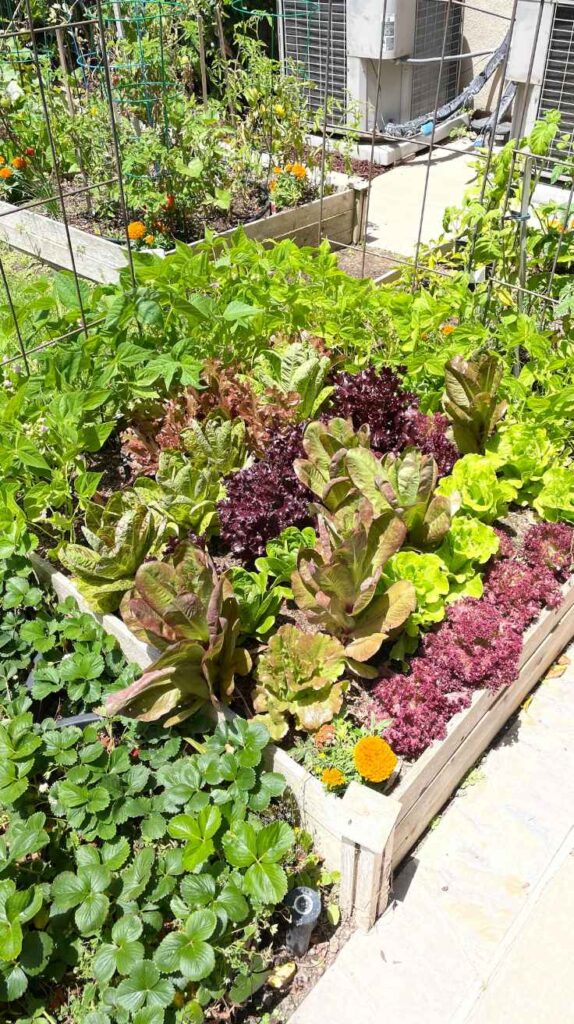
Growing fresh vegetables remains one of the most satisfying gardening experiences. Watching tiny seedlings develop into productive plants creates a connection to nature while providing delicious food for the table.
A productive vegetable garden begins with healthy soil, adequate sunlight, and consistent watering. Popular beginner-friendly crops include tomatoes, lettuce, peppers, green beans, cucumbers, zucchini, and carrots. These vegetables typically produce generous harvests and reward gardeners with visible progress throughout the season.
Companion planting can improve garden performance by encouraging beneficial insects and reducing certain pest problems. Mulching helps conserve moisture and maintain soil health while minimizing weed growth.
The excitement of harvesting fresh produce never fades. Garden-grown vegetables often deliver superior flavor compared to store-bought alternatives. Every harvest serves as a reminder that patience, care, and effort can produce remarkable results right in the backyard.
Design a Four-Season Landscape
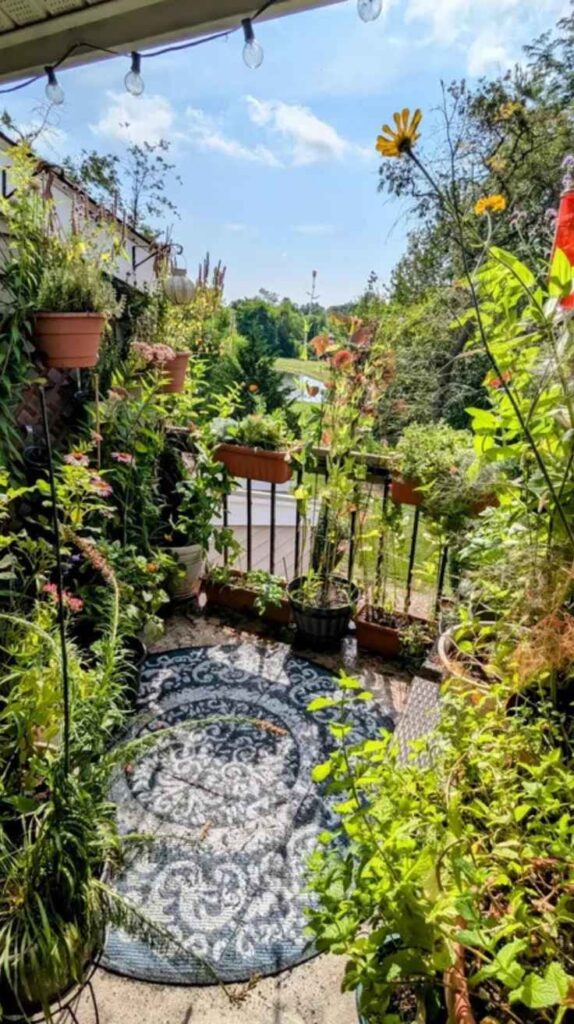
Many gardens reach their peak during spring and summer, then lose visual appeal during the colder months. A four-season landscape ensures beauty remains present throughout the entire year by combining plants that offer interest in every season.
Spring bulbs provide the first burst of color after winter. Summer flowers bring vibrant displays and attract pollinators. Autumn introduces brilliant foliage colors, ornamental grasses, and decorative seed heads. Winter structure comes from evergreen shrubs, conifers, colorful bark, and architectural plant forms.
Layering different plant types creates continuous visual appeal. Evergreens provide a reliable framework, while flowering perennials and deciduous shrubs contribute seasonal variety. Bird-friendly plants can also add movement and activity during colder months when other landscape elements become dormant.
A garden designed for year-round beauty always offers something interesting to observe. Each season reveals new textures, colors, and focal points, creating an outdoor space that remains engaging no matter the time of year.
Conclusion
Creating a beautiful outdoor space does not require professional landscaping expertise or a massive budget. A few carefully chosen improvements can dramatically enhance the appearance and functionality of any yard, patio, or garden area. From colorful flower borders and raised beds to water features, vertical structures, and productive vegetable gardens, each idea contributes something unique to the overall landscape.
The most successful gardens often evolve gradually. Small projects completed over time allow the space to develop naturally while reflecting personal style and preferences. Every new plant, pathway, seating area, or decorative feature adds another layer of beauty and character.
Gardening provides more than visual appeal. It encourages relaxation, supports wildlife, promotes outdoor living, and creates a stronger connection with nature. With thoughtful planning and consistent care, even the simplest outdoor area can become a thriving retreat filled with color, fragrance, texture, and life throughout the seasons.