How to Identify Well Drained Soil for Healthy Gardens
Starting a new landscape project in the United States is an exciting journey for any homeowner. Before you pick out your favorite flowers or shrubs, you must look at the ground beneath your feet. Understanding your garden soil health is the most important step toward creating a vibrant outdoor space that lasts for years.
Many beginners overlook the importance of how water moves through the earth. A well drained soil allows moisture to reach deep roots without causing rot or suffocation. When you master this simple concept, you provide the perfect environment for your plants to thrive throughout every season.
Learning to evaluate your yard helps you avoid common pitfalls that lead to plant failure and wasted money. By checking your ground conditions early, you set the stage for a successful harvest or a lush flower bed. This guide provides the practical advice you need to ensure your garden remains a beautiful, healthy sanctuary for your family to enjoy.
Understanding the Importance of Soil Drainage
Proper garden drainage is the secret foundation of every thriving landscape. While many gardeners focus on what grows above the ground, the real magic happens within the soil structure. Managing how water moves through your garden beds is essential for long-term plant success and overall vitality.
Why Roots Need Oxygen
Many people assume that plants only need water to survive, but their roots require a steady supply of oxygen to function. When soil is porous, air pockets allow roots to breathe and perform vital metabolic processes. Maintaining optimal root health depends on this delicate balance between moisture and air.
The Dangers of Waterlogging
When soil remains saturated for too long, it creates an anaerobic environment where oxygen cannot penetrate. This condition is often the primary cause of sudden plant decline in a poorly managed garden drainage system. Without air, roots begin to suffocate, which eventually leads to decay and plant death.
How Drainage Affects Nutrient Availability
Effective water movement does more than prevent rot; it acts as a delivery system for essential minerals. Proper drainage ensures that nutrients are dissolved and transported to the root zone efficiently. When soil is waterlogged, these nutrients can become locked away or leached out, negatively impacting root health and plant growth.
| Soil Condition | Oxygen Levels | Nutrient Access | Plant Vigor |
|---|---|---|---|
| Well-Drained | High | Optimal | Excellent |
| Moderately Drained | Moderate | Adequate | Good |
| Poorly Drained | Low | Restricted | Poor |
The Science Behind Well Drained Soil
Beneath the surface of your garden beds, a complex physical process determines how well your plants thrive. Soil is far more than just dirt; it is a dynamic environment governed by specific physical laws. By understanding these forces, you can better manage your garden to ensure you have well drained soil that supports vigorous growth.
Defining Soil Porosity
Soil porosity refers to the tiny gaps or voids between soil particles. These spaces are essential because they act as storage units for both air and water. When these pores are balanced, they allow roots to breathe while maintaining the necessary soil moisture for hydration.
The Relationship Between Gravity and Soil Moisture
Gravity plays a critical role in the movement of water through the ground. After a heavy rain, gravity pulls excess water downward through the soil profile. This process is vital for preventing waterlogging, which can suffocate plant roots. A well drained soil allows this gravitational pull to function efficiently, leaving behind just enough water for the plants to use.
Capillary Action Explained

Once gravity has removed the excess water, capillary action takes over. This phenomenon allows water to move upward and sideways through the soil pores, clinging to particles. It ensures that plants can access consistent soil moisture even during dry spells. This scientific foundation helps gardeners visualize the invisible work happening beneath their feet.
| Soil Particle Type | Pore Size | Drainage Speed | Moisture Retention |
|---|---|---|---|
| Sand | Large | Very Fast | Low |
| Silt | Medium | Moderate | Moderate |
| Clay | Small | Very Slow | High |
Visual Indicators of Poor Drainage in Your Garden
Your garden often communicates its needs through subtle changes in the soil and plant appearance. By learning to read these signs, you can improve your garden drainage before serious damage occurs. Observation is a powerful tool that requires no special equipment.
Identifying Standing Water After Rainfall
The most obvious sign of a drainage problem is water that lingers long after a storm. If you notice puddles remaining in your flower beds or lawn for more than a few hours, your soil likely lacks proper permeability. This trapped water prevents oxygen from reaching the root zone, which is vital for plant survival.
Recognizing Moss and Algae Growth
Moss and green algae thrive in consistently damp environments where the soil surface rarely dries out. While these organisms are harmless on their own, they act as clear indicators that your soil stays saturated for too long. If you see these patches spreading across your garden beds, it is time to investigate the underlying moisture levels.
Signs of Root Rot in Existing Plants
When soil remains waterlogged, it creates a breeding ground for fungi that attack plant roots. Protecting your root health is essential because once these systems begin to decay, the plant struggles to absorb nutrients and water. You can often spot the early stages of this decline by looking at the foliage and overall vigor of your plants.
Yellowing Leaves
Chlorosis, or the yellowing of leaves, is a common symptom of plants sitting in wet soil. This happens because the roots are essentially drowning and cannot transport necessary minerals to the rest of the plant. If you notice this color change starting from the bottom of the plant and moving upward, check the soil moisture immediately.
Stunted Growth Patterns
Plants that do not receive enough oxygen to their roots will often stop growing entirely. You might notice that your shrubs or flowers look smaller than expected for their age or species. Maintaining optimal root health is the only way to ensure your plants reach their full potential and size.
| Indicator | What It Suggests | Action Required |
|---|---|---|
| Standing Puddles | Poor infiltration | Improve soil structure |
| Moss Patches | Constant surface dampness | Increase sun or drainage |
| Yellowing Leaves | Root stress or rot | Check soil moisture |
| Stunted Growth | Lack of oxygen | Aerate the soil |
Performing the Percolation Test to Assess Drainage
Understanding your soil’s drainage capacity starts with a simple, effective method known as the percolation test. This process acts as the gold standard for gardeners who want to see exactly how water moves through their landscape. By gathering this data, you can make informed decisions about plant selection and soil amendments.

Preparing the Test Site
Start by selecting a few representative areas in your garden where you plan to grow your plants. Clear away any surface debris, mulch, or grass to expose the bare soil. Consistency is key, so try to test multiple spots to get a complete picture of your garden’s overall drainage health.
Step-by-Step Digging and Filling
Dig a hole that is approximately 12 inches deep and 12 inches wide. Once the hole is ready, fill it completely with water and allow it to drain away entirely. This initial soaking ensures the surrounding soil is saturated, which mimics the conditions of a heavy rainstorm.
Measuring Water Absorption Rates
After the first fill has drained, refill the hole with water once more. Use a ruler or a measuring tape to track how quickly the water level drops over time. Record the starting depth and check the level every hour until the hole is empty to determine your specific percolation test results.
Interpreting Your Results
Once you have your numbers, compare them against standard drainage categories to see where your soil stands. Fast-draining soil usually empties in under two hours, while slow-draining soil may take more than twelve hours. Use the table below to categorize your findings and plan your next steps.
| Drainage Category | Time to Drain | Garden Suitability |
|---|---|---|
| Rapid | Under 2 hours | Requires moisture retention |
| Ideal | 4 to 8 hours | Perfect for most plants |
| Slow | Over 12 hours | Needs drainage improvement |
If your results show very slow drainage, you may need to incorporate organic matter or install drainage systems. Conversely, rapid drainage suggests you should focus on adding compost to hold onto vital nutrients. Following this simple percolation test provides the actionable data needed for a thriving garden.
Analyzing Soil Texture and Structure
The secret to a healthy landscape often lies beneath the surface in the soil structure. Understanding the physical composition of your ground is vital for managing its drainage characteristics effectively. By learning to classify your soil texture, you can predict how water will behave in your garden beds.
The Ribbon Test for Clay Content
You can identify high levels of silt and clay by performing a simple ribbon test. Take a small handful of moist soil and roll it into a ball, then press it between your thumb and forefinger to create a ribbon. If the soil forms a long, flexible ribbon that does not break easily, you likely have heavy clay soil.
This type of earth holds water tightly, which often leads to poor drainage. Recognizing this trait early allows you to amend the area with organic matter to improve aeration.
Identifying Sandy Soil Characteristics
In contrast, sandy soil feels distinctly gritty when you rub it between your fingers. It does not hold its shape when squeezed, and it will crumble apart almost immediately. Because the particles are large, water passes through these spaces very quickly.
The Feel of Loamy Soil
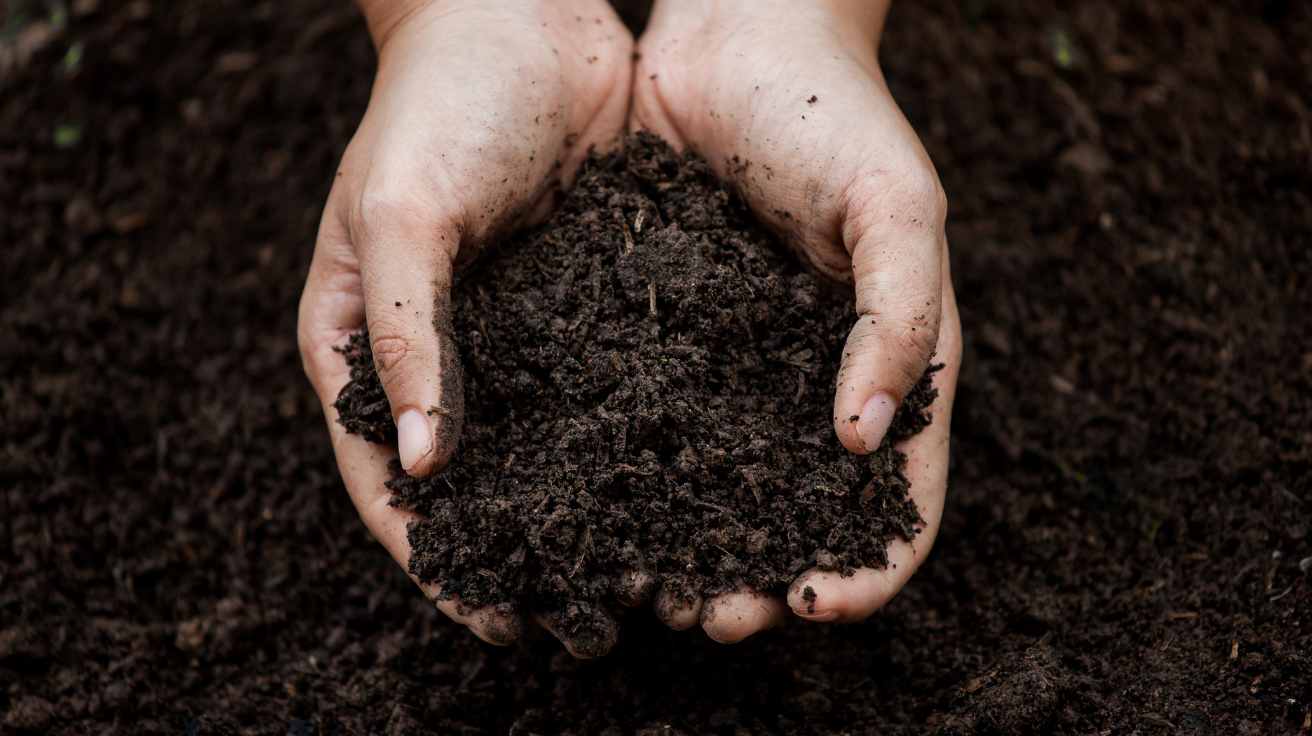
Loamy soil is the gold standard for most gardeners because it offers a perfect balance. It feels smooth and slightly crumbly, holding together just enough to form a loose ball that breaks apart with a light touch. This structure allows for excellent moisture retention while still providing enough drainage to keep roots healthy.
How Soil Compaction Inhibits Drainage
Even if your soil has a good base, soil compaction can ruin its performance. When heavy foot traffic or machinery presses the ground, it physically collapses the air pockets between particles. This lack of pore space prevents water from moving downward, leading to surface puddling and root suffocation.
| Soil Type | Texture Feel | Drainage Speed | Compaction Risk |
|---|---|---|---|
| Clay Soil | Sticky and smooth | Very slow | High |
| Sandy Soil | Gritty and loose | Very fast | Low |
| Loamy Soil | Soft and crumbly | Moderate | Low |
How to Identify Well Drained Soil Through Plant Health
Your garden plants act as silent messengers, revealing the hidden secrets of your soil drainage. By paying close attention to how different species respond to their environment, you can gain valuable insights into the moisture levels beneath the surface. This natural diagnostic method helps you understand your landscape without needing complex tools.
Selecting Indicator Plants
Certain plants serve as excellent indicators because they have specific moisture requirements. For example, moisture-loving plants like ferns or hostas will struggle if the ground is too dry, while drought-tolerant species like lavender may rot in heavy, wet conditions. Choosing a variety of plants allows you to see which areas of your yard provide the ideal environment for different root systems.
Observing Growth Rates in Different Zones
You can map out the drainage patterns of your property by watching how growth rates vary across different zones. If you notice that plants in one corner of your garden grow significantly faster than those in another, the soil structure is likely the cause. Areas that remain soggy often lead to stunted growth, while areas with well drained soil typically support robust and steady development.
Comparing Plant Vigor Across the Garden
Comparing plant vigor across various sections of your landscape provides a long-term perspective on soil health. High plant vigor is a clear sign that the roots are receiving the right balance of oxygen and water. Conversely, if you see yellowing leaves or wilting despite regular watering, your soil may be holding too much moisture. Tracking these changes over a full growing season will help you make informed decisions about where to plant your favorite flowers and vegetables.
The Role of Organic Matter in Soil Permeability
Adding organic matter is the secret to transforming heavy or sandy soil into a thriving ecosystem. This natural material acts as a sponge, helping your garden manage water more effectively while creating the perfect environment for root growth.
How Compost Improves Soil Structure
Compost is perhaps the most effective tool for building a healthy garden foundation. When you mix it into the ground, it binds small soil particles together into larger clumps known as aggregates.
This process creates a crumbly structure that allows excess water to drain away while holding onto essential moisture. By improving the texture, you ensure that your plants have access to both air and water exactly when they need it.
The Impact of Mulching on Moisture Regulation
Mulching serves as a protective blanket for your garden beds. By applying a layer of wood chips, straw, or leaves, you prevent the surface from drying out too quickly under the hot sun.
This layer also stops heavy rain from compacting the surface, which keeps the ground porous. Consistent moisture levels help maintain a stable environment for beneficial microbes to thrive.
Encouraging Earthworm Activity for Natural Aeration
Earthworms are the unsung heroes of a healthy landscape. As they tunnel through the ground, they create tiny channels that significantly improve soil aeration.
These tunnels allow oxygen to reach deep into the root zone, which is vital for plant respiration. By adding organic matter, you provide a steady food source that encourages these helpful creatures to stay and work in your garden.
| Amendment Type | Primary Benefit | Impact on Drainage |
|---|---|---|
| Finished Compost | Improves structure | High |
| Leaf Mold | Increases porosity | Medium |
| Aged Manure | Boosts nutrient levels | High |
Common Soil Types and Their Drainage Characteristics
Your garden’s success depends heavily on the specific soil texture beneath your feet. Every soil type behaves differently when it comes to water movement, which directly impacts how your plants thrive. By identifying your soil’s composition, you can better manage moisture levels throughout the seasons.
Clay Soils and Their Challenges
A clay soil is composed of very fine particles that pack together tightly. This structure creates a dense environment that holds onto water for long periods. While this prevents drought, it often leads to poor aeration and waterlogging during heavy rains.
Sandy Soils and Rapid Drainage
In contrast, a sandy soil consists of large, coarse particles with significant space between them. Water moves through these gaps very quickly, often carrying essential nutrients away from plant roots. Gardeners with this soil type frequently need to add organic matter to improve moisture retention.

Silt Soils and Their Unique Needs
Silt falls between sand and clay in terms of particle size. It feels smooth or powdery to the touch and holds moisture better than sand. However, it is prone to compaction and surface crusting, which can hinder seedling emergence and water infiltration.
The Ideal Balance of Loam
Most gardeners strive for a loam soil, which is a balanced mixture of sand, silt, and clay. This combination provides the perfect environment for root growth by offering both drainage and nutrient storage. A healthy loam soil texture allows for easy cultivation and consistent plant vigor.
| Soil Type | Drainage Speed | Nutrient Retention |
|---|---|---|
| Clay | Very Slow | High |
| Silt | Moderate | Medium |
| Sand | Very Fast | Low |
| Loam | Ideal | High |
Tools and Equipment for Testing Soil Drainage
Proper soil moisture management starts with having the correct testing gear on hand. While basic observation is helpful, using specific tools provides the data needed to improve your garden drainage effectively.
Using Soil Moisture Meters
Soil moisture meters are excellent devices for getting instant readings of your garden’s hydration levels. These handheld tools feature a probe that you insert directly into the ground to measure water content at various depths.
They are particularly useful for monitoring how quickly your soil dries out after a heavy rain. By tracking these changes, you can determine if your current setup promotes healthy root growth or leads to saturation.
DIY Tools for Digging and Measuring
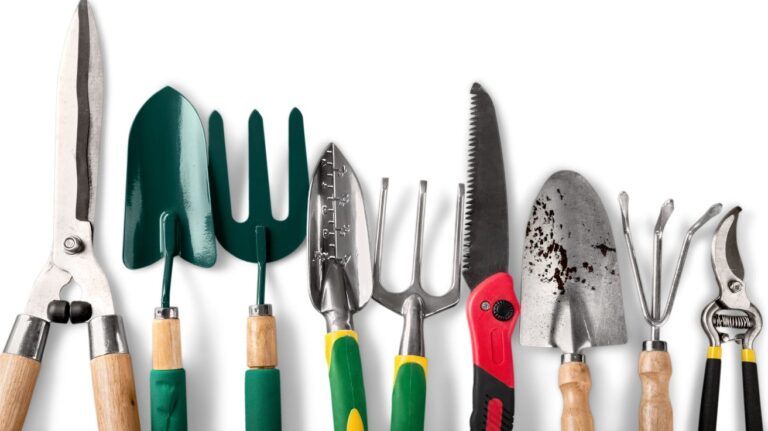
You do not always need expensive equipment to get a clear picture of your yard. Simple household items like a garden spade, a ruler, and a stopwatch are often enough to perform a standard percolation test.
A clear plastic tube or a simple PVC pipe can also help you measure how fast water drains from a hole. These DIY methods are cost-effective and provide reliable results for most home gardeners.
| Method | Best For | Cost |
|---|---|---|
| Moisture Meter | Real-time monitoring | Low to Moderate |
| Percolation Test | Deep drainage assessment | Very Low |
| Professional Lab | Complex soil issues | High |
When to Consult a Professional Soil Lab
Sometimes, your garden drainage issues may be too complex for simple home tests to solve. If you notice persistent waterlogging despite your best efforts, it might be time to contact a professional soil lab.
Experts can analyze your soil composition and provide detailed reports on its structure and permeability. This professional insight is invaluable when you are planning major landscaping changes or dealing with severe drainage problems.
Practical Solutions for Improving Soil Drainage
Improving your garden’s drainage is a rewarding process that transforms waterlogged soil into a thriving landscape. Once you identify specific problem areas, you can implement effective drainage solutions to restore your garden’s health. These steps provide a clear path forward for any gardener looking to improve their soil’s performance.
Installing Raised Garden Beds
Raised beds are an excellent way to bypass poor native soil conditions. By elevating your planting area, you ensure that roots remain above the water table during heavy rains. This simple structure allows for better control over the growing medium and moisture levels.
Creating French Drains for Excess Water
If your yard suffers from significant water runoff, a French drain is a highly effective remedy. This system uses a perforated pipe buried in a gravel-filled trench to redirect water away from sensitive areas. It prevents pooling and protects your plants from the dangers of saturated roots.
Amending Soil with Organic Matter
Adding organic matter is essential for long-term soil health and structure. Materials like compost or aged manure help bind sandy soil or break up heavy clay particles. This process creates a crumbly texture that allows water to move through the ground more efficiently.
The Benefits of Aeration Techniques
Regular soil aeration is another vital practice for maintaining a healthy garden. By creating small holes in the ground, you allow oxygen to reach deep into the root zone. This practice reduces compaction and encourages stronger, more resilient plant growth.
| Solution | Primary Benefit | Best Use Case |
|---|---|---|
| Raised Beds | Elevation | Heavy clay soils |
| French Drains | Water diversion | Standing water areas |
| Organic Matter | Soil structure | General improvement |
| Aeration | Oxygen flow | Compacted lawns |
Cultivating a Thriving Garden Through Proper Soil Management
Mastering the ground beneath your plants transforms your backyard into a lush sanctuary. Consistent attention to garden soil health creates a resilient foundation for every flower and vegetable you grow.
You now possess the tools to observe, test, and improve your landscape. Small adjustments to drainage patterns lead to massive improvements in plant vitality over time. Prioritizing garden soil health ensures your efforts produce lasting beauty throughout the changing seasons.
Take a moment to walk through your garden beds this weekend. Observe how the earth responds to moisture and identify areas that need your care. Your commitment to better growing conditions will pay off with vibrant blooms and bountiful harvests.
Share your progress with fellow gardening enthusiasts in your local community. Exchanging tips on soil maintenance helps everyone grow stronger, healthier plants. Start your journey toward a perfect landscape today by focusing on the life within your soil.
FAQ
How can I tell if my garden has poor drainage without any special tools?
You can easily spot drainage issues by observing your landscape after a heavy rain. Look for persistent puddles or standing water that lasts more than 24 hours. You might also see visual cues like moss or green algae growing on the soil surface. In your plants, keep an eye out for yellowing leaves or stunted growth, which are often the first signs of root rot caused by anaerobic conditions in the soil.
What exactly is a percolation test, and how do I perform one?
A percolation test is the gold standard for measuring how quickly your soil absorbs water. To do this, dig a hole about 12 inches deep and 12 inches wide, then fill it with water and let it drain completely to saturate the surrounding area. Fill it a second time and measure how many inches the water level drops per hour. Ideally, you want to see a drop of 1 to 3 inches per hour; anything less indicates slow-draining soil, while anything more might mean your soil is too sandy and drains too quickly.
Why is oxygen so important for plant roots?
It might seem surprising, but roots need to breathe just as much as they need water. Well-drained soil has high porosity, meaning there are small air pockets between soil particles. When soil becomes waterlogged, these pockets fill with water, drowning the roots and preventing them from absorbing the oxygen needed for cellular respiration. This is why proper drainage is critical for long-term plant health.
Can adding sand help improve the drainage of heavy clay soil?
This is a common gardening myth! Adding a small amount of sand to heavy clay can actually create a substance similar to concrete. Instead, the best way to improve clay soil is by incorporating organic matter like high-quality compost or leaf mold. For more stubborn areas, some gardeners use gypsum to help break up the “hardpan” layers, though consistent aeration and organic amendments remain the most effective long-term solutions.
What is the difference between soil texture and soil structure?
Soil texture refers to the size of the particles—whether it’s sandy, silty, or clay-heavy. You can test this using the “ribbon test,” where you squeeze moist soil in your hand to see if it forms a long, cohesive ribbon (clay) or crumbles (sand). Soil structure refers to how those particles clump together. Good structure, often improved by earthworm activity and organic matter, creates the channels necessary for gravity to pull excess water away while allowing capillary action to keep essential moisture available for the roots.
Are there specific plants that can tell me about my soil’s drainage?
Yes, “indicator plants” are a great natural diagnostic tool. For instance, if you notice that moisture-loving plants like Willows or Sedges are thriving while your Lavender or Sage is struggling and turning yellow, you likely have damp, slow-draining soil. Conversely, if drought-tolerant plants are flourishing but your Hydrangeas are wilting daily, your soil may be draining too rapidly, possibly due to a high sand content.
Should I use a moisture meter or a professional soil lab for testing?
For daily maintenance, a handheld moisture meter from brands like Gouvenot or XLUX is a fantastic tool for real-time monitoring. However, if you are planning a major landscaping project or dealing with chronic plant failure, consulting a professional soil lab, such as those offered by your local University Extension office, can provide a deep dive into your soil’s nutrient availability and permeability. They can offer precise recommendations on how to balance your soil’s pH and structure.
What are the best physical solutions for a yard with major drainage problems?
If amending the soil with compost isn’t enough, you might consider structural changes. Installing raised garden beds is a popular way to ensure your plants sit above the saturated ground. For more significant water runoff issues, creating a French drain—a trench filled with gravel and a perforated pipe—can redirect excess water away from your garden’s foundation. Using tools like a Fiskars garden fork to regularly aerate the soil can also prevent compaction and keep the ground permeable.
How does mulching affect soil drainage?
While mulch is primarily used for weed suppression and moisture regulation, it also plays a role in drainage. A layer of organic mulch, such as wood chips or bark, prevents the soil surface from crusting over. This ensures that when it rains, the water can penetrate the soil surface easily rather than running off. Over time, as the mulch breaks down, it turns into humus, which further improves the soil’s porosity and drainage capabilities.
What is the “ideal” soil for a healthy garden?
Most gardeners strive for “loam.” Loamy soil is a balanced mixture of sand, silt, and clay. It provides the perfect middle ground: it has enough pore space for oxygen and drainage, but also contains enough organic matter and fine particles to hold onto the minerals and moisture that plants need to thrive. Using amendments like perlite or vermiculite in potting mixes can help mimic this loamy balance for container gardens as well.