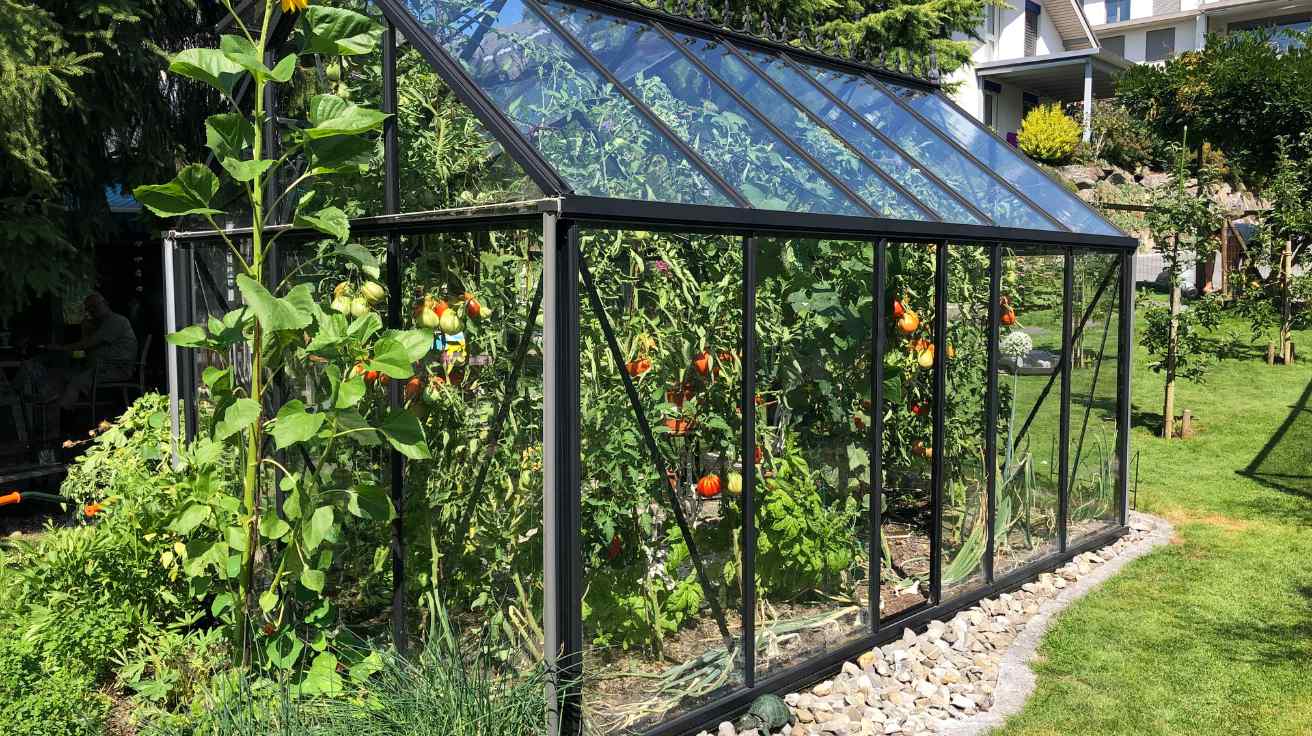
Greenhouse Gardening Ideas to Boost Your Plant Growth
Stepping into the world of protected cultivation opens up endless possibilities for any plant lover. By creating a controlled environment, you can easily extend your growing season and protect your favorite crops from harsh weather. This rewarding hobby allows you to nurture a wider variety of plants regardless of what happens outside your door.

Mastering the art of greenhouse gardening requires a few foundational strategies to ensure success. When you implement the right techniques, you can significantly increase your harvest and keep your vegetation healthy throughout the entire year. These simple adjustments make a massive difference in how your flowers and vegetables develop.
Whether you are a beginner or a seasoned pro, our collection of greenhouse gardening tips will help you refine your skills. We designed this guide to help you master indoor cultivation with confidence. Get ready to transform your backyard space into a thriving sanctuary that produces beautiful results in every season.
The Fundamentals of Successful Greenhouse Gardening
Embarking on your first greenhouse gardening journey is an exciting way to extend your growing season and protect your plants. Understanding the basics is essential for anyone starting their path into greenhouse gardening for beginners. By focusing on your environment and structure, you can create a thriving space that yields impressive results.
Understanding Your Microclimate
Before you break ground, you must assess the specific conditions of your backyard. Your local microclimate includes factors like wind patterns, sun exposure, and temperature fluctuations throughout the year. Observing these elements helps you position your structure to maximize natural light and heat retention.
A well-placed greenhouse captures the most sunlight during the morning and afternoon hours. You should also consider how nearby trees or buildings might cast shadows on your site. Proper placement is one of the primary greenhouse benefits that ensures your plants receive consistent energy for growth.
Selecting the Right Greenhouse Structure
Choosing the right structure is a critical decision that balances your budget, available space, and long-term goals. Whether you prefer a small hobby kit or a larger custom build, the materials you select will dictate your success. Durable frames and high-quality glazing are vital for long-term greenhouse benefits.
Consider the following table to help you decide which material best suits your needs:
| Material Type | Durability | Insulation | Cost Level |
|---|---|---|---|
| Polycarbonate | High | Excellent | Moderate |
| Glass | Very High | Low | High |
| Polyethylene Film | Low | Moderate | Low |
Selecting the right structure is the final step in mastering the basics of greenhouse gardening for beginners. Once you have a stable foundation, you can focus on optimizing your interior environment for year-round productivity. Careful planning now ensures your garden remains a lush sanctuary for years to come.
Essential Greenhouse Design Ideas for Maximum Efficiency
You can transform your growing space by using clever greenhouse design ideas. A well-planned layout is the secret to a high-yielding indoor garden that remains productive throughout the year. By focusing on smart organization, you ensure that every square inch of your structure works hard for your plants.
Optimizing Layout for Airflow and Sunlight
Strategic placement of your benches and shelves is vital for plant health. You should position your growing surfaces to allow for uniform sunlight exposure across all your pots. This prevents certain areas from becoming shaded while others receive too much direct heat.
Proper spacing also helps prevent stagnant air pockets that often lead to mold or fungal issues. Arrange your benches with enough room between them to allow for easy movement and natural air circulation. Keeping the air moving is a simple way to keep your plants strong and disease-free.
Vertical Gardening Techniques to Save Space
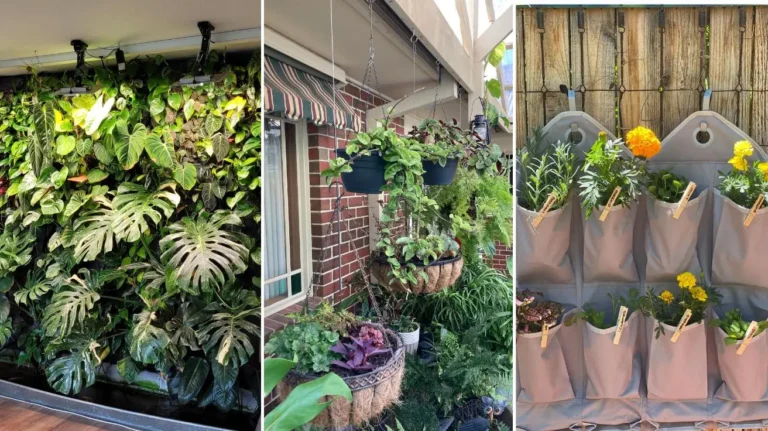
If you find yourself running out of floor space, look toward your walls. Vertical gardening techniques allow you to grow significantly more plants by utilizing the height of your greenhouse. You can install sturdy shelving units or wall-mounted planters to house smaller herbs and flowers.
Hanging systems are another excellent way to maximize your available area. By suspending baskets from the rafters, you create a lush, multi-layered environment that is both beautiful and efficient. These practical greenhouse design ideas will help you maintain an organized and thriving space for years to come.
Choosing the Best Plants for Greenhouse Environments
A productive greenhouse starts with selecting the best plants for greenhouse environments. By matching specific species to your internal temperature and humidity levels, you can ensure a bountiful harvest year-round. Understanding these needs allows you to curate a space that feels like a personal botanical retreat.
Selecting High-Yield Vegetables
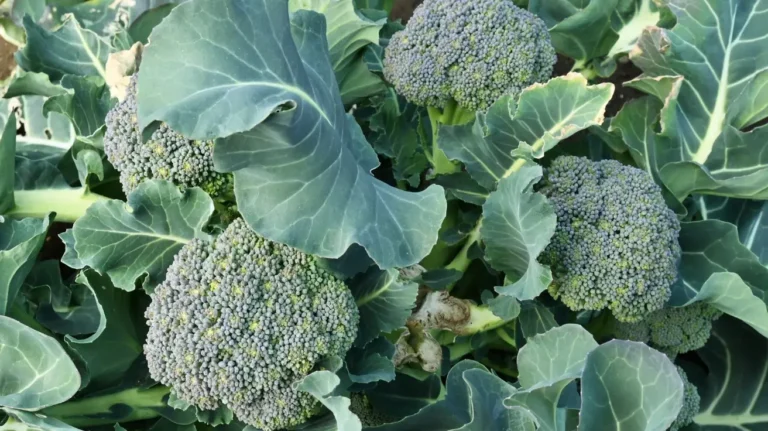
To maximize your space, focus on high-yield vegetable varieties that thrive in protected conditions. Tomatoes, bell peppers, and cucumbers are excellent choices because they respond well to the consistent warmth of a greenhouse. These crops provide a steady supply of fresh produce for your kitchen throughout the seasons.
When planning your layout, consider vertical vining varieties to save floor space. Pole beans and indeterminate tomatoes grow upward, allowing you to pack more plants into a smaller footprint. This strategy ensures you get the most value from every square foot of your growing area.
Cultivating Exotic Flowers and Tropicals
Greenhouses offer the perfect sanctuary for exotic flowers that struggle in standard outdoor gardens. You can easily maintain the high humidity and stable temperatures required by orchids, hibiscus, and lush ferns. These plants add vibrant color and a touch of elegance to your indoor paradise.
| Plant Type | Light Requirement | Temperature Range |
|---|---|---|
| Tomatoes | Full Sun | 70°F – 85°F |
| Orchids | Filtered Light | 65°F – 75°F |
| Cucumbers | Full Sun | 75°F – 90°F |
| Tropical Ferns | Partial Shade | 60°F – 70°F |
Advanced Greenhouse Growing Techniques
If you want to maximize your harvest, it is time to explore advanced greenhouse growing techniques. These methods allow you to push the boundaries of traditional gardening and achieve professional results in your own backyard. By adopting these systems, you can significantly enhance the overall greenhouse benefits you experience throughout the year.

Implementing Hydroponic Systems
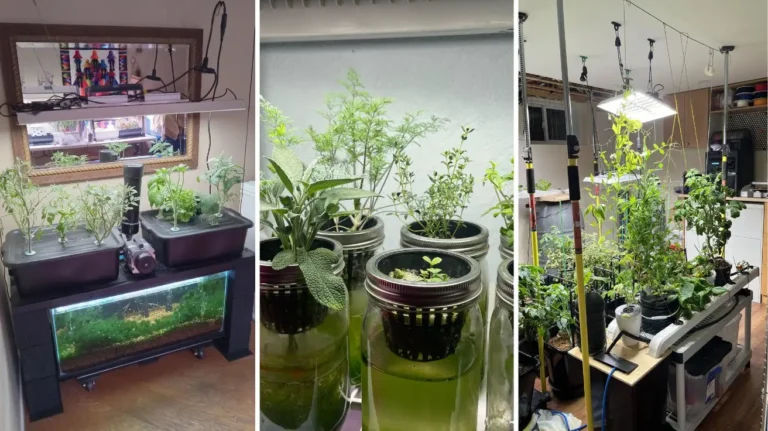
Hydroponics is a revolutionary way to grow plants without using soil. By delivering nutrient-rich water directly to the roots, you can see a dramatic increase in growth rates compared to traditional methods. This approach also helps eliminate common soil-borne diseases that often plague home gardens.
Setting up a basic system is easier than many beginners expect. You can choose from simple deep-water culture setups or more complex nutrient film techniques. Regardless of the style, the result is a cleaner, more efficient growing environment that saves space and water.
Utilizing Supplemental Lighting for Year-Round Growth
Maintaining consistent plant development during the dark winter months can be a challenge. Utilizing supplemental lighting ensures your plants receive the energy they need regardless of the season. High-quality LED grow lights provide the specific spectrums required for photosynthesis, which helps you maintain productivity all year.
These lights are highly energy-efficient and can be automated to mimic natural daylight cycles. By integrating this technology, you gain full control over your environment. This is one of the most effective ways to unlock the full potential of your greenhouse benefits.
| Feature | Traditional Soil | Hydroponic System | Supplemental Lighting |
|---|---|---|---|
| Growth Speed | Moderate | Fast | High |
| Disease Risk | High | Low | Low |
| Seasonal Limit | High | Low | None |
| Maintenance | Low | Moderate | Moderate |
Mastering Greenhouse Temperature and Humidity Control
If you want to master advanced greenhouse growing techniques, you must first learn to manage temperature and humidity. Precise control over these factors is the hallmark of a professional-grade environment. By stabilizing your internal climate, you prevent plant stress and ensure consistent growth throughout the year.
Automated Ventilation Systems
Automated ventilation systems are vital for preventing overheating during the peak of summer. These systems typically use temperature-sensitive wax cylinders that expand to open roof vents automatically. This process ensures proper air exchange, which is critical for healthy plant respiration and moisture regulation.
By maintaining a steady flow of fresh air, you reduce the risk of fungal diseases caused by stagnant, humid conditions. Many modern setups also include motorized fans that trigger when internal sensors detect high heat levels. These tools are essential components of efficient greenhouse growing techniques.
Heating Solutions for Cold Climates
Gardeners in colder regions must invest in reliable heating solutions to protect their plants from frost. Electric fan heaters are a popular choice because they provide consistent warmth while circulating air effectively. For larger structures, propane or natural gas heaters offer a more powerful output to combat freezing temperatures.
It is also wise to consider thermal mass, such as water barrels, to help retain heat during the night. These passive methods work alongside active heating systems to keep your plants safe and thriving. Proper insulation and sealing of gaps will further maximize the efficiency of your chosen heating method.
| Control Method | Primary Benefit | Best Use Case |
|---|---|---|
| Roof Vents | Natural Cooling | Summer Heat |
| Electric Heaters | Consistent Warmth | Winter Protection |
| Exhaust Fans | Air Circulation | Humidity Control |
Vital Greenhouse Maintenance Practices
Regular upkeep is the secret weapon for every successful greenhouse gardener. By dedicating time to your space, you create a sanctuary where plants can thrive without the threat of hidden pathogens. Consistent greenhouse maintenance serves as your primary defense against common botanical issues.

Cleaning and Sanitizing Your Growing Space
A clean environment is the foundation of a healthy harvest. You should regularly wipe down benches, shelves, and glass panels with a mild, eco-friendly soap solution. This simple habit prevents the buildup of algae and dust that can block vital sunlight.
Do not forget to sanitize your tools and containers after each use. Soaking pots in a diluted bleach solution or using a specialized horticultural disinfectant kills lingering bacteria. Keeping your equipment sterile ensures that you do not accidentally introduce harmful microbes to your new seedlings.
Managing Pests and Disease Prevention
Proactive monitoring is the best way to stop an infestation before it spreads. Inspect the undersides of leaves and stems daily for signs of aphids, spider mites, or whiteflies. Early detection allows you to address the problem with gentle, organic treatments rather than harsh chemicals.
Proper airflow is another critical component of disease prevention. Ensure your fans are running correctly to keep humidity levels balanced and prevent fungal growth. If you notice any wilting or yellowing, isolate the affected plant immediately to protect the rest of your collection.
| Task | Frequency | Goal |
|---|---|---|
| Surface Cleaning | Weekly | Remove Algae |
| Tool Sanitization | After Use | Prevent Pathogens |
| Pest Inspection | Daily | Early Detection |
| Ventilation Check | Weekly | Control Humidity |
By staying diligent with these practices, you ensure that your greenhouse remains a healthy sanctuary for your plants. A little effort each week goes a long way in maintaining a productive and beautiful growing environment.
Must-Have Greenhouse Supplies for Every Gardener
When you invest in high-quality greenhouse supplies, you simplify your daily routine and boost plant health. Having the right gear on hand transforms your gardening experience from a chore into a relaxing hobby. These items are essential components of smart greenhouse design ideas that lead to long-term success.
Choosing the Right Potting Mixes and Fertilizers
Plants grown in containers rely entirely on the medium you provide for their nutrition and root support. A high-quality potting mix should be lightweight, well-draining, and rich in organic matter to encourage vigorous growth. Avoid using garden soil, as it often compacts and lacks the necessary aeration for greenhouse pots.
Pair your soil with a balanced, slow-release fertilizer to ensure your plants receive a steady supply of nutrients. Liquid fertilizers are also excellent for quick boosts during the peak growing season. Always check the specific needs of your vegetables or flowers to choose the best nutrient ratio for their development.
Essential Tools for Daily Care
Daily maintenance becomes much easier when you have the right tools within reach. Sharp pruning shears are vital for removing dead foliage and encouraging healthy branching. A reliable moisture meter helps you avoid overwatering, which is a common challenge in controlled environments.
Specialized watering cans with long, narrow spouts allow you to reach the base of your plants without splashing leaves. Keeping these tools organized in a dedicated area will save you time and effort. Consider the following table to help you select the most important items for your daily routine.
| Tool Name | Primary Function | Maintenance Tip |
|---|---|---|
| Pruning Shears | Trimming and harvesting | Clean blades with alcohol |
| Moisture Meter | Checking soil hydration | Wipe probe after each use |
| Watering Can | Precise root irrigation | Rinse to prevent algae |
| Hand Trowel | Potting and transplanting | Remove soil to prevent rust |
By selecting durable and functional equipment, you support the overall efficiency of your space. These greenhouse supplies are fundamental to maintaining a lush, productive environment throughout the year. Integrating these tools into your workflow is a practical way to implement your favorite greenhouse design ideas.
Watering Strategies for Thriving Greenhouse Plants
Maintaining consistent hydration is the secret to a thriving greenhouse environment. Because plants in enclosed structures often transpire more rapidly than those grown outdoors, they require a more attentive approach to water management. Investing in the right greenhouse supplies can make this task much easier and more effective for every gardener.
Drip Irrigation Systems
Drip irrigation systems are among the most efficient tools for delivering water directly to the root zone. By placing emitters near the base of each plant, you ensure that moisture reaches the soil without wetting the foliage. This targeted approach significantly reduces water waste and helps prevent the spread of fungal diseases caused by damp leaves.
These systems are highly customizable to fit various layouts, from small benches to large ground beds. Many gardeners find that automating their irrigation saves hours of manual labor each week. When selecting your greenhouse supplies, look for kits that include pressure regulators and high-quality tubing for long-term durability.
Monitoring Soil Moisture Levels
Even with an automated system, you must regularly monitor soil moisture levels to ensure your plants are receiving the correct amount of water. Overwatering can lead to root rot, while drought stress can stunt growth and reduce yields. Using modern digital sensors provides real-time data, allowing you to adjust your watering schedule based on current weather conditions.
If you prefer a hands-on approach, manual checks remain a reliable method for assessing soil health. Simply insert your finger about an inch into the potting mix to feel for dampness. Combining these techniques ensures your plants stay healthy and vibrant throughout the entire growing season.
| Watering Method | Primary Benefit | Best Use Case | Maintenance Level |
|---|---|---|---|
| Drip Irrigation | Water Efficiency | Large Greenhouse Beds | Moderate |
| Hand Watering | Precision Control | Potted Seedlings | High |
| Soaker Hoses | Low Cost | Row Crops | Low |
| Self-Watering Pots | Convenience | Small Indoor Spaces | Low |
Seasonal Planning for Greenhouse Gardening
Mastering the rhythm of the seasons is the secret to a thriving greenhouse. By aligning your tasks with the natural cycle of the year, you ensure that your plants receive the care they need exactly when they need it. Effective planning allows you to transition smoothly between different crops while keeping your space productive.
Preparing for Spring Planting
Early spring is a busy time for any gardener looking to get a head start on the growing season. You should begin by refreshing your soil beds with organic compost to replenish vital nutrients lost during the winter. These essential greenhouse gardening tips will help you create the perfect environment for your seedlings to thrive.
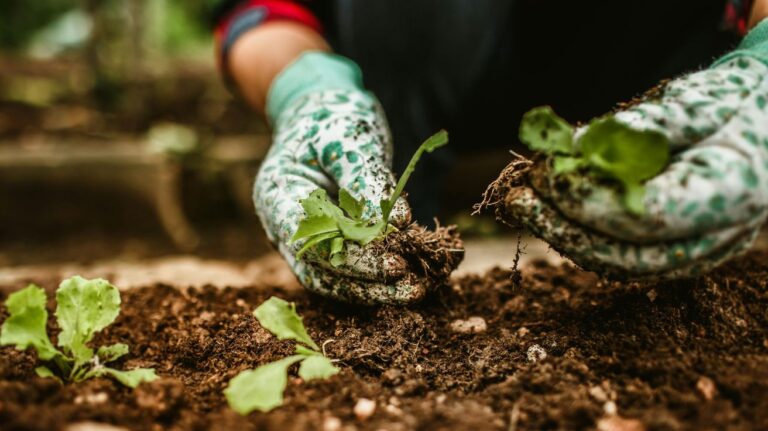
Start your seeds in trays using a high-quality seed-starting mix to ensure strong root development. Keep a close eye on your indoor temperatures, as early spring nights can still be quite chilly. Consistent monitoring ensures that your young plants do not suffer from sudden cold snaps.
Winterizing Your Greenhouse for Off-Season Success
As the days grow shorter, shifting your focus toward protection becomes necessary for long-term success. Proper greenhouse maintenance involves checking all seals around doors and windows to prevent heat loss. Applying bubble wrap insulation to the interior walls can significantly improve thermal retention during freezing months.
Clear out any dead plant debris to prevent the buildup of mold or pests during the dormant period. Inspect your heating equipment to ensure it functions correctly before the first frost arrives. Taking these steps now guarantees that your structure remains a reliable asset throughout the colder months.
| Season | Primary Focus | Key Task |
|---|---|---|
| Spring | Seed Starting | Soil enrichment |
| Summer | Ventilation | Shading control |
| Autumn | Harvesting | Cleaning beds |
| Winter | Insulation | Seal inspection |
Consistent attention to these seasonal cycles keeps your plants healthy and your workload manageable. By following these greenhouse maintenance routines, you avoid the stress of last-minute repairs. Enjoy the satisfaction of a well-prepared garden that rewards you with growth all year long.
Common Mistakes to Avoid in Greenhouse Gardening
Greenhouse gardening is a rewarding hobby, but it comes with specific challenges that can derail your progress. Even experienced growers sometimes overlook small details that impact plant health. By identifying these common traps early, you can ensure your plants thrive throughout the season.
Preventing Overcrowding and Poor Air Circulation
One of the most frequent errors in greenhouse gardening is packing too many plants into a limited space. While it is tempting to maximize every square inch, overcrowding restricts airflow significantly. Stagnant air creates a humid environment that invites fungal diseases and mold to take hold.
To maintain a healthy ecosystem, always leave enough room between containers for air to move freely. Proper spacing allows leaves to dry quickly after watering, which is vital for disease prevention. If you are new to greenhouse gardening for beginners, start with fewer plants to learn how they grow before expanding your collection.
Avoiding Nutrient Deficiencies
Plants grown in containers rely entirely on you for their nutritional needs. A common mistake is failing to follow a consistent fertilization schedule, leading to yellowing leaves or stunted growth. You must monitor your plants closely for signs of stress to catch these issues before they become severe.
Using a high-quality, balanced fertilizer is essential for long-term success. Keep a log of when you feed your plants to ensure they receive steady nourishment. This simple habit helps those practicing greenhouse gardening for beginners avoid the guesswork often associated with plant care.
| Common Mistake | Primary Consequence | Recommended Solution |
|---|---|---|
| Overcrowding | Fungal growth | Increase plant spacing |
| Poor Ventilation | High humidity | Use fans or vents |
| Nutrient Neglect | Stunted growth | Follow a feeding schedule |
| Overwatering | Root rot | Check soil moisture first |
By staying proactive and observant, you can easily avoid these common pitfalls. Consistent care and attention to detail will keep your greenhouse thriving year-round. Remember that every mistake is simply a learning opportunity on your journey toward becoming a master gardener.
Cultivating Your Lush Indoor Paradise
Building a vibrant sanctuary requires patience and a deep connection with your living space. You now possess the knowledge to manage complex environments and nurture delicate life cycles within your structure.
Selecting the best plants for greenhouse success remains a personal journey of discovery. You might choose heirloom tomatoes from Burpee or exotic orchids that demand specific humidity levels. Your choices define the character of your growing area.
Consistent observation serves as your greatest tool for long-term health. Small adjustments to light or moisture often lead to massive improvements in plant vitality. You will find that the best plants for greenhouse environments respond beautifully to your dedicated daily care.
Share your progress with local gardening communities or social media groups to gain fresh perspectives. Your unique setup offers endless opportunities for experimentation and growth. Enjoy the peace that comes from watching your indoor paradise flourish throughout every season.