Essential Pothos Plant Care Tips for Beginners and Experts
Welcome to the rewarding world of indoor gardening. If you want to transform your living space into a lush sanctuary, few species offer as much beauty and versatility as the trailing vine known for its heart-shaped leaves. These hardy greens adapt to almost any corner of your home, making them a favorite for both new enthusiasts and seasoned collectors.
Mastering basic maintenance is the secret to keeping your foliage vibrant and healthy throughout the year. By following these expert-approved guidelines, you can cultivate a thriving indoor jungle with minimal stress. Proper pothos plant care ensures your greenery remains a stunning focal point in your decor for years to come.
Whether you are just starting your journey or looking to refine your green thumb, these simple steps will help you succeed. Let’s explore how to keep your vines growing strong and full of life.
Understanding the Basics of Pothos Plant Care
Pothos plants have earned their reputation as the most resilient companions for any home. Whether you are a seasoned botanist or a complete beginner, mastering proper pothos plant care is a rewarding experience that transforms your living space.
By learning the specific needs of these trailing vines, you ensure they remain vibrant and healthy throughout the year. Understanding these fundamental requirements is the first step toward becoming a confident indoor gardener.
Why Pothos Are the Ultimate Houseplant
Many enthusiasts in the United States choose these plants because they are incredibly forgiving. They thrive in various lighting conditions and can handle occasional neglect, making them perfect for busy lifestyles.
Beyond their durability, they offer excellent air-purifying qualities that improve your indoor environment. Learning how to care for pothos plant species allows you to enjoy lush, cascading foliage that adds a natural aesthetic to any room.
Identifying Your Pothos Variety
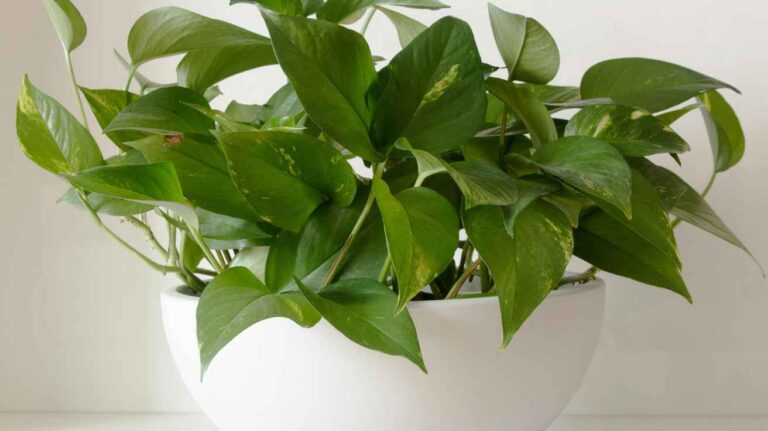
The world of pothos is diverse, featuring unique leaf patterns and growth habits that define their character. The classic Golden Pothos is famous for its heart-shaped leaves splashed with yellow variegation.
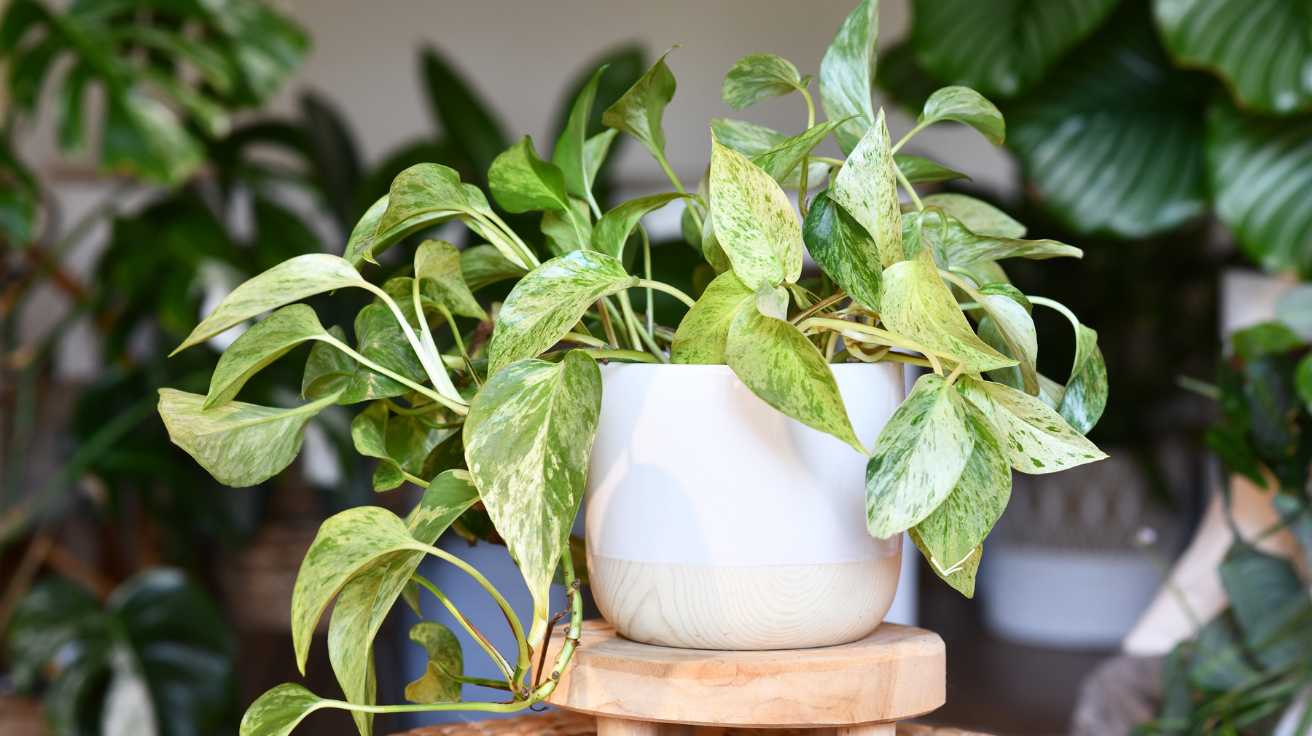
In contrast, the Marble Queen displays stunning white and cream streaks, while the Neon variety offers vibrant, lime-green foliage. Recognizing your specific variety helps you tailor your routine, as some types require slightly more light to maintain their distinct colors.
Once you identify your plant, you will find that knowing how to care for pothos plant varieties becomes much more intuitive. Each type brings a unique charm to your home, provided you give them the attention they deserve.
Mastering Pothos Plant Sunlight Requirements
Mastering the light needs of your indoor plants is the secret to a thriving home garden. Proper pothos plant care begins with understanding how light influences growth and leaf color. By positioning your greenery correctly, you ensure it stays vibrant and healthy throughout the year.
Finding the Perfect Spot for Indirect Light
Most varieties thrive when placed in bright, indirect light. You should aim for a spot near an east-facing window where the morning sun is gentle. Avoid placing your container in direct, harsh rays, as this can easily scorch the delicate foliage.
If your home lacks natural brightness, these plants are remarkably adaptable. They can tolerate lower light conditions, though their growth rate may slow down significantly. Consistent pothos plant sunlight exposure remains the best way to encourage lush, trailing vines.
Signs Your Pothos Needs More or Less Sun
Your plant will often communicate its needs through its leaves. If you notice the stems becoming long and “leggy” with large gaps between leaves, it is likely searching for more light. Moving it closer to a window usually solves this issue quickly.
Conversely, brown or crispy patches on the leaves suggest the plant is receiving too much direct sun. If the leaves lose their vibrant color and turn pale, it may also be a sign of light stress. Adjusting the distance from the light source helps restore balance.
Adjusting for Variegated vs. Solid Green Varieties
Variegated types, such as the Marble Queen, require more light to maintain their beautiful patterns. Without enough brightness, these plants may revert to solid green to maximize chlorophyll production. Keep them in a well-lit area to preserve their unique white or yellow splashes.
Solid green varieties are more forgiving and handle lower light levels with ease. They are excellent choices for offices or rooms with limited window access. Regardless of the type, monitoring your pothos plant sunlight needs ensures long-term success.
| Variety Type | Light Preference | Growth Speed |
|---|---|---|
| Variegated | Bright Indirect | Moderate |
| Solid Green | Low to Bright | Fast |
| Golden Pothos | Bright Indirect | Fast |
Best Practices for Pothos Plant Watering

If you want to know how to care for pothos plant varieties, start with your watering routine. Consistent moisture management is the most vital skill for any indoor gardener. By observing your plant closely, you can easily maintain its health and vigor.
The Soak and Dry Method Explained
The most reliable technique for pothos plant watering is the soak and dry method. You should wait until the top two inches of soil feel completely dry to the touch before adding more water. This approach prevents the roots from sitting in stagnant moisture, which is essential for long-term health.
When it is time to hydrate, pour water over the soil until it flows freely from the drainage holes at the bottom of the pot. Allow the excess liquid to drain away entirely before placing the plant back in its decorative saucer. This simple process ensures that the root system receives adequate hydration without becoming waterlogged.
Seasonal Watering Adjustments
Your plant’s hydration needs will naturally shift as the seasons change throughout the year. During the warmer spring and summer months, your pothos will grow faster and require more frequent watering. You may find that the soil dries out much quicker due to higher temperatures and increased light levels.
Conversely, growth slows down significantly during the cooler autumn and winter seasons. You should reduce your watering frequency during these months to match the plant’s dormant state. Always check the soil moisture level manually, as indoor heating can sometimes dry out the air and the soil unexpectedly.
Identifying Overwatering vs. Underwatering Symptoms
Learning to read the physical signs of your plant is a key part of how to care for pothos plant specimens. Both overwatering and underwatering can cause stress, but they manifest in different ways. Use the following guide to diagnose your plant’s needs quickly.
| Symptom | Overwatering | Underwatering |
|---|---|---|
| Leaf Texture | Soft, mushy, or yellowing | Crispy, brown, or brittle |
| Soil Condition | Constantly soggy or damp | Hard, dry, and pulling away |
| Growth Rate | Stunted with root rot | Wilting and drooping |
Selecting the Ideal Pothos Plant Soil
Your plant’s health begins deep within the pot. While many people focus on light and water, the medium you choose is just as vital for long-term growth. Understanding the best pothos plant soil ensures your greenery stays vibrant and strong for years.
Why Drainage is Non-Negotiable
Proper drainage acts as the primary defense against root rot. When soil stays soggy for too long, oxygen cannot reach the roots, leading to suffocation and decay. This is a critical step when learning how to care for pothos plant varieties effectively.
Always ensure your container has functional drainage holes at the bottom. If you use a decorative pot without holes, consider using a plastic nursery liner inside. This simple trick allows excess water to escape, keeping the root zone healthy and aerated.
DIY Potting Mix Recipes for Success
Creating your own mix is a rewarding way to customize the environment for your pothos. A high-quality pothos plant soil should be light, airy, and capable of holding moisture without becoming waterlogged. You can easily combine standard potting soil with perlite and orchid bark to achieve this balance.
| Component | Primary Benefit | Recommended Ratio |
|---|---|---|
| Potting Soil | Nutrient base | 2 parts |
| Perlite | Improves aeration | 1 part |
| Orchid Bark | Prevents compaction | 1 part |
Mixing these ingredients creates a chunky texture that mimics the natural forest floor. This blend provides the perfect structure for roots to spread and breathe. Mastering this aspect of how to care for pothos plant health will significantly reduce the risk of common indoor gardening issues.
Essential Pothos Plant Fertilization Strategies
Proper nutrition acts as the secret ingredient for lush, vibrant foliage. When you focus on effective pothos plant fertilization, you provide the necessary building blocks for larger leaves and faster growth rates. This simple practice transforms a standard houseplant into a stunning centerpiece for your home.
Choosing the Right Fertilizer Type
Selecting the best product depends on your personal preference and your plant’s specific needs. Liquid fertilizers are popular because they are easy to dilute and provide immediate nutrient absorption. Granular options offer a slow-release alternative that feeds the soil over several months.
Organic fertilizers, such as fish emulsion or worm castings, improve soil health while providing gentle nourishment. Regardless of the type you choose, ensure the formula is balanced to support overall vitality. Using the right pothos plant fertilization method will prevent nutrient burn and keep your plant happy.
| Fertilizer Type | Application Frequency | Best For |
|---|---|---|
| Liquid | Every 4-6 weeks | Quick growth boosts |
| Granular | Every 3-4 months | Low-maintenance care |
| Organic | Every 6-8 weeks | Long-term soil health |
Creating a Consistent Feeding Schedule
Timing is just as important as the product you select. You should focus your feeding efforts during the active growing season, which typically spans from early spring through late summer. During these months, your plant is hungry and ready to absorb nutrients to produce new vines.
As autumn approaches and light levels drop, reduce your feeding frequency significantly. Most experts recommend pausing all fertilization during the winter months when the plant enters a period of dormancy. Maintaining this consistent schedule ensures your pothos plant fertilization efforts yield the best possible results throughout the year.
Advanced Pothos Plant Pruning Techniques
Mastering the art of trimming can transform your trailing vines into a lush masterpiece. While these plants are known for their long, cascading stems, they can sometimes become sparse or leggy over time. Proper pothos plant pruning is the most effective way to maintain a dense, healthy appearance throughout the year.

Encouraging Bushier Growth Through Trimming
To achieve a fuller look, you should focus on cutting back stems that have grown too long or thin. By trimming just above a leaf node, you signal the plant to redirect its energy into producing new side shoots. This simple technique prevents the plant from focusing all its resources on a single, unproductive vine.
Consistent maintenance ensures that your plant remains compact and vibrant. If you notice a vine losing its leaves near the base, do not hesitate to trim it back. This encourages the plant to sprout new growth closer to the soil line, resulting in a much bushier aesthetic.
When and How to Remove Dead Foliage
Regular inspection is vital for keeping your greenery in top condition. You should remove any yellowing, brown, or damaged leaves as soon as you spot them. This practice prevents the plant from wasting energy on dying tissue and helps maintain a clean, tidy appearance.
Always use clean, sharp shears to make precise cuts near the main stem. Avoid tearing the foliage by hand, as this can create jagged wounds that invite bacteria or pests. Keeping your tools sanitized between plants is a professional habit that protects your entire collection.
| Tool Type | Best Use | Maintenance |
|---|---|---|
| Bypass Pruners | Thick, woody stems | Clean with alcohol |
| Precision Snips | Delicate leaf trimming | Keep blades sharp |
| Garden Scissors | General maintenance | Wipe after each use |
Successful Pothos Plant Propagation Methods
Expanding your indoor jungle is easy when you master the art of multiplying your favorite vines. Pothos plant propagation is a rewarding way to grow your collection or share cuttings with friends and family. By learning these simple techniques, you can turn a single mature plant into a thriving indoor garden.
Water Propagation for Beginners
Water propagation is the most popular method for beginners because it allows you to watch root development in real-time. Simply snip a healthy stem just below a node, which is the small bump where leaves emerge. Place the cutting in a glass of clean water, ensuring the node is fully submerged while the leaves remain dry.
Change the water every few days to keep it fresh and oxygenated. Within a few weeks, you will see white roots growing from the node. Once the roots reach about two inches in length, your cutting is ready for its permanent home.
Soil Propagation for Faster Rooting
If you prefer a more direct approach, soil propagation is an excellent choice for faster rooting. This method skips the transition phase from water to soil, which can sometimes cause stress to the plant. You can plant your fresh cuttings directly into a moist, well-draining potting mix.
Keep the soil consistently damp but not soggy during the first few weeks. This environment encourages the plant to establish a strong root system quickly. Many gardeners find that this method results in a more robust plant from the very beginning.
| Feature | Water Method | Soil Method |
|---|---|---|
| Root Visibility | High | None |
| Transition Stress | Moderate | Low |
| Growth Speed | Slower | Faster |
| Maintenance | Frequent Water Changes | Consistent Moisture |
Tips for Ensuring High Success Rates
To ensure your pothos plant propagation efforts are successful, always select healthy, pest-free stems. Using a sharp, sterilized pair of scissors prevents damage to the mother plant and reduces the risk of infection. Always ensure each cutting has at least one node, as this is where new roots will sprout.
Place your cuttings in a spot with bright, indirect light to encourage steady growth. Avoid direct sunlight, which can scorch the delicate new leaves. With a little patience and the right environment, your cuttings will soon become lush, trailing plants.
Managing Common Pothos Plant Problems and Pests
Even the most resilient houseplants can occasionally encounter unexpected health challenges. While these vines are famously tough, they are not entirely immune to common pothos plant problems that can arise from environmental shifts or neglect.
Staying observant allows you to catch issues before they spread to your other indoor greenery. By learning to spot the early signs of trouble, you can ensure your plant continues to thrive for years.
Identifying Common Pests Like Mealybugs and Spider Mites
Pothos plant pests often arrive on new plants or through open windows during warmer months. Mealybugs appear as small, white, cotton-like clusters tucked into the joints of stems or under leaves.
Spider mites are much harder to see with the naked eye. You might notice fine, silky webbing between the stems or tiny yellow stippling on the foliage.

Natural Remedies for Pest Control
You do not need harsh chemicals to keep your plant healthy and safe. A simple mixture of mild dish soap and water often works wonders for removing unwanted visitors.
For more stubborn infestations, neem oil is a highly effective organic solution. Gently wipe the leaves with a soft cloth to ensure you reach every hidden corner where pests might hide.
Troubleshooting Yellowing Leaves and Root Rot
Yellowing leaves are frequently a sign that your pothos plant watering routine needs adjustment. Overwatering is the most common culprit, as it prevents the roots from accessing necessary oxygen.
If you notice a mushy texture at the base of the stems, you may be dealing with root rot. Always allow the top inch of soil to dry out completely before adding more water to prevent these issues.
| Issue | Primary Cause | Quick Fix |
|---|---|---|
| Yellow Leaves | Overwatering | Check soil moisture |
| Webbing | Spider Mites | Use neem oil |
| White Fluff | Mealybugs | Alcohol swab |
Enjoying the Long-Term Beauty of Your Thriving Pothos
Your journey toward becoming a confident plant parent reaches a rewarding milestone as you master the art of indoor gardening. Maintaining a healthy Epipremnum aureum brings a sense of calm and natural elegance to your living space for many years.
Consistent care turns a simple vine into a stunning focal point in your home. Watch your plant closely to understand its unique needs as it grows in your specific environment. Patience remains your most valuable tool when nurturing these resilient greens.
Small adjustments to your routine often lead to the most impressive results. Share your progress with fellow plant enthusiasts or post photos of your lush foliage on social media platforms like Instagram. Your dedication creates a vibrant atmosphere that improves your daily life.
Keep observing the leaves and stems to ensure your plant stays happy. Every new leaf serves as a sign of your success in creating a perfect indoor habitat. Enjoy the process of watching your greenery flourish and transform your rooms into a peaceful sanctuary.
FAQ
What is the most effective method for pothos plant watering?
The best way to keep your plant happy is the “soak and dry” method. You should wait until the top two inches of soil feel dry to the touch before watering thoroughly. Brands like Miracle-Gro suggest ensuring your pot has drainage holes to prevent water from sitting at the bottom, which helps avoid root rot.
How much pothos plant sunlight does my vine actually need?
Pothos plants are quite flexible, but they truly thrive in bright, indirect sunlight. If you have a variegated variety, such as a Golden Pothos or Marble Queen, they require more light to maintain their vibrant colors. Avoid direct afternoon sun, as it can scorch the delicate foliage.
Is pothos plant propagation easy for beginners to try at home?
Absolutely! It is one of the easiest plants to multiply. Simply snip a vine below a node (the little brown bump where a leaf meets the stem) and place it in a glass of clean water. In just a few weeks, you’ll see roots developing, and you can eventually move your new start into a pot with fresh soil.
What type of pothos plant soil promotes the healthiest growth?
You should use a well-aerated, high-quality potting mix that drains quickly. A mixture of standard indoor potting soil, perlite, and a bit of peat moss—which you can find at garden centers like The Home Depot—provides the perfect balance of moisture retention and drainage.
Why is pothos plant pruning important for the plant’s appearance?
Without occasional trimming, pothos vines can become “leggy,” meaning they have long stems with very few leaves. Regular pruning encourages the plant to send out new growth from the base, resulting in a much fuller and bushier look. You can use the cuttings for propagation so nothing goes to waste!
How often should I schedule pothos plant fertilization?
During the active growing season of spring and summer, it is a good idea to feed your plant once a month with a balanced, water-soluble fertilizer like Espoma Organic Indoor! food. In the dormant winter months, you can stop fertilizing altogether as the plant’s growth naturally slows down.
What are the most common pothos plant problems I might encounter?
The most frequent issue is yellowing leaves, which is usually a sign of overwatering. If the leaves are drooping but the soil is dry, the plant likely needs a drink. Brown, crispy edges typically indicate that the humidity in your home is too low or the plant is getting too much direct sun.
How can I identify and treat pothos plant pests?
Keep an eye out for mealybugs, which look like tiny bits of white cotton, or spider mites that leave fine webbing on the leaves. If you spot these invaders, you can treat the plant by wiping the leaves with a mixture of water and a few drops of Dawn dish soap, or by using a dedicated neem oil spray.
Can you give me a quick summary of how to care for pothos plant varieties in low light?
If you have a low-light spot, stick with solid green varieties like the Jade Pothos. To master pothos plant care in these conditions, reduce your watering frequency even further, as the soil will take much longer to dry out without bright light to fuel evaporation.