Growing Herbs in Kitchen Tips for Fresh Flavor Every Day
Imagine walking to your countertop to snip fresh basil or mint for your evening meal. Maintaining a vibrant culinary garden is a rewarding experience that brings life and scent to your home.

You do not need a green thumb to succeed with these plants. Our simple tips for growing herbs indoors ensure a healthy harvest regardless of your past gardening history. These methods make it easy for anyone to enjoy nature right at their fingertips.
Integrating these aromatic greens into your home creates a sustainable source of flavor. Every dish you prepare will benefit from the punch of freshness that only home-grown plants can provide. Start your journey today and enjoy the delicious results of your own indoor garden.
Essential Supplies for Your Indoor Herb Garden
Setting up your own kitchen herb garden requires a few essential items to ensure long-term success.
Selecting the Right Containers and Drainage
The most important factor for indoor plants is the container. You must choose pots that feature drainage holes at the bottom to allow excess water to escape.
Without proper drainage, water collects at the base of the pot. This leads to root rot, which can quickly kill your herbs. Always place a saucer under your pots to protect your kitchen surfaces from water damage.
Choosing High-Quality Potting Mix for Herbs
Many beginners make the mistake of using standard garden soil for their indoor pots. Garden soil is often too heavy and compacts easily, which prevents roots from breathing.
Instead, look for a high-quality, well-draining potting mix specifically formulated for herbs. These mixes often contain perlite or vermiculite to improve aeration. This ensures that your experience growing herbs at home remains productive and stress-free.
Lighting Solutions for Kitchen Windowsills
Natural light is often insufficient in many homes, especially during the winter months. If your kitchen windows do not receive at least six hours of direct sunlight, your plants may become leggy and weak.
Supplemental LED grow lights are an excellent solution for these spaces. These lights mimic the full spectrum of the sun, helping your herbs maintain a compact and healthy growth habit.
To get started with your indoor garden, consider gathering these essential supplies:
- Pots with adequate drainage holes
- High-quality, lightweight potting mix
- Full-spectrum LED grow lights
- Small watering can with a narrow spout
- Organic liquid fertilizer for container plants
Best Herbs for Indoor Growing Success
Your journey toward a lush kitchen garden begins with picking the perfect herbs for your space. Successful indoor herb gardening relies heavily on matching your plant choices to the specific light conditions available in your home.
Hardy Herbs That Thrive in Low Light
If your kitchen lacks bright, direct sunlight, you do not need to worry. Several resilient varieties perform quite well in indirect light or partially shaded spots. Mint and parsley are excellent choices for these conditions, as they tolerate lower light levels without losing their vigor.
These hardy plants are perfect for beginners who are just starting their indoor herb gardening adventure. They remain productive even when placed on windowsills that only receive a few hours of soft, morning sun.
Sun-Loving Varieties for South-Facing Windows
Herbs that crave intensity will flourish in your brightest spots. Varieties like basil and rosemary require at least six hours of direct sunlight daily to develop their signature robust flavors. A south-facing window is usually the ideal location for these sun-worshippers.
When you provide enough light, these plants grow thick, aromatic leaves that are perfect for cooking. Without sufficient sun, they may become leggy or weak, so ensure they have a prime spot in your kitchen.
Fast-Growing Herbs for Quick Harvests
For those who want immediate results, some plants grow at a rapid pace. Chives and cilantro are among the best herbs for indoor growing if you enjoy frequent, small harvests. These varieties reach maturity quickly, allowing you to snip fresh greens for your meals within just a few weeks of planting.
Keep these fast growers in well-draining pots to maintain their health. With consistent care and the right amount of light, you will enjoy a steady supply of fresh ingredients right at your fingertips.
Mastering the Art of Growing Herbs in Kitchen Spaces
Mastering the art of growing herbs in kitchen spaces involves understanding your unique environment. The kitchen is a dynamic area that often presents challenges like shifting temperatures and varying humidity levels.
Optimizing Your Kitchen Layout for Plant Health
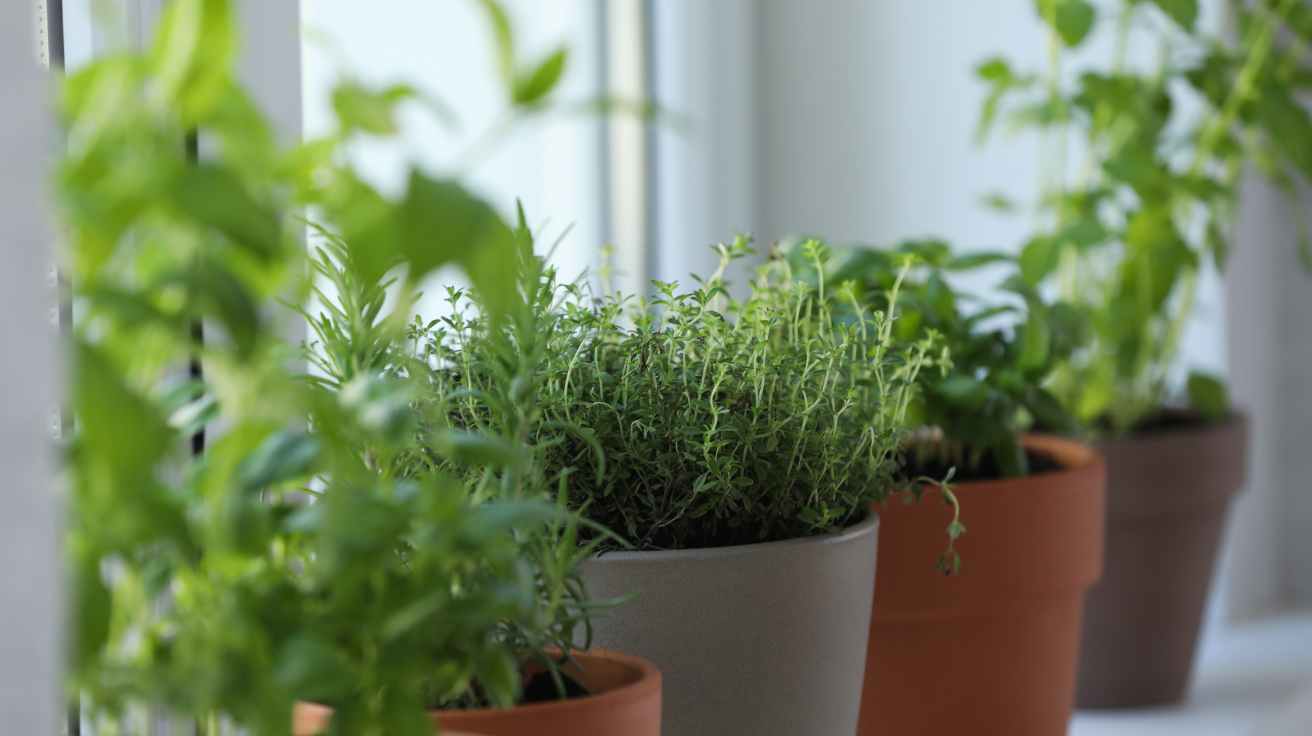
Successful growing herbs in kitchen settings starts with finding the right spot. You want a location that offers plenty of natural light while keeping your plants away from high-traffic zones. Consider these factors when arranging your indoor garden:
- Place pots on shelves that receive at least six hours of indirect sunlight.
- Ensure there is enough vertical space for taller herbs like rosemary or dill.
- Keep containers away from heavy-use areas to prevent accidental tipping.
- Group plants together to create a microclimate that holds moisture better.
Managing Humidity and Airflow Near the Stove
Cooking creates steam and heat, which can be a double-edged sword for your greenery. While some herbs enjoy the extra moisture, direct exposure to stove heat can quickly dry out delicate leaves. Proper herb care in the kitchen requires balancing these environmental factors carefully.
If you keep plants near the stove, try to provide a physical barrier or a small distance gap. This prevents grease splatters and extreme heat spikes from damaging the foliage. Good airflow is also vital to prevent fungal issues caused by trapped steam.
Protecting Herbs from Kitchen Temperature Fluctuations
Kitchens often experience rapid temperature changes due to ovens, refrigerators, and open windows. Most culinary herbs prefer a stable environment to thrive and produce flavorful leaves. Sudden cold drafts from an open window can shock tropical varieties, while heat from an oven can cause wilting.
To maintain consistent herb care in the kitchen, monitor your plants during extreme weather. Move pots away from drafty windows during the winter months. Similarly, ensure your herbs are not sitting directly on top of a warm appliance that runs constantly.
Watering Techniques for Healthy Indoor Plants
Mastering the hydration needs of your indoor garden is the secret to vibrant, flavorful leaves. When you focus on the best herbs for indoor growing, you quickly realize that water management is the most critical task. Finding the right balance ensures your plants remain healthy and productive throughout the year.
Identifying Signs of Overwatering and Underwatering
Plants often communicate their needs through physical changes in their foliage. If you notice yellowing leaves or a mushy stem base, you are likely providing too much water. This excess moisture prevents roots from breathing and can lead to decay.
Conversely, underwatering shows up as dry, crispy edges or drooping stems that look sad and limp. Checking the soil moisture with your finger before adding more water is a simple way to avoid these common mistakes. Consistent observation is a key part of effective herb care in the kitchen.
The Importance of Consistent Moisture Levels
Herbs thrive when they experience a stable environment without drastic swings in hydration. Allowing the soil to dry out completely and then soaking it heavily can cause significant plant stress. This cycle often stunts growth and reduces the essential oils that give herbs their signature aroma.
Aim to keep the potting mix lightly moist, similar to the texture of a wrung-out sponge. By maintaining this steady level of hydration, you encourage the best herbs for indoor growing to produce lush, continuous harvests. Regular, moderate watering is always better than infrequent, heavy drenching.
Using Self-Watering Systems for Busy Cooks
If your schedule makes daily plant maintenance difficult, self-watering systems offer a practical solution. These containers use a reservoir to deliver water directly to the roots as needed. This method helps maintain the ideal moisture balance without requiring your constant attention.
Many modern self-watering pots are designed specifically for indoor use, making them a great addition to your herb care in the kitchen. They provide a reliable way to keep your plants hydrated even when you are busy preparing meals or managing a hectic household. Investing in these tools can save you time while ensuring your herbs stay healthy and vibrant.
Fertilizing and Nutrient Management
Feeding your herbs is a simple way to boost their health and culinary potential. When you are growing herbs at home, the soil in your containers eventually loses its natural vitality. Providing the right nutrients at the right time ensures your plants remain productive and flavorful throughout the year.
Organic Fertilizer Options for Edible Plants
Choosing the right food for your plants is vital since you will be consuming them. Organic fertilizers are excellent because they provide a gentle, slow-release source of nutrition that is safe for edible greens. Fish emulsion or seaweed-based liquid fertilizers are popular choices for indoor gardeners.
These options help promote lush, green foliage without the risk of chemical buildup. Always look for products labeled specifically for vegetables or herbs to ensure they meet the needs of the best herbs for indoor growing.
Understanding When to Feed Your Herbs
Timing is everything when it comes to plant nutrition. Most herbs require extra energy during their active growth phases, which typically occur in the spring and summer months. During this time, you should apply a diluted organic fertilizer every few weeks.
In contrast, growth slows down significantly during the winter. You should reduce or stop feeding entirely during the colder months to prevent stressing the plants. Consistent care during the active season is the secret to a thriving kitchen garden.
Avoiding Common Nutrient Deficiencies
Even with the best intentions, your plants may occasionally show signs of distress. Learning to spot these symptoms early can save your harvest. Common signs of nutrient issues include:
- Yellowing leaves, which often indicate a nitrogen deficiency.
- Stunted growth or weak stems that struggle to stand upright.
- Brown or scorched leaf edges caused by mineral imbalances.
- Pale foliage that lacks the vibrant color of healthy herbs.
If you notice these changes, consider flushing the soil with fresh water to remove excess salts. Following this with a light application of balanced organic fertilizer often corrects the problem quickly. Staying observant helps you maintain a healthy, productive indoor garden.
Pruning and Harvesting for Continuous Growth
Mastering the harvest is the secret to a thriving indoor garden. When you learn the right methods, you ensure your plants remain productive and healthy throughout the year. These simple tips for growing herbs indoors will help you get the most out of your kitchen garden.

Techniques for Encouraging Bushier Plants
Regular pruning does more than just provide ingredients for your meals; it acts as a catalyst for new growth. By pinching back the tips of your stems, you encourage the plant to branch out laterally. This prevents your herbs from becoming tall, thin, and leggy.
Focus on removing the top set of leaves just above a node. This simple action signals the plant to redirect its energy into side shoots. Consistent maintenance is one of the most effective tips for growing herbs indoors to keep them looking lush.
How to Harvest Without Damaging the Main Stem
When you are ready to cook, always use sharp, clean scissors to make your cuts. Avoid tearing the stems, as this can invite disease or slow down future growth. You should always cut just above a leaf node to promote quick recovery.
Never remove more than one-third of the plant at any single time. This ensures the herb has enough foliage left to continue photosynthesizing. Practicing these careful habits makes growing herbs at home a rewarding and sustainable experience.
Storing Freshly Cut Herbs Properly
Once you have harvested your bounty, keeping it fresh is the final step. For soft herbs like basil or parsley, place the stems in a glass of water like a bouquet. You can cover the leaves loosely with a plastic bag to maintain humidity.
Hardier herbs like rosemary or thyme store best when wrapped in a damp paper towel inside the refrigerator. Following these steps for growing herbs at home ensures your ingredients retain their peak flavor and aroma for every recipe.
Troubleshooting Common Indoor Gardening Pests
Even the most vibrant indoor herb gardening setups can occasionally face challenges from tiny, unwanted visitors. While you strive to create the perfect environment for your plants, these small insects sometimes find their way into your home. Recognizing the early signs of an infestation is the first step toward protecting your harvest.
Identifying Aphids and Fungus Gnats
Aphids are small, soft-bodied insects that often cluster on the undersides of leaves or near new growth. You might notice them as tiny green, black, or white specks that cause leaves to curl or yellow. They feed on plant sap, which can weaken your herbs over time.
Fungus gnats, on the other hand, look like tiny black flies hovering around the soil surface. They are usually attracted to damp potting mix and decaying organic matter. While the adults are mostly a nuisance, their larvae can damage delicate root systems if left unchecked.
Natural Remedies for Pest Control in the Kitchen
When practicing proper herb care in the kitchen, safety is your top priority. You should avoid harsh chemicals that could contaminate your food. Instead, try these gentle, effective methods to manage pests:
- Wipe leaves with a damp cloth or a mild solution of water and a drop of dish soap.
- Use yellow sticky traps near the soil to catch adult fungus gnats.
- Apply neem oil, which is a natural botanical extract, to deter aphids.
- Introduce a gentle stream of water to wash away clusters of insects from sturdy stems.
Preventative Measures to Keep Plants Healthy
Consistency is the best defense for your indoor herb gardening efforts. Always inspect new plants before bringing them into your kitchen to ensure they are not carrying hitchhikers. Proper airflow and avoiding overwatering will also make your herbs less attractive to pests.
Maintaining high standards for herb care in the kitchen ensures your plants stay strong and resilient.
Seasonal Care Tips for Year-Round Freshness
Adapting your care routine to the seasons is the secret to year-round fresh herbs. Successful indoor herb gardening requires you to pay close attention to how the environment changes inside your home as the weather shifts outside.

Adjusting Care During Winter Months
Winter presents unique challenges, primarily due to shorter days and lower light intensity. Your herbs may grow more slowly during this time, so it is wise to reduce your watering frequency to prevent root rot. Additionally, indoor heating systems often dry out the air, which can stress sensitive plants.
Consider using a small humidifier or grouping your pots together to create a more humid microclimate. If your kitchen window lacks sufficient natural light, supplemental LED grow lights can provide the boost your plants need to survive the darker months.
Managing Summer Heat and Increased Light
As the days grow longer, your plants will likely experience a growth spurt. However, intense summer sun can sometimes scorch delicate leaves if they sit directly against a hot window. These tips for growing herbs indoors suggest using a sheer curtain to filter harsh afternoon rays while still providing plenty of brightness.
Increased temperatures also mean your soil will dry out much faster than in the winter. Check your pots daily and water them whenever the top inch of soil feels dry to the touch. Consistent moisture is vital during these peak growing months to prevent wilting.
Rotating Crops for Seasonal Variety
Variety is the spice of life, and rotating your crops allows you to enjoy different flavors throughout the year. You might focus on hearty, slow-growing herbs during the winter and switch to fast-growing varieties like basil or cilantro when the weather warms up. This cycle keeps your indoor herb gardening experience fresh and exciting, ensuring you always have the perfect ingredients for your favorite seasonal recipes.
Creative Indoor Herb Garden Ideas
Transforming your kitchen into a lush, green sanctuary is easier than you might think. You do not need a massive backyard or a large kitchen to enjoy the benefits of fresh, homegrown flavors.
Vertical Gardening Solutions for Small Kitchens
When floor and counter space are at a premium, look toward your walls. Vertical gardening allows you to stack your plants, making the most of unused vertical surfaces. You can install wall-mounted shelves or magnetic planters to keep your herbs thriving without cluttering your workspace.
This approach is perfect for growing herbs in kitchen areas that feel cramped. By utilizing wall-mounted pockets or tiered racks, you create a living wall that adds life to your cooking environment. It is a practical way to ensure your plants receive enough light while staying organized.
Using Hanging Planters to Save Counter Space
Hanging planters offer a stylish solution for those who want to keep their counters clear for meal preparation. By suspending your pots from the ceiling or under cabinets, you free up valuable surface area. This method also provides excellent airflow, which is vital for the health of many indoor plants.
Consider these popular ways to incorporate hanging greenery into your home:
- Macramé plant hangers for a bohemian kitchen aesthetic.
- Ceiling-mounted rods to hang multiple herb pots in a row.
- Under-cabinet hooks for small, lightweight herb containers.
- Tiered hanging baskets that maximize vertical height.
Designing an Aesthetic Herb Display
Your garden should be as beautiful as it is functional. Designing an aesthetic herb display turns your plants into a centerpiece of your home decor.
Choosing matching containers or labels can elevate the visual appeal of your indoor herb garden ideas significantly. When you treat your plants as part of your interior design, you are more likely to maintain them well. A well-organized display makes the process of growing herbs in kitchen spaces a truly rewarding experience for any home cook.
Elevating Your Culinary Creations with Homegrown Herbs
Bringing fresh ingredients from your windowsill to the plate creates a rewarding experience for any home cook. The vibrant flavors of basil, cilantro, or rosemary transform simple meals into gourmet dishes. Your kitchen herb garden serves as a living pantry that offers unmatched quality and taste.
Exploring new indoor herb garden ideas allows you to personalize your space while boosting your cooking skills. You might try pairing fresh mint with summer salads or adding homegrown thyme to roasted vegetables. These small additions bring depth and brightness to every recipe you prepare.
The satisfaction of nurturing plants from seeds to harvest builds a deeper connection to your food. You gain confidence in the kitchen by relying on your own supply of aromatic greens. Start small and watch how these plants change your daily routine.
Share your favorite plant combinations with friends or family to spread the joy of gardening. Your commitment to maintaining a healthy kitchen herb garden ensures a steady supply of inspiration for years. Embrace the process and enjoy the delicious results of your hard work.
FAQ
Why should I consider growing herbs in kitchen spaces?
Growing herbs in kitchen environments is one of the most rewarding ways to elevate your cooking. It provides immediate access to fresh, aromatic flavors right at your fingertips, transforming simple meals into gourmet experiences. Plus, maintaining a kitchen herb garden adds a vibrant, natural touch to your home decor.
What are the best herbs for indoor growing if I have limited sunlight?
If your kitchen doesn’t get a ton of direct sun, focus on hardy varieties like Mint, Parsley, and Chives, which are more tolerant of lower light conditions. For those with bright, south-facing windows, sun-loving favorites like Basil, Rosemary, and Oregano will thrive. Matching the right plants to your light profile is a key part of successful indoor herb gardening.
Do you have any essential tips for growing herbs indoors for beginners?
Absolutely! Start with high-quality supplies. Always use a well-draining potting mix, such as FoxFarm Ocean Forest or Miracle-Gro Performance Organics, rather than standard garden soil. Ensure your containers have drainage holes to prevent root rot, and don’t be afraid to use supplemental LED grow lights from brands like AeroGarden or GE if your windowsill isn’t bright enough.
How do I handle herb care in the kitchen near a hot stove or oven?
The kitchen can be a tricky environment due to temperature fluctuations. To keep your plants healthy, place them in a spot with good airflow but away from direct heat vents or the immediate blast of a hot oven. Managing humidity is also vital; if the air gets too dry near the stove, a quick misting or a pebble tray can help maintain the moisture levels your herbs crave.
What are some creative indoor herb garden ideas for small apartments?
You don’t need a massive countertop to enjoy growing herbs at home! Consider vertical gardening solutions like the WallyGrow Wall Planter to utilize your wall space. Hanging planters are another fantastic way to save counter space while keeping your herbs at eye level. These indoor herb garden ideas allow you to create a functional, aesthetic display regardless of your kitchen’s square footage.
How can I tell if I am overwatering or underwatering my plants?
It’s all about the leaves! Yellowing leaves and soft, mushy stems are usually a sign of overwatering, while wilting or brittle, dry leaves mean your plant is thirsty. For busy cooks, using a self-watering system like those from Lechuza can help maintain consistent moisture levels without the guesswork.
When is the best time to fertilize my indoor herb garden?
Herbs generally need more nutrients during their active growth phases in the spring and summer. Use an organic liquid fertilizer, such as Espoma Organic Harvest! Herb & Vegetable food, every few weeks to encourage lush growth. Avoid over-fertilizing in the winter when the plants are resting, as this can lead to salt buildup in the soil.
What is the secret to keeping my herbs bushy and productive?
Regular pruning is the secret! Instead of just picking a leaf here and there, pinch back the stems just above a leaf node. This stimulates the plant to grow outward rather than upward, preventing it from becoming “leggy” and ensuring you have a continuous, bountiful harvest for your culinary creations.
How do I deal with common pests like aphids or fungus gnats indoors?
Even the best-kept gardens can attract unwanted visitors. If you spot aphids or fungus gnats, try natural remedies first, such as a gentle spray of Bonide Neem Oil or insecticidal soap, which are safe to use around food preparation areas. Keeping the soil surface dry and ensuring good air circulation are great preventative measures to keep your plants pest-free.