Crochet House Plants That Bring Cozy Handmade Charm to Your Home
A home doesn’t need a jungle of real greenery to feel fresh, warm, and alive. Sometimes, a little yarn can create the same cheerful effect without watering schedules, fading leaves, or worrying about where the sunlight falls. Crochet house plants offer a wonderfully creative way to bring botanical beauty indoors while adding the soft, handmade character that makes a room feel personal.
From tiny succulents sitting beside a window to leafy hanging designs that transform an empty corner, these crochet plant ideas can work beautifully in bedrooms, living rooms, offices, kitchens, and entryways. They’re especially appealing for anyone who loves plants but struggles to keep them healthy.
The best part? Every stitch adds personality. A simple ball of green yarn can become something surprisingly lifelike, while unusual colors can turn familiar foliage into playful home decor. Below are 12 beautiful ideas worth adding to a handmade decorating project. And the final few ideas may completely change the way a plain shelf or forgotten corner looks.
Mini Potted Succulent
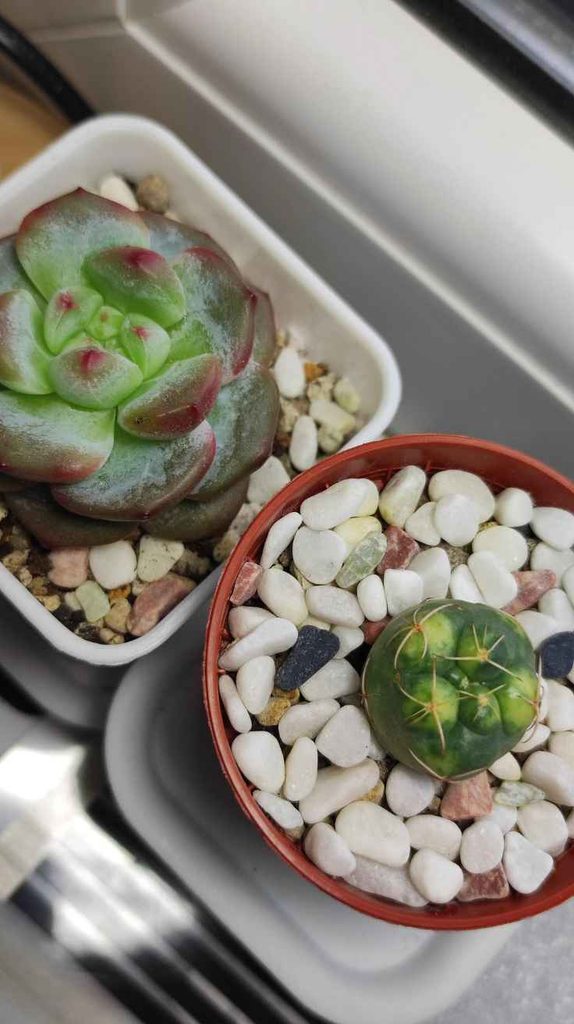
Small succulents have a special charm because their compact shapes fit almost anywhere. A crocheted version captures that same appeal while remaining completely fuss-free. The finished piece can sit inside a tiny ceramic pot, a painted clay container, or even a recycled decorative cup.
Using different shades of green yarn makes the leaves look layered and dimensional. A combination of sage, olive, forest green, and soft mint can create a natural appearance without making the project complicated. For beginners, a simple rounded succulent with tightly stitched leaves is a comfortable place to start.
The miniature size also makes this idea useful for decorating bookshelves, bathroom counters, bedside tables, and work desks. Several small pieces can be grouped together to create a tiny indoor garden. Adding pebbles around the base gives the pot an authentic finishing touch.
There’s also plenty of room for creativity. A bright yellow or terracotta-colored pot can provide contrast, while a neutral container creates a more understated look. This little project proves that greenery doesn’t have to take up much space to make a room feel welcoming.
Leafy Monstera Design
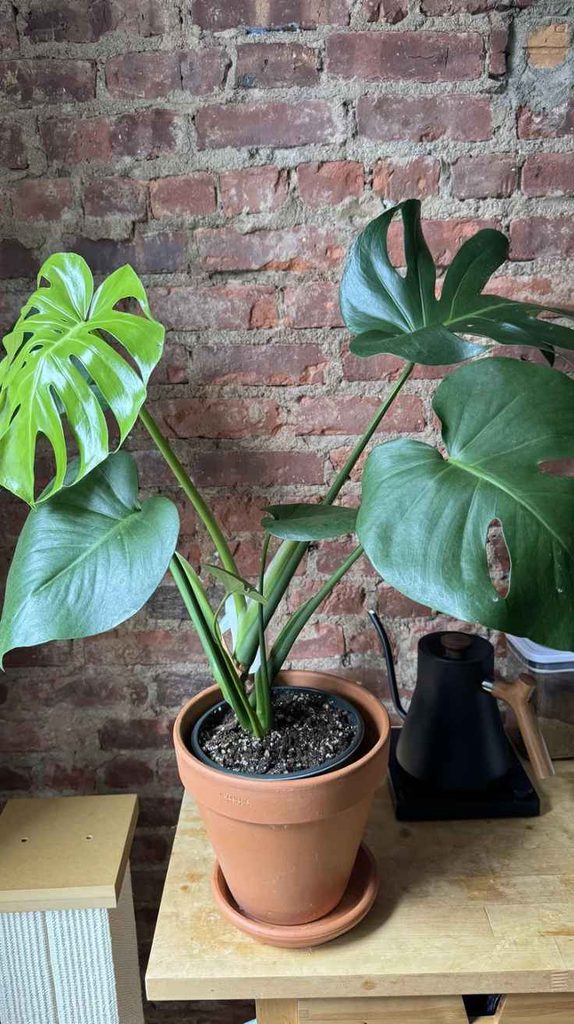
Large, dramatic leaves can instantly become a focal point, and the monstera is one of the most recognizable choices for handmade botanical decor. Its broad leaves, distinctive openings, and tropical personality make it especially attractive for modern interiors.
Creating the leaves with crochet stitches allows the texture of the yarn to become part of the decoration. Different shades can be combined to create subtle variation across the foliage. A darker green base with lighter leaves can give the arrangement additional depth.
This design works particularly well in a tall floor planter. A sturdy stem can support several leaves at different heights, creating a fuller silhouette. It can also be placed in a woven basket for a relaxed bohemian effect.
For a contemporary room, a simple white or charcoal pot can balance the strong foliage. In a cozy cottage-style space, a natural wicker basket feels softer and more relaxed.
The wonderful thing about this design is its visual impact. Even without flowers, the large leaves can fill an otherwise empty corner. Once several stems come together, the result starts to resemble a miniature tropical display.
Hanging Ivy Arrangement
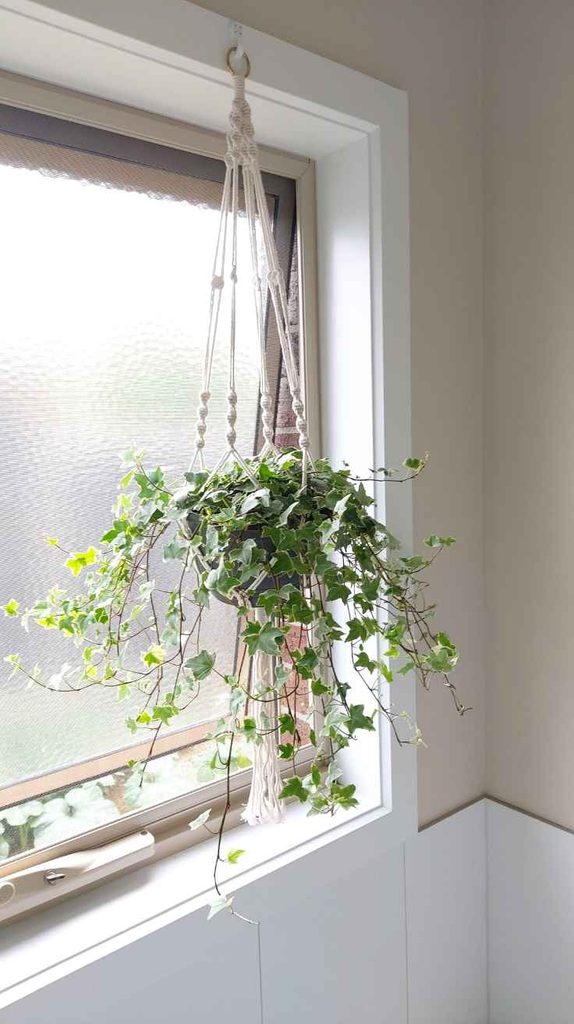
Trailing greenery brings movement into a room, and a handmade ivy arrangement can recreate that beautiful cascading effect without needing a wall or ceiling full of real vines. Long crocheted stems can gently spill over a shelf, hanging planter, cabinet, or wall-mounted container.
The key to making this style attractive is variation. Instead of creating every leaf at exactly the same angle, the foliage can be arranged in different directions. Some stems can hang straight down, while others curve naturally to the side.
This project is especially useful for rooms with limited floor space. A hanging arrangement takes advantage of vertical areas that might otherwise remain empty. It can also soften hard architectural features such as shelves, cabinets, and exposed corners.
Green yarn creates the most familiar appearance, but a muted sage tone can produce a sophisticated farmhouse look. Deep emerald works beautifully in dramatic interiors, while variegated yarn can add subtle visual interest.
The finished arrangement can become a quiet decorative feature rather than an overwhelming centerpiece. It brings softness, texture, and a sense of nature to places where a real plant might not survive.
Crochet Snake Plant
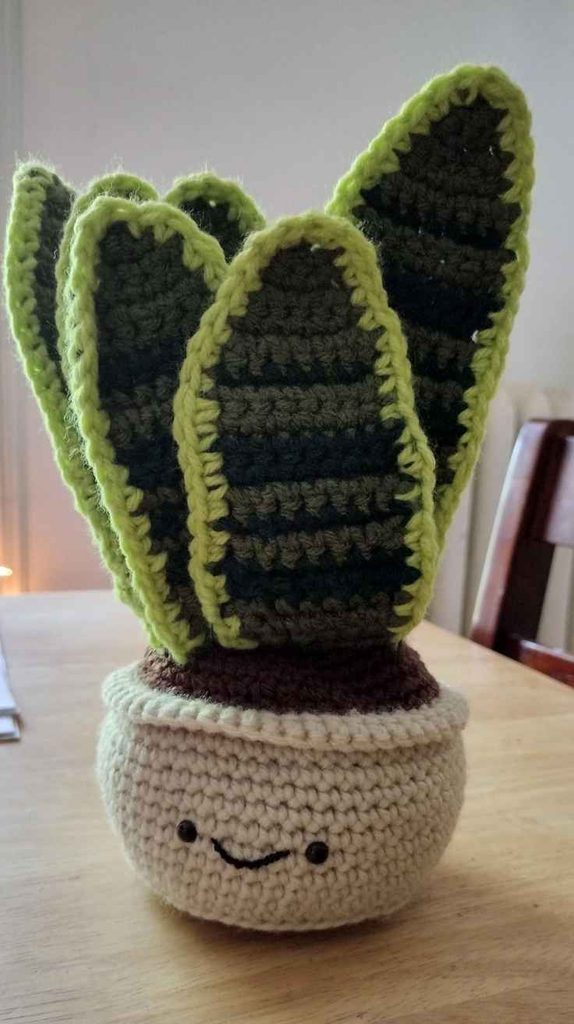
The snake plant is famous for its tall, upright leaves, making it an excellent inspiration for a structured handmade decoration. Unlike rounded or trailing designs, this project creates height and clean vertical lines.
Long crocheted leaves can be shaped around a central stem and arranged inside a weighted pot. Different shades of green and yellow can mimic the striped appearance often associated with the plant.
This design looks wonderful in corners where horizontal decorations would feel crowded. A tall handmade plant beside a sofa, dresser, doorway, or bookshelf can add height without taking up much floor space.
A simple planter can make the foliage stand out. Neutral ceramic, woven baskets, and wooden containers all complement the strong shape. For a playful children’s room, a colorful pot can make the piece feel more cheerful.
Another advantage is durability. Once completed, the plant doesn’t need sunlight or water and won’t suddenly droop after a busy week. A gentle dusting is usually enough to keep the yarn looking fresh.
For anyone learning crochet, this project can also become a useful lesson in shaping, stuffing, and creating sturdy stems. The result is decorative and practical at the same time.
Tiny Cactus Collection
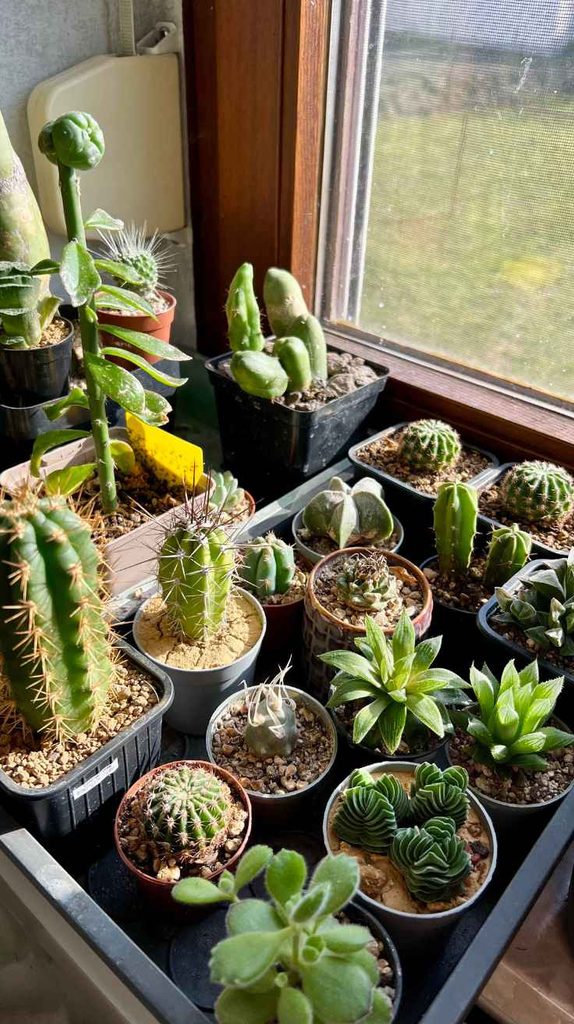
Cacti are naturally suited to miniature decor because their unusual shapes already feel sculptural. Crocheted cactus designs can take that character even further by introducing soft yarn texture.
A collection can include round barrel shapes, tall column forms, and small branching varieties. Keeping each cactus slightly different creates the impression of a tiny desert garden rather than a repeated craft project. Small terracotta pots are an especially natural pairing. Decorative gravel, tiny stones, or neutral filler material can cover the base and make each piece look finished.
This idea works beautifully on kitchen windowsills, office shelves, coffee tables, and bathroom ledges. Because the designs remain compact, several can fit into one small area without making the room feel crowded.
White or cream yarn can even be used for tiny decorative spines, while a darker green body creates contrast. Those little details can make a surprisingly large difference in the final appearance.
A cactus collection also makes a thoughtful handmade gift. Each piece can have its own shape and personality, making the set feel much more personal than mass-produced decor.
Peace Lily With Soft White Blooms
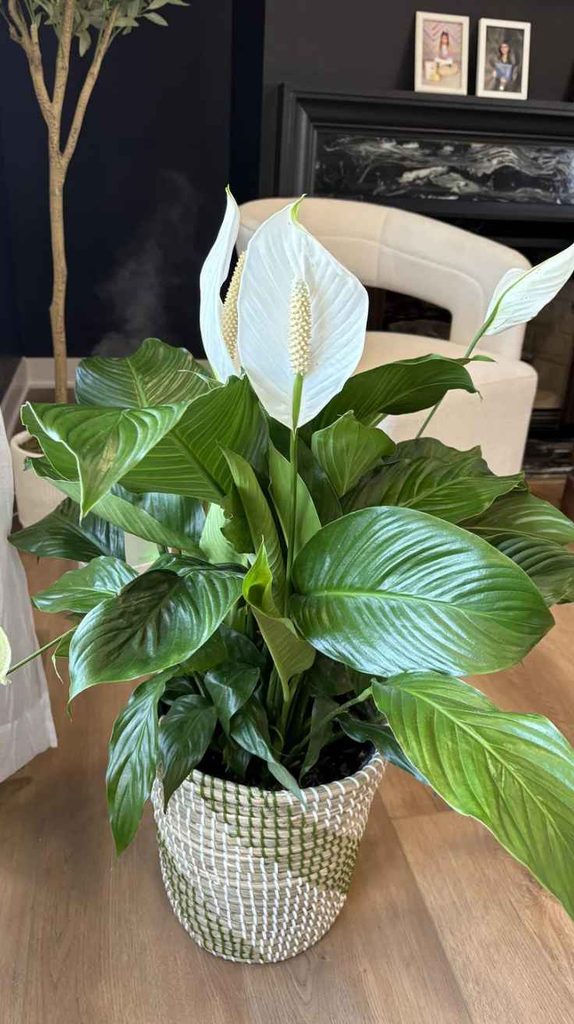
A peace lily brings elegant flowers and broad foliage together, making it a lovely choice for a more delicate handmade arrangement. The combination of green leaves and white blooms creates a calm appearance that works especially well with neutral interiors.
The leaves can be made with slightly curved edges so they don’t appear perfectly flat. Several stems placed at different heights can create a naturally relaxed arrangement. The white flowers provide an opportunity to introduce contrast. Bright white yarn creates a crisp appearance, while cream or ivory gives the arrangement a softer vintage feel.
This piece would look lovely on a bedroom dresser, living room side table, or entryway console. A ceramic pot can give it a clean modern appearance, while a textured basket can create a warmer farmhouse or bohemian style.
One especially appealing feature is the year-round bloom. Real flowers eventually fade, but handmade petals remain part of the decoration for as long as the piece is cared for.
The result feels peaceful without being boring. Soft leaves, gentle flowers, and tactile yarn combine to create an arrangement that can make an ordinary surface feel thoughtfully decorated.
String of Pearls
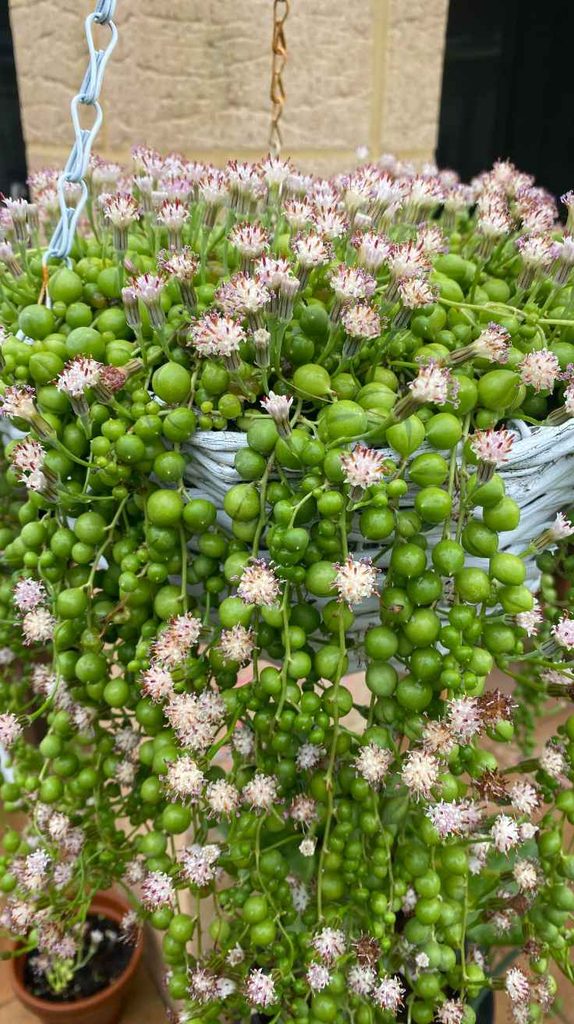
For something unusual, a crocheted string-of-pearls design can bring a playful trailing shape into the room. Instead of traditional flat foliage, rounded yarn beads are arranged along delicate stems.
The cascading form makes this idea particularly attractive in hanging containers. The strands can fall over the edges and create a soft curtain of greenery.
Different bead sizes can add a more organic appearance. Perfectly identical spheres may look too uniform, so slight variation can help the arrangement feel handmade and natural.
A small hanging basket works wonderfully for this design. It can be placed near a reading nook, above a desk, or beside a window. Since the decoration doesn’t require sunlight, it can also brighten darker corners.
This project has a charming tactile quality. The rounded shapes almost invite people to touch them, while the flowing stems create movement from a distance.
For a more modern approach, muted green yarn paired with a simple white container keeps the design clean. For a whimsical room, colorful containers can make the arrangement more playful.
Fern With Layered Fronds
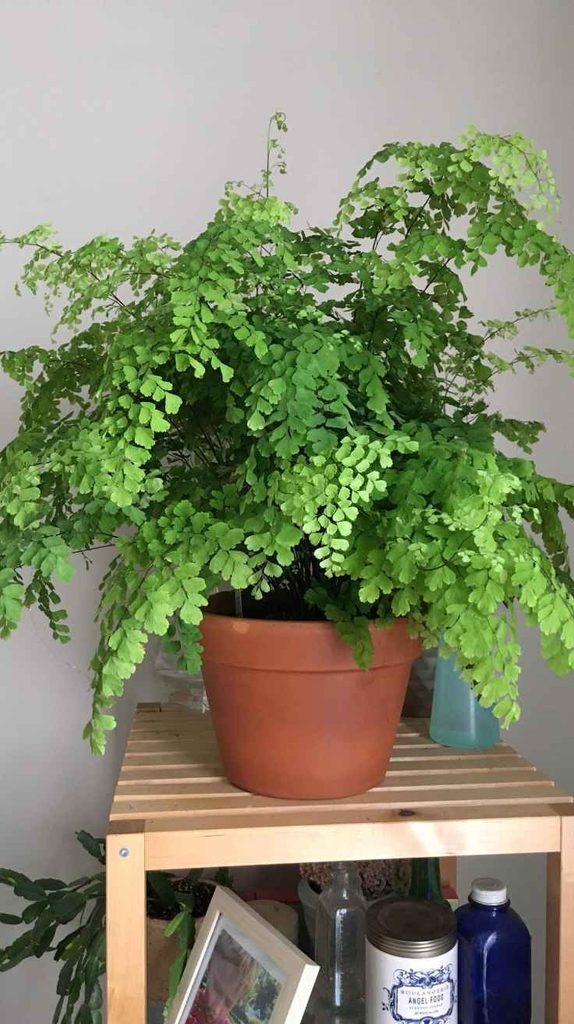
Few plants create as much softness as a fern. Its many narrow fronds spread outward and create a full, feathery shape that can make an interior feel instantly more natural.
A handmade version can use repeated leaf sections attached to flexible stems. The leaves don’t have to match perfectly. Slight differences in length and direction can make the finished arrangement look more organic.
A fern is particularly effective in a hanging basket. Once the fronds extend beyond the sides, they create an attractive waterfall effect.
For a cozy living room, placing the arrangement in a woven basket adds another layer of texture. The combination of yarn, basket fibers, and leafy shapes can create a beautiful natural-material theme.
This design also works well in a bedroom because its soft silhouette doesn’t feel visually harsh. A smaller version can sit on a nightstand or shelf, while a larger one can fill an empty corner. There is something wonderfully nostalgic about fern decor. It feels botanical without being overly formal, making it a strong choice for relaxed and comfortable homes.
Aloe Vera-Inspired Arrangement
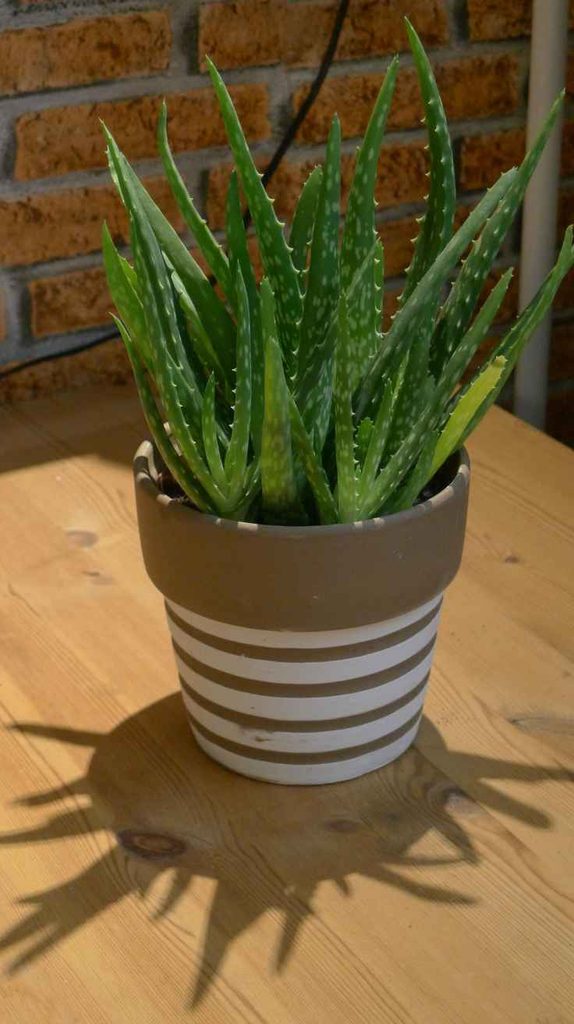
Aloe vera has long, pointed leaves that create an attractive architectural shape. Translating those leaves into yarn gives the finished decoration a soft interpretation of a naturally structured plant. The leaves can be arranged in a cluster so they rise from the center of the pot. Different shades of green can help separate individual leaves and prevent the arrangement from looking flat.
A compact version is ideal for a kitchen counter, bathroom shelf, or home office. A larger design can become a centerpiece on a console table.
The handmade texture also creates an interesting contrast with smooth containers. A glossy ceramic pot can make the yarn appear softer, while a rough terracotta planter creates a rustic feeling.
For beginners, this project can be approached with simple leaf shapes rather than highly detailed botanical forms. That makes it accessible while still producing an attractive result. The finished piece can bring the visual language of a natural wellness space into the home. Paired with wood, stone, linen, or neutral colors, it can contribute to a peaceful decorating style.
Calathea With Decorative Leaves
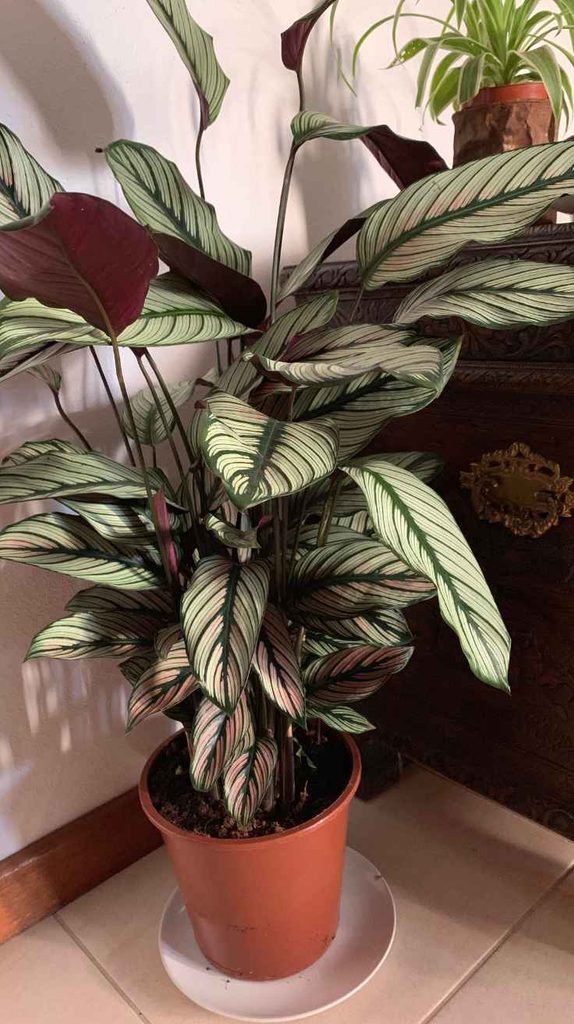
Calathea-inspired foliage offers an opportunity to experiment with patterns and color. The broad leaves can feature stripes, curves, or contrasting sections that make the arrangement much more decorative than ordinary greenery.
Different yarn colors can recreate the layered appearance of patterned leaves. Soft green combined with cream or muted purple can create an elegant palette.
This design looks especially beautiful in rooms where the decor already includes natural textures. Wooden furniture, woven baskets, rattan accessories, and neutral textiles can help the handmade foliage feel integrated rather than decorative for decoration’s sake.
The leaves can be arranged at various angles to create a fuller display. A few upright leaves mixed with wider side-facing pieces can give the arrangement a more dynamic silhouette. This is also a wonderful opportunity for intermediate crocheters to experiment with color changes and stitch patterns. Small differences in texture can make individual leaves stand apart.
Placed on a bookshelf or console, the arrangement can become a conversation starter. It has the recognizable appearance of botanical decor while carrying the unmistakable personality of something handmade.
Hanging Spider Plant
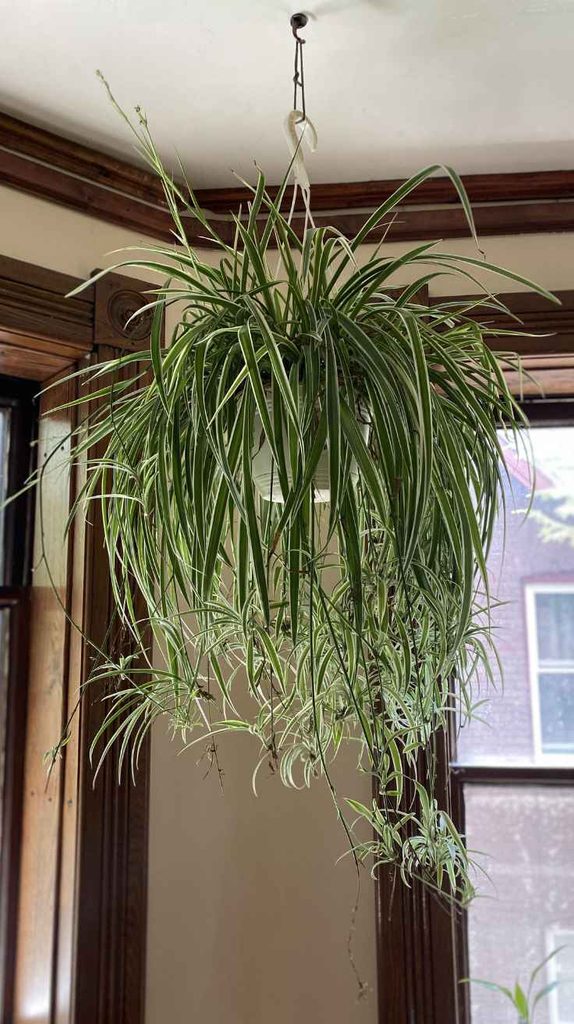
A spider plant is famous for its long leaves that arch outward and create small trailing shapes. That makes it naturally suited to crochet because yarn can easily recreate the flowing movement. A hanging basket can hold the central cluster while several long stems extend outward and downward. Small plantlets can be added along the trailing sections for extra detail.
This arrangement is perfect for vertical decorating. Instead of filling valuable tabletop space, it draws attention upward and makes a room feel taller.
A white container paired with green yarn gives the piece a fresh, clean appearance. A natural rope hanger can make it feel more rustic, while a colorful holder can suit a cheerful craft room or child’s space.
The project can also be scaled easily. A tiny version works on a shelf, while a larger one can become a dramatic hanging feature. The flowing shape is what makes this design especially appealing. It doesn’t simply sit in one place; the leaves create a sense of movement that can soften a rigid room layout.
Mixed Indoor Garden Basket
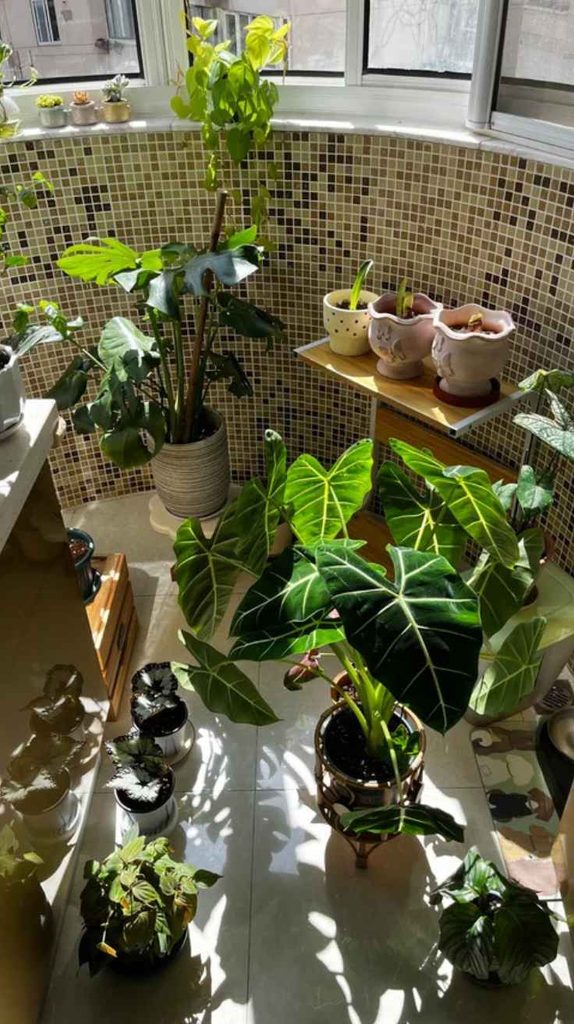
The most exciting idea may be a complete miniature garden basket combining several handmade plant styles. Rather than creating one botanical centerpiece, different shapes can work together in a single arrangement.
A basket might include a tiny succulent, a trailing vine, a small cactus, and a leafy stem. Varying heights and textures helps each piece remain visible.
The secret is balance. Tall foliage should sit toward the back, medium-sized pieces can occupy the center, and trailing designs can spill over the edges. Small decorative stones or moss-colored yarn can fill gaps around the base.
This approach works particularly well when decorating a large console, entryway table, coffee table, or open shelving unit. It can become a miniature indoor landscape that adds character without requiring any real gardening skills.
Different shades of green can make the arrangement feel richer. Adding one or two flowers introduces another layer of visual interest without overwhelming the foliage.
A mixed basket also gives complete freedom to experiment. There is no need to follow a strict botanical arrangement. The goal is to create something that feels cheerful, handmade, and connected to the personality of the room.
How to Style Handmade Greenery Around the Home
Once several pieces are finished, placement becomes just as important as the crochet work itself. A beautiful handmade plant can disappear visually if it sits in an overcrowded area.
For a living room, use larger leafy designs beside furniture or on open shelving. Small succulents work well on coffee tables and side tables. Hanging pieces can soften empty wall space.
Bedrooms benefit from smaller, calmer arrangements. A soft green plant beside a lamp, bookshelf, or dresser can add warmth without becoming visually distracting.
In the kitchen, compact designs work best. A tiny cactus or succulent can sit beside decorative jars, cookbooks, or a small tray.
Entryways are perfect for statement pieces. A tall leafy arrangement on a console can greet guests with color and texture as soon as they enter.
The important thing is to treat handmade greenery as part of the overall decor. Consider the container, surrounding colors, furniture style, and available space. When these elements work together, even simple yarn plants can look remarkably polished.
Choosing Yarn and Materials
The materials used can dramatically influence the final appearance. Cotton yarn is a popular choice because it holds its shape well and offers a clean, defined stitch pattern. Acrylic yarn can also work, especially when a softer texture or wider range of colors is desired.
Green doesn’t have to mean one single shade. Combining several tones can create more depth and prevent the foliage from looking flat.
Polyester or cotton stuffing can help leaves and stems maintain their shape. Floral wire or craft wire can provide flexibility inside stems, although it should be handled carefully and covered securely.
Containers deserve attention too. Terracotta pots, ceramic planters, wooden bowls, woven baskets, and recycled containers can all become attractive bases.
A few simple materials can therefore produce an impressive decorative result. The magic comes from how those materials are combined.
Why These Handmade Plants Are Worth Creating
The biggest advantage is simple: they stay beautiful without demanding a care routine. There’s no watering, repotting, fertilizing, pruning, or searching for the perfect amount of sunlight.
They also bring handmade texture into spaces that might otherwise rely heavily on manufactured decorations. Every stitch contributes to a piece that feels personal.
For beginners, these projects can provide an approachable introduction to crochet. Many designs rely on basic stitches, simple shapes, stuffing, and assembly rather than complicated techniques.
They can also become meaningful gifts. A small plant placed inside a pretty pot can make a thoughtful housewarming present, birthday gift, office decoration, or handmade holiday surprise.
Most importantly, these creations allow decorating to become an enjoyable activity rather than simply a shopping decision.