Flower Plants That Bring Color, Fragrance, and Life to Every Garden
Spring arrives, the sun feels warmer, and suddenly every outdoor space seems to beg for fresh blooms. A few colorful blossoms can completely transform a dull yard into a place filled with beauty, butterflies, and peaceful moments. The best part? Creating a vibrant flower garden doesn’t require years of gardening experience or expensive landscaping.
The right 12 flower plants can brighten patios, decorate balconies, attract helpful pollinators, and provide stunning blooms throughout the growing season. Some varieties flourish in full sunlight, while others happily bloom in partial shade. Some fill the air with sweet fragrance, while others steal the spotlight with bold, vibrant colors.
Choosing the perfect flowers isn’t only about appearance. Healthy flowering plants improve biodiversity, support bees and butterflies, and make every outdoor space feel more welcoming. From timeless favorites to low-maintenance bloomers, these beautiful selections offer something for every gardener.
Let’s explore twelve spectacular flowering varieties that deserve a place in any landscape.
Why Flowering Plants Belong in Every Garden
Flowering plants offer much more than beautiful petals. They create balance throughout the garden while improving the surrounding environment.
A healthy flower garden provides nectar for bees, butterflies, hummingbirds, and other pollinators that help nearby fruits and vegetables grow successfully. Bright blossoms also create natural focal points, making small gardens appear larger and more inviting.
Many flowering varieties bloom for months with proper care. Mixing annuals and perennials ensures continuous color from early spring through late fall.
Additional benefits include:
- Improved curb appeal
- Increased biodiversity
- Better pollination
- Natural stress relief
- Fresh floral arrangements
- Pleasant fragrance
- Seasonal color throughout the year
The secret lies in choosing flowers that match local growing conditions, sunlight levels, and available space.
Rose
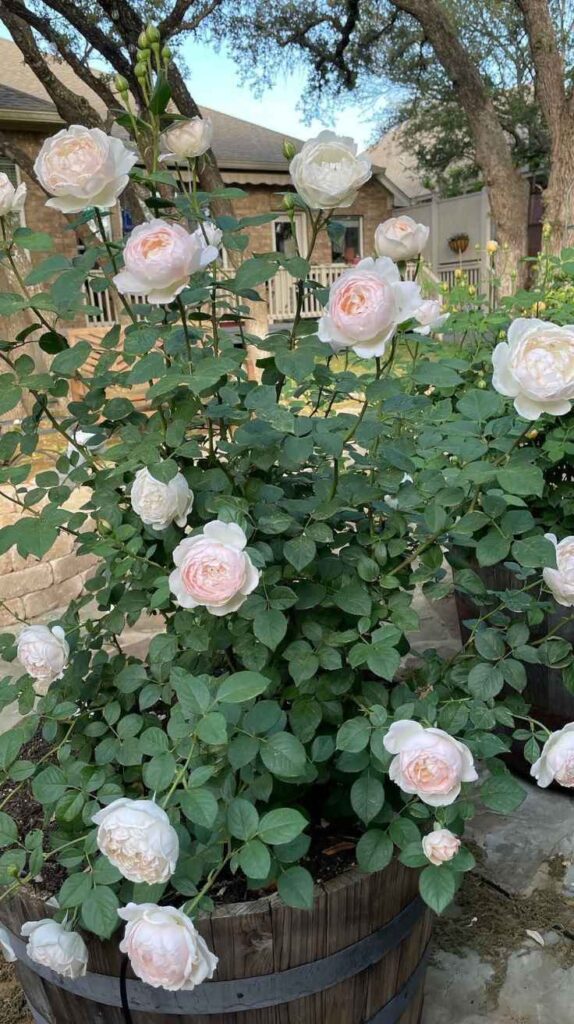
No flower symbolizes beauty quite like the rose. For centuries, gardeners have treasured roses for their elegant blooms, unforgettable fragrance, and remarkable diversity. Modern varieties come in nearly every color except true blue, making them suitable for almost every landscape style.
Roses perform best in locations that receive at least six hours of direct sunlight daily. Rich, well-draining soil helps establish strong roots, while consistent watering encourages larger blooms throughout the growing season. Regular pruning removes old wood, improves airflow, and stimulates fresh growth.
Today’s disease-resistant cultivars require far less maintenance than older varieties, making roses more beginner-friendly than ever before. Hybrid tea roses create stunning cut flowers, climbing roses decorate fences and pergolas, and shrub roses fill landscapes with long-lasting color.
Adding mulch around the base helps retain moisture, suppress weeds, and protect roots during temperature swings. Feeding with a balanced fertilizer several times during the growing season keeps flowering at its peak.
Sunflower
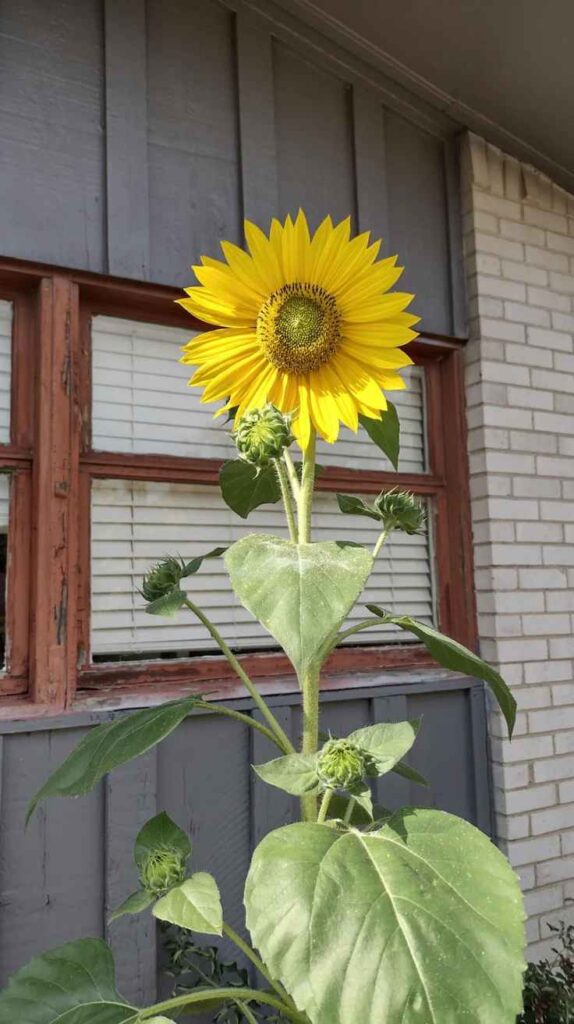
Few flowers capture happiness quite like towering sunflowers. Their enormous golden blooms naturally follow the sun across the sky during early growth, creating one of nature’s most fascinating displays.
Sunflowers thrive in full sunlight and well-drained soil. They grow surprisingly quickly, often reaching impressive heights within only a few months. Some dwarf varieties remain compact enough for containers, while giant cultivars soar above fences and garden beds.
These cheerful flowers attract bees, butterflies, and birds throughout the season. After blooming, mature seed heads become a favorite food source for finches and other backyard birds.
Sunflowers also make outstanding companions in vegetable gardens because they attract beneficial insects while adding vertical interest. Water deeply during establishment, especially during hot summer weather. Once mature, these resilient plants tolerate brief periods of drought remarkably well. Whether planted individually or in large groups, sunflowers instantly create a joyful atmosphere.
Lavender
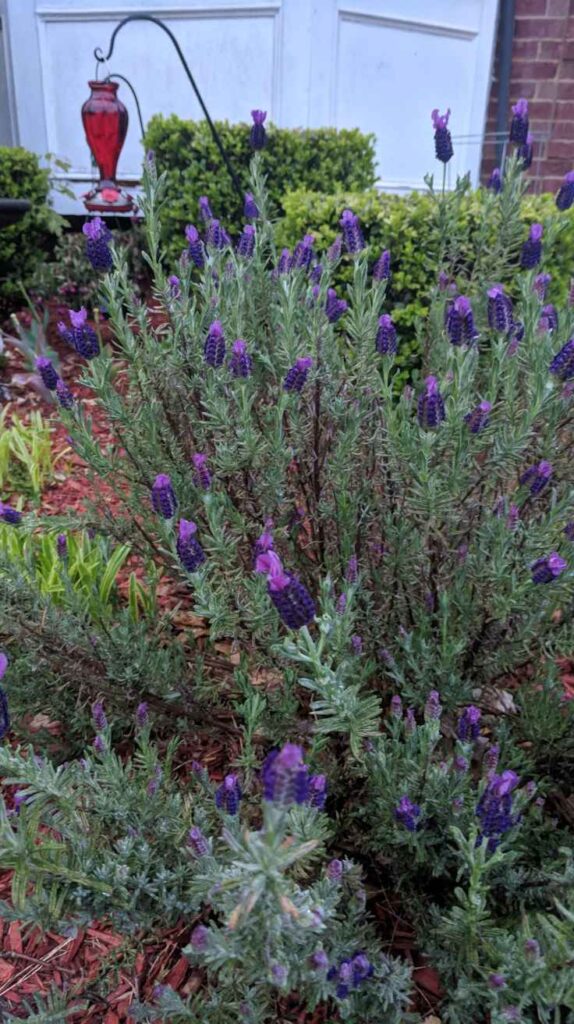
Lavender combines stunning purple blooms with one of the most recognizable fragrances in gardening. Every breeze carries its calming scent, making patios and walkways feel peaceful and relaxing.
This Mediterranean favorite prefers full sunshine and sandy, well-drained soil. Overwatering causes more problems than underwatering, making lavender an excellent choice for gardeners seeking drought-tolerant plants.
Beyond beauty, lavender offers countless practical uses. Fresh stems become elegant bouquets, dried flowers scent closets, and harvested blooms can enhance homemade crafts and sachets.
Bees absolutely adore lavender flowers, making them valuable additions to pollinator gardens. Their long flowering season provides nectar when many other plants begin slowing down. Annual pruning keeps plants compact and encourages fresh flowering stems each year. Good airflow also helps prevent fungal diseases. Lavender effortlessly blends beauty, fragrance, and resilience into one unforgettable plant.
Marigold
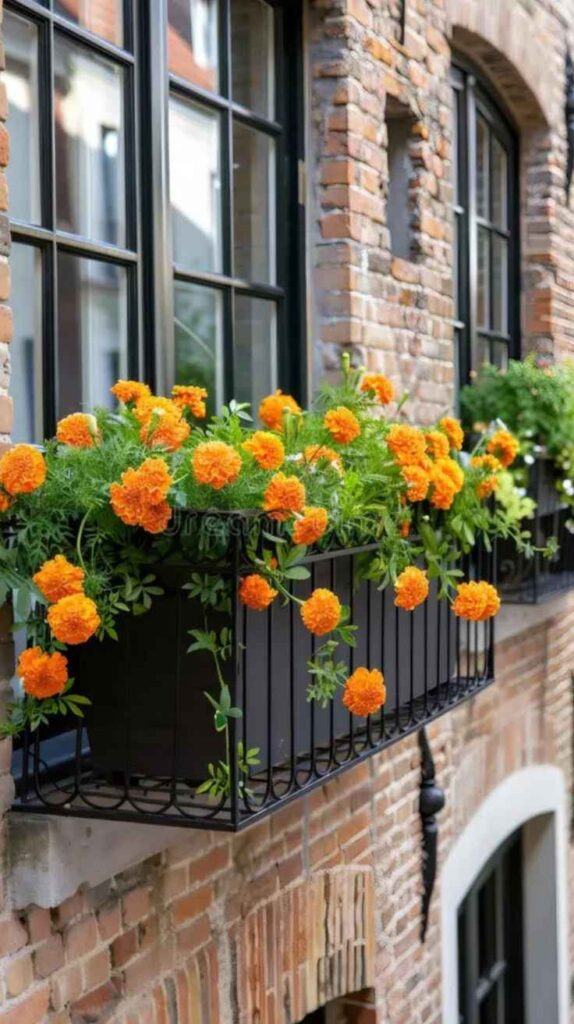
Marigolds deliver vibrant shades of yellow, orange, and gold from late spring until frost. Their nonstop blooms make gardens feel lively for months with minimal effort.
These reliable annuals grow quickly from seed and tolerate a wide range of conditions. Full sunlight encourages maximum flowering, although light afternoon shade benefits gardens in extremely hot climates.
Gardeners frequently plant marigolds alongside vegetables because their scent may discourage certain garden pests while attracting helpful pollinators. Deadheading faded blooms encourages continuous flowering throughout the season. Rich soil isn’t necessary, making marigolds excellent choices for beginners learning basic gardening skills.
Compact varieties brighten containers, while taller cultivars add striking borders around vegetable beds and pathways. Their cheerful colors instantly energize every outdoor space.
Tulip
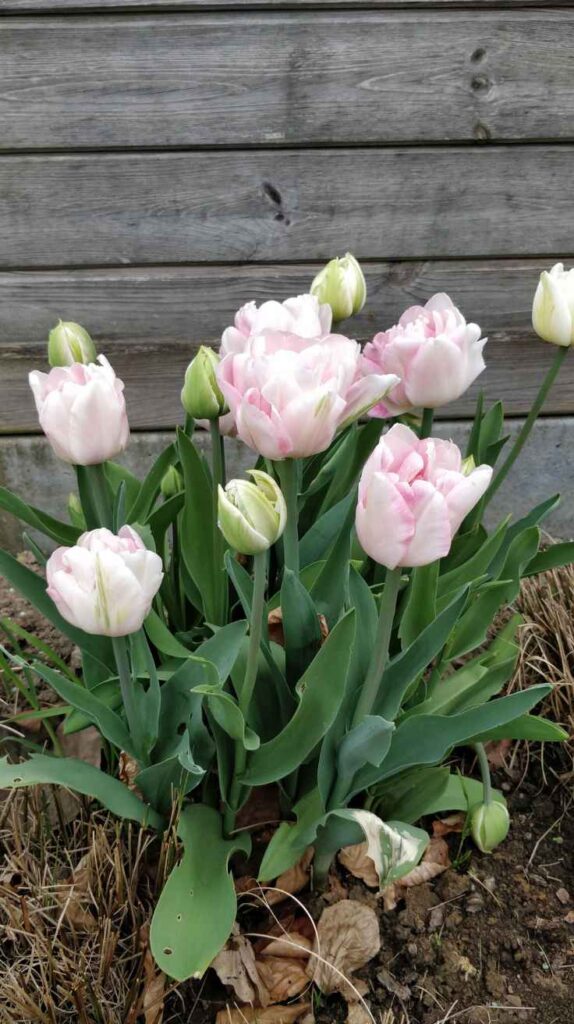
Nothing announces spring quite like tulips pushing through cool soil after a long winter. Their perfectly shaped blooms create unforgettable displays in gardens, parks, and containers.
Tulip bulbs require planting during autumn before the ground freezes. Winter chilling allows proper root development before spring flowering begins. Available in nearly every color, tulips complement almost every landscape design. Mixing early, mid-season, and late-blooming varieties extends flowering for several weeks.
Tulips appreciate well-draining soil because standing water may rot bulbs during dormancy. After blooming finishes, allowing foliage to die back naturally helps replenish energy for the following season.
Their elegant appearance makes tulips among the world’s most photographed spring flowers. A carefully planned tulip display creates breathtaking color before many summer flowers begin blooming.
Petunia
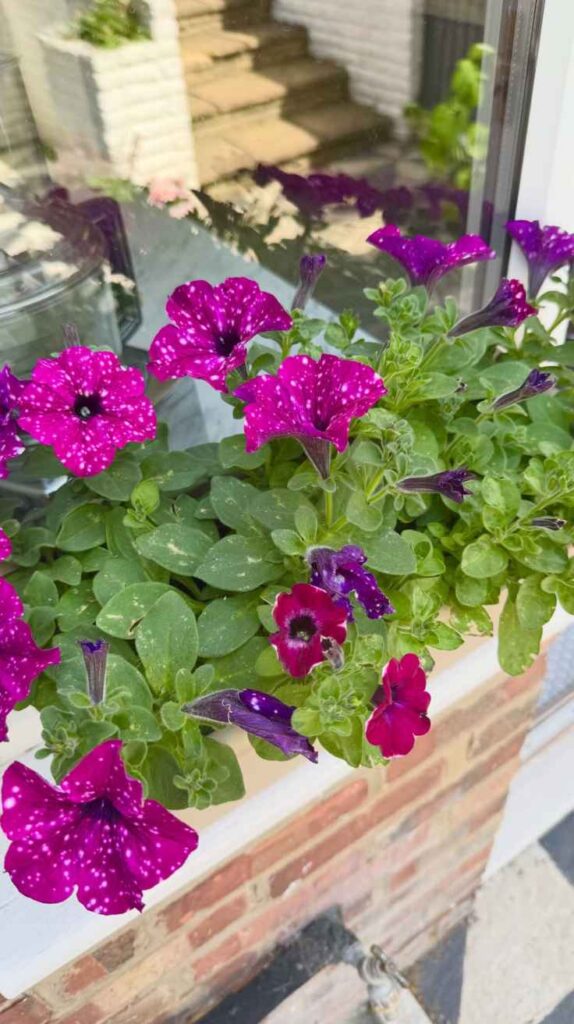
Petunias produce wave after wave of colorful blossoms from spring until frost. Their versatility makes them ideal for hanging baskets, containers, window boxes, and flower beds.
These flowers flourish in full sun with consistent watering and occasional feeding. Modern varieties tolerate heat much better than older cultivars while producing larger numbers of blooms. Available colors include white, pink, purple, red, blue, striped, and multicolored combinations.
Trailing petunias spill beautifully over container edges, while upright varieties create dense carpets of color in landscape borders. Removing faded flowers helps redirect energy toward producing fresh blooms instead of seeds. Petunias deliver months of reliable color with surprisingly little maintenance.
Hibiscus
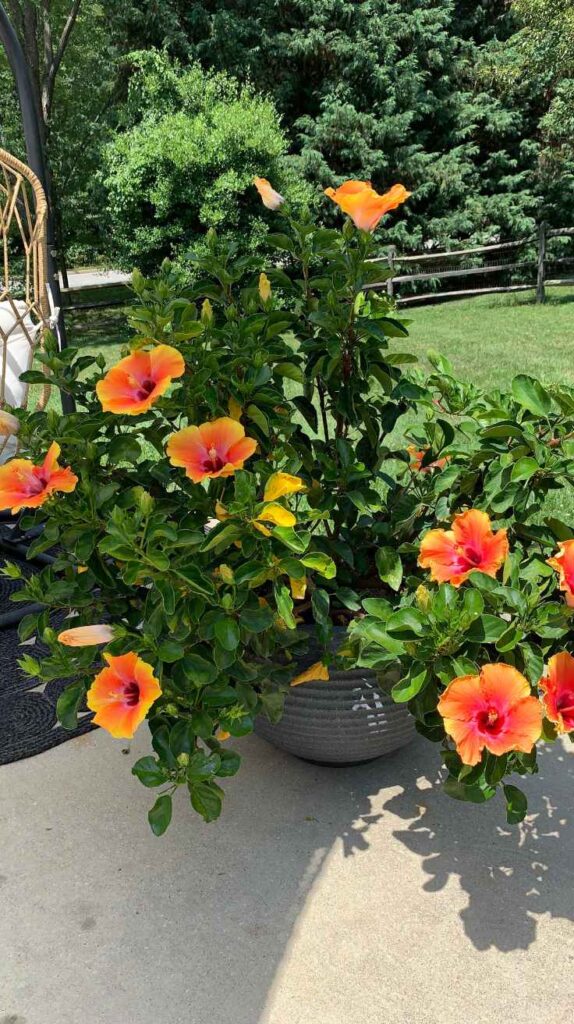
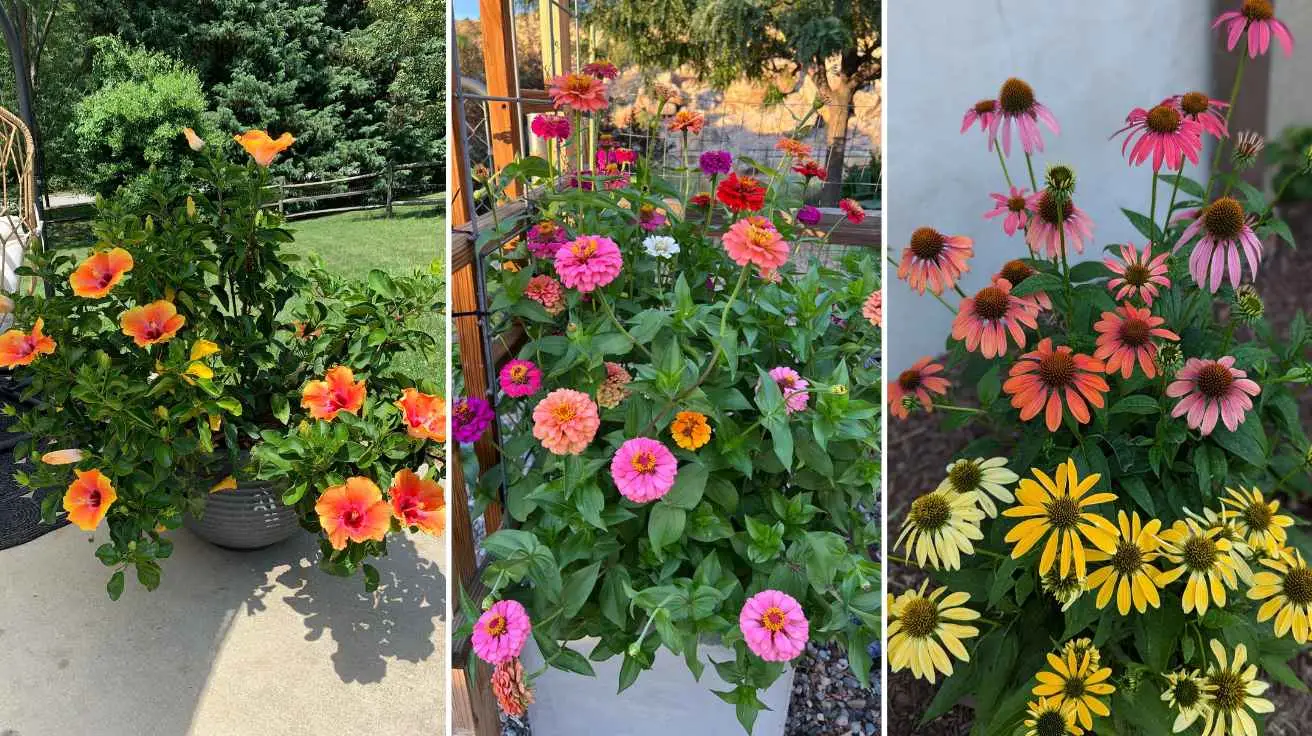
Large tropical-looking blossoms make hibiscus impossible to overlook. Their dramatic flowers create a resort-like atmosphere even in ordinary backyards.
Depending on the variety, hibiscus grows as annuals, perennials, or shrubs. Tropical types thrive in warm climates, while hardy hibiscus survives much colder winters.
These plants appreciate rich soil, regular watering, and abundant sunshine. Large flowers appear continuously throughout summer, attracting hummingbirds and butterflies from surprising distances.
Pruning encourages bushier growth and more flowering stems. The oversized blooms create stunning focal points beside patios, pools, and entryways. For gardeners seeking dramatic impact, hibiscus rarely disappoints.
Daisy
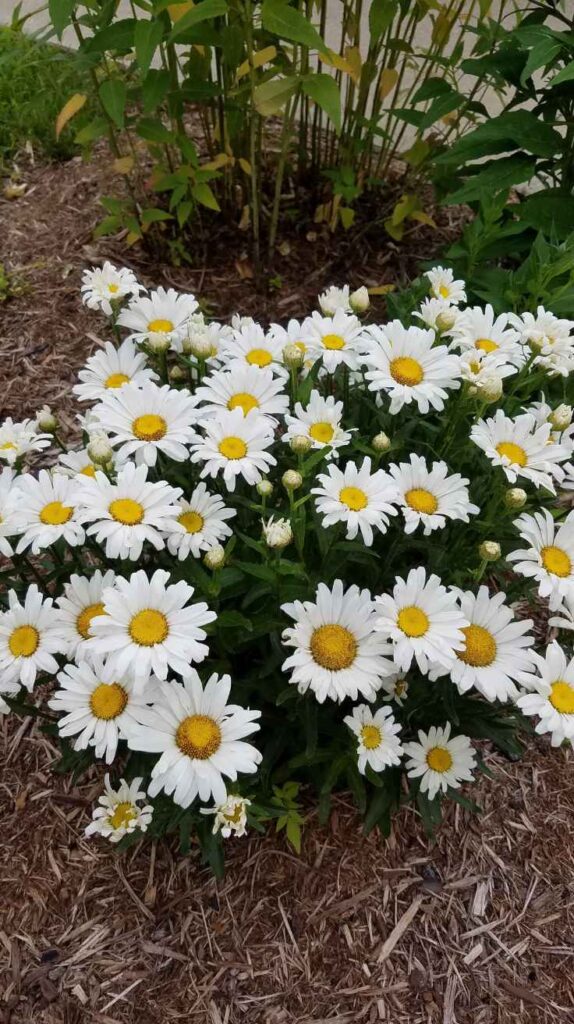
Simple yet timeless, daisies symbolize happiness, innocence, and fresh beginnings. Their bright white petals surrounding sunny yellow centers brighten landscapes with effortless charm. Daisies adapt well to various garden conditions but perform best in full sun with moderately fertile soil.
These dependable perennials spread gradually, filling empty spaces with cheerful blooms year after year.
Butterflies frequently visit daisy flowers throughout the growing season, adding even more movement and beauty. Deadheading spent blossoms encourages additional flowering while keeping plants neat and attractive.
Daisies pair beautifully with lavender, salvia, echinacea, and ornamental grasses for classic cottage-style gardens. Their simplicity often becomes their greatest strength.
Zinnia
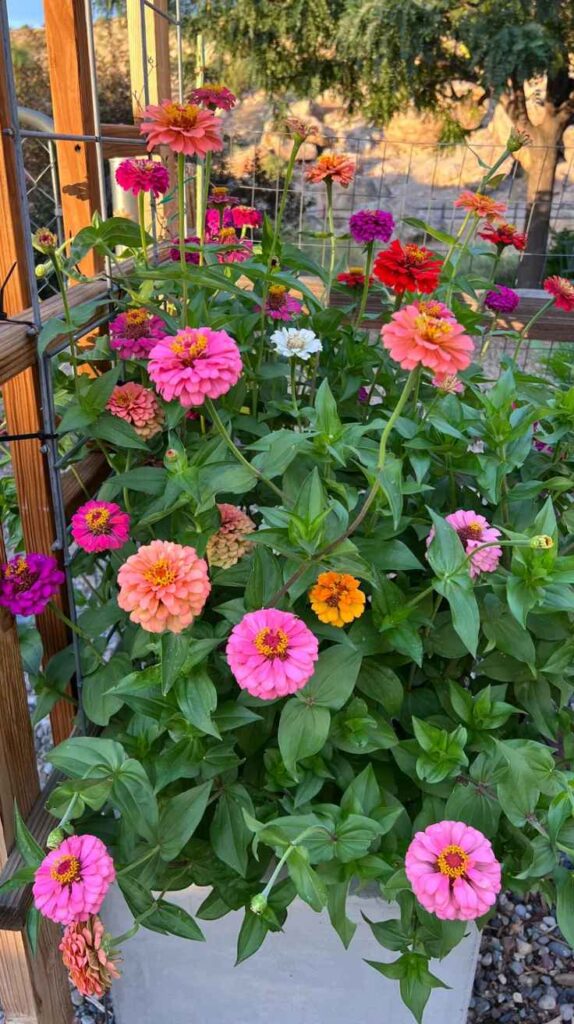
Zinnias reward gardeners with spectacular color while asking for very little in return. Their brilliant blooms appear in nearly every shade except true blue.
These heat-loving annuals thrive during the hottest months when many flowers begin fading. Full sunshine and good airflow help reduce disease while encouraging nonstop flowering.
Zinnias attract butterflies in remarkable numbers, making them favorites for wildlife gardens. Cut flowers last exceptionally long indoors, allowing fresh bouquets throughout summer. Planting new seeds every few weeks creates continuous flowering until autumn frost arrives. For bold color and effortless success, zinnias remain difficult to beat.
Hydrangea
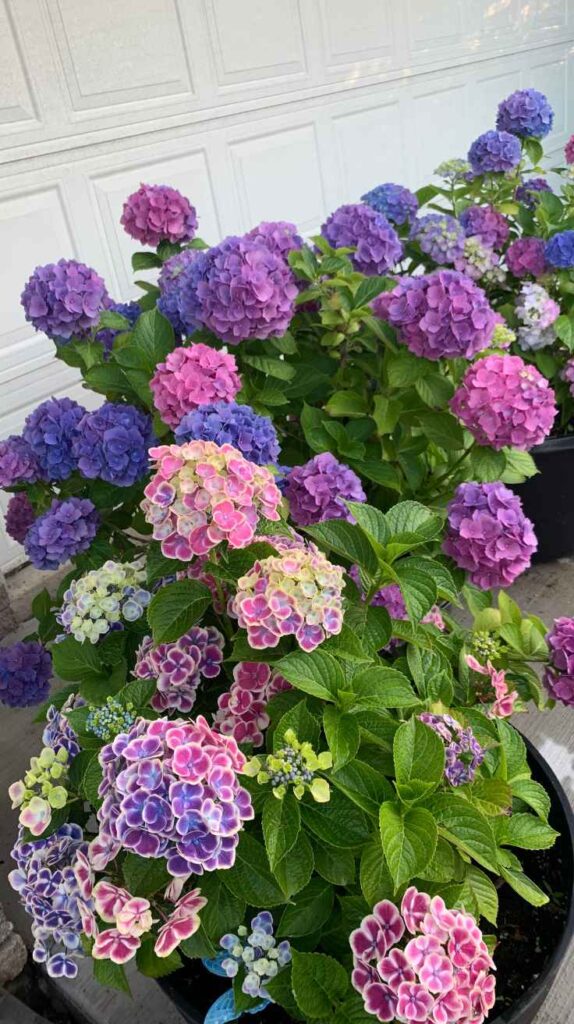
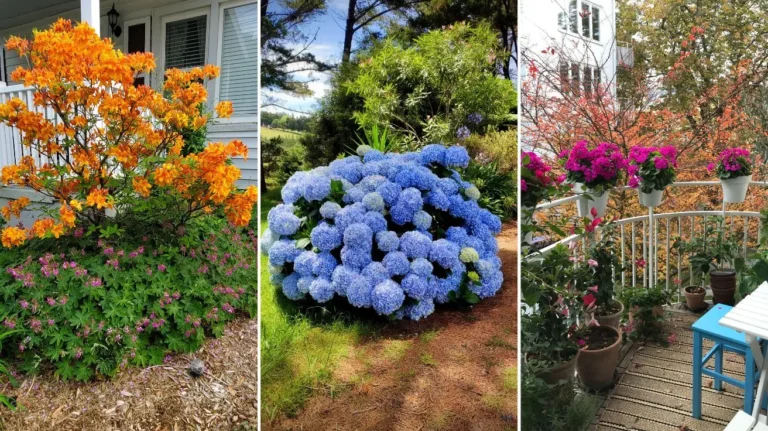
Hydrangeas create enormous flower clusters that instantly transform landscapes into elegant showpieces. Depending on soil pH, some varieties naturally produce blue, pink, or purple blooms, adding an exciting scientific twist to gardening.
These shrubs appreciate morning sunlight followed by afternoon shade in warmer climates. Moist but well-drained soil supports healthy root development. Flower heads remain attractive for months before drying naturally into beautiful autumn decorations.
Regular watering during hot weather prevents wilting while encouraging larger blossoms. Hydrangeas become increasingly spectacular each year as shrubs mature. Their impressive blooms often become the highlight of summer gardens.
Geranium
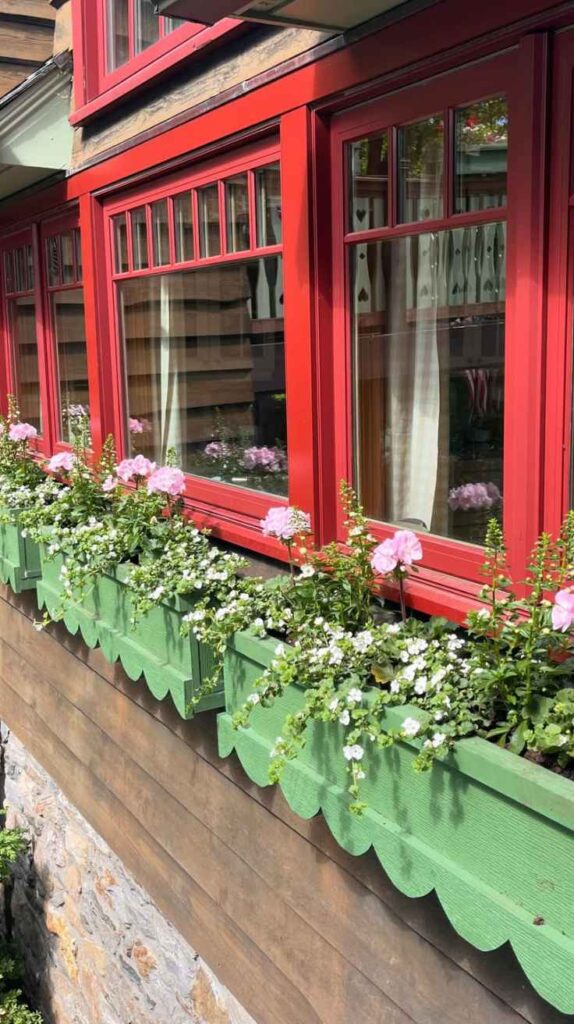
Geraniums have decorated porches, balconies, and window boxes for generations because of their incredible reliability. Clusters of colorful flowers bloom repeatedly throughout the growing season while attractive foliage provides additional interest.
These versatile plants enjoy sunny locations with moderate watering. Allowing soil to dry slightly between waterings helps prevent root problems.
Removing faded flower stems encourages continuous blooming while maintaining tidy growth. Geraniums tolerate container life exceptionally well, making them perfect for apartments, patios, and small gardens. Available in vibrant shades of red, pink, coral, white, and purple, they easily complement any outdoor design. Their dependable performance explains why they remain gardening favorites worldwide.
Coneflower
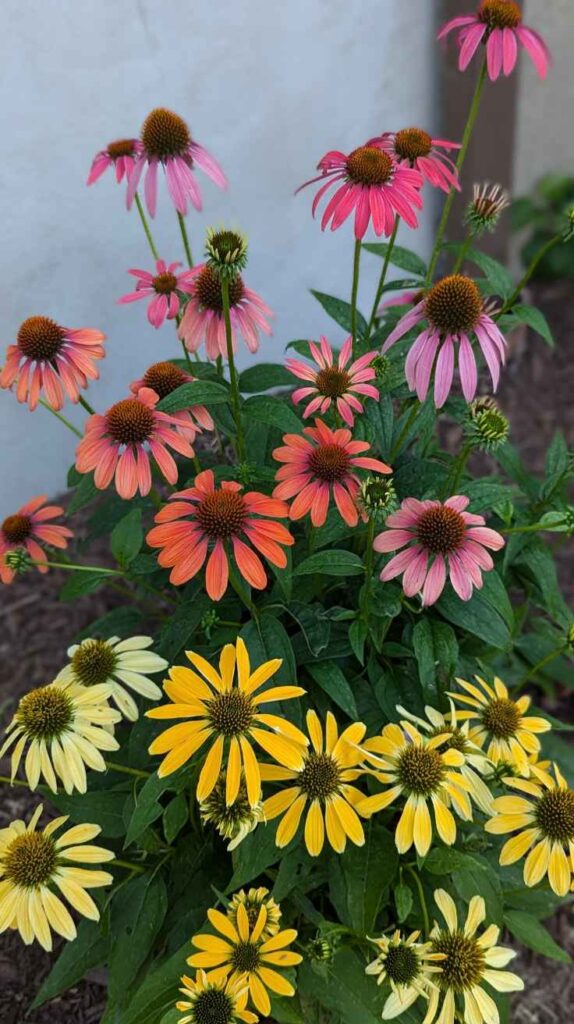
Coneflowers combine rugged durability with striking beauty. Their raised central cones surrounded by colorful petals attract countless bees, butterflies, and beneficial insects. Native to North America, these hardy perennials tolerate heat, drought, poor soil, and changing weather far better than many ornamental flowers.
Purple remains the classic color, although modern cultivars include orange, yellow, red, white, and green varieties. Coneflowers bloom for months while requiring minimal maintenance after establishment.
Leaving dried seed heads through fall provides valuable food for goldfinches and other songbirds. Their resilience makes them outstanding choices for sustainable landscapes and pollinator gardens. Even beginners enjoy success growing these dependable flowers.
Simple Care Tips for Healthy Blooms
Growing healthy flowers becomes much easier by following several basic gardening practices.
- Choose planting locations according to each flower’s sunlight needs rather than forcing every variety into the same conditions. Water deeply instead of lightly sprinkling the soil every day, encouraging stronger root systems.
- Apply organic mulch to conserve moisture, regulate soil temperature, and reduce weed growth. Feed flowering plants with balanced fertilizer during active growth, but avoid excessive nitrogen because it encourages leaves instead of blossoms.
- Inspect plants regularly for insects or disease so small problems never become major ones.
- Deadheading faded flowers extends blooming for many annuals and perennials while keeping gardens looking fresh.
- Healthy soil remains the foundation of every successful flower garden.
Choosing the Right Flowers for Every Space
- Every garden has unique growing conditions, making thoughtful plant selection essential.
- Sunny locations work beautifully for lavender, sunflowers, marigolds, zinnias, roses, and coneflowers.
- Partially shaded areas better support hydrangeas and certain hibiscus varieties.
- Small balconies benefit from compact petunias and geraniums growing in containers, while larger landscapes accommodate dramatic shrubs and towering sunflowers.
- Mixing different bloom times creates continuous seasonal interest. Early spring bulbs transition into summer annuals, followed by hardy perennials that continue flowering into fall.
- A balanced combination of heights, colors, textures, and fragrances creates gardens that remain attractive throughout the year.