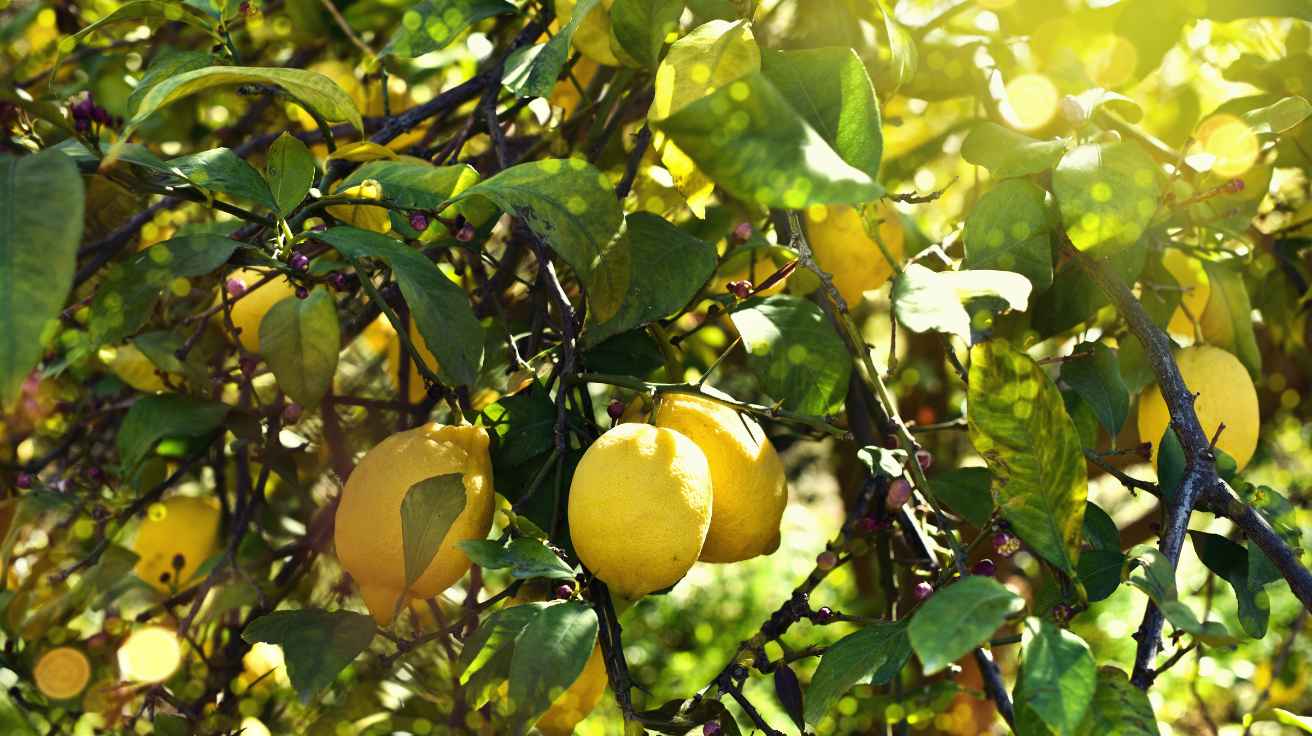
Gardening Lemon Easy Steps to Grow Your Own Citrus Tree
Imagine stepping onto your patio to pick fresh, fragrant fruit right from your own plant. Many people believe that cultivating exotic plants is difficult, but the reality is quite different. Engaging in gardening lemon varieties at home is a rewarding hobby that is surprisingly accessible for beginners.
You do not need a massive backyard to enjoy a harvest. With the right approach, you can successfully grow citrus tree specimens in containers on a sunny balcony or inside a bright sunroom. Success relies on providing adequate light and maintaining a consistent care routine throughout the seasons.
By following these simple steps, you can transform your living space into a productive grove. Starting with a solid foundation ensures your plant will thrive for years. Let’s explore how you can begin this exciting journey today.
Selecting the Right Lemon Variety for Your Climate
Your journey toward a successful harvest begins by selecting the right variety for your home. Because citrus trees have specific temperature needs, matching your choice to your local weather is essential. This careful planning ensures your tree stays healthy and productive throughout the year.
When you have limited space, container gardening becomes the most practical approach for citrus lovers. By choosing the right pot-friendly variety, you can enjoy fresh fruit even on a small balcony or patio. Proper selection prevents overcrowding and helps your tree thrive in a confined environment.
Popular Varieties for Container Gardening
The Improved Meyer lemon is widely considered the gold standard for home growers. These dwarf lemon trees are prized for their compact growth habit and ability to produce sweet, juicy fruit in smaller pots. They adapt well to various conditions, making them a favorite for beginners.
Other excellent options include the Ponderosa or the variegated Pink Lemonade tree. These varieties offer unique aesthetics while maintaining a manageable size for your patio. Always check your local nursery for varieties specifically grafted for regional hardiness.
| Variety | Growth Habit | Fruit Type |
|---|---|---|
| Improved Meyer | Compact/Dwarf | Sweet/Thin-skinned |
| Pink Lemonade | Moderate | Variegated/Tart |
| Ponderosa | Small/Bushy | Large/Thick-skinned |
Choosing Between Dwarf and Standard Rootstocks
Understanding rootstocks is the secret to predicting how large your tree will eventually grow. A dwarf rootstock restricts the tree’s height, keeping it perfect for pots and small spaces. This allows you to focus on fruit production rather than managing an oversized canopy.
Standard rootstocks produce much larger, more vigorous trees that often require significant ground space. While these are great for orchards, they can quickly become difficult to maintain in a container. Always verify the rootstock type before purchasing to ensure it fits your long-term gardening goals.
Essential Tools and Supplies for Gardening Lemon Trees
Success with your citrus tree begins long before you plant it, starting with the right gear. When you commit to gardening lemon trees, you create a controlled environment where your plant can thrive. Having the correct supplies on hand ensures that your tree stays healthy and productive throughout the year.
Selecting the Ideal Potting Mix
The foundation of a healthy tree is the soil it calls home. You should always use a high-quality citrus potting mix designed specifically for container plants. This type of blend provides the aeration and drainage that citrus roots crave to prevent rot.
Standard garden soil is often too heavy and can compact inside a pot, suffocating the roots. A specialized citrus potting mix typically contains perlite or bark, which helps maintain the perfect balance of moisture and air. Investing in the right medium is a simple step that pays off with vibrant, green leaves.
Choosing the Right Container Size and Drainage
Selecting the correct container is just as vital as the soil you choose. Your pot must have ample drainage holes at the bottom to allow excess water to escape freely. If water sits at the bottom of the pot, it can lead to root decay and stunted growth.
Avoid choosing a container that is far too large for your young tree. A pot that is too big holds too much moisture, which can easily lead to waterlogged soil. Start with a size that allows for a few inches of growth, and repot as the tree matures.
| Material | Pros | Cons |
|---|---|---|
| Terra Cotta | Breathable and heavy | Dries out quickly |
| Plastic | Lightweight and cheap | Can crack over time |
| Glazed Ceramic | Retains moisture well | Heavy and expensive |
Preparing the Perfect Planting Site
Establishing a perfect home for your tree ensures it thrives throughout the seasons. Choosing the right location is a fundamental aspect of lemon tree care that prevents unnecessary stress and encourages vigorous growth. By carefully evaluating your space, you provide the stability your tree needs to flourish.
Optimizing Sunlight Exposure for Citrus
Citrus trees are sun-loving plants that require at least six to eight hours of direct sunlight daily to produce fruit effectively. If you are growing indoor citrus plants, placing them near a south-facing window is often the best strategy to capture maximum light. During shorter winter days, you may need to supplement natural light with high-quality LED grow lights to maintain consistent energy levels.
Positioning your tree correctly helps it avoid deep shade, which can lead to leggy growth and poor fruit set. Rotate your container every few weeks to ensure all sides of the canopy receive equal light exposure. This simple habit promotes a balanced shape and prevents the tree from leaning toward the light source.
Temperature Requirements and Protection Strategies
Most citrus varieties prefer stable temperatures between 60°F and 85°F for optimal development. Sudden fluctuations or exposure to harsh, drying winds can cause leaf drop and damage delicate blossoms. When managing indoor citrus plants, keep your tree away from heating vents, radiators, or drafty doorways that create extreme temperature swings.
For outdoor trees, site preparation involves finding a sheltered spot that acts as a windbreak. If you live in a region with unpredictable weather, consider using a mobile container so you can easily move your tree to a protected area. Consistent lemon tree care requires vigilance, especially when seasonal shifts threaten the comfort of your plant.
| Environment | Light Requirement | Ideal Temperature | Protection Needed |
|---|---|---|---|
| Outdoor Garden | 8+ Hours Direct Sun | 60°F – 85°F | Windbreak/Frost Cover |
| Sunroom/Greenhouse | 6-8 Hours Direct Sun | 65°F – 80°F | Ventilation/Shade Cloth |
| Indoor Living Area | 6+ Hours (Sun + Grow Light) | 60°F – 75°F | Away from HVAC Vents |
Planting Your Lemon Tree Step by Step
Getting your lemon tree into its new home requires a few careful steps to ensure long-term health. When you take the time to plant correctly, you provide the best environment to grow citrus tree specimens that thrive for years. Proper placement helps the roots establish quickly in their new container.
Preparing the Root Ball for Transplantation
Before placing the tree in its new pot, you must inspect the root system. If the roots appear tight or are circling the bottom of the nursery container, gently tease them outward with your fingers. This simple action encourages the roots to grow into the fresh soil rather than continuing to spiral.
If the roots are extremely dense, you can make shallow vertical cuts along the sides of the root ball. This process stimulates new, healthy root growth. Taking these steps is essential when you want to grow citrus tree varieties that remain vigorous and productive.
Setting the Correct Planting Depth
The most critical rule in planting is to avoid burying the graft union. The graft union is the bump on the lower trunk where the citrus variety was joined to the rootstock. If this area stays buried in moist soil, it often leads to trunk rot and other serious diseases.
Ensure the top of the root ball sits level with or slightly above the soil surface. Proper depth allows the trunk to stay dry and healthy. Following these guidelines will help you grow citrus tree plants that are stable and ready to flourish.
| Planting Step | Action Required | Why It Matters |
|---|---|---|
| Root Inspection | Loosen circling roots | Prevents root strangulation |
| Depth Check | Keep graft union visible | Avoids trunk rot |
| Soil Firming | Lightly press around base | Ensures stability |
| Initial Watering | Water thoroughly | Settles soil pockets |
Watering Techniques for Healthy Citrus Growth
Proper hydration is the cornerstone of successful lemon tree care. Citrus plants thrive when they receive consistent moisture, yet they are notoriously sensitive to both drought and waterlogged soil. Finding the right balance ensures your tree remains vibrant and productive throughout the year.
Identifying Signs of Overwatering and Underwatering
The most reliable way to check your tree’s needs is the finger test. Simply insert your finger into the top two inches of the potting mix; if it feels dry, it is time to water. This simple habit is a vital part of effective lemon tree care.
Watch your tree closely for physical cues of stress. If leaves begin to curl or turn yellow, your irrigation schedule likely needs an adjustment. Overwatered trees often show yellowing leaves and may suffer from root rot, while underwatered trees exhibit dry, brittle foliage that drops prematurely.
Adjusting Irrigation Based on Seasonal Changes
Your tree’s water requirements will shift significantly as the seasons change. During the warm, active growing months of spring and summer, your citrus will need frequent, deep watering to support new fruit and foliage. Always ensure your container has excellent drainage to prevent excess water from pooling at the base.
As temperatures drop and the tree enters a dormant phase during winter, you must reduce your watering frequency. Cold, damp soil can be fatal to citrus roots during the winter months. By monitoring the soil moisture levels regularly, you can provide the best lemon tree care regardless of the time of year.
Fertilization Schedules for Maximum Fruit Production
Consistent nutrition is the foundation of a healthy, fruit-bearing lemon tree. When you focus on fertilizing lemon trees, you provide the essential building blocks required for lush green foliage and a heavy crop of citrus. Without a steady supply of nutrients, your tree may struggle to produce the energy needed for fruit development.

Understanding NPK Ratios for Citrus
Commercial fertilizers display three numbers on their labels, representing the NPK ratio: Nitrogen, Phosphorus, and Potassium. Nitrogen promotes leafy growth, phosphorus supports root and flower development, and potassium improves overall plant health and fruit quality. Citrus trees have specific needs that differ from standard garden plants.
Choosing a citrus-specific formula is often the best strategy for home growers. These blends are carefully balanced to provide the right proportions of these primary nutrients. By using a specialized product, you avoid the guesswork associated with mixing general-purpose fertilizers.
Applying Micronutrients and Organic Amendments
Beyond the primary NPK elements, your tree requires essential micronutrients like iron, magnesium, and zinc. A deficiency in these minerals often shows up as yellowing leaves, even when the plant receives enough water. Incorporating organic amendments like compost or seaweed extract can help bridge these nutritional gaps.
A consistent feeding schedule ensures your tree remains productive throughout the active growing season. Use the following guide to manage your application timing effectively.
| Season | Fertilizer Type | Application Frequency |
|---|---|---|
| Spring | High Nitrogen Blend | Every 4-6 weeks |
| Summer | Balanced Citrus Mix | Every 6 weeks |
| Fall | Low Nitrogen/Potassium | Once at start |
Always water your tree thoroughly before and after applying granular fertilizers to prevent root burn. Proper fertilizing lemon trees practices will keep your citrus healthy and productive for many years to come.
Pruning and Shaping Your Lemon Tree
A healthy lemon tree is often the result of careful and intentional shaping. Regular citrus tree pruning is a vital practice that maintains the structural integrity of your plant while boosting overall vitality. By dedicating time to this task, you ensure your tree remains both aesthetically pleasing and highly productive throughout the growing season.
Removing Suckers and Dead Wood
The first step in your maintenance routine involves identifying and removing unwanted growth. Suckers are vigorous shoots that emerge from the base of the trunk or below the graft union. These shoots drain essential energy from the main tree and should be snipped off as soon as they appear.
You should also inspect the canopy for any dead, damaged, or diseased wood. Using sharp, sterilized shears, cut these branches back to the main stem or a healthy junction. This simple act of citrus tree pruning prevents the spread of decay and keeps your tree focused on fruit production.
Encouraging Airflow and Light Penetration
Thinning out dense foliage is essential for the long-term health of your citrus. When branches grow too close together, they create a humid environment that invites fungal infections and pests. By selectively removing crossing or inward-growing branches, you improve airflow and allow sunlight to reach the inner parts of the canopy.
This process of opening up the center of the tree ensures that every leaf receives adequate light for photosynthesis. Proper citrus tree pruning not only makes the tree look better but also creates a robust structure capable of supporting heavy fruit loads. Use the following guide to help plan your maintenance tasks effectively.
| Pruning Goal | Best Time to Perform | Expected Benefit |
|---|---|---|
| Removing Suckers | Early Spring | Redirects energy to fruit |
| Thinning Canopy | Late Winter | Reduces fungal risk |
| Dead Wood Removal | Anytime | Improves overall hygiene |
| Structural Shaping | Early Spring | Enhances tree aesthetics |
Managing Common Pests and Diseases
Vigilance is your best tool when it comes to maintaining a vibrant and productive lemon tree. Consistent monitoring allows you to catch minor issues before they escalate into significant threats. Effective pest control for citrus relies on your ability to spot early warning signs during your weekly garden rounds.
Identifying Aphids and Scale Insects
Aphids are tiny, soft-bodied insects that often cluster on the tender new growth of your tree. You might notice curled or yellowing leaves, which are classic signs of their feeding activity. Check the undersides of leaves and the soft stems frequently to catch these pests early.
Scale insects are slightly harder to spot because they look like small, stationary bumps on the branches or leaves. They often appear as brown or tan scales that protect the insect underneath. If you see sticky residue on your leaves, known as honeydew, it is a strong indicator that scale or aphids are present.
Natural Remedies for Fungal Issues
Once you identify an infestation, you can use gentle, organic methods to restore your tree’s health. Insecticidal soaps are excellent for washing away aphids without harming the plant. These soaps work by breaking down the outer layer of the pest, providing a safe form of pest control for citrus.
Neem oil is another powerful tool that serves as both an insecticide and a fungicide. It is highly effective at managing fungal issues like sooty mold, which often grows on the sticky honeydew left behind by insects. Simply spray the affected areas during the cooler parts of the day to avoid leaf burn.
Maintaining proper airflow around your tree is the best way to prevent fungal growth from starting in the first place. By keeping the canopy thinned and clean, you create an environment where pests struggle to survive. Consistent care ensures your tree remains a healthy, productive part of your home garden.
Pollination and Fruit Development
Even self-pollinating trees can benefit from a little extra attention when grown in controlled indoor environments. While your citrus plant is designed to produce fruit on its own, the lack of natural breezes and insects inside your home can sometimes hinder the process. Mastering proper lemon tree pollination techniques ensures that your blossoms successfully transition into healthy, developing fruit.

Assisting Pollination for Indoor Trees
When your tree begins to bloom, you can act as a substitute for bees and wind. Take a small, soft-bristled paintbrush and gently swirl it inside the center of each open flower. This simple action helps transfer pollen from the male parts of the blossom to the female stigma.
By moving from flower to flower with your brush, you mimic the natural movement of pollinators. This consistent effort significantly increases the chances of fruit set. It is a quick, easy task that makes a world of difference for your indoor harvest.
Managing Fruit Drop and Thinning
It is quite common for a healthy tree to shed some of its tiny, developing lemons. This natural phenomenon, known as fruit drop, is the tree’s way of balancing its energy resources. If the plant feels it cannot support the current load, it will discard the excess to protect the remaining fruit.
You can assist this process by manually thinning out crowded clusters once the lemons reach the size of a marble. Removing smaller or damaged fruit allows the tree to focus its nutrients on the strongest specimens. This practice ensures that your remaining lemons grow to their full potential and reach a desirable size.
Winter Care and Indoor Transitioning
When temperatures begin to drop, your approach to plant care must shift significantly. Proper winter citrus care is essential for trees grown in regions with freezing temperatures, as they must be moved indoors before the first frost. Sudden environmental changes often cause stress, which can lead to unwanted leaf drop.
Moving Trees Indoors Before the First Frost
To help your tree adjust, start the transition process gradually by bringing it inside for a few hours each day. This slow acclimation helps the plant adapt to lower light levels and different airflow patterns. By the time the first frost arrives, your tree will be better prepared for its new indoor environment.
Always inspect your tree for pests before bringing it inside to avoid introducing unwanted guests to your home. Once indoors, place your tree in the sunniest spot available, such as a south-facing window. This extra light is crucial for maintaining the health of indoor citrus plants during the darker months.
Maintaining Humidity Levels During Winter Months
Indoor heating systems often create dry air that can dehydrate your trees quickly. Maintaining adequate humidity levels is a major challenge during the winter, but it is vital for preventing brown leaf tips. You can easily increase moisture by placing your pot on a tray filled with pebbles and a small amount of water.
Ensure the bottom of the pot sits above the water line to prevent root rot. Alternatively, using a small humidifier near your indoor citrus plants can provide a consistent, moist environment. These simple adjustments will help your tree thrive until it can safely return outdoors in the spring.
Troubleshooting Yellowing Leaves and Growth Stunting
Yellowing leaves on a lemon tree often serve as a silent cry for help from your plant. While it can be alarming to see your vibrant green foliage turn pale, this change is usually a specific signal that your tree needs attention. By observing the pattern of discoloration, you can quickly identify the underlying stressor and restore your tree to health.
Diagnosing Nutrient Deficiencies
Nutrient deficiencies are a common culprit when you notice yellowing leaves on a lemon tree. If the older leaves turn yellow while the veins remain green, your tree likely lacks nitrogen. Conversely, if the entire leaf turns yellow, it may be suffering from a magnesium or iron deficiency.
Stunted growth often accompanies these nutrient gaps, as the tree lacks the fuel to produce new foliage. You should inspect the leaves closely to determine if the yellowing is uniform or patchy. Providing a balanced citrus fertilizer can often resolve these issues if the soil is otherwise healthy.
Correcting Soil pH Imbalances
Even with plenty of fertilizer, your tree might struggle if the soil pH for citrus is not within the ideal range. Citrus trees prefer slightly acidic soil, typically between 6.0 and 7.0. If the pH is too high or too low, the roots cannot absorb essential nutrients, leading to the symptoms you see on the leaves.
You can easily test your soil using a simple home kit from a garden center. If the soil pH for citrus is too alkaline, you can add elemental sulfur to lower it. If it is too acidic, adding garden lime will help raise the levels to a more suitable range for your tree.
| Symptom | Likely Cause | Recommended Action |
|---|---|---|
| Yellowing older leaves | Nitrogen deficiency | Apply nitrogen-rich fertilizer |
| Yellowing between veins | Magnesium deficiency | Use Epsom salt solution |
| Pale new growth | Iron deficiency | Apply chelated iron spray |
| General stunted growth | Incorrect soil pH | Test and adjust soil pH |
Enjoying the Rewards of Your Homegrown Harvest
Plucking ripe fruit from your own tree brings a unique sense of satisfaction to any gardener. You can identify the perfect moment to pick your homegrown lemons by checking for a vibrant yellow color and a slightly soft skin texture. These signs indicate that the fruit has reached its peak flavor profile.
Fresh citrus adds a bright, zesty punch to your favorite recipes. You might use your homegrown lemons to elevate a simple salad dressing or bake a classic tart. Many gardeners enjoy muddling the fruit into refreshing drinks on a warm afternoon. The quality of produce grown in your own backyard often surpasses what you find at the local grocery store.
You have gained the skills needed to nurture a productive plant from a small sapling. Your dedication to proper care ensures a steady supply of citrus for years to come. Share your bounty with friends or keep the harvest for your own kitchen experiments. Growing your own food creates a deeper connection to the natural world right outside your door.
FAQ
What is the best lemon variety for someone with limited space or a small patio?
For container gardening, the Improved Meyer lemon is widely considered the best choice. This variety is naturally productive and well-suited for pots, especially when grown on dwarf rootstocks, which keep the tree at a manageable size while still providing a high yield of sweet, thin-skinned fruit.
How much sunlight does a lemon tree need to produce fruit?
Citrus trees are sun-loving plants that require at least six to eight hours of direct sunlight every day. If you are growing your tree indoors, it is best to place it near a south-facing window or use supplemental grow lights to ensure it receives enough energy for vigorous growth and fruit development.
What kind of potting mix should I use for my citrus tree?
It is essential to use a well-draining citrus-specific potting mix. This type of soil is designed to prevent root rot by allowing excess water to escape quickly. Pair this with a container that has ample drainage holes to create the ideal environment for healthy root development.
How can I tell if I am watering my lemon tree correctly?
The best way to check moisture levels is to insert your finger about two inches into the soil; if it feels dry, it is time to water. Watch for signs of stress like leaf curling or yellowing, and remember to reduce your irrigation schedule during the dormant winter months when the tree requires less hydration.
Why is the planting depth so important when transplanting?
When planting your tree, you must ensure the graft union—the point where the fruiting variety meets the rootstock—remains above the soil line. Burying the graft union can lead to trunk rot and other serious health issues that can stunt your tree’s growth.
What should I look for in a fertilizer for my lemon tree?
Look for a fertilizer with a balanced NPK ratio (nitrogen, phosphorus, and potassium) specifically formulated for citrus. It is also important to ensure the formula includes vital micronutrients like iron and magnesium to prevent common deficiencies and keep the foliage lush and green.
How does pruning help my citrus tree stay healthy?
Regular pruning allows you to remove suckers that drain energy from the main tree and clear out dead wood. By thinning out dense branches, you improve airflow and light penetration throughout the canopy, which significantly reduces the risk of fungal infections and encourages more fruit.
What are some natural ways to manage pests like aphids and scale?
Vigilance is key to pest control. If you spot aphids or scale insects on the undersides of leaves, you can use natural remedies such as Neem oil or insecticidal soaps. These treatments are highly effective at protecting your tree while maintaining a safe, organic environment for your edible harvest.
How do I handle pollination if my lemon tree is kept indoors?
Since indoor trees lack access to natural pollinators like bees, you can assist the process by using a small paintbrush to manually transfer pollen between blossoms. This helps ensure a successful harvest and prevents excessive fruit drop during the early stages of development.
What steps should I take to protect my tree during the winter?
You should move your trees indoors before the first frost, making sure to acclimate them slowly to prevent leaf drop. Because indoor air can be very dry, use pebble trays or a humidifier to maintain the humidity levels your citrus tree needs to thrive until it can return outdoors in the spring.
Why are the leaves on my lemon tree turning yellow?
Yellowing leaves are often a sign of nutrient deficiencies or a soil pH imbalance. If the pH is off, the roots cannot absorb nutrients even if they are present in the soil. Testing the soil and adjusting the pH can help restore your tree to vibrant health and prevent growth stunting.
How do I know when my lemons are ready to be harvested?
You can determine ripeness by observing the skin color and texture; a ripe lemon will have a vibrant yellow hue and the skin will feel slightly soft to the touch. Harvesting at the peak of ripeness ensures the best flavor for your cooking, baking, and refreshing home-made drinks.