How To Plant Herbs A Simple Guide for Your Garden
Starting a small garden is a rewarding way to bring fresh flavors into your kitchen. Whether you have a spacious backyard or a sunny balcony, learning how to plant herbs is a skill that pays off with every meal you prepare.
Growing herbs at home offers a unique sense of satisfaction. You do not need a green thumb to succeed with these resilient plants. Our straightforward approach ensures that your greenery thrives throughout the entire season.
This guide makes the process accessible for everyone, from absolute beginners to seasoned gardeners. By following these simple steps, you will create a vibrant space that provides delicious ingredients all year long. Let us begin your journey toward a more flavorful lifestyle today.
Understanding the Basics of How To Plant Herbs
Learning how to plant herbs successfully begins with understanding their fundamental growth requirements. Before you start digging in the dirt, it is vital to grasp the basic needs that all plants share for healthy development. Most herbs thrive when they receive plenty of sunlight, well-draining soil, and consistent moisture.
There are many creative herb garden ideas that can help you visualize your space, whether you have a large backyard or a small apartment balcony. You might consider vertical planters, window boxes, or even simple terracotta pots on a sunny windowsill. Choosing the right setup makes the entire process much more enjoyable and manageable.
If you are new to gardening, focusing on the best herbs for beginners is a smart strategy to ensure early success. Varieties like basil, mint, and chives are incredibly resilient and forgiving for those just starting out. These plants provide quick results, which helps build your confidence as a gardener.
Remember that patience and observation are just as important as the actual planting process. Take time to watch how your plants react to their environment each day. By mastering these foundational principles, you will prevent common mistakes and set a positive tone for your entire gardening journey.
Selecting the Best Location for Your Herb Garden
Creating a lush herb garden begins with selecting a site that meets specific environmental needs. Your choice of location serves as the foundation for your entire herb garden layout. By picking the right spot early on, you reduce the need for extra maintenance and help your plants thrive throughout the season.
Assessing Sunlight Requirements
Most culinary herbs are sun-loving plants that require at least six hours of direct light every day. When you look for the best sunlight for herbs, observe how shadows move across your yard during the morning and afternoon. South-facing areas usually provide the most consistent exposure for healthy growth.
If your yard has limited light, consider creative herb garden ideas like using containers on wheels. This allows you to move your plants to follow the sun as the seasons change. Consistent light ensures your herbs produce the essential oils that give them their signature flavor and aroma.
Evaluating Soil Quality and Drainage
Healthy plants start with high-quality herb garden soil that supports strong root systems. Most herbs prefer loose, well-draining earth rather than heavy, compacted clay. If your ground stays soggy after a rainstorm, your plants may struggle to survive.
You can improve your soil by mixing in organic compost or perlite to boost drainage. Testing your soil texture helps you decide if you need to build raised beds or amend the existing ground. Proper drainage prevents root rot and keeps your garden productive for years to come.
Choosing Between Seeds and Starter Plants
When you begin growing herbs at home, you must choose between seeds and starter plants. This decision often depends on your personal budget, the time you have available, and the specific varieties you want to cultivate. Both methods offer unique paths to a thriving garden.
Benefits of Starting from Seed
Starting herbs from seed is a rewarding process that allows you to access a much wider selection of unique cultivars. You can find rare or heirloom varieties that are rarely available at local garden centers. This method is also very cost-effective, as a single packet of seeds often costs less than one individual plant.
Many gardeners find a deep sense of accomplishment when they watch a tiny sprout emerge from the soil. While starting herbs from seed requires more patience and planning, the experience of nurturing a plant from its very beginning is unmatched. It gives you full control over the growing environment from day one.
Advantages of Using Nursery Transplants
If you prefer to see immediate results in your garden, nursery transplants are the ideal choice. These established plants have already passed the most fragile stage of their life cycle. This significantly increases your chances of success, especially if you are new to gardening.
Transplants save you weeks of waiting time and allow you to harvest fresh leaves almost immediately after planting. They are perfect for busy individuals who want to enjoy the benefits of fresh herbs without the extra work of germination. Simply place them in your prepared soil, water them well, and watch them thrive.
Preparing Your Garden Beds or Containers
Whether you are working with a backyard plot or a sunny windowsill, your soil is the secret to success. Taking the time to prepare your growing space is a vital step in organic herb gardening. A healthy foundation ensures that your plants have the nutrients and space they need to thrive.
Soil Amendments for Optimal Growth
High-quality herb garden soil should be loose, well-draining, and rich in organic matter. You can improve your existing garden soil by mixing in aged compost or well-rotted manure. These additions provide essential nutrients while improving the overall texture of the earth.
If your soil is heavy or clay-like, consider adding perlite or coarse sand to help with drainage. Herbs generally prefer soil that does not hold too much moisture, as this can lead to root rot. A balanced, nutrient-dense mix will support strong root development throughout the growing season.
Selecting the Right Pots and Drainage Systems
When you practice container herb gardening, the choice of vessel is just as important as the soil itself. Always select pots that have drainage holes at the bottom to prevent water from pooling. Without proper drainage, your herbs may struggle to survive in saturated conditions.
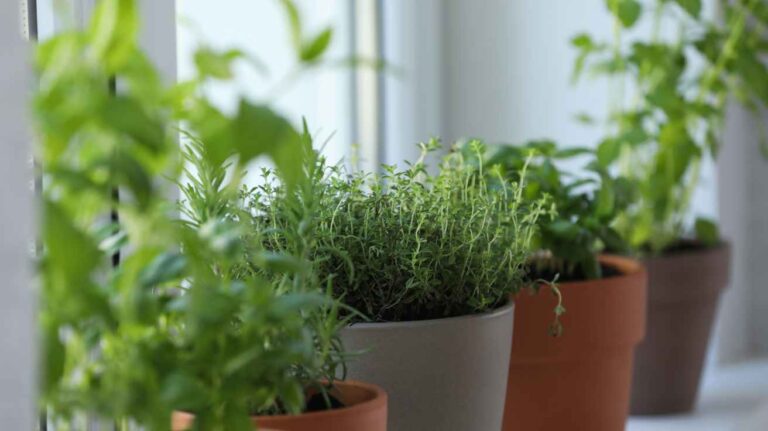
For an indoor herb garden, consider using terracotta pots because they are porous and allow the soil to breathe. If you prefer plastic or glazed ceramic containers, be extra careful with your watering schedule. Placing a saucer under your pots will protect your indoor surfaces while keeping the root zone healthy and aerated.
Essential Tools for Every Herb Gardener
Whether you are working in pots or raised beds, the right tools make all the difference in your gardening success. Having the proper equipment makes the maintenance of your plants much more efficient and enjoyable. Investing in quality herb garden tools will save you significant time and effort throughout the growing season.
Must-Have Hand Tools
For those focused on container herb gardening, a sturdy, ergonomic trowel is your most important companion. It allows you to transplant seedlings and mix soil amendments with ease while protecting your wrists from strain. You should also keep a pair of sharp, bypass pruners nearby to encourage healthy growth and harvest your herbs cleanly.
Watering Equipment and Irrigation Tips
Delivering moisture exactly where it is needed most is vital for healthy plants. A watering can with a narrow spout is perfect for reaching the base of plants without splashing the foliage, which helps prevent fungal issues. If you manage a larger collection, consider a drip irrigation system to automate your routine and ensure consistent hydration.
Always check the moisture level of your soil before adding more water to avoid root rot. By using the right tools, you can maintain a thriving garden that provides fresh flavors for your kitchen all year long.
Step-by-Step Planting Instructions for Success
Planting your herbs with care ensures they settle into their new home without stress. Learning how to plant herbs correctly is the most important step in creating a lush, productive garden. By following a consistent method, you give your plants the best possible start in their new environment.
Proper Planting Depth and Spacing
When you begin, dig a hole that is exactly as deep as the root ball of your plant. Placing the herb too deep can cause stem rot, while planting it too shallow may dry out the roots. Always ensure the top of the root ball sits level with the surrounding soil surface.
Proper herb plant spacing is equally vital for long-term health. You should leave enough room between each plant to allow for healthy airflow, which prevents fungal diseases. Check the plant tag for specific requirements, as some varieties like rosemary need more room to spread than compact herbs like chives.

Watering Techniques Immediately After Planting
Once your herbs are in the ground, immediate hydration is necessary to reduce transplant shock. Gently soak the soil around the base of each plant to help the roots make contact with the surrounding earth. This initial session of watering herbs helps settle the soil and removes large air pockets.
Avoid splashing water directly onto the leaves, as this can encourage unwanted moisture buildup. Instead, focus your stream at the base of the plant to ensure the water reaches the root zone where it is needed most. Consistent moisture during the first week will encourage deep root growth and help your garden thrive.
Categorizing Herbs by Their Growing Needs
Creating a successful herb garden starts with understanding the unique preferences of each variety. When you group plants with similar requirements, you make maintenance much easier for yourself. This approach is one of the best herbs for beginners to master early on.
Proper placement ensures that your plants receive the right amount of energy to grow strong. You should pay close attention to the sunlight for herbs, as this dictates where they will thrive most. By organizing your space, you prevent common issues like root rot or stunted growth.
Mediterranean Herbs That Love Dry Soil
Many popular culinary plants originate from the Mediterranean region. These varieties, such as rosemary, thyme, and oregano, prefer well-draining soil and plenty of heat. They are quite hardy and often tolerate periods of drought better than other garden plants.
When planting these, choose a spot that receives at least six to eight hours of direct sun daily. Avoid heavy, clay-based soils that hold too much water. Using a sandy or gritty soil mix will help these plants stay healthy and vibrant.
Moisture-Loving Herbs for Shady Spots
Not all plants crave the intense heat of the midday sun. Varieties like mint, parsley, and cilantro actually prefer cooler, shadier environments. These moisture-loving herbs thrive when the soil remains consistently damp but not waterlogged.
If your garden has areas that stay in the shade for most of the day, these herbs are perfect candidates. They are among the best herbs for beginners because they are very forgiving in damp conditions. Always monitor the sunlight for herbs in these spots to ensure they do not get scorched by unexpected afternoon rays.
Managing Watering and Fertilization Schedules
Establishing a reliable schedule for your garden ensures that your herbs stay vibrant and productive. Consistent care is the secret to a thriving patch, and managing your resources is paramount. By staying attentive to your plants, you can enjoy a bountiful harvest all season long.
Signs of Overwatering and Underwatering
Watering herbs correctly is a skill that every gardener learns through observation. If you notice yellowing leaves or a mushy stem base, you are likely providing too much water. These signs often indicate that the roots are struggling to breathe in saturated soil.
Conversely, underwatering shows up as brittle, drooping, or brown foliage. When the soil feels bone-dry several inches deep, your plants are thirsty and need immediate attention. Adjusting your routine before damage occurs will keep your garden healthy and resilient.
Choosing Organic Fertilizers for Edible Plants
When it comes to fertilizing herbs, choosing the right products is essential for safety. Since you plan to consume these plants, you should always opt for organic fertilizers. These natural options provide nutrients without leaving harmful chemical residues behind.
Look for compost-based feeds or fish emulsions that support steady growth. Organic herb gardening practices prioritize the long-term health of your soil and the safety of your kitchen. A balanced feeding schedule will result in lush, flavorful leaves that are perfect for your favorite recipes.
Pruning and Harvesting for Maximum Yield
Mastering the art of trimming will transform your small herb patch into a thriving oasis. Consistent care ensures your plants remain healthy and productive throughout the growing season. By dedicating a few minutes each week to maintenance, you can significantly increase your total garden output.
Techniques for Encouraging Bushier Growth
Regular pruning herbs is the most effective way to prevent your plants from becoming leggy or woody. When you pinch off the top sets of leaves, you signal the plant to grow outward rather than upward. This simple action encourages the development of side shoots, resulting in a much fuller and more robust plant.

Always use clean, sharp shears to make precise cuts just above a leaf node. This practice helps the plant heal quickly and prevents potential disease. If you notice any dead or yellowing stems, remove them immediately to keep the energy focused on new, vibrant growth.
Best Practices for Harvesting Fresh Leaves
When you are ready for harvesting fresh herbs, timing is everything. The best time to collect leaves is in the morning after the dew has evaporated but before the heat of the day sets in. This ensures the essential oils are at their peak concentration, providing the best flavor for your culinary creations.
Avoid taking more than one-third of the plant at any single time to ensure it continues to thrive. If you have an abundance of clippings, consider drying herbs to preserve them for the winter months. Simply hang small bundles in a cool, dark, and well-ventilated area until they are crisp and ready for storage in airtight containers.
Common Pests and Diseases to Watch For
Even the most vibrant herb gardens can occasionally face challenges from unwanted visitors. While you strive to provide the best care, certain herb garden pests may still find their way to your plants. Early detection remains your most effective strategy for maintaining a healthy and productive space.
Identifying Aphids and Spider Mites
Aphids are small, soft-bodied insects that often cluster on the undersides of leaves or near new growth. You might notice a sticky substance called honeydew left behind, which can lead to sooty mold. These pests often cause leaves to curl or turn yellow as they feed on plant sap.
Spider mites are much harder to spot due to their tiny size. Look for fine, silky webbing between stems or leaves, which is a classic sign of their presence. If your plants look dusty or develop tiny yellow stippling on the foliage, these mites are likely the culprits.
Natural Remedies for Garden Health
You do not need harsh chemicals to manage these common issues effectively. A simple spray of water can often dislodge aphids from your herbs. For more persistent infestations, insecticidal soaps or neem oil serve as safe, organic alternatives that protect your edible harvest.
Encouraging beneficial insects like ladybugs can also help keep your garden balanced. Additionally, practicing good garden hygiene by removing dead leaves helps prevent the spread of disease. Proactive management ensures your herbs stay strong and flavorful throughout the growing season.
Preparing Your Herbs for Seasonal Changes
As the air turns crisp, your garden requires a new strategy to survive the coming frost. Adapting your routine is essential to ensure your plants remain healthy throughout the year. Proper seasonal preparation helps your favorite varieties withstand harsh weather and return stronger when the warmth of spring arrives.
Protecting Perennial Herbs During Winter
Perennial herbs like sage, thyme, and oregano often need a little extra help to survive freezing temperatures. Applying a thick layer of organic mulch, such as straw or shredded leaves, around the base of these plants provides vital insulation. This barrier keeps the soil temperature stable and prevents the roots from suffering damage during deep freezes.
In regions with particularly harsh winters, you might consider using frost blankets or burlap covers. These materials protect the foliage from biting winds while still allowing the plants to breathe. Consistent winter herb care ensures that your garden stays resilient until the growing season begins again.
Bringing Potted Herbs Indoors
If you prefer to keep your herbs active, moving them inside is a fantastic solution. An indoor herb garden allows you to enjoy fresh flavors even when snow covers the ground outside. Before bringing pots indoors, inspect them carefully for any pests that might have hitched a ride from the garden.
Place your containers in a sunny window where they can receive at least six hours of light daily. If natural light is limited, a small grow light can provide the energy your plants need to thrive. Maintaining a successful indoor herb garden is a rewarding way to extend your harvest throughout the colder months.
Enjoying the Rewards of Your Homegrown Harvest
Your journey into gardening transforms your kitchen into a source of vibrant flavors. Growing herbs at home provides a direct connection to the food on your plate.
You now possess the skills to nurture a thriving garden space. Harvesting fresh herbs brings a level of quality that store-bought options simply cannot match.
Try adding fresh basil from your garden to a simple pasta dish or use mint in your favorite iced tea. These small additions elevate everyday meals into gourmet experiences.
Share your extra produce with neighbors or family members to spread the joy of gardening. This hobby creates a sustainable lifestyle that benefits your health and your palate.
Keep observing your plants as they grow throughout the seasons. Your dedication ensures a steady supply of aromatic greens for years to come.