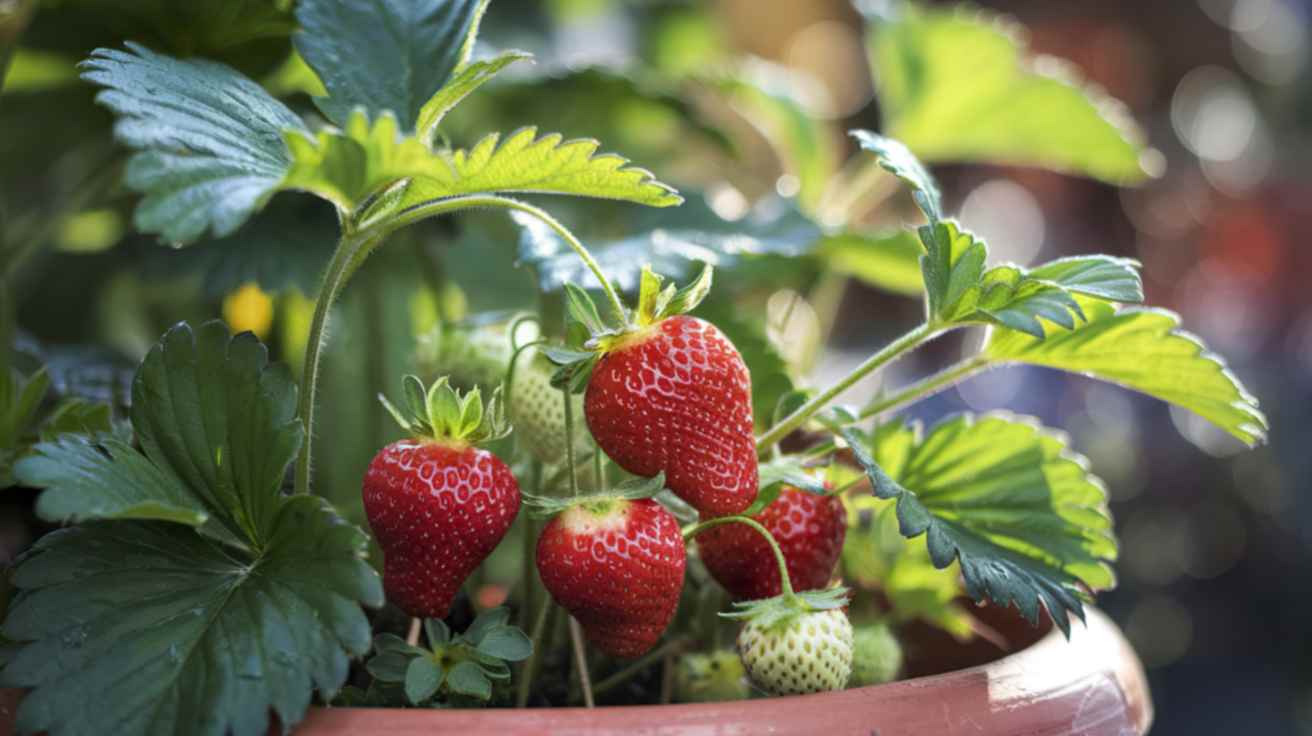
Growing Strawberries in Containers Made Easy at Home
Imagine stepping onto your porch to pick fresh, sun-ripened fruit for your morning breakfast. You do not need a massive backyard or a sprawling farm to enjoy this simple pleasure. Growing strawberries in containers is a fantastic way to bring nature closer to your kitchen, regardless of how much space you have available.

This rewarding hobby turns small balconies, patios, or windowsills into productive patches of greenery.
Key Takeaways
- Fresh fruit is accessible even in small urban living spaces.
- Potted plants offer flexibility for seasonal placement and sunlight.
- Proper drainage is essential for healthy root development.
- Container gardening simplifies soil management and pest control.
- Homegrown produce provides superior flavor compared to store-bought options.
Selecting the Best Strawberry Varieties for Pots
If you want to master small space strawberry farming, your choice of cultivar is the most important decision you will make. Selecting the right plant ensures that your efforts result in a delicious harvest rather than a disappointing struggle. Proper variety selection is the foundation of successful container gardening strawberries.
Understanding June-Bearing versus Everbearing Strawberries
June-bearing strawberries are known for producing one large, concentrated crop over a period of two to three weeks. These plants are highly productive, but they require a specific window of time to yield their fruit. They are often favored by gardeners who enjoy preserving or canning their harvest in bulk.
In contrast, everbearing varieties provide fruit throughout the entire growing season. While they may not produce as many berries at once as June-bearing types, they offer a steady supply of fresh snacks. This makes them an excellent choice for those who prefer a continuous harvest right from their patio.
Top Cultivars for Small Space Strawberry Farming
When working with limited room, look for compact or day-neutral varieties that thrive in restricted root zones. Cultivars like ‘Albion’ or ‘Seascape’ are widely recognized for their ability to perform well in pots. These plants are bred to remain manageable while still producing high-quality, sweet fruit.
Choosing these specific types simplifies your approach to small space strawberry farming significantly. By focusing on varieties that tolerate container life, you avoid common growth issues. With the right plant in your container gardening strawberries setup, you are well on your way to enjoying fresh berries all summer long.
Choosing the Right Containers for Your Strawberries
When you start container gardening strawberries, the type of pot you choose matters more than you might think. Finding the best containers for strawberries is the first step toward a successful harvest. Your choice of vessel directly impacts how well your plants thrive throughout the growing season.
Material Considerations for Drainage and Temperature
The material of your container plays a vital role in moisture regulation. Porous materials like terra cotta allow the soil to breathe, which helps prevent root rot but may require more frequent watering. In contrast, plastic pots retain moisture longer, making them a reliable choice for gardeners who live in hot, dry climates.
Regardless of the material, ensure your pots have adequate drainage holes at the bottom. Excess water must escape to keep the roots healthy and prevent fungal issues. A container that holds too much water can quickly lead to plant stress.
Optimal Container Sizes for Healthy Root Systems
Strawberries have relatively shallow root systems, but they still need enough room to spread out. A container that is at least 8 to 10 inches deep provides sufficient space for roots to establish themselves. If the pot is too small, the plants will become root-bound and produce fewer berries.
Width is just as important as depth when selecting your pots. Aim for a diameter that allows you to space your plants about 6 to 8 inches apart. This spacing ensures proper airflow, which is essential for keeping your foliage dry and disease-free.
Vertical Planters and Strawberry Towers
If you have limited space, space-saving strawberry growing techniques are a game changer. Vertical planters and strawberry towers allow you to stack multiple plants in a small footprint. These structures are perfect for balconies or small patios where floor space is at a premium.
Traditional Terra Cotta and Plastic Pots
Traditional pots remain a favorite for many home gardeners due to their versatility and ease of use. Terra cotta offers a classic, rustic look that ages beautifully over time. Plastic pots are lightweight and often come in various colors, making them easy to move around as the sun shifts throughout the day.
Preparing the Perfect Potting Mix
The secret to thriving plants lies beneath the surface in your choice of potting mix. When you begin your journey into strawberry container gardening, the quality of your soil determines your overall success. A well-balanced medium provides the support and nutrients your plants need to flourish.
Why Garden Soil Fails in Containers
Many beginners make the mistake of using standard garden soil in their pots. This heavy earth is designed for the open ground where worms and natural drainage systems keep it loose. Inside a container, this soil quickly becomes compacted and dense.
Compacted soil prevents oxygen from reaching the roots, which can lead to rot. It also turns into a hard brick when it dries out, making it difficult for water to penetrate. Your plants will struggle to grow in such a restrictive environment.
Creating a Nutrient-Rich Growing Medium
To ensure your strawberry container gardening project succeeds, you should create a custom blend. A high-quality mix typically combines peat moss or coconut coir with organic compost. These ingredients provide a light, fluffy texture that roots love.
Adding organic matter ensures that your plants receive a steady supply of nutrients throughout the season. This creates a healthy home for your berries to develop. You will notice a significant difference in plant vigor when using a specialized mix.
Essential Components for Drainage and Moisture Retention
Perlite is a vital component that you should never skip. These small, white volcanic rocks create tiny air pockets within the soil. This aeration is crucial for healthy root development in strawberry container gardening.
Peat moss or coconut coir acts like a sponge to hold just enough moisture for the roots. By balancing these materials, you create a medium that drains excess water while staying damp. This perfect harmony keeps your plants happy and productive all summer long.
The Fundamentals of Growing Strawberries in Containers
Mastering the basics of container gardening is the secret to a thriving strawberry harvest. When you focus on the right setup, you create an environment where your plants can truly flourish. This approach makes growing strawberries in containers a rewarding experience for any home gardener.
Proper Planting Depth and Spacing Techniques
The most critical rule for planting is to keep the crown of the plant level with the soil surface. If you bury the crown too deep, it will likely rot, which kills the plant quickly. Conversely, planting too shallow exposes the roots to drying air and potential damage.
Space your plants about eight to ten inches apart to ensure proper airflow. This distance prevents overcrowding and helps your strawberries develop strong, healthy root systems. Proper spacing is essential for preventing fungal diseases that thrive in tight, humid conditions.
Positioning Your Containers for Maximum Sunlight
Light is the primary fuel for your strawberry plants. When you are growing strawberries on a patio, you must choose a spot that receives plenty of natural light throughout the day. A bright, airy location will encourage vigorous growth and better fruit production.
The Importance of Six to Eight Hours of Direct Sun
Strawberries are sun-loving plants that require at least six to eight hours of direct sunlight daily. Without this intensity, your plants may produce lush foliage but very little fruit. Consistent exposure to the sun ensures that your berries develop the sweet, juicy flavor you expect.
If your space is limited, consider using rolling plant caddies to move your pots as the sun shifts. This simple trick makes growing strawberries on a patio much easier during the changing seasons. By tracking the light, you guarantee your plants get the energy they need to produce a bountiful harvest.
Watering Strategies for Container-Grown Berries
Proper hydration is essential when you are learning the best tips for growing strawberries in pots. Consistent moisture levels ensure that your plants produce juicy, sweet fruit throughout the entire season. Without a steady water supply, your berries may become small or develop a bitter taste.
Monitoring Soil Moisture Levels
The most reliable way to check your soil is the simple finger test. Insert your finger about an inch into the potting mix to feel for dampness. If the soil feels dry to the touch, it is time to provide your plants with a refreshing drink.
You can also lift your containers to gauge their weight. A pot that feels surprisingly light often indicates that the soil has dried out completely. Consistent monitoring is vital for maintaining healthy root systems in small spaces.
Avoiding Common Watering Mistakes
Many gardeners make the mistake of watering on a rigid schedule regardless of the weather. Instead, adjust your routine based on temperature and humidity levels. These practical tips for growing strawberries in pots suggest checking your plants daily during hot summer afternoons.
Avoid letting the soil become waterlogged, as this prevents roots from breathing. Always aim the water at the base of the plant rather than wetting the leaves. This simple habit helps prevent fungal issues and keeps your foliage vibrant.
Preventing Root Rot through Proper Drainage
Root rot is a common threat when excess water sits at the bottom of your container. Ensure your pots have plenty of drainage holes to allow gravity to pull away surplus moisture. You can also elevate your pots on small feet or bricks to improve airflow underneath.
Using a high-quality, well-draining potting mix is another effective way to protect your plants. By managing drainage carefully, you create the perfect environment for your strawberries to thrive. Healthy roots are the foundation of a bountiful harvest.
Fertilizing for a Bountiful Harvest
Providing the right nutrients is the secret to a successful harvest when growing fruits in containers. Because strawberries are heavy feeders, they quickly deplete the limited soil resources available in pots. Without a steady supply of essential minerals, your plants may struggle to produce the juicy berries you desire.

Choosing the Right Fertilizer for Fruit Production
To support healthy growth, look for a balanced fertilizer with an N-P-K ratio like 10-10-10. Nitrogen promotes lush green foliage, while phosphorus and potassium are vital for strong root development and flower production. Using a water-soluble formula is often best for growing fruits in containers because it allows for quick nutrient absorption.
Establishing a Consistent Feeding Schedule
Consistency is key to keeping your strawberry plants productive from spring through autumn. Start your feeding routine as soon as new growth appears in the early spring. Apply a diluted liquid fertilizer every two to four weeks throughout the active growing season to maintain steady energy levels.
Organic Options for Home Gardeners
If you prefer natural methods, several organic fertilizers work wonders for your patch. Fish emulsion or seaweed extract provide a gentle boost of micronutrients that support overall plant health. You can also use compost tea to enrich the soil while growing fruits in containers, ensuring your harvest remains both bountiful and chemical-free.
Managing Pests and Diseases in Urban Strawberry Growing
Strawberry container gardening requires a watchful eye to keep your plants thriving. When you grow food in limited spaces, small problems can quickly become major headaches if left unchecked. Staying proactive is the best way to ensure your harvest remains healthy and delicious.
Identifying Common Strawberry Pests
Even on a balcony or patio, your plants may attract unwanted visitors. Aphids are common culprits that cluster on the undersides of leaves, while spider mites often leave tiny webs behind. You might also notice slugs or snails if your pots are placed directly on the ground.
Check your plants at least once a week for signs of damage. Look for holes in the foliage, sticky residue, or yellowing leaves. Early detection is crucial for stopping an infestation before it spreads to your entire crop.
Natural Methods for Disease Prevention
You do not need harsh chemicals to protect your urban strawberry growing project. Simple, non-toxic solutions often work best for home gardeners. Neem oil is a fantastic organic option that helps deter many common insects and prevents fungal spores from taking hold.
Keeping your growing area clean is another effective strategy. Remove dead leaves and debris from the soil surface regularly to eliminate hiding spots for pests. A tidy environment makes it much harder for diseases to gain a foothold in your containers.
Maintaining Airflow to Prevent Fungal Issues
Fungal diseases like powdery mildew thrive in stagnant, humid conditions. Proper spacing is the most effective way to ensure your plants stay dry and healthy. Avoid overcrowding your pots, as this restricts the movement of air between the leaves.
If your plants look too dense, do not hesitate to prune away excess foliage. Good circulation helps moisture evaporate quickly after watering or rain. By prioritizing airflow, you significantly reduce the risk of rot and other moisture-related problems in your strawberry container gardening setup.
Seasonal Care and Maintenance Tips
Seasonal maintenance is the secret to a long-lasting harvest when growing strawberries on a patio.

Pruning Runners to Boost Fruit Yield
Strawberry plants naturally produce long stems known as runners to propagate themselves. While these look interesting, they often drain vital energy away from the main crown. Pruning these runners regularly allows the plant to focus its resources on developing larger, sweeter fruit instead of new foliage.
Simply snip the runners off at the base using clean, sharp garden shears. This practice is especially important during the peak growing season when you want the highest possible yield. Keeping the plant tidy also improves airflow, which helps prevent common fungal issues.
Protecting Plants During Extreme Weather
Container plants are more vulnerable to temperature swings than those in the ground. During intense summer heat, move your pots to a spot with afternoon shade to prevent the roots from drying out too quickly. Providing consistent moisture during these hot spells is essential for plant survival.
Winterizing Containers in Colder Climates
When temperatures drop, you must take steps to protect your plants from freezing. If you are growing strawberries on a patio in a cold region, move your containers into an unheated garage or a shed. This provides a buffer against harsh winds and deep freezes while keeping the plants dormant.
You can also wrap the pots in burlap or bubble wrap to provide extra insulation for the root systems. Ensure the soil stays slightly moist but not soggy throughout the winter months. With these simple precautions, your strawberries will be ready to bounce back when spring arrives.
Harvesting and Storing Your Fresh Strawberries
Successfully growing fruits in containers culminates in the joy of a fresh, sweet harvest. Watching your plants transition from white blossoms to vibrant red berries is a highlight for any gardener. Proper timing ensures you enjoy the peak flavor profile of your crop.
Knowing When Berries Are Perfectly Ripe
A ripe strawberry should be fully red, even near the stem. If you notice any white or green patches, the fruit needs a few more days to develop its natural sugars. The berry should also feel slightly firm yet yield gently to light pressure.
Avoid waiting too long, as overripe berries can quickly become soft or attract unwanted pests. Check your plants daily during the peak season to catch every berry at its prime. This consistent monitoring is a key habit for success.
Best Practices for Picking Without Damaging Plants
Strawberries are delicate and bruise easily if handled roughly. To harvest, use a pair of clean garden shears or scissors to snip the stem just above the berry. This method prevents you from pulling on the plant and damaging the crown.
Never yank or tug the fruit directly from the stem. Gentle handling preserves the integrity of the plant for future production. Always place your harvested berries into a shallow container to prevent them from crushing each other under their own weight.
Short-Term Storage Tips for Maximum Freshness
Freshly picked berries are best enjoyed immediately, but they can last for a few days with proper care. Keep them unwashed in the refrigerator until you are ready to eat them. Moisture is the enemy of freshness, so avoid rinsing until the very last moment.
Store your harvest in a single layer on a paper towel inside a breathable container. This simple technique helps maintain the quality of your harvest while growing fruits in containers at home. Enjoy the sweet, homegrown taste of your labor!
Troubleshooting Common Container Gardening Challenges
Even the most dedicated gardeners face unexpected hurdles when growing strawberries in containers. While these plants are generally resilient, they occasionally signal distress through physical changes. Learning to read these signs is one of the most important tips for growing strawberries in pots.
Addressing Yellowing Leaves and Nutrient Deficiencies
Yellowing leaves, or chlorosis, often indicate that your plants are struggling to absorb essential nutrients. This frequently happens when the soil pH is too high or when the potting mix has been depleted of nitrogen. You can often correct this by applying a balanced, water-soluble fertilizer designed for fruit-bearing plants.
Check your drainage holes to ensure water is not pooling at the bottom of the pot. Excess moisture can lead to root rot, which prevents the plant from taking up nutrients effectively. If the soil feels soggy, allow it to dry out completely before your next watering session.
Solving Issues with Poor Fruit Set
If your plants are blooming but failing to produce berries, the issue is likely related to pollination. Since strawberries rely on bees and wind to move pollen, indoor or balcony plants may need a little extra help. Gently shaking the plants or using a small paintbrush to transfer pollen between flowers can significantly improve your yield.
Another factor to consider is the temperature during the flowering stage. Extreme heat can cause blossoms to drop before they have a chance to develop into fruit. Following these tips for growing strawberries in pots will help you maintain a consistent environment for your berries.
Dealing with Bird and Squirrel Interference
Garden visitors like birds and squirrels often find your ripe strawberries just as delicious as you do. Protecting your harvest is a common concern, but physical barriers are highly effective. Drape lightweight bird netting over your containers to keep hungry wildlife at bay.
You might also try placing shiny objects or reflective tape near your pots to deter curious animals. These simple tips for growing strawberries in pots ensure that your hard work results in a bowl full of fresh fruit rather than a snack for local pests.
Enjoying the Rewards of Your Homegrown Strawberry Patch
Savoring the first bite of a sun-warmed berry marks the peak of your gardening efforts. You now possess the skills to transform small balconies or patios into productive fruit havens. This journey turns simple pots into a reliable source of fresh, organic produce for your kitchen.
Consistency remains the secret to long-term success with your plants. Regular attention to soil moisture and nutrient needs keeps your strawberry patch thriving through multiple seasons. You will find that the taste of fruit picked at the height of ripeness far exceeds anything found in a grocery store.
Share your bounty with friends or use your harvest in creative recipes like fresh jams or summer salads. Your commitment to proper care ensures that your containers provide delicious yields year after year. Start planning your next planting cycle to keep your home garden growing strong.
We invite you to share photos of your thriving strawberry containers on social media platforms. Tag your favorite gardening communities to inspire others to start their own urban patches. Your experience helps build a vibrant network of home growers across the country.
FAQ
Which strawberry varieties are best for container gardening strawberries?
For the best results, look for “everbearing” or “day-neutral” varieties like Seascape, Albion, or Quinault. Unlike June-bearing types that produce one large crop, these cultivars provide a steady harvest throughout the summer, making them ideal for small space strawberry farming where you want fresh fruit all season long.
What are the best containers for strawberries on a limited-space balcony?
When you are focused on space-saving strawberry growing, vertical planters like the GreenStalk Vertical Planter or tiered strawberry towers are excellent choices. Traditional terra cotta pots from brands like Deroma are also great for breathability, though high-quality plastic pots from Fiskars help retain moisture better during hot summer days.
Why can’t I use regular garden soil for growing strawberries on a patio?
Using standard garden soil in pots is a common mistake because it’s too heavy and compacts easily, which can suffocate the roots. For successful strawberry container gardening, it is vital to use a well-draining potting mix, such as Miracle-Gro Potting Mix or FoxFarm Ocean Forest, which includes perlite and peat moss to ensure proper aeration and moisture retention.
How much sunlight is required for successful urban strawberry growing?
Strawberries are sun-lovers! To ensure your plants have enough energy to produce sweet, juicy fruit, your containers should be positioned in a spot that receives at least six to eight hours of direct sunlight every day. If you are growing strawberries in containers on a shaded porch, consider using a rolling plant stand to move them into the sun as it shifts.
What are your top tips for growing strawberries in pots to prevent root rot?
The most important tip is to ensure your containers have adequate drainage holes. You should water the plants when the top inch of soil feels dry to the touch, but never let the pots sit in standing water. Monitoring soil moisture consistently is the best way to prevent the fungal issues that can occur when growing fruits in containers.
Should I cut the runners off my plants in a small-space setup?
Yes! In small space strawberry farming, it is best to prune the long, leafless stems known as runners. By clipping these off, you direct the plant’s energy away from creating “daughter plants” and back into producing larger, sweeter berries for your harvest.
How do I protect my fruit from birds and squirrels when growing strawberries on a patio?
To keep local wildlife from stealing your harvest, you can cover your containers with lightweight bird netting or a wire mesh cage made from hardware cloth. Some gardeners also find success using reflective tape or plastic owls to deter birds from their urban strawberry growing area.
What is the best way to fertilize for a bountiful harvest in containers?
Because containers have limited soil volume, nutrients are washed away quickly. Use a balanced, water-soluble fertilizer like Jack’s Classic Blossom Booster or an organic option like Espoma Berry-tone every two weeks during the growing season to provide the nitrogen and phosphorus needed for continuous fruit production.