How to Grow Broccoli Successfully in Your Backyard Garden
There is nothing quite like the taste of fresh produce harvested straight from your own soil. Starting a backyard vegetable gardening project offers a unique sense of accomplishment while providing your kitchen with healthy, nutrient-dense ingredients. Many people find that working with nature reduces stress and improves their overall well-being.
Learning how to grow broccoli effectively is a fantastic way to begin your journey as a home gardener. This cool-season crop thrives in well-drained soil and rewards your patience with delicious, crunchy florets. By following a few simple professional techniques, you can ensure your plants remain healthy throughout the entire season.
Our guide will walk you through the essential steps for a productive harvest. You will discover the best planting times, soil preparation secrets, and maintenance tips that keep pests away. Let us transform your outdoor space into a thriving sanctuary that feeds your family all year long.
Understanding the Broccoli Growth Cycle
Broccoli follows a specific biological clock that dictates when it will produce those delicious heads. By learning how the plant matures, you can better manage your broccoli growing season to ensure a high-quality yield. This knowledge is one of the most important broccoli gardening tips for any backyard grower.
Cool Season Requirements
Broccoli is a classic cool-weather vegetable that performs best when temperatures stay between 60 and 70 degrees Fahrenheit. When the weather stays within this range, the plant focuses its energy on building strong leaves and a sturdy root system. If temperatures climb too high, the plant may bolt or produce small, bitter heads prematurely.
Providing the right environment is essential for success. Consistent temperatures help the plant avoid stress, which is a key factor in broccoli gardening tips. Keeping your soil cool with mulch can help maintain these ideal conditions even as the season progresses.
Life Cycle Stages
The development of broccoli occurs in distinct phases, moving from initial germination to the final reproductive stage. Understanding these transitions helps you provide the right care at the right time. Here are the primary stages of the plant’s life:
- Germination: The seed sprouts and establishes its first set of true leaves.
- Vegetative Growth: The plant rapidly expands its foliage to store energy for head production.
- Reproductive Phase: The central crown begins to form as the plant prepares to flower.
- Harvest Maturity: The head reaches its peak size and density before the buds begin to open.
During the vegetative phase, the plant is highly responsive to environmental triggers. Once the plant reaches a certain size and experiences the right light levels, it shifts its focus to developing the edible head. Monitoring this transition is vital for a successful broccoli growing season.
Selecting the Best Broccoli Varieties for Your Climate
Your success in the garden often starts with picking the right seeds for your specific local climate. Choosing the best broccoli varieties is the most important decision a gardener makes before the season begins. By matching your cultivar to your region’s unique weather patterns, you set the stage for a productive and healthy harvest.
Early Maturing Varieties
If you live in an area where spring transitions quickly into summer, early maturing cultivars are your best friends. These plants are bred to reach maturity in as little as 50 to 60 days. By finishing their growth cycle before the intense heat arrives, they avoid the common issues of bolting or bitter flavor.
Popular choices for quick harvests include:
- Packman: Known for its reliable, large heads.
- De Cicco: An heirloom favorite that matures quickly.
- Green Comet: A classic hybrid that performs well in cool spring weather.
Heat-Tolerant Options
Gardeners in warmer climates often struggle with traditional crops that prefer cool temperatures. Fortunately, modern breeding has introduced heat-tolerant options that stand up to rising mercury. These varieties maintain their quality even when temperatures climb, making them essential for those seeking effective broccoli gardening tips for southern regions.
When selecting these types, look for labels that specifically mention heat resistance. These plants often feature tighter bud clusters, which helps them resist the stress of warm afternoons. Consistent moisture remains vital for these varieties to reach their full potential.
Choosing Between Sprouting and Heading Types
Understanding the structural differences between broccoli types will help you plan your harvest window. Traditional heading broccoli produces one large, central crown, which is perfect for those who prefer a single, substantial harvest. In contrast, sprouting varieties are designed to produce many smaller florets over a longer period.
Consider these factors when deciding which type fits your needs:
- Heading types offer a concentrated, high-yield harvest at one time.
- Sprouting types provide a continuous supply of fresh greens for weeks.
- Heading varieties require more space per plant in the garden bed.
- Sprouting types are often more resilient to minor temperature fluctuations.
Preparing Your Garden Soil for Optimal Growth
Achieving success with organic broccoli growing begins long before you plant your first seed. While choosing the best broccoli varieties is essential, the quality of your soil ultimately dictates how well your plants will thrive. Broccoli is a heavy feeder that demands a nutrient-dense environment to produce large, firm heads.
Testing and Adjusting Soil pH
Broccoli prefers a slightly acidic to neutral soil environment, ideally between 6.0 and 7.0 on the pH scale. If your soil is too acidic, the plants may struggle to absorb vital nutrients, leading to stunted growth. You can easily check your garden’s status using a simple home testing kit available at most local nurseries.
Based on your test results, you may need to make minor adjustments to reach the ideal range:
- Add agricultural lime if your soil pH is below 6.0 to raise alkalinity.
- Incorporate elemental sulfur if your soil pH is above 7.0 to lower it.
- Mix amendments thoroughly into the top six inches of soil for even distribution.
- Retest your soil after a few weeks to ensure the levels have stabilized.
Incorporating Organic Matter
Adding organic matter is the most effective way to improve soil fertility and structure. Compost and aged manure provide a slow-release source of nitrogen, which is crucial for the leafy development of your broccoli plants. By enriching the earth, you create a vibrant ecosystem that supports healthy root systems.
We recommend working two to three inches of high-quality compost into your garden beds before planting. This practice not only boosts nutrient levels but also improves the soil’s ability to hold moisture during dry spells. Consistent organic enrichment is the hallmark of a productive vegetable garden.
Ensuring Proper Drainage
Effective broccoli soil preparation must also address water management. Broccoli requires consistent moisture, but it cannot tolerate “wet feet” or waterlogged conditions, which often lead to root rot. If your garden has heavy clay soil, you should consider building raised beds to improve aeration.
Adding organic material helps break up dense soil particles, allowing excess water to drain away from the roots. Proper drainage ensures that your plants can access oxygen and minerals efficiently throughout the growing season. By focusing on these foundational steps, you set the stage for a bountiful and healthy harvest.
How to Grow Broccoli from Seeds or Transplants
Successful organic broccoli growing begins with a solid plan for your initial planting phase. Whether you choose to start your journey indoors or sow directly into the earth, your method significantly impacts your final harvest. Understanding your local frost dates is the key to timing these activities for the best results.
Starting Seeds Indoors
Starting your own plants indoors allows you to get a head start on the season, especially in cooler climates. When planting broccoli seeds, use high-quality seed starting mix and shallow trays to encourage healthy root development. Ensure your seedlings receive plenty of bright, indirect light to prevent them from becoming leggy.
- Use sterile seed-starting trays for better disease control.
- Maintain a consistent temperature between 65°F and 70°F.
- Keep the soil moist but never waterlogged during germination.
- Provide at least 12 to 14 hours of light daily using grow lights.
Direct Sowing Techniques
If you live in an area with a long growing season, you might prefer sowing seeds directly into your garden beds. Proper broccoli soil preparation is essential here, as the soil must be loose and rich in organic matter to support young roots. Plant your seeds about half an inch deep and space them according to the specific variety requirements.
- Clear all weeds and debris from the planting area.
- Amend the soil with compost to improve nutrient levels.
- Space seeds roughly 12 to 18 inches apart for optimal airflow.
- Water gently after sowing to settle the soil around the seeds.
Transplanting Seedlings into the Garden
Moving your young plants outdoors requires care to avoid transplant shock. This broccoli transplanting guide suggests a process called hardening off, where you gradually expose your seedlings to outdoor conditions over seven to ten days. This simple step helps your plants adjust to wind, sun, and temperature fluctuations before they move to their permanent home.
- Begin hardening off by placing plants in a sheltered, shady spot.
- Increase outdoor time by an hour or two each day.
- Dig a hole deep enough to cover the root ball completely.
- Firm the soil gently around the base to remove air pockets.
- Water immediately after planting to help the roots establish.
Essential Watering and Mulching Techniques
Once you finish planting broccoli seeds, your focus must shift to moisture management. Providing the right amount of hydration is critical for the health of your crop. Without a steady supply of water, your plants may struggle to develop large, firm heads.
Maintaining Consistent Soil Moisture
Whether you are following a professional broccoli transplanting guide or starting from scratch, moisture consistency remains the top priority. Broccoli plants have shallow root systems that dry out quickly in the summer heat. When you are watering broccoli plants, aim to keep the soil damp but never waterlogged.
Inconsistent moisture often triggers premature bolting, where the plant shifts its energy from head production to flowering. To prevent this, check the soil daily during dry spells. If the top inch of soil feels dry to the touch, it is time to provide a deep, thorough soaking.
Benefits of Organic Mulch
Applying a layer of organic mulch is one of the most effective ways to protect your garden. Mulch acts as a protective blanket that shields the soil from the harsh rays of the sun. This simple step helps your garden thrive by creating a stable environment for root development.
Consider these primary advantages of using organic materials like straw, shredded leaves, or pine needles in your garden:
- Regulates soil temperature to keep roots cool during hot afternoons.
- Suppresses competitive weeds that steal nutrients from your vegetables.
- Reduces water evaporation, allowing you to irrigate less frequently.
- Improves soil structure as the organic matter slowly breaks down over time.
- Prevents soil splashing, which helps keep the lower leaves clean and disease-free.
Fertilization Strategies for Healthy Heads
To grow large, firm heads of broccoli, you must master the art of soil nutrition. Because these plants are heavy feeders, they require a steady supply of nitrogen to reach their full potential. Proper care, combined with consistent watering broccoli plants, creates the ideal environment for rapid development.

Choosing the Right Fertilizer
Selecting the correct nutrients is the first step toward a successful harvest. You can choose between organic options that improve soil health over time or synthetic formulas that provide a quick boost. Both methods are effective when used at the right stage of growth.
Consider these popular options for your garden:
- Blood meal for a high-nitrogen organic boost.
- Compost tea to provide gentle, liquid nutrients.
- Balanced 10-10-10 granular fertilizer for steady growth.
- Fish emulsion for quick absorption during peak development.
Application Timing and Methods
The secret to fertilizing broccoli lies in the timing of your applications. You should apply a balanced fertilizer at the time of planting to give seedlings a strong start. Once the plants are established, side-dressing becomes the most effective way to deliver nutrients directly to the root zone.
Apply your chosen fertilizer about four to six weeks after transplanting. Gently scratch the material into the soil surface around the base of the plant, being careful not to disturb the roots. Always follow up with a light watering to help the nutrients soak into the ground where the plant can easily access them.
Managing Common Pests and Diseases
Maintaining a thriving broccoli crop means staying ahead of potential threats throughout the season. While proper fertilizing broccoli helps build strong plants, even the healthiest vegetables can attract unwanted visitors. Vigilance is your best tool for keeping your garden productive and vibrant.
Identifying Cabbage Worms and Aphids
Cabbage worms are small, green caterpillars that often hide on the undersides of leaves. You might notice irregular holes in your foliage or small dark droppings left behind by these hungry pests. If left unchecked, they can quickly defoliate your entire crop.
Aphids are another common nuisance that cluster on new growth or stems. These tiny, soft-bodied insects suck the sap from your plants, which can cause leaves to curl or yellow. Early detection is vital for effective broccoli pest control before these populations explode.
Natural Pest Control Methods
You do not need harsh chemicals to keep your garden safe and healthy. Many gardeners find success with simple, non-toxic strategies that protect the local ecosystem. Consider these effective approaches:
- Hand-pick caterpillars from leaves during your morning garden rounds.
- Use floating row covers to physically block moths from laying eggs on your plants.
- Apply neem oil or insecticidal soap to target aphids without harming beneficial insects.
- Plant marigolds or dill nearby to attract natural predators like ladybugs.
Preventing Fungal Issues
Fungal diseases often thrive in damp, crowded conditions where air cannot circulate freely. To keep your plants safe, always water at the base of the stem rather than overhead. This simple habit keeps the leaves dry and reduces the risk of mold or mildew.
Proper spacing is also essential for maintaining good airflow between your broccoli heads. If you notice signs of rot or fuzzy growth, remove the affected leaves immediately to stop the spread.
Monitoring Growth and Providing Support
Watching your broccoli develop is one of the most rewarding parts of the gardening season. Daily observation helps you catch potential issues early, ensuring your plants remain vigorous. Whether you are gardening in raised beds or growing broccoli in containers, consistent attention is the key to success.

Staking Tall Varieties
As broccoli plants reach their full height, they can become top-heavy and vulnerable to strong winds or heavy rain. Installing a simple bamboo stake next to the main stem provides the necessary stability to keep the plant upright. Gently tie the stem to the stake using soft garden twine to avoid damaging the delicate tissue.
Protecting Against Sudden Temperature Spikes
Broccoli thrives in cooler weather, so sudden heat waves can cause the plants to bolt or suffer heat stress. Using a lightweight shade cloth is an effective way to shield your crop from intense afternoon sun. This simple barrier helps maintain a stable environment, which also makes it easier to manage broccoli pest control by keeping the plants less stressed and more resilient.
If you notice the leaves wilting during the hottest part of the day, consider adding a layer of mulch to keep the roots cool. Monitoring the weather forecast allows you to prepare these protective measures before a heat spike occurs. Taking these small steps ensures your broccoli stays healthy and productive throughout its entire life cycle.
Harvesting Your Broccoli at the Peak of Flavor
Timing is everything when you are growing broccoli in containers or in the ground. Harvesting at the right moment ensures the best flavor and crisp texture for your homegrown vegetables. If you wait too long, the quality can quickly decline.
Signs of Maturity
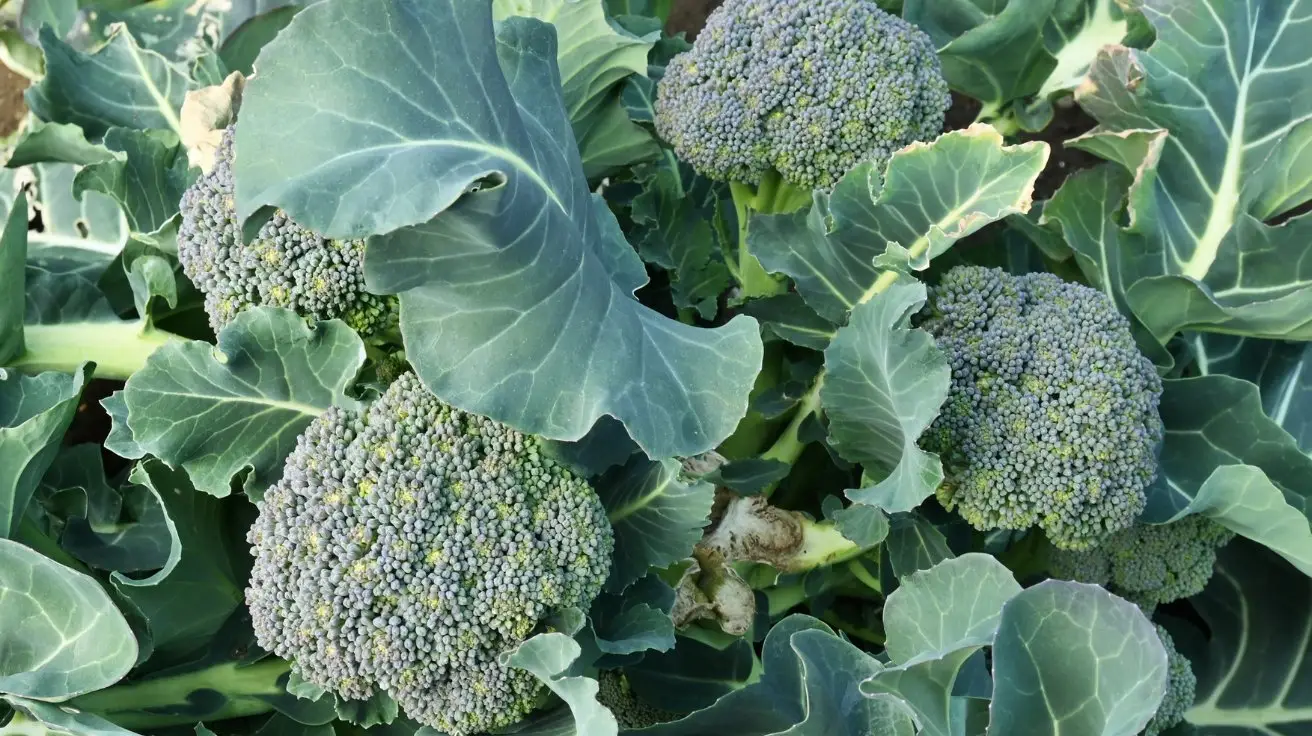
You should look for tight, dark green buds when checking your plants. The head should feel firm to the touch and look compact. It is vital to harvest before the plant begins to flower or show yellow petals.
Once the buds start to loosen or turn yellow, the flavor becomes bitter. Monitoring your garden daily as the heads reach full size helps you catch them at their absolute peak. This simple habit makes a big difference in your final yield.
Proper Cutting Techniques
When harvesting broccoli heads, always use a sharp, clean knife or garden shears. A dull blade can crush the stem and invite unwanted disease into the plant. Make a clean cut at a slight angle to prevent water from pooling on the stump.
Aim to cut the main stalk about five to six inches below the head. This length provides a good handle for cooking while leaving enough of the plant behind. Always handle the stalks gently to avoid bruising the delicate florets.
Encouraging Side Shoot Production
Many gardeners are surprised to learn that the harvest does not end with the main head. By cutting the central stalk correctly, you signal the plant to focus its energy on secondary growth. These smaller side shoots will continue to develop over the following weeks.
To maximize this production, ensure the plant remains well-watered and fed after the initial harvest. You can continue to pick these tender shoots as they reach a usable size. This method effectively extends your harvest season and provides fresh greens for your table long after the primary head is gone.
Post-Harvest Care and Storing Your Crop
Once you finish harvesting broccoli heads, the real work of preserving that garden-fresh quality begins. Quick action is essential because the vegetable loses moisture and nutrients rapidly after being cut from the plant. By cooling your produce immediately, you lock in the crisp texture and vibrant color that make homegrown crops so special.
Cleaning and Preparing for Storage
Before you put your vegetables away, take a moment to inspect them for any lingering garden pests or dirt. Gently rinse the heads under cool, running water to remove debris, but avoid soaking them for too long. Thoroughly drying the broccoli is the most important step to prevent premature rot or mold growth during storage.
You can use a salad spinner or simply pat the florets dry with a clean kitchen towel. Once the moisture is gone, your produce is ready for the refrigerator or the freezer. Proper preparation ensures that your hard work in the garden does not go to waste.
Refrigeration and Freezing Tips
When it comes to storing fresh broccoli, the method you choose depends on how soon you plan to eat it. For short-term use, the refrigerator is your best friend. If you have a large surplus, freezing is an excellent way to enjoy your harvest throughout the winter months.
- Place unwashed heads in a perforated plastic bag to allow for airflow in the refrigerator crisper drawer.
- Consume refrigerated broccoli within three to five days for the best flavor and texture.
- Blanch florets in boiling water for three minutes before plunging them into an ice bath for long-term freezing.
- Drain the blanched pieces completely and store them in airtight freezer bags to prevent freezer burn.
- Label your freezer bags with the date so you can use the oldest portions first.
Following these simple guidelines helps you maintain the nutritional value of your crop. Whether you choose to eat it fresh or save it for later, your efforts will be rewarded with delicious meals long after the growing season ends.
Enjoying the Rewards of Your Homegrown Harvest
Cultivating your own produce creates a deep bond with the natural rhythms of your backyard vegetable gardening space. You gain more than just food when you nurture a plant from a tiny seed to a full head of broccoli.
Mastering the broccoli growing season requires patience and steady attention to detail. Your dedication pays off when you step outside to gather fresh, crisp stalks for your kitchen table.
Properly storing fresh broccoli ensures that your hard work provides healthy meals for your family long after the harvest ends. Try blanching and freezing your extra yield to keep the flavor vibrant for months.
Share your bounty with neighbors or experiment with new recipes using your homegrown ingredients. Your garden offers a sustainable way to eat well while enjoying the simple pleasure of working with the earth.