Stop Gnats In House Plants with These Easy Tips
Bringing nature inside your home is a wonderful way to brighten your living space. Most people find that caring for greenery offers a peaceful escape from the daily grind. However, even the most dedicated hobbyists occasionally face unexpected visitors that threaten their botanical collection.
Discovering tiny, flying insects hovering around your soil can be incredibly frustrating. Dealing with Gnats In House Plants is a common challenge that many enthusiasts across the United States encounter at some point. These persistent pests often thrive in moist environments, turning your relaxing hobby into a stressful chore.
The good news is that you can regain control with a few simple adjustments. Identifying the problem early is the most critical step in protecting your collection from further damage. By mastering the basics of Indoor gardening, you will ensure your greenery remains healthy, vibrant, and pest-free throughout the entire year.
Understanding the Life Cycle of Gnats In House Plants
The secret to a healthy indoor garden lies in knowing exactly how fungus gnats complete their life cycle.
The Fungus Gnat Lifecycle Explained
The life cycle of these pests begins when an adult female lays eggs in moist soil. Within a few days, these eggs hatch into tiny, translucent fungus gnat larvae. These larvae are the primary culprits that damage your plants by feeding on organic matter and delicate root hairs.
After the larval stage, the insects transition into pupae within the soil. Finally, they emerge as winged adults ready to start the process all over again. Because this cycle happens quickly, fungus gnat larvae can cause significant stress to your plants in a very short time.
Why Your Indoor Environment Attracts Pests
Your home often provides the perfect conditions for these insects to thrive. Fungus gnats are naturally drawn to damp, nutrient-rich soil, which serves as an ideal nursery for their offspring. If you frequently overwater your pots, you are inadvertently creating a welcoming habitat for them.
Warm indoor temperatures further accelerate their reproductive rate, leading to rapid population growth. By keeping the top layer of your soil dry, you make the environment much less hospitable for these unwanted visitors. Understanding these environmental triggers is the first step toward maintaining a pest-free home.
Identifying the Signs of a Fungus Gnat Infestation
Identifying the subtle signs of an infestation is the first step toward reclaiming your plants. When you notice tiny, dark insects darting around your pots, you are likely dealing with fungus gnats. These pests thrive in moist environments and can quickly become a nuisance if left unchecked.
Visual Cues on Foliage and Soil
The most common indicator of an issue is seeing adults hovering near the soil surface. You might also spot them resting on the leaves or crawling across the top layer of potting mix. If your plants show signs of wilting or yellowing leaves, it could mean the larvae are feeding on the roots below.
Check the soil surface carefully after watering your plants. If you see small, worm-like larvae or notice the soil staying damp for too long, take action immediately. These indoor plant pests often leave behind a trail of damage that weakens the overall health of your greenery.
Distinguishing Gnats from Other Common Pests
It is easy to confuse these insects with other household bugs, but there are key differences to observe. Fungus gnats are generally smaller and darker than common fruit flies. While fruit flies are attracted to rotting produce, gnats prefer the damp, organic matter found in your plant pots.
Whiteflies are another frequent visitor, but they look quite different from the dark, slender bodies of gnats. Whiteflies are usually found on the undersides of leaves and fly up in a cloud when disturbed. By learning to identify these specific indoor plant pests, you can apply the right treatment to save your collection.
Immediate Steps to Take When You Spot Gnats
When you notice unwanted visitors hovering near your pots, acting fast is essential. Dealing with indoor plant pests can feel overwhelming, but a quick response stops the problem from growing. These initial actions are vital for anyone learning how to get rid of gnats effectively.
Isolating Affected Plants to Prevent Spread
The first thing you should do is move the infested plant away from your healthy collection. By creating a physical barrier, you stop the insects from flying to nearby pots. This simple step is the best way to prevent gnats from turning a minor issue into a home-wide infestation.
Place the affected plant in a separate room or a well-lit area away from other greenery. Ensure that the space has good airflow to discourage the pests from settling in. Keeping your healthy plants safe is the primary goal when you manage indoor plant pests.
Assessing the Severity of the Infestation
Once you have isolated the plant, take a moment to look at the soil and foliage closely. Check if you see only a few adults or if there are signs of larvae near the surface. Understanding the scale of the problem helps you decide if you need a simple adjustment or a more intensive treatment.
If you only see one or two flies, you might be able to prevent gnats by simply letting the soil dry out. However, a heavy presence of insects often requires a more direct approach. Knowing how to get rid of gnats starts with this careful observation of your plant’s health.
Using Yellow Sticky Traps for Adult Control
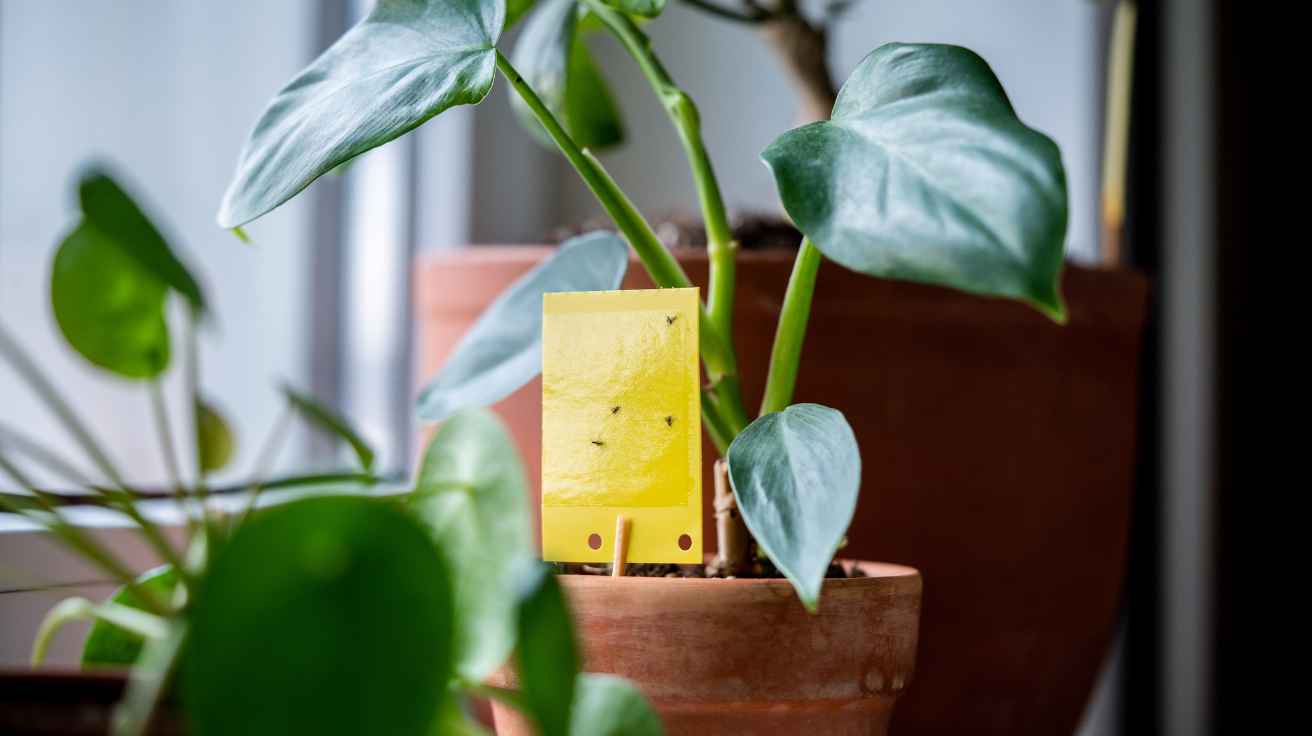
If you are wondering how to get rid of gnats, yellow sticky traps are your best first line of defense. These simple tools provide a non-toxic way to monitor and reduce the adult population in your home. By catching the flying adults, you effectively break the breeding cycle before it spirals out of control.
How Sticky Traps Work
These devices rely on a specific shade of bright yellow that mimics the appearance of certain flowers or foliage. Fungus gnats are naturally drawn to this color, making it an irresistible lure for them. Once they land on the surface, they become permanently stuck to the adhesive coating.
Using sticky traps for plants is a highly effective method for gauging the severity of an infestation. When you see a high number of gnats on a card, you know it is time to take more aggressive action. This visual feedback helps you track your progress over time.
Strategic Placement for Maximum Effectiveness
Placement is the most important factor when using these traps. You should position them as close to the soil line as possible, as this is where gnats spend most of their time. Placing them near the base of the stem ensures you catch the pests as they emerge from the potting mix.
It is also helpful to place traps near plants that appear to be the most infested. If you are still learning how to get rid of gnats, remember that consistency is key. Keep the traps in place until you no longer see new activity, and replace them once the surface is covered with debris.
Applying Hydrogen Peroxide Solutions to Soil
Using hydrogen peroxide for plants is a highly efficient method to stop gnat infestations at the source. This common household item works by releasing oxygen, which effectively kills larvae living in the top layer of your potting mix. By incorporating this into your routine, you can learn how to get rid of gnats while simultaneously boosting overall soil health.
Mixing the Correct Ratio for Safety
To ensure your plants remain safe during treatment, you must use the correct dilution. The standard recommendation is to mix one part of 3% hydrogen peroxide with four parts of water. This specific ratio creates a solution that is lethal to gnat larvae but gentle enough for most indoor plant roots.
Always double-check the concentration of your hydrogen peroxide before mixing. Most standard bottles found in stores are already at the 3% strength, which is perfect for this application. Avoid using higher concentrations, as they may cause damage to delicate root systems.
Application Techniques for Root Health
When you are ready to treat your plants, wait until the top inch of the soil is dry. Pour the solution slowly over the surface of the potting mix until it begins to drain out of the bottom of the pot. You will likely hear a slight fizzing sound, which is a normal reaction as the oxygen interacts with organic matter.
This bubbling process is exactly what targets the larvae without harming the plant. After the application, allow the soil to dry out naturally before your next regular watering. Consistent use of this technique will help you maintain a healthy environment and keep your indoor garden free from unwanted pests.
Utilizing Beneficial Nematodes for Biological Control
Many indoor gardeners are turning to nature to solve their gnat problems effectively. Beneficial nematodes offer a powerful, eco-friendly solution for those struggling with soil-dwelling larvae. This approach provides a reliable form of organic pest control that keeps your home environment safe and healthy.
What Are Beneficial Nematodes
These microscopic organisms are essentially tiny, non-segmented worms that live naturally in the soil. They act as a highly effective biological control agent by actively hunting down fungus gnat larvae.

Because they target the pests directly within the potting mix, they stop the life cycle before new adults can emerge. Using beneficial nematodes is a sustainable choice for plant lovers who want to avoid synthetic pesticides in their living spaces.
How to Apply Nematodes to Your Soil
Applying these organisms is a straightforward process that fits easily into your regular plant care routine. First, purchase a fresh supply of nematodes from a reputable garden center or online supplier.
Mix the nematodes into a watering can filled with cool, clean water according to the package instructions. Gently stir the solution to ensure the organisms are evenly distributed throughout the liquid.
Pour the mixture directly onto the soil of your affected plants until the surface is thoroughly moist. Keep the soil damp for the next few days to help the nematodes establish themselves and begin their work as a form of organic pest control.
The Role of Neem Oil in Pest Management
Managing indoor pests effectively often requires a reliable, plant-derived solution. Neem oil is a versatile product that serves as an excellent tool for long-term organic pest control in your home garden.
Benefits of Organic Neem Oil
This natural extract works by disrupting the life cycle of various insects at different stages. It prevents larvae from developing and stops adults from feeding, which helps keep your collection safe.
Proper Dilution and Foliar Application
To use this treatment safely, you must mix the concentrate with water according to the manufacturer’s instructions. Most solutions require a small amount of mild liquid soap to help the oil emulsify properly.
Apply the mixture to the foliage during the cooler parts of the day to avoid leaf burn. This careful application ensures that your greenery receives the benefits of organic pest control without suffering any damage from the treatment.
Always test a small, inconspicuous leaf before spraying the entire plant. This simple step confirms that your specific neem oil for plants mixture is safe for your unique indoor environment.
Adjusting Watering Habits to Deter Larvae
Overwatering is often the hidden culprit behind a sudden swarm of tiny flies. When the top layer of your potting mix stays constantly wet, it creates a perfect nursery for fungus gnat larvae to thrive. By changing how you hydrate your greenery, you can effectively break their life cycle and restore balance to your indoor garden.
The Importance of Letting Soil Dry Out
One of the most effective plant care tips is to allow the top inch of your soil to dry out completely between waterings. This simple practice makes the environment much less hospitable for pests that rely on moisture to survive. When the surface is dry, it prevents the adults from laying eggs and starves the developing larvae.
Checking the moisture level is easy; just insert your finger about an inch deep into the soil. If it feels damp, wait a few more days before reaching for your watering can. Consistent monitoring is a key component of maintaining long-term soil health and preventing future infestations.
Bottom Watering Techniques to Keep Surfaces Dry
If you struggle with keeping the top layer of soil dry, consider switching to bottom watering. This method involves placing your plant pot in a shallow tray or bowl filled with water for about twenty minutes. The roots soak up the moisture through the drainage holes at the bottom, leaving the surface dry and unattractive to pests.
This technique ensures that your plants receive the hydration they need without creating a damp breeding ground on top. It is a highly efficient way to support root development while keeping your soil health in check. By adopting these habits, you can enjoy a thriving indoor oasis without the constant worry of unwanted visitors.
Improving Soil Drainage and Aeration
Proper soil structure is the secret weapon for any indoor gardener looking to keep pests away. Many people focus on light and water, but the foundation of your plant is equally vital. By focusing on these essential plant care tips, you can create a home that is far less inviting to gnats.

Choosing the Right Potting Mix
Not all potting soils are created equal, and some hold onto moisture for far too long. When soil stays soggy, it creates the perfect breeding ground for larvae. Always choose a high-quality, well-draining mix specifically designed for indoor containers.
Look for blends that contain peat moss or coconut coir, but ensure they are balanced with coarser materials. A dense, heavy soil will trap water and lead to root rot. Investing in the right medium is one of the most effective plant care tips you can follow.
Adding Perlite and Pumice for Better Flow
If your current soil feels too heavy, you can easily improve it with simple amendments. Adding perlite or pumice creates tiny air pockets throughout the pot. This allows oxygen to reach the roots and helps the soil dry out much faster between waterings.
These volcanic materials are lightweight and do not break down over time. By increasing the airflow, you significantly boost your overall soil health. A well-aerated pot ensures that water flows through freely, leaving no standing moisture for pests to enjoy. Prioritizing soil health will keep your indoor garden thriving and pest-free for years to come.
Natural Home Remedies for Persistent Gnats
Managing a stubborn infestation of fungus gnats often requires looking no further than your kitchen pantry. You can easily supplement your existing care routine with simple, effective solutions that keep your indoor garden healthy. These methods provide a reliable form of organic pest control that is safe for both your plants and your home environment.
Cinnamon as a Natural Fungicide
Cinnamon is a powerful tool because it acts as a natural fungicide. By sprinkling a thin layer of ground cinnamon over the top of your potting soil, you inhibit the growth of the mold and fungi that larvae feed on. This simple step helps break the life cycle of the pests by removing their primary food source.
Apple Cider Vinegar Traps for Adults
If you notice adult flies buzzing around, you can construct simple traps to capture them quickly. Fill a small bowl or jar with a splash of apple cider vinegar and a drop of dish soap. The scent attracts the fungus gnats, while the soap breaks the surface tension, causing them to sink.
Place these traps near the base of your most affected plants for the best results. This form of organic pest control is highly effective for quick interventions when you notice a sudden increase in activity. Consistent use of these remedies will help you maintain a cleaner and healthier indoor space.
Maintaining a Pest-Free Indoor Garden
Consistency is the secret ingredient to maintaining a lush, pest-free indoor oasis. By dedicating a small amount of time each week to your greenery, you can effectively manage the health of your collection. Proper houseplant maintenance is the most reliable way to ensure your plants stay vibrant and free from common issues.
Routine Inspection Schedules
Establishing a regular check-up schedule allows you to catch potential problems before they escalate. Take a few minutes every weekend to examine the leaves, stems, and soil surface of your plants. Look closely for any signs of movement or unusual spots that might indicate the presence of indoor plant pests.
When you inspect your plants, gently touch the soil to check its moisture level. If you notice tiny flying insects, you can take immediate action to prevent gnats from spreading to your other pots. Staying observant is a simple habit that keeps your indoor environment healthy and thriving.
Quarantine Procedures for New Plant Additions
Bringing home a new plant is exciting, but it can also introduce unwanted guests into your home. Always isolate any new arrival from your existing collection for at least two weeks. This quarantine period acts as a safety buffer, giving you time to monitor the plant for any hidden signs of infestation.
During this time, keep the new plant in a separate room with good light. If you do not see any pests after the isolation period, it is safe to move the plant to its permanent spot. Following these steps is a proven way to prevent gnats and other pests from damaging your established indoor garden.
Keeping Your Indoor Oasis Healthy and Thriving
Your journey toward a vibrant home garden starts with small, intentional habits. Managing Gnats In House Plants requires a watchful eye and a commitment to the health of your soil. You possess the knowledge to turn your living space into a lush sanctuary.
Consistent houseplant maintenance acts as your best defense against future pest outbreaks. By observing your greenery daily, you catch minor issues before they grow into major headaches. These simple Plant care tips help you build a resilient environment for every leaf and stem.
Successful Indoor gardening relies on your ability to balance moisture and light. Your dedication ensures that your favorite ferns and succulents remain strong throughout the seasons. Enjoy the peace that comes with a clean, thriving collection of plants.
Share your progress with fellow plant lovers to build a supportive community. Your experience helps others learn how to protect their own botanical treasures. Keep growing and enjoy the beauty of your flourishing indoor oasis.
FAQ
How can I tell if I have fungus gnats or fruit flies in my home?
While they look similar to the naked eye, fungus gnats are specifically attracted to the organic matter and moisture in your potting soil, often seen hovering near the base of your plants. Fruit flies, on the other hand, are usually found in the kitchen near ripening produce. If you notice tiny, mosquito-like insects jumping around the surface of your Miracle-Gro soil, you are likely dealing with fungus gnats.
Will yellow sticky traps eliminate my entire gnat problem?
Yellow sticky traps, such as those from Safer Brand, are incredibly effective at capturing flying adults and stopping them from laying more eggs. However, they only target one stage of the life cycle. To fully clear an infestation, you should use these traps in tandem with soil treatments that target the larvae, such as a hydrogen peroxide drench or beneficial nematodes.
Is 3% hydrogen peroxide safe for my indoor plants?
Yes, when diluted correctly! A mixture of one part 3% USP Hydrogen Peroxide to four parts water is safe for most houseplants, including hardy favorites like the Monstera Deliciosa or Snake Plant. This solution kills larvae on contact by releasing oxygen, which also helps aerate the soil and boost root health.
What are beneficial nematodes and how do they work?
Beneficial nematodes are microscopic organisms—specifically the Steinernema feltiae species—that act as a biological control. When applied to moist soil, these tiny hunters seek out and eliminate fungus gnat larvae. Brands like Nature’s Good Guys offer these as a sustainable, non-toxic alternative to chemical pesticides, making them perfect for organic indoor gardening.
How does Neem oil help manage recurring gnat issues?
Organic Neem oil, like the cold-pressed versions from Monterey Garden Products, contains azadirachtin, which disrupts the growth and reproductive cycles of pests. By using it as a foliar spray or a soil drench, you create a long-term barrier that prevents gnats from establishing a foothold in your indoor oasis.
Can I use kitchen staples like cinnamon or vinegar to get rid of gnats?
Absolutely! Dusting the soil with Ceylon cinnamon acts as a natural fungicide, killing the mold that gnat larvae love to eat. For the adults, you can create a simple trap by filling a small jar with Bragg Apple Cider Vinegar and a drop of Dawn dish soap; the gnats are attracted to the fermenting scent and become trapped in the liquid.
What is “bottom watering” and why is it recommended for gnat control?
Bottom watering involves placing your plant pot in a tray of water for about 15–20 minutes, allowing the roots to drink from the bottom up. This technique keeps the top layer of soil dry. Since fungus gnats require a damp surface to lay their eggs, keeping that top inch of soil dry is one of the best preventative plant care tips you can follow.
Should I use Mosquito Bits for my indoor plant collection?
Summit Mosquito Bits are a highly recommended tool because they contain Bti (Bacillus thuringiensis israelensis), a specialized bacteria that targets gnat larvae specifically. By “steeping” the bits in your watering can before you hydrate your plants, you deliver a targeted biological strike against the pests without harming your family or pets.
How long should I quarantine a new plant to ensure it is pest-free?
It is best practice to keep any new additions from shops like The Sill or your local nursery in a separate room for at least two to three weeks. This duration allows you to monitor the plant through a full fungus gnat life cycle, ensuring you don’t accidentally introduce unwanted visitors to your established indoor garden.