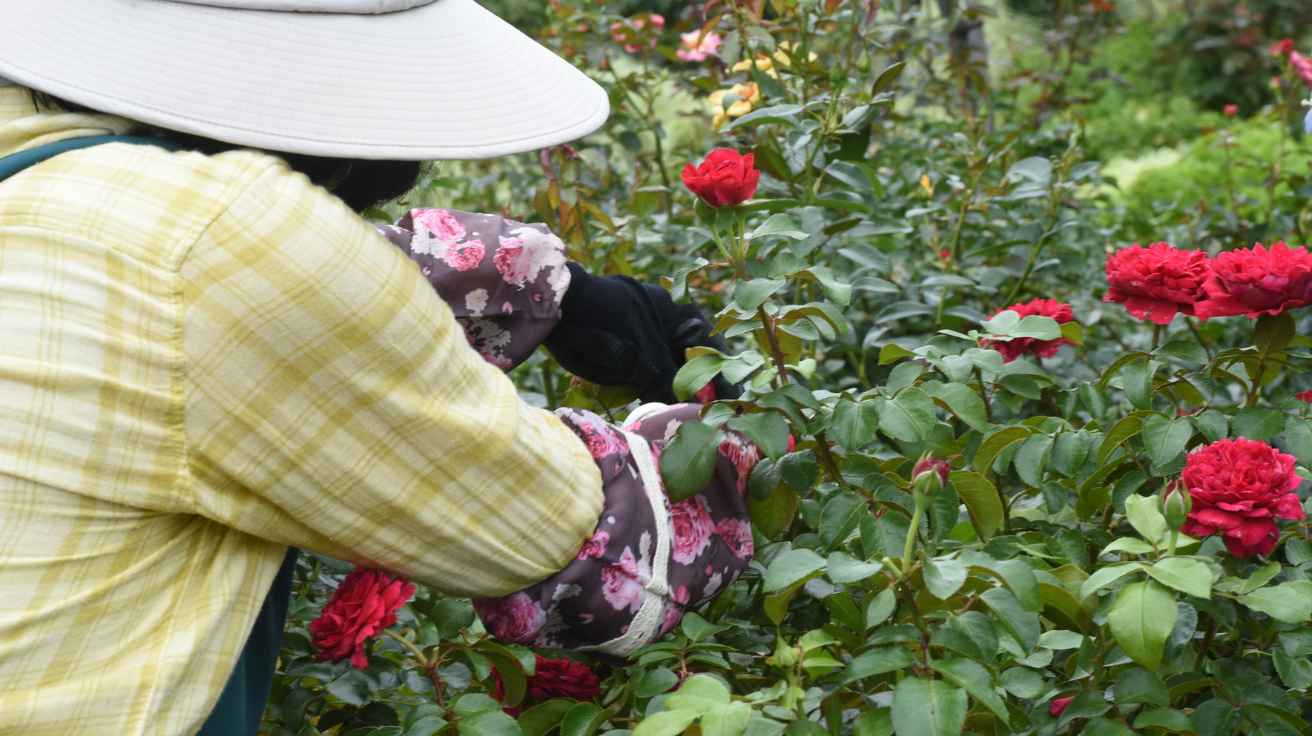
Rose Care for Beginners Guide to Healthy, Blooming Roses
Starting a garden brings immense joy to any home. If you dream of cultivating a stunning landscape, mastering the basics of rose care for beginners is your first step toward success. These classic flowers add elegance and fragrance to any outdoor space, making them a favorite among gardeners across the United States.
You might feel overwhelmed by the variety of species available today. However, focusing on simple, consistent habits ensures your plants thrive throughout the growing season. By providing the right soil, water, and sunlight, you create the perfect environment for healthy rose bushes to flourish in your backyard.
This guide explores the fundamental principles required to keep your garden productive. We will walk through expert-backed strategies that help you gain confidence as a gardener. With these techniques, you will soon enjoy a vibrant display of blooming roses that brighten your daily life.
Understanding Rose Types
Understanding the diverse world of rose varieties will help you create a thriving garden. Selecting the right plant is the most critical step in ensuring long-term success in your specific environment. By matching the plant to your space, you set the stage for a rewarding experience when growing roses.
Distinguishing Between Shrub, Hybrid Tea, and Climbing Roses
There are many different rose varieties to consider for your landscape. Hybrid Teas are widely prized for their classic, elegant form and long stems, making them perfect for cut flower arrangements. However, they often require more dedicated care to maintain their beauty.
In contrast, Shrub roses are known for their hardiness and vigorous growth habits. These plants are generally easier to manage and provide a massive display of blooms throughout the season. Climbing roses offer a unique vertical element, perfect for training over trellises, fences, or garden arches to add height to your design.
Choosing Varieties Suited for Your Climate Zone
Your local climate plays a massive role in how well your plants will perform. Some varieties thrive in the humid heat of the southern United States, while others require the cold hardiness found in northern regions to survive the winter. Always check the USDA hardiness zone rating before you make a purchase.
Successful growing roses starts with knowing your specific zone and microclimate. If you live in an area with harsh winters, look for varieties specifically bred for cold tolerance. By choosing the right match for your local weather, you ensure your garden remains vibrant and healthy year after year.
Essential Rose Care for Beginners
Mastering the art of growing beautiful roses begins with understanding the basics of daily care. When you commit to a routine, you provide your plants with the stability they need to thrive. Effective rose care for beginners is not about perfection, but rather about staying observant and proactive.
The Importance of Consistent Maintenance
Consistency is the secret ingredient to maintaining a thriving rose garden that remains free from stress and disease. By dedicating a few minutes each week to your plants, you can catch early signs of trouble before they become major issues. Regular rose garden maintenance involves checking leaves for spots and ensuring the soil moisture remains balanced.
Developing a habit of walking through your garden allows you to spot pests or wilting foliage quickly. These simple rose gardening tips help you stay ahead of the curve throughout the growing season. When you treat your garden as a living system that needs daily attention, your roses will reward you with vibrant, healthy blooms.
Tools Every New Rose Gardener Needs
Having the right equipment makes your time in the garden much more efficient and enjoyable. Every beginner should invest in a pair of high-quality bypass pruners, which provide clean cuts that help the plant heal faster. You will also need a sturdy pair of gardening gloves to protect your hands from thorns while you work.
Consider adding a sharp spade and a reliable watering can to your collection of essential tools. Keeping your gear clean and well-maintained ensures that you are always ready to handle routine tasks. With these basic items in your shed, you will feel confident and prepared to nurture your roses to their full potential.
Selecting the Perfect Planting Site
Your success with roses begins long before you dig the first hole in your garden. By choosing the right spot, you provide a strong foundation that helps your plants thrive for years. Proper placement reduces the need for extra work later on.
Sunlight Requirements for Maximum Flowering
Roses are sun-loving plants that crave energy to produce their best blooms. You should aim for a location that receives at least six to eight hours of direct sunlight every day. Understanding these specific rose sunlight needs is essential for vibrant flower production.
If your garden has areas with partial shade, try to prioritize the morning sun. Morning light helps dry dew off the leaves quickly, which keeps the plant healthy. Meeting these rose sunlight needs will reward you with a garden full of color.
Air Circulation and Preventing Fungal Issues
Good airflow is just as important as light when you are planning your layout. Stagnant air creates a humid environment that encourages diseases like powdery mildew and black spot. Following basic rose gardening tips, you should avoid crowding your plants against walls or fences.
Give your roses enough space to breathe by keeping them away from dense hedges. Proper spacing allows the wind to move through the foliage, keeping the leaves dry. This simple step is one of the most effective rose gardening tips for maintaining plant health.
Avoiding Competition from Nearby Trees and Shrubs
It is vital to keep your roses away from large trees or aggressive shrubs. These established plants have deep, thirsty roots that will quickly steal water and nutrients from your roses. You want your new plants to have full access to the soil resources they need to grow.
If you must plant near a tree, ensure there is a wide buffer zone between them. This prevents the tree roots from choking out your rose bushes. A clear site ensures your roses get all the hydration and food they require to flourish.
Preparing the Soil for Optimal Growth
Your journey toward a breathtaking rose garden begins deep beneath the surface. The quality of your earth dictates the health and vigor of your bushes throughout the entire year. Investing time in proper rose soil preparation now ensures your plants thrive for many seasons to come.
Testing and Amending Soil pH
Roses generally prefer a slightly acidic environment to absorb nutrients effectively. You should aim for a pH level between 6.0 and 7.0 for the best results. A simple home testing kit will tell you exactly what your garden needs before you start planting roses.
If your soil is too acidic, adding garden lime can help raise the levels. Conversely, sulfur can lower the pH if your ground is too alkaline. Balancing these levels is a vital step in effective organic rose care.
Improving Drainage with Organic Matter
Roses dislike “wet feet,” which occurs when water sits around the roots for too long. Poor drainage often leads to root rot and other fungal diseases that weaken your plants. You can fix heavy clay or sandy soil by mixing in plenty of organic material.
This process creates a loose, crumbly texture that allows roots to spread easily. Good drainage is essential for maintaining the long-term vitality of your garden. It turns difficult ground into a welcoming home for your new bushes.
The Role of Compost and Aged Manure
Incorporating compost and aged manure provides a slow-release source of essential nutrients. These materials improve the structure of the earth while encouraging beneficial microbial activity. This natural approach is a cornerstone of successful organic rose care.
When you focus on quality rose soil preparation, you create a nutrient-rich environment that supports deep root development. This one-time investment pays dividends in the form of stronger, more resilient plants. Your efforts will be rewarded with vibrant blooms and healthy foliage all summer long.
Planting Your Roses Correctly
Proper installation is the secret to a thriving rose garden that lasts for years. When you focus on planting roses with care, you avoid common issues like stunted growth or poor winter survival. Taking your time during this phase ensures your plants establish strong roots quickly.
Digging the Ideal Planting Hole
The foundation of a healthy plant starts with a well-prepared hole. You should dig a space that is wide and deep enough to accommodate the entire root system without any crowding. A hole roughly 18 to 24 inches wide and deep is usually sufficient for most varieties.
Loosen the soil at the bottom of the hole to encourage deep root penetration. If your native soil is heavy clay, mix in some organic compost to improve the structure. This simple step makes planting roses much more successful in the long run.
Handling Bare-Root Versus Container-Grown Roses
Bare-root roses require a bit of extra preparation before they go into the ground. Soak the roots in a bucket of water for several hours to ensure they are fully hydrated. Spread the roots gently over a small mound of soil at the bottom of your hole.
Container-grown roses are easier to handle since they already have an established root ball. Carefully remove the plant from its pot and gently tease the outer roots if they appear tight or circling. Place the root ball into the hole, ensuring it sits level with the surrounding soil surface.
Setting the Bud Union at the Right Depth
The bud union is the swollen area where the rose variety was grafted onto the rootstock. Positioning this part correctly is vital for the health of your plant. In colder climates, you should bury the bud union about two inches below the soil surface to protect it from freezing temperatures.
In warmer regions, you can keep the bud union at or slightly above the soil level. This placement helps prevent the graft from rotting while keeping the plant stable. Always firm the soil gently around the base to remove large air pockets after you finish planting roses.
Watering Techniques for Deep Roots
Establishing deep roots starts with how you approach watering roses. Consistent moisture allows your plants to build a strong foundation that can survive even the hottest summer months. When roots grow deep into the soil, they become much more resilient against temporary dry spells.
Frequency and Timing for Best Results
The best time to water your garden is early in the morning. This schedule allows the soil to absorb moisture before the sun reaches its peak intensity. Aim for a deep soak rather than frequent, light sprinkles, as this encourages roots to reach downward.
During the peak of summer, you may need to water two or three times per week depending on your local climate. Always check the soil moisture a few inches below the surface before adding more water. If the soil feels damp, you can wait another day.

Avoiding Foliage Wetness to Prevent Disease
One of the most effective methods for rose disease prevention is keeping the leaves dry. Water that sits on the foliage creates a perfect environment for fungal issues like black spot or powdery mildew. By focusing your efforts at the base of the plant, you keep the leaves healthy and vibrant.
Avoid using overhead sprinklers that spray water over the entire bush. If you must water by hand, use a watering can or a hose with a gentle flow directed specifically at the soil line. This simple change significantly lowers the risk of common garden ailments.
Using Drip Irrigation and Soaker Hoses
Drip irrigation systems and soaker hoses are excellent tools for busy gardeners. These systems deliver water directly to the root zone where it is needed most. Because they minimize evaporation, they are also a very efficient way to manage your water usage.
Soaker hoses are particularly useful because they slowly seep water into the ground over time. This slow release ensures that the soil remains evenly moist without becoming waterlogged. Investing in these tools will help you maintain a beautiful, thriving garden with minimal daily effort.
Fertilizing for Vibrant Blooms
Proper nutrition acts as the foundation for healthy, resilient, and beautiful rose bushes. Providing the right nutrients at the right time is the key to achieving a garden filled with spectacular, blooming roses. By understanding what your plants need, you can ensure they have the energy required for consistent growth.
Understanding NPK Ratios for Roses
Every fertilizer label features three numbers representing the NPK ratio. Nitrogen supports lush green foliage, while phosphorus is essential for developing strong roots and blooming roses. Potassium helps the plant manage water and resist diseases throughout the season.
Most balanced fertilizers provide a steady supply of these primary nutrients. Look for products specifically formulated for roses to ensure the ratio meets their unique needs. Using the correct rose fertilizer types helps maintain a healthy balance in your soil.
When to Start and Stop Feeding
Timing is critical when fertilizing roses to avoid stressing the plant. You should begin your feeding schedule in early spring, right after the first round of pruning. This gives the plant a boost as it begins to wake up from winter dormancy.
Continue to feed your roses regularly throughout the active growing season. However, you must stop all fertilization about six weeks before the first expected frost in your area. This allows the plant to harden off and prepare for the cold winter months ahead.
Applying Granular Versus Liquid Fertilizers
Gardeners often choose between granular and liquid options based on their personal preferences. Granular fertilizers are slow-release, meaning they provide nutrients over a longer period. You simply sprinkle them around the base of the plant and water them into the soil.
Liquid fertilizers act much faster, providing an immediate nutrient boost to your roses. These are excellent for quick recovery or when you want to see rapid results during the peak season. Both rose fertilizer types are effective when applied according to the instructions on the package.
Pruning Methods to Encourage Growth
Mastering the art of pruning roses ensures your plants remain vigorous and beautiful year after year. This essential practice stimulates fresh stems and keeps your bushes in a manageable, healthy shape. By learning the right approach, you can transform a wild shrub into a stunning focal point for your garden.
Timing Your Pruning Sessions
The best time for pruning roses is typically in early spring, just as the buds begin to swell. This timing aligns perfectly with the plant’s natural growth cycle, allowing it to recover quickly before the main flowering season. Avoid pruning too early in the winter, as late frosts can damage the newly exposed cuts.
Removing Dead, Damaged, or Diseased Wood
Start your maintenance by carefully inspecting the entire bush for any unhealthy growth. You should remove any wood that appears brown, shriveled, or brittle, as these parts no longer support the plant. Clearing away diseased stems prevents the spread of infection and allows the rose to direct its energy toward healthy, productive canes.

Shaping for Better Airflow and Light Penetration
Effective rose pruning techniques involve thinning out the center of the bush to create an open, vase-like structure. This shape allows air to circulate freely through the foliage, which significantly reduces the risk of fungal issues. Furthermore, opening up the canopy ensures that sunlight reaches the inner branches, which is vital for encouraging prolific blooms.
Always make your cuts at a forty-five-degree angle just above an outward-facing bud. This simple habit directs new growth away from the center of the plant. By consistently applying these rose pruning techniques, you will enjoy a healthier, more vibrant garden throughout the entire season.
Managing Common Pests and Diseases
Even the most vibrant rose garden can occasionally face unwanted visitors or fungal challenges. While you strive to provide the best environment for your plants, nature sometimes introduces obstacles that require your attention. Learning to spot these issues early is the foundation of effective rose pest control.
Identifying Black Spot and Powdery Mildew
Black spot is a common fungal disease that appears as dark, circular spots on leaves, often surrounded by a yellow halo. If left untreated, it can cause premature leaf drop and weaken the plant significantly. You should look for these signs during humid or rainy weather.
Powdery mildew is another frequent issue, appearing as a white, dusty coating on leaves, buds, and stems. It thrives in conditions where days are warm and nights are cool. Improving airflow around your plants is a great way to discourage this fungus from taking hold.
Dealing with Aphids and Japanese Beetles
Aphids are tiny, soft-bodied insects that cluster on new growth and flower buds. They suck the sap from your roses, which can stunt development and cause distorted leaves. A strong blast of water from your garden hose is often enough to dislodge them.
Japanese beetles are larger pests that skeletonize leaves and damage flower petals during the summer months. Hand-picking these beetles in the early morning is a highly effective method for small gardens. Consistent monitoring helps you keep their population under control before they cause widespread damage.
Integrated Pest Management Strategies
Adopting a strategy of organic rose care allows you to protect your garden without relying on harsh chemicals. This approach focuses on prevention, such as choosing disease-resistant varieties and keeping the soil healthy. By maintaining a balanced ecosystem, you encourage beneficial insects like ladybugs to visit your garden.
These natural predators help keep harmful pest populations in check naturally. If you must intervene, prioritize horticultural oils or insecticidal soaps that target specific pests while sparing your garden helpers. This proactive mindset ensures your roses remain healthy and beautiful throughout the growing season.
Preparing Roses for Winter Dormancy
Winterizing roses is a rewarding task that ensures your plants thrive when spring returns. Taking the time to prepare your garden for the cold is essential for long-term plant health and vigor. By following a few simple steps, you can help your roses sleep soundly through the winter months.
Mulching for Root Protection
Applying a thick layer of mulch is one of the most effective methods for rose winter protection. This organic barrier insulates the soil, keeping the temperature stable despite the freezing and thawing cycles of winter. Use wood chips, straw, or shredded leaves to cover the base of your plants generously.
When to Stop Pruning Before the First Frost
Many gardeners make the mistake of pruning too late in the season. You should stop all major pruning sessions at least six weeks before the first expected frost in your area. This pause prevents the plant from pushing out new, tender growth that would quickly succumb to freezing temperatures.
Protecting Grafted Roses in Colder Climates
If you live in a region with harsh winters, the graft union requires extra attention. This sensitive area where the rose variety meets the rootstock is vulnerable to extreme cold. Mounding soil or compost around the base of the plant provides the necessary rose winter protection to keep the graft safe until spring.
Enjoying Your Thriving Rose Garden
Your dedication to proper care transforms a simple yard into a fragrant sanctuary. Growing roses brings a unique sense of peace to your outdoor living space throughout the blooming season.
You now possess the skills to maintain healthy rose bushes that stand out in any landscape. Consistent observation allows you to catch small issues before they impact your floral display.
Take time to sit among your flowers and appreciate the vibrant colors you helped create. Sharing your garden with friends or family makes the experience even more rewarding.
Keep refining your techniques as you gain more experience with different varieties. Your commitment ensures that your garden remains a beautiful highlight of your home for many years.